Skid Mounted Fire Pump System for Temporary Supply
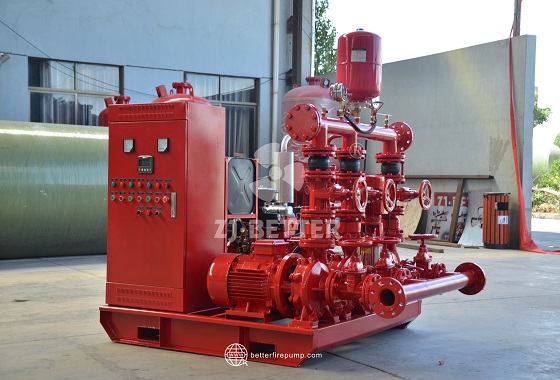
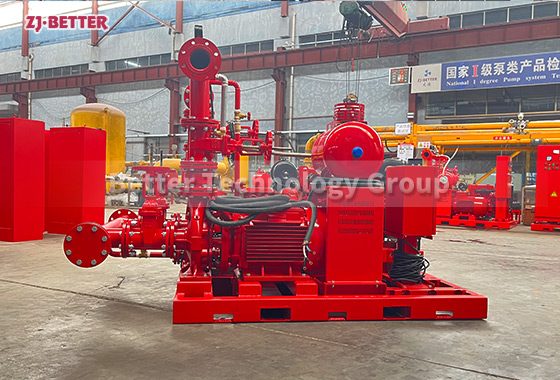
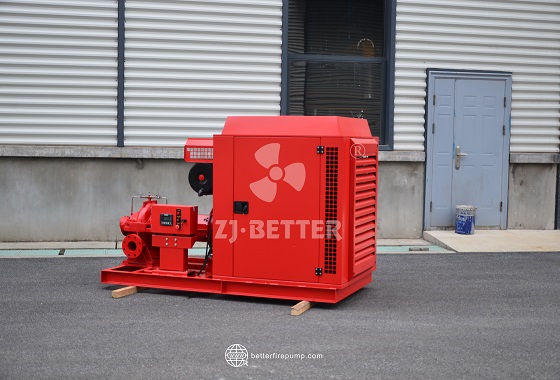
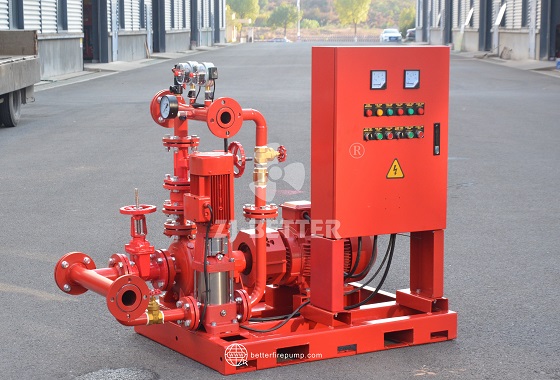
The skid-mounted fire pump system supports rapid deployment and flexible mobility, providing an efficient and stable temporary fire water supply solution suitable for construction sites, emergency rescue operations, and environments lacking a fixed water supply.
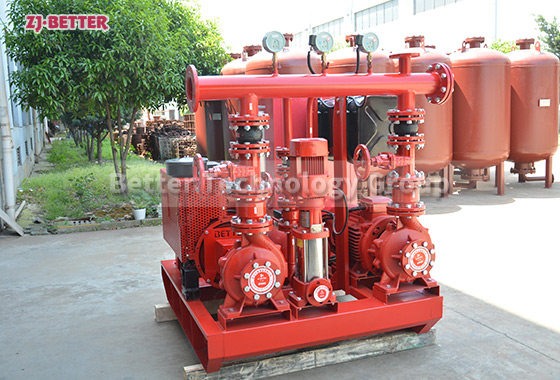
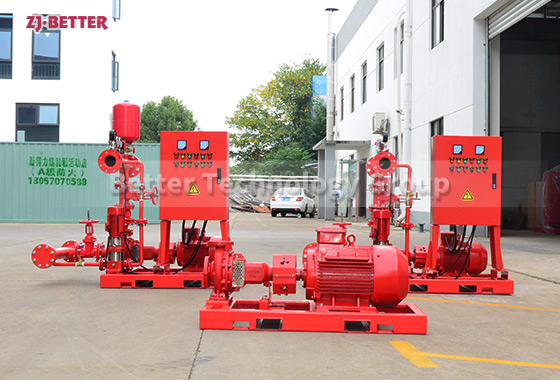
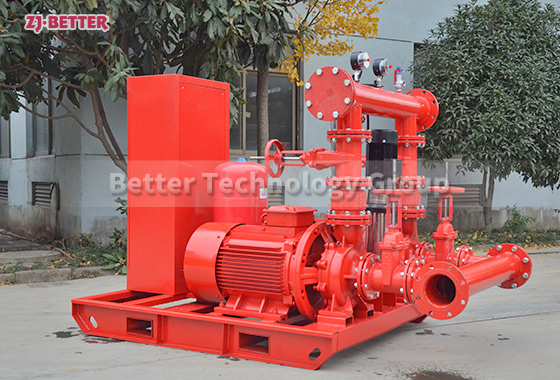
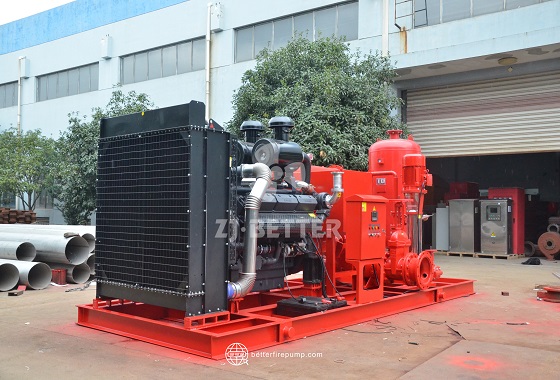
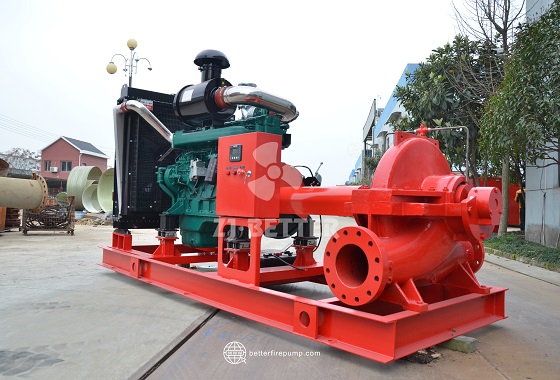
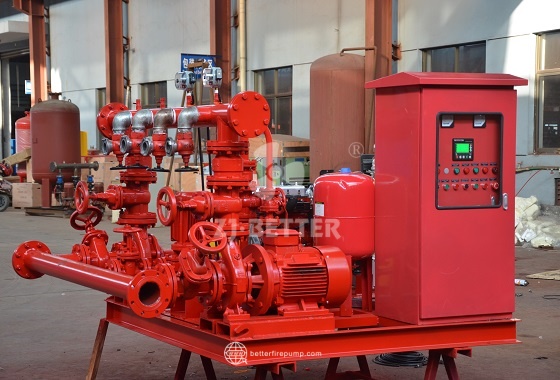
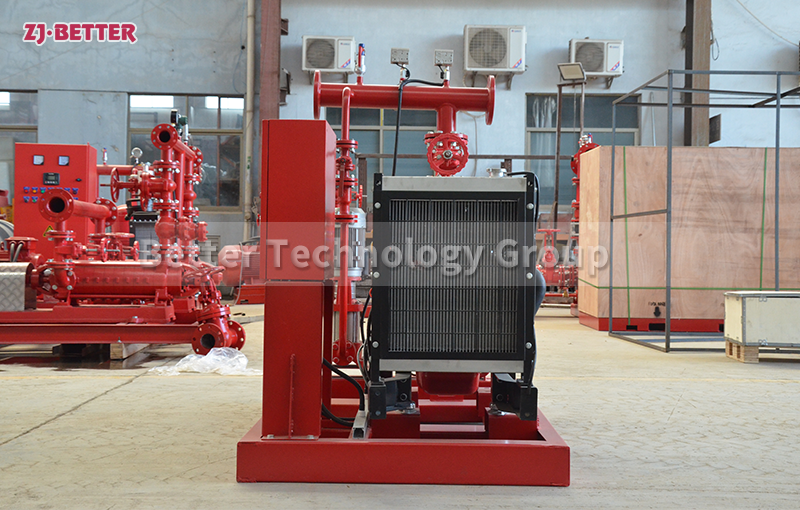
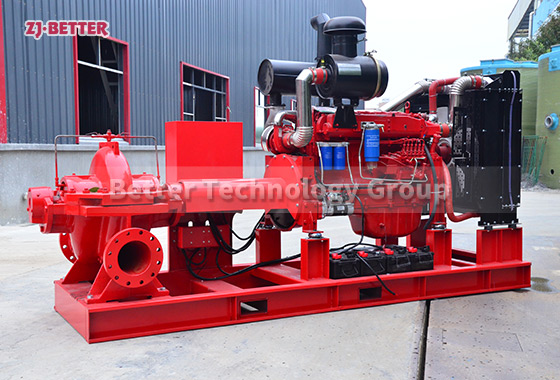
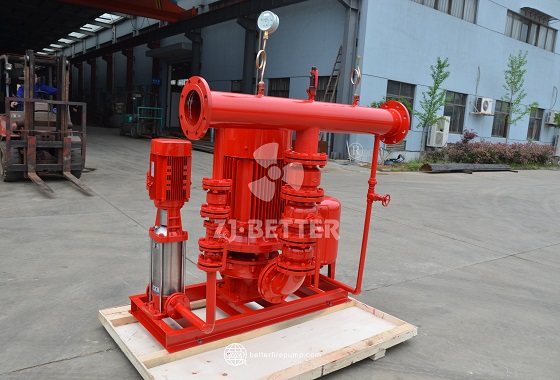
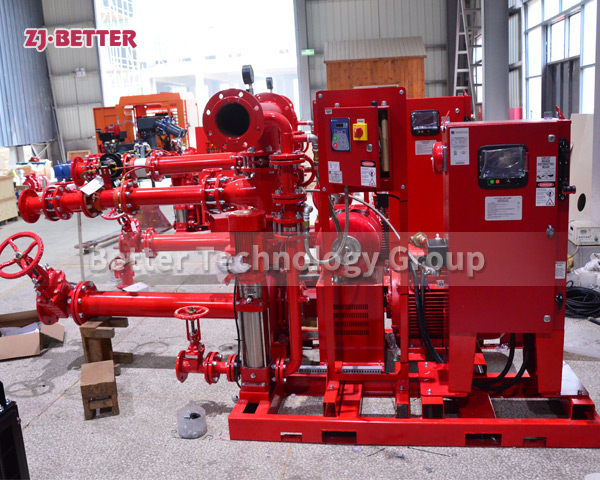
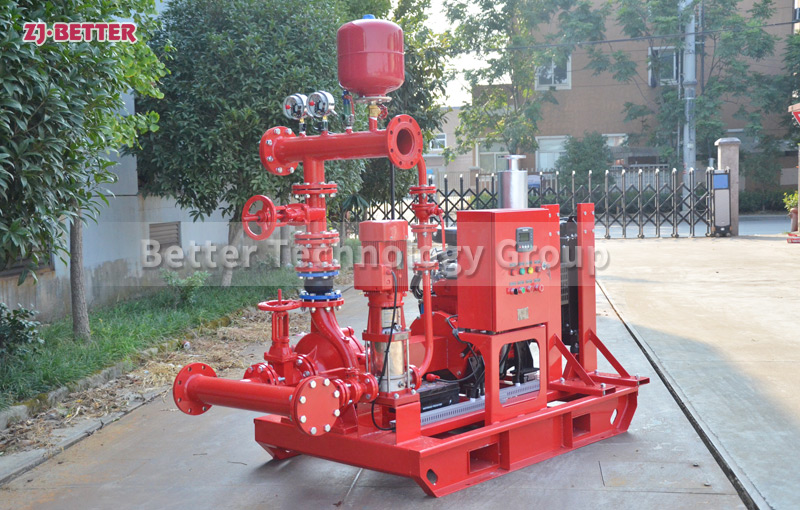
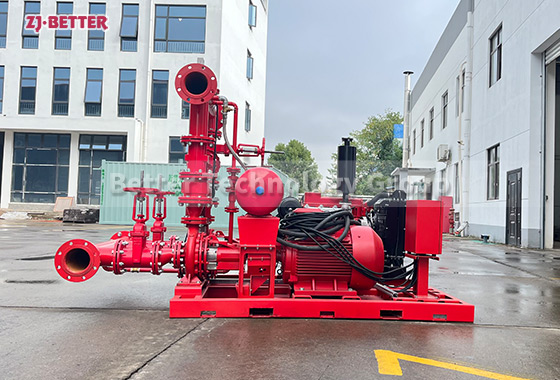
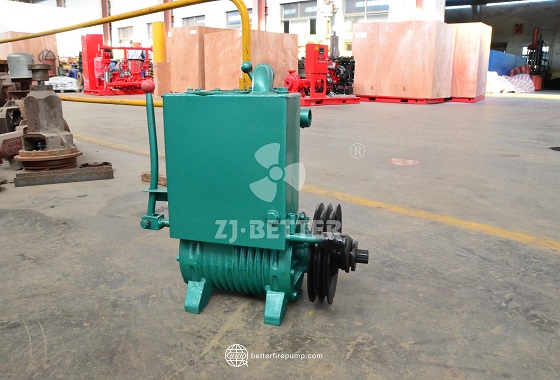
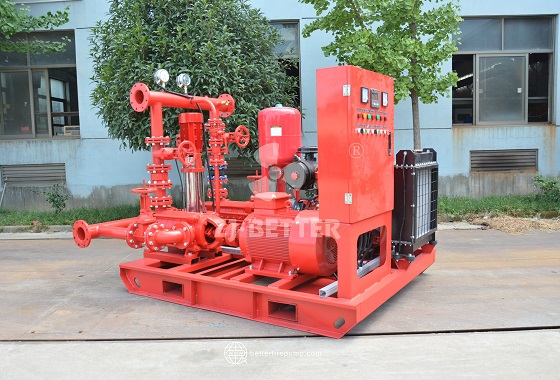
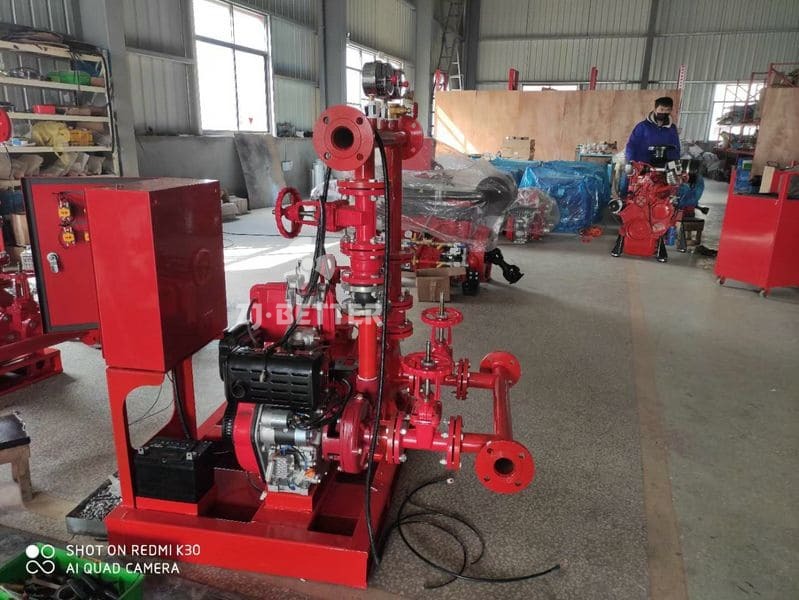
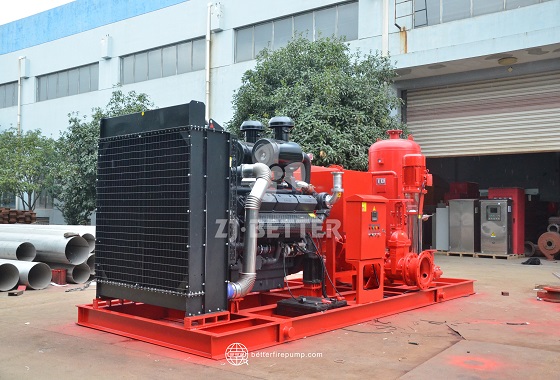
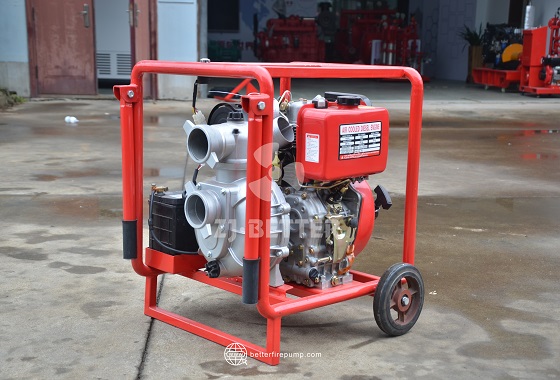
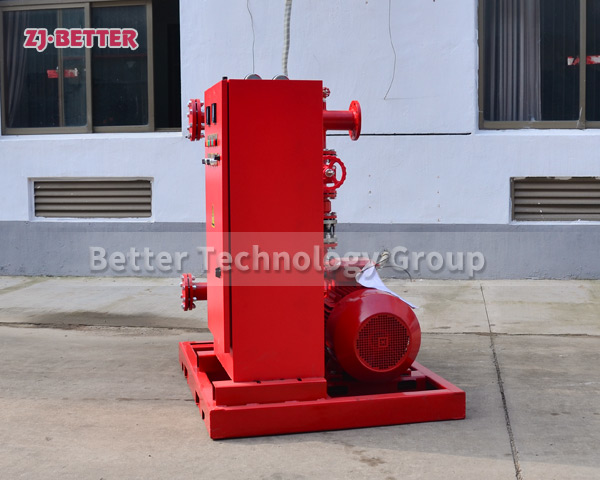
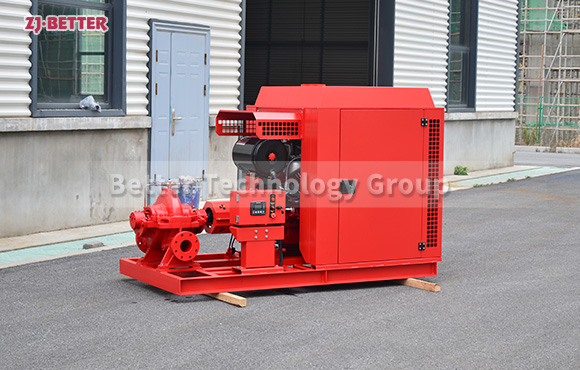
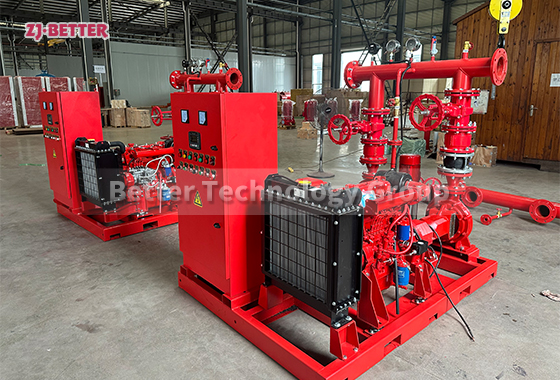
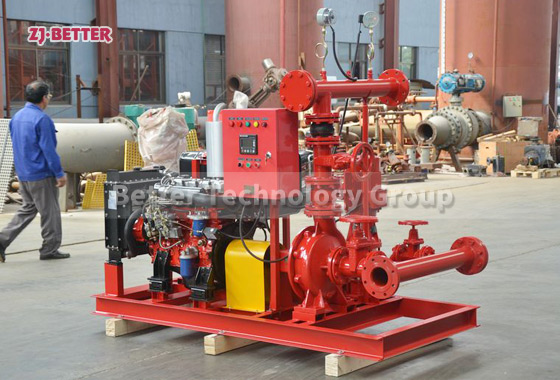
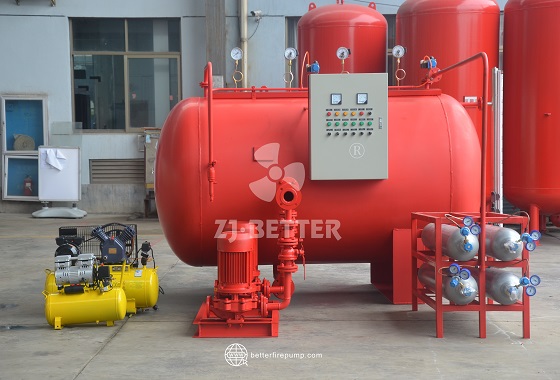
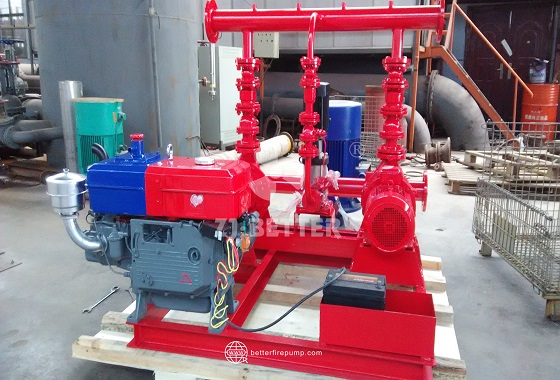
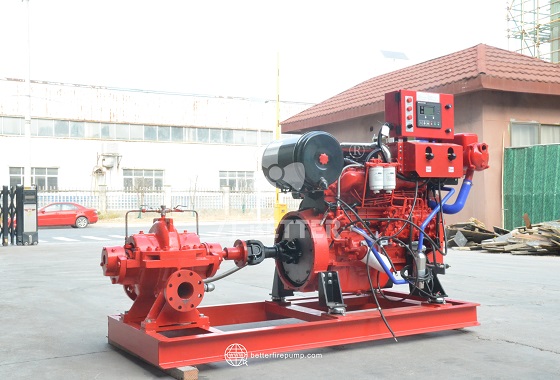
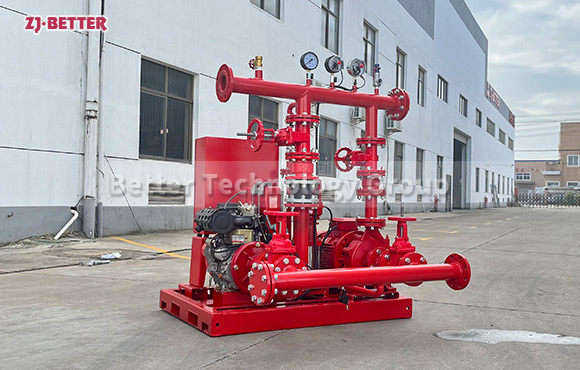
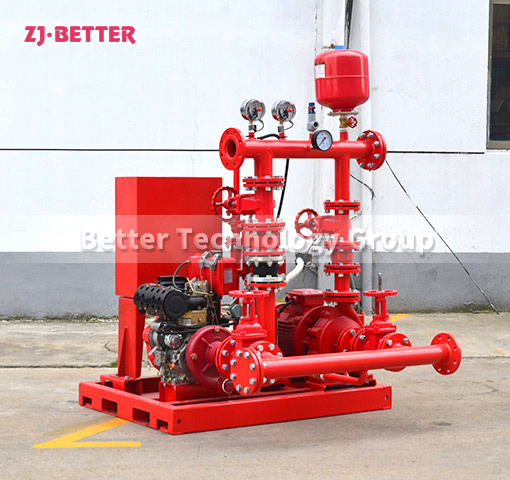
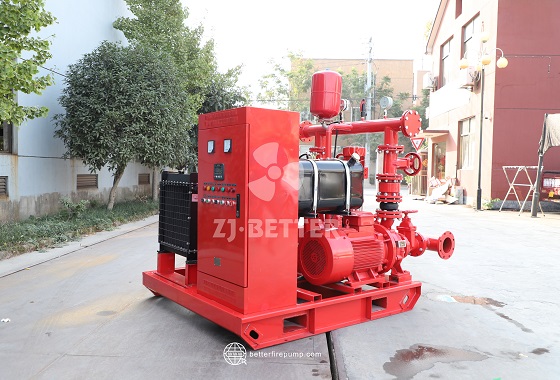
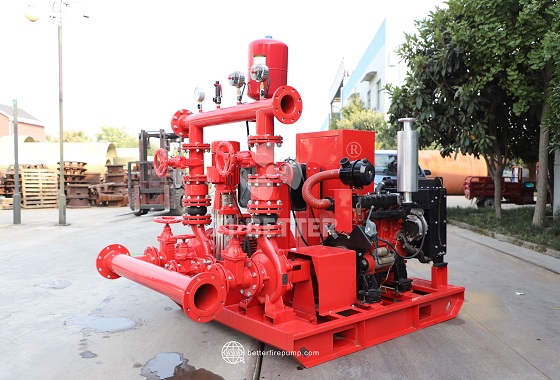
The skid-mounted fire pump system is a highly efficient, integrated fire water supply solution designed to enhance the efficiency of temporary fire protection in response to the complexities of modern construction environments and emergency firefighting demands. In practical engineering applications—such as at construction sites, temporary storage areas, large-scale event venues, mines, port terminals, and disaster relief sites—locations often lack comprehensive fixed fire water supply systems or face unstable water supply conditions. Under these circumstances, a skid-mounted fire pump system—characterized by its rapid deployability, mobility, and stable water supply capability—emerges as a critical asset for ensuring fire safety. This system integrates the fire pump, motor (or diesel power unit), control system, piping components, and necessary auxiliary equipment onto a single steel base, forming a standardized modular structure. This design not only significantly simplifies the on-site installation process but also substantially boosts the efficiency of equipment transport and deployment, enabling the system to be commissioned in the shortest possible time to provide reliable fire water support to the site. In terms of structural design, the skid-mounted fire pump system utilizes a high-strength steel base as its load-bearing platform; the base is fully welded and treated with anti-corrosion finishes, endowing it with excellent resistance to impact and corrosion, thereby allowing it to adapt to a wide range of complex environmental conditions. Furthermore, the base features a well-engineered design that incorporates dedicated forklift pockets and lifting points, facilitating the convenient and efficient transfer of the equipment between different locations. Regarding positioning and flexibility, the system offers significantly enhanced operational versatility. In terms of core power configuration, users may select between electric motor-driven and diesel engine-driven options based on actual requirements. The electric model is ideal for locations with a stable power supply, offering the advantages of smooth operation, simplified maintenance, and lower energy consumption; conversely, the diesel-driven model is suited for environments lacking electricity or experiencing unstable power, featuring independent operational capability that allows it to start rapidly and maintain a continuous water supply during emergencies, thereby ensuring the fire protection system remains unhindered by external conditions during critical moments. Regarding pump performance, the system typically employs high-efficiency centrifugal or multi-stage pump structures. By optimizing the impeller design and flow channel geometry, the system facilitates smoother water flow and minimizes energy loss, thereby achieving high head and large flow rate outputs capable of meeting the fire protection needs of facilities of varying scales. Furthermore, the pump body is constructed from corrosion-resistant cast iron or stainless steel, enabling it to adapt to diverse water quality conditions and ensuring an extended service life. Regarding the control system, the skid-mounted fire pump unit is equipped with an intelligent control cabinet featuring automatic start/stop, pressure monitoring, fault alarming, and multiple protection functions. The system utilizes pressure sensors to monitor the status of the pipe network in real-time; upon detecting a drop in pressure or receiving a start signal, the equipment automatically activates and rapidly transitions into a stable operational state. Simultaneously, the control system continuously monitors key parameters—such as current, voltage, pressure, and flow rate—and is designed to respond immediately should any anomalies arise. In the event of anomalies—such as overload, phase loss, or abnormal pressure—the system immediately triggers an alarm and executes protective measures, thereby effectively preventing equipment damage and ensuring operational safety. Regarding water supply stability, the system can be configured with pressure-stabilizing pumps and pressure tanks as needed; through a dedicated pressure-stabilization subsystem, it maintains constant pressure within the pipe network, minimizes the frequent starting and stopping of the main pumps, and consequently reduces energy consumption while extending equipment service life. Simultaneously, this ensures that a stable fire water pressure is available at all times. In terms of energy conservation, through rational system configuration and the utilization of high-efficiency motors, this skid-mounted fire pump system significantly reduces energy consumption while fully meeting performance requirements. This is particularly evident during non-emergency periods, when intelligent controls enable low-power operation, thereby effectively lowering overall operating costs. Regarding installation and commissioning, the system features a highly integrated design; users are spared the need for complex on-site assembly, requiring only basic anchoring, pipeline connections, and simple commissioning before the unit is ready for operation. This significantly shortens construction cycles and reduces labor costs. Furthermore, the modular design facilitates convenient expansion or upgrades, allowing for the flexible addition of pump sets or configuration adjustments based on actual operational needs. Finally, regarding maintenance, all critical system components feature a standardized design to facilitate rapid replacement and repair. Additionally, the control system provides detailed operational data and fault logs, enabling maintenance personnel to monitor… The control interface enables rapid identification and resolution of issues, thereby enhancing maintenance efficiency and minimizing downtime. In terms of adaptability, this skid-mounted fire pump system operates stably across a wide range of complex environments—including those characterized by high temperatures, extreme cold, high humidity, or dust—demonstrating exceptional environmental resilience. Furthermore, its compact structural design allows for flexible deployment in locations with limited space, significantly expanding its scope of application. In practical use, the system serves not only to meet temporary fire water supply requirements but also acts as a supplement or backup unit for fixed fire protection systems, providing additional water supply capacity during emergencies and thereby bolstering the overall reliability and safety of the fire protection infrastructure. Over the course of long-term operation, the equipment exhibits outstanding stability and durability, maintaining optimal performance even under conditions involving frequent relocation or complex operating scenarios, thereby providing users with continuous and reliable assurance. Overall, with its multifaceted advantages—including rapid deployment, flexible mobility, efficient water supply, and intelligent control capabilities—the skid-mounted fire pump system stands as a highly valuable asset in modern fire protection engineering, playing a particularly prominent role in scenarios involving temporary water supply and emergency rescue operations. Through continuous design optimization and technological upgrades, this class of products is evolving toward greater efficiency, enhanced intelligence, and improved environmental sustainability, offering users fire water supply solutions that are safer, more reliable, and more cost-effective.