Home » Fire Pump Set » Application Analysis of Horizontal End Suction Electric Fire Pumps as Main Pumps in Fixed Fire Protection Systems

Application Analysis of Horizontal End Suction Electric Fire Pumps as Main Pumps in Fixed Fire Protection Systems

Horizontal end suction electric fire pumps designed as main pumps for fixed fire protection systems, delivering high flow capacity, stable pressure, fast startup, reliable continuous operation, and efficient performance for building and industrial fire safety applications.

Rated 5/5 based on 317 customer reviews
Share:
Content

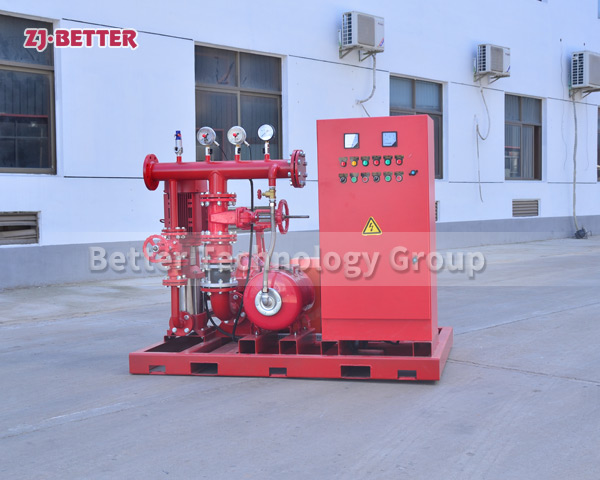
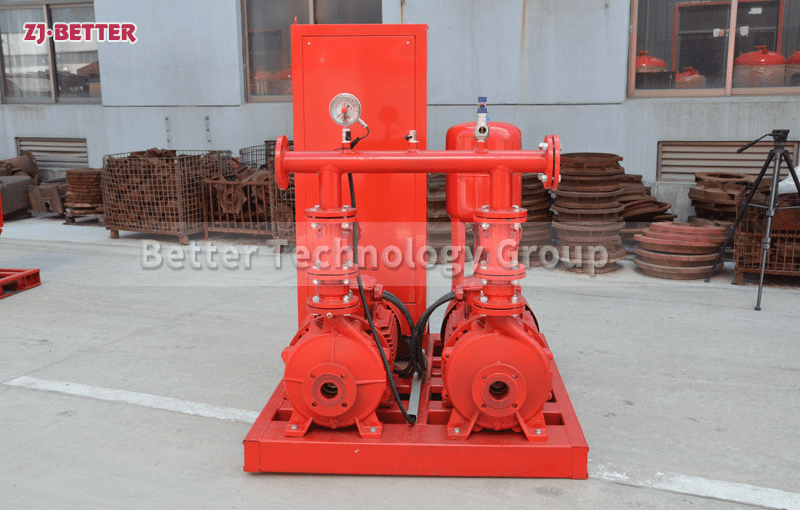
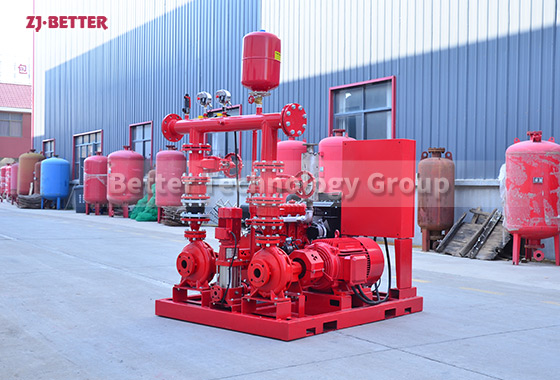
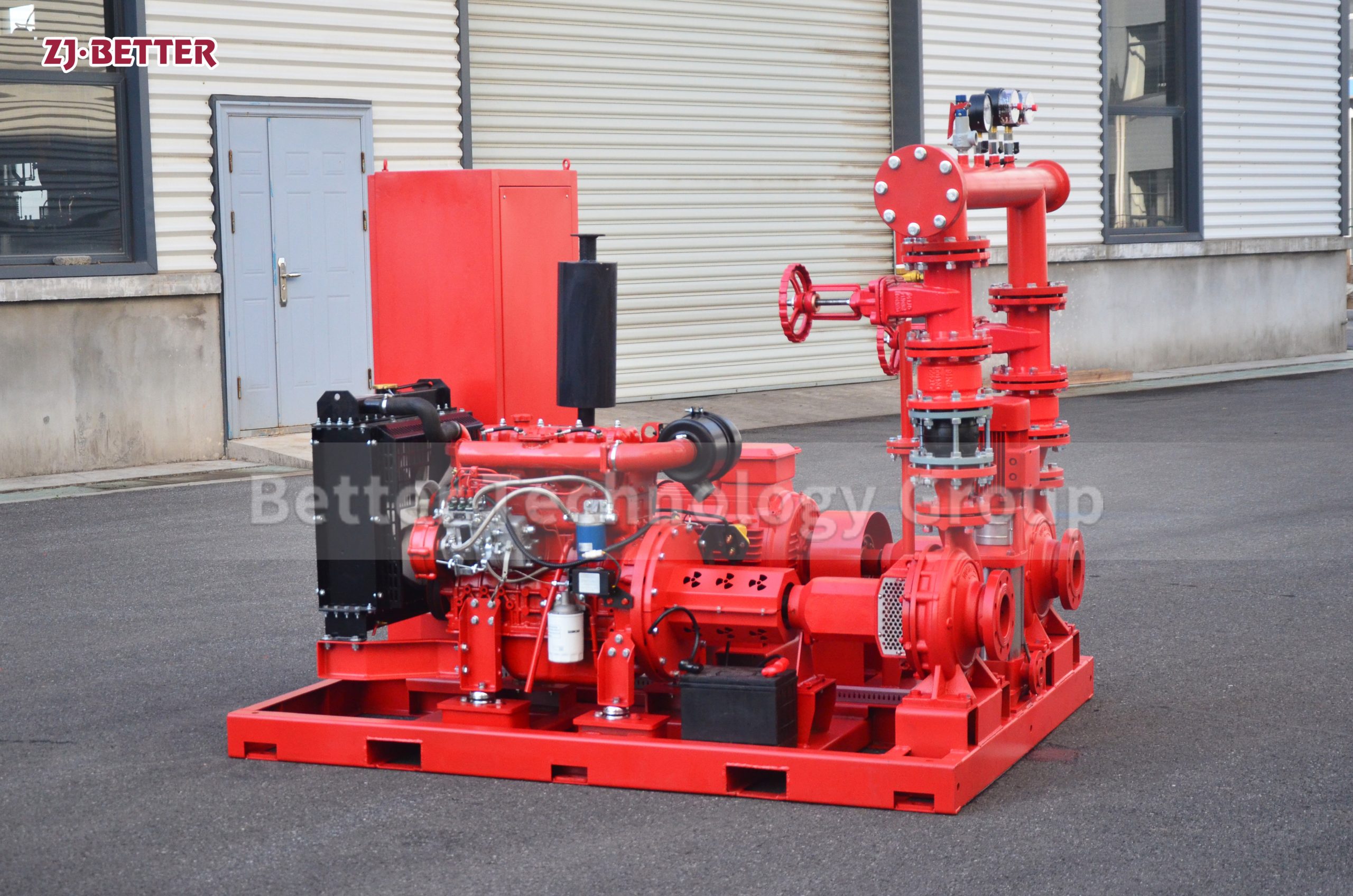
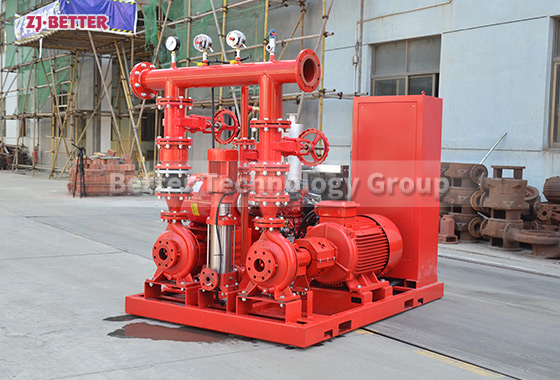
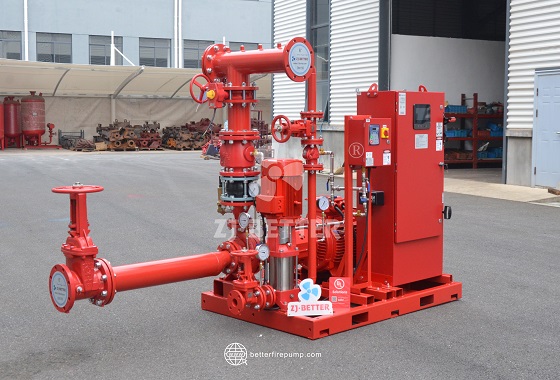
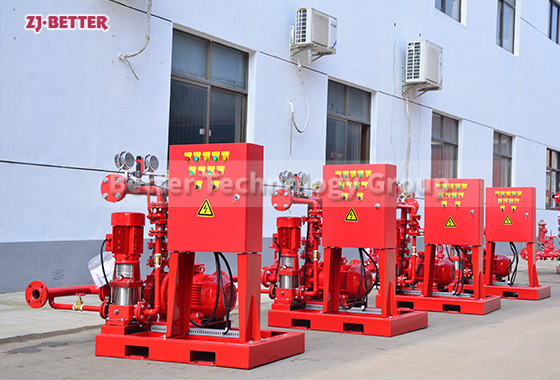
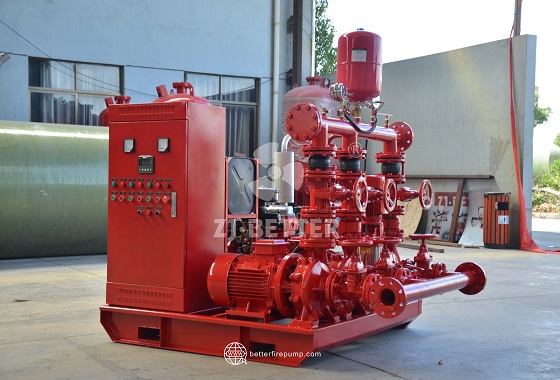
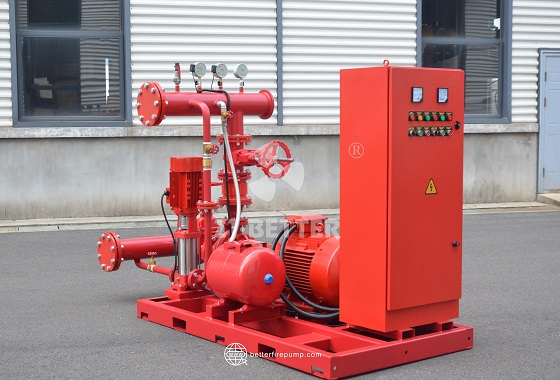
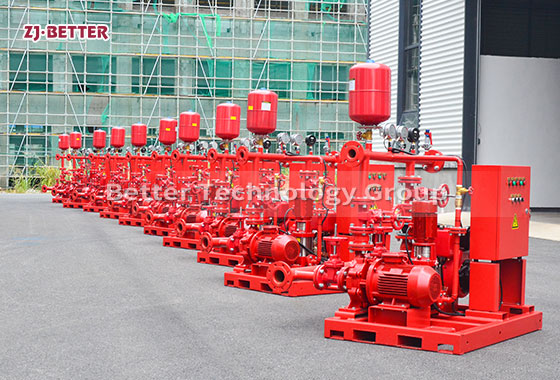
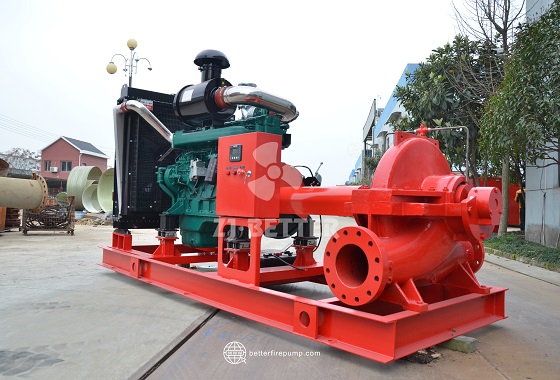
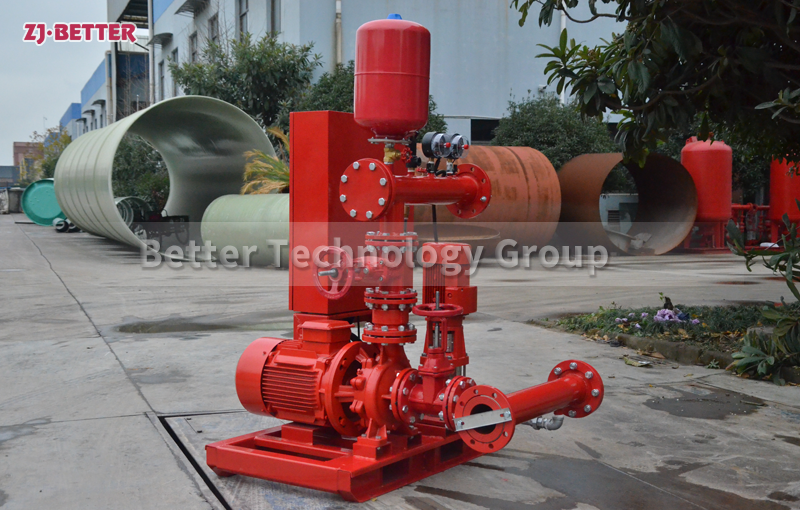
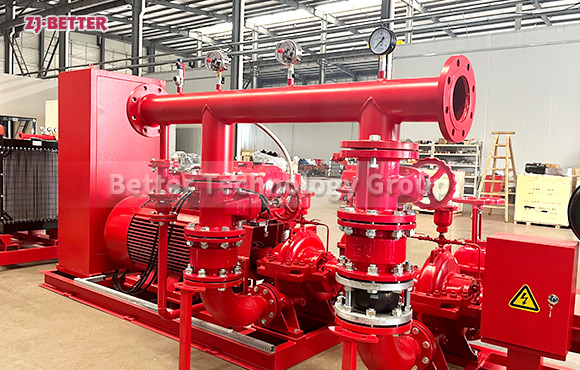
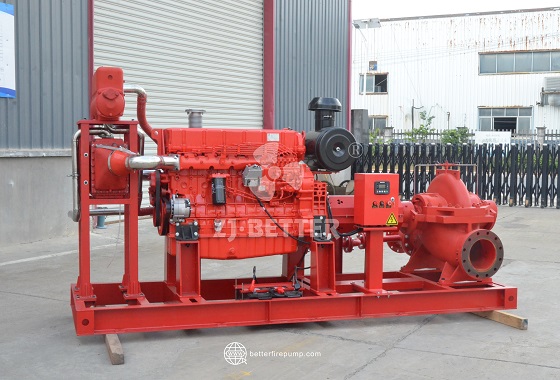
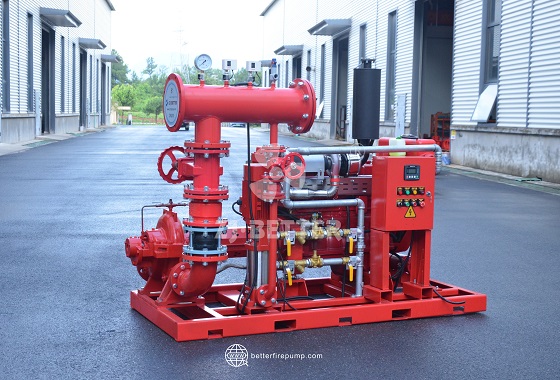
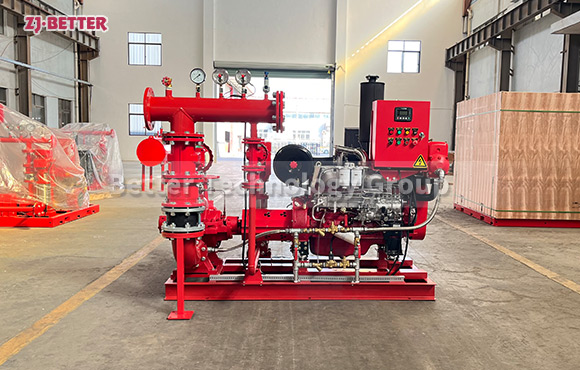
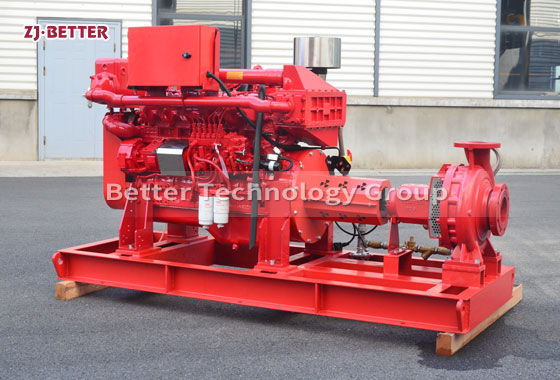
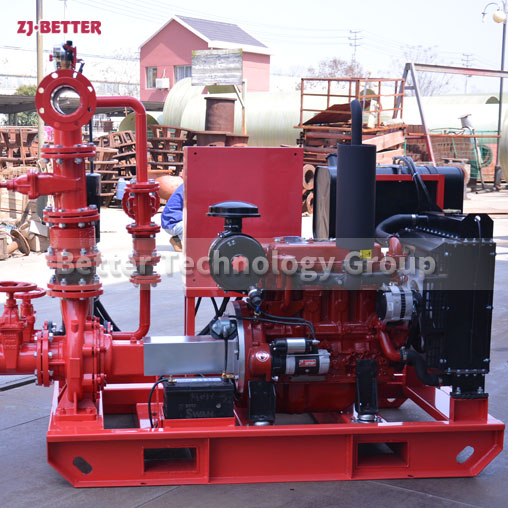
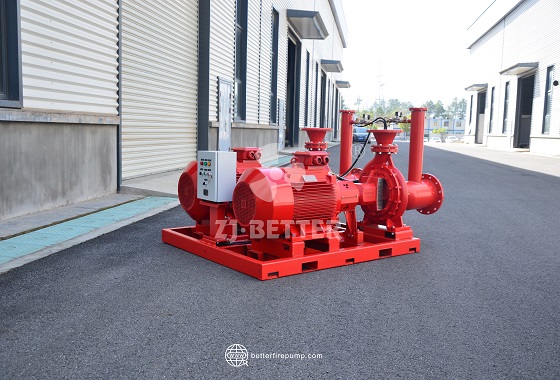
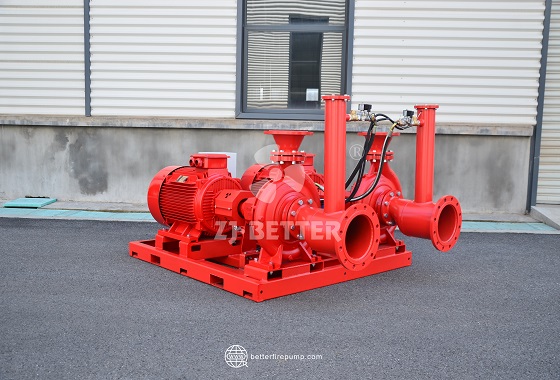
The application analysis of horizontal end-suction electric fire pumps as main pumps in fixed fire protection systems requires a systematic explanation of their structural form, operational performance, and reliable performance in engineering practice. These fire pumps typically serve as the core water supply equipment in fixed fire protection systems, undertaking the crucial task of continuously delivering large quantities of fire-fighting water to the entire fire protection network during a fire. The horizontal end-suction structure is a widely used pump type in fixed fire protection systems. Its reasonable inlet and outlet arrangement and simple hydraulic channel help reduce water flow loss and improve overall operating efficiency, offering significant advantages in meeting high flow rate and stable head output requirements. The electric drive mode allows the fire pump to start rapidly upon receiving a fire control signal, with the motor reaching rated speed in a short time. This establishes stable water pressure in the early stages of a fire, providing a reliable water source for fire hydrant systems, sprinkler systems, and other fire protection facilities—a fundamental performance requirement for main pumps in fixed fire protection systems. When used as main pumps, horizontal end-suction electric fire pumps are typically selected precisely based on building size, network resistance, and design flow rate to ensure that design pressure requirements are met even at the most unfavorable points, guaranteeing effective fire extinguishing capabilities in any area of ​​the fire protection system. In terms of pump body structure, horizontal end-suction electric fire pumps are mostly made of high-strength cast iron or metal materials with good pressure resistance. The overall structure is robust and can withstand the long-term operating requirements of fire protection systems under high pressure and high flow conditions, while maintaining stable performance during repeated start-stop and periodic testing. The internal impeller and flow channel are hydraulically optimized to make the water flow smoother and more stable, which not only improves the pump efficiency but also reduces vibration and noise levels during operation, helping to extend the service life of the equipment. As the core power source, the motor is usually selected as a high-reliability model suitable for fire protection conditions, with good insulation and heat dissipation capabilities, and can maintain stable output under high load operating conditions, meeting the dual requirements of continuous operation and rapid response of fixed fire protection systems. The horizontal structure also provides convenience for equipment installation and maintenance. The pump body and motor are arranged on the same horizontal axis, with a clear structure and ample maintenance space, facilitating daily inspection and maintenance management, which is especially important for fire protection equipment that needs to be on standby for a long time. In practical engineering applications, horizontal end-suction electric fire pumps are often integrated with control cabinets, valves, and piping systems to form complete fire pump sets. Through automatic control logic, they are linked with fire alarm systems. In the event of a fire, the system automatically starts the main pump and enters a stable operating state, reducing delays and risks caused by human intervention. To ensure operational stability and safety, these fire pumps are designed with startup impact and smooth operation in mind. By rationally matching motor power and pump parameters, adverse effects on the power system and pipeline network due to excessive starting current or unstable operation are avoided. Fixed fire protection systems typically require fire pumps with long standby capabilities. Horizontal end-suction electric fire pumps demonstrate a significant advantage in this regard, with mature structure, reliable operation, and, with regular testing and maintenance, can maintain good startup performance over many years of use. For large buildings or industrial facilities, the reliability of the fire protection system is directly related to personnel and property safety. As the main pump, the horizontal end-suction electric fire pump provides a solid water supply guarantee for the entire system through stable performance output. In terms of energy consumption and operational economy, these fire pumps, while meeting fire protection performance requirements, reduce ineffective energy consumption through efficient hydraulic design and reasonable selection, ensuring high energy efficiency during testing and actual use. Overall, horizontal end-suction electric fire pumps, with their mature structural design, stable electric drive performance, and extensive application experience in fixed fire protection systems, have become an important choice for main pump configurations. Their comprehensive advantages in high-flow-rate water supply, rapid response, long-term reliable operation, and ease of maintenance enable them to play a core role in various fixed fire protection projects, providing continuous and reliable power support for the safe operation of fire protection systems.
Inquiry


    More Fire Pump Set

    Choosing a good fire pump is crucial for ensuring the effectiveness and reliability of your fire protection system. Here are some key factors to consider when selecting a fire pump:

    Flow and Pressure Requirements: Determine the required flow rate and pressure for your specific application. Consider factors such as the size of the protected area, the type of fire hazards, and any applicable fire safety regulations. Ensure that the fire pump you choose can meet these requirements.

    Pump Type: Select the appropriate pump type based on your needs. The two common types of fire pumps are centrifugal pumps and positive displacement pumps. Centrifugal pumps are widely used due to their high flow rates and ability to handle large volumes of water. Positive displacement pumps, on the other hand, are better suited for applications that require high pressure but lower flow rates.

    Performance and Efficiency: Look for a fire pump that offers high performance and efficiency. Consider the pump’s rated capacity, which indicates the maximum flow rate it can deliver. Additionally, check the pump’s efficiency rating to ensure it operates optimally and minimizes energy consumption.

    Reliability and Durability: A good fire pump should be reliable and durable to withstand the demands of fire protection operations. Consider the quality and reputation of the manufacturer, as well as the pump’s construction materials. Look for features such as corrosion-resistant coatings, sturdy construction, and reliable seals and bearings.

    Compliance with Standards: Ensure that the fire pump you choose complies with relevant industry standards and codes, such as the National Fire Protection Association (NFPA) standards. Compliance with these standards ensures that the pump meets essential safety and performance requirements.

    Maintenance and Support: Consider the ease of maintenance and availability of support for the chosen fire pump. Look for pumps with accessible components, clear maintenance instructions, and readily available spare parts. Additionally, check if the manufacturer or supplier provides technical support and assistance.

    Testing and Certification: Check if the fire pump has undergone rigorous testing and certification by reputable organizations. Look for certifications from recognized bodies that validate the pump’s performance, efficiency, and safety.

    Budget and Cost Considerations: While it is essential to choose a reliable and efficient fire pump, consider your budget and cost constraints. Compare prices, warranties, and ongoing maintenance costs to find a balance between quality and affordability.

    System Integration: Consider how the fire pump will integrate with your overall fire protection system. Ensure compatibility with other components, such as fire alarms, sprinklers, and control panels. Coordinate with system designers or consultants to ensure seamless integration.

    Consult with Experts: If you are unsure about the specific requirements or complexities of selecting a fire pump, consult with fire protection experts, engineers, or consultants. They can provide valuable insights and recommendations based on your unique needs and circumstances.

    Remember that selecting a good fire pump is a critical decision that requires careful consideration. By evaluating the factors mentioned above and seeking professional guidance, you can choose a fire pump that meets your requirements and ensures the safety of your property and occupants in the event of a fire.

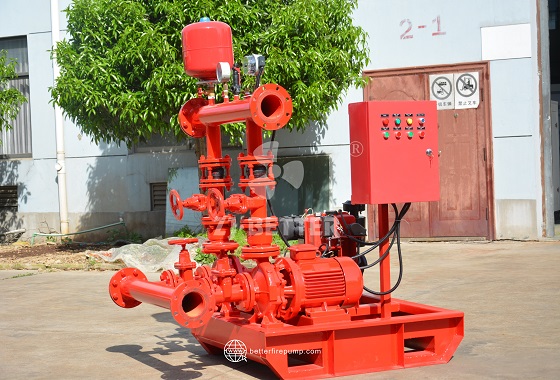
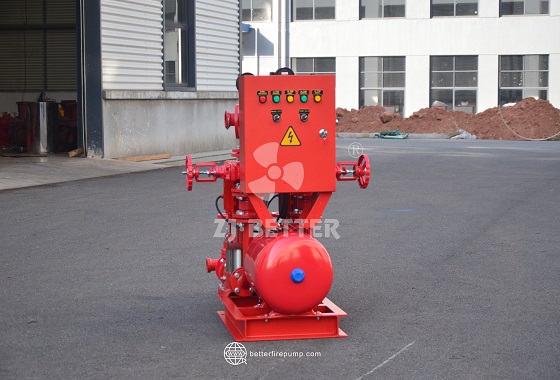
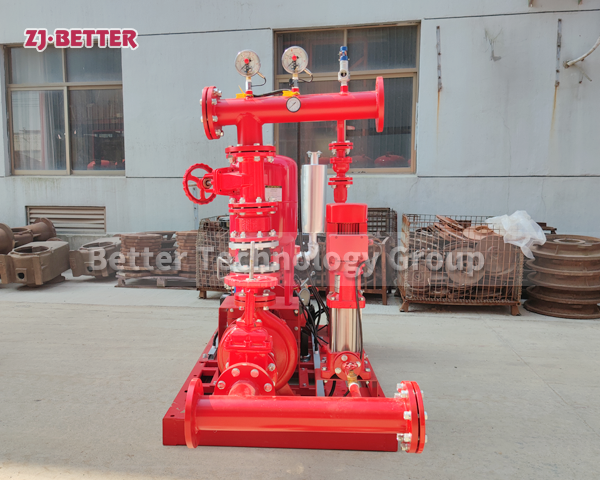
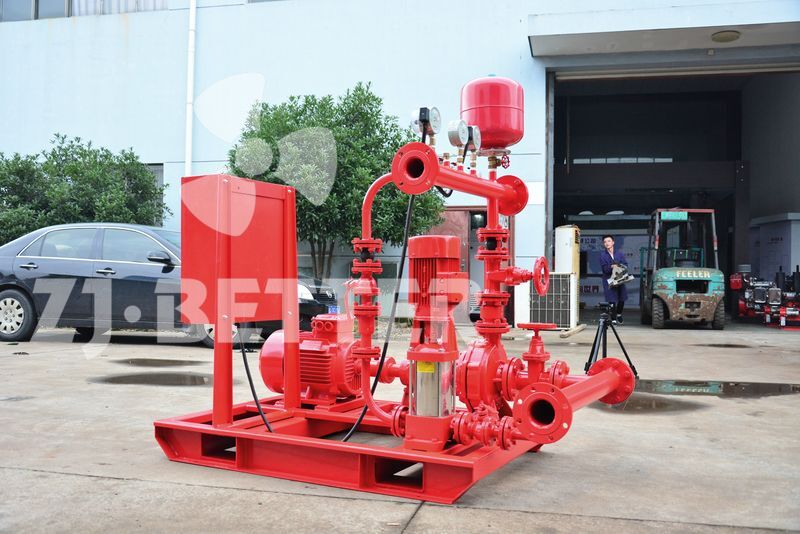
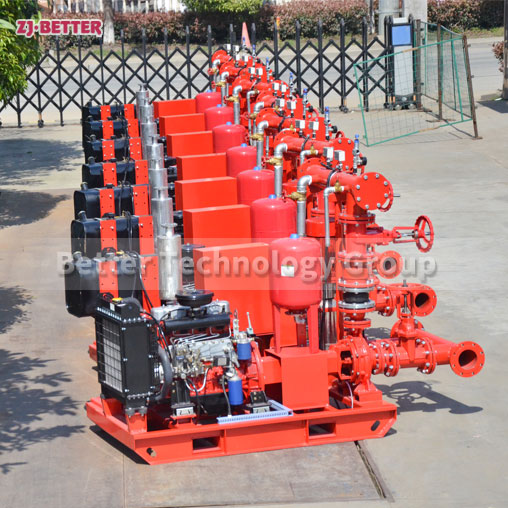
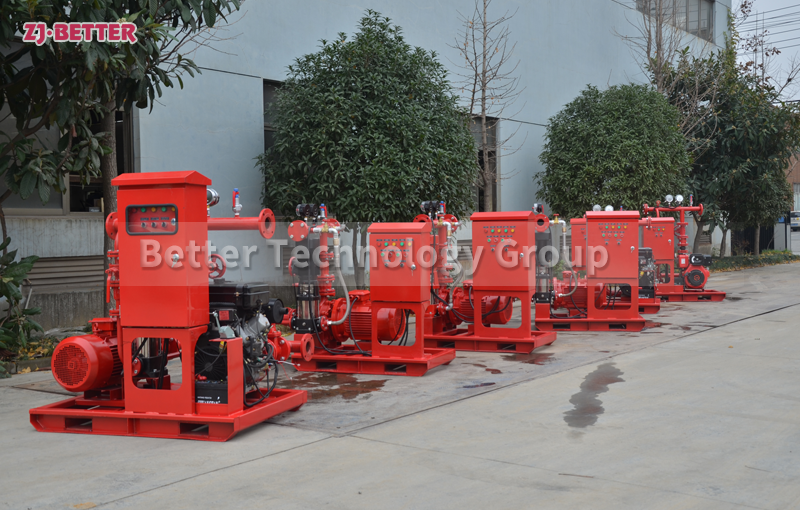
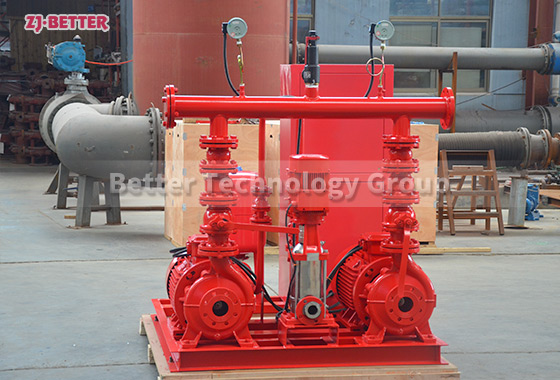
    The minimum fire rated pressure of ED small fire fighting package set water supply equipment is 3 bar and the minimum fire rated capacity is 25 GPM. ED small fire fighting package set water supply equipment includes at least two power or power source driven pumping units, pressure tanks, pipes, valves and accessories, measurement and control instruments, control cabinets, outdoor rain cover, etc.
    Motor: Three-phase asynchronous squirrel-cage motor independently developed and manufactured by our company, which can be controlled in production time and greatly shorten the whole set production time.
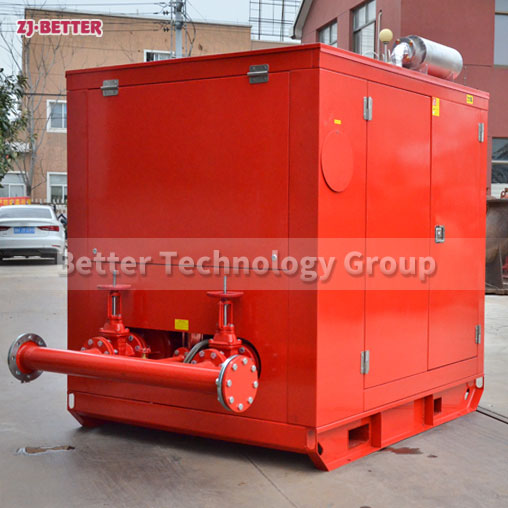
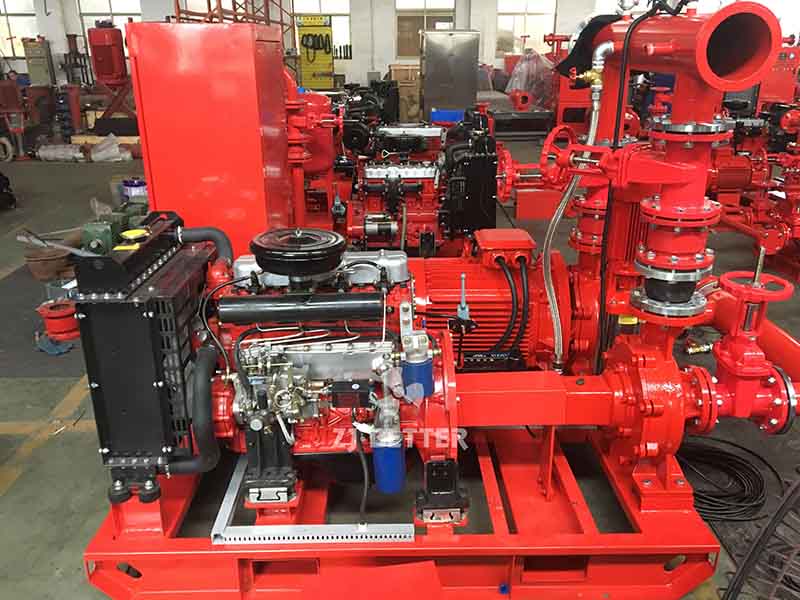
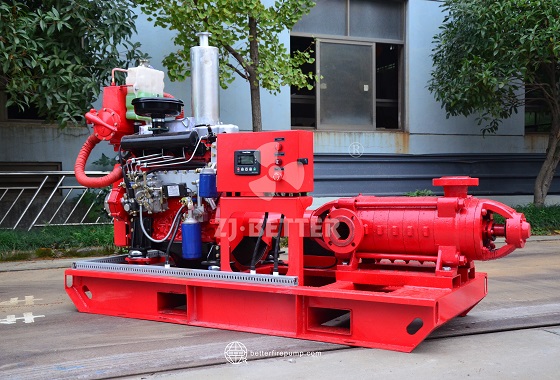
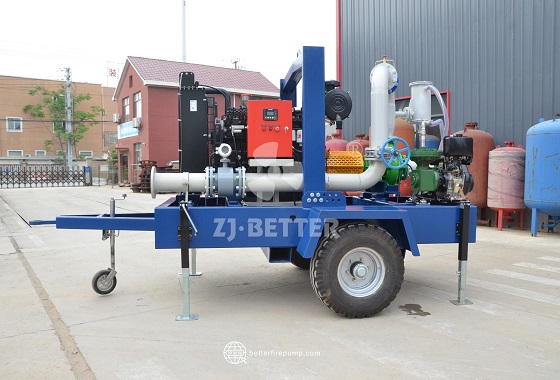
    Diesel Engine: According to the different parameters of customers, we will choose diesel engines with high cost performance ratio. The main brands are QuanChai, Weichai, ShangChai, FAWDE, Cummins, etc.
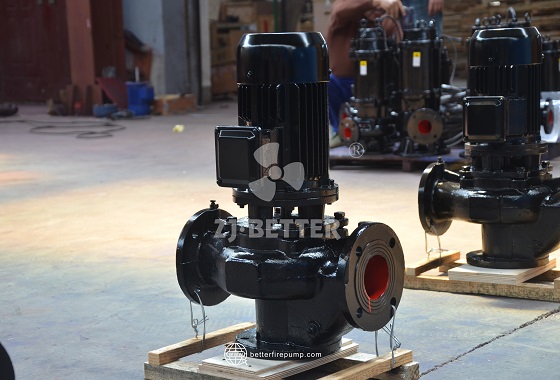
    Electric Pumps: Electric pumps can use vertical in-line pumps, horizontal end-suction pumps, vertical multi-
    stage pumps, horizontal multi-stage pumps, split casing pumps and so on according to the different flow and head of customers.
    Diesel Pumps: Diesel pumps can use vertical in-line pumps, horizontal end-suction pumps, vertical multi-
    stage pumps, horizontal multi-stage pumps, split casing pumps and so on according to the different flow and head of customers.
    Electronic Components: The main electric components is CHNT, if Schneider or other brand electrical are need, should mention it before place the order.
    Safety Valve plays a safety protection role in the system. When the system pressure exceeds the prescribed value, the safety valve opens, and a part of the gas/fluid in the system is discharged into the atmosphere/pipeline, so that the system pressure does not exceed the allowable value, so as to ensure that the system does not cause accidents due to excessive pressure.
    Pressure Tank: Water is a non-compressible medium. Generally speaking, the pressure drop of fire-fighting pipe network is normal. However, the pressure drop is very slow, the total loss of water in the pipe network isnot large, and the frequent change of pressure in the pipe network leads to frequent start-up and shutdown of pumps. Especially when the power of equipment is high, it will cause great impact on pressure sensors, relaysand motors, thus affecting the performance and life whole equipment. Therefore, it is necessary to choose the right volume of the pressure tank.

    When facing the fire risks in modern buildings and industrial facilities, firefighting efficiency and reliability are the foremost considerations. Electric fire pumps are the ideal solution for tackling fire challenges in complex environments, offering high efficiency, stability, and smart control systems. Whether in high-rise buildings, industrial parks, chemical plants, or power facilities, electric fire pumps ensure exceptional performance.

    Firstly, electric fire pumps are equipped with high-performance electric motors, ensuring the stable operation of the pump through intelligent control systems. In the event of a fire, the system responds quickly and activates the pump, providing a steady water flow to extinguish the fire. Especially in complex environments such as narrow spaces, high-temperature settings, or areas requiring highly precise control, the electric fire pump continues to operate efficiently, ensuring the successful execution of firefighting tasks.

    Moreover, the smart control system of the electric fire pump continuously monitors the pump’s operational status, conducts self-diagnostics, and adjusts pressure and flow, ensuring no performance degradation during firefighting operations. Its compact design allows it to fit into spaces with limited room while maintaining top-notch performance.

    With the increasing emphasis on environmental protection and energy efficiency, the low energy consumption and high performance of electric fire pumps make them increasingly popular in the market, playing a critical role in optimizing firefighting efficiency.