Motor-Driven Fire Pump – Stable Power Transmission for Fixed Fire Water Supply Projects
Motor-driven fire pumps feature reliable motor power and a high-efficiency pumping structure; supporting a wide range of flow rates, heads, and power configurations, they are suitable for use in buildings, industrial facilities, warehouses, and fixed fire-fighting water supply systems.
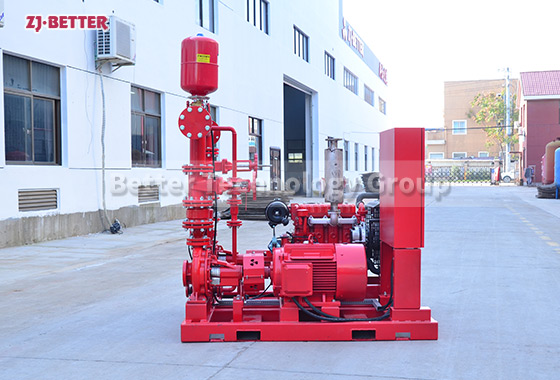
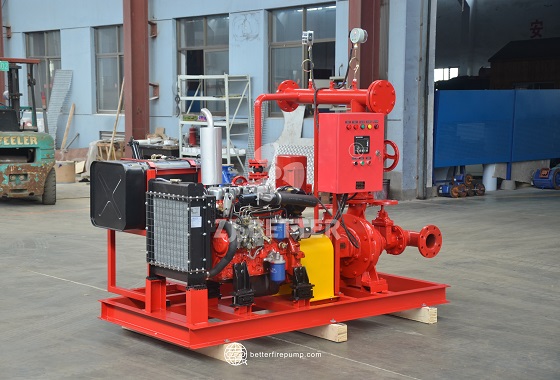
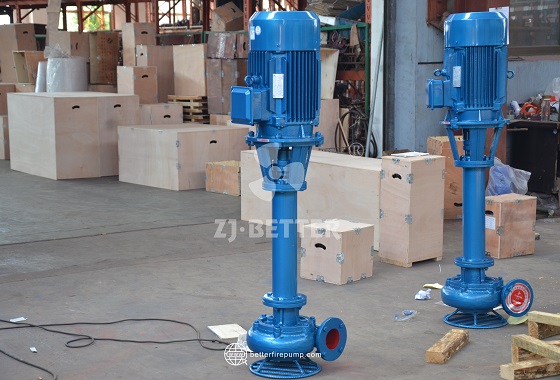
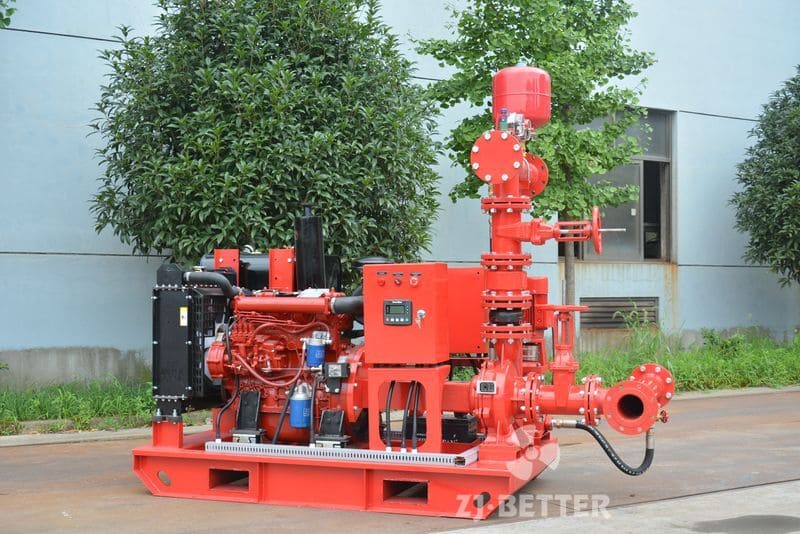
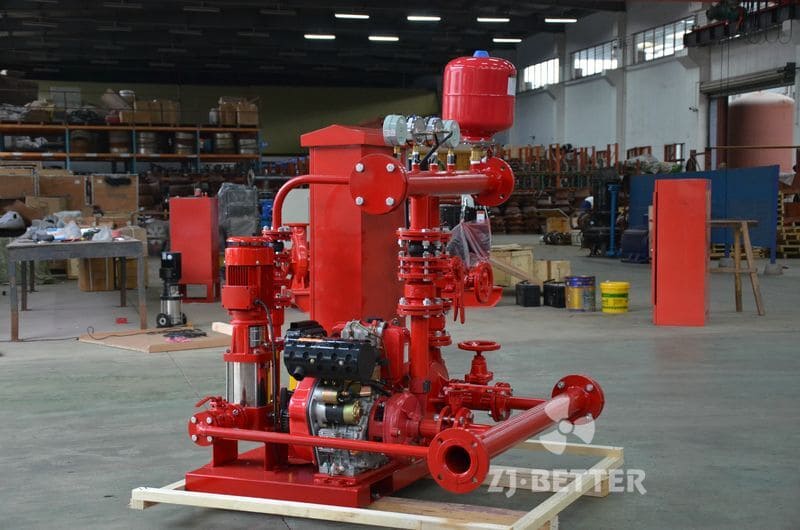
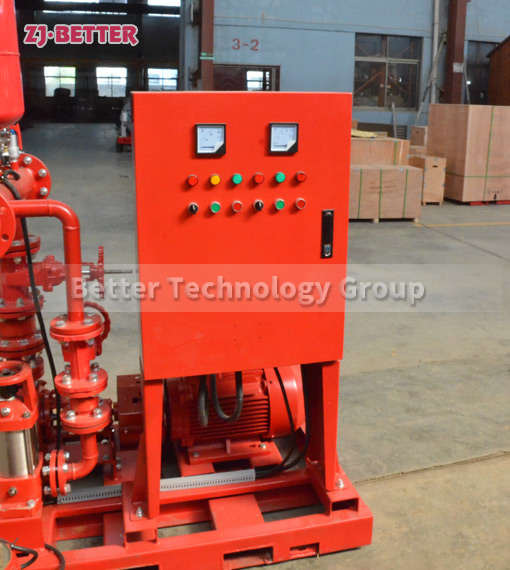
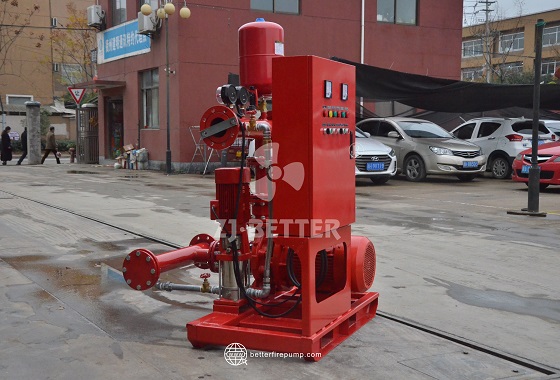
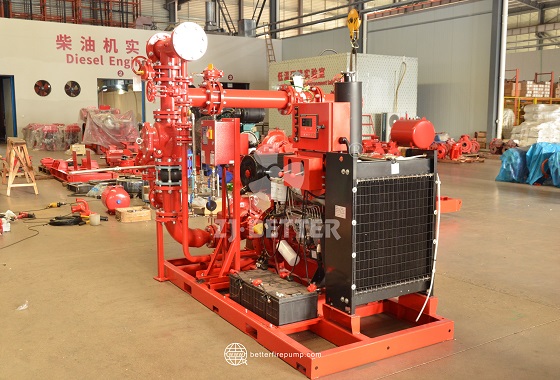
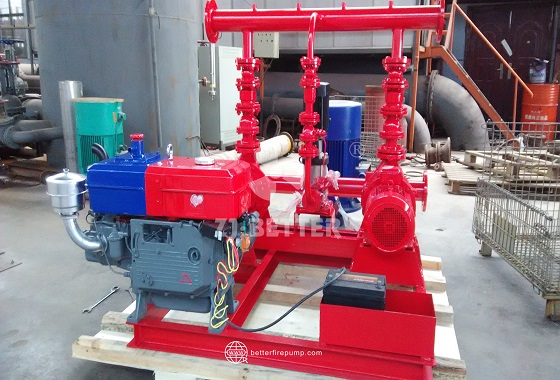
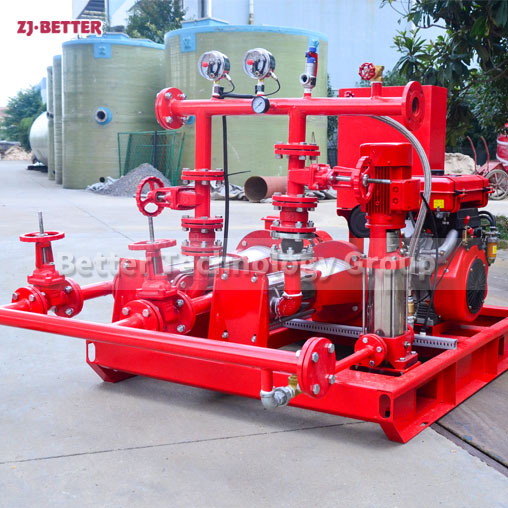
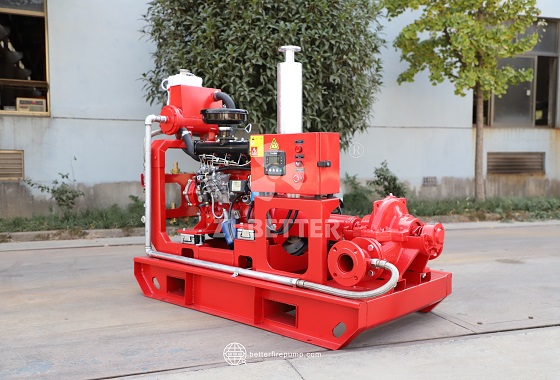
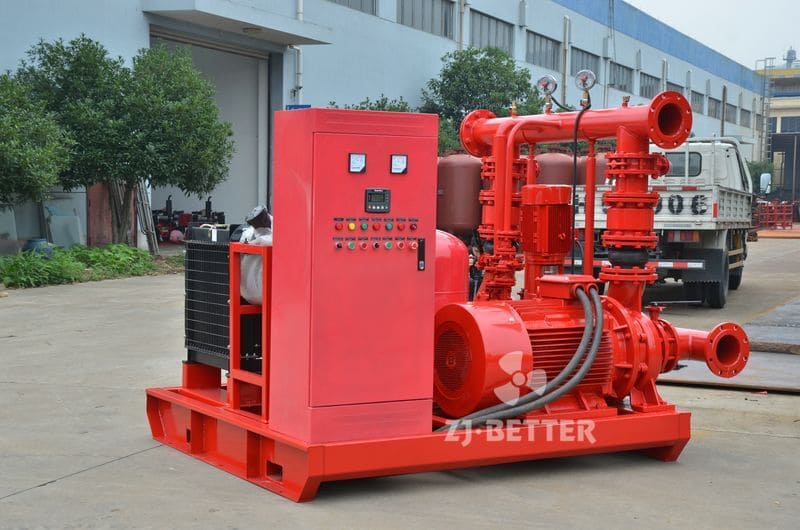
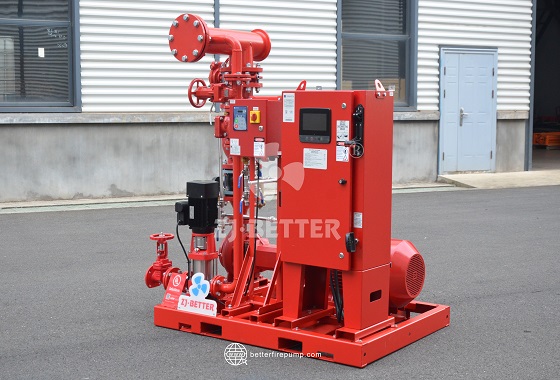
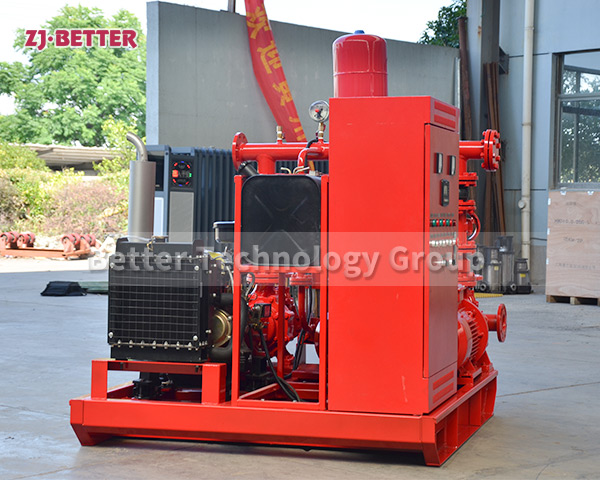
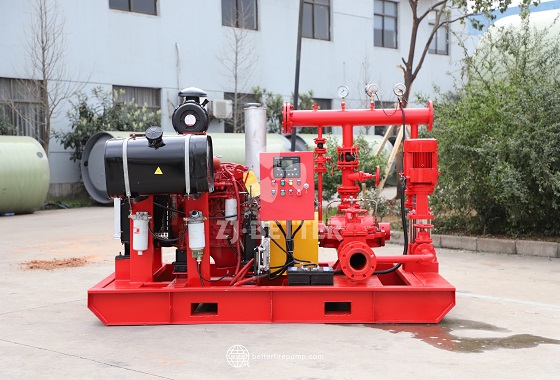
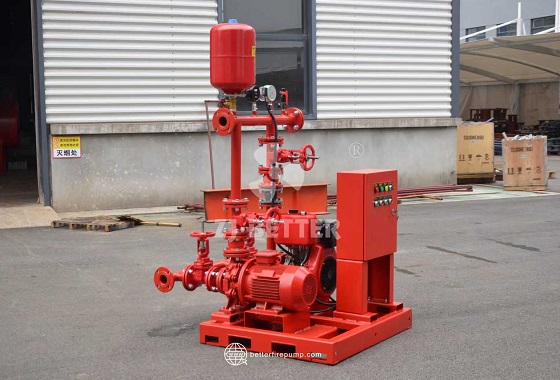
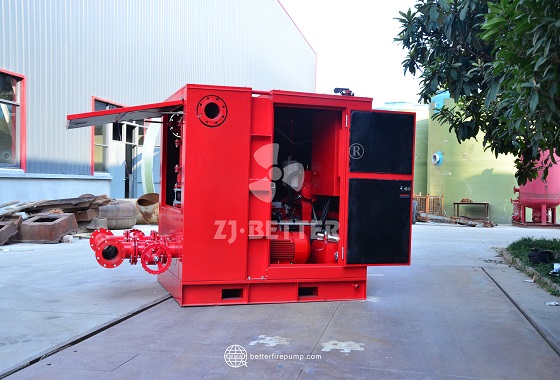
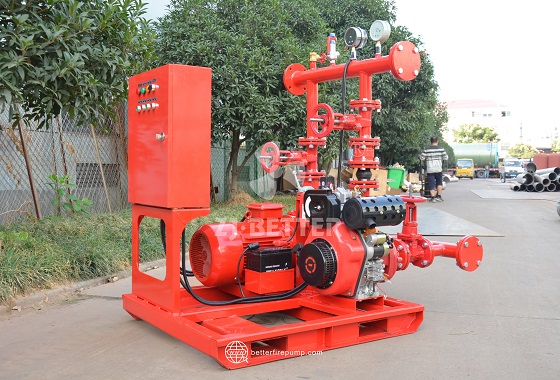
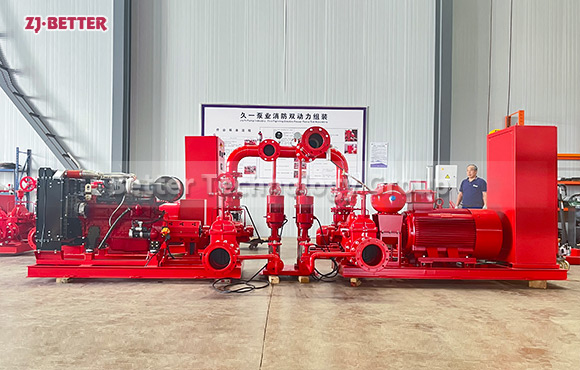
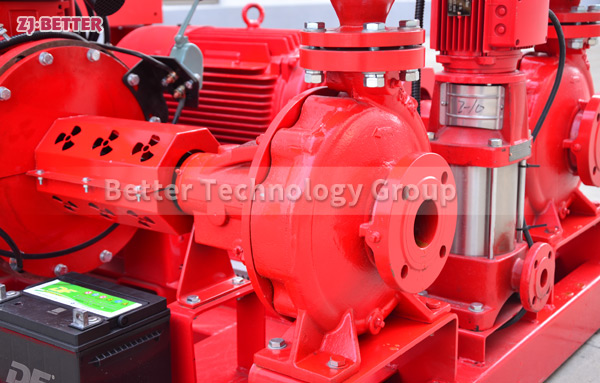
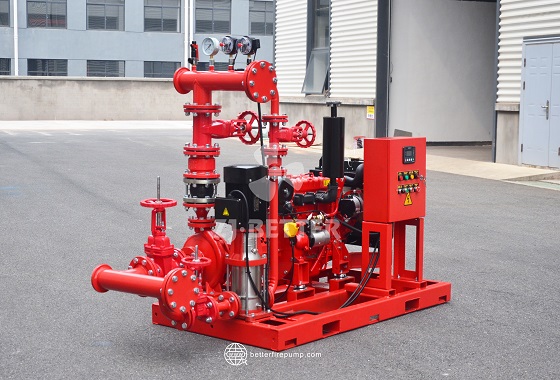
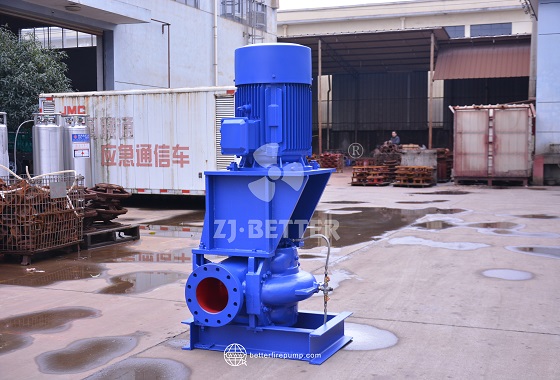
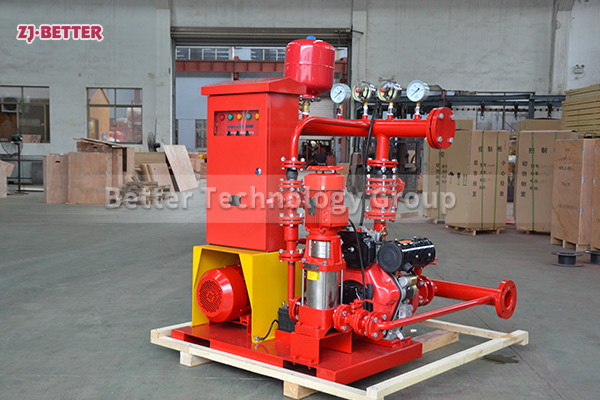
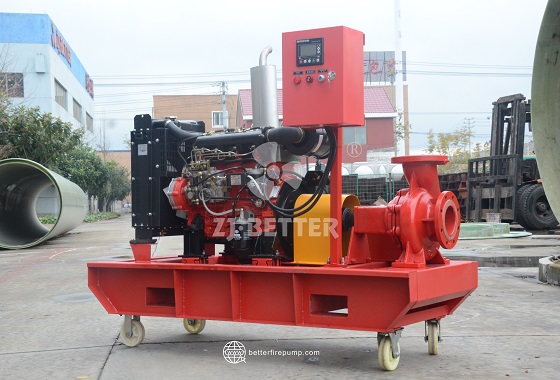
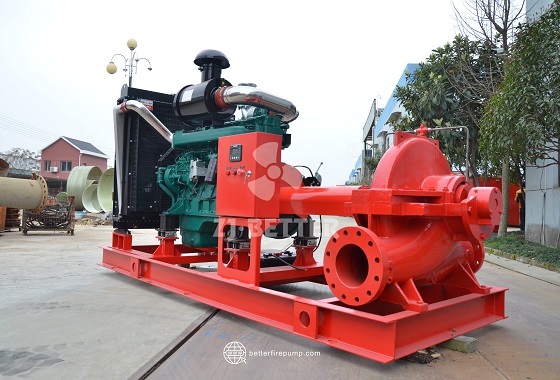
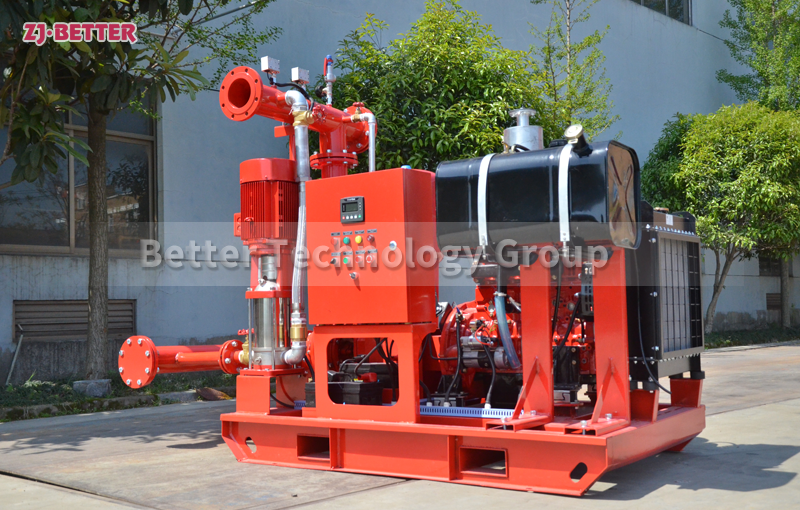
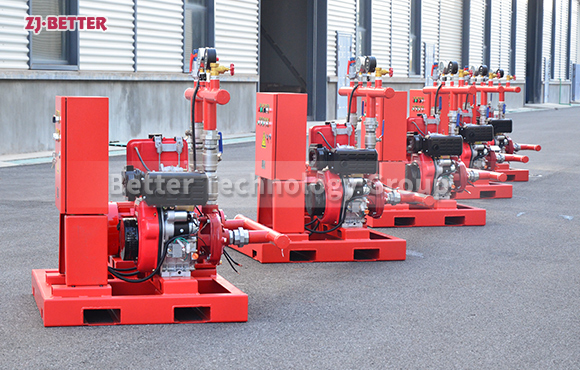
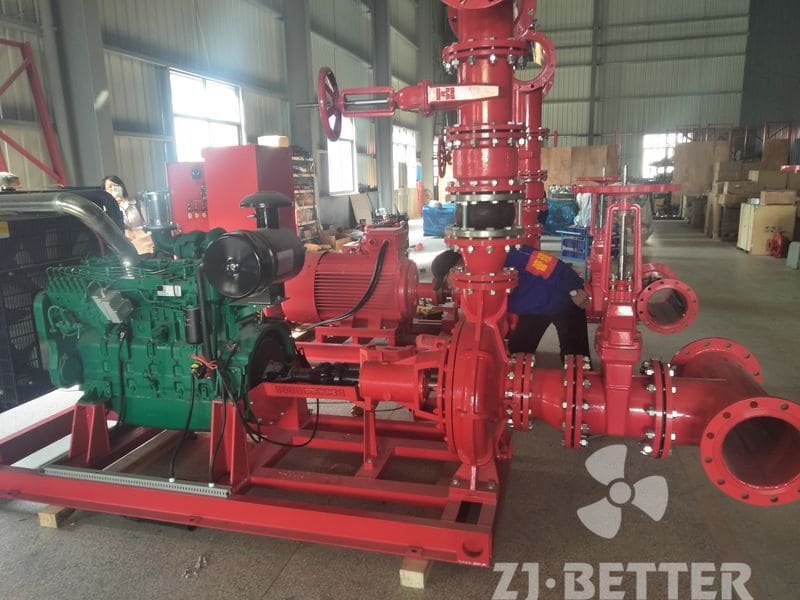
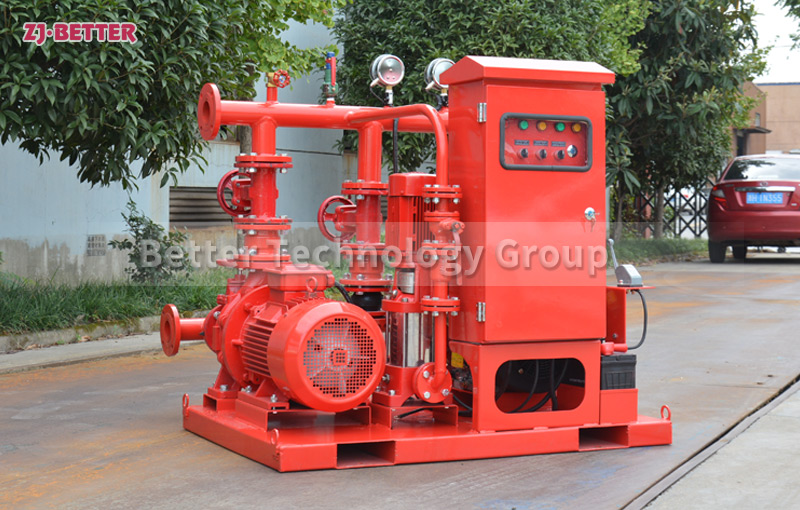
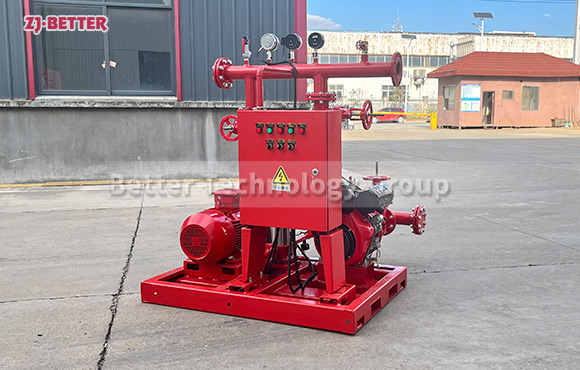
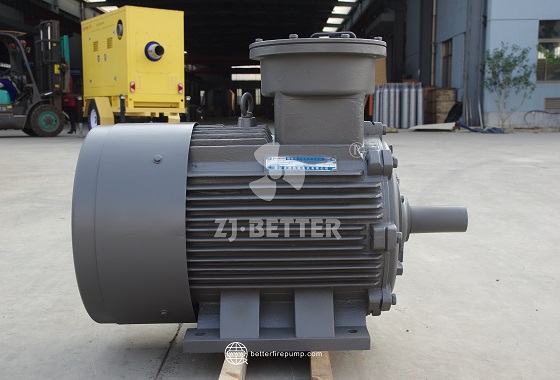
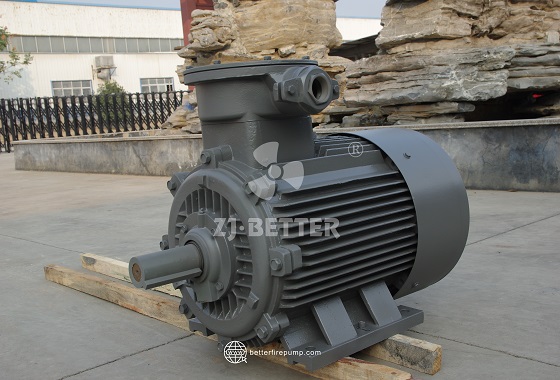
An electric motor-driven fire pump is a stationary fire water supply unit that utilizes an electric motor as its power source; it drives the impeller to rotate via the pump shaft to pressurize and transport water, making it suitable for fire water supply systems in buildings, industrial plants, warehouses, and municipal infrastructure. The equipment features a matched motor and pump assembly that converts electrical energy into mechanical energy; the high-speed rotation of the impeller pressurizes the water flow, delivering the required flow rate and pressure to the fire piping network. According to official product specifications, these pumps are available in various configurations regarding flow rate, head, inlet/outlet diameter, and power output; for instance, certain single-stage series offer flow rates of 1–300 L/s, heads of 0.15–1.6 MPa, diameters of 25–500 mm, and power ratings of 0.75–160 kW, allowing for selection based on specific project parameters. The product’s advantages stem primarily from its electric drive mechanism: stable electrical power ensures continuous operation, meeting the steady water supply requirements of fixed fire protection systems, while the optimized matching of the motor and pump body ensures that power output aligns with operational demands. Regarding the motor-driven configuration shown in the image, the power unit features a horizontal layout that facilitates integration with the pump body and base, allowing for flexible installation planning based on available mechanical room space and piping orientation. Power generated by the motor is transmitted to the impeller via the shaft; the impeller’s high-speed rotation generates centrifugal force, imparting pressure energy to the water entering the pump and delivering it continuously to the fire network—meaning the precision of the fit between the shaft, impeller, pump body, and flow channels directly impacts hydraulic performance. Appropriate specifications should be selected based on design flow rate, system head, pipeline resistance, and installation conditions rather than relying solely on motor power ratings. Structurally, these pumps come in various forms—such as single-stage, vertical, horizontal, multi-stage, and double-suction—each suited to specific flow, head, and installation environments; for example, high-flow systems may utilize a horizontal double-suction design, while fixed building systems can employ single-stage or multi-stage pumps depending on space and pressure requirements. Certain horizontal models feature a side-by-side motor and pump arrangement, offering an intuitive structure that simplifies installation, piping connections, and future maintenance. In practical fire protection systems, electric fire pumps can be integrated with control cabinets, pressure-sensing devices, jockey pumps, pressure tanks, valves, and piping accessories to form a complete fire pump assembly; this setup enables centralized operational management, as well as automatic control and status monitoring in accordance with system design specifications. Furthermore, the mechanical seal design minimizes fluid leakage at the pump shaft, while a well-engineered shaft assembly and pump casing structure help ensure operational stability. For permanent fire water supply installations, equipment selection must comprehensively account for factors such as required fire water volume, design pressure, building height, piping network resistance, water source and power supply conditions, and available installation space. Overall, motor-driven fire pumps offer stable power output, a mature pumping design, flexible specification options, and a wide range of applications; they serve as the core pressurization equipment in fixed fire water systems, providing the necessary flow and pressure for fire hydrants, automatic sprinkler systems, and other fire-fighting facilities.