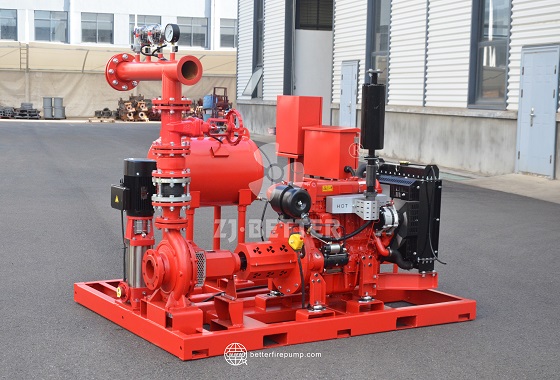
Highly Reliable Pressure Tank Fire Water Supply Equipment Fits Multi-Industry Fire Protection Projects
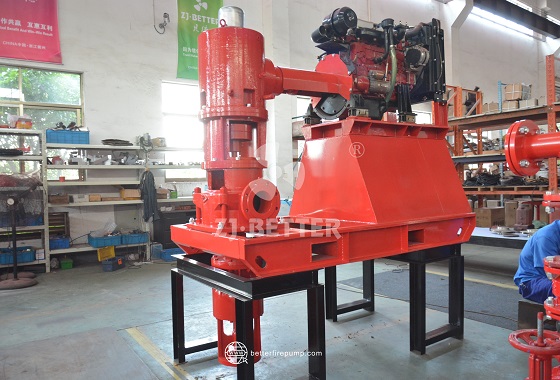
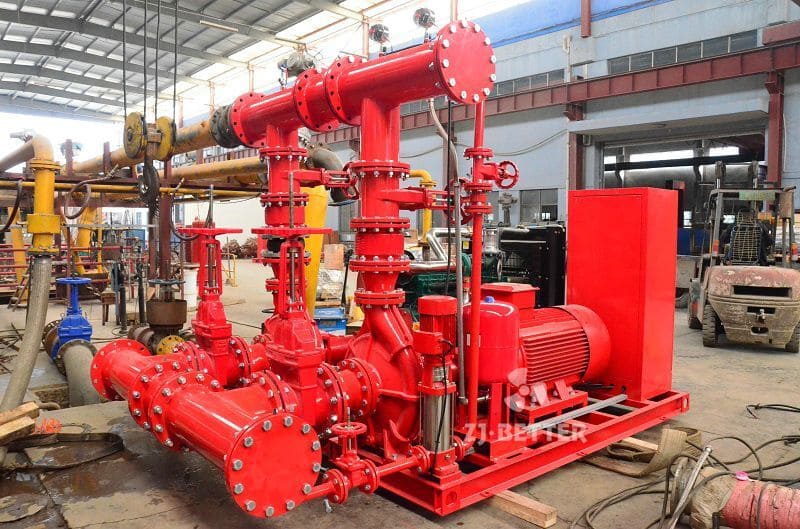
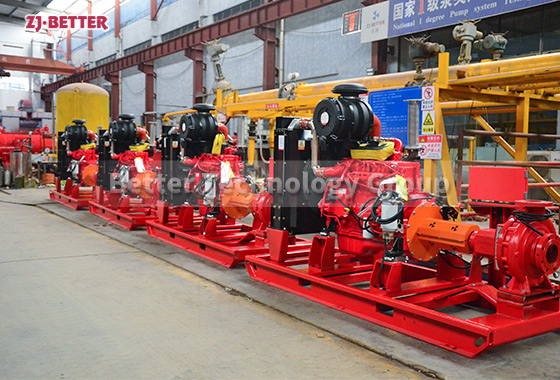
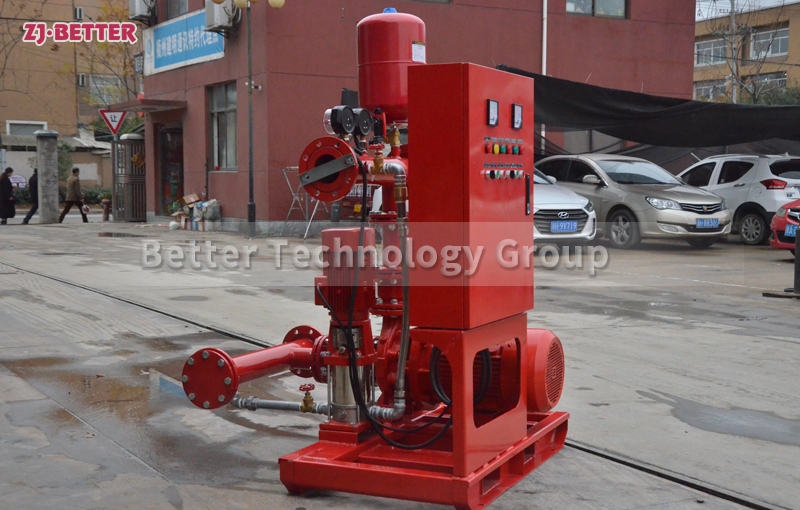
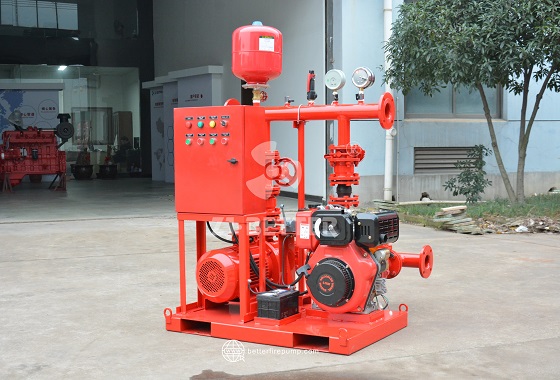
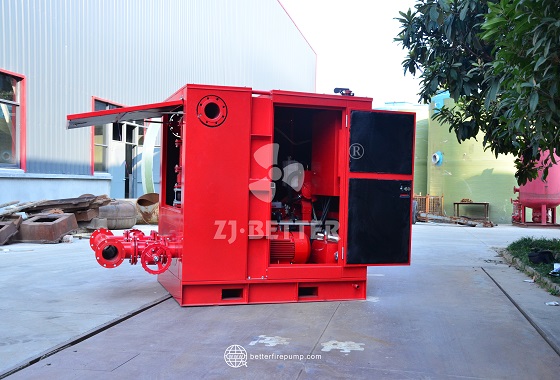
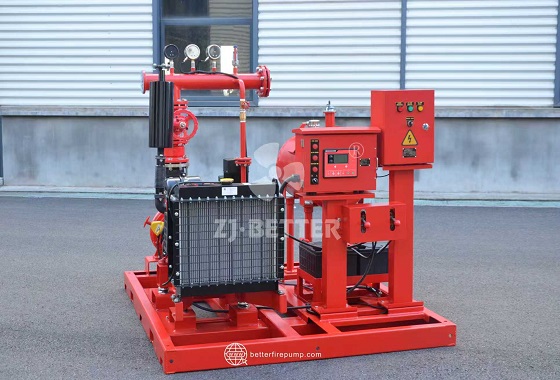
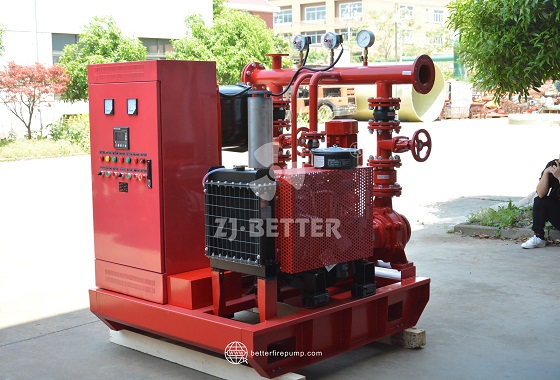
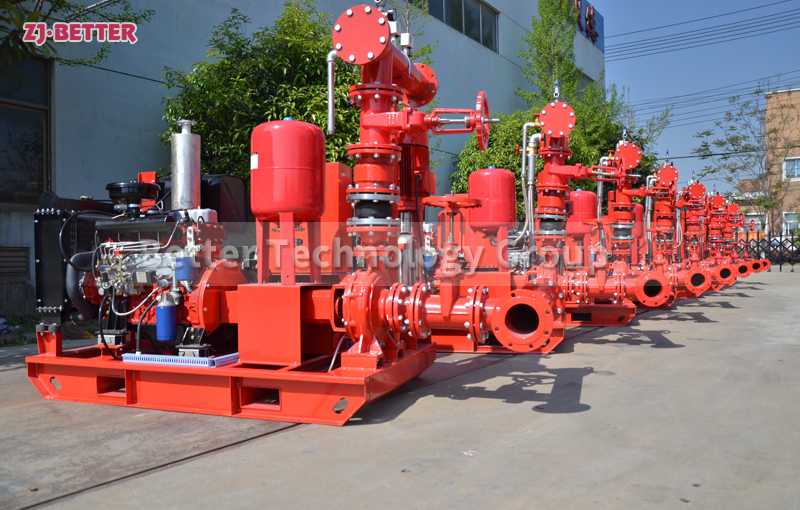
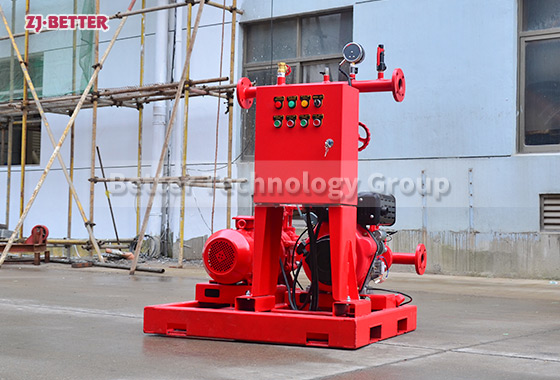
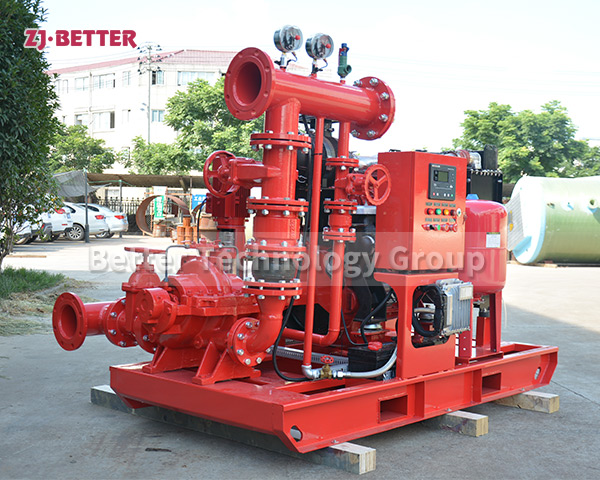
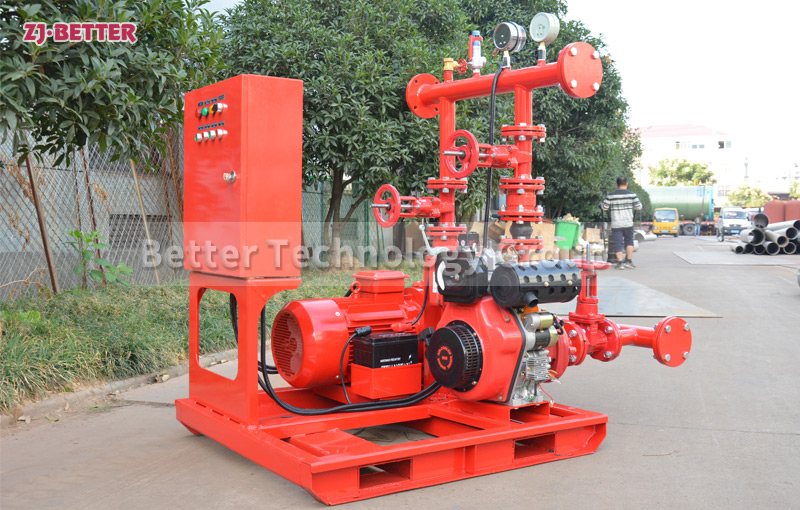
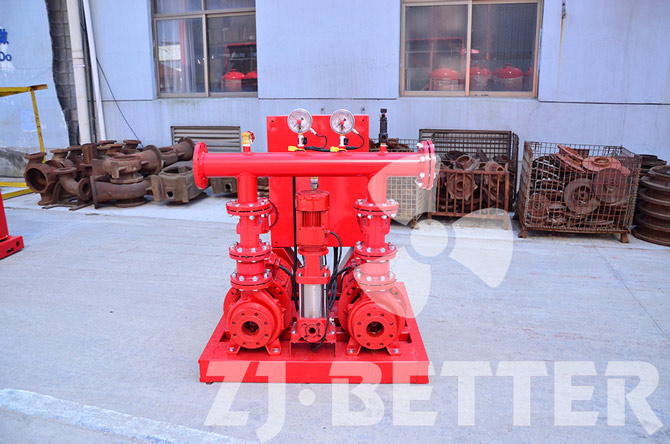
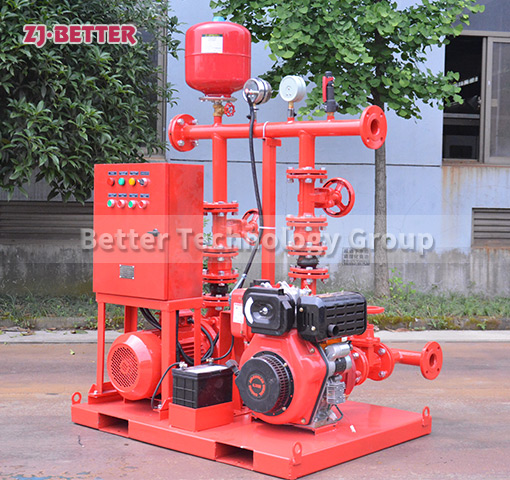
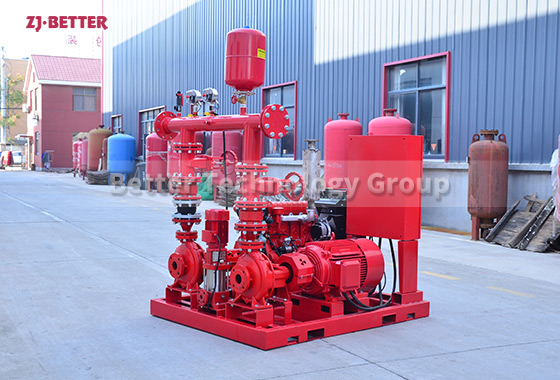
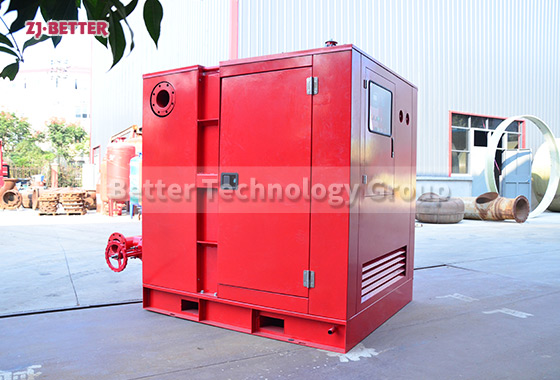
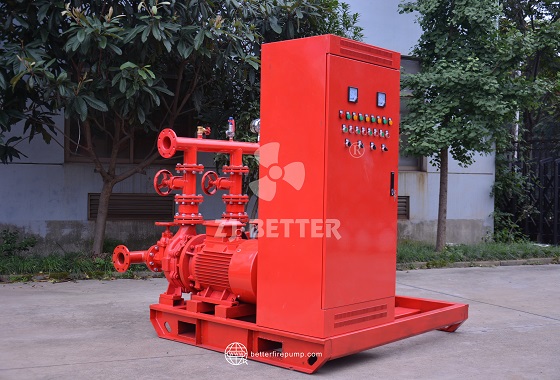
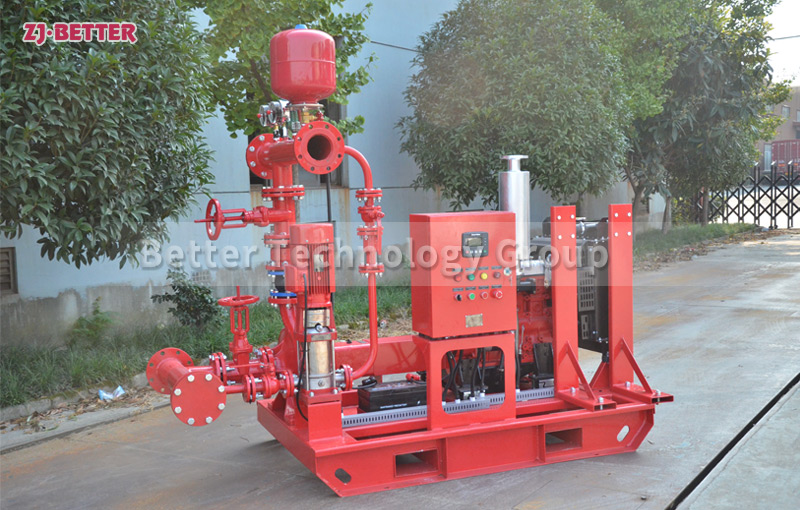
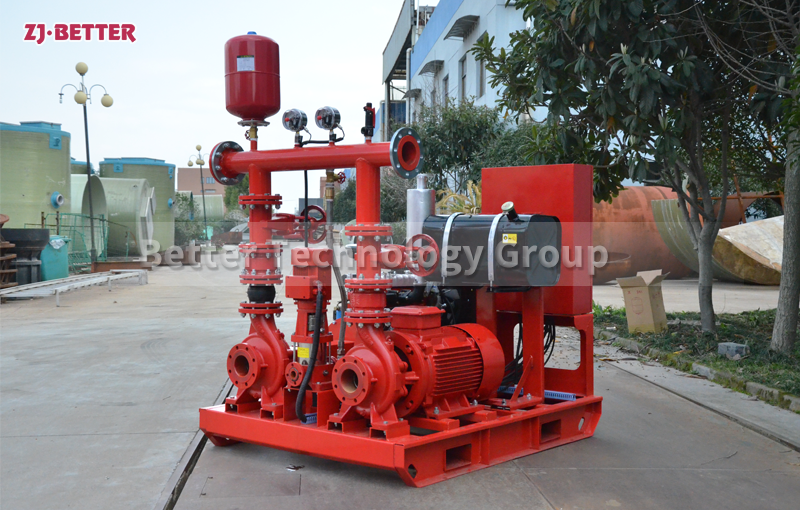
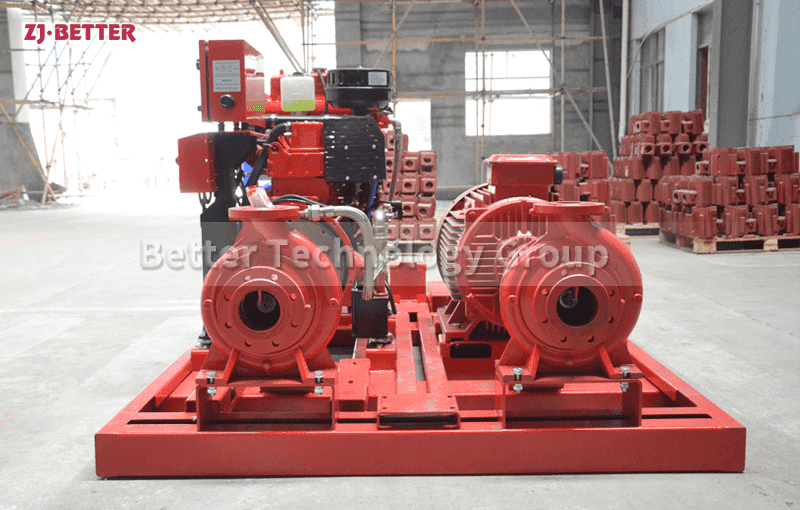
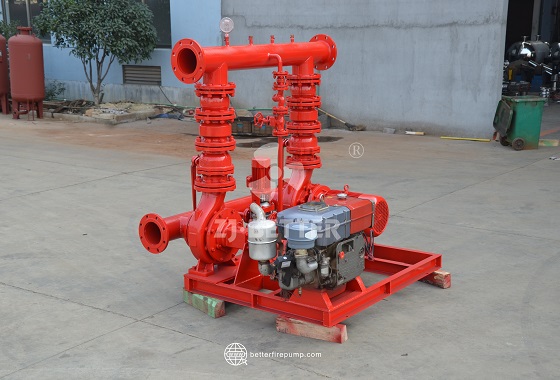
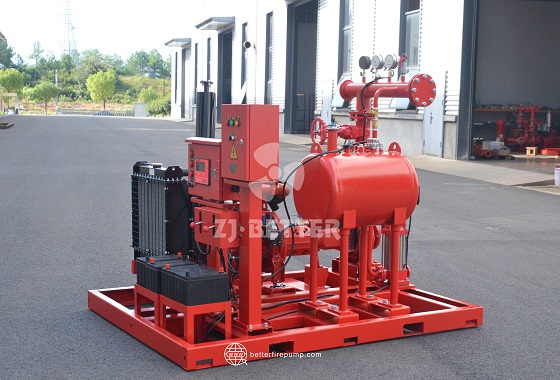
The high-reliability pressure tank fire water supply equipment integrates a diesel engine, a high-efficiency fire pump, a pressure tank, and an intelligent control system. It has advantages such as automatic start-up, constant pressure water supply, continuous operation, independent power, intelligent monitoring, and convenient maintenance. It is widely used in industrial plants, high-rise buildings, commercial complexes, petrochemical plants, power facilities, airports, ports, and municipal fire protection projects, providing stable, efficient, and reliable fire water supply solutions for fire protection projects in multiple industries.
As modern buildings, industrial facilities, and public infrastructure continue to develop towards larger scale and greater intelligence, fire-fighting water supply systems are placing higher demands on equipment stability, continuous water supply capacity, and automation levels. High-reliability pressure tank fire-fighting water supply equipment, as a crucial component of fixed fire-fighting systems, integrates core components such as diesel engines, fire centrifugal pumps, pressure tanks, intelligent control cabinets, pipelines, and valves into a complete fire-fighting water supply solution. This equipment not only rapidly establishes stable fire-fighting water supply pressure during a fire but also continuously maintains fire-fighting network pressure during daily operation, reducing frequent main pump starts and improving system operating efficiency. Therefore, it is widely used in various fire-fighting projects, including high-rise buildings, commercial complexes, industrial plants, petrochemical plants, power facilities, warehousing and logistics centers, airports, ports, municipal engineering projects, and large public buildings.
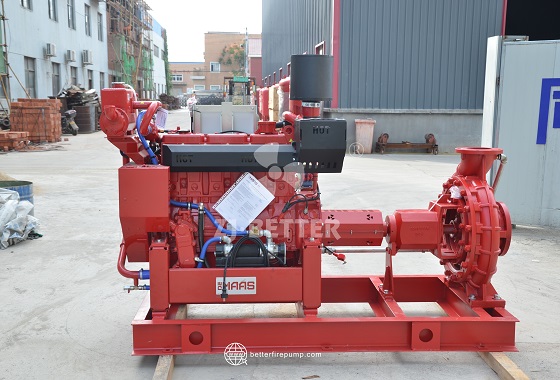
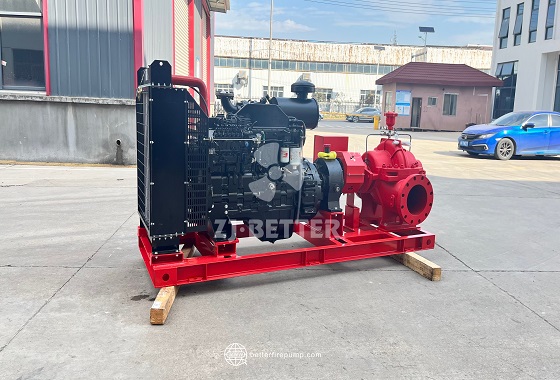
The equipment uses an industrial-grade diesel engine as its power source, possessing independent operating capabilities and capable of completing fire-fighting water supply tasks without relying on municipal power. In the event of a power outage, natural disaster, or other emergency, the diesel engine can quickly start and drive the fire pump to operation, continuously providing a stable water source for the fire-fighting system and effectively preventing fire-fighting water supply failure due to power interruptions. The engine features stable power output, good fuel economy, strong continuous operation capability, and convenient maintenance, meeting the requirements of long-term firefighting missions and providing reliable firefighting power for important locations.
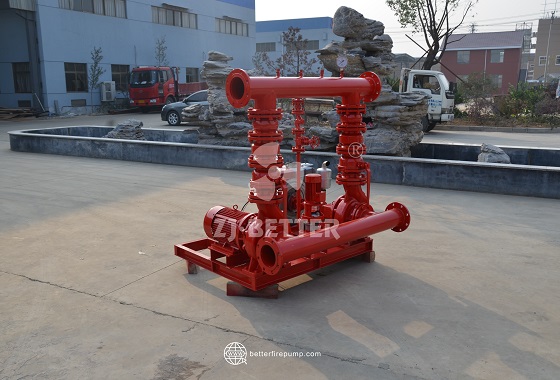
The fire pump adopts a high-efficiency hydraulic model design. The impeller undergoes precision machining and dynamic balancing testing, effectively reducing internal hydraulic losses and improving flow rate and head output efficiency. The equipment can be configured with various performance parameters according to different fire protection engineering requirements, achieving high flow rate, high head, and stable constant pressure water supply to meet the water supply needs of various fire protection facilities such as fire hydrant systems, automatic sprinkler systems, water mist systems, and foam fire protection systems. Stable hydraulic performance not only improves firefighting efficiency but also reduces energy consumption during equipment operation, creating greater economic value for long-term operation.
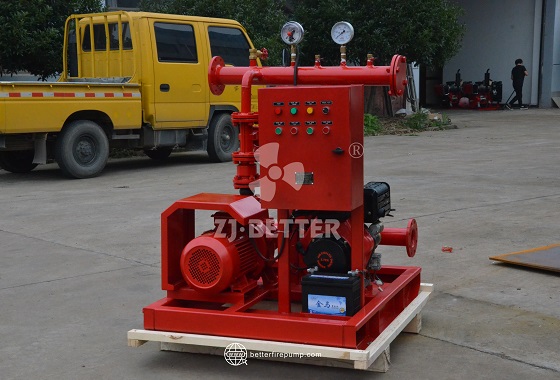
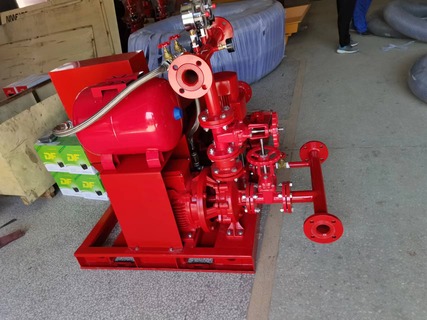
The pressure tank system is an important component of the entire system. Its main function is to maintain the pressure of the fire protection network during normal standby periods. When the pressure of the fire protection network drops due to changes in ambient temperature, minor leaks, or system pressure fluctuations, the pressure tank can work with the pressure stabilization control system to quickly compensate for the pressure drop, effectively reducing mechanical wear caused by frequent starts of the main fire pump and extending the service life of the equipment. Meanwhile, during the initial startup of the main fire pump, the pressure tank provides instantaneous pressure support, enabling the fire protection system to quickly establish a stable water supply and improving the efficiency of initial fire response.
The intelligent control system further enhances the automation level of the equipment. The control cabinet can monitor key data in real time, including diesel engine operating status, fire pump operating parameters, pressure tank pressure changes, oil pressure, coolant temperature, engine speed, battery voltage, and fire pipeline pressure. It also features automatic start-up, automatic shutdown, fault alarm, over-temperature protection, low oil pressure protection, overspeed protection, charging management, and remote signal output. The equipment supports automatic, manual, and remote control modes, allowing for flexible operation according to different fire protection engineering management needs, achieving unattended management and improving the overall operational efficiency of the fire protection system.
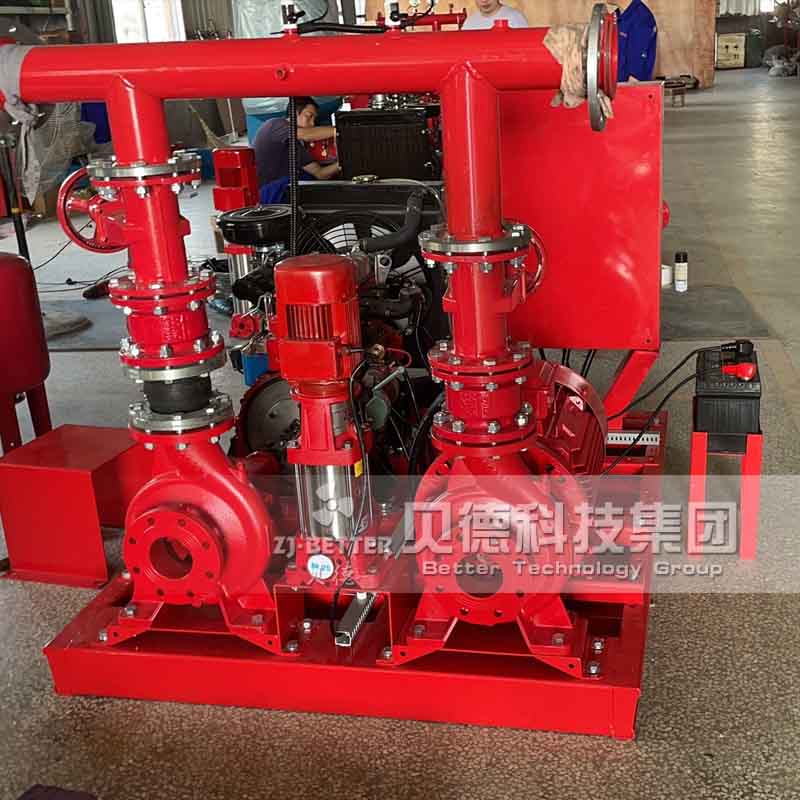
The entire unit adopts a modular integrated design, with each functional unit mounted on a high-strength steel base. The compact structure and reasonable layout facilitate transportation, hoisting, and on-site installation. Sufficient maintenance space is reserved for routine inspections, maintenance, and parts replacement, effectively reducing maintenance costs and improving the long-term reliability of the equipment. For projects requiring rapid construction or upgrades to fire protection systems, modular design effectively shortens installation cycles and improves project implementation efficiency.
To adapt to complex environments in different regions, key components are manufactured using corrosion-resistant and wear-resistant materials. The fire pump casing, impeller, pump shaft, and sealing structure all undergo rigorous quality testing, ensuring excellent durability. The diesel engine is equipped with a high-efficiency cooling system and optimized airflow design, maintaining stable operation even under continuous operation in high-temperature, high-humidity, cold, or dusty environments, ensuring uninterrupted fire water supply and meeting the long-term operational requirements of various complex conditions.
This fire water supply equipment is suitable for various industries including petrochemicals, natural gas storage and transportation, power generation, mining, rail transportation, ports and terminals, airports, data centers, commercial complexes, high-rise residential buildings, hospitals, schools, manufacturing plants, and municipal fire protection engineering. It can be flexibly configured with different flow rates, head, engine power, control methods, and interface standards to meet diverse fire protection engineering construction needs, and can be linked with fire alarm systems, building automation systems, and smart fire protection platforms for integrated control, further enhancing overall fire management.
With the development of digital fire protection technology, the equipment can also be expanded to include remote monitoring and intelligent management functions, enabling real-time data acquisition, fault diagnosis, maintenance reminders, remote alarms, and historical data analysis. Managers can monitor the equipment’s operating status at any time through the monitoring platform, promptly formulate maintenance plans, reduce equipment failure rates, improve the safety and management efficiency of the fire protection system, and provide more comprehensive technical support for modern smart fire protection construction.
In summary, the high-reliability pressure tank fire water supply equipment integrates diesel power, high-efficiency fire pumps, pressure tank stabilization systems, and intelligent control technology. It boasts advantages such as independent power supply, automatic start-up, constant pressure water supply, stable operation, convenient maintenance, strong environmental adaptability, and intelligent management, providing continuous, safe, and reliable fire water supply for various fire protection projects. Whether applied to industrial facilities, commercial buildings, or public infrastructure, this equipment meets the requirements of modern fire protection systems for high reliability, high stability, and high-efficiency water supply, providing solid technical support for improving overall fire safety levels.