Key Roles and Technical Highlights of High-Power Diesel Fire Pumps in Emergency Firefighting
High-power diesel fire pumps demonstrate outstanding performance in emergency firefighting, featuring powerful output, stable high-pressure water supply, rapid response, and high reliability. They are suitable for fire protection systems in industrial facilities, commercial buildings, and outdoor environments without electricity, providing continuous, safe, and efficient emergency protection solutions for critical scenarios.
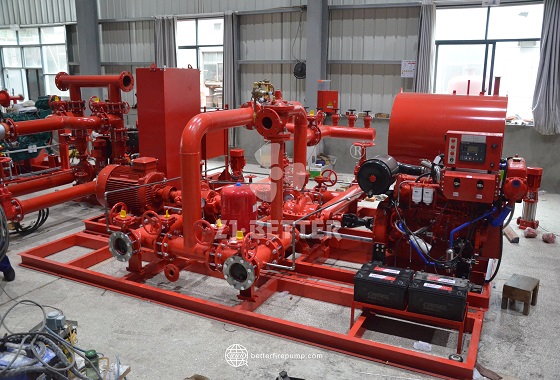
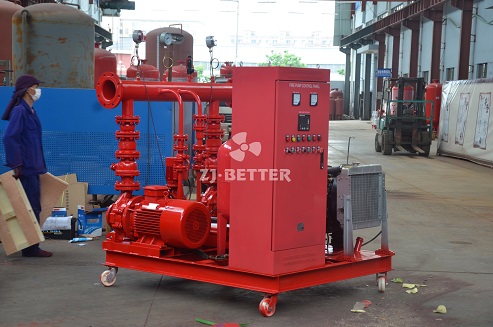
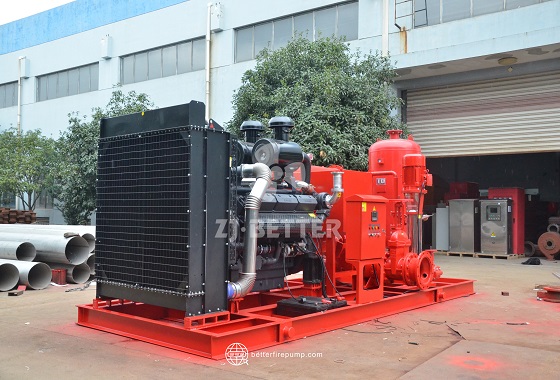
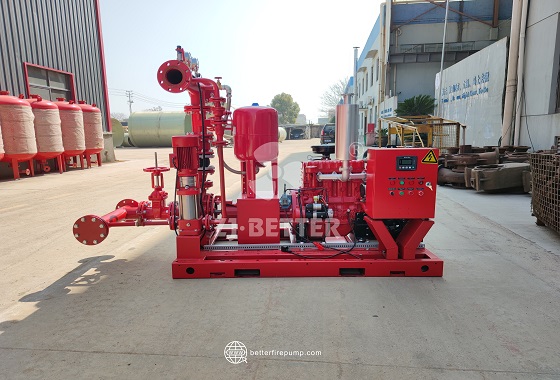
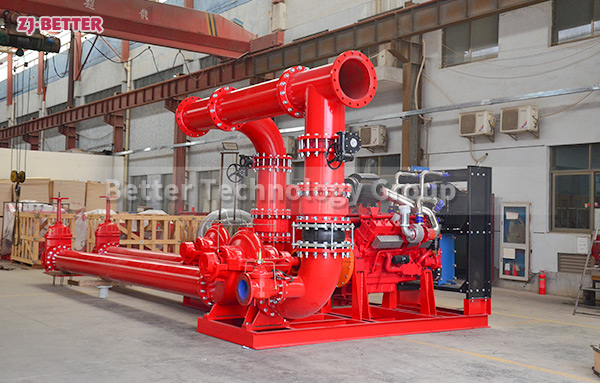
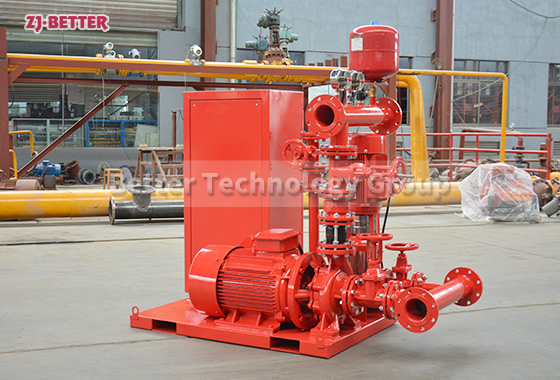
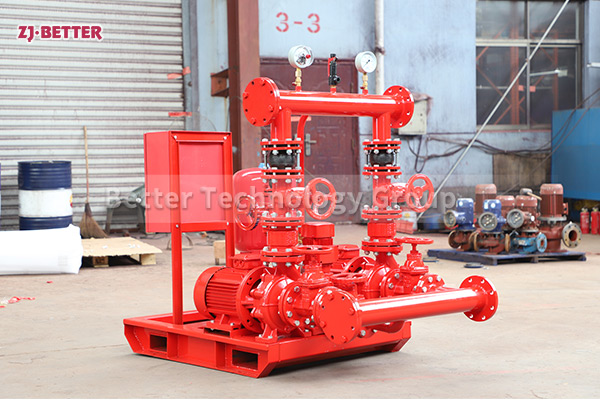
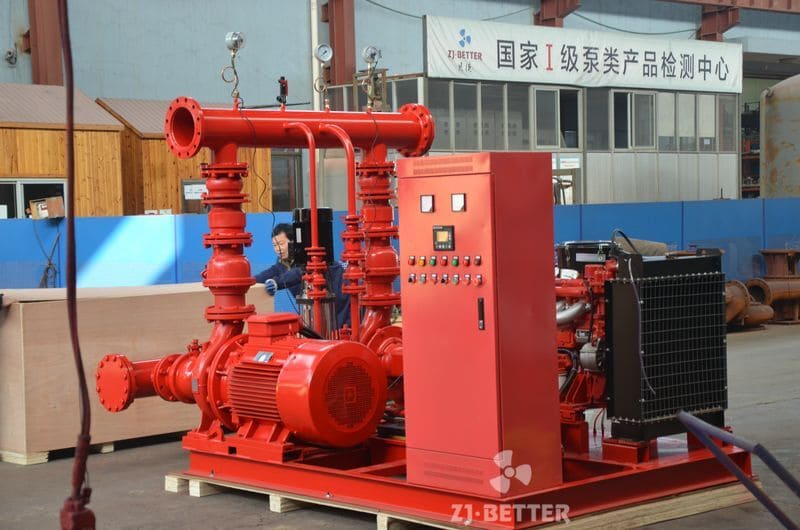
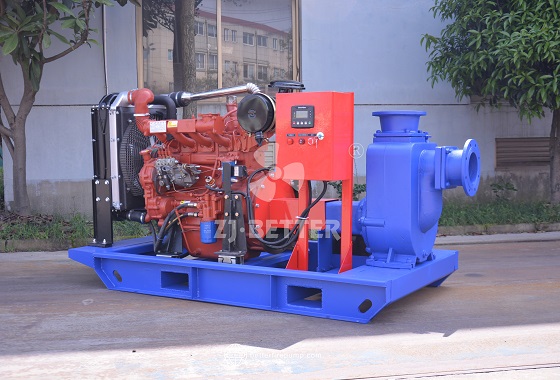
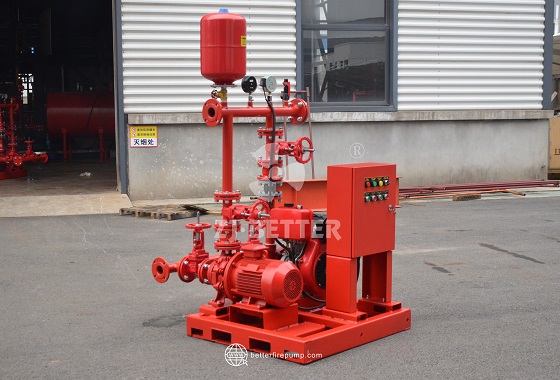
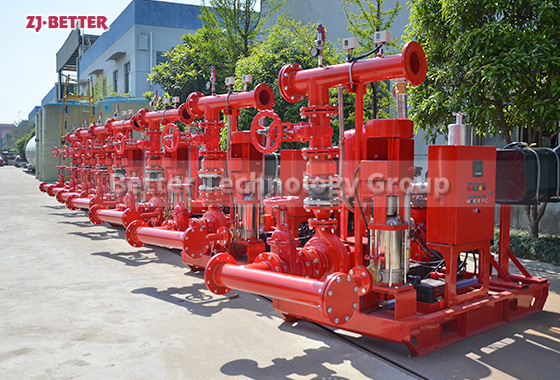
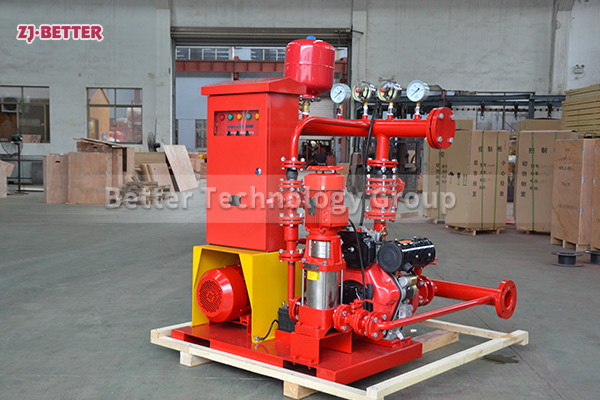
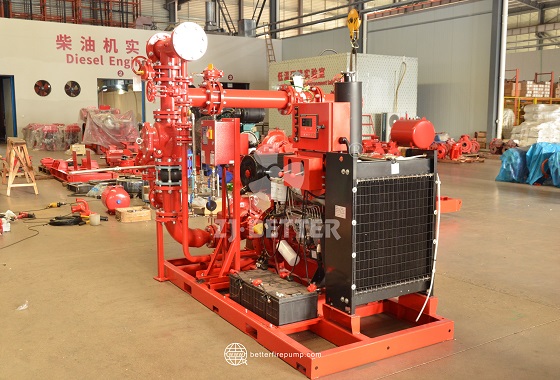
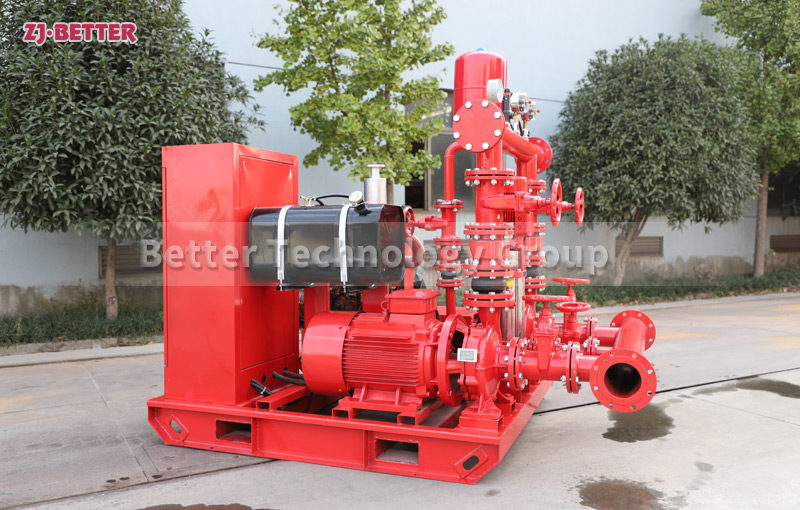
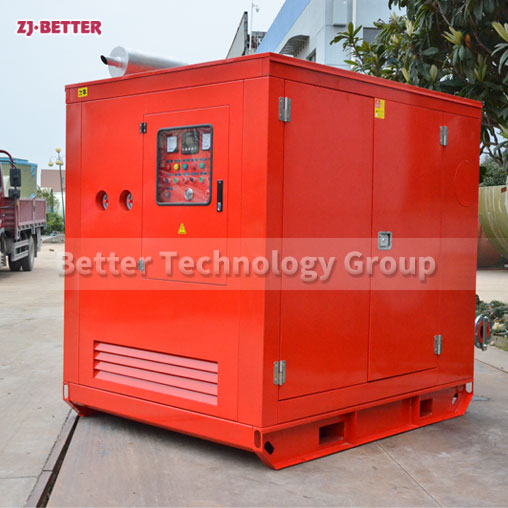
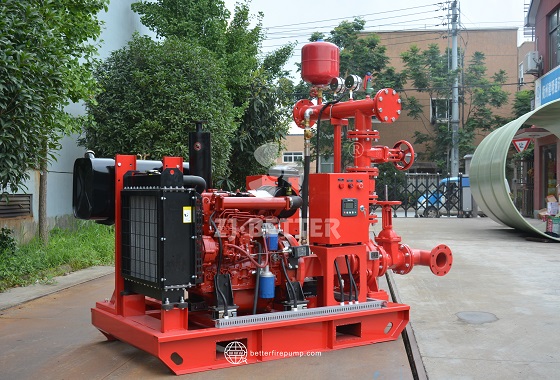
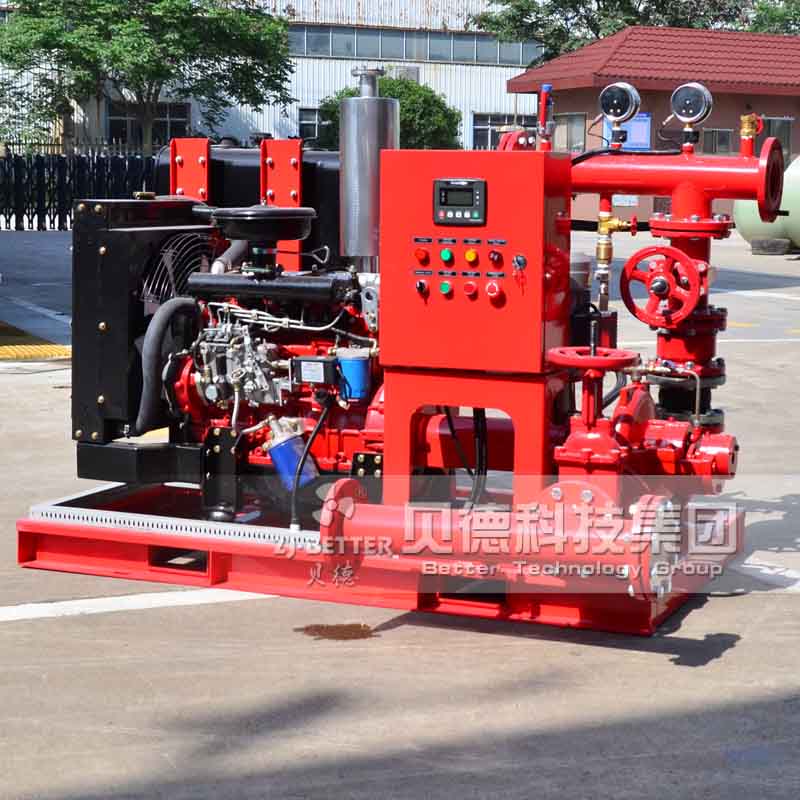
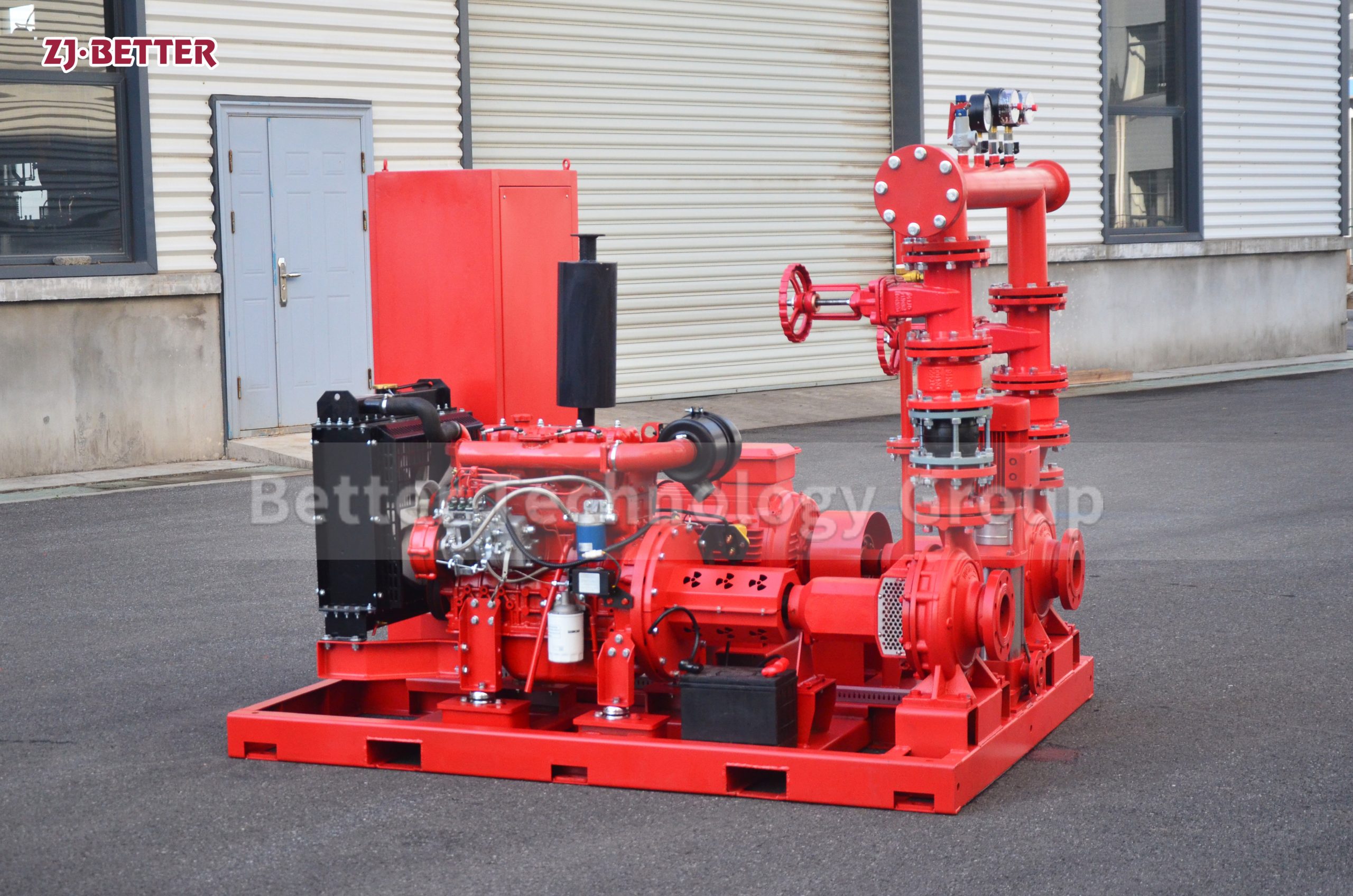
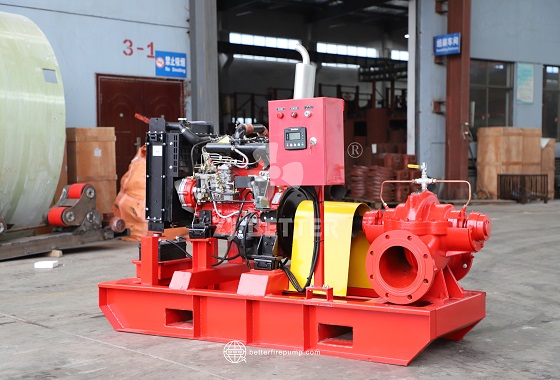
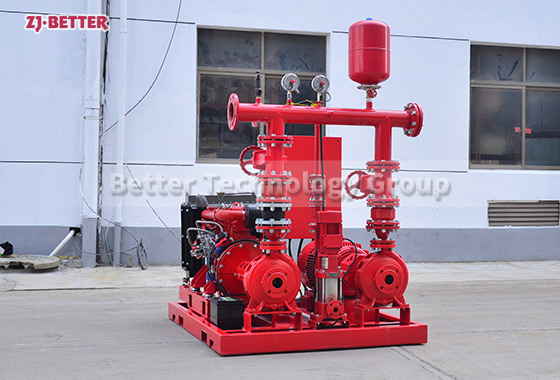
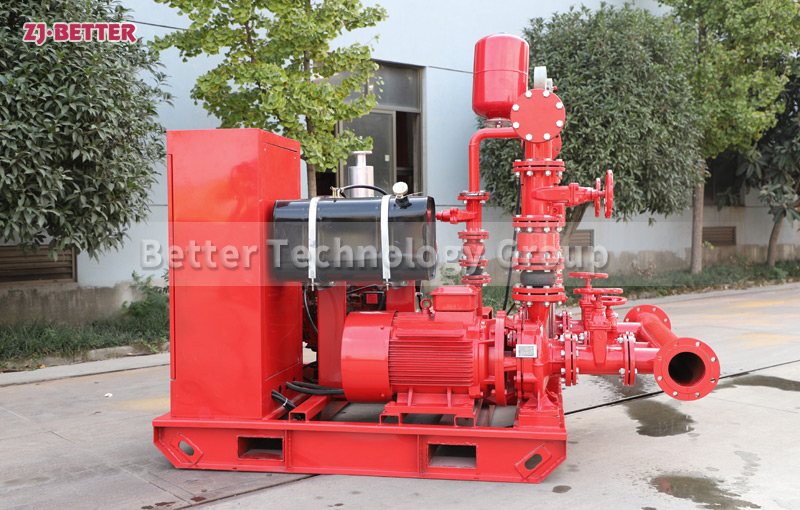
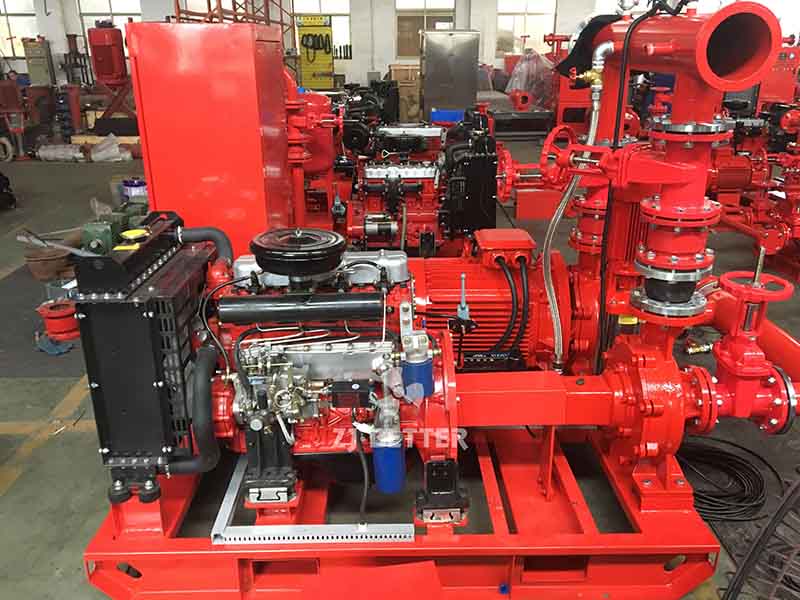
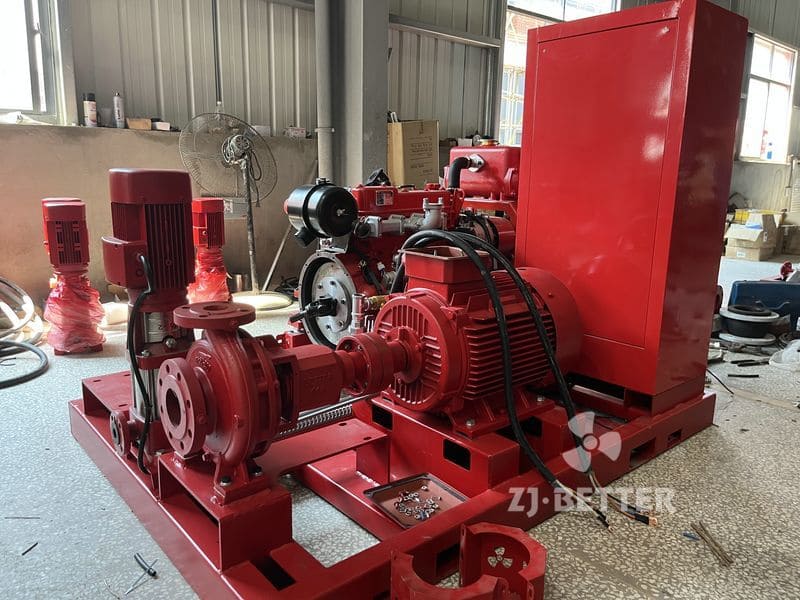
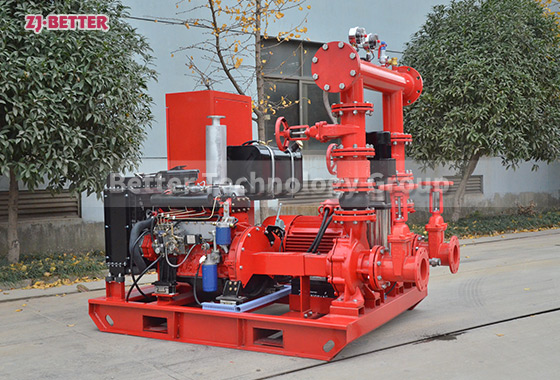
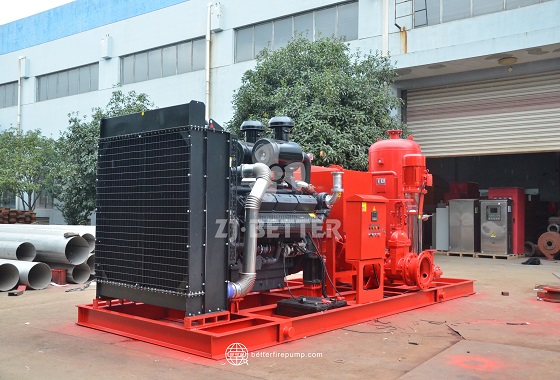
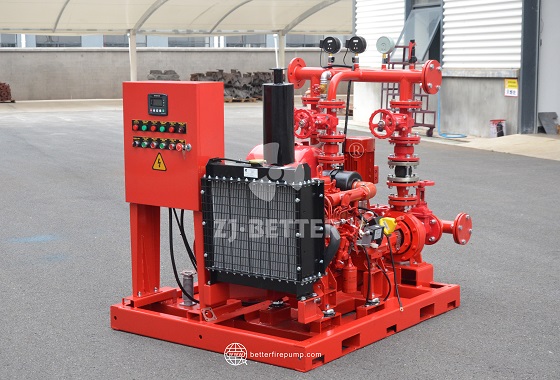
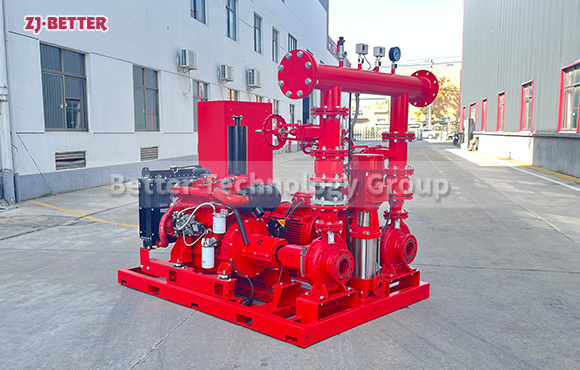
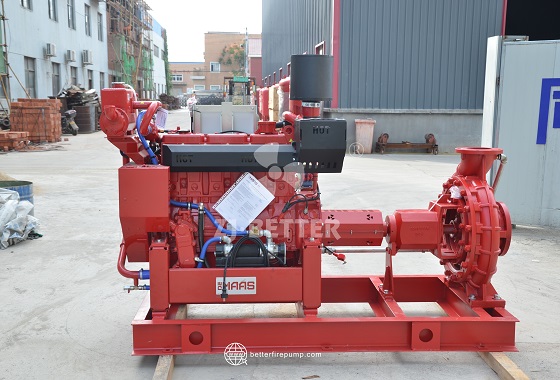
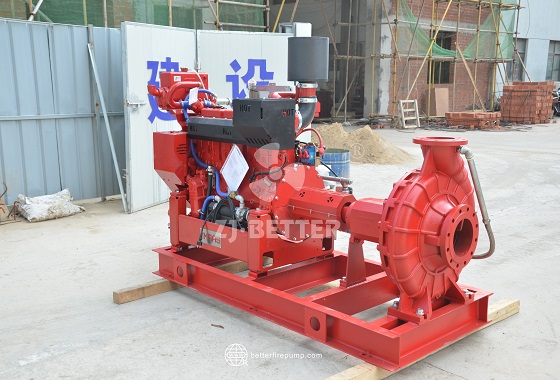
High-power diesel fire pumps, as an indispensable core device in modern fire protection systems, play a crucial role in providing a continuous, stable, and high-flow-rate fire water source during emergencies. Their superior power performance, independent operation capability, and adaptability to various complex environments make them irreplaceable in building fire protection, industrial fire protection, municipal emergency response, oil and gas facilities, warehousing and logistics, ports and docks, power engineering, and firefighting missions in remote areas. High-power diesel fire pumps rely on a powerful diesel engine as their power source, integrating it with a high-efficiency centrifugal pump body, a large-flow-rate water delivery structure, and an intelligent control system. This allows the equipment to maintain reliable operation even without an external power source, a characteristic particularly critical in areas with unstable power supply, outdoor work scenarios, and power outages caused by natural disasters. Their design philosophy revolves around “stability, efficiency, durability, and rapid response,” ensuring excellent stability even under long-term high-load conditions through optimized combustion efficiency, enhanced mechanical structural strength, automatic start-stop systems, and improved cooling capacity. High-power diesel fire pumps utilize high-performance engines to provide robust torque output, ensuring a continuous and stable high-flow water supply even under conditions of high head, long-distance water delivery, or multi-branch water supply. Their pump body structure primarily employs high-density cast materials or corrosion-resistant metals, combined with optimized hydraulic flow channel design, resulting in smoother water flow within the pump, lower energy consumption, and higher efficiency. This also effectively reduces cavitation and extends the overall system lifespan. These devices typically possess higher outlet pressures, meeting the requirements of external fire protection systems for high-rise buildings, long-distance water supply, sprinkler system pressurization, and power plant cooling water supply. In the event of a sudden fire, they rapidly form a stable water curtain and impact water column to suppress the spread of fire in a very short time. Furthermore, independent operation capability is one of the core advantages of high-power diesel fire pumps. With its own electrical control system, battery, fuel tank, operation monitoring instruments, and auxiliary starting device, the equipment can continue to operate independently using its diesel power system in the event of an emergency power outage, unaffected by the power supply system. To enhance startup reliability in harsh environments, the system is typically equipped with dual-battery startup, a preheater, a fuel heating device, and a moisture-proof, dust-proof, and shock-resistant structure. This ensures rapid ignition and operation in extreme cold, high temperature, dusty, high humidity, or outdoor rainy and windy conditions. In emergency firefighting, response speed is crucial for effectiveness. Therefore, high-power diesel fire pumps commonly employ automatic control technologies, such as fire signal-linked startup, pressure self-check startup, automatic operation after water pressure drop, and real-time monitoring of oil level, temperature, and pressure. This allows the equipment to reach rated speed within seconds of receiving a startup command, quickly generating a sufficiently strong fire-fighting water flow. In terms of structural design, high-power diesel fire pumps reduce vibration during operation through reinforced bases, anti-vibration structures, thickened frames, and multi-point fixing methods, extending overall service life and ensuring safety and stability during transportation and installation. Furthermore, pump sets of different specifications can be customized according to project requirements, including different flow rates, heads, interface sizes, working pressures, and control cabinet configurations, meeting the application needs of various scenarios from ordinary commercial buildings to heavy industrial and chemical plants. Safety protection functions are a crucial component of diesel fire pumps. Through intelligent monitoring features such as automatic shutdown protection, low oil pressure protection, high water temperature alarm, overspeed protection, and water shortage protection, the system ensures safe operation in real time and prevents equipment damage due to abnormal conditions. The supporting cooling system typically includes air cooling, water cooling, or a combination of both, ensuring stable engine temperature during continuous operation. The lubrication system reduces wear on mechanical components through forced circulation oil supply, enabling the engine to maintain high efficiency for extended periods. The fuel system design emphasizes filtration, anti-condensation, and anti-clogging, ensuring clean fuel delivery even in harsh environments and preventing power loss or engine damage due to fuel impurities. In emergency firefighting scenarios, high-power diesel fire pumps demonstrate advantages such as rapid deployment, high-flow water supply, strong impact hydraulic pressure, and long-term stable operation, and can be used as main pumps, backup pumps, and temporary supply pumps. Many engineering projects also frequently employ dual-power firefighting systems combining diesel and electric pumps, making firefighting water supply capacity more redundant and reliable. In high-risk scenarios such as outdoor forest fires, oil tank area fires, and chemical plant fires, diesel pumps can achieve effective operational advantages due to their own power system. Its ease of transport and independent operation capabilities also make it suitable as a mobile fire pump unit for temporary construction, rescue support, and municipal emergency water supply. High-power diesel fire pumps have undergone continuous technological optimization, including upgraded injection technology, improved combustion efficiency, reduced fuel consumption, low-noise design, intelligent IoT monitoring, and support for remote start-up diagnostics, driving the traditional diesel fire pump towards intelligence, efficiency, and environmental friendliness. Its appearance and structure have also been continuously improved to meet the needs of greater compactness, safety, and ease of maintenance. Modular design makes installation easier and allows it to form complete solutions with various fire protection systems. In summary, high-power diesel fire pumps play a crucial role in emergency firefighting due to their powerful performance, independent operation capability, rapid response characteristics, adaptability to harsh environments, and multiple protection systems. Their strong technical performance and high reliability make them one of the most reliable core water supply devices in modern fire protection systems, providing safe, efficient, and stable hydraulic support for various fire protection projects, and are essential equipment for ensuring personnel safety and property protection.