Home » Fire Pump Set » Operation steps of diesel engine fire pump set

Operation steps of diesel engine fire pump set

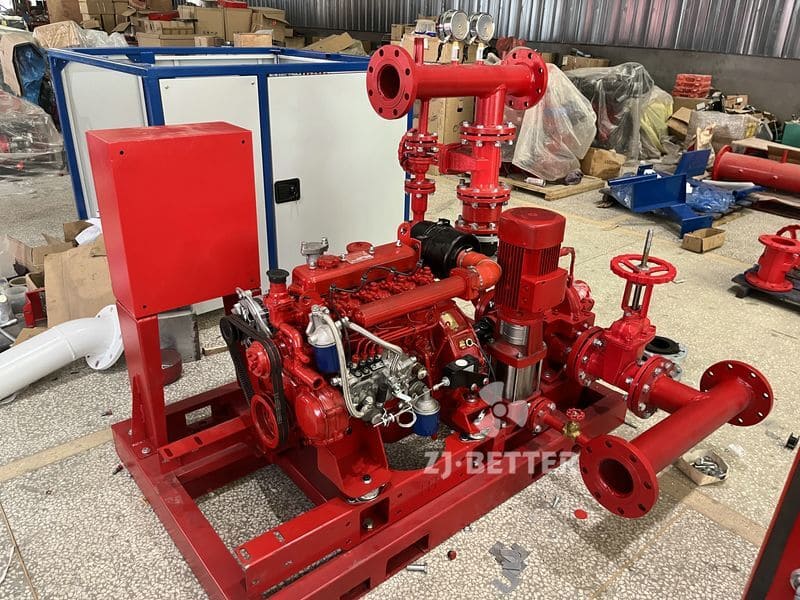
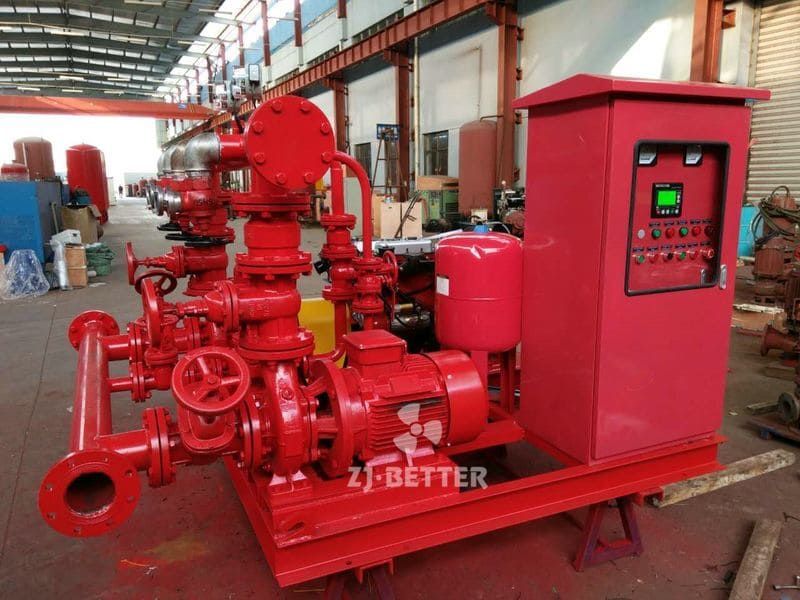
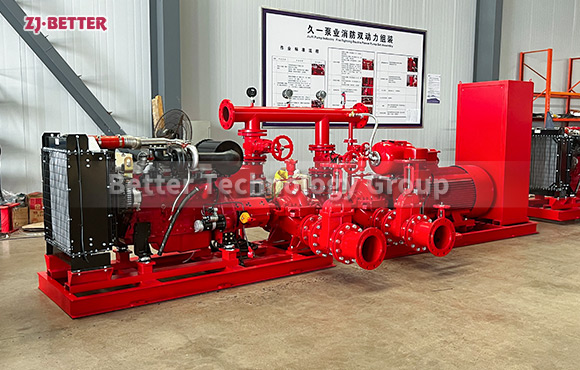
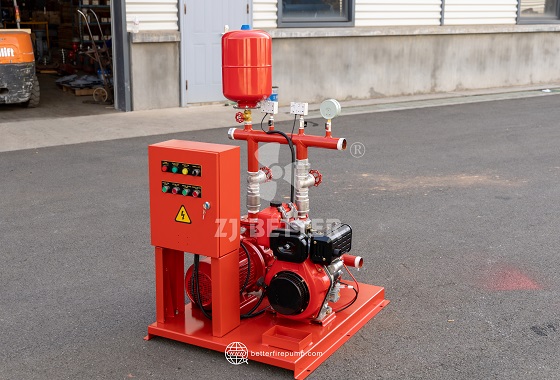
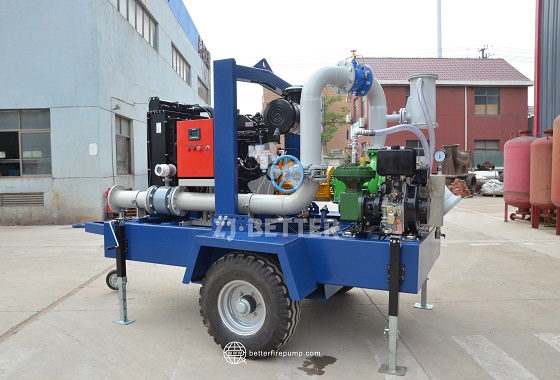
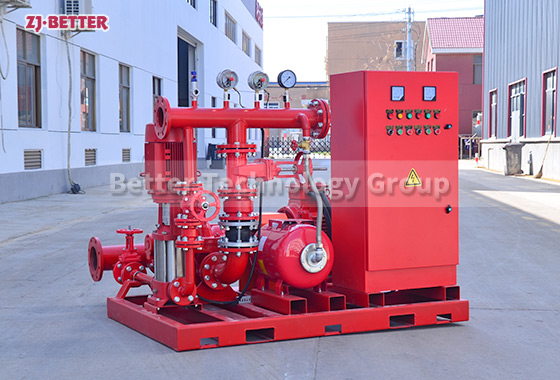
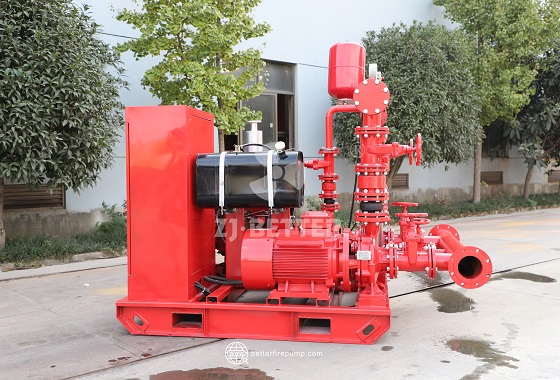
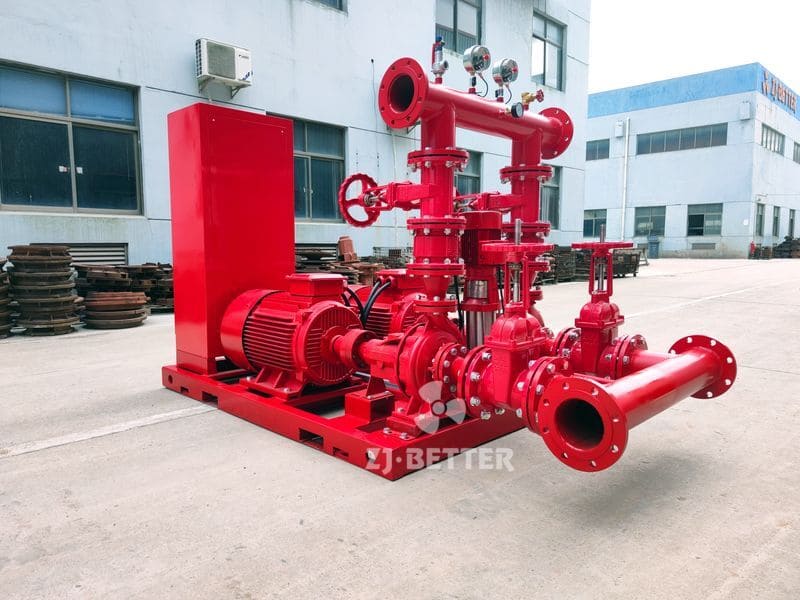
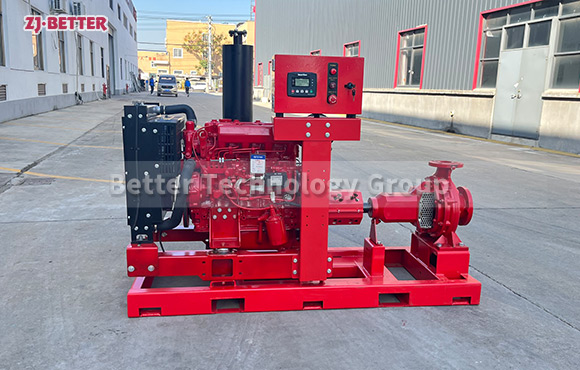
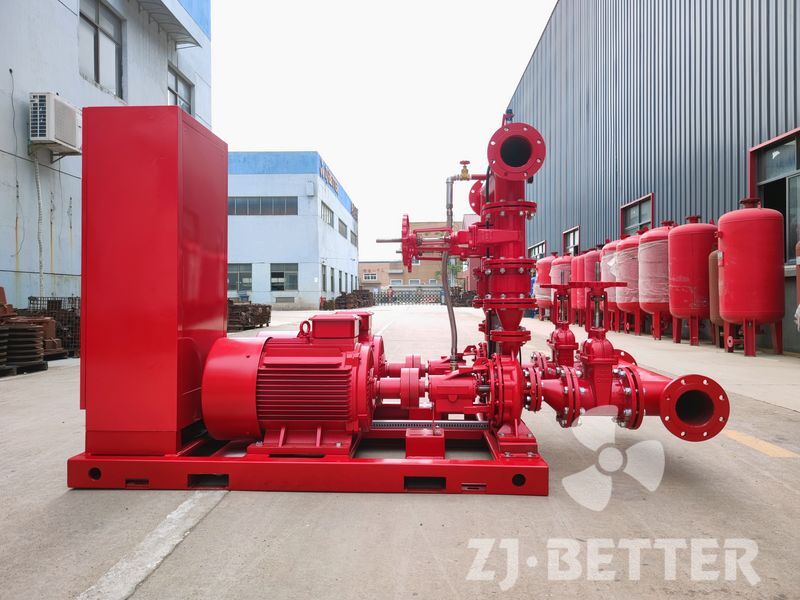
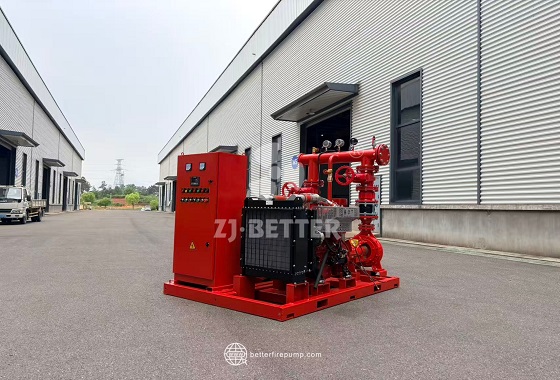
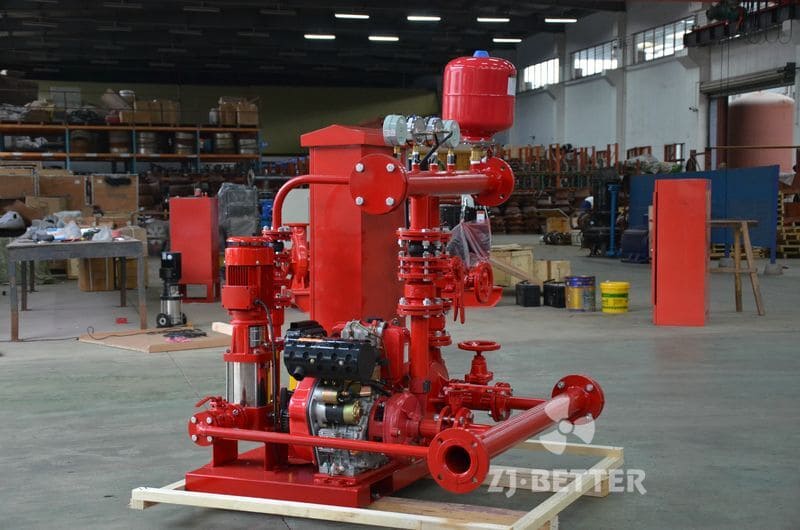
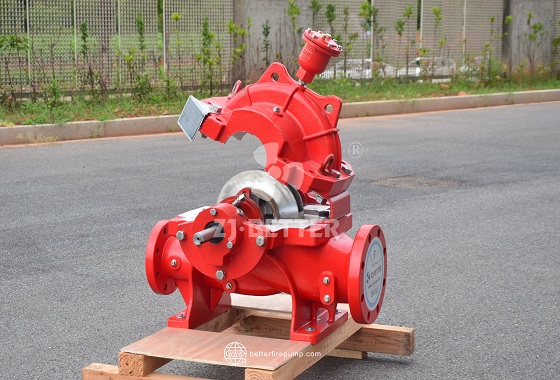
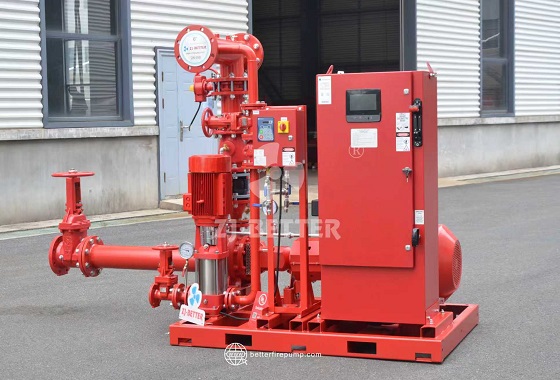
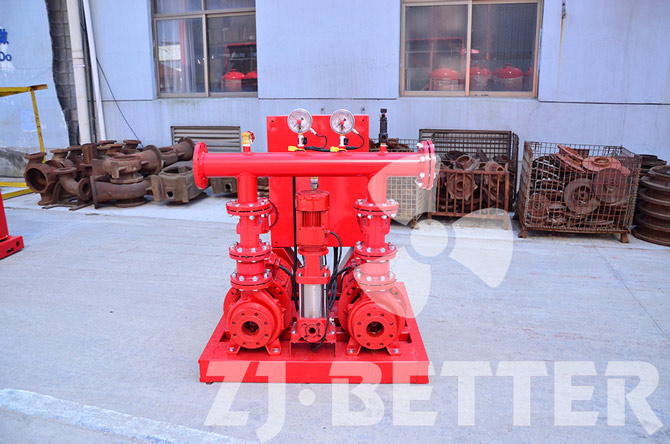
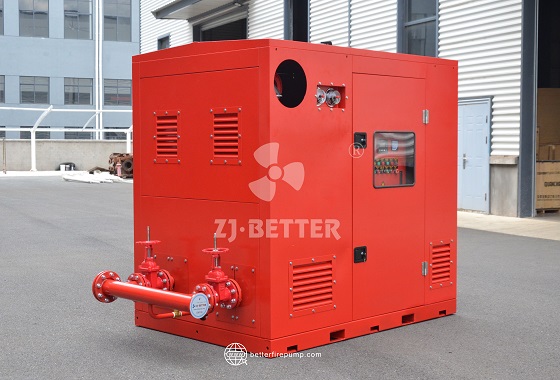
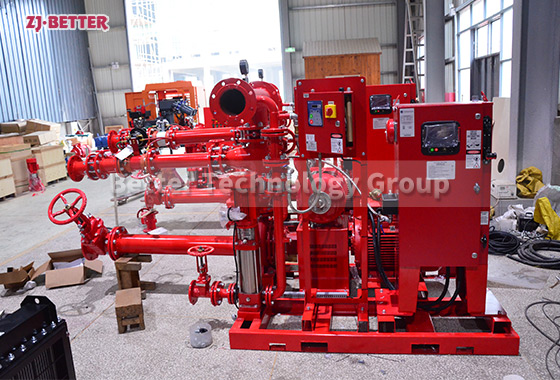
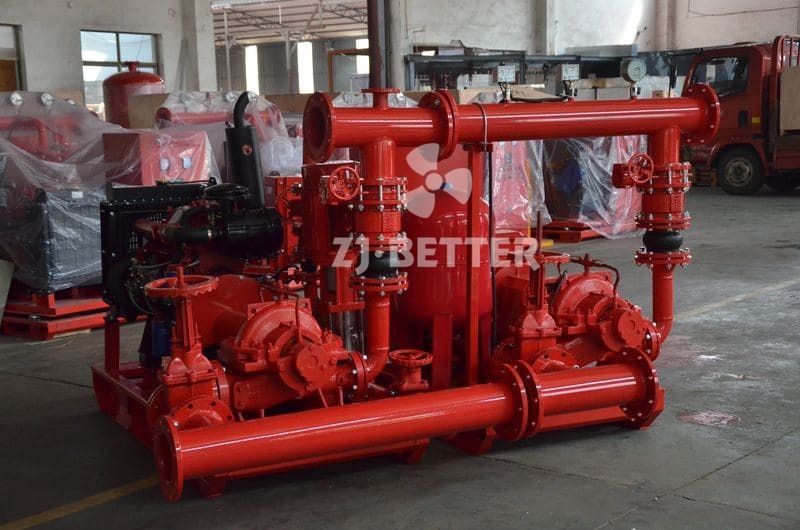
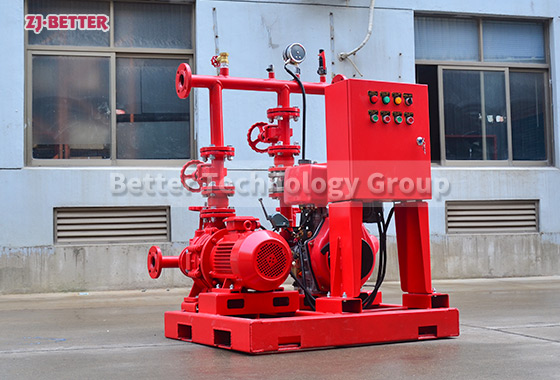
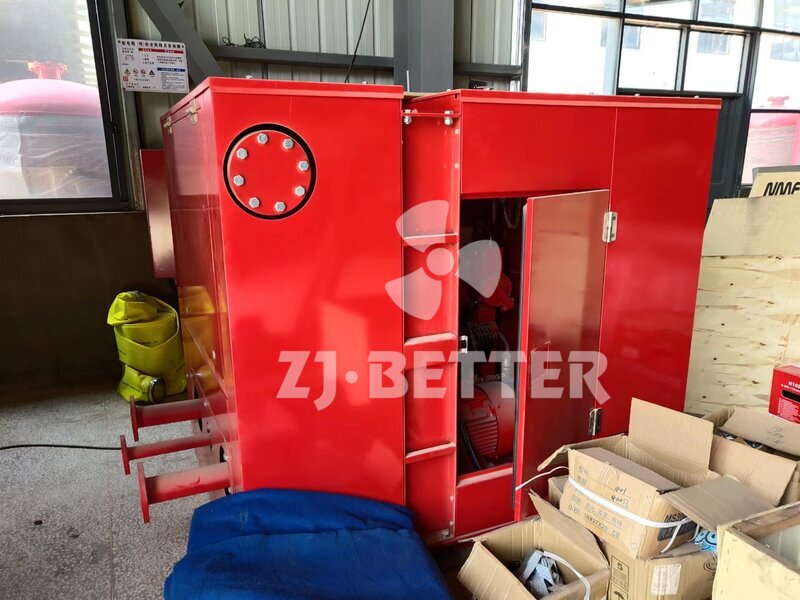
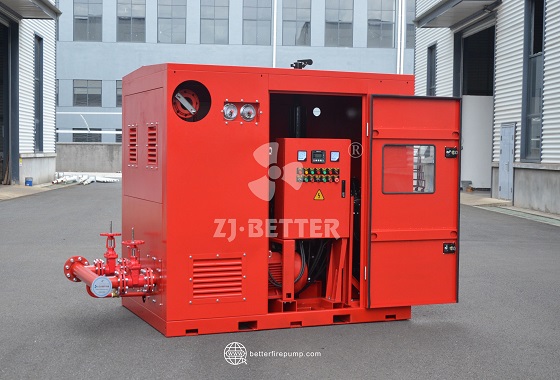
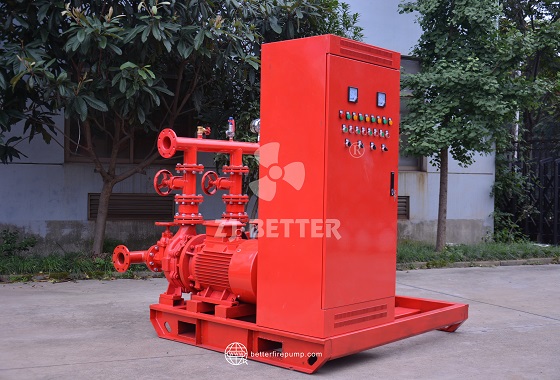
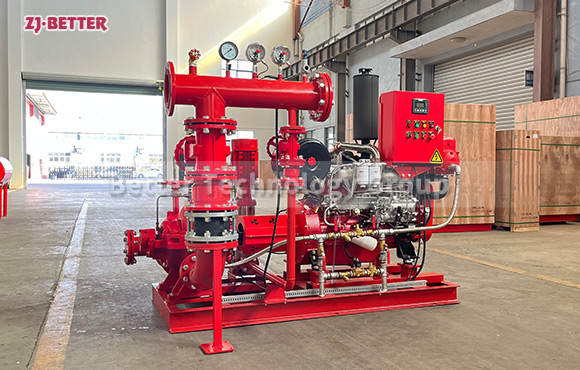
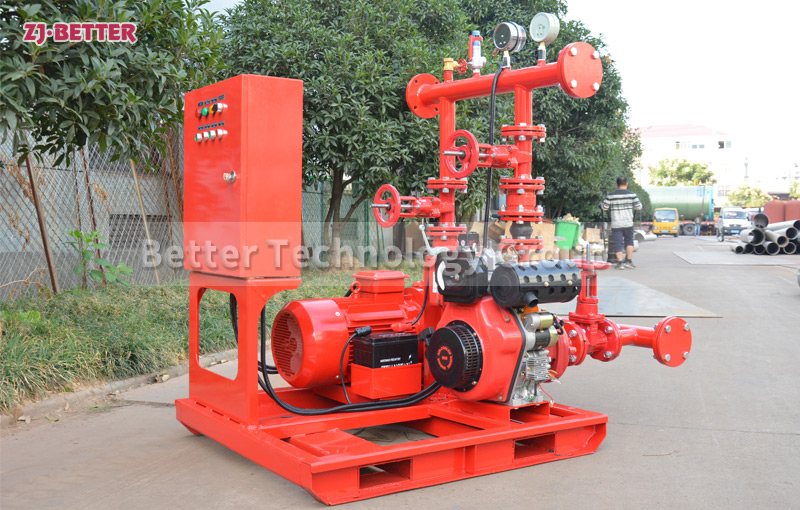
Diesel engine fire pumps can be used to transport clear water below 80°C without solid particles or liquids with physical and chemical properties similar to water. Under the premise of meeting the fire protection conditions, the requirements of the living and production water supply conditions are taken into account. The products can be used not only in independent fire water supply systems, but also in fire protection and domestic shared water supply systems, as well as in construction, municipal, industrial and mining, water supply and drainage, ships, field operations and other occasions.

Rated 5/5 based on 550 customer reviews
Share:
Content

The operation steps of starting and stopping the pump of diesel engine fire pump set:
After starting the pump, check the running current of the motor and whether the pump is running normally. If there is any abnormality, stop the pump immediately.
Observe the pressure gauge at the outlet of the pump. When the pointer of the pressure gauge reaches the rated working pressure and stabilizes, gradually open the outlet valve to make the pump work under the rated condition as much as possible.
The temperature of the pump and motor bearings should be checked frequently, the temperature should not exceed 75 degrees, and the working current of the motor should be within the normal range.
After stopping the pump, restore all valves to the normal state according to the valve opening and closing state requirements.
Inquiry


    More Fire Pump Set

    Choosing a good fire pump is crucial for ensuring the effectiveness and reliability of your fire protection system. Here are some key factors to consider when selecting a fire pump:

    Flow and Pressure Requirements: Determine the required flow rate and pressure for your specific application. Consider factors such as the size of the protected area, the type of fire hazards, and any applicable fire safety regulations. Ensure that the fire pump you choose can meet these requirements.
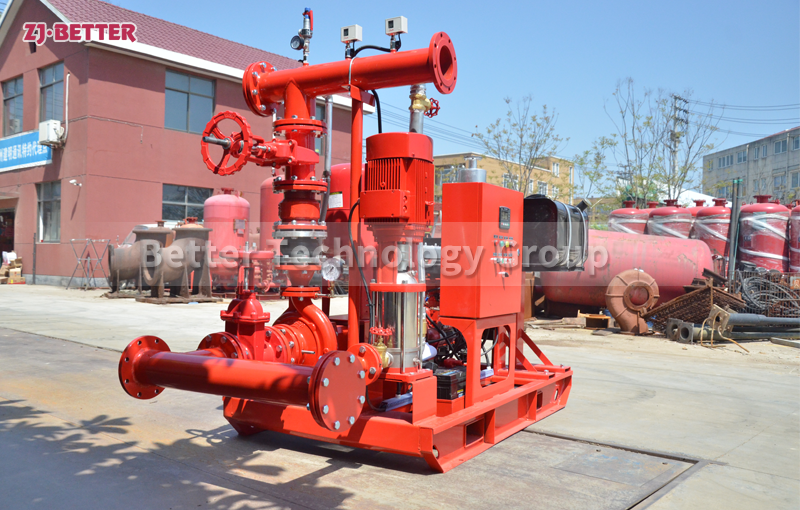
    Pump Type: Select the appropriate pump type based on your needs. The two common types of fire pumps are centrifugal pumps and positive displacement pumps. Centrifugal pumps are widely used due to their high flow rates and ability to handle large volumes of water. Positive displacement pumps, on the other hand, are better suited for applications that require high pressure but lower flow rates.

    Performance and Efficiency: Look for a fire pump that offers high performance and efficiency. Consider the pump’s rated capacity, which indicates the maximum flow rate it can deliver. Additionally, check the pump’s efficiency rating to ensure it operates optimally and minimizes energy consumption.

    Reliability and Durability: A good fire pump should be reliable and durable to withstand the demands of fire protection operations. Consider the quality and reputation of the manufacturer, as well as the pump’s construction materials. Look for features such as corrosion-resistant coatings, sturdy construction, and reliable seals and bearings.

    Compliance with Standards: Ensure that the fire pump you choose complies with relevant industry standards and codes, such as the National Fire Protection Association (NFPA) standards. Compliance with these standards ensures that the pump meets essential safety and performance requirements.
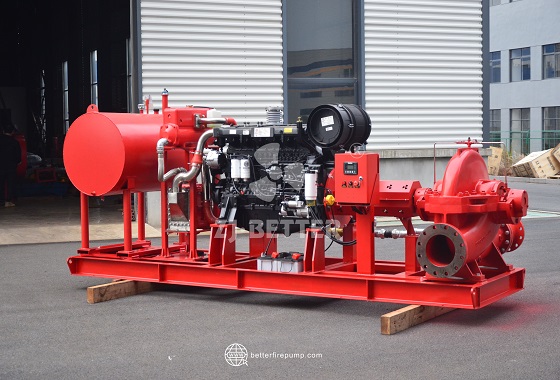
    Maintenance and Support: Consider the ease of maintenance and availability of support for the chosen fire pump. Look for pumps with accessible components, clear maintenance instructions, and readily available spare parts. Additionally, check if the manufacturer or supplier provides technical support and assistance.

    Testing and Certification: Check if the fire pump has undergone rigorous testing and certification by reputable organizations. Look for certifications from recognized bodies that validate the pump’s performance, efficiency, and safety.

    Budget and Cost Considerations: While it is essential to choose a reliable and efficient fire pump, consider your budget and cost constraints. Compare prices, warranties, and ongoing maintenance costs to find a balance between quality and affordability.

    System Integration: Consider how the fire pump will integrate with your overall fire protection system. Ensure compatibility with other components, such as fire alarms, sprinklers, and control panels. Coordinate with system designers or consultants to ensure seamless integration.

    Consult with Experts: If you are unsure about the specific requirements or complexities of selecting a fire pump, consult with fire protection experts, engineers, or consultants. They can provide valuable insights and recommendations based on your unique needs and circumstances.

    Remember that selecting a good fire pump is a critical decision that requires careful consideration. By evaluating the factors mentioned above and seeking professional guidance, you can choose a fire pump that meets your requirements and ensures the safety of your property and occupants in the event of a fire.