EDJ Fire Pump System Enables Automatic Pressure Maintenance and Backup Power Switching
The EDJ fire pump system integrates an electric main pump, a diesel backup pump, and a jockey pump, supporting automatic pressurization, pressure maintenance, and backup power configurations; it is suitable for warehouses, airports, petrochemical facilities, power plants, and large-scale fire water supply systems.
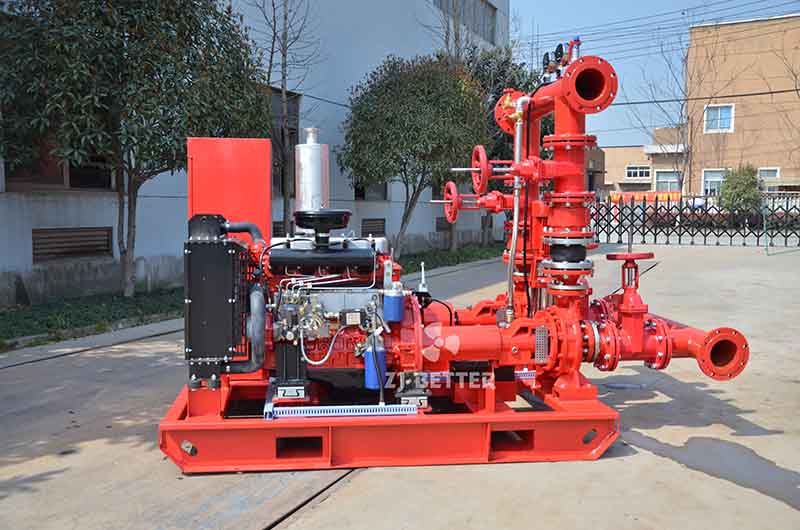
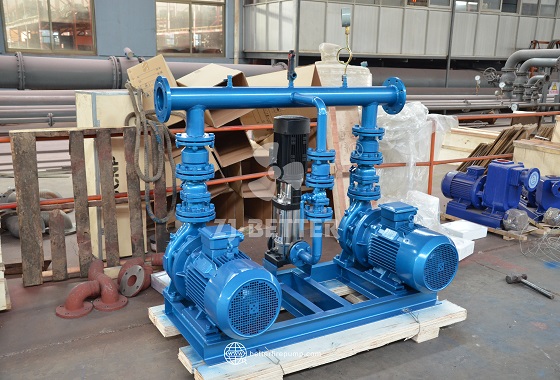
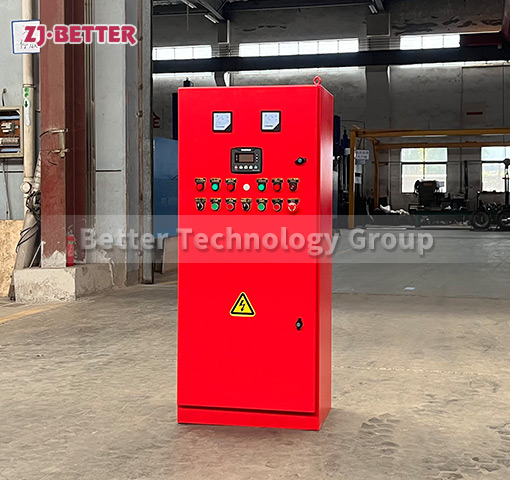
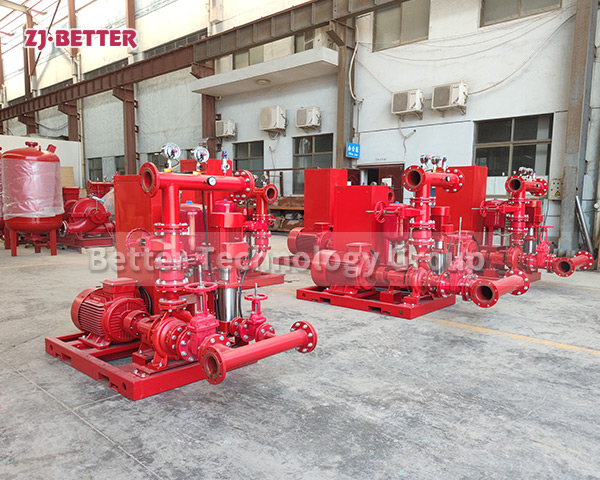
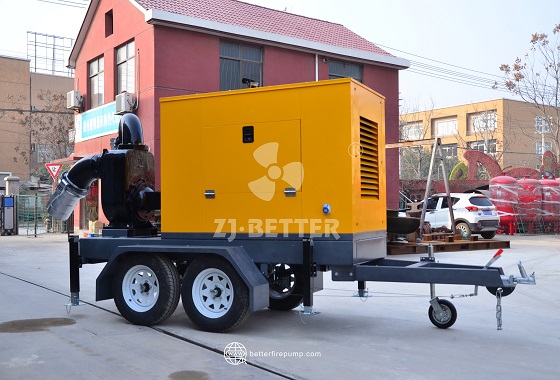
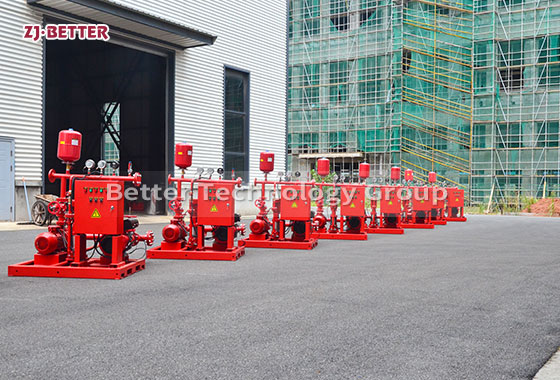
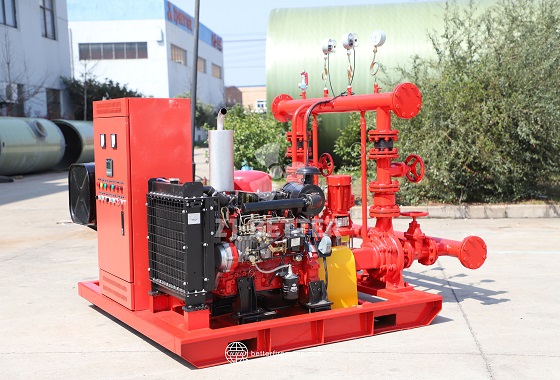
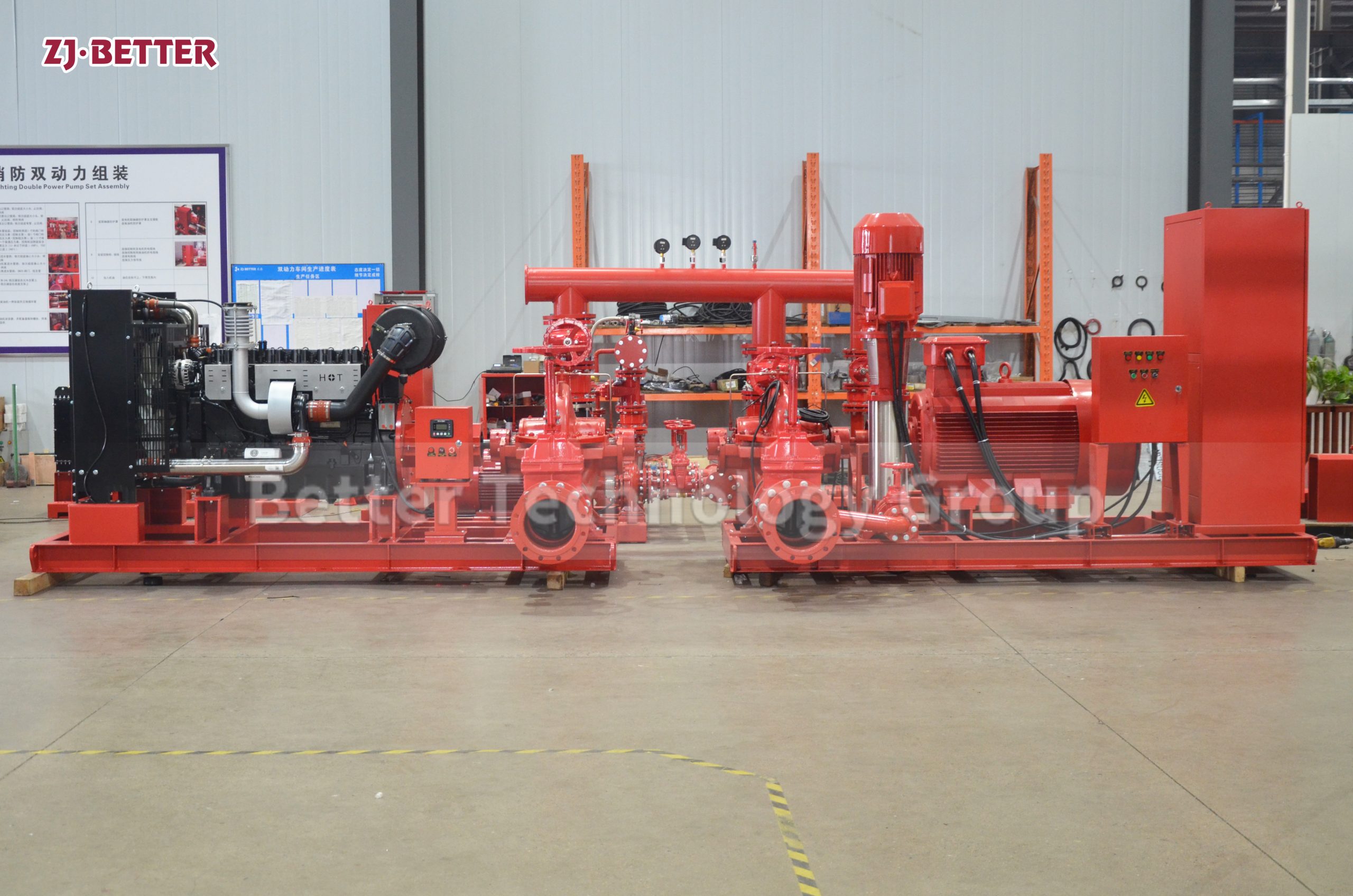
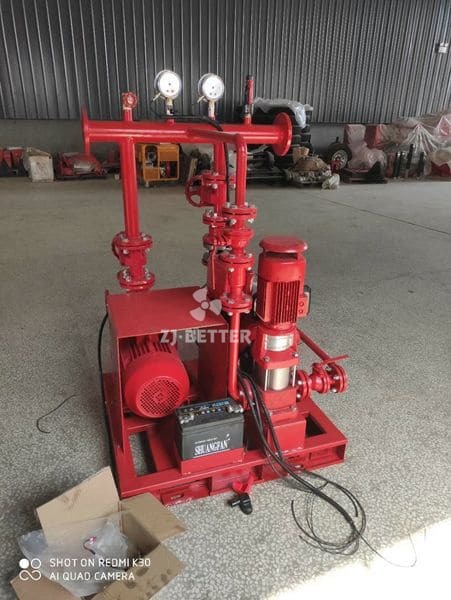
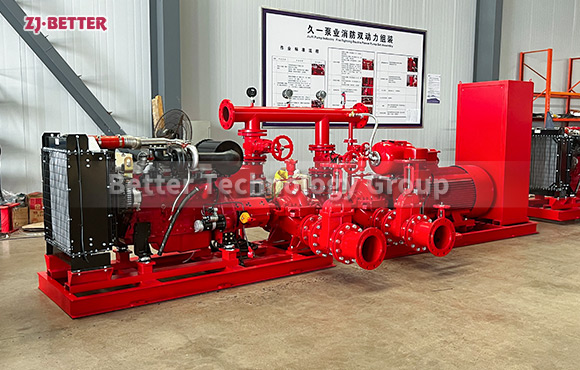
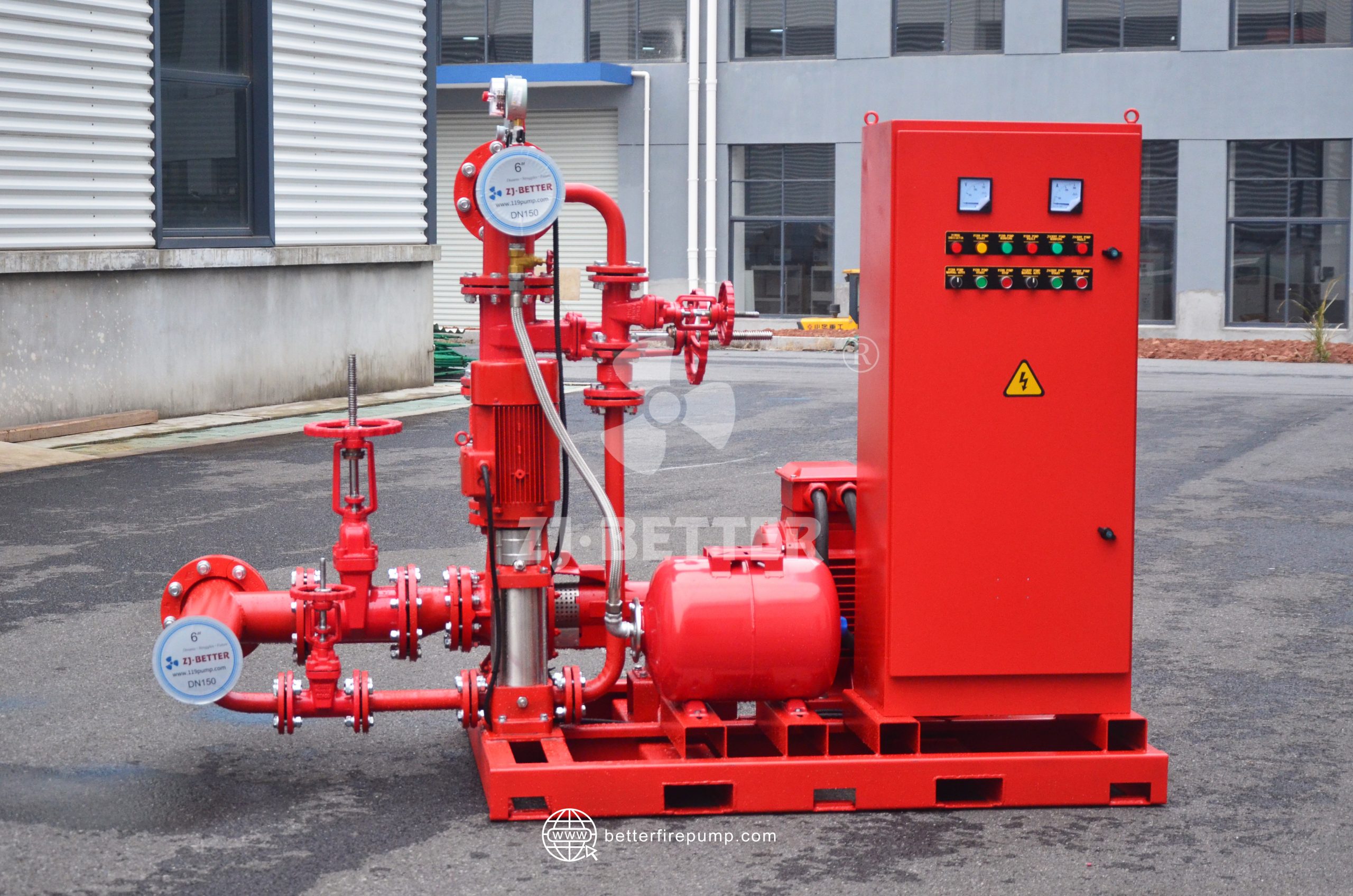
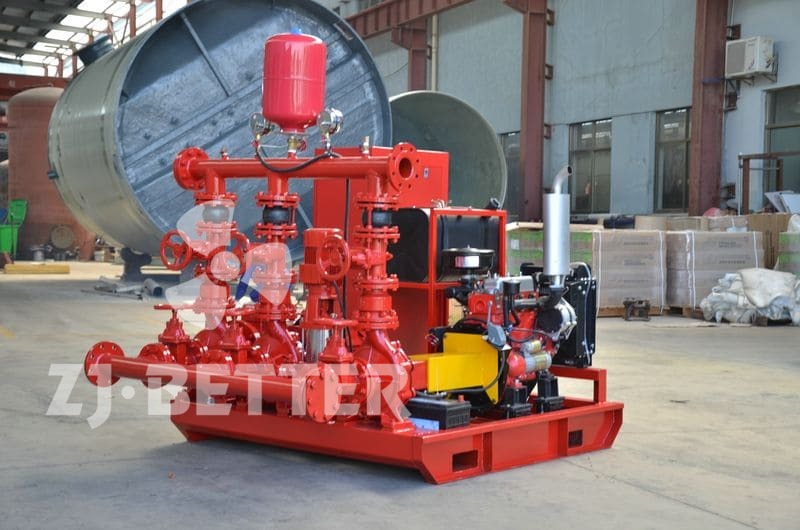
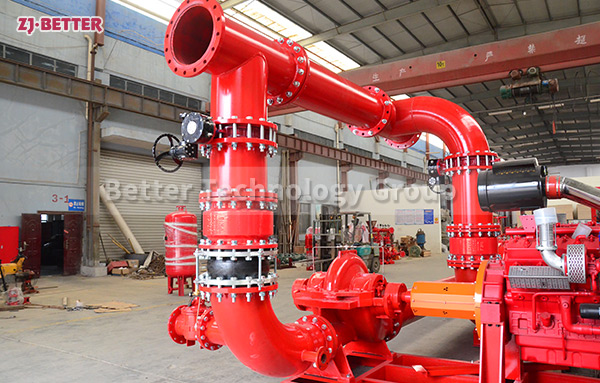
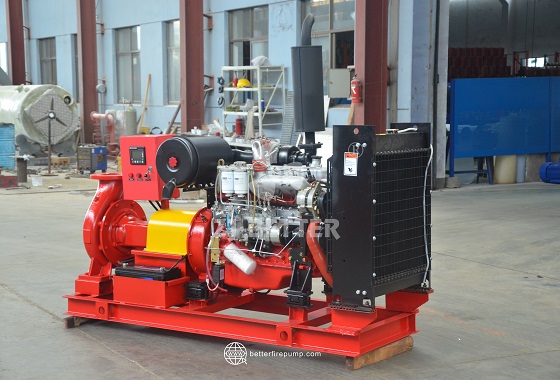
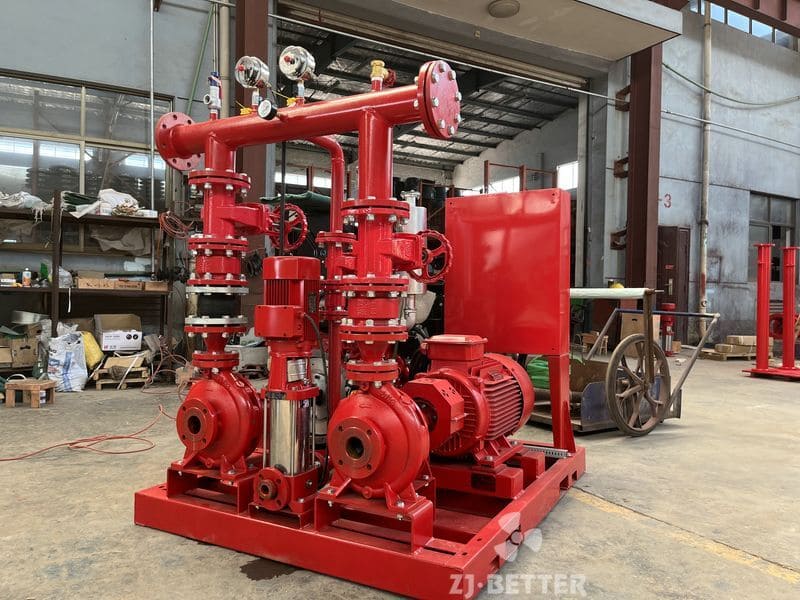
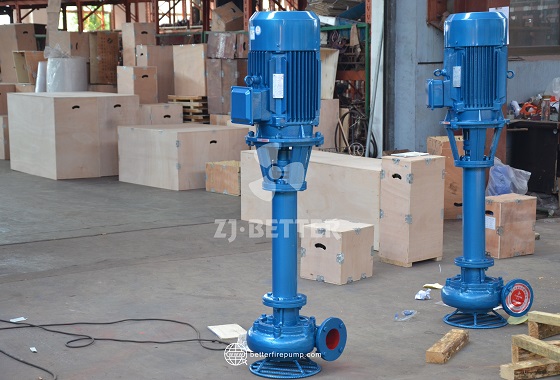
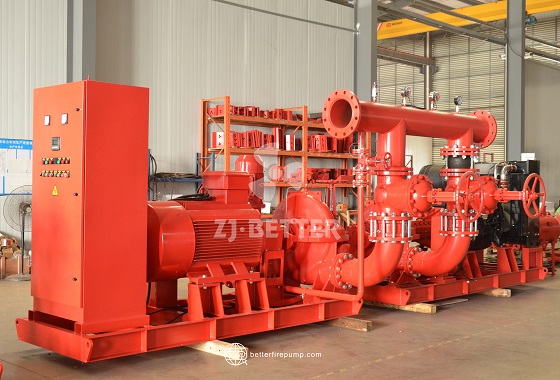
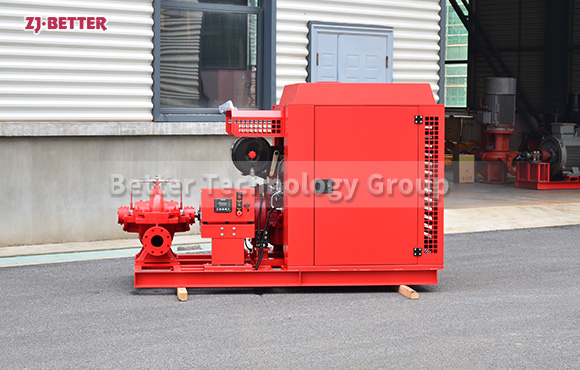
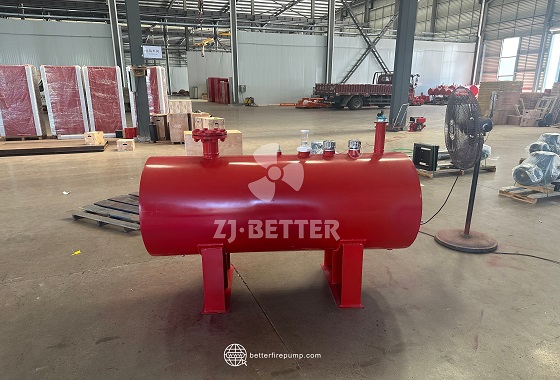
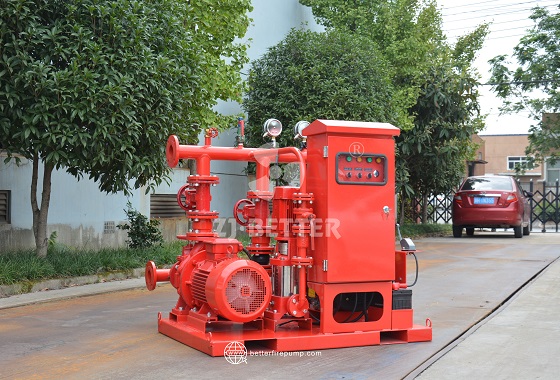
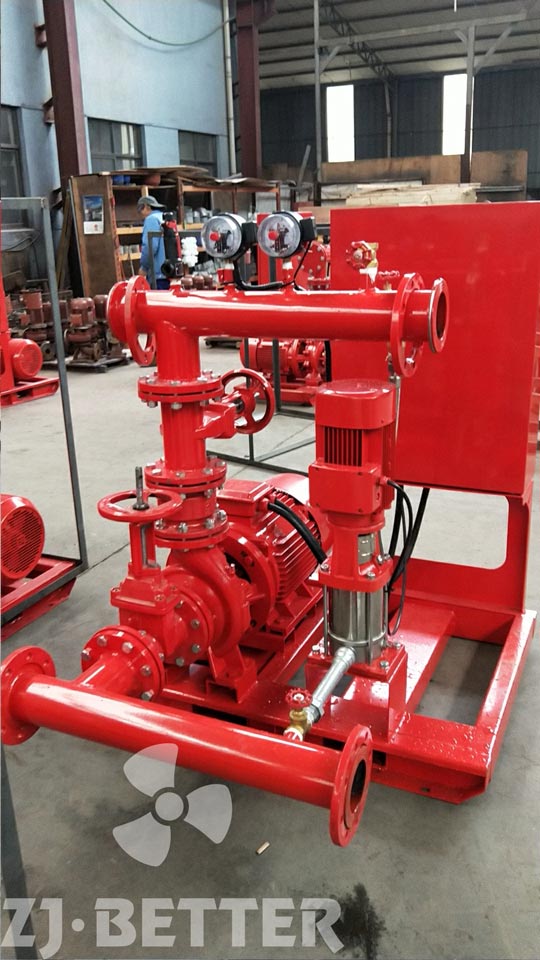
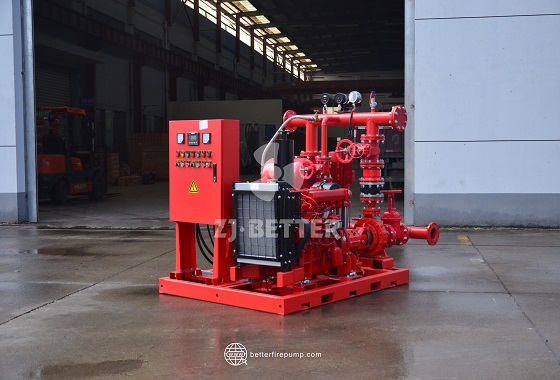
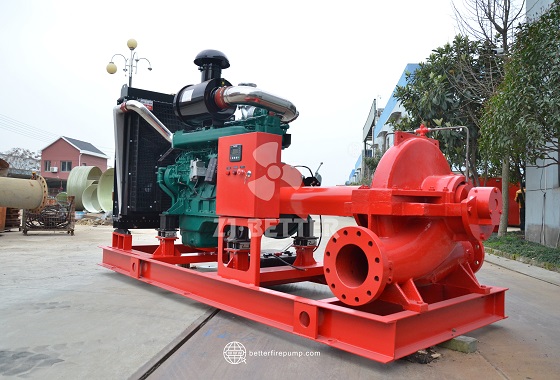
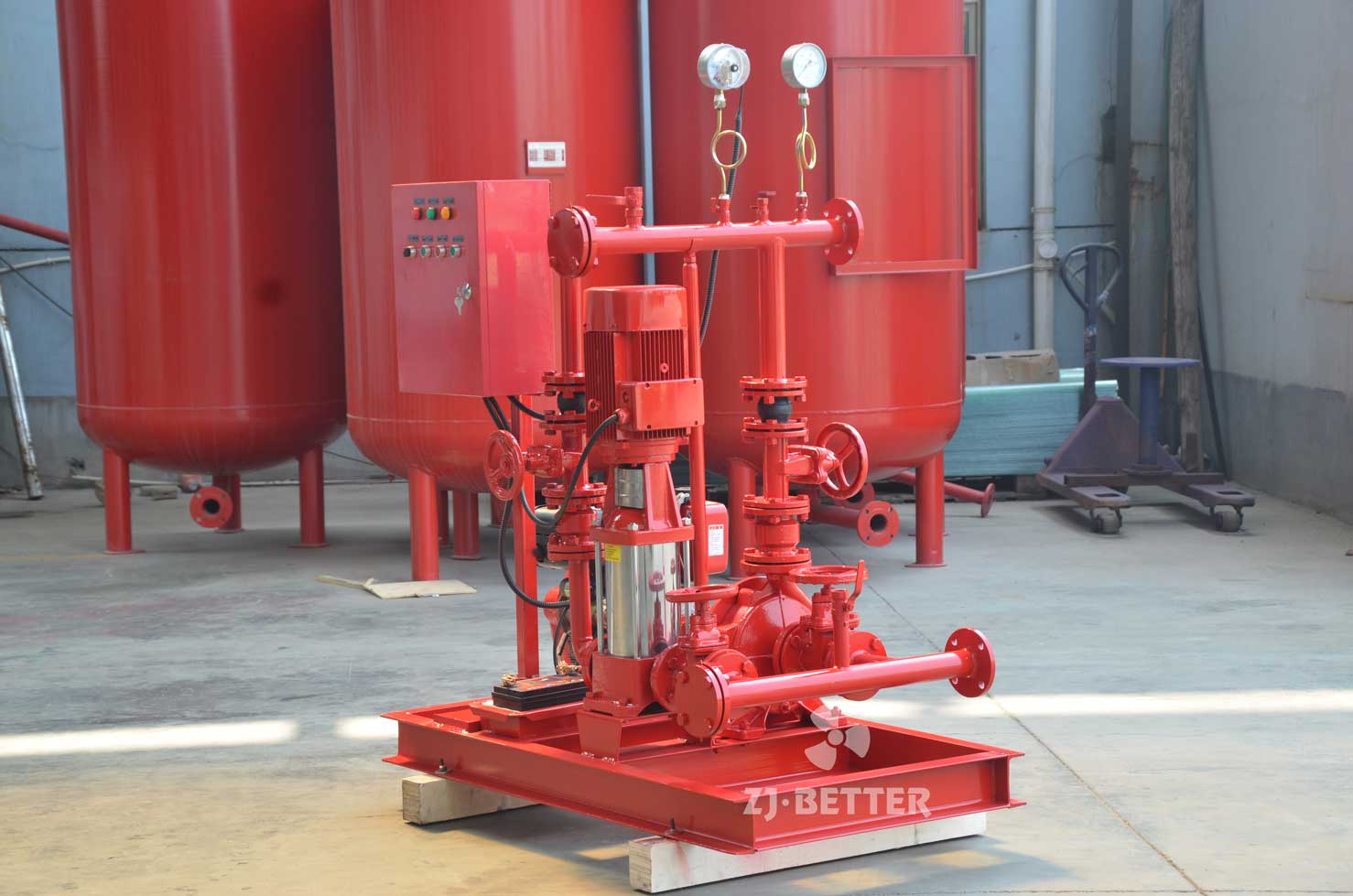
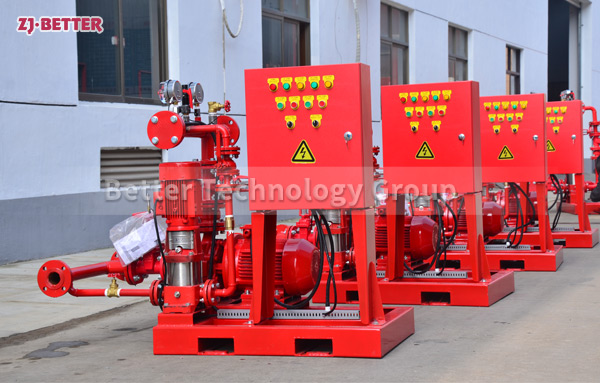
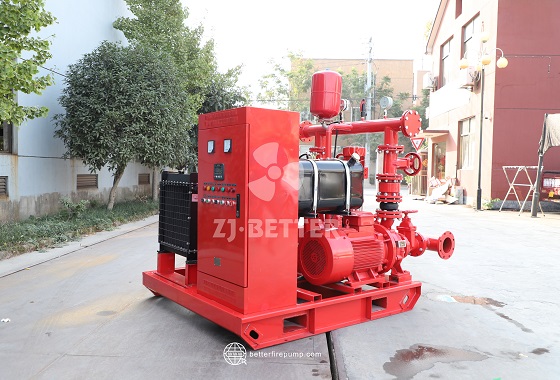
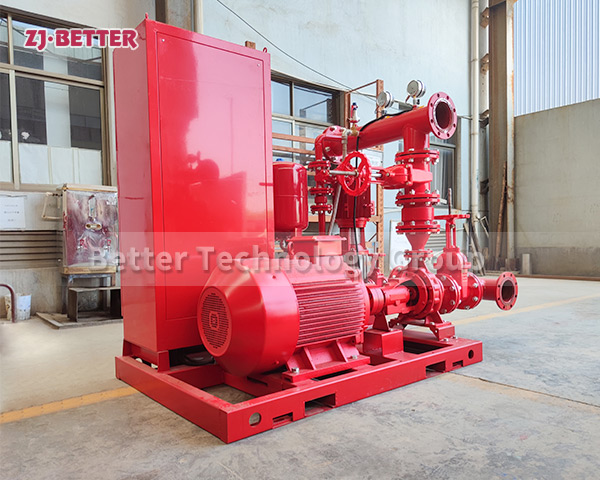
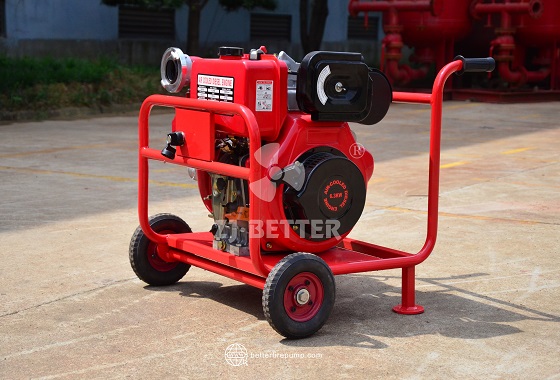
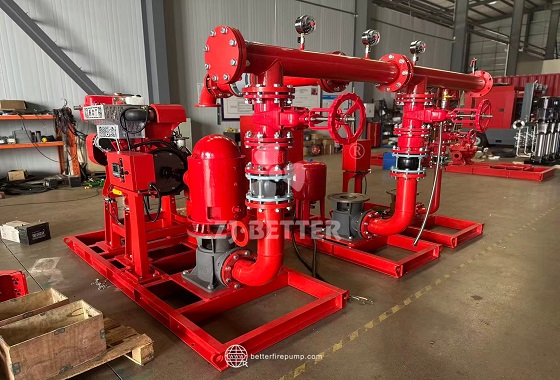
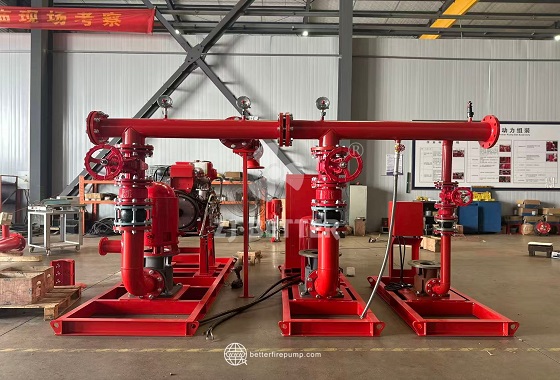
The EDJ fire pump system is a complete fire water supply package comprising an electric main fire pump, a diesel backup fire pump, a jockey pump, a control cabinet, and associated piping accessories. By combining electric and diesel power sources, it provides stable water supply and backup power for fixed fire protection systems. It is suitable for a wide range of applications, including warehouses, docks, airports, petrochemical facilities, power plants, liquefied gas facilities, textile mills, ships, and oil tankers. The system utilizes a configuration of “one electric main pump, one diesel backup pump, and one jockey pump.” The electric main pump handles standard fire water supply, while the diesel pump serves as a backup, delivering flow and head matching the main pump when required. The jockey pump, designed for lower flow and higher head, maintains normal pressure within the fire piping network, thereby minimizing frequent starts of the main fire pump caused by minor pressure fluctuations. An automatic control cabinet provides centralized control for all pumps and monitors system status via pressure sensors and gauges; integrated protection features—such as overload and overcurrent protection—simplify equipment operation and management. The diesel backup pump features an independent power source, reducing reliance on a single electrical supply during emergencies and offering an alternative drive method for systems requiring backup power. Structurally, the system components—including the electric pump, diesel pump, jockey pump, pressure tank, control cabinet, check valves, gate valves, common suction and discharge headers, flexible joints, and flanges—are configured as a complete unit mounted on a common base. This design minimizes on-site interconnection work while facilitating transport, positioning, installation, and maintenance. Depending on specific project requirements, the main fire pump can be selected from various types—such as end-suction, horizontal split-case, vertical split-case, vertical in-line, or vertical turbine pumps—and matched to the system’s specific flow, pressure, head, and pipe diameter specifications. Product specifications indicate that these fire pump systems offer flow rates ranging from approximately 30 to 9,000 GPM, pressure ranges of about 3 to 20 bar, and port sizes from 25 to 800 mm; power ratings for electric and diesel pumps can be selected based on specific configurations, while jockey pump power can be adjusted to meet system requirements. Pressure tanks are available in various pressure ratings—commonly 0.6 MPa, 1.0 MPa, and 1.6 MPa—to match the pump assembly’s head, with specifications selected according to the fire piping network’s capacity to ensure optimal integration of pressure maintenance functions with the overall system. This operational mode, combining an electric main pump, a diesel backup pump, and a jockey pump, enables the equipment to simultaneously handle routine pressure maintenance, fire water supply, and backup power needs, making it highly suitable for fixed fire protection systems requiring high supply reliability. In practical applications, pump types and specific parameters—such as building height, fire water demand, network resistance, design pressure, power supply conditions, and installation space—are determined to create a complete equipment package tailored to the fire protection system, thereby providing stable fire water supply solutions for industrial, commercial, and large-scale facilities.