Packaged Diesel Fire Pump Equipment – Cooling and Control Systems for Improved Operating Stability
The complete set of diesel fire pump equipment integrates a diesel engine, fire pump, cooling system, control cabinet and pressure monitoring components. Through the coordinated operation of power, cooling and automatic control, it provides a stable and reliable emergency water supply for industrial, warehousing and building fire protection systems.
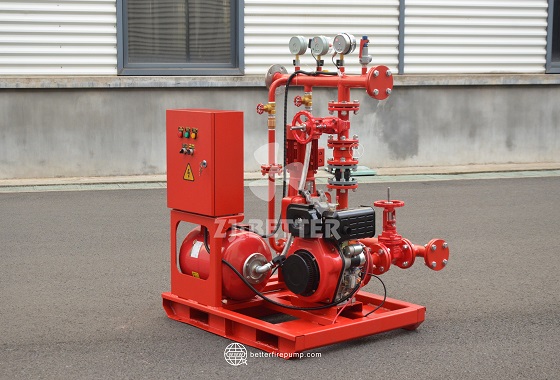
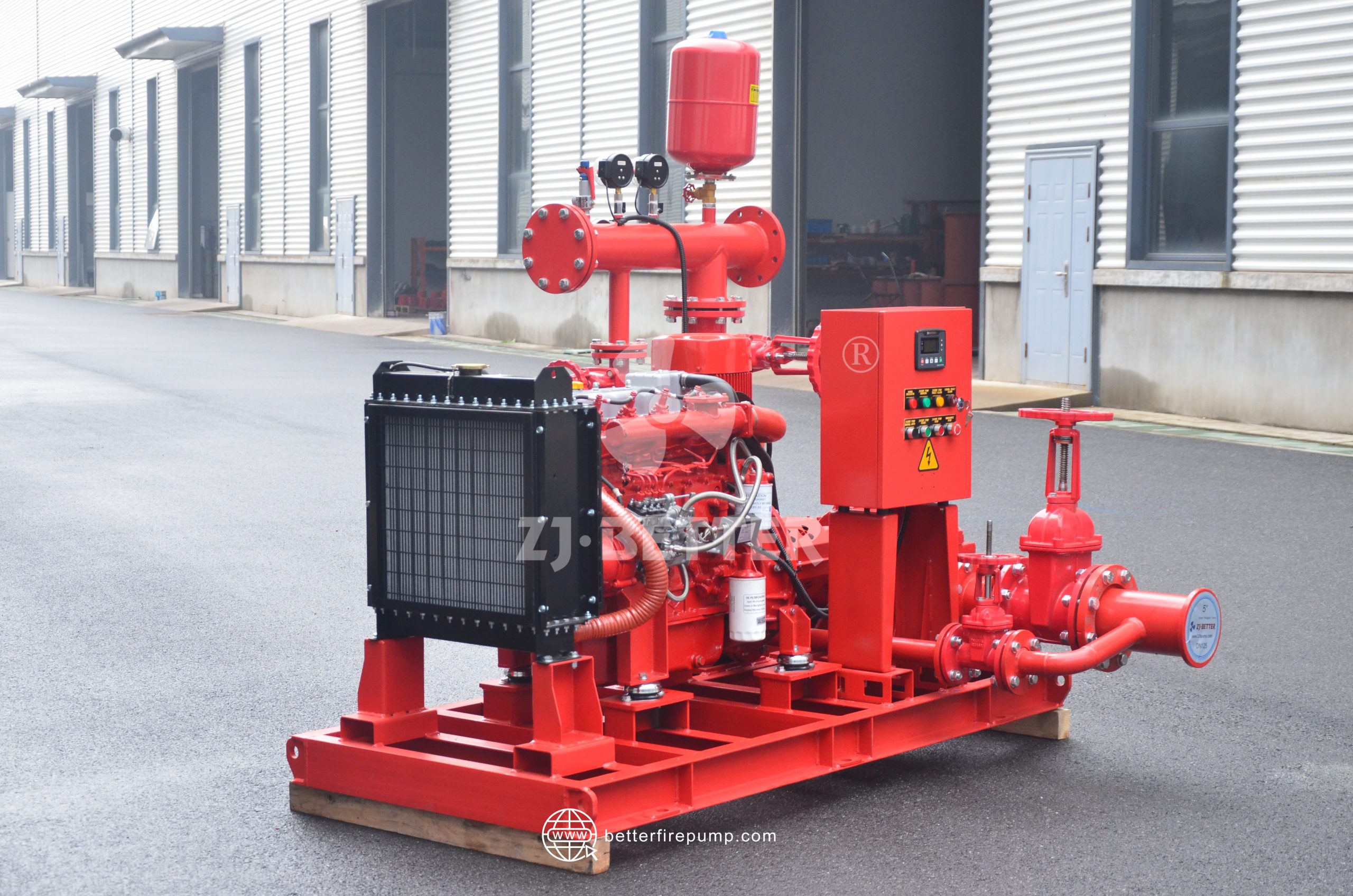
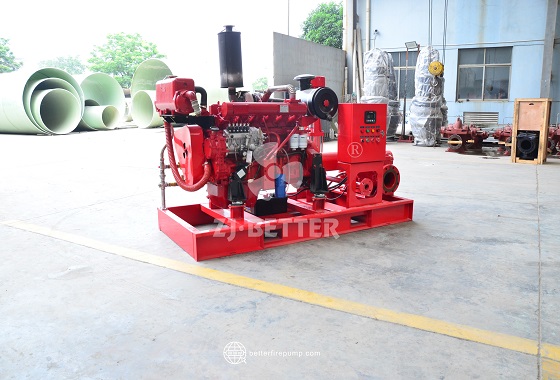
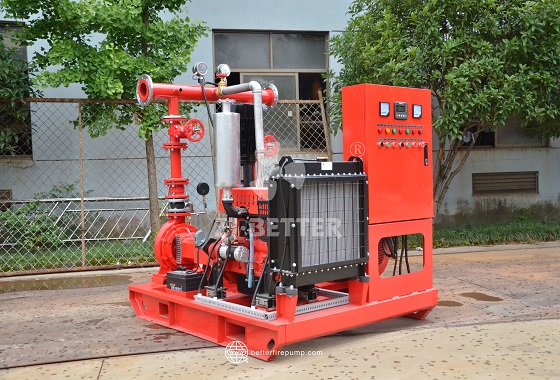
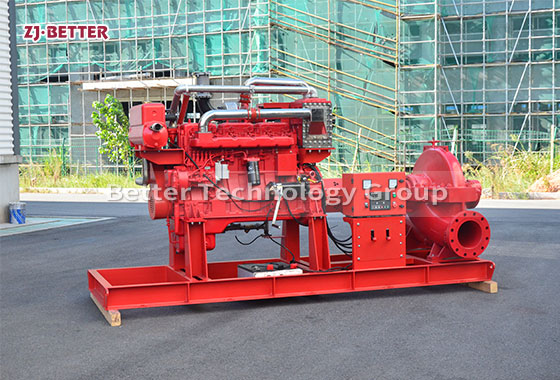
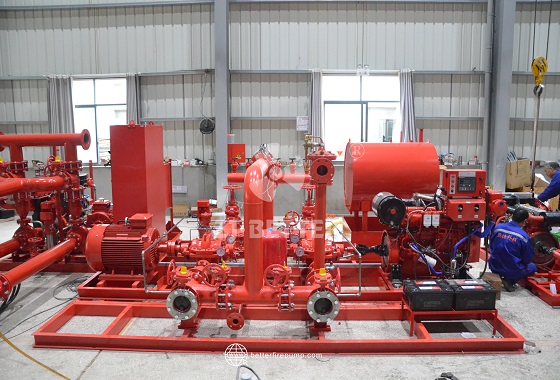
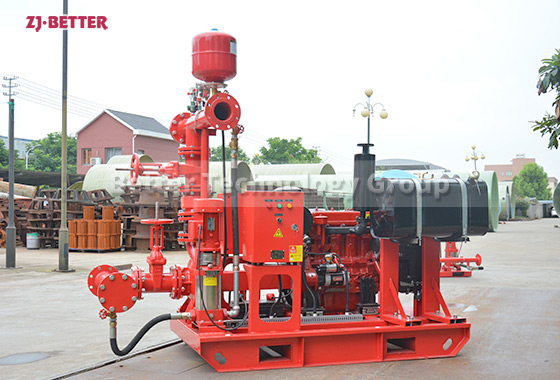
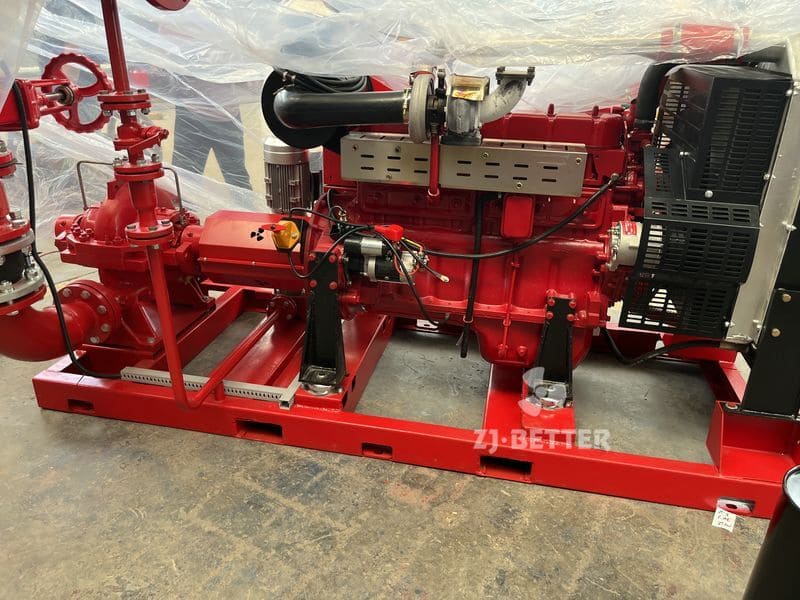
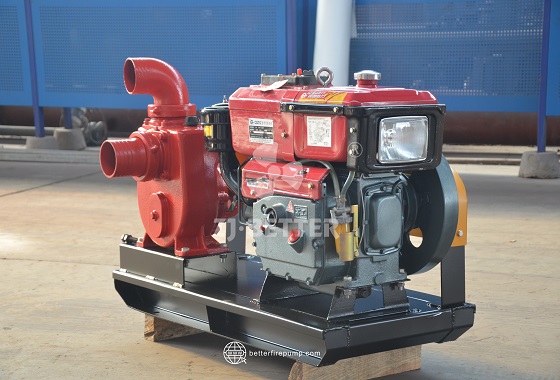
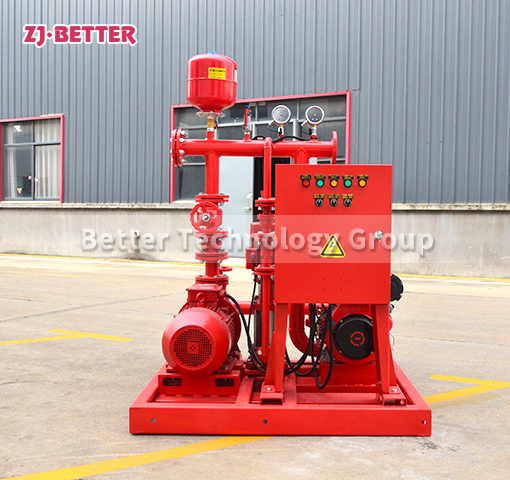
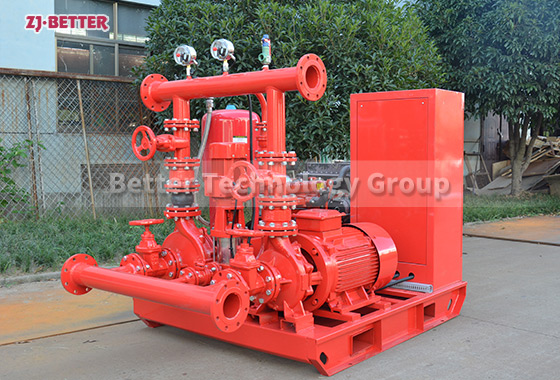
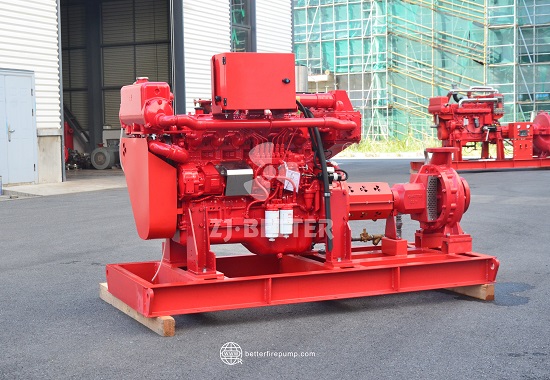
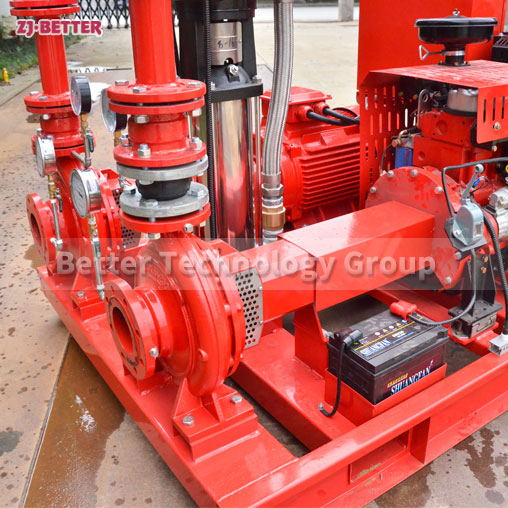
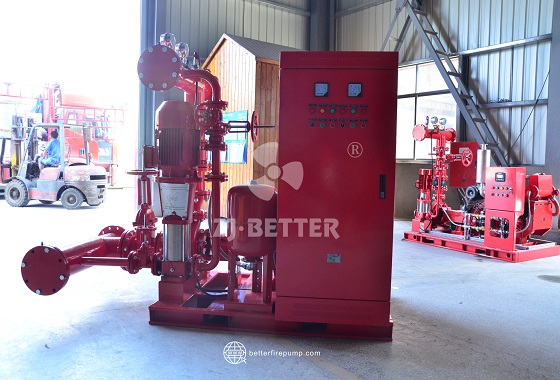
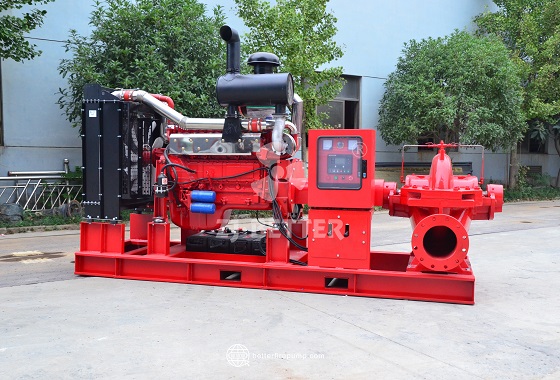
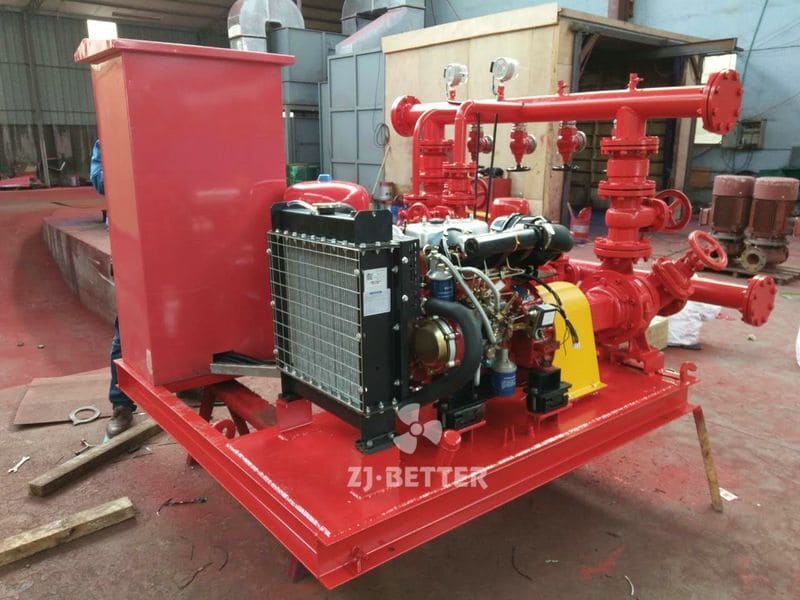
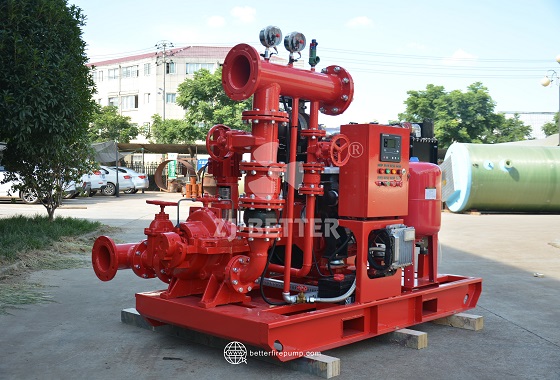
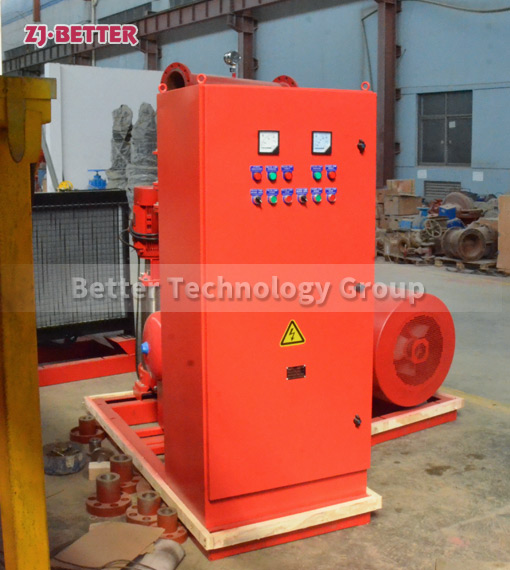
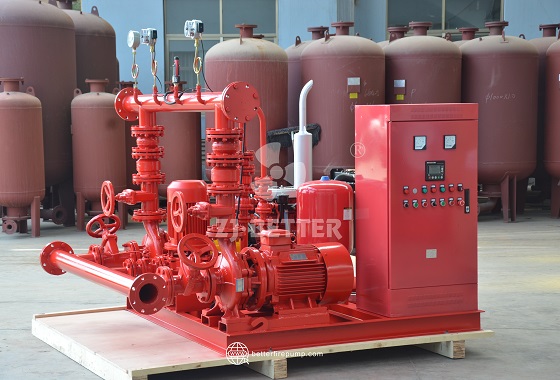
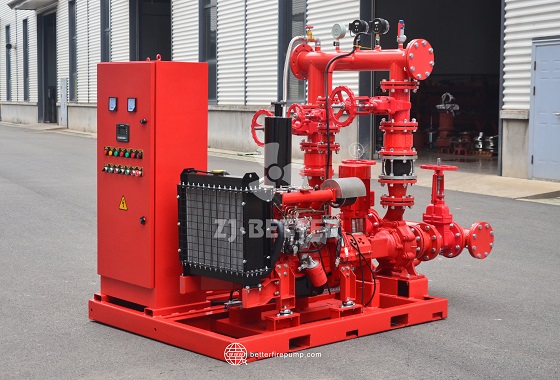
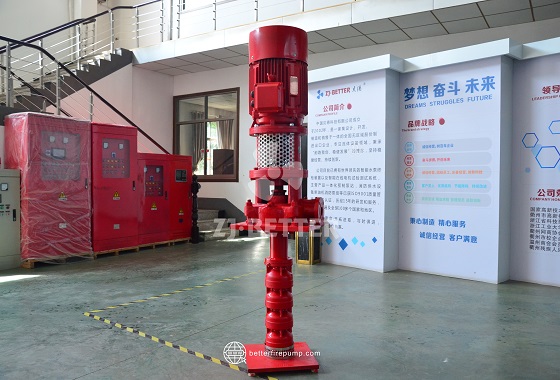
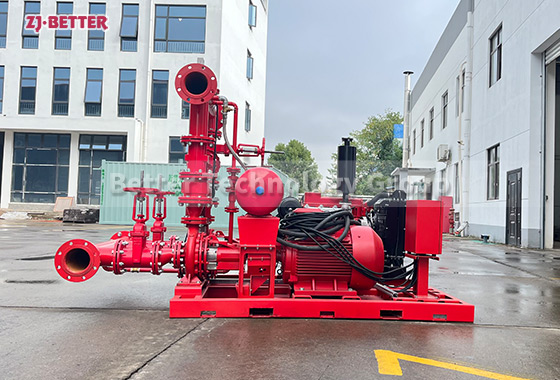
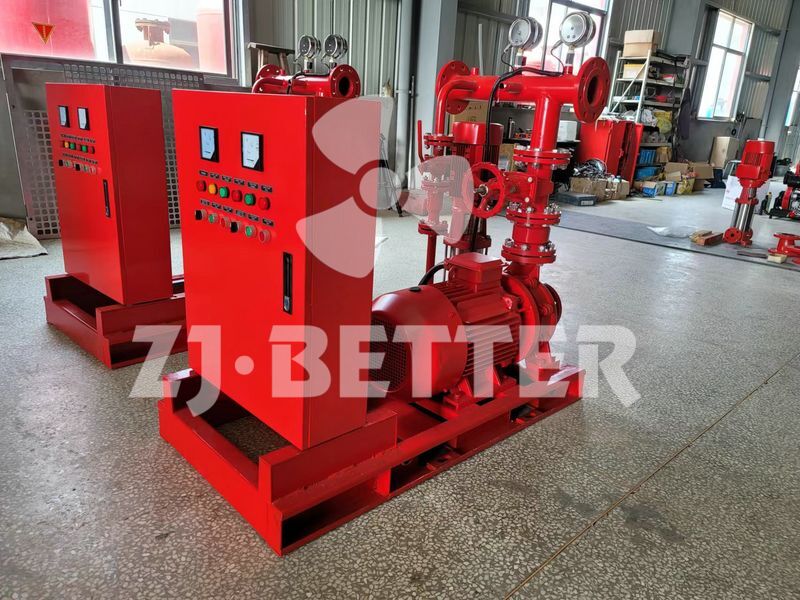
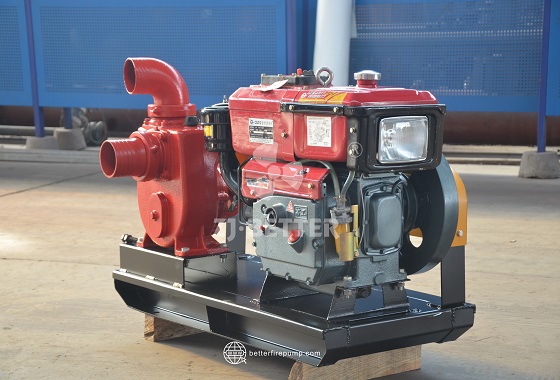
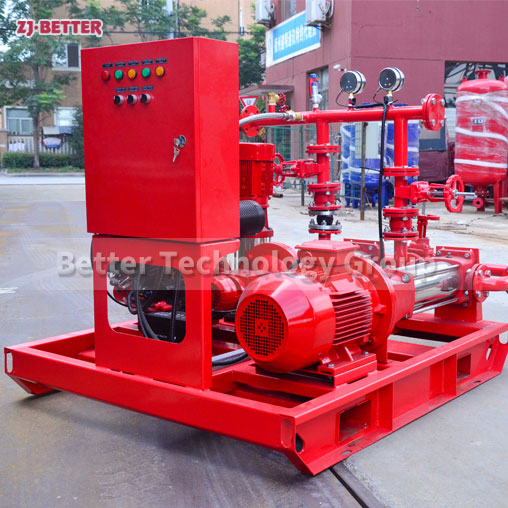
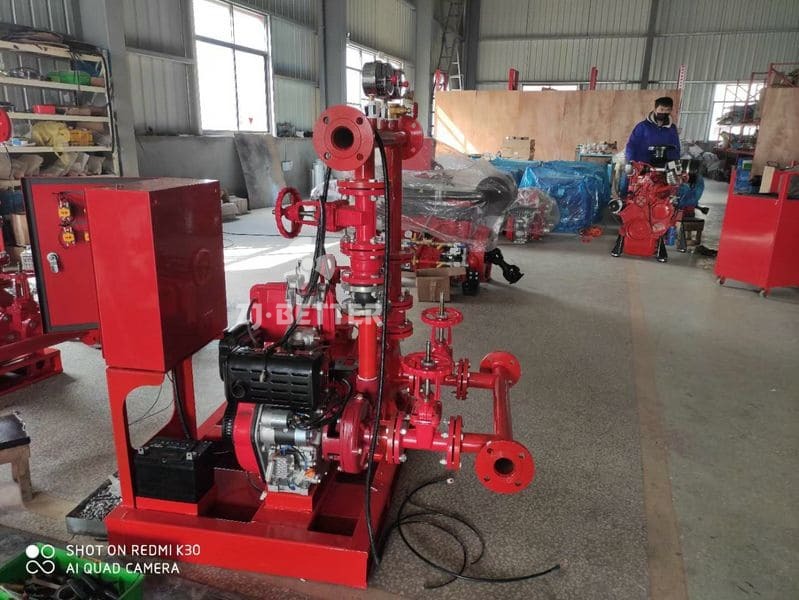
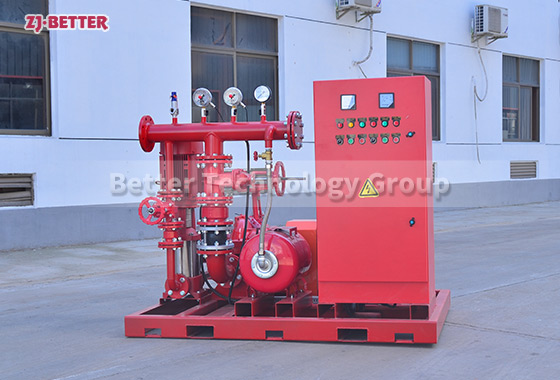
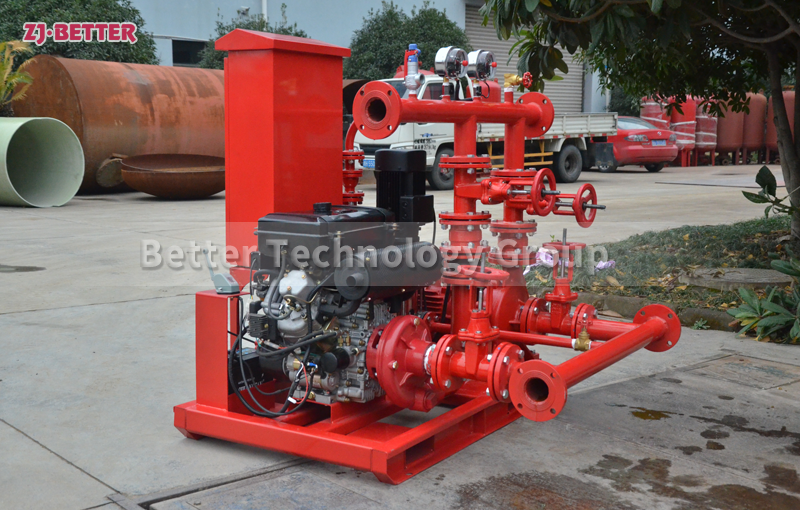
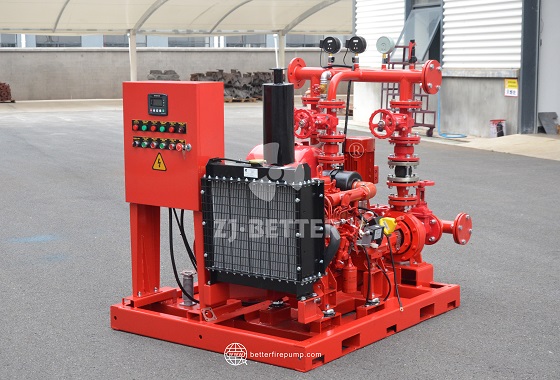
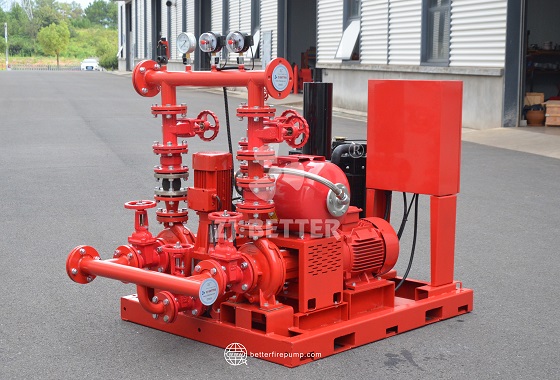
A complete set of diesel fire pump equipment is a fire water supply system integrating a diesel engine, fire pump, cooling system, control cabinet, pressure sensing elements, and pipeline accessories. It is suitable for industrial plants, warehousing and logistics facilities, commercial buildings, airports, ports, petrochemical facilities, power facilities, and other locations with high requirements for reliable fire water supply. The equipment shown in the image adopts a skid-mounted integrated base structure, centrally installing the diesel engine, fire pump, and control components to form a complete fire water supply unit. The diesel engine serves as an independent power source, driving the fire pump to pressurize water supply and provide independent power support to the fire pipeline network in case of abnormal power supply or when the fire protection system requires backup power. Depending on the actual project needs, the diesel fire pump can be matched with different structures such as single-stage pumps, end-suction pumps, horizontal split-case pumps, or multi-stage pumps. It can be specifically selected according to the design flow rate, head, and pressure. Existing complete sets of products cover a flow rate range of approximately 30–9000 GPM and a head range of 3–20 bar; specific parameters need to be determined based on the project’s operating conditions. The cooling system is a crucial component for the continuous operation of diesel power. The heat generated by the engine during operation needs to be dissipated promptly through radiators, fans, and corresponding cooling structures to maintain a reasonable operating temperature and reduce the risk of performance degradation due to overheating during continuous operation. For fire-fighting water supply applications requiring long-term operation, a suitable cooling system provides essential support for stable diesel engine output. The control cabinet centrally manages the diesel fire pumps and related auxiliary equipment. It can automatically start, control operation, display status, and alarm faults according to specific configurations, and uses pressure sensors and gauges to obtain system operating status. When the fire pipeline pressure drops to a set condition, the control system can activate the corresponding equipment according to preset logic, reducing reliance on manual operation of the fire pump sets and improving the level of system automation. In terms of pumping performance, the fire pumps employ a high-efficiency hydraulic structure, converting mechanical energy into water pressure energy through impeller rotation to achieve pressurized delivery of fire-fighting water. Depending on the flow rate and head requirements of different projects, matching pump types and diesel engine power can be selected to ensure a reasonable match between power output and hydraulic performance. The diesel engine and fire pump are connected via a transmission structure. Upon receiving a start signal from the control system, they both begin operation, providing the necessary flow and pressure to the fire-fighting network. For systems requiring sustained daily network pressure, a pressure-stabilizing pump can be configured to handle small flow pressure losses. When larger fire-fighting water demands arise, the main fire pump takes over the primary water supply, creating a more rational tiered water supply system. The complete equipment set can also be configured with accessories such as pressure tanks, check valves, gate valves, pressure sensors, flexible joints, flanges, and common suction and drainage pipes, according to project requirements, forming a complete fire-fighting water supply system integrating power, pumping, pressure detection, and control functions. The skid-mounted structure with a unified base reduces on-site connection work caused by dispersed equipment installation and facilitates transportation, positioning, installation, and maintenance. It also allows for a more compact layout of the diesel engine, fire pump, radiator, control cabinet, and piping. In terms of reliability, the diesel fire pump complete equipment set can be configured with various operational protection functions, such as monitoring for low oil pressure, engine overheating, overspeed, battery status, and fault alarms. Specific protection features depend on the control system configuration. Continuous monitoring of the power system and pump unit’s operating status helps operators promptly identify and address any anomalies. Overall, the complete diesel fire pump system provides a comprehensive emergency water supply solution for fire protection systems through the coordinated operation of multiple functions, including independent diesel power, high-efficiency fire pumps, a stable cooling system, centralized control, and pressure monitoring. Its skid-mounted structure balances equipment integration with ease of installation, and can be configured according to the flow rate, head, pressure, installation space, and operating conditions of different building and industrial projects. It exhibits strong engineering adaptability in application scenarios requiring reliable fire water sources and backup power.