Electric Fire Booster Pump – High-Efficiency Pumping Design for Fire Network Pressure Requirements
The electric fire-fighting booster pump features a high-efficiency motor drive and a centrifugal pumping structure, providing stable pressure and flow for fire-fighting piping networks; it is suitable for fixed fire water supply systems in buildings, industrial facilities, and warehouses.
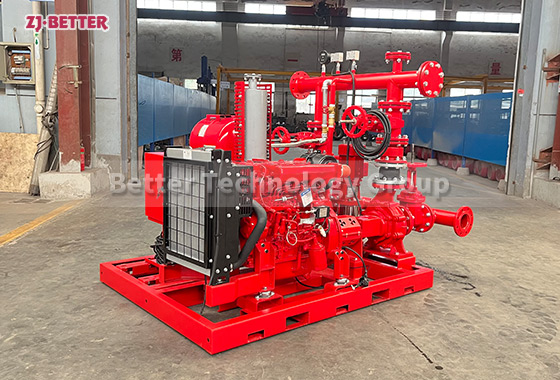
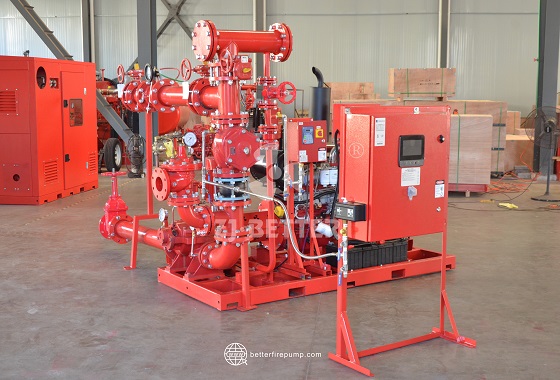
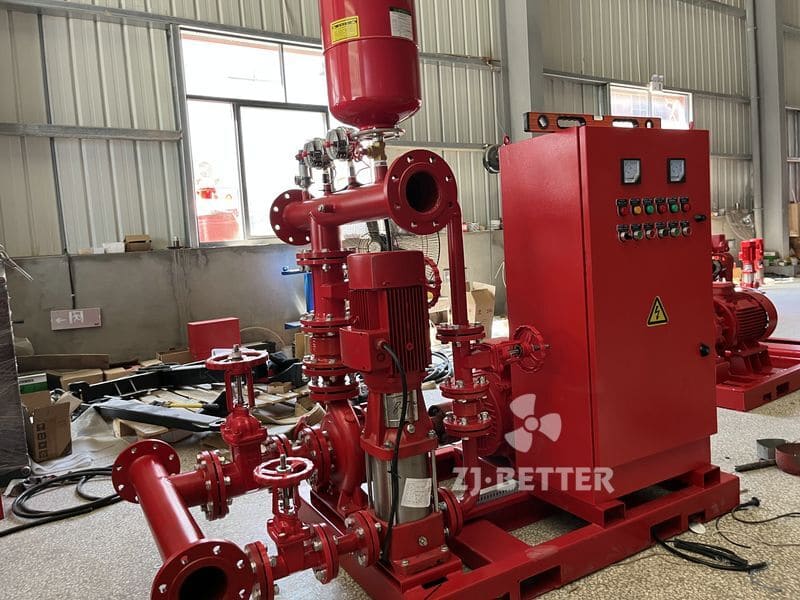
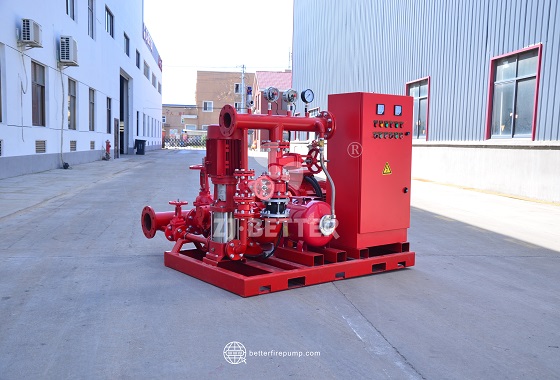
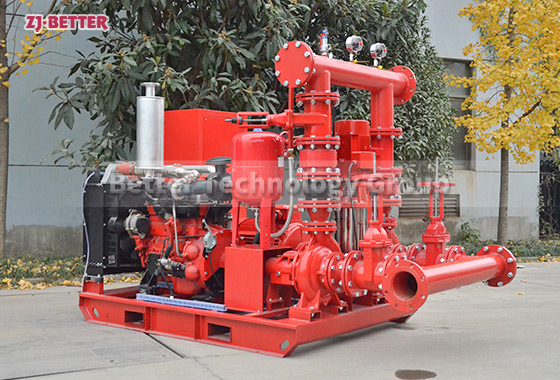
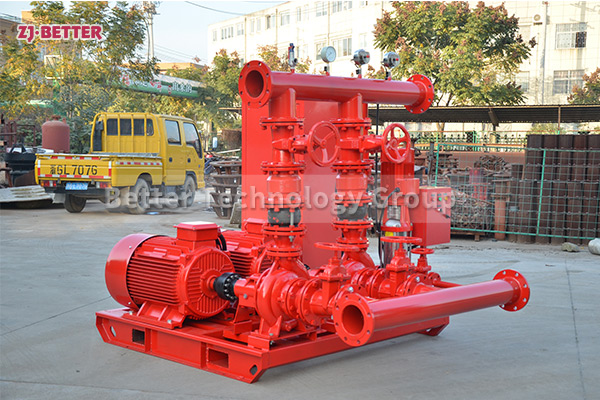
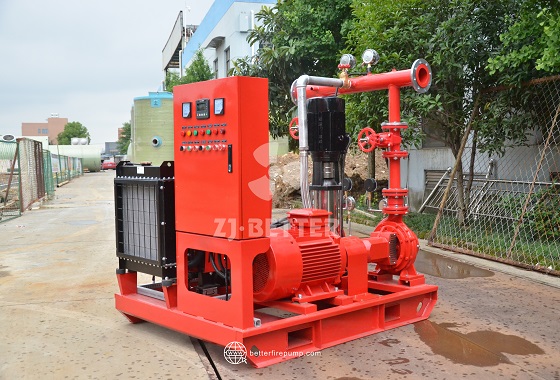
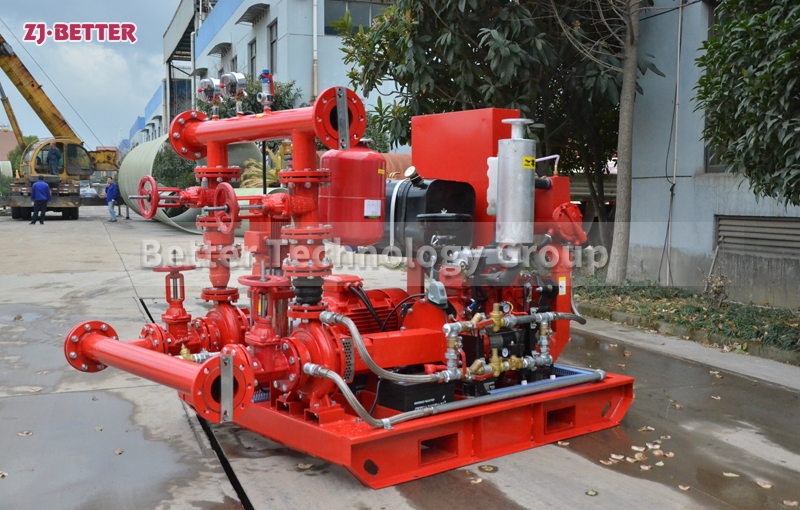
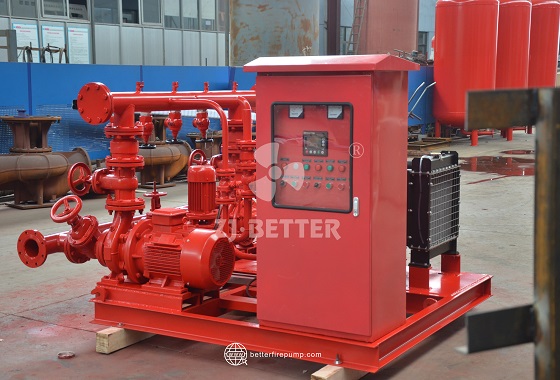
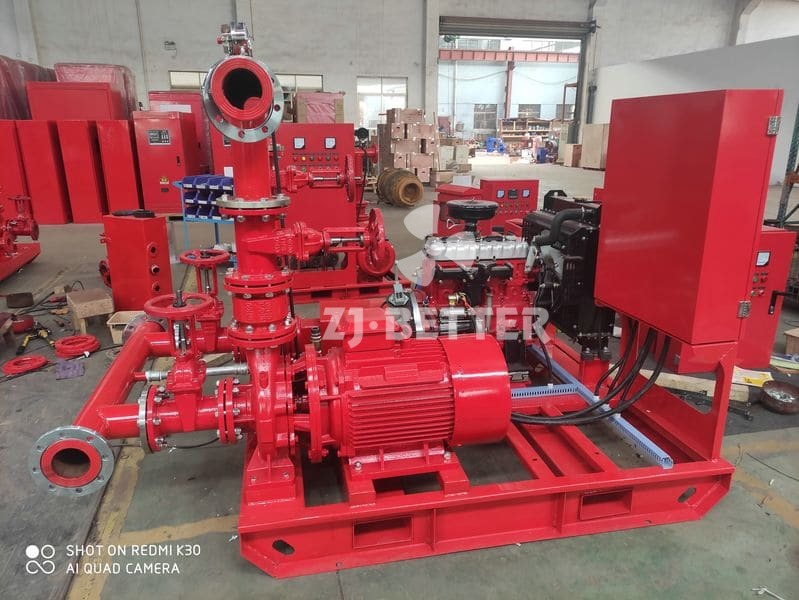
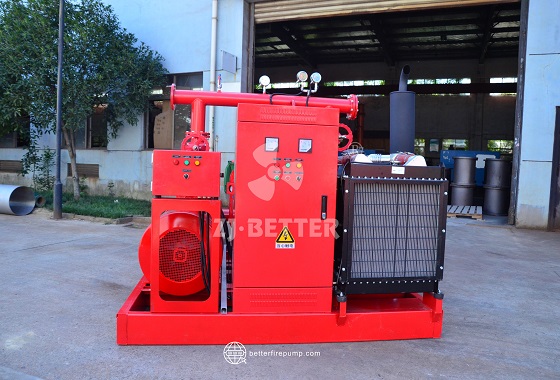
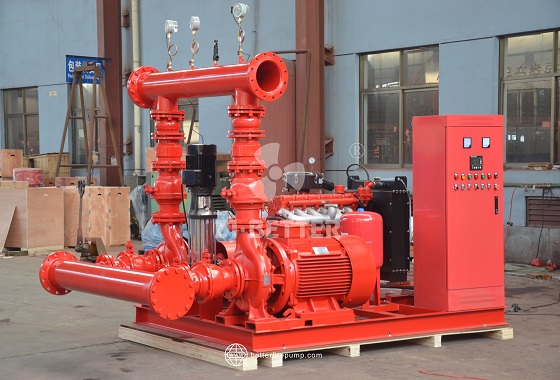
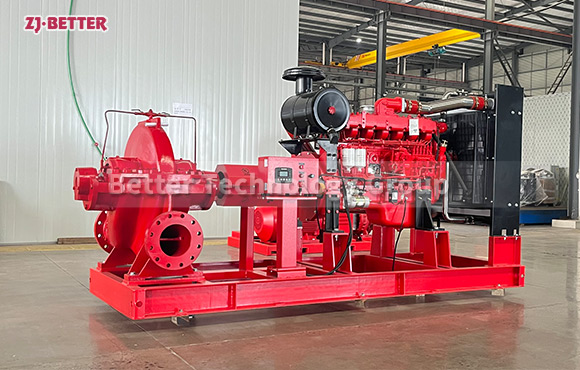
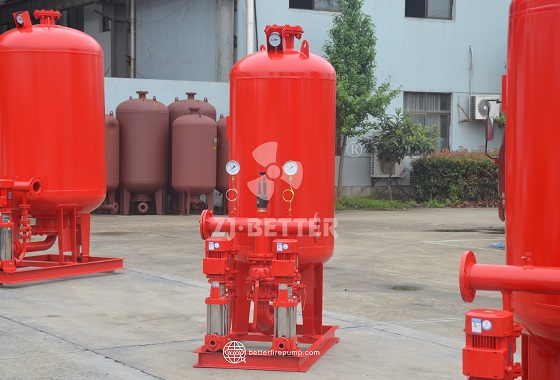
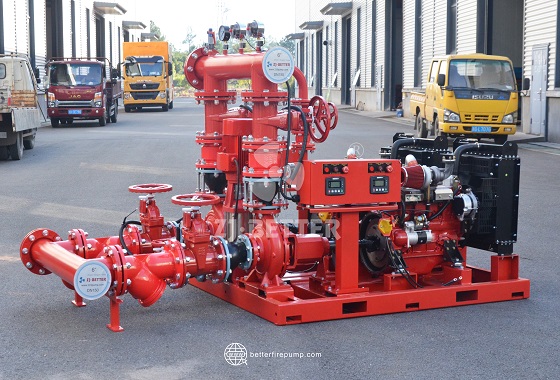
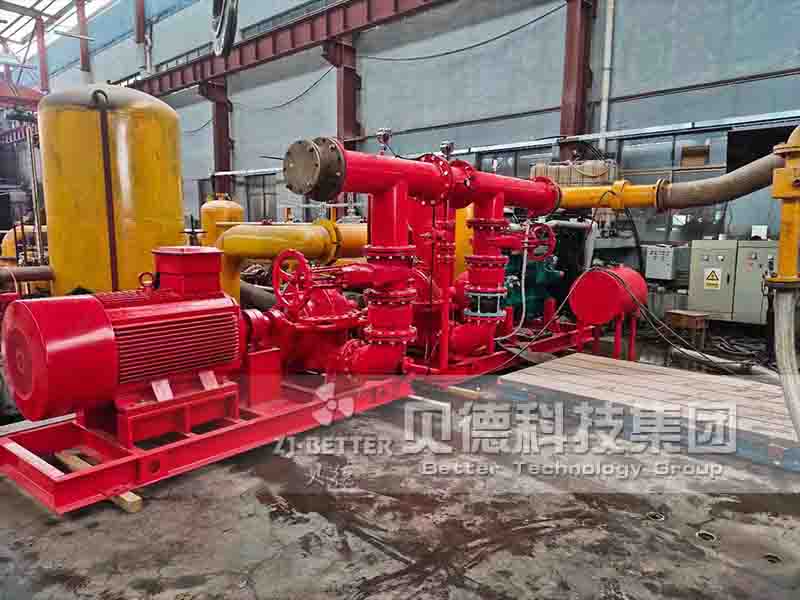
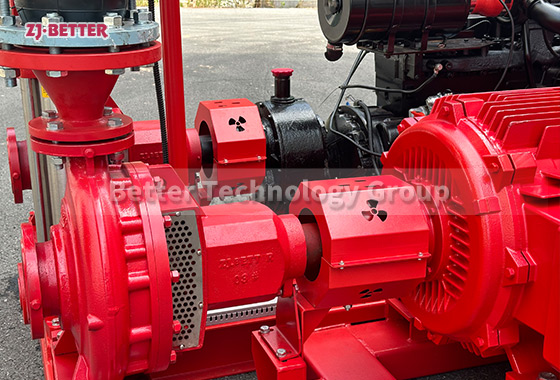
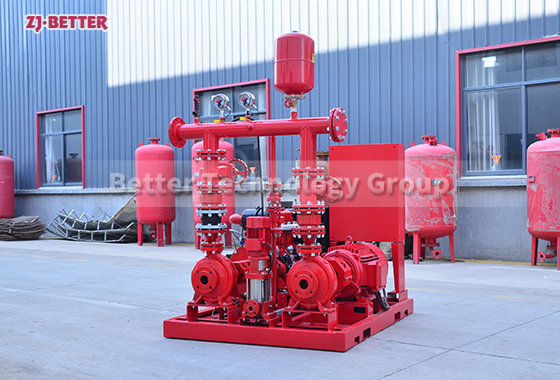
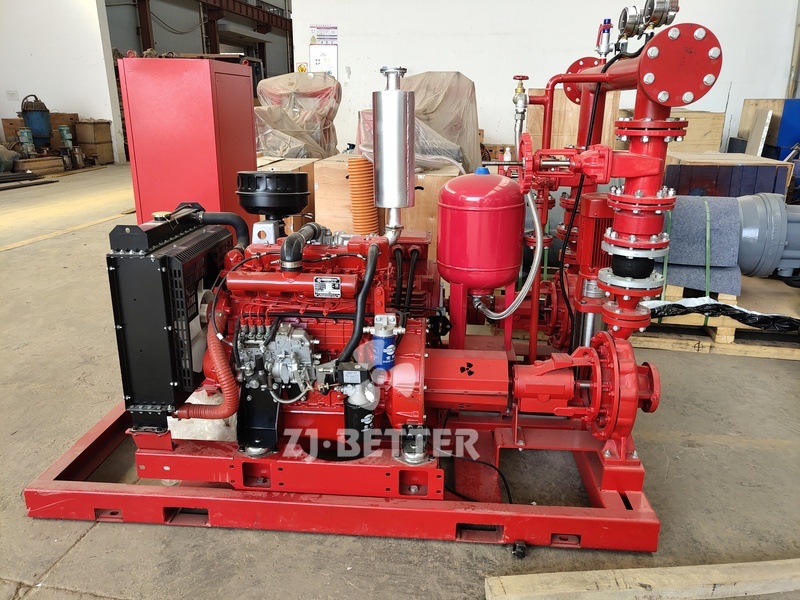
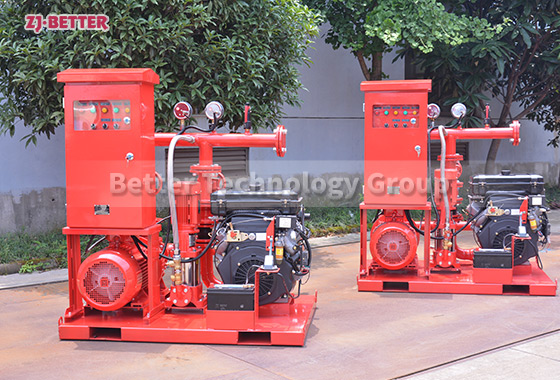
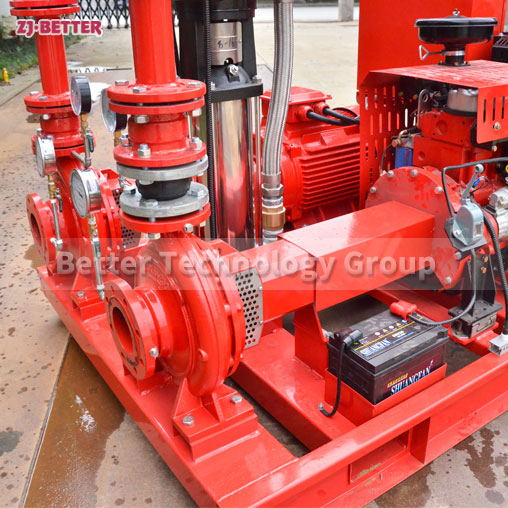
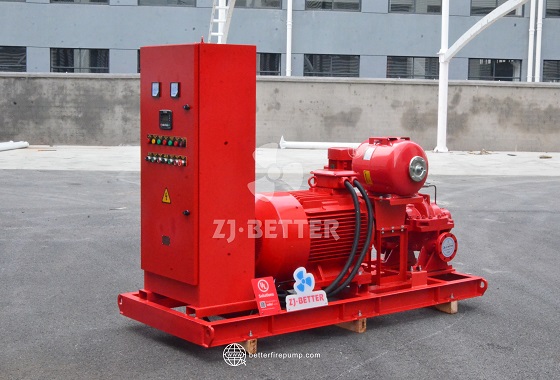
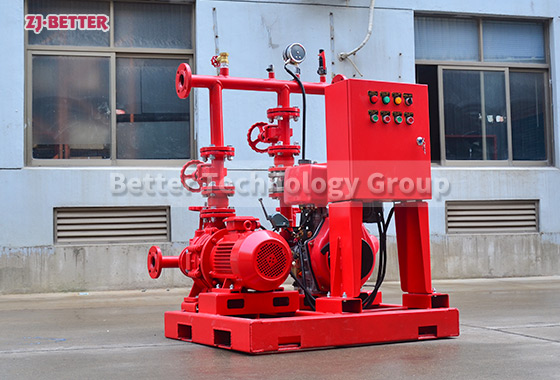
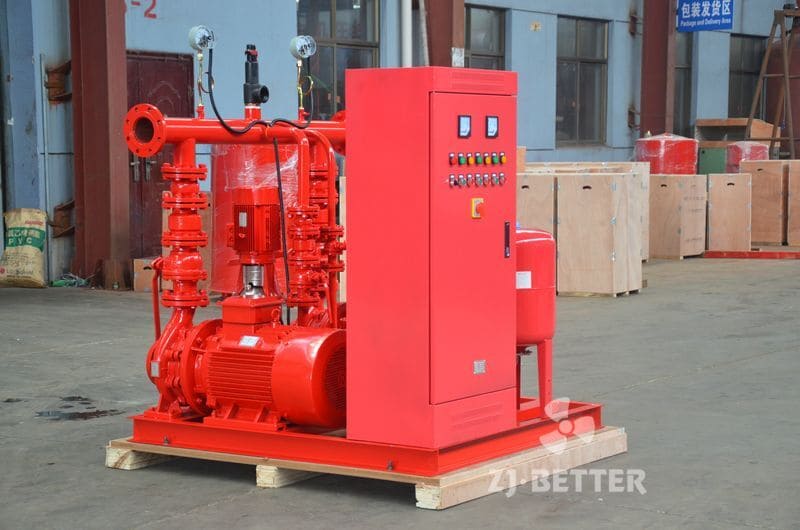
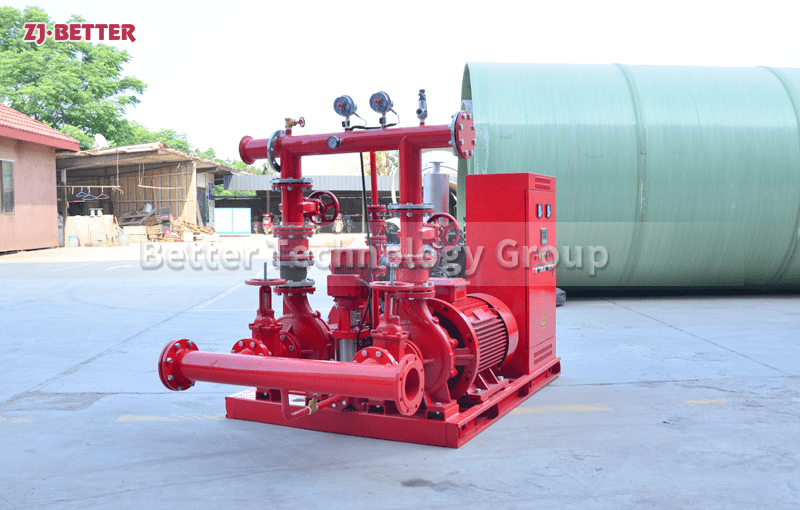
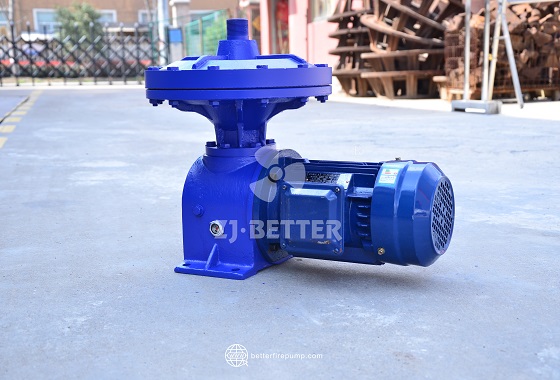
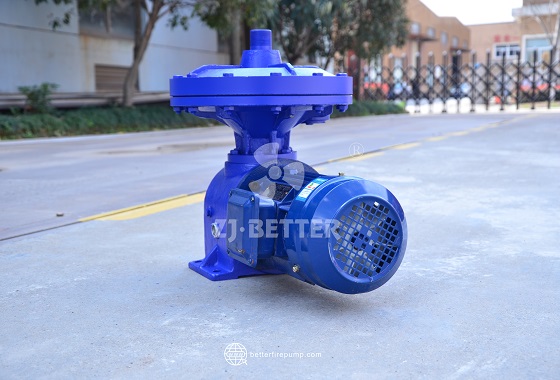
The electric fire-fighting booster pump is a critical component in fixed fire water supply systems, designed to boost and stabilize pressure within the piping network. Driven by an electric motor, it converts electrical energy into the kinetic and pressure energy of the water flow through the high-speed rotation of an impeller, ensuring the stable pressurization and delivery of the fire-fighting water source. The product shown features a compact, integrated motor-pump structure; its rational layout minimizes space requirements, making it suitable for installation in fire pump rooms, equipment rooms, and fixed fire water supply systems. Its core advantages lie in its stable motor drive and efficient centrifugal pumping mechanism. It allows for parameter matching based on the specific flow rate, head, and pressure requirements of the fire-fighting network, providing reliable pressure support for fire hydrants, automatic sprinkler systems, and other fire-fighting water terminals. The compact transmission design between the motor and pump body reduces energy loss during power transfer while enhancing operational stability and simplifying routine maintenance. An optimized hydraulic impeller structure within the pump ensures continuous pressure output, maintaining a stable flow rate and head across various operating conditions to meet the system’s requirement for continuous water supply. Specifications can be selected based on project-specific parameters—such as pipe diameter, flow rate, head, power, and installation conditions—with a product range covering diverse flow and pressure capacities suitable for fire-fighting projects in buildings and industrial facilities of various sizes. During the daily operation of the fire-fighting network, the pump provides timely pressure compensation whenever system pressure is insufficient or boosted supply is required. When integrated with pressure monitoring and automatic control equipment, it enables automated operation management based on network pressure fluctuations, maintaining a stable standby pressure. For applications requiring sustained network pressure, the pump can be combined with a jockey pump (pressure-maintaining pump), pressure tank, and control system to form a complete fire-fighting booster supply unit; this setup utilizes pressure monitoring and control logic to automatically replenish pressure, thereby reducing the frequency of unnecessary main pump starts. Its compact structure is another engineering advantage, allowing for flexible equipment layout within limited pump room spaces while facilitating piping connections, operational inspections, and routine maintenance. The optimal matching of motor power to pump performance ensures stable operation while meeting design requirements for flow rate and pressure. The pump casing, impeller, shaft, and sealing components are optimally configured to minimize leakage, vibration, and mechanical losses during operation, thereby enhancing long-term reliability. For fire water supply projects in high-rise buildings, commercial complexes, industrial plants, warehouses, and public facilities, electric fire-fighting booster pumps can be selected based on specific water demand requirements; when integrated with fire control systems and other water supply equipment, they provide stable pressure and flow to the fire-fighting piping network. During the selection process, parameters such as design flow rate, required head, pipeline resistance, pipe diameter, power supply conditions, and installation environment must be comprehensively evaluated to match the pump model and motor power to the system’s operating conditions, ensuring optimal performance in terms of pressure boosting, water delivery, and operational stability. Featuring high-efficiency motor drives, stable centrifugal pumping, compact design, and flexible configuration options, these pumps deliver reliable pressure boosting for fixed fire water supply systems, serving as essential equipment in modern building and industrial fire-fighting networks.