Home » Fire Pump Set » Are there any special considerations for installing diesel fire pumps in different environments or applications?

Are there any special considerations for installing diesel fire pumps in different environments or applications?

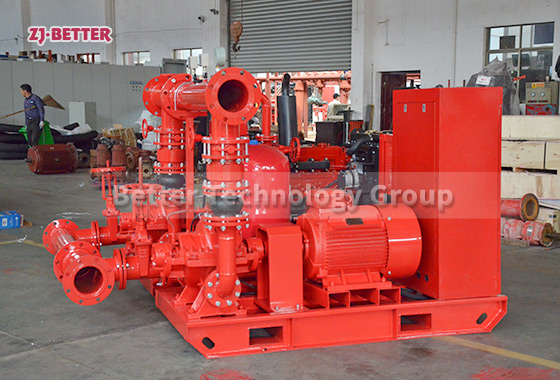
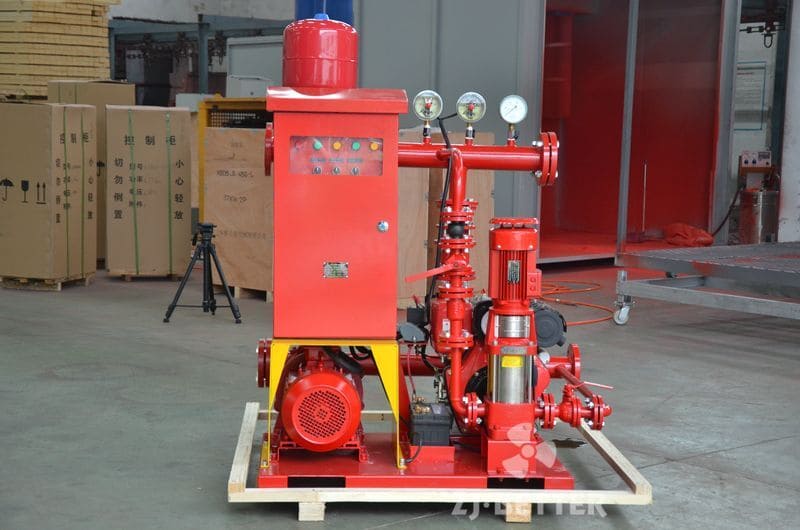
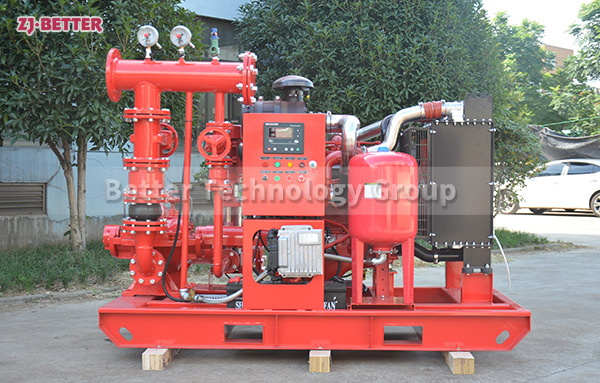
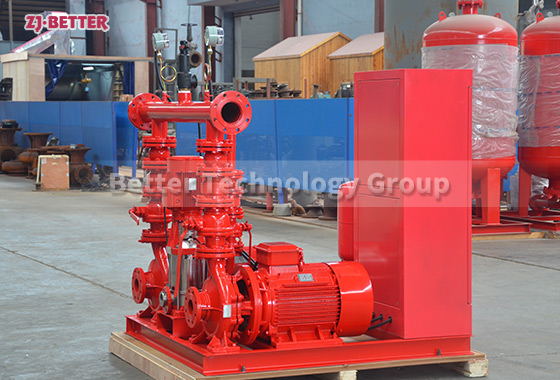
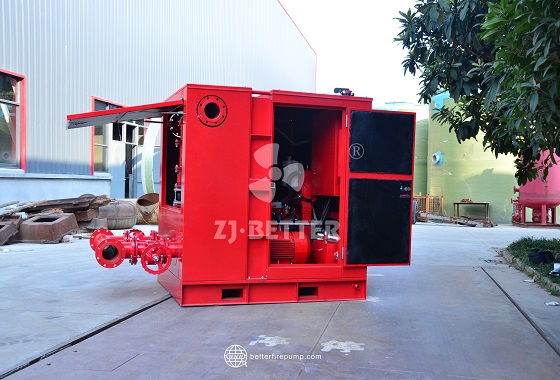
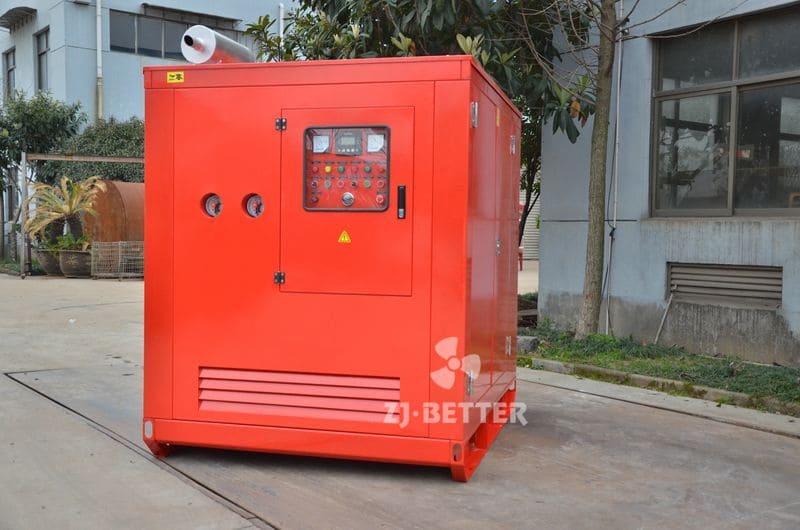
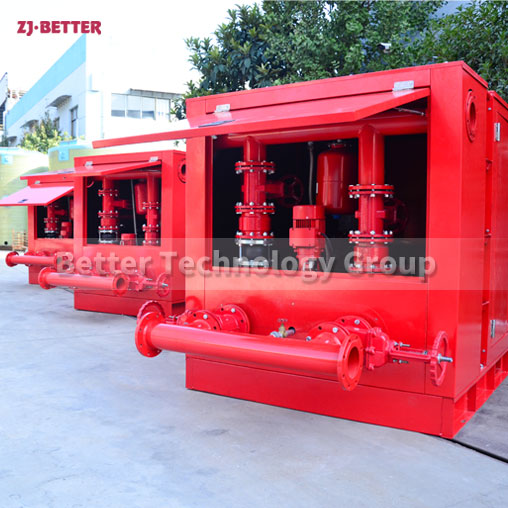
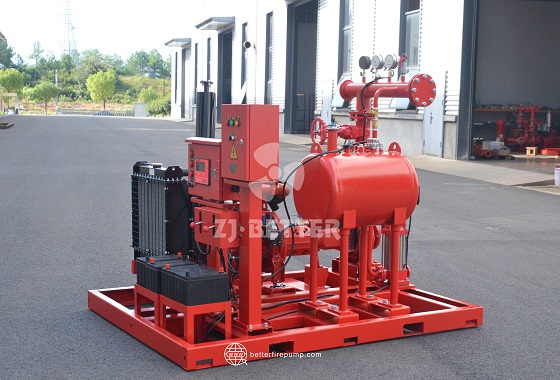
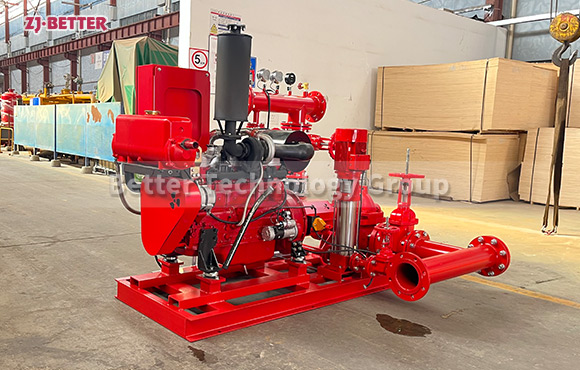
Yes, installing diesel fire pumps in different environments or applications may require special considerations to address factors such as ambient temperature, altitude, seismic activity, corrosive atmospheres, and specific regulatory requirements. For example, pumps installed in outdoor or exposed locations may require weatherproof enclosures or additional corrosion protection, while pumps installed in seismic zones may need to be anchored securely to withstand earthquakes.
Rated 4.9/5 based on 401 customer reviews
Share:
Content

Yes, installing diesel fire pumps in different environments or applications may require special considerations to address factors such as ambient temperature, altitude, seismic activity, corrosive atmospheres, and specific regulatory requirements. For example, pumps installed in outdoor or exposed locations may require weatherproof enclosures or additional corrosion protection, while pumps installed in seismic zones may need to be anchored securely to withstand earthquakes.
Inquiry


    More Fire Pump Set

    1. Ability to provide a steady and reliable flow of water: Fire pumps are designed to provide a steady and reliable flow of water to the fire suppression system. This ensures that the fire is extinguished quickly and without any damage to the property.

    2. High-Pressure Output: Fire pumps can provide a high-pressure output to ensure that the water is able to reach further distances and at higher pressures than would be achievable by a standard water system. This is important in controlling and extinguishing fires, as it allows the water to reach all areas of the fire.

    3. Emergency Operation: Fire pumps are designed to be able to operate in the event of a power outage. This ensures that the fire suppression system can still be operational in the event of a power failure. This is especially important in commercial buildings and other areas where power outages can occur.

    4. Automatic Activation: Fire pumps are designed to automatically activate in the event of a fire. This ensures that the fire suppression system can be activated quickly and without any manual intervention. This is especially important in the event of a large fire, as it ensures that the system is already in operation before the fire department arrives.

    5. Low Maintenance: Fire pumps are designed to be low maintenance, requiring only regular inspections and maintenance to ensure that they are working correctly. This ensures that the fire suppression system is always ready for use and that it can be relied upon in the event of a fire.