Packaged Fire Pump Equipment with Common Base for Easier Installation and Maintenance
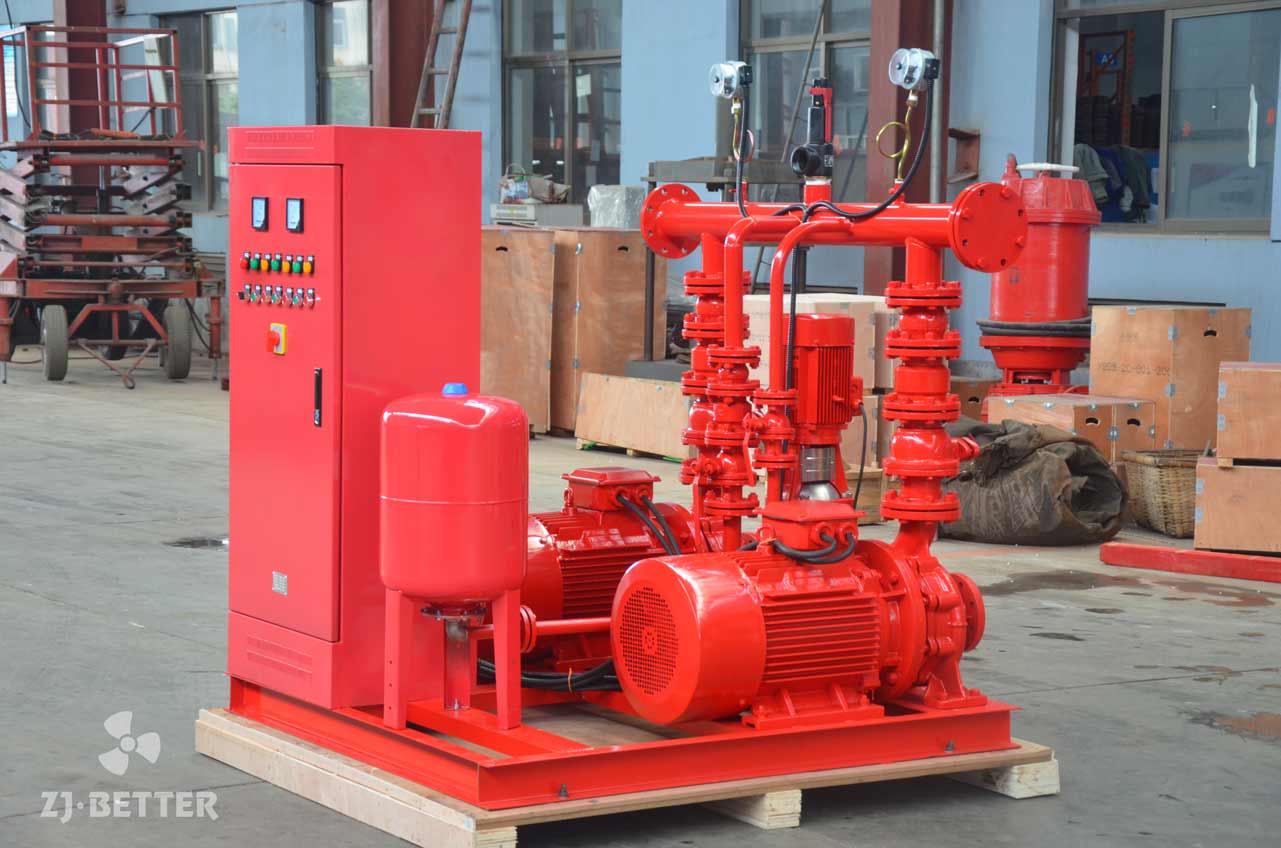
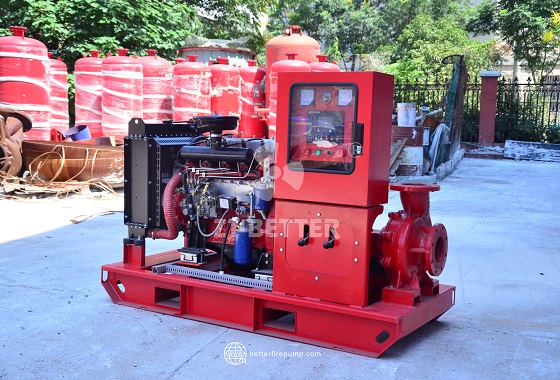
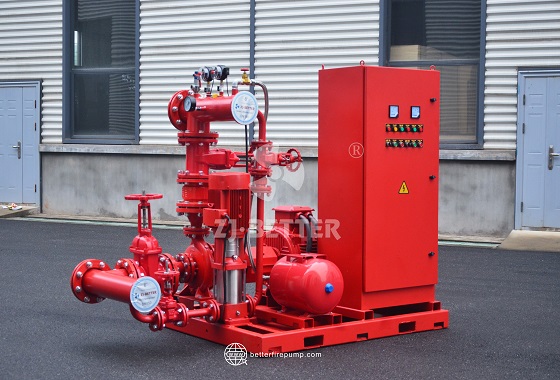
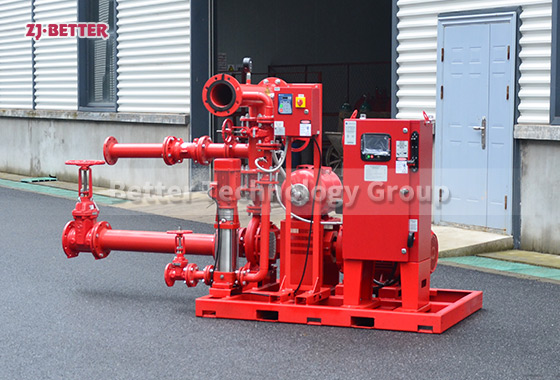
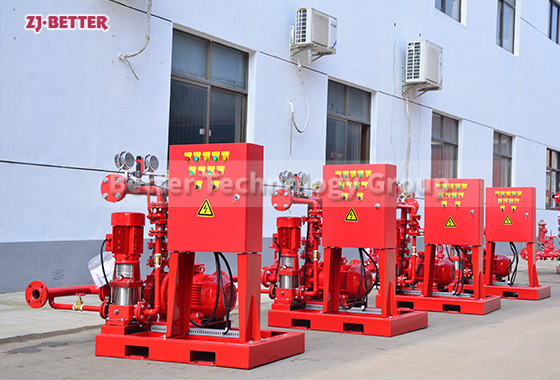
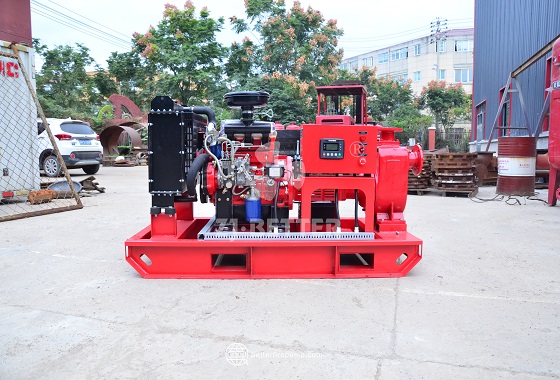
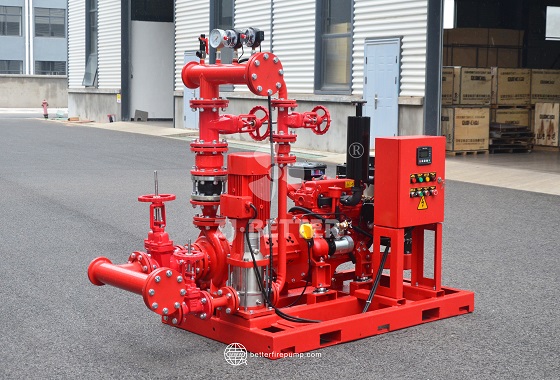
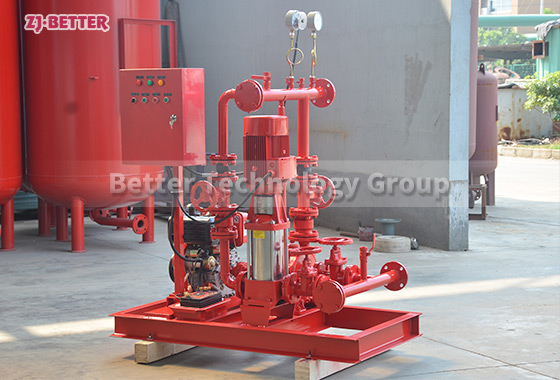
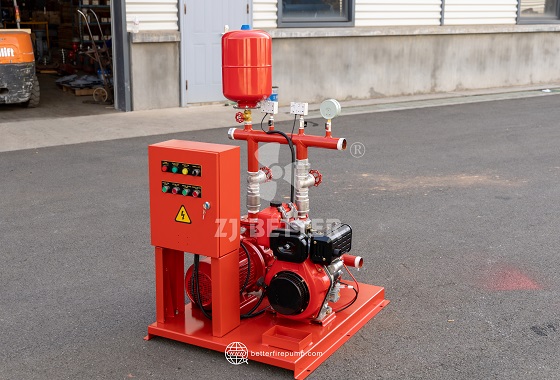
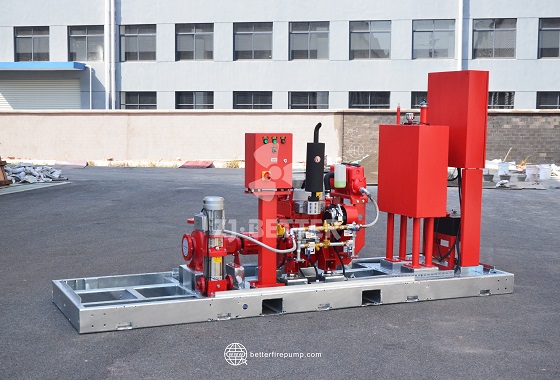
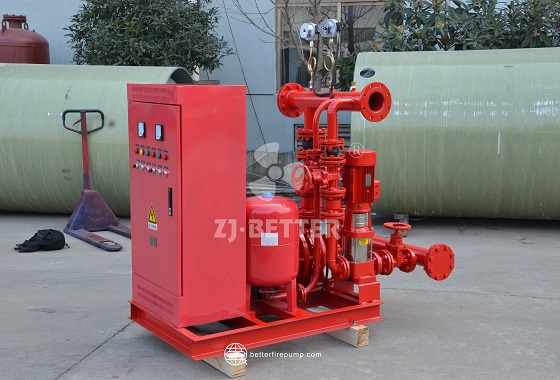
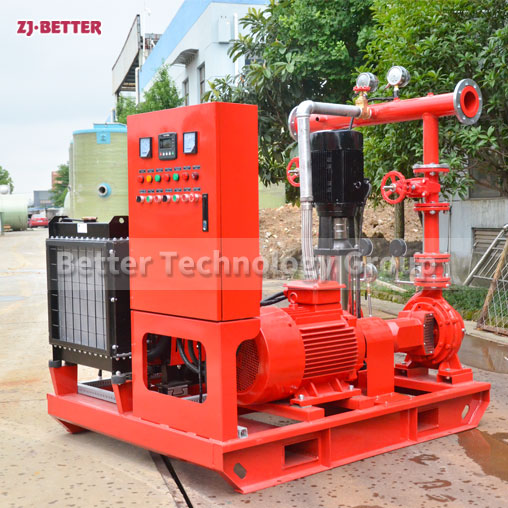
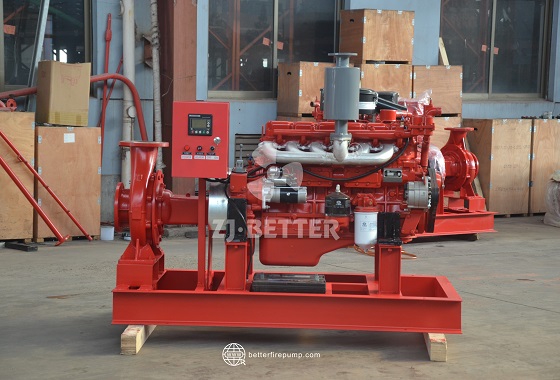
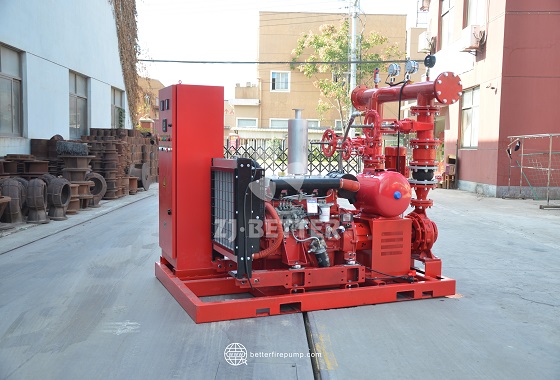
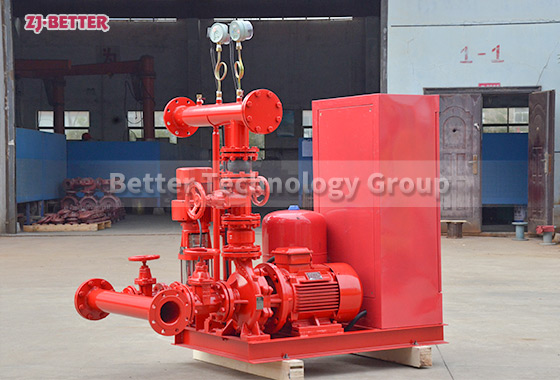
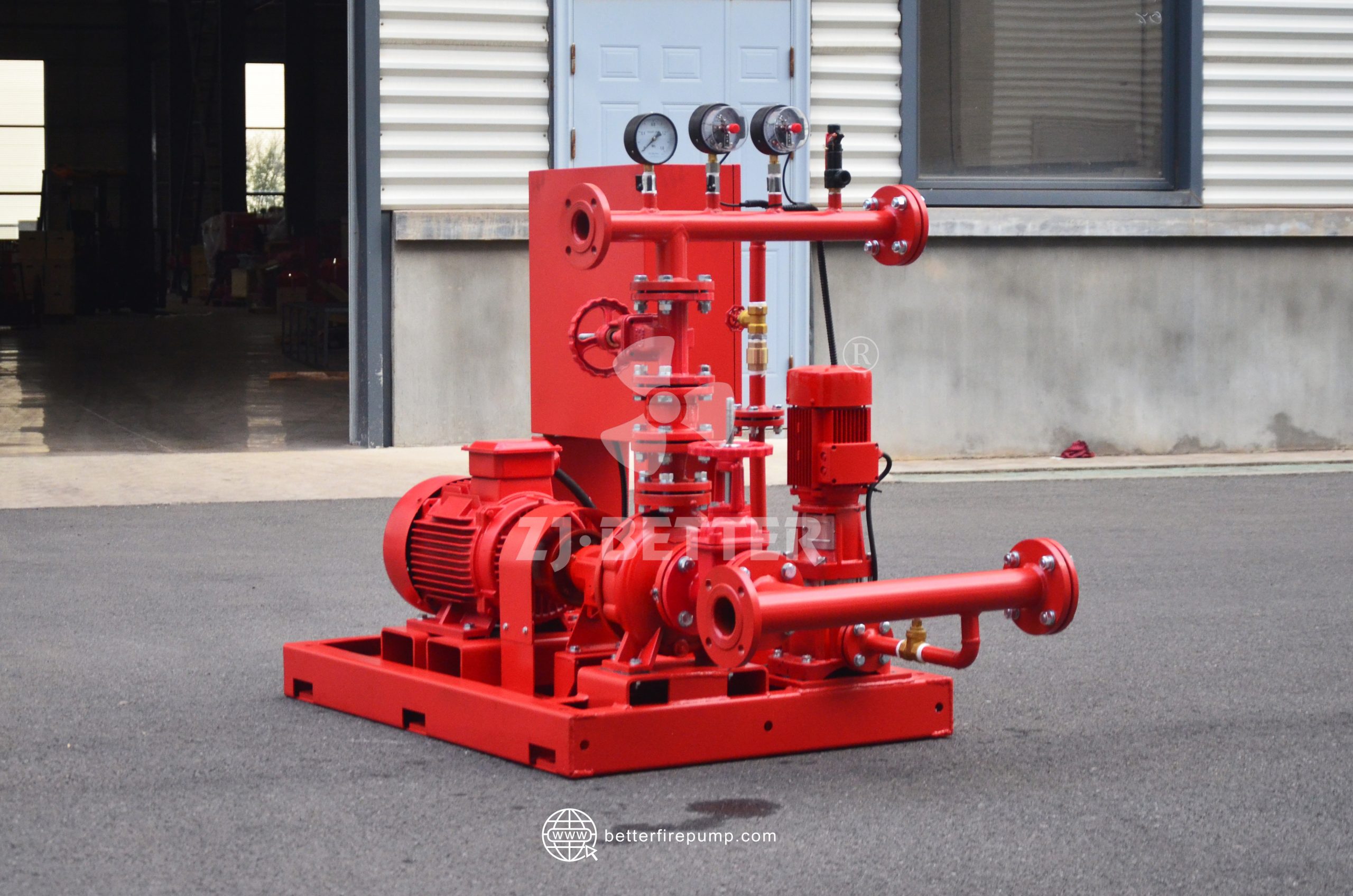
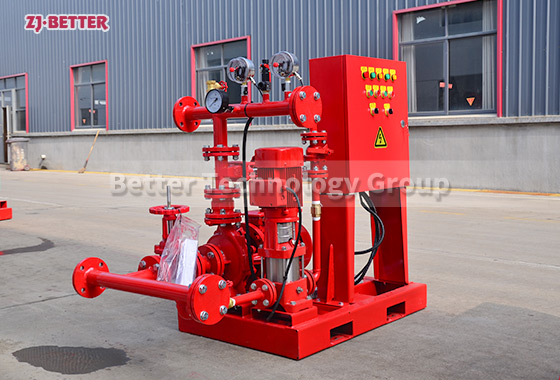
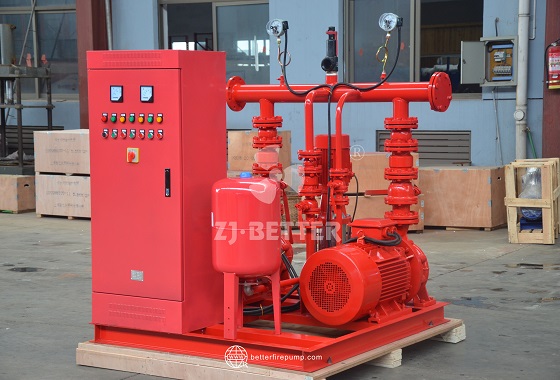
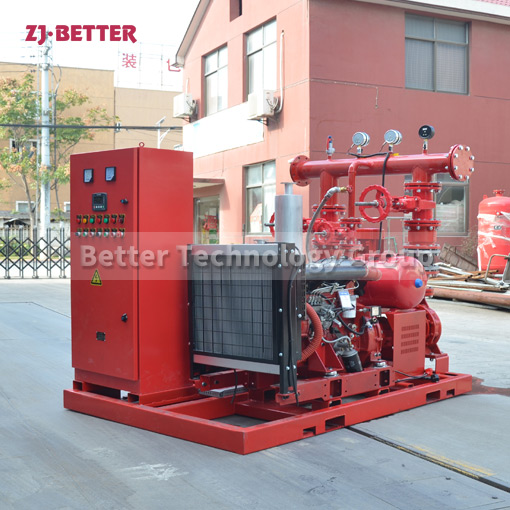
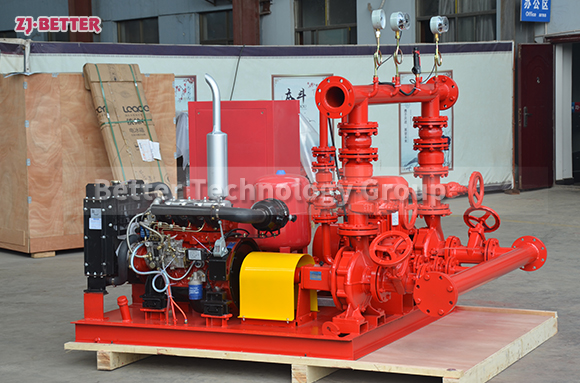
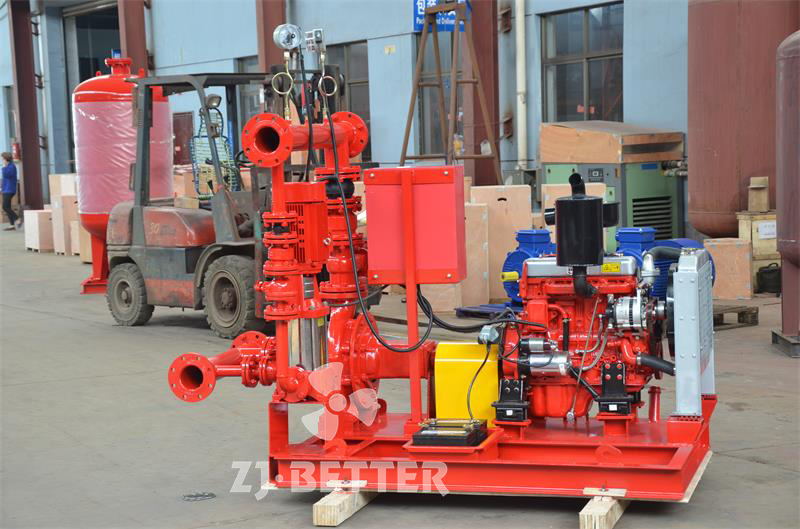
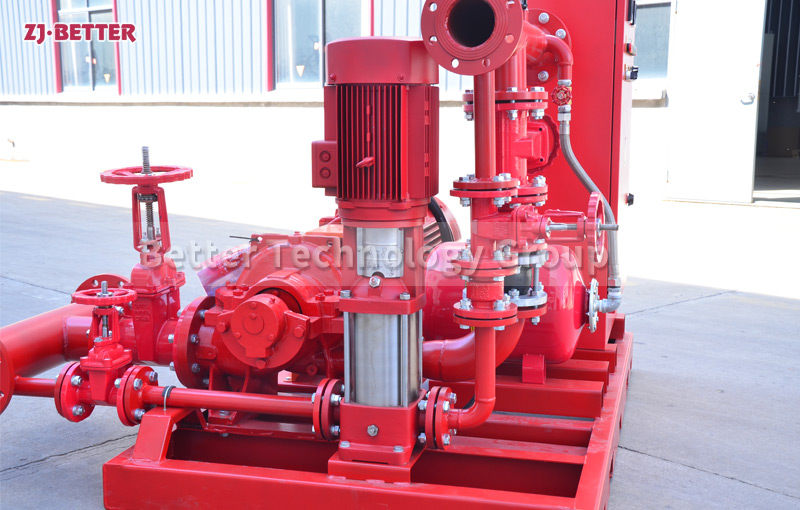
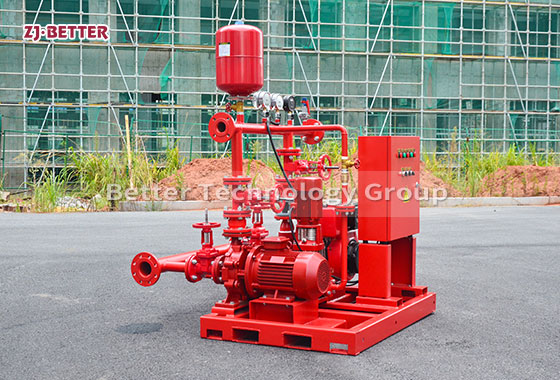
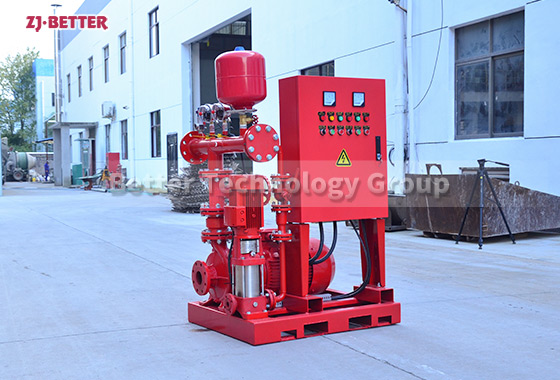
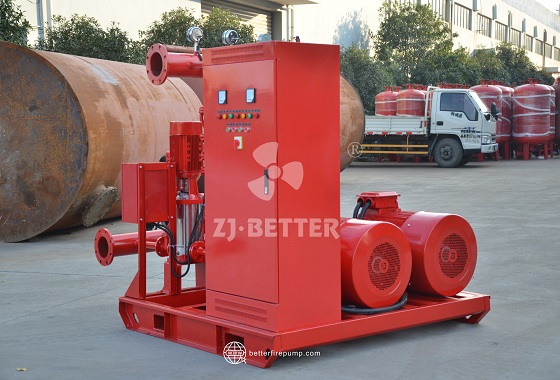
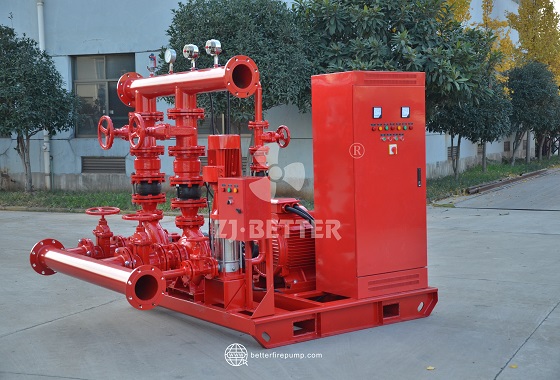
The complete set of fire pump equipment adopts a common base for centralized installation of fire pumps, motors, diesel pumps, pressure stabilizing pumps and control cabinets. It has a compact structure, is easy to install and maintain, and can be flexibly configured according to flow, head and pressure requirements, making it suitable for a variety of fire water supply systems.
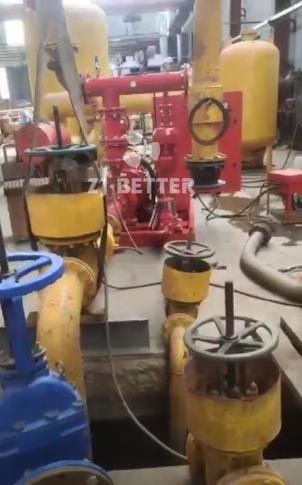
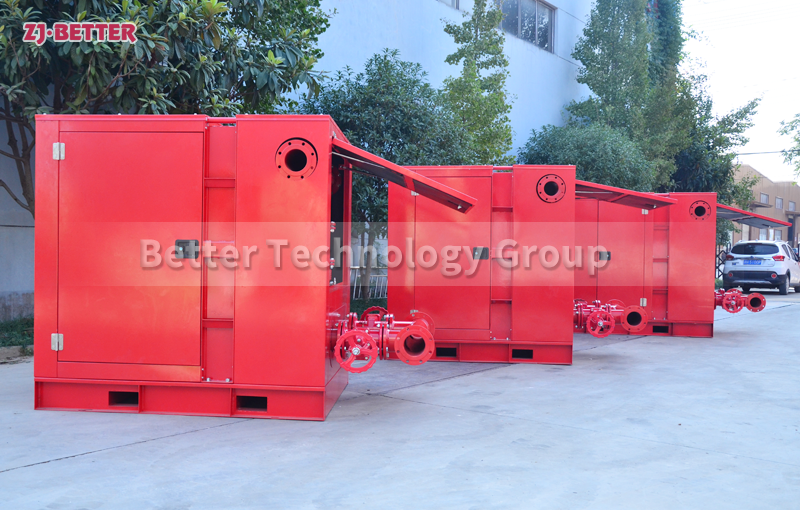
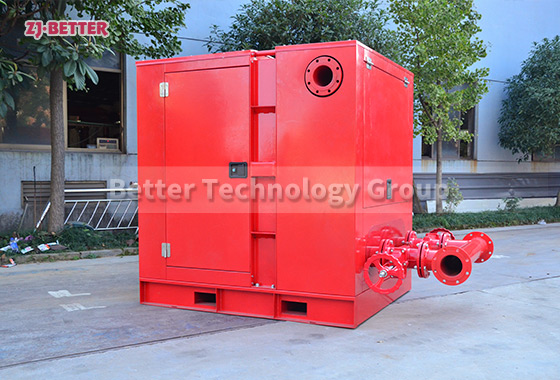
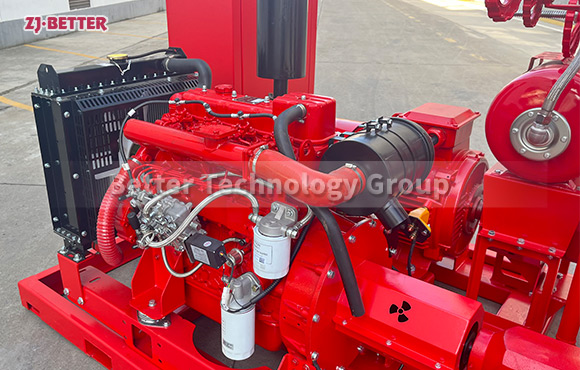
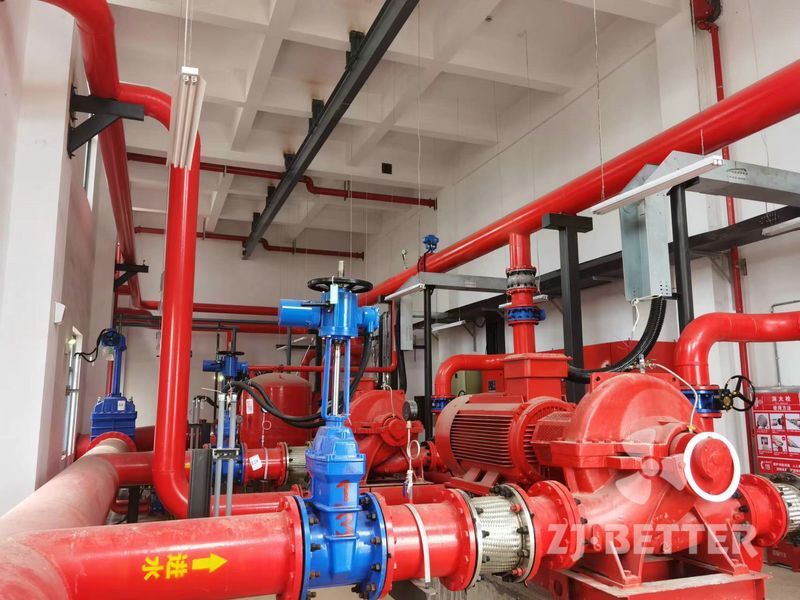
The complete set of fire pump equipment uses a common base to centrally install the fire pump, motor, control cabinet, and related piping accessories, forming a complete and compact fire water supply system. Compared with the method of installing multiple independent devices separately, it can reduce the on-site equipment positioning, connection, and assembly work, and provide a more convenient equipment form for the overall planning of fire pump rooms. This type of complete fire pump set can be configured with an electric main pump, a diesel standby pump, a pressure stabilizing pump, and control devices according to the actual needs of the fire protection system. Among them, the electric pump can undertake the normal fire water supply task, the diesel pump can serve as an independent power standby device to provide additional water supply power in the event of power failure, and the pressure stabilizing pump is mainly used to compensate for small flow pressure losses in the fire pipeline network, thereby reducing the frequent start of the main pump due to slight pressure changes and helping to maintain the stability of the pipeline network pressure. According to the official website, this type of fire pump system can be configured according to the project’s flow rate, head, pressure, and pipe diameter requirements. Some systems cover a flow rate range of 30–9000 GPM and a head range of approximately 3–20 bar. Different types of fire pumps can be selected based on actual working conditions to meet the needs of various fire water supply projects such as industrial plants, warehousing and logistics facilities, commercial buildings, airports, and docks. A common base is a significant structural advantage of this equipment. The main equipment is uniformly fixed on the base, which helps maintain a reasonable installation position and connection relationship between pump sets. It also facilitates overall transportation, equipment positioning, and on-site installation, reducing the space occupation and piping complexity caused by dispersed equipment. For fire pump rooms, the centralized layout makes the relative positions of control cabinets, pump sets, and inlet/outlet pipes clearer, and facilitates subsequent commissioning, pressure testing, daily inspection, and maintenance. In terms of control performance, the complete fire pump system can be equipped with control cabinets, pressure gauges, and pressure sensors to centrally monitor the pump set operating status and fire network pressure. Automatic or manual control can be implemented according to the system configuration, allowing operators to more intuitively understand the equipment’s operating status. Electric pumps, diesel pumps, and pressure-stabilizing pumps, through a rational division of functions, can work collaboratively to meet different water supply needs, improving the overall operational coordination of the fire-fighting water supply system. Furthermore, the equipment can integrate auxiliary components such as gate valves, check valves, pressure gauges, pressure sensors, flexible joints, flanges, and common suction and discharge pipelines, making the pump unit a relatively complete unit encompassing power, water supply, pressure stabilization, and control. The common base not only provides stable mechanical support but also helps improve the overall integrity of the equipment, reducing the difficulty of coordinating individual devices during on-site installation under reasonable foundation and installation conditions. For different fire-fighting projects, users can match the main pump, standby pump, pressure-stabilizing pump, motor, diesel engine, and control system according to the required flow rate, head, pipeline pressure, installation space, and operating environment, thereby forming a complete equipment solution more suitable for specific fire-fighting water supply needs.