Horizontal Motor-Driven Fire Pump – High-Concentricity Drive Structure for Reduced Vibration and Noise
The horizontal electric fire pump adopts a high concentricity transmission structure and stable motor drive, which reduces operating vibration and noise, and provides reliable flow and pressure. It is suitable for building and industrial fire water supply systems.
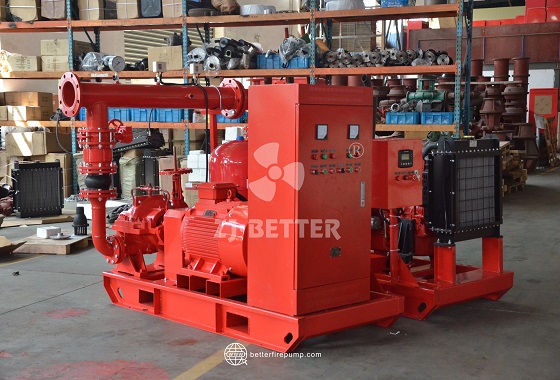
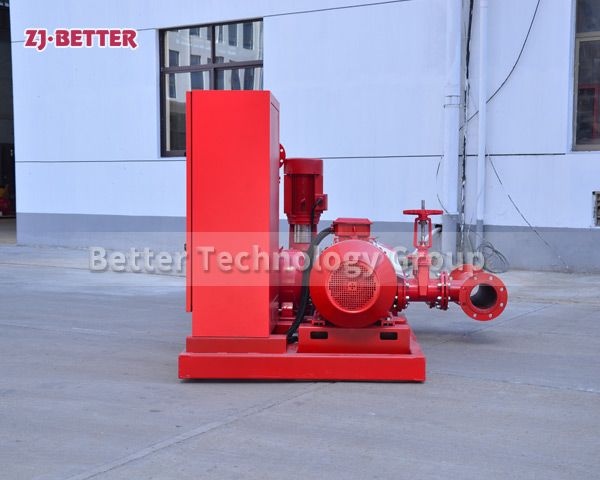
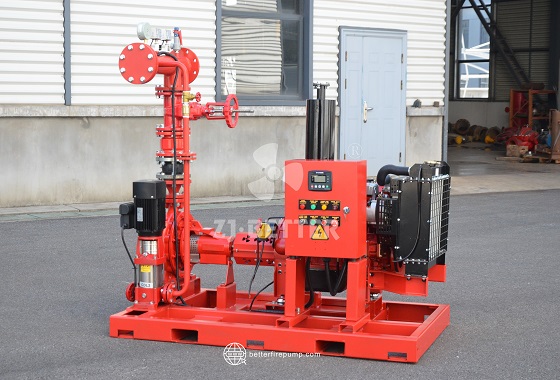
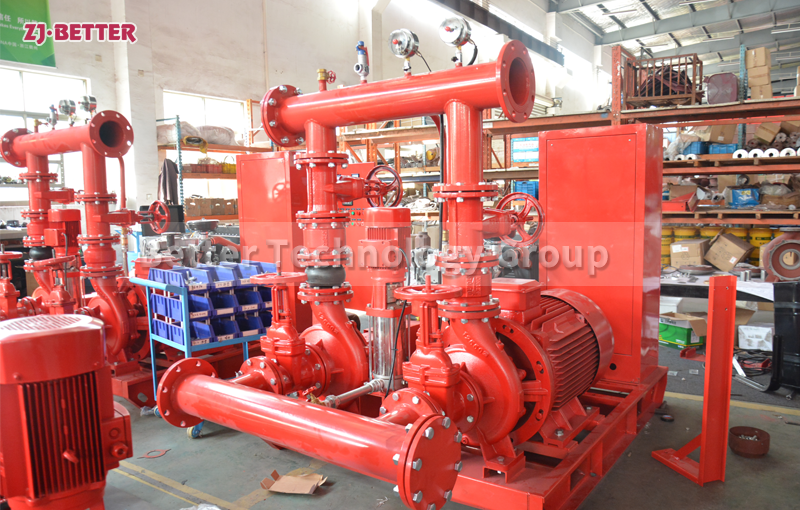
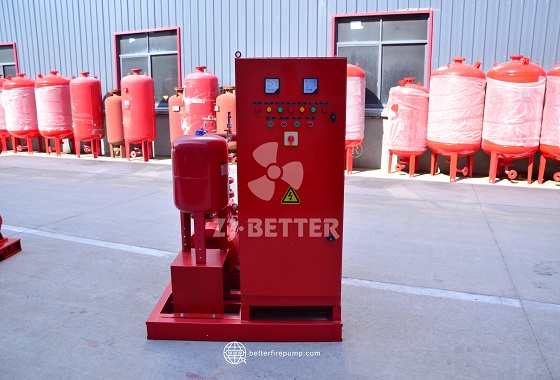
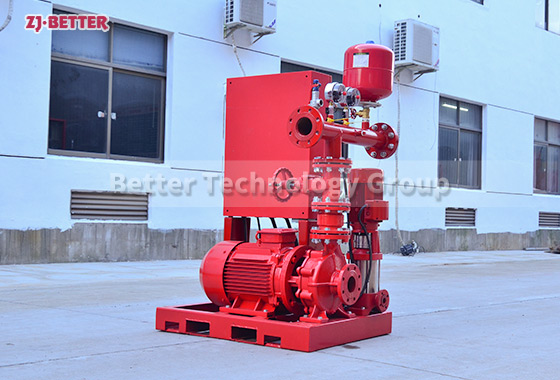
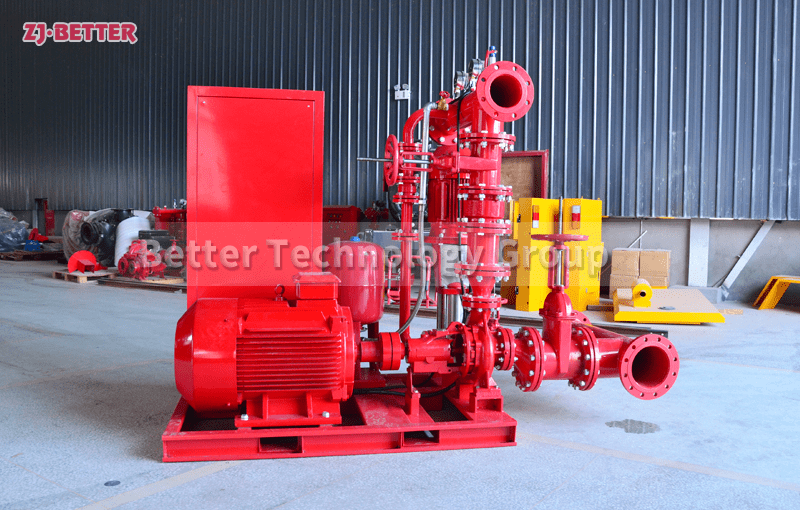
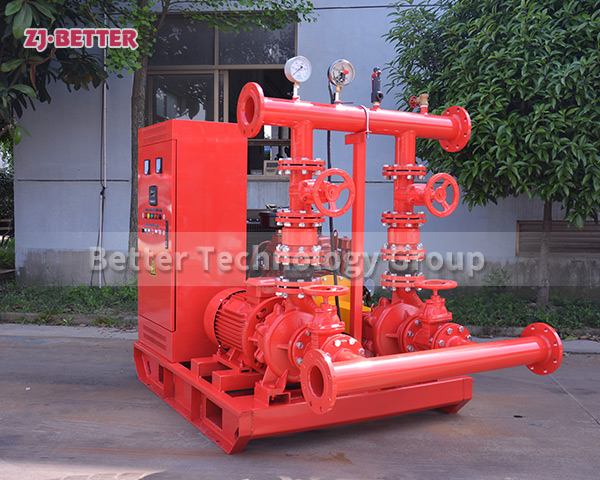
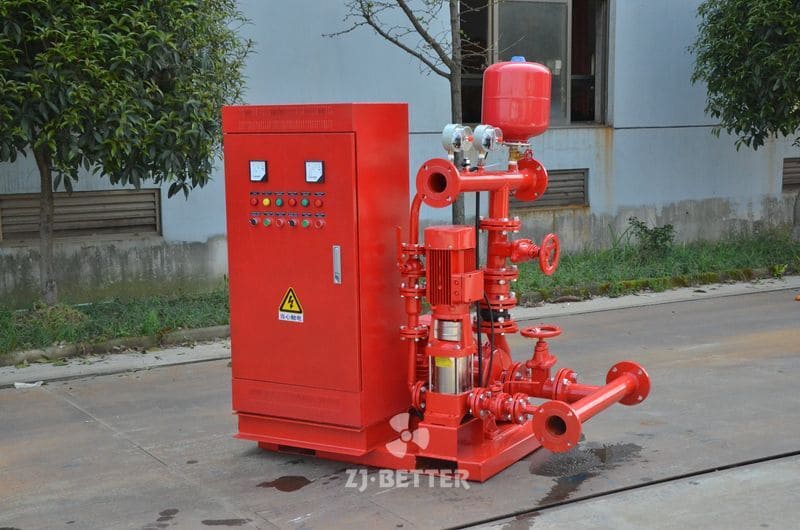
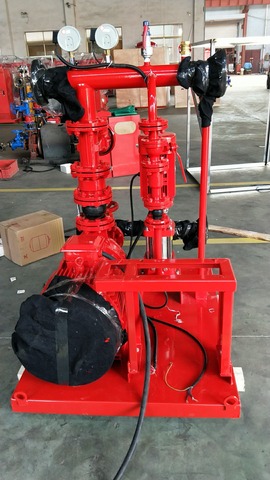
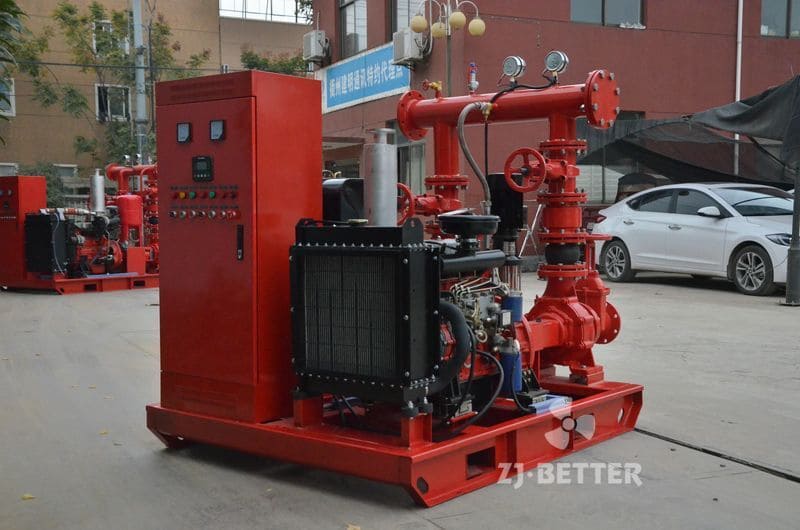
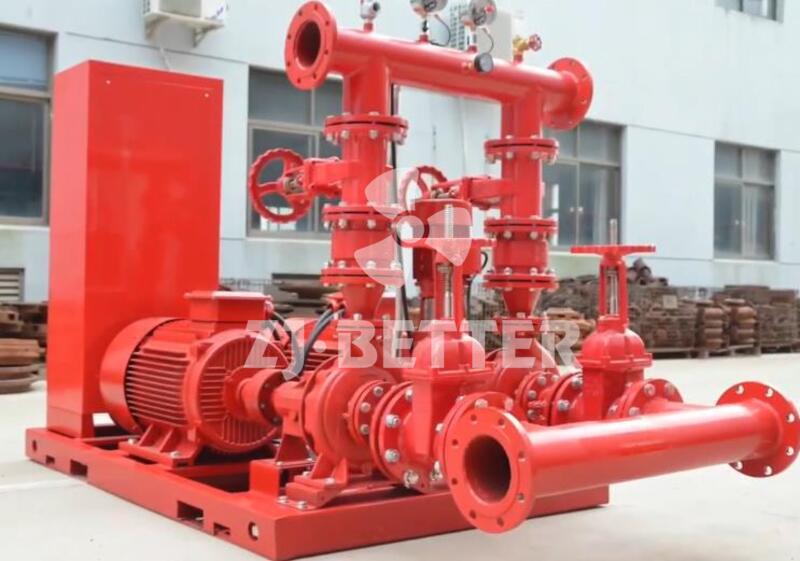
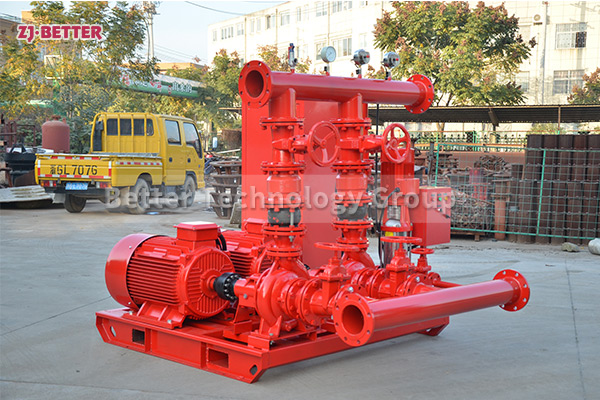
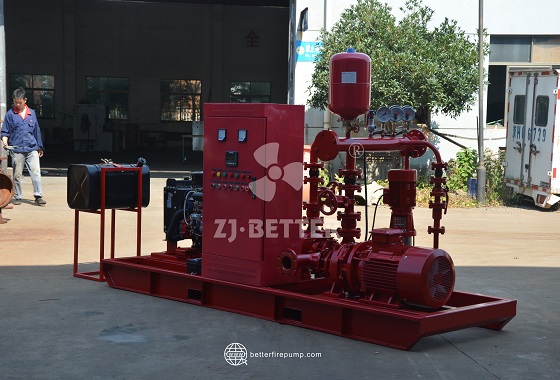
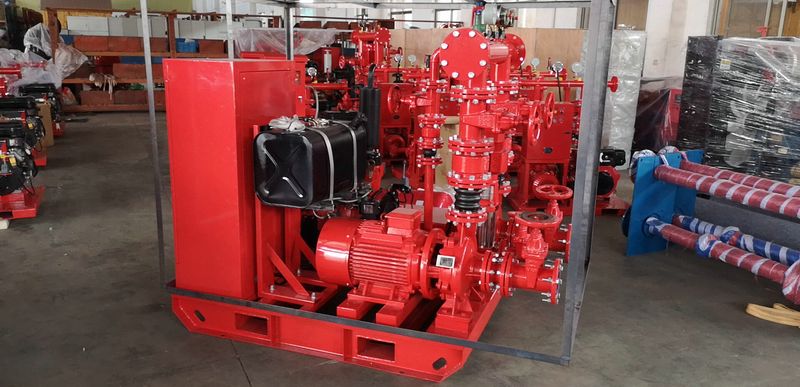
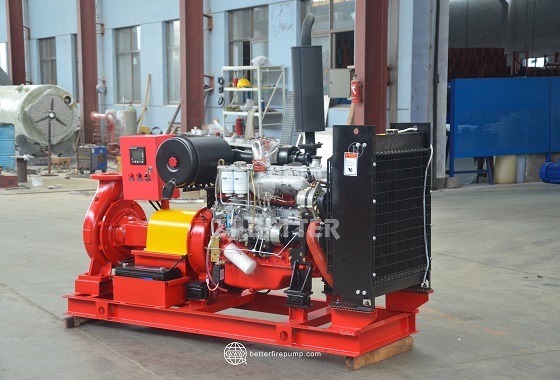
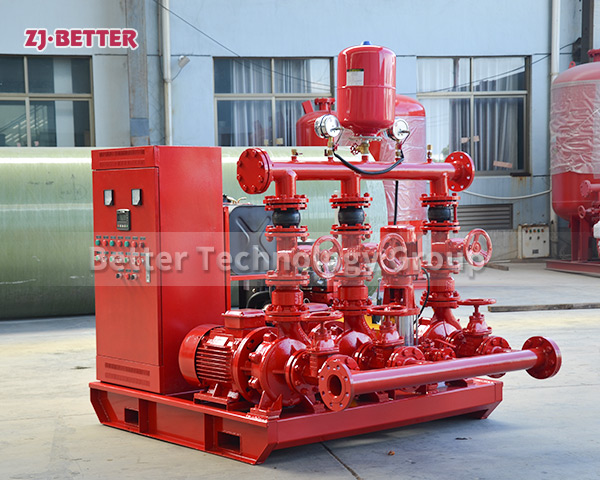
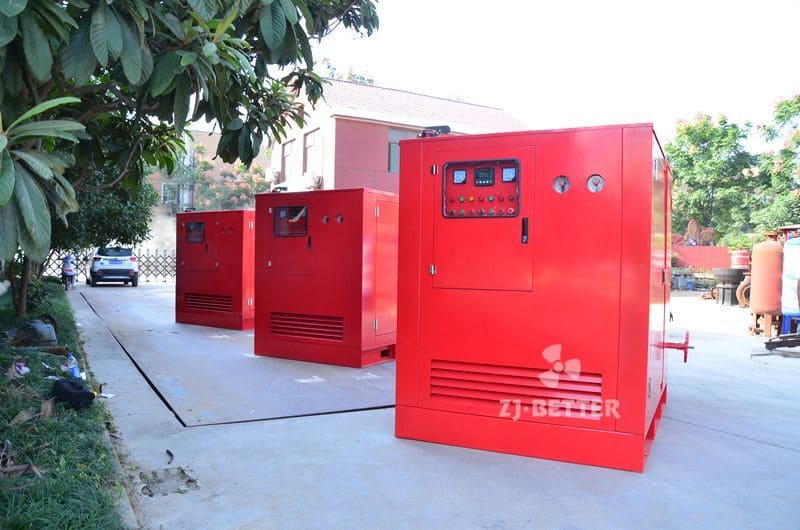
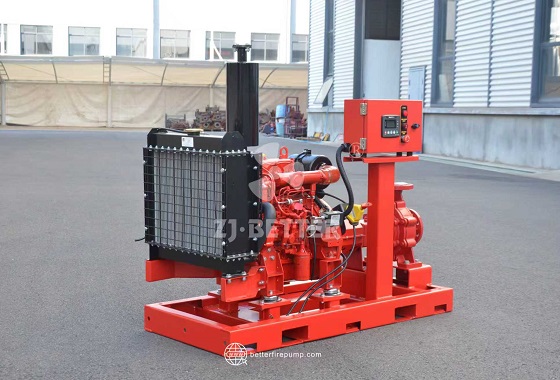
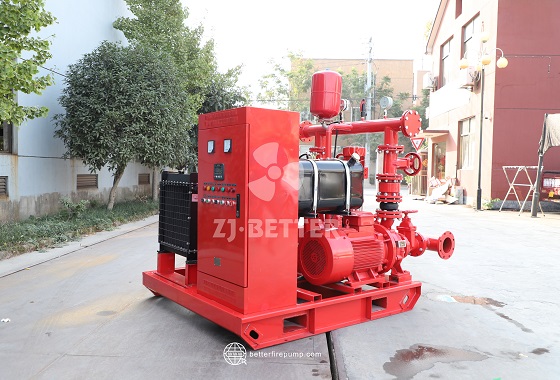
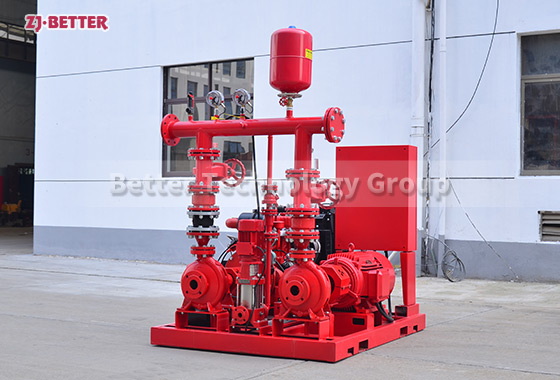
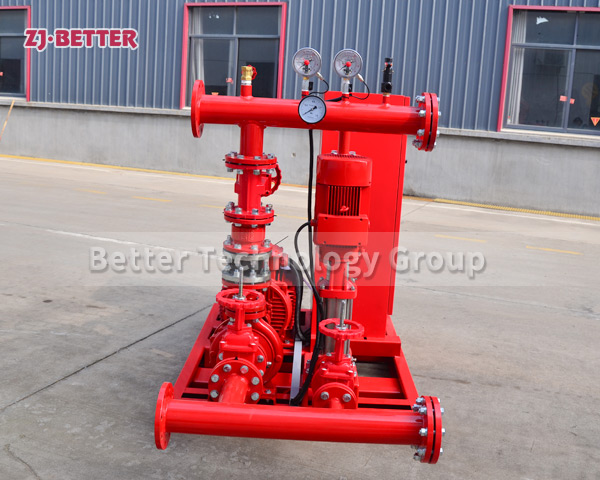
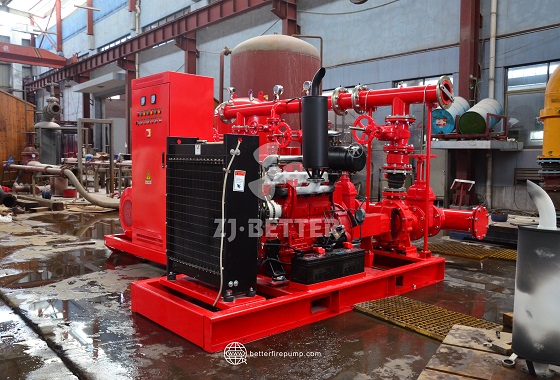
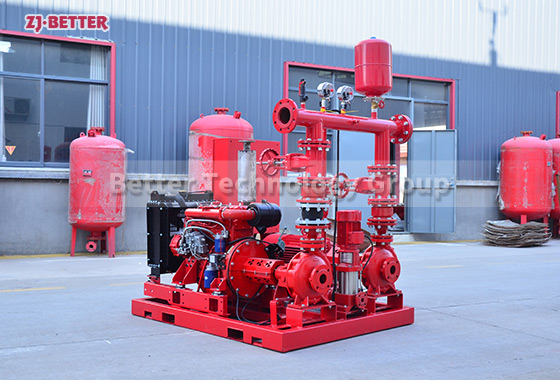
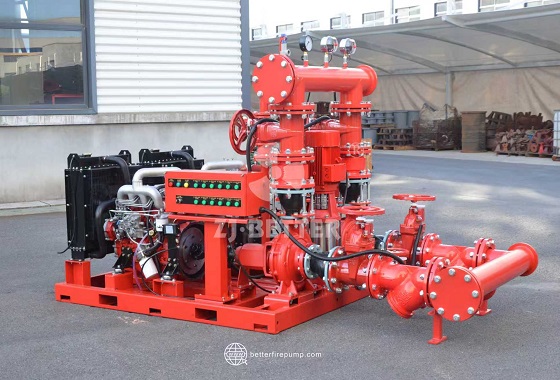
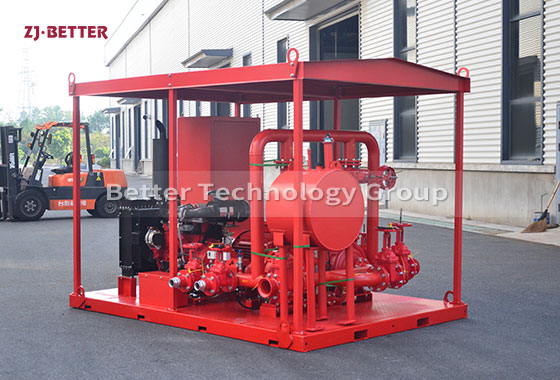
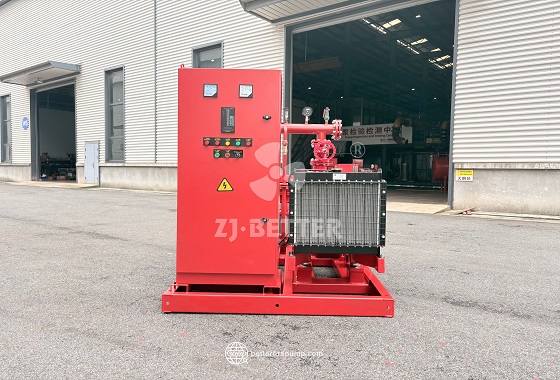
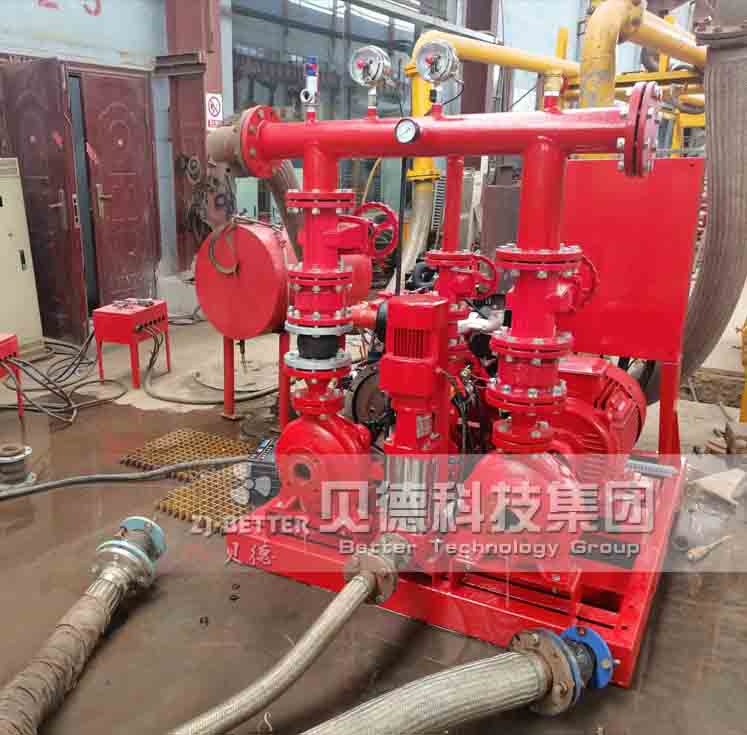
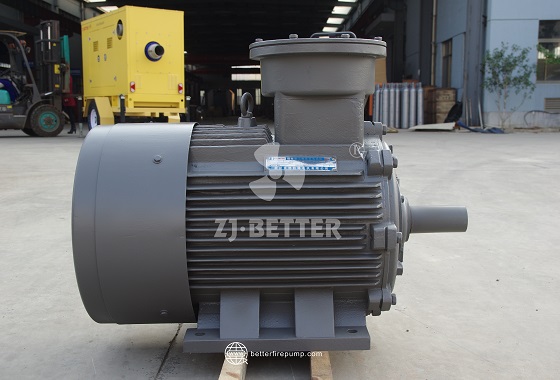
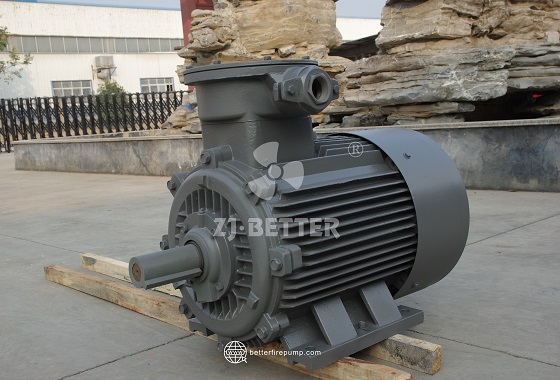
Horizontal electric fire pumps are fire-fighting water supply equipment driven by an electric motor. The motor drives the pump shaft and impeller to rotate at high speed, converting mechanical energy into the pressure energy of the water flow, providing a stable flow rate and head for the fire-fighting pipeline network. This product adopts a horizontal structure layout, with the motor and pump body centrally installed, resulting in a compact overall structure suitable for installation in fire pump rooms and various fixed fire-fighting water supply systems. The product design emphasizes power transmission, pump shaft concentricity, mechanical seals, and base stability, maintaining good mechanical operating conditions during continuous operation. Related horizontal electric fire pump products cover a variety of flow rates, heads, diameters, and power configurations, allowing selection based on specific fire engineering parameters. One of the key features of this fire pump is the high concentricity between the motor and pump body. A reasonable transmission structure reduces shaft misalignment during operation, ensuring stable impeller rotation and reducing unnecessary mechanical vibration and operating noise. According to the official website product information, the pump shaft and motor adopt a coaxial structure design; high concentricity contributes to smooth operation, while the mechanical seal reduces leakage of the transported medium, improving equipment reliability. In terms of hydraulic performance, the impeller is the core component of a fire pump for pressurizing and delivering water. After the motor starts, it drives the impeller to rotate. Water entering the pump body gains energy under centrifugal force and the pump body converts flow velocity into pressure, providing the necessary pressure for fire hydrant systems, automatic sprinkler systems, and other fire-fighting water supply facilities. Depending on the product series, electric fire pumps can adopt structures such as single-stage centrifugal pumps, horizontal double-suction pumps, end-suction pumps, or multi-stage pumps to adapt to different flow rate and head requirements. Related product data shows that some horizontal electric fire pumps have a flow rate range of 1~300 L/s, a head of approximately 0.15~1.6 MPa, and a power range of 0.75~160 kW. Actual parameters should be determined based on the specific model. The product’s structural design also emphasizes the fit between the pump body, pump shaft, mechanical seal, and base. A stable base provides reliable support for the pump unit, reducing equipment displacement during operation. The mechanical seal uses a combination of wear-resistant and corrosion-resistant materials, helping to maintain sealing performance and extend service life. For fixed fire protection systems that require long-term fire water supply, a reasonable structural design can reduce equipment maintenance pressure and facilitate daily inspections. Horizontal installation also facilitates connection between the equipment and suction pipes, discharge pipes, and fire pipelines, allowing for reasonable equipment layout planning based on the available pump room space and pipeline direction. In terms of applications, electric fire pumps can be used in fixed fire hydrant systems, automatic sprinkler systems, and fire water supply scenarios in buildings, industries, and municipalities. When the fire protection system has a water demand, the motor provides stable driving force, and the pump outputs the corresponding water flow and pressure according to the design conditions. If used in conjunction with a control cabinet, pressure-stabilizing pump, pressure tank, and pressure detection device, it can form a complete fire pump unit, achieving more systematic fire water supply management. For engineering procurement, this product also features flexible specification selection, allowing for the determination of appropriate pump type and motor power based on building height, pipeline resistance, design flow rate, water source conditions, and fire system pressure requirements. By reasonably matching the performance of the motor and pump, the equipment can maintain stable operation under target conditions, avoiding insufficient power or oversized selection. Overall, horizontal motor-driven fire pumps offer significant advantages, including high concentricity transmission, stable motor drive, reliable sealing, compact structure, and multiple configuration options. They are well-suited for stable delivery and pressurization in fire water supply systems. Their mature horizontal structure facilitates equipment installation, pipeline connection, and routine maintenance, while a well-designed shaft system helps reduce operating vibration and noise, providing a reliable electric pumping option for building fire protection, industrial fire protection, and other stationary fire water supply projects.