Diesel Engine Fire Pump for Continuous Operation During Power Outages
The diesel engine-start fire pump set features independent power supply, automatic start-up, continuous and stable water supply, and high environmental adaptability. It is suitable for emergency fire fighting scenarios during power outages and provides reliable fire water supply for critical facilities.
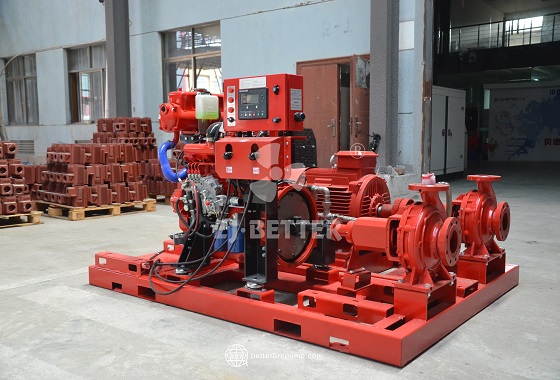
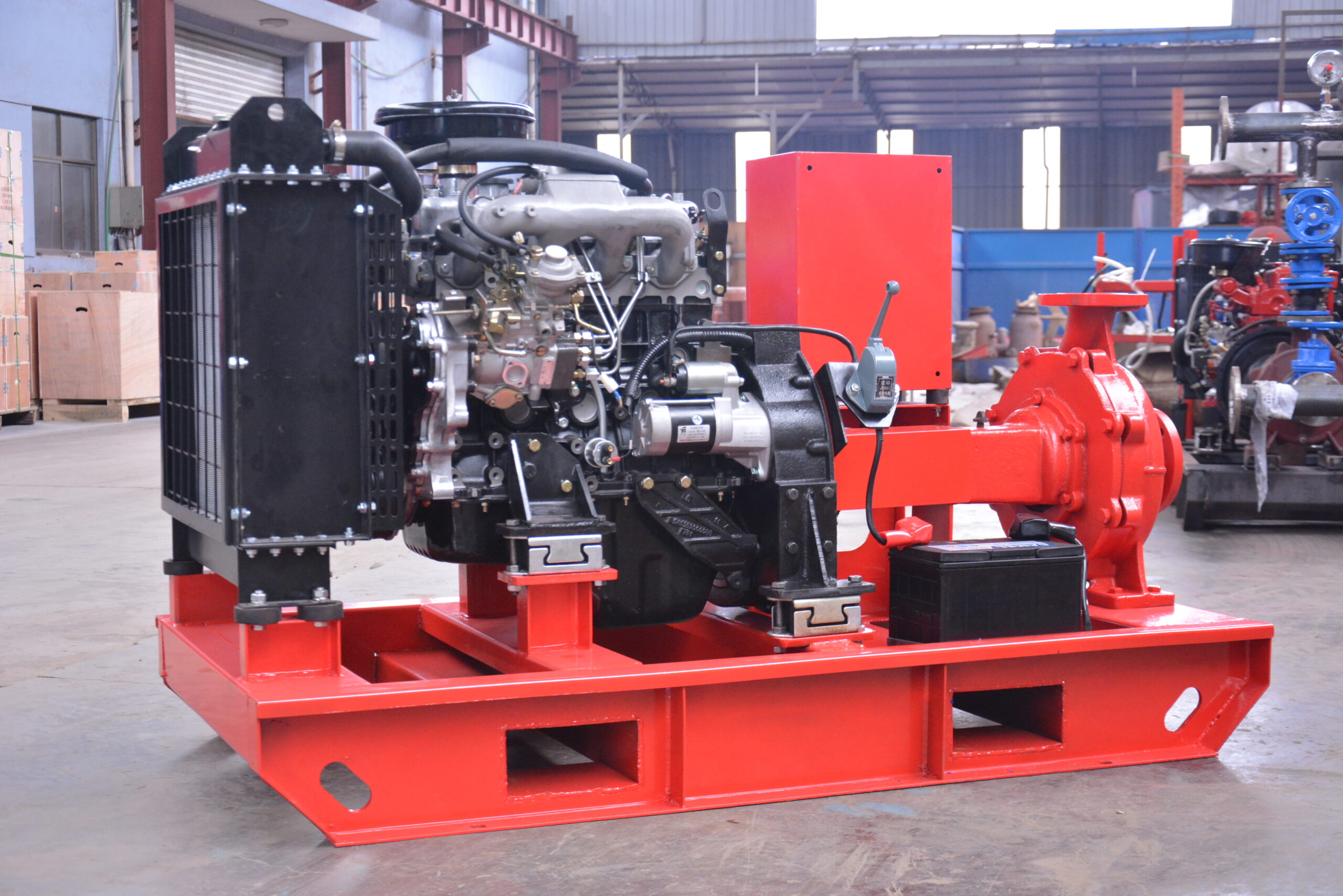
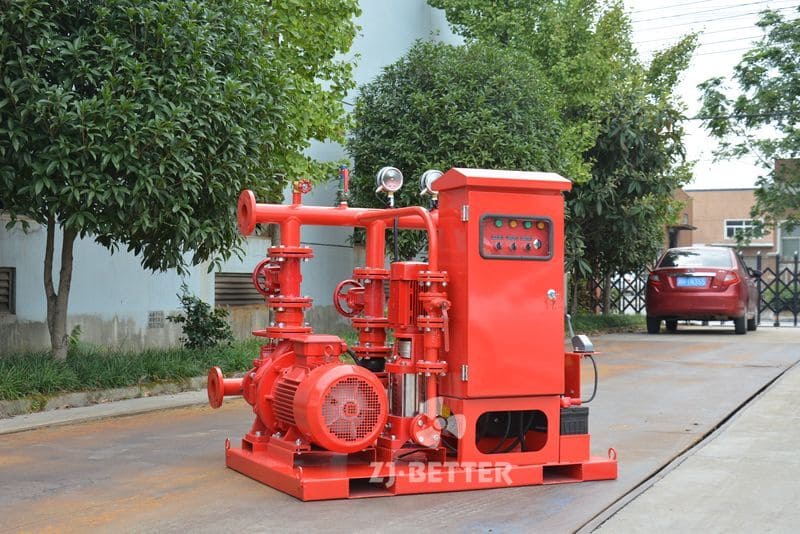
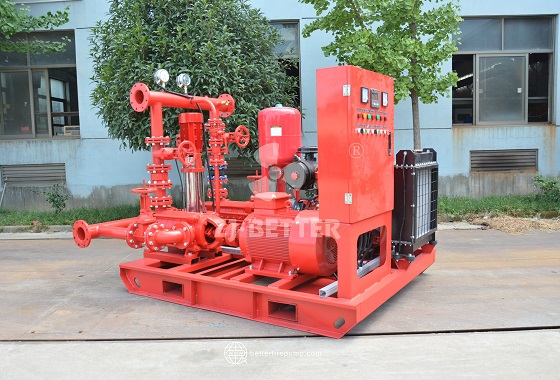
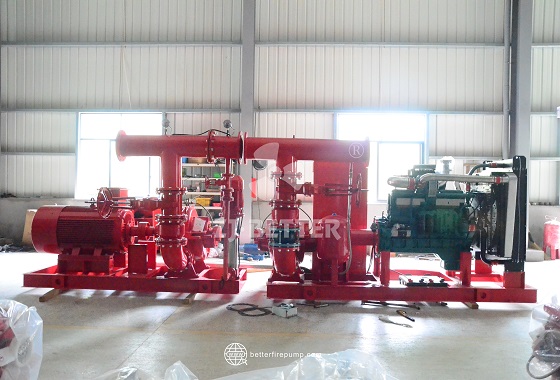
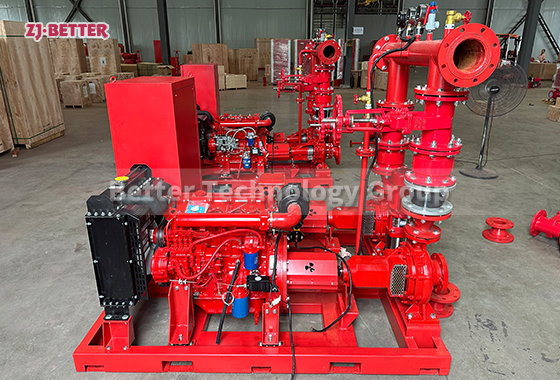
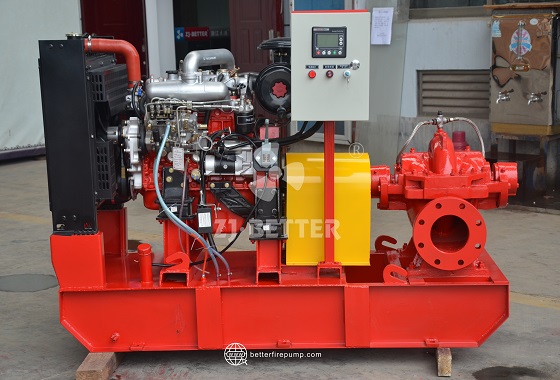
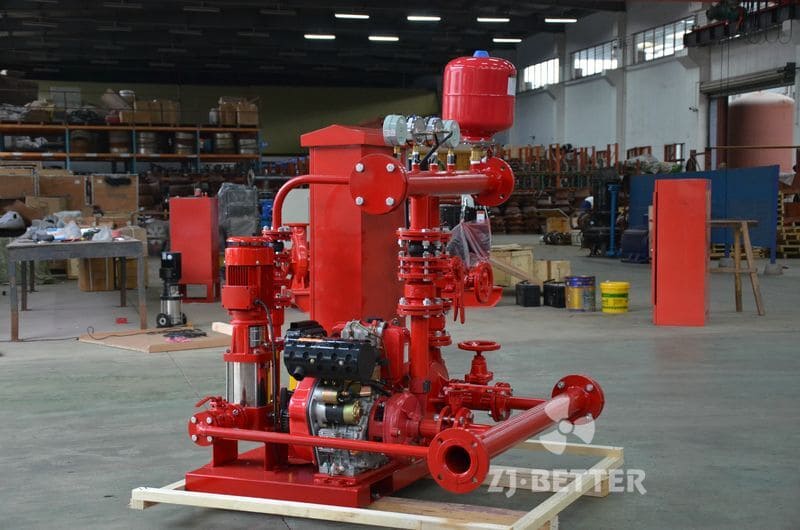
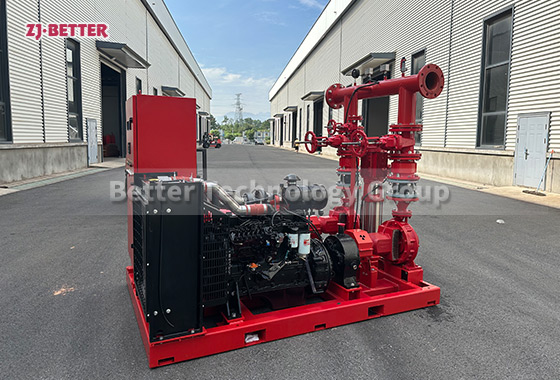
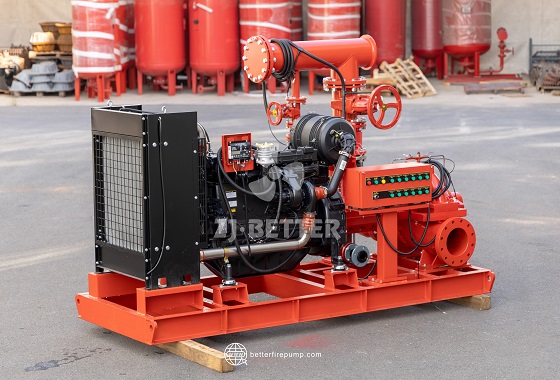
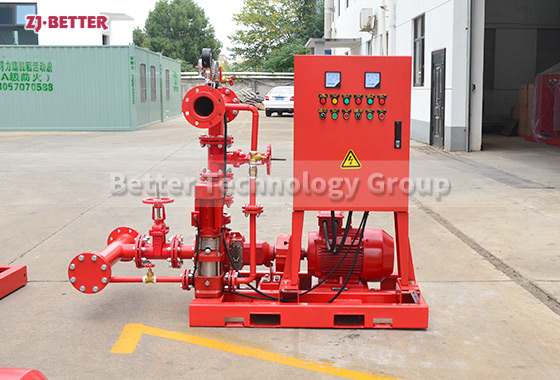
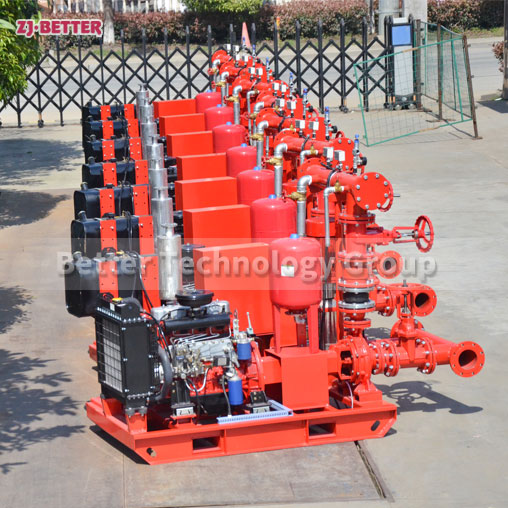
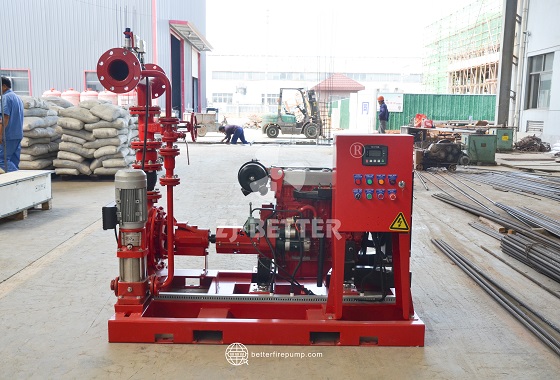
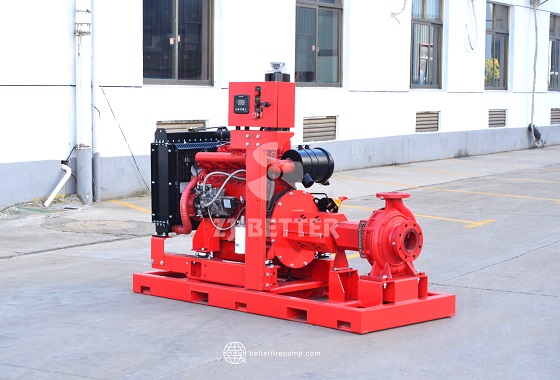
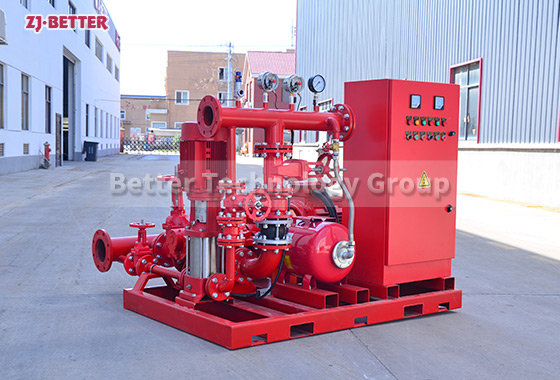
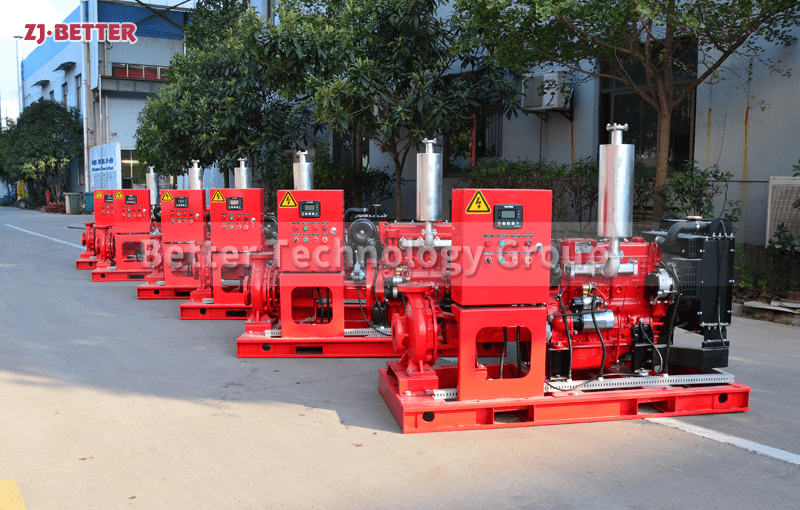
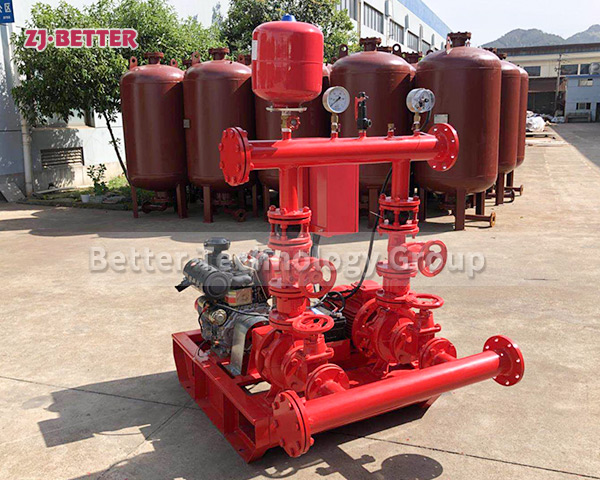
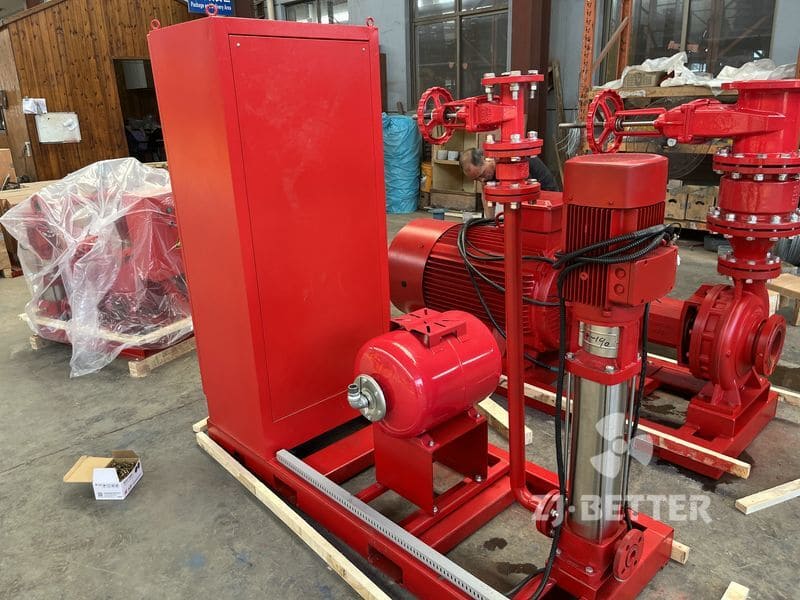
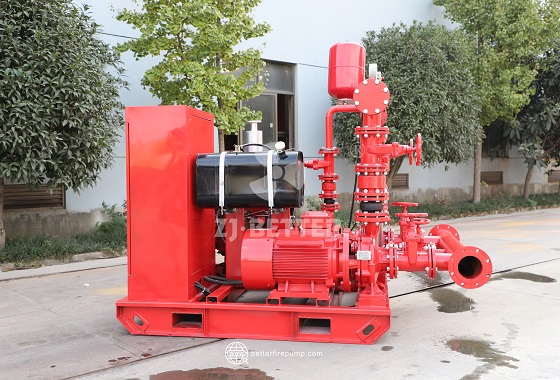
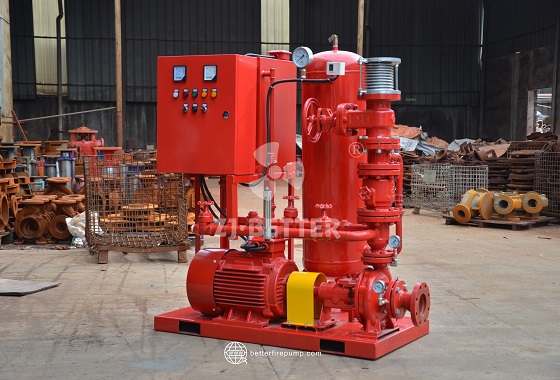
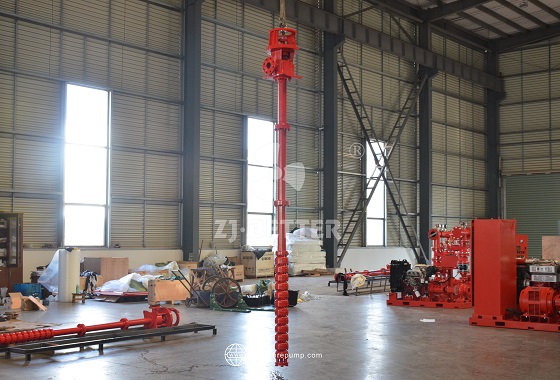
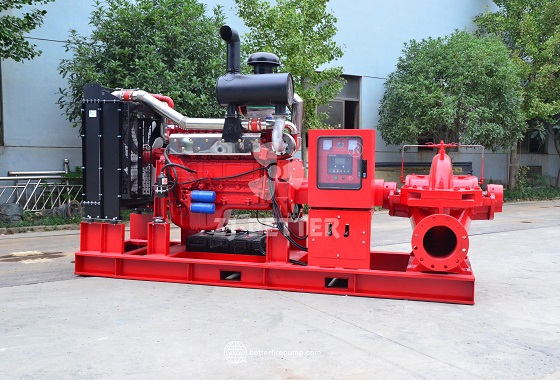
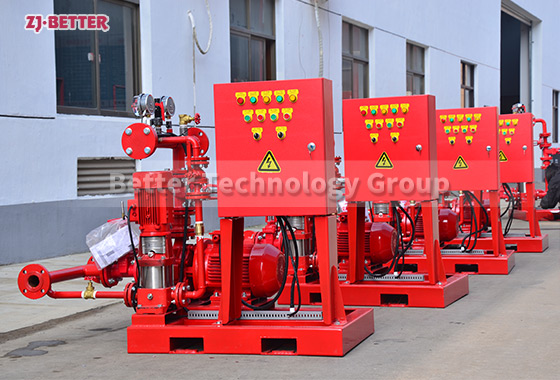
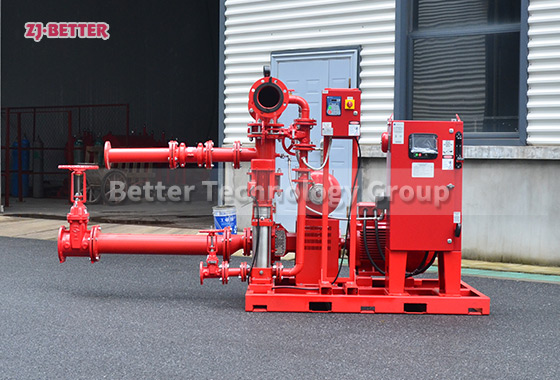
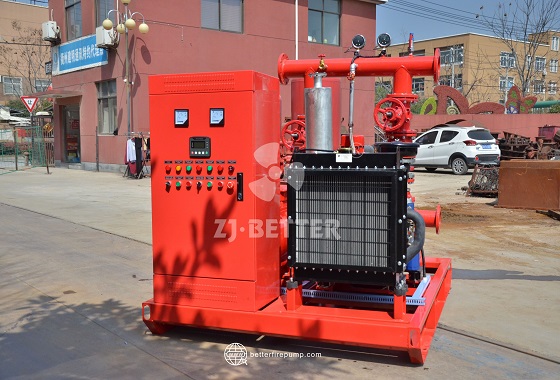
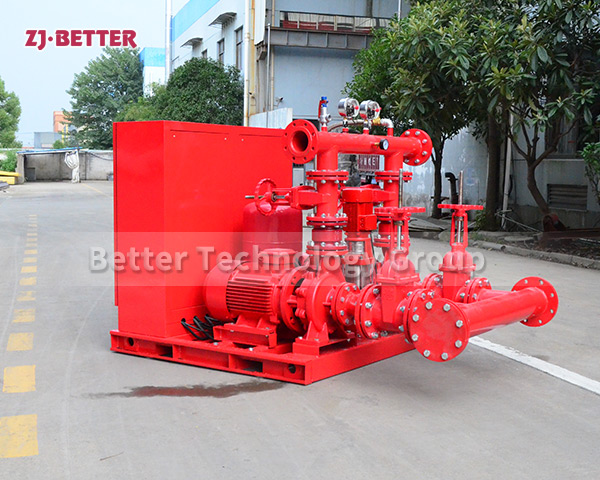
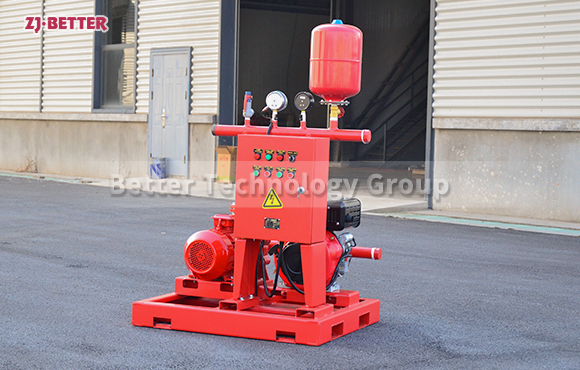
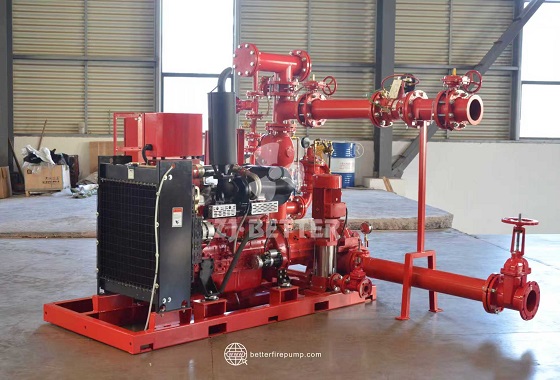
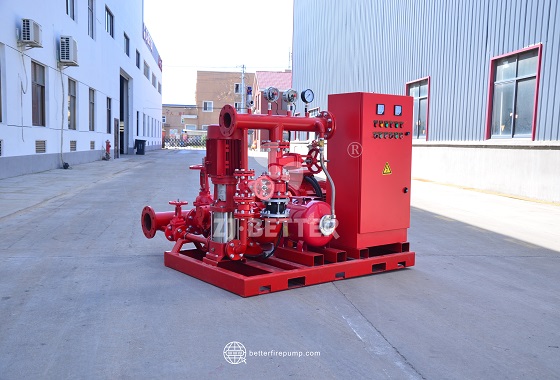
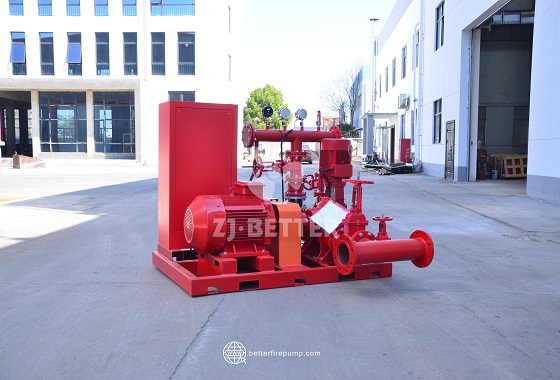
In the construction of modern fire safety systems, the stability of the water supply system is directly related to the efficiency of fire emergency response. Among the many factors affecting the reliability of fire water supply, power outages are undoubtedly one of the most challenging risks. Whether in large industrial parks, high-rise buildings, petrochemical bases, airports, docks, warehousing and logistics centers, or hospitals, data centers, and other key fire prevention areas, once a fire occurs, if the power supply system is affected and electric fire pumps cannot operate normally, it will directly weaken the fire fighting capability and seriously threaten the safety of people and property. Especially when the fire spreads and damages power distribution lines, regional power grid failures, or power outages caused by natural disasters, traditional fire water supply equipment that relies on a single electric drive cannot provide continuous support. Diesel engine-driven fire pump sets have become key equipment in modern fire protection engineering in this context. With its independent power source, rapid automatic start-up capability, continuous and stable operation performance, and excellent environmental adaptability, this equipment can continuously provide stable fire water supply in the event of a power outage, building a solid and reliable fire protection system for various key projects. The biggest core advantage of diesel engine-driven fire pump sets lies in their ability to operate independently of the external power system. Traditional electric fire pumps rely on a stable power supply; if the power grid fails or the internal power distribution system is damaged, the equipment will lose its operational capability. In contrast, diesel engine-driven fire pumps use a high-performance industrial diesel engine as their core power source, generating mechanical power through fuel combustion to drive the pump without relying on external power. This independent power supply mechanism allows the equipment to continue operating normally even in the event of municipal power outages, localized power distribution failures, or even the complete collapse of the building’s power supply system, providing a continuous and reliable water supply for the fire protection system. For locations with extremely high fire safety requirements, this independent operation capability is of irreplaceable importance. Rapid automatic start-up capability is a key performance indicator for diesel engine-driven fire pump sets in fire emergencies. When the fire protection system receives a fire alarm signal or the pipeline pressure falls below a preset value, the equipment can automatically issue a start-up command through the intelligent control system, and the diesel engine quickly enters working condition and drives the pump set to establish pressure. Modern diesel engines employ electronic speed regulation and preheating auxiliary technology, enabling them to complete the start-up process and reach rated speed in a very short time, thus ensuring the rapid restoration of the fire water supply system to operational status. Compared to manual intervention, this automatic response mechanism significantly shortens the initial water supply establishment time during a fire, gaining valuable time for extinguishing the initial fire and effectively suppressing its spread. Continuous and stable operation is a key advantage of diesel engine-driven fire pump sets compared to other emergency equipment. In actual firefighting operations, fire water supply often needs to be continuous for extended periods, especially in large industrial facilities, high-rise buildings, and warehousing and logistics centers, where firefighting operations may last for hours or even longer. Diesel engines possess strong continuous output capabilities and excellent fuel economy, allowing for stable operation under rated conditions for extended periods without power degradation. Equipped with a large-capacity fuel tank and an efficient cooling system, the equipment maintains stable power output during long-term continuous operation, ensuring the fire pump continuously provides stable pressure and flow. This durable and reliable operation provides a solid guarantee for extinguishing major fires. Regarding water supply performance, diesel engine-driven fire pump sets typically employ a high-efficiency centrifugal pump design, achieving an optimal balance between high flow rate, high head, and low energy consumption through optimized impeller structure and fluid channel layout. The equipment can be configured in various specifications to meet different engineering needs, satisfying complex fire-fighting tasks such as vertical water supply for high-rise buildings, long-distance water delivery in large parks, and simultaneous water supply to multiple areas. The high-lift design ensures that fire-fighting water can be rapidly delivered to the top of high-rise buildings and remote fire terminals, while the stable high-flow output ensures the simultaneous and efficient operation of sprinkler systems, fire hydrant systems, and foam extinguishing systems. In complex fire environments, the equipment can maintain stable pressure, providing reliable support for the fire-fighting system. The intelligent control system is a key technological highlight of modern diesel engine-driven fire pump sets. The equipment is typically equipped with an advanced automatic control cabinet, integrating pressure monitoring, speed control, fault diagnosis, and automatic protection functions. The control system can monitor pipeline pressure, engine speed, oil pressure, water temperature, battery status, and operating conditions in real time, and automatically adjust operating parameters according to actual needs. When abnormal conditions occur, such as low oil pressure, high temperature, overspeed, or start-up failure, the system can automatically alarm and take protective measures to prevent equipment damage. Some high-end configurations also support remote monitoring and network management, and can be connected to the fire control center to achieve real-time data transmission and centralized management, significantly improving the intelligent operation and maintenance level of the equipment. Environmental adaptability is crucial for the stable operation of diesel engine-driven fire pump sets in various complex environments. Fire protection engineering applications typically encompass high-temperature, high-humidity, cold, dusty, and corrosive climates, thus requiring equipment with excellent environmental adaptability. Key components of the diesel engine-driven fire pump set are manufactured using high-strength, corrosion-resistant materials and undergo special rust-proofing treatment, effectively resisting harsh environmental corrosion. For cold regions, the equipment can be equipped with an engine preheating system and antifreeze devices to ensure rapid start-up in low-temperature environments; for high-temperature regions, an efficient cooling system ensures continuous and stable operation; for coastal high-salt-spray environments, additional anti-corrosion treatments can be applied to extend equipment lifespan. Regardless of operating conditions, the equipment maintains reliable operation. The modular structural design further enhances the engineering application value of the diesel engine-driven fire pump set. The equipment integrates the diesel engine, fire pump, control cabinet, cooling system, and auxiliary piping onto a high-strength steel base, forming a skid-mounted structure. This design facilitates equipment transportation, installation, and commissioning. Before leaving the factory, the entire unit has undergone integrated commissioning and performance testing. Upon arrival at the site, only basic connections need to be completed for rapid operation, significantly shortening the construction cycle and reducing construction costs. Simultaneously, the modular layout facilitates later maintenance, allowing technicians to quickly access key components for inspection and replacement. Ease of maintenance is also a significant advantage of diesel engine-driven fire pump sets. Modern equipment records operating data and maintenance cycles through an intelligent diagnostic system, providing managers with precise maintenance prompts. The engine lubrication, cooling, and fuel systems are rationally laid out, facilitating daily inspections and maintenance. Key components have high commonality and can be replaced quickly, effectively reducing equipment downtime and extending service life. In terms of application areas, diesel engine-driven fire pump sets are widely used in critical fire-fighting areas such as petrochemical bases, power facilities, airports, ports, data centers, large commercial complexes, high-rise residential buildings, and industrial parks. They are particularly suitable for locations with unstable power supply, extremely high requirements for continuous water supply, or where independent backup fire-fighting power is essential. In the event of a fire, the diesel pump set can start quickly and operate continuously, providing stable and efficient water supply support for fire sprinklers, fire hydrants, and fire extinguishing systems, significantly improving fire-fighting efficiency. With the continuous development of modern smart fire protection and digital management technologies, diesel engine-driven fire pump sets are also upgrading towards greater intelligence, efficiency, and energy conservation. In the future, by integrating IoT monitoring, big data analysis, and predictive maintenance technologies, the equipment will achieve even greater breakthroughs in remote diagnostics, operational optimization, and intelligent scheduling. Overall, diesel engine-driven fire pump sets, with their independent power supply, rapid start-up, continuous and stable operation, efficient water supply, and excellent environmental adaptability, have become core equipment in modern fire protection engineering to ensure continuous water supply in the event of a power outage. They not only solve the risk of fire water supply interruption under power failure conditions but also comprehensively improve the overall reliability of the fire protection system, making them an indispensable and important component of modern high-level fire safety systems.