Key Performance of Electric Fire Pump Sets: Continuous Supply, Pressure Maintenance and Automatic Start
Electric fire pump sets provide continuous water supply, stable pressure maintenance and automatic start-up, with integrated main pumps, jockey pumps and control systems for reliable fire protection.
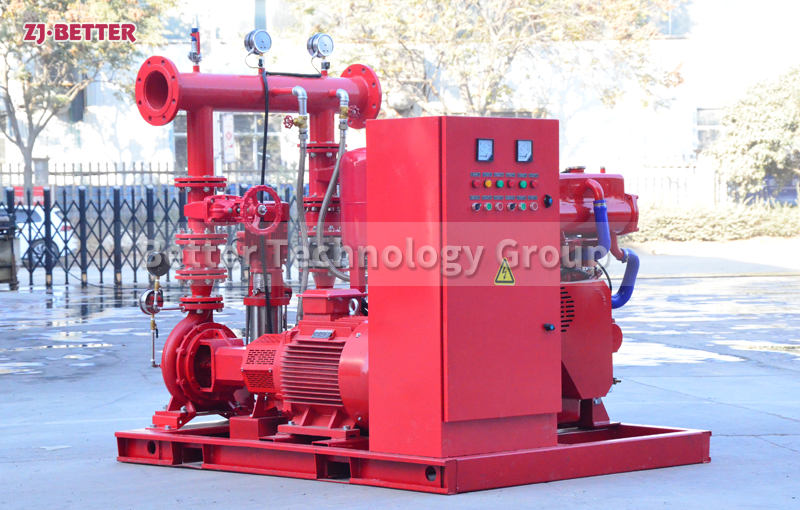
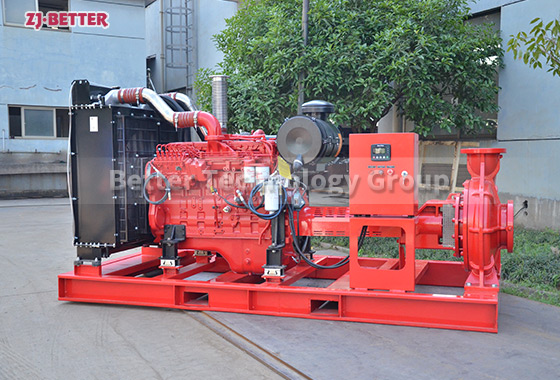
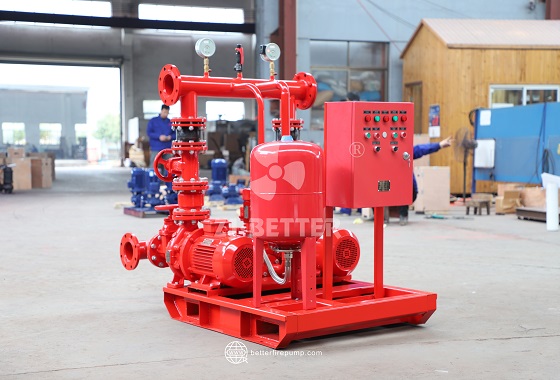
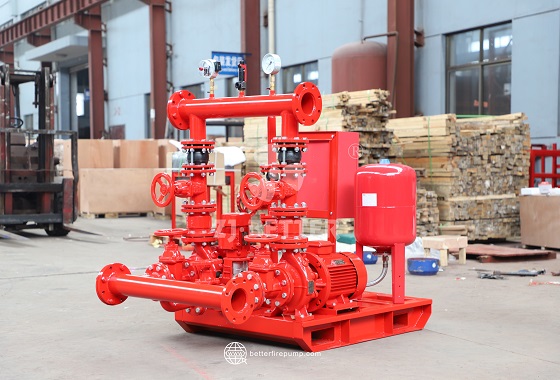
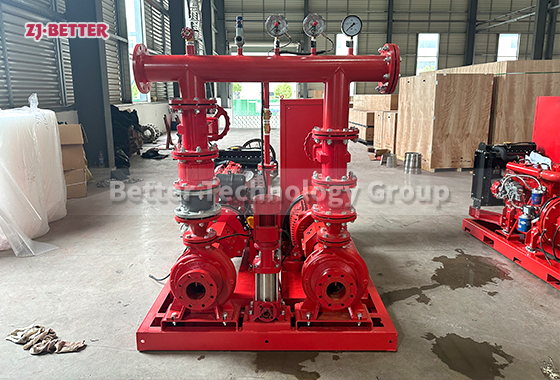
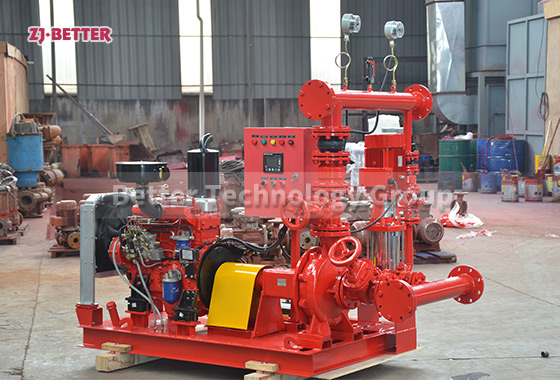
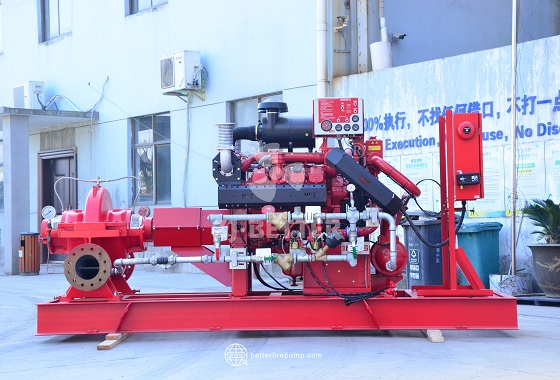
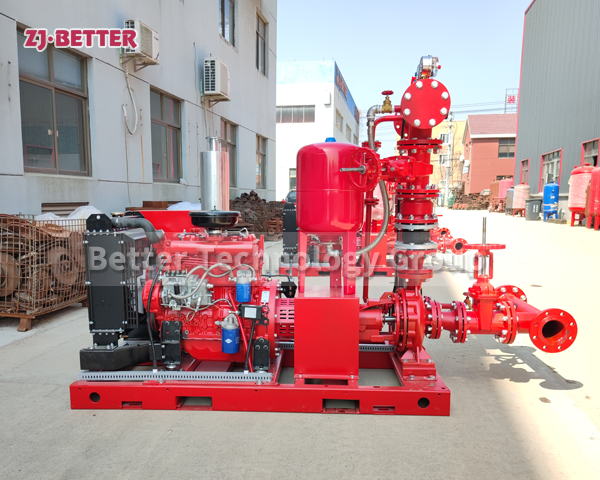
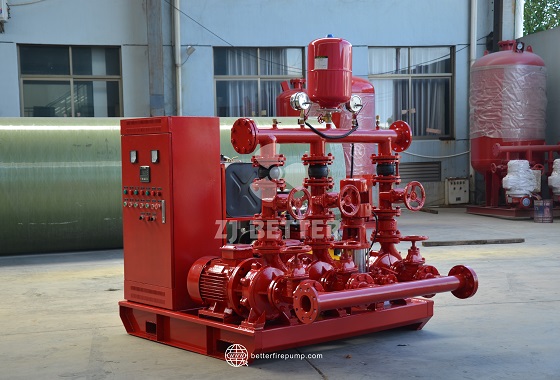
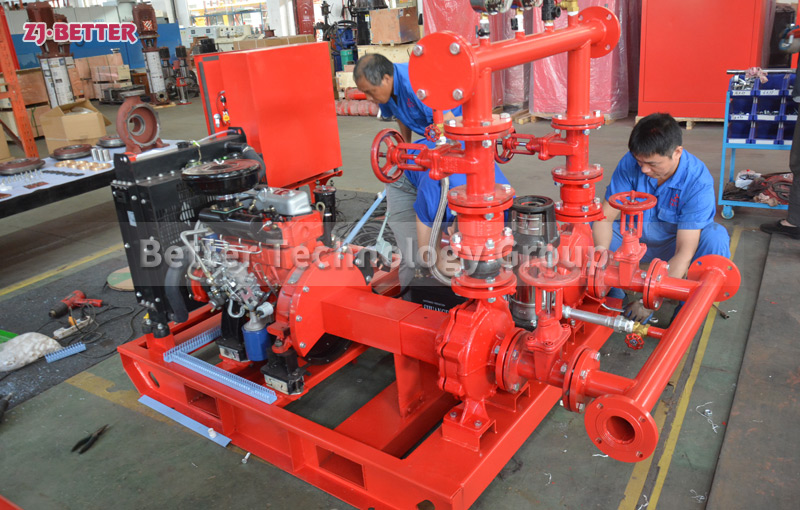
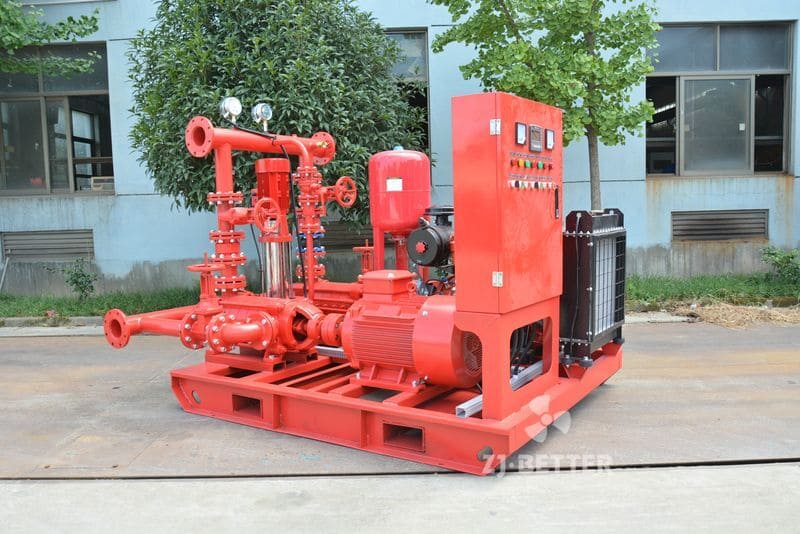
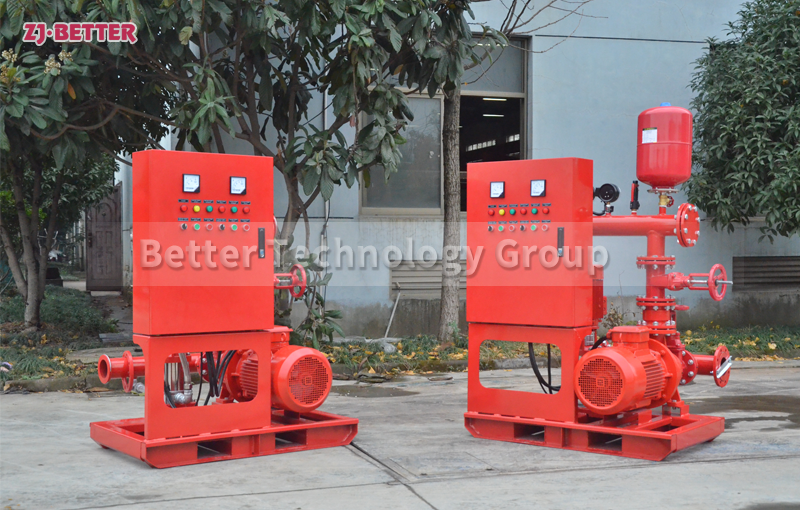
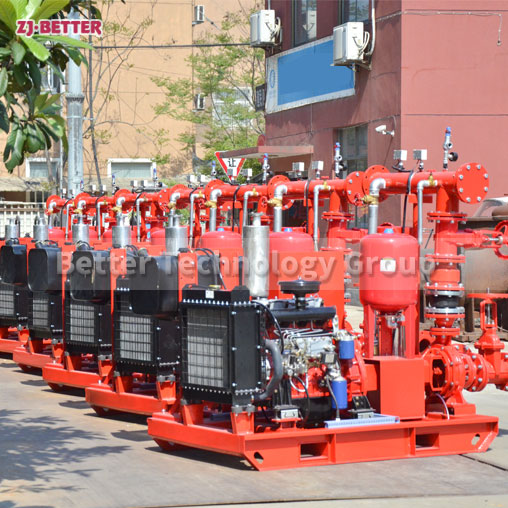
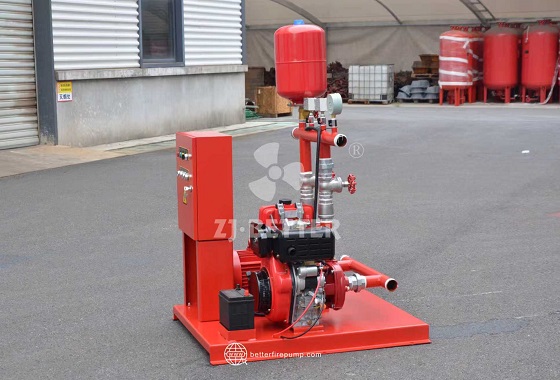
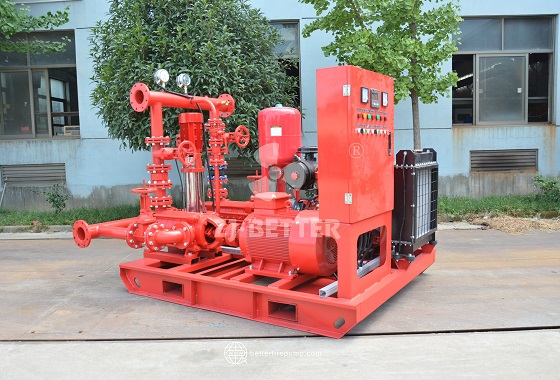
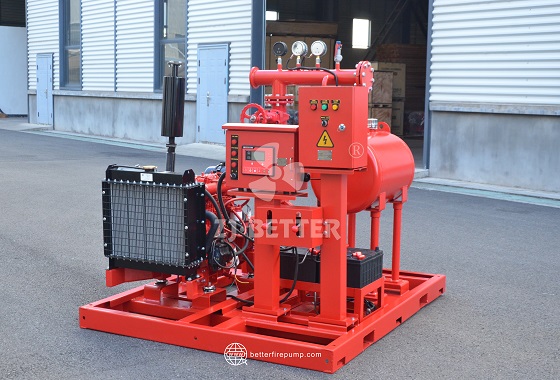
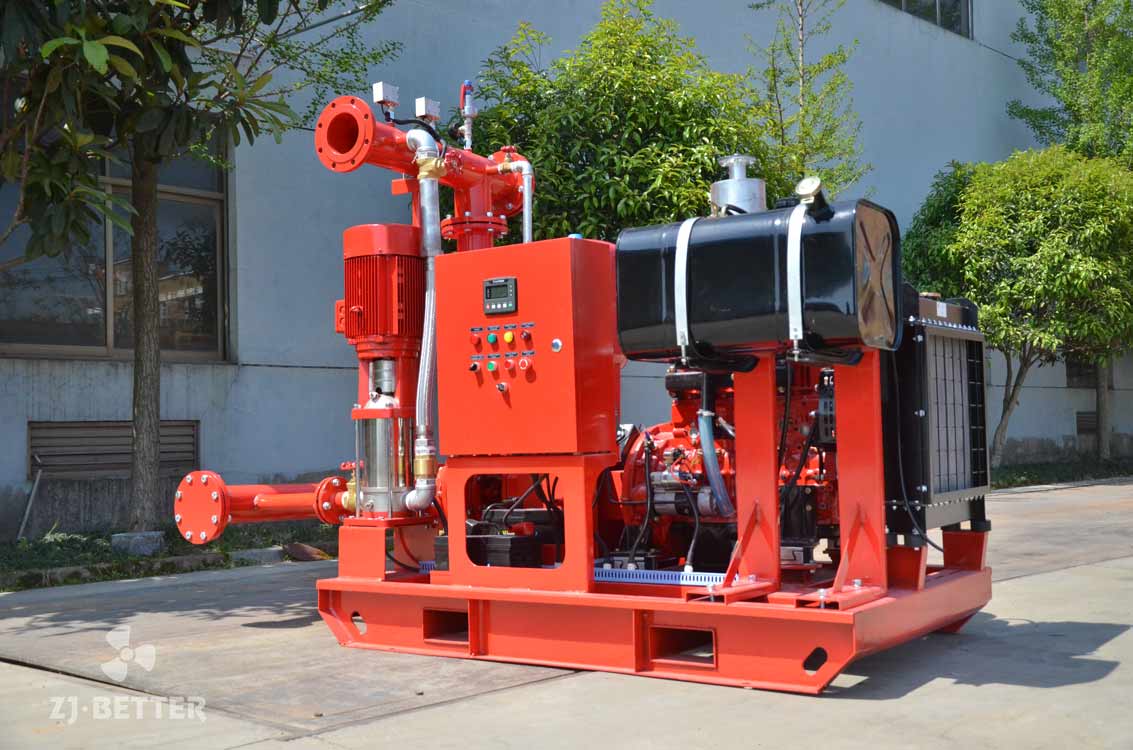
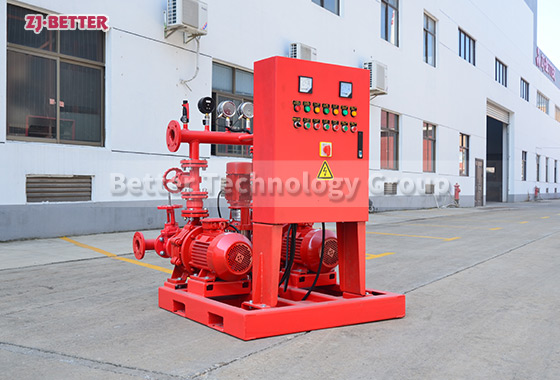
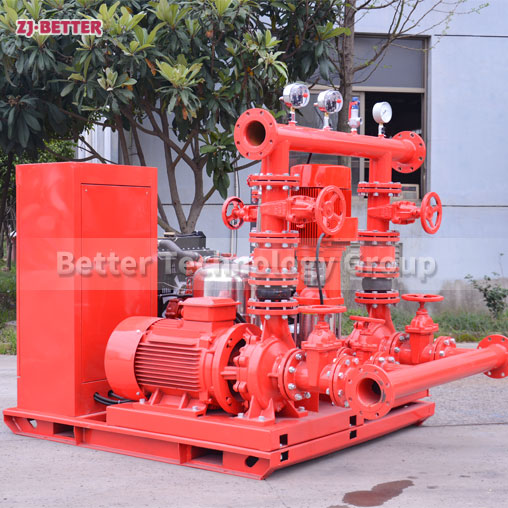
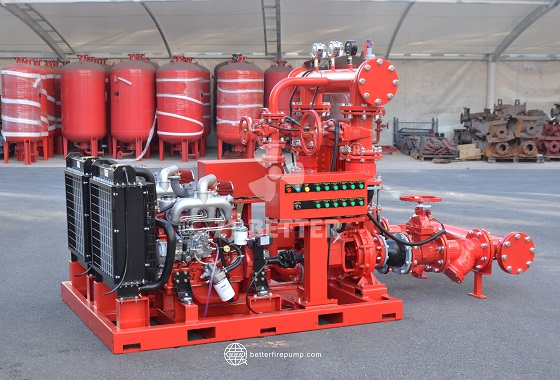
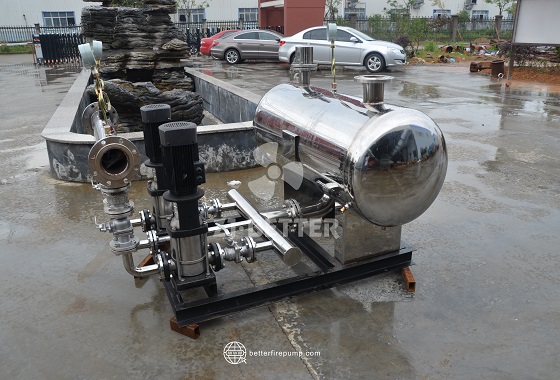
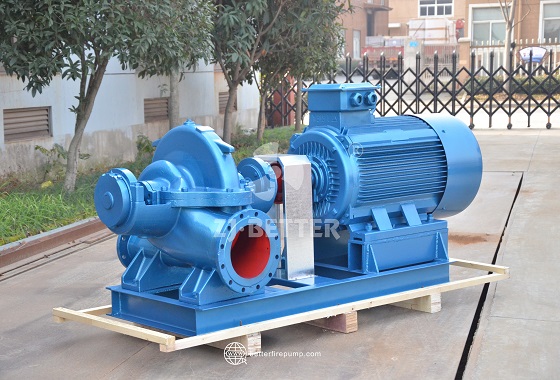
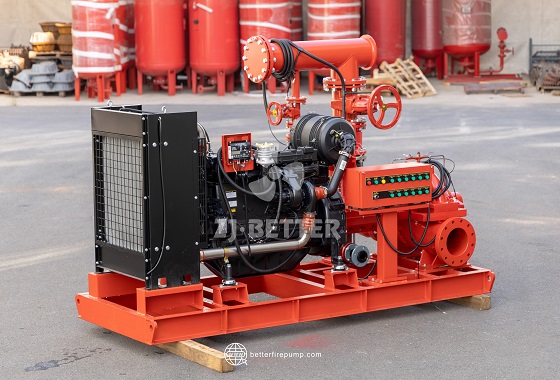
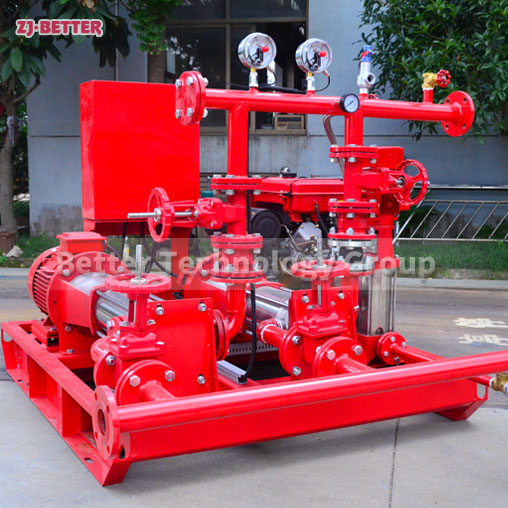
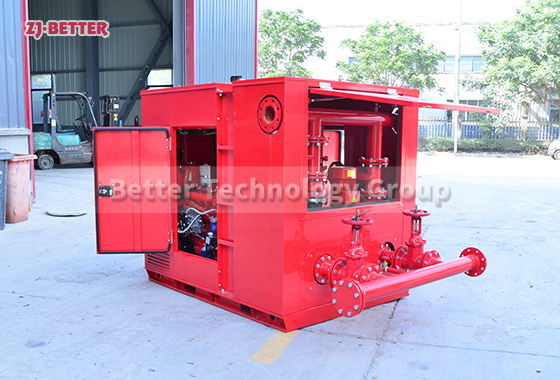
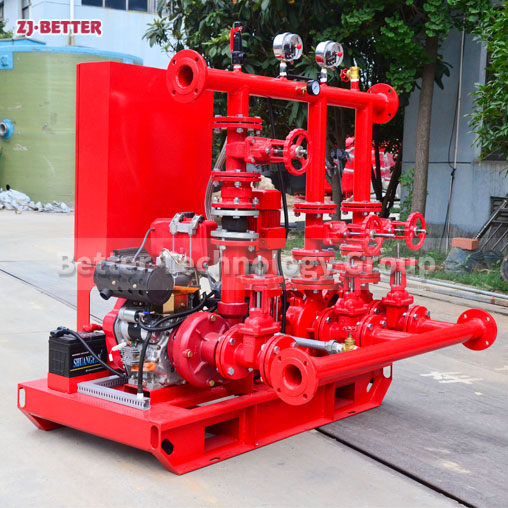
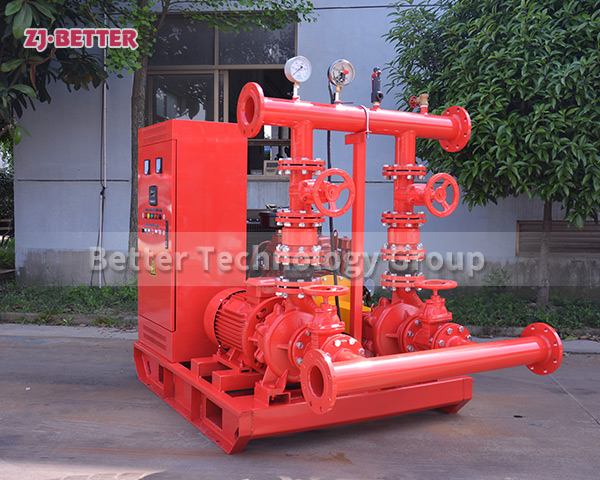
Electric fire pump sets are critical components of fire water supply systems. Typically comprising a main electric fire pump, a jockey pump, a control cabinet, pressure sensing devices, valves, piping, and a common base, these units can be configured with various pump types—such as end-suction, horizontal split-case, vertical multistage, or vertical turbine pumps—to meet specific project requirements. Their primary function is to deliver stable flow and pressure when the fire system demands water, while the jockey pump maintains normal pressure within the fire piping network, keeping the entire system in a ready state. Unlike standalone pump installations, these integrated sets mount key components on a unified base, resulting in a more cohesive structure that simplifies on-site installation and system integration. Available products cater to a wide range of flow rates, heads, power ratings, and pipe diameters; for instance, flow rates can range from 30 to 9,000 GPM and heads from approximately 3 to 20 bar, with power capacities scalable from small units to the high-output levels required for large-scale fire protection projects. Consequently, they are suitable for diverse applications, including buildings of various sizes, industrial facilities, warehouses, airports, terminals, and other fire water supply projects. A core advantage of electric fire pump sets lies in the reliability of their electric motor drive. The motor provides continuous mechanical power to the pump; when matched with the appropriate pump type, flow rate, and head, it delivers the stable water volume and pressure specified by the fire system design. For stationary fire water supply systems, properly matching motor power with pump performance is crucial to meeting design requirements for flow and pressure while ensuring operational stability. Depending on specific project conditions, configurations such as single-stage, end-suction, horizontal split-case, multistage, or vertical turbine pumps can be selected to accommodate various installation methods and hydraulic performance needs. Continuous water supply capability is another key performance attribute. Once the fire system is activated, the main fire pump delivers the required flow and pressure continuously according to design specifications, supplying water to fire hydrants, sprinkler systems, and other fire-fighting equipment. The electric drive configuration is relatively straightforward, with startup and operation managed by an electrical control system, facilitating seamless integration with the building’s fire control system. Proper selection of water pumps ensures stable operation within specified flow and head ranges, while the sound design of components—such as the pump casing, impeller, bearings, seals, and couplings—contributes to mechanical reliability. Different fire protection projects do not require identical pump models; instead, selection should be based on a comprehensive assessment of factors including fire water storage, water source conditions, building height, piping network resistance, and design flow and pressure. In addition to the main fire pump, the pressure-maintaining pump (or jockey pump) is a crucial component of the system. While its flow rate is typically lower than that of the main fire pump, its design head may be higher, allowing it to compensate for minor pressure drops in the fire piping network during standby. When network pressure falls below a set value, the control system uses pressure signals to activate the pressure-maintaining pump to restore pressure; once pressure returns to the target range, the pump stops, maintaining a relatively stable pressure state. This prevents frequent startup of the large main fire pump due to minor, normal pressure fluctuations, thereby reducing unnecessary energy consumption and mechanical wear, which helps extend the service life of the main pump. Automatic startup capabilities further enhance the responsiveness of electric fire pump sets. Control cabinets integrate pressure switches, sensors, and other monitoring devices to track system pressure and equipment status. When pressure changes meet preset startup criteria, the system activates the appropriate pump set according to programmed logic; manual operation via the control cabinet is also possible for maintenance or testing. Some control systems offer features such as status displays, fault alarms, and overload or overcurrent protection, providing operators with a clear view of equipment performance. Technical specifications indicate that these control cabinets can automatically manage electric pumps, diesel pumps, and pressure-maintaining pumps while providing necessary protective functions. In terms of overall structure, an integrated design for electric fire pump sets minimizes the installation complexities associated with scattered components. The main pump, pressure-maintaining pump, control cabinet, and various pressure-sensing and piping accessories can be centrally arranged and mounted on a common base. This layout facilitates transportation, on-site positioning, piping connections, and future inspections, while also clarifying the integration and interaction between different components. Depending on project requirements, the system can be configured with components such as pressure vessels, pressure gauges, pressure sensors, check valves, gate valves, flexible joints, and flanges to form a comprehensive fire pump assembly. Electric fire pump assemblies offer significant flexibility regarding materials and pump types. Material configurations—such as cast iron, stainless steel, or bronze impellers—can be selected based on the specific medium, water quality, pressure requirements, and operating environment; meanwhile, pumps with different structural designs can be matched to specific needs, such as building fire protection, industrial fire suppression, high-flow water supply, or unique installation constraints. For equipment rooms with limited space, the pump assembly layout can be optimized based on site dimensions, whereas for large-scale fire protection projects, larger pumps and motors can be selected to meet design flow requirements. Product specifications indicate that electric fire pump assemblies cover a wide range of capacities—from small-scale systems to major fire protection projects—offering extensive options for equipment selection. The fixed installation structure is also crucial for ensuring operational stability. Proper coaxial alignment and secure connections must be maintained between the pump, motor, and base; additionally, inlet and discharge piping require independent support to prevent the weight of the pipes or external stresses from bearing directly on the pump casing. Following installation, checks regarding electrical connections, piping, valve status, pressure settings, and control logic are essential to ensure all components function in unison according to design specifications. As fire protection equipment often remains in standby mode for extended periods, maintenance must not be overlooked; regular inspections of the motor, control cabinet, pressure sensing devices, valves, pump body, and connections—along with operational testing—are necessary to identify and address potential issues promptly. In practice, electric fire pump assemblies are suitable for industrial parks, commercial complexes, high-rise buildings, hospitals, schools, airports, ports, warehouses, and other facilities requiring fixed fire water supply systems. Projects requiring only electric power can utilize a system comprising an electric main pump and a jockey pump (pressure maintenance pump), while projects demanding higher power redundancy can employ a combination of an electric main pump, a diesel backup pump, and a jockey pump, allowing different power sources to handle specific water supply tasks. For instance, the “E+D+J” fire pump assembly featured in official product literature consists of an electric pump, a diesel pump, and a jockey pump, with configurations tailored to specific project flow and pressure requirements. Therefore, the performance of an electric fire pump assembly is not defined solely by the flow rate of an individual pump or the motor power; rather, it is demonstrated through comprehensive capabilities—including continuous water supply, pressure maintenance, automatic startup, equipment control, and the coordinated operation of all components. By carefully selecting the pump type, motor power, flow rate, head, jockey pump specifications, and control method, the equipment can be optimally matched to the specific fire protection piping network. While meeting project design parameters, the integrated assembly simplifies installation and management; the jockey pump handles routine pressure compensation, and the automatic control system manages equipment startup, shutdown, and status monitoring based on preset conditions, thereby forming a complete fire water supply system. For building and industrial projects requiring stable fire water pressure and reliable supply capabilities, the electric fire pump assembly ensures consistent flow and pressure support for the fire protection system through continuous motor drive, optimized hydraulic configuration, and automatic control.
.jpg)