Home » Fire Pump Set » Product features of diesel engine fire pump

Product features of diesel engine fire pump

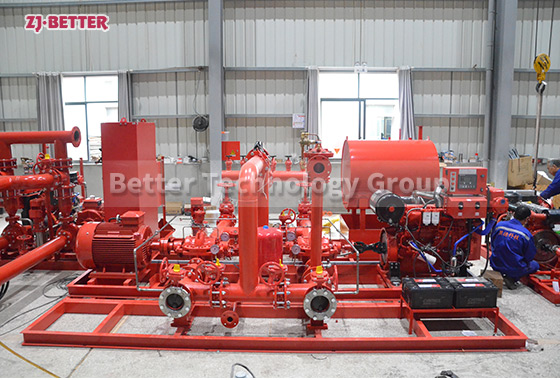
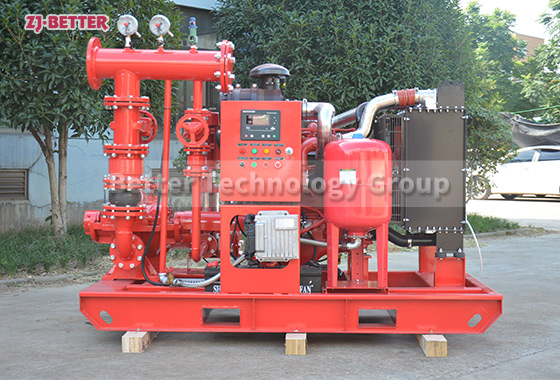
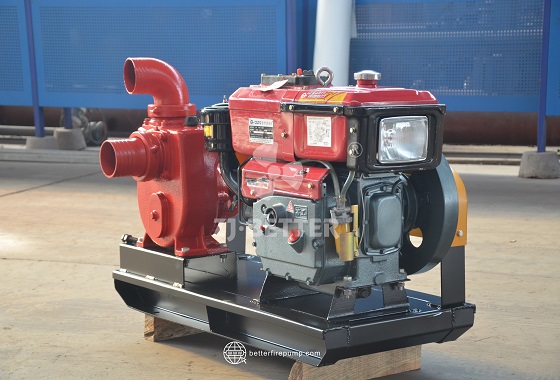
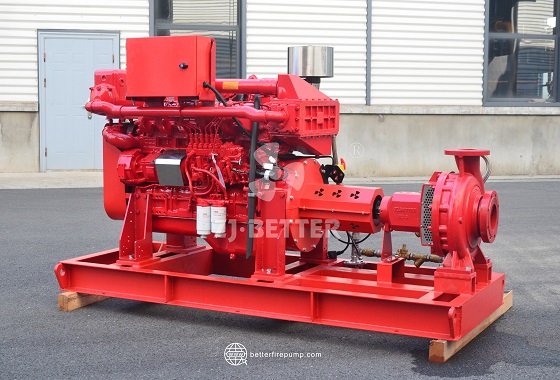
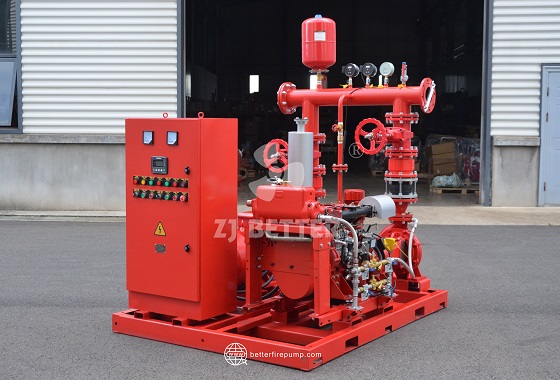
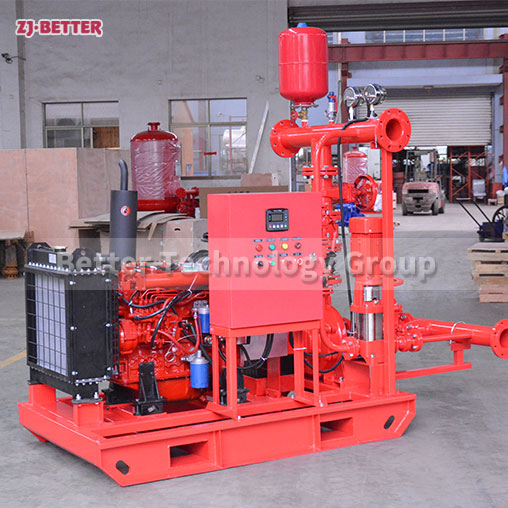
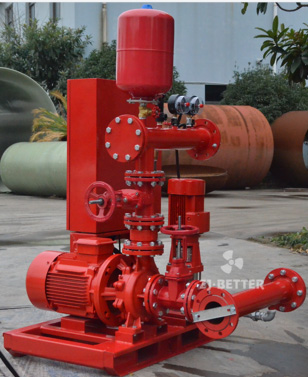
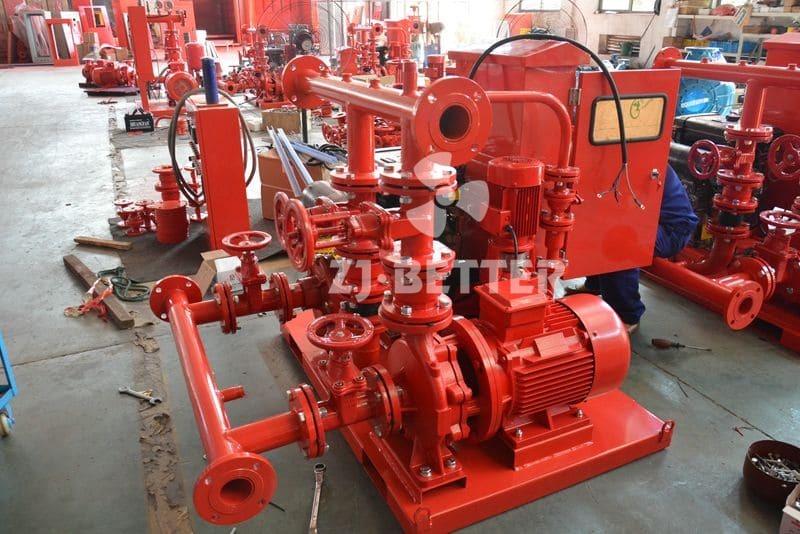
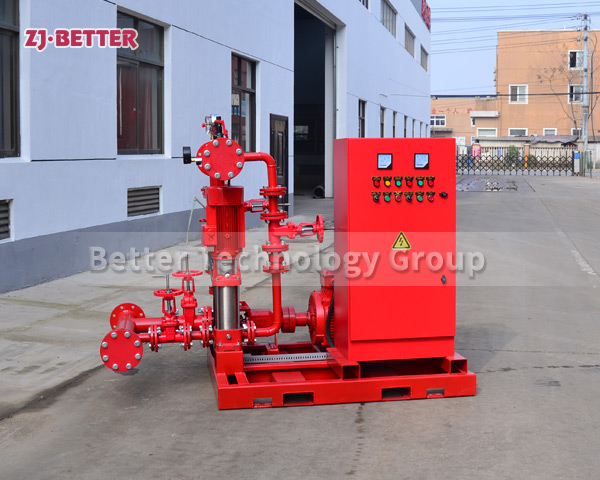
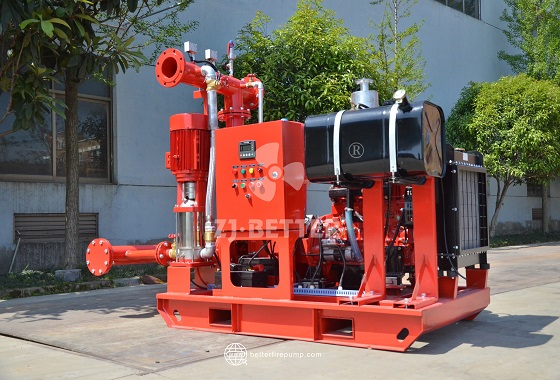
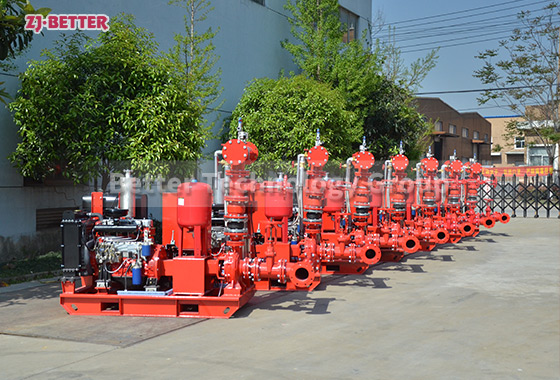
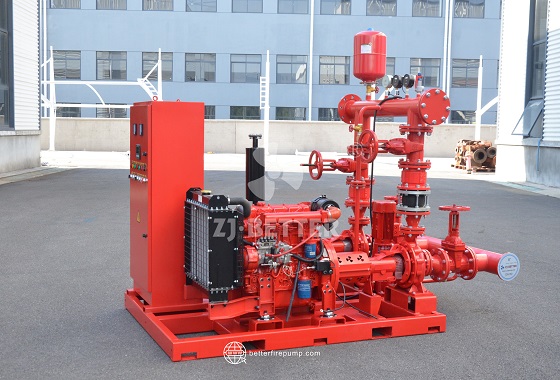
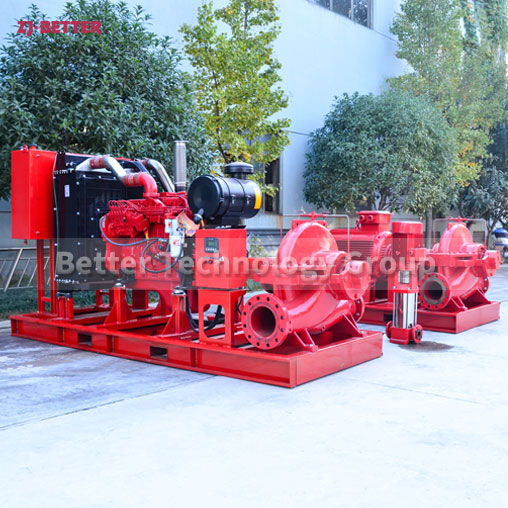
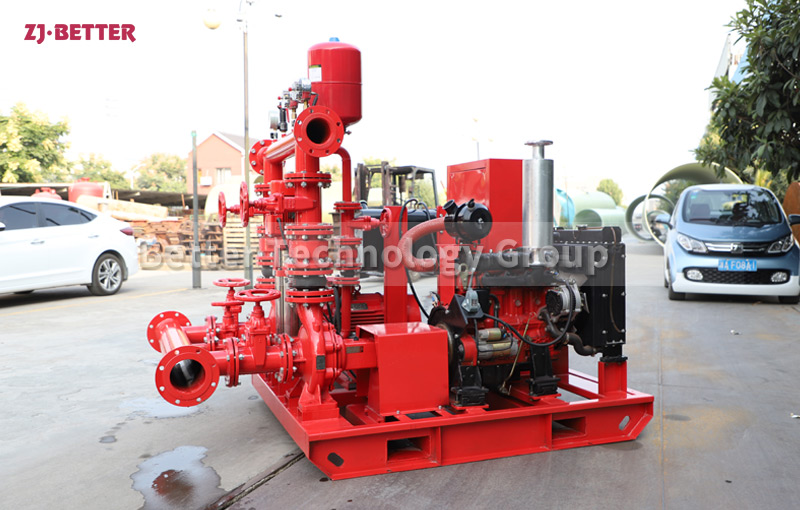
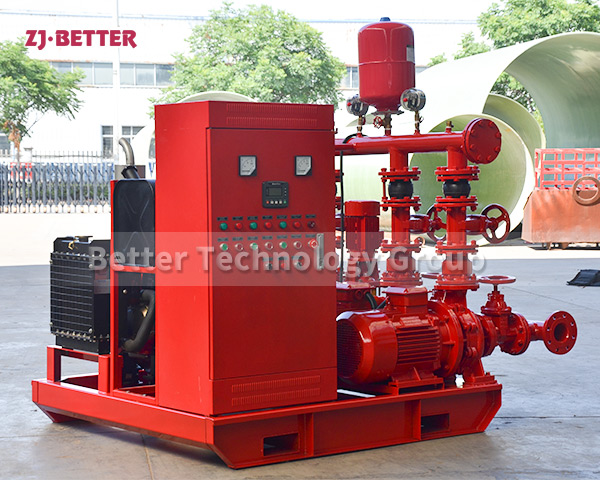
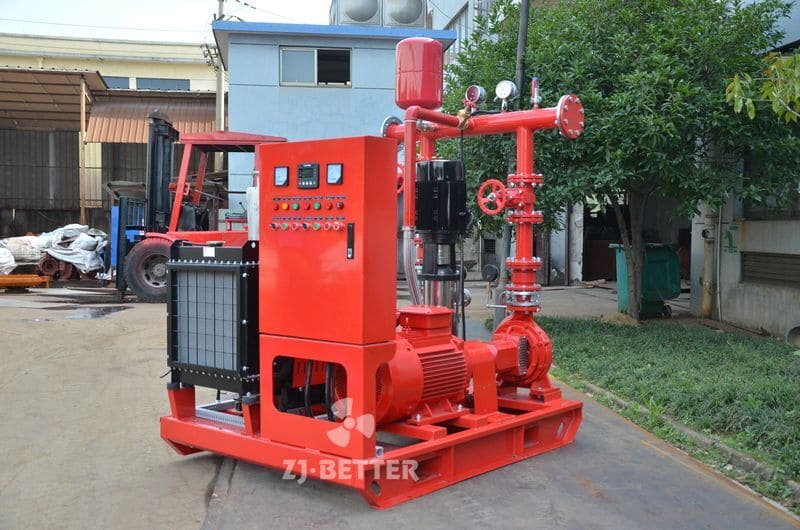
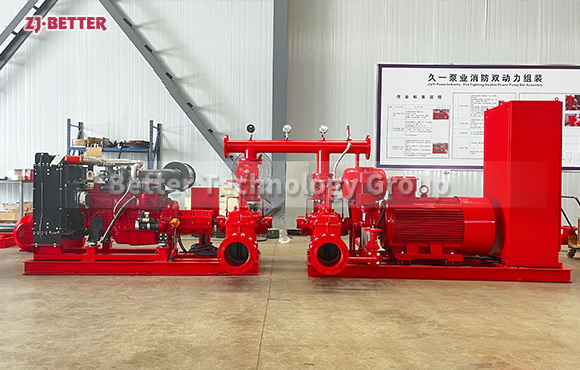
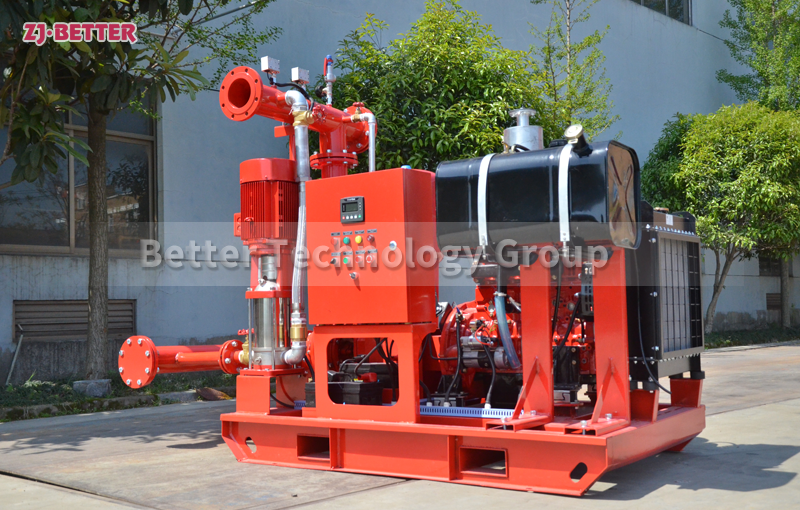
Diesel engine fire pumps are suitable for use in high lift and high flow fire water supply environments or as backup fire water supply pumps. The reason is that the diesel engine has strong power and can be used with large flow fire deep well pumps, and the diesel engine fire pumps have the characteristics of self-starting when power is off. Emergency water supply is available, so diesel engine fire pumps are favored.

Rated 5/5 based on 409 customer reviews
Share:
Content

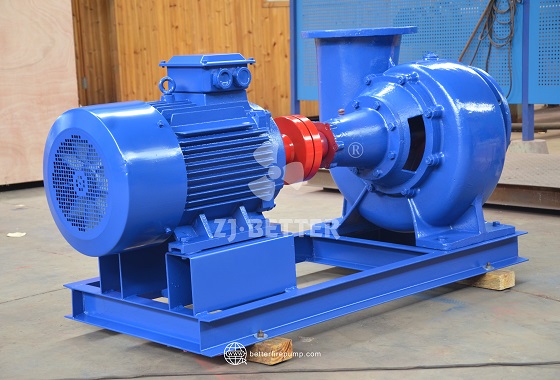
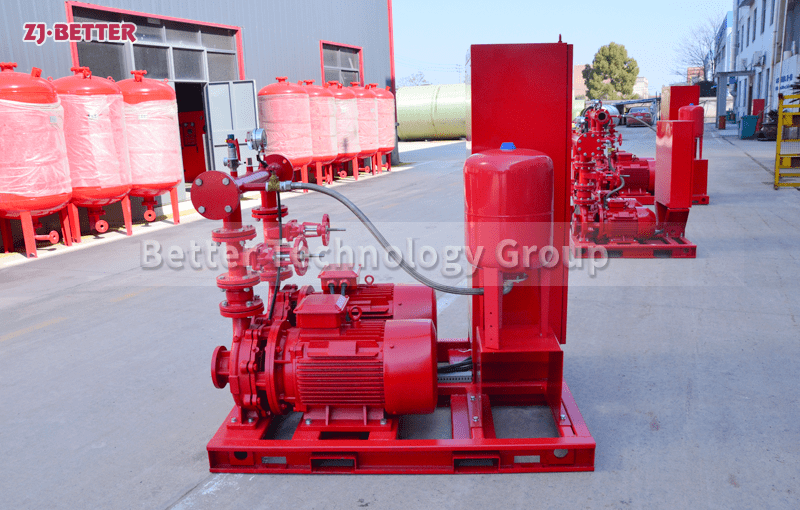
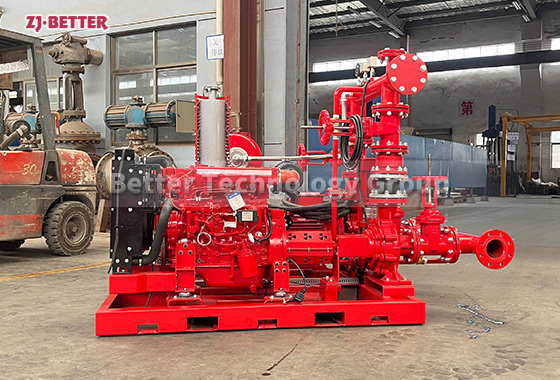
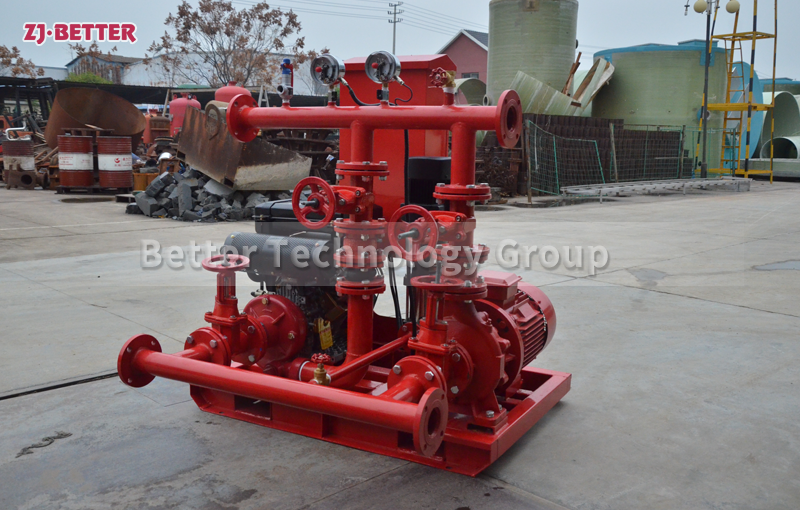
The housing of the diesel engine fire pump constitutes the working chamber of the pump. The impeller, shaft and rolling bearing are the rotors of the pump. Suspension bearing parts The supporting parts support the rotor parts of the pump, and the rolling bearings are subjected to the radial and axial forces of the pump. In order to balance the axial force of the diesel engine fire pump, most pumps have sealing rings at the front and rear of the impeller, and a balance hole on the back cover of the impeller. Because some pumps have little axial force, there is no seal on the back of the impeller. ring and balance hole. The axial sealing ring of the diesel engine fire pump is composed of packing gland, packing ring and packing to prevent air intake or large water leakage.
Inquiry


    More Fire Pump Set

    1. When the pipeline fire pump noise occurs, the most likely fault is the imbalance of the fire pump rotor. Since the water output of the fire pump mainly depends on the high-speed rotation of the rotor, when the rotor is unbalanced for some reason, it will cause the fire pump to deviate from the original rotation track during the rotation process, resulting in the fire pump appearing in the pipeline. When judging the failure of the rotor, it is mainly to replace the rotor of the pump or make a balance hole on the rotor blade of the pump to find out the balance difference.

    2. The production noise of the fire pump pipeline has a certain effect. For example, forcing a small flow of a pipe “fire pump” to increase power to increase the original flow will create vibrations in the fire pump. Therefore, whether you use a pipeline fire pump or other types of water pumps, you should follow the water pump use standards to prevent the water pump from making noise, which will affect the service life of the water pump. The solution is to use the pump according to the instructions. If the efficiency of use is affected, it is recommended to replace the appropriate pipeline “fire pump” for use.

    3. The installation did not meet the standards, resulting in abnormal noise from the pipeline fire pump. Fire pumps and fire hydrant pumps vibrate at a high frequency during operation, so they must be fixed during installation. If the bolt between the pump body and the base or between the base and the base is loose when installing the pipe fire pump, the transmission shaft between the pump body and the motor of the pipe pump will be bent. It lowered the concentricity and caused an imbalance in the fire pump rotor. This is one of the noise phenomena of fire pumps. In order to improve this phenomenon, the pump shaft of the fire pump needs to be balanced and then reinstalled. Finally, the base of the pump was reinforced.

    4. Blockage of the impeller passage can also cause fire pump noise. When the internal flow channel of the fire pump is blocked by foreign matter, it will cause uneven resistance of the fire pump impeller and vibrate the fire pump. Therefore, it is necessary to regularly disassemble and maintain the fire pump to prevent foreign matter from blocking the pipeline.

    5. The bearing of the fire pump is damaged. Bearing damage generally does not occur on the main body of an in-line fire pump. If there is a problem with the quality of the pump, or because some hard objects enter the pump body of the tube pump, the bearing is damaged, and the rotor is unstable at first. Causes noise from pipeline fire pumps.

    6. Finally, cavitation, cavitation occurs in any type of pump, but some are obviously not noticeable. If cavitation occurs, consider raising the fire pump or increasing the pressure in the piping. If the cavitation phenomenon cannot be changed, the fire pump model needs to be redesigned and replaced.