Home » Fire Pump Set » Several Common Control Methods Of XBC-OTS Diesel Fire Pump

Several Common Control Methods Of XBC-OTS Diesel Fire Pump

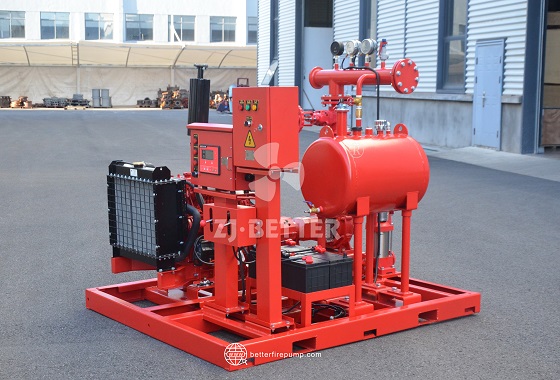
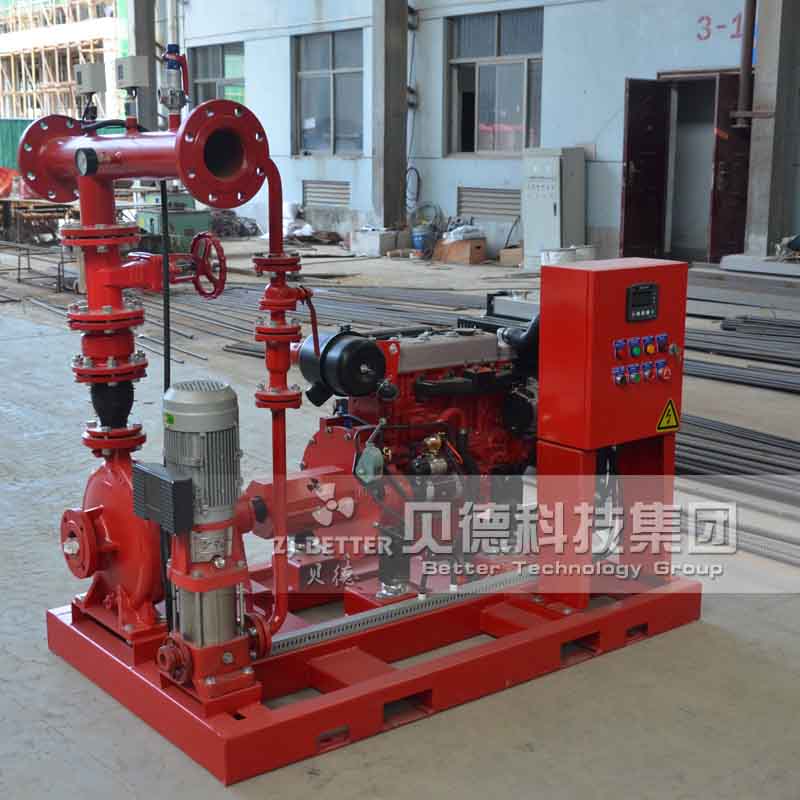
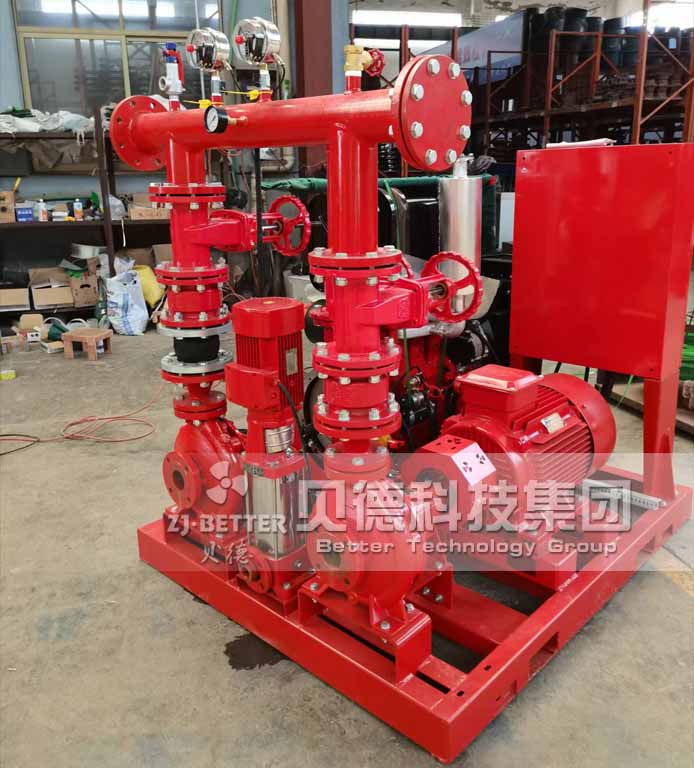
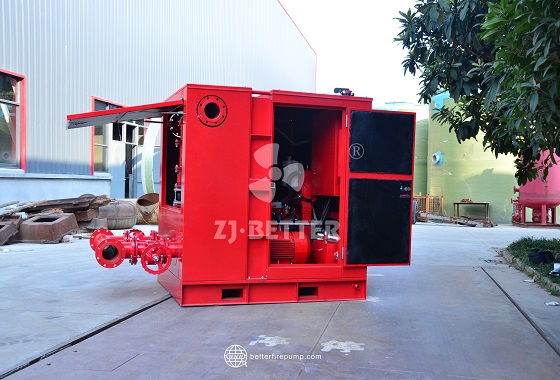
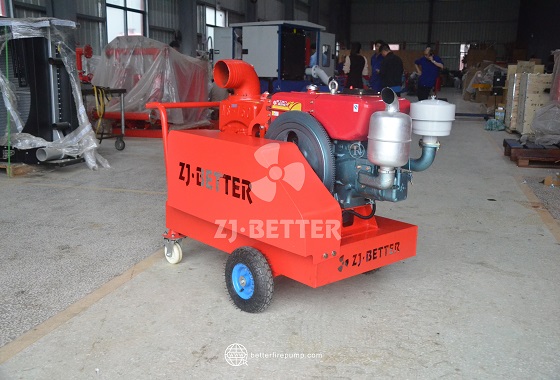
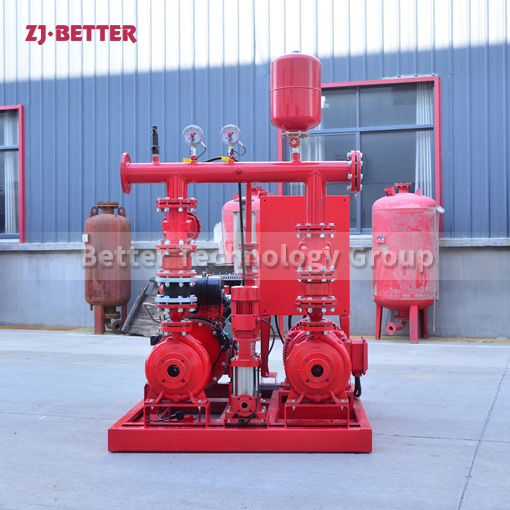
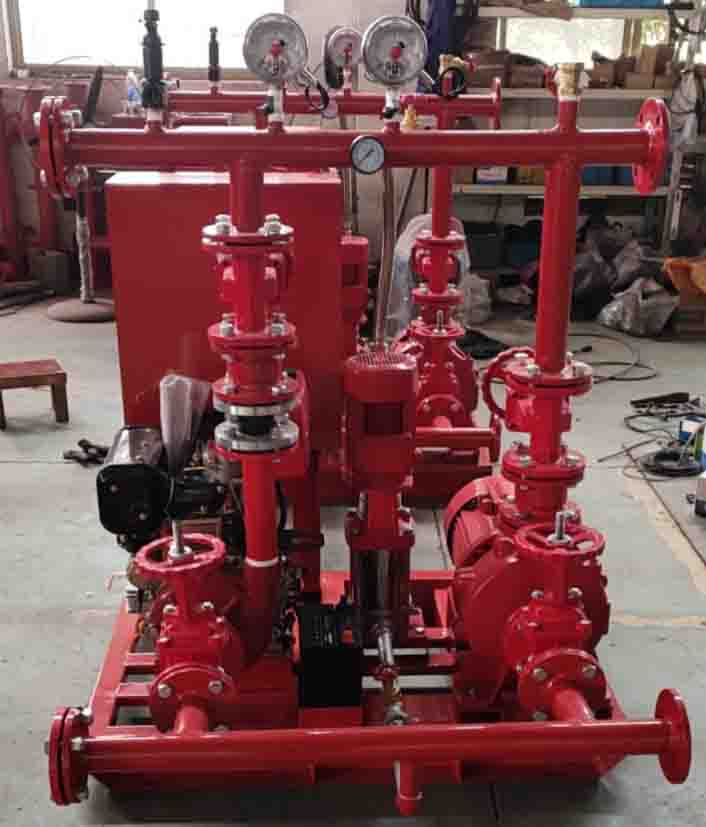
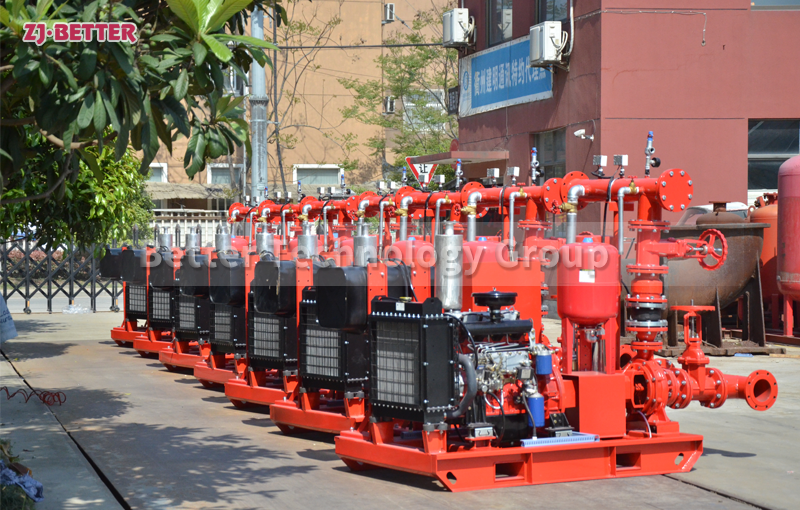
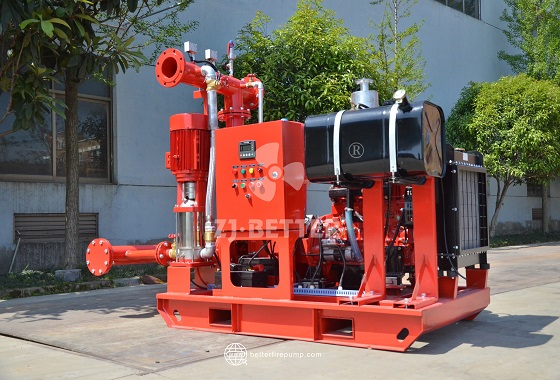
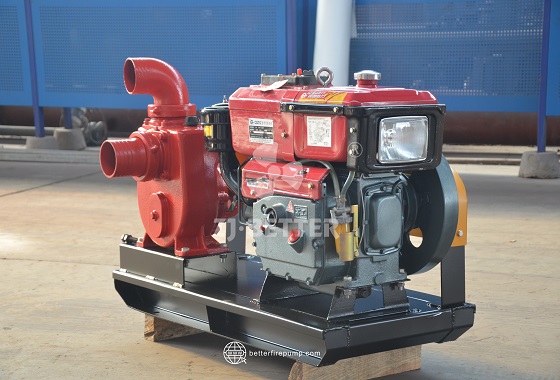
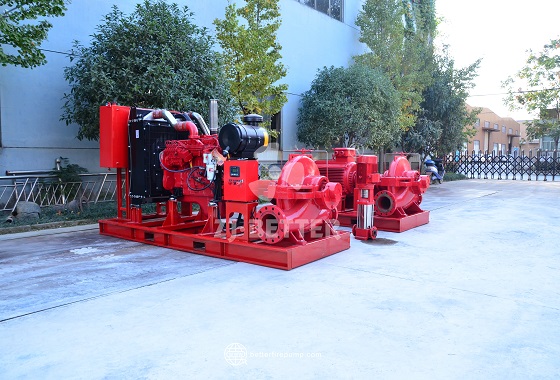
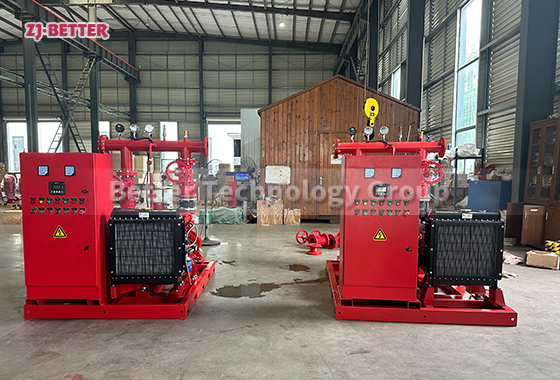
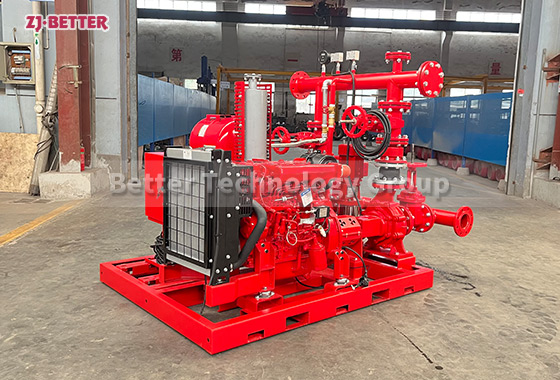
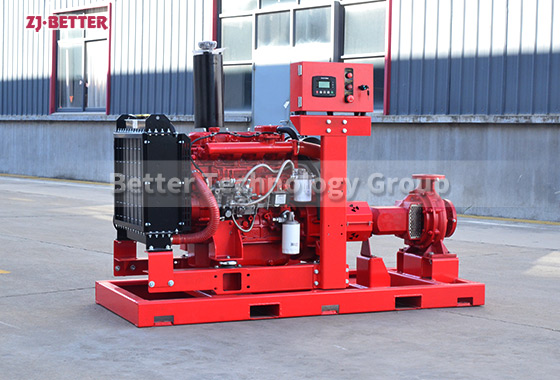
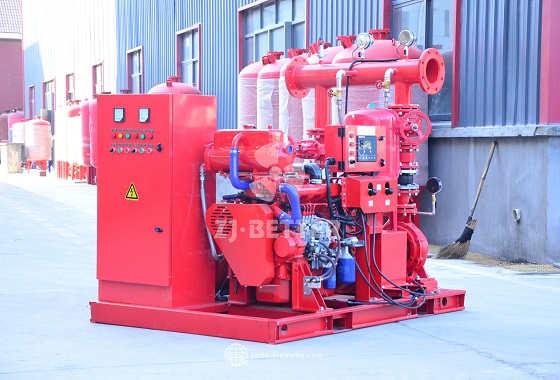
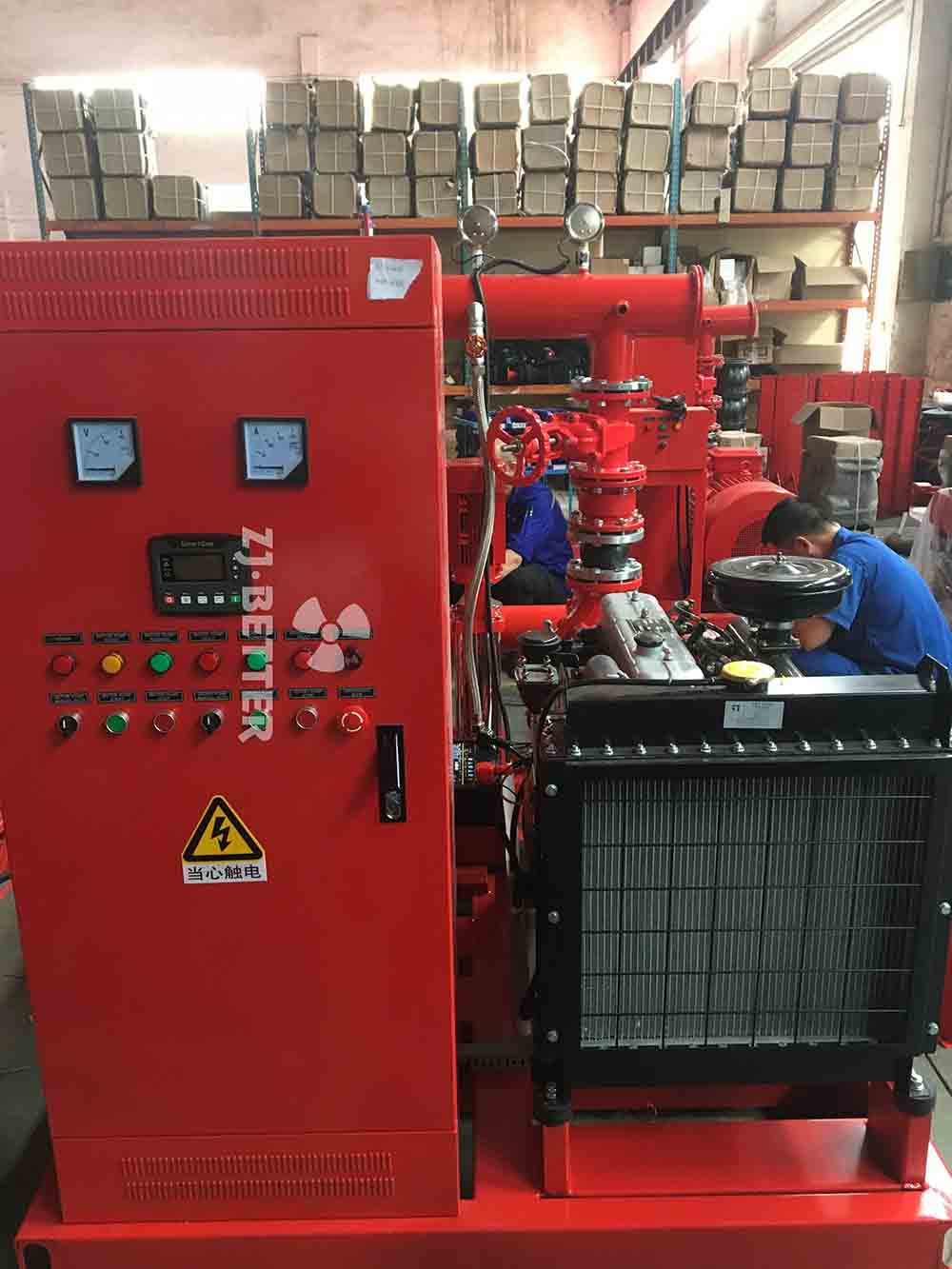
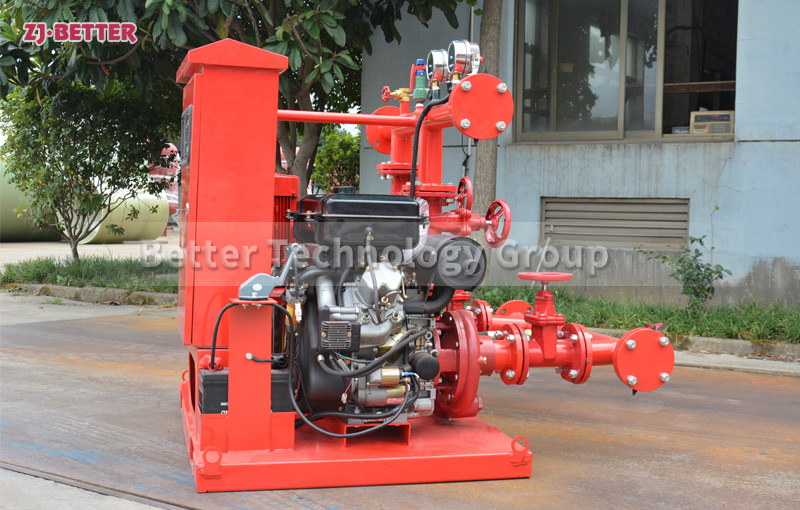
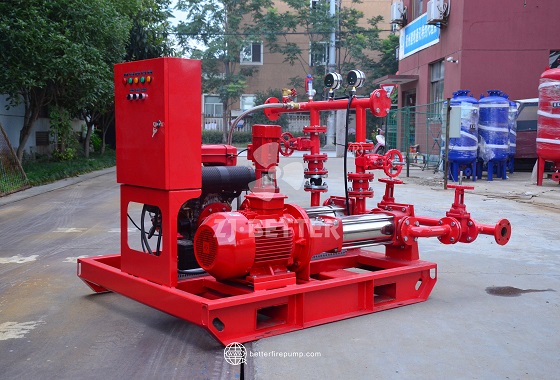
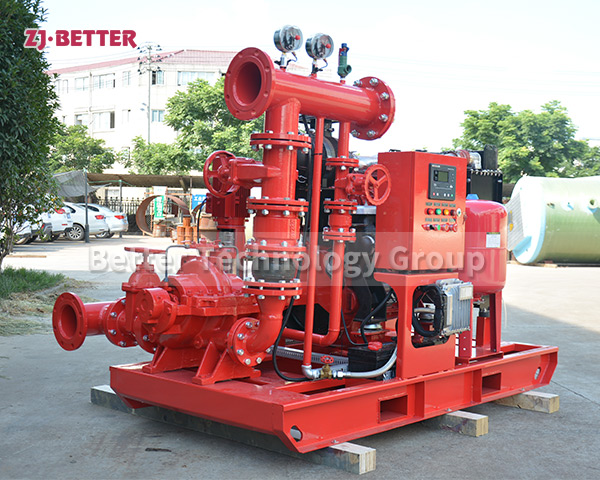
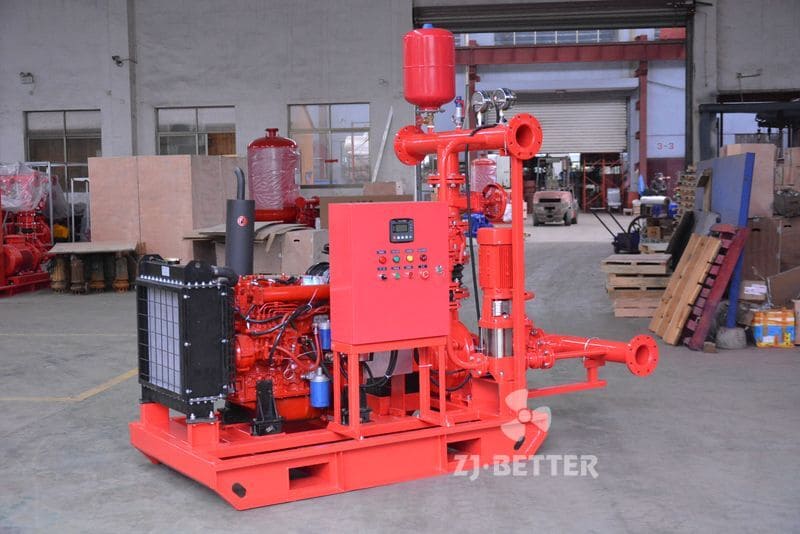
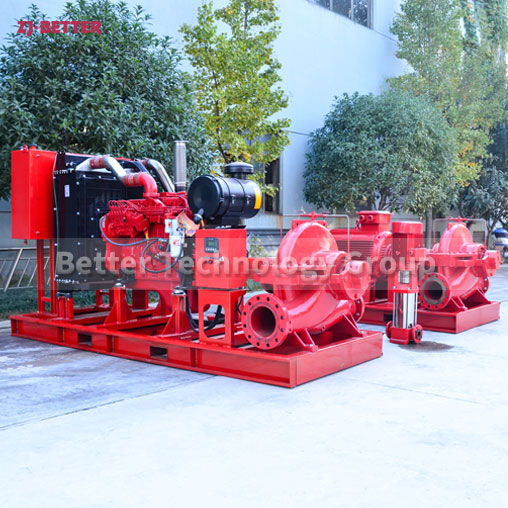
The application of diesel engine fire pump is also more and more extensive. Diesel engine fire pump is a common necessary facility. Only when the fire signal comes, and the electric water pump fails or the power supply is cut off, the diesel engine fire pump will automatically start. The diesel engine fire pump is installed together with the electrical instrument, with complete functions, compact structure, automatic fault alarm, accepting the starting signal, and can automatically complete the starting procedure and run at full load quickly. , enough to ensure that the diesel engine fire pump starts in a low temperature environment, the entire system of the diesel engine fire pump is safe, reliable, and easy to use.

Rated 4.7/5 based on 426 customer reviews
Share:
Content

Diesel engine fire pumps can be widely used in environmental protection, water treatment and fire protection departments to transport various liquids by using their own advantages. There are three common control methods for diesel engine fire pumps:
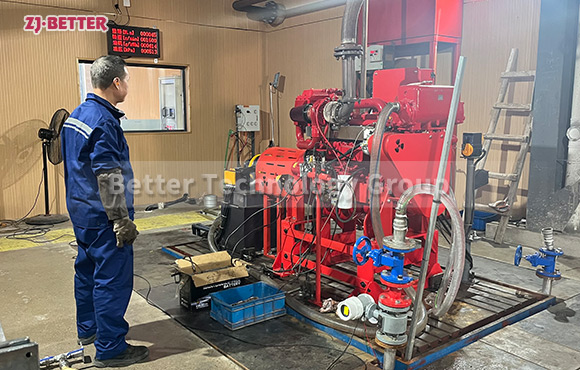
1. Manual control: The diesel engine fire pump is manually controlled by pressing the control button, and the operation process is automatically completed by the preset program.
2. Automatic control: When the diesel engine fire pump is affected by fire and pipeline pressure or other automatic control signals, the preset program of the diesel engine fire pump will be automatically completed.
3. Remote control: The computer will perform remote monitoring, remote control, remote communication and remote adjustment in real time through the network.
Inquiry


    More Fire Pump Set

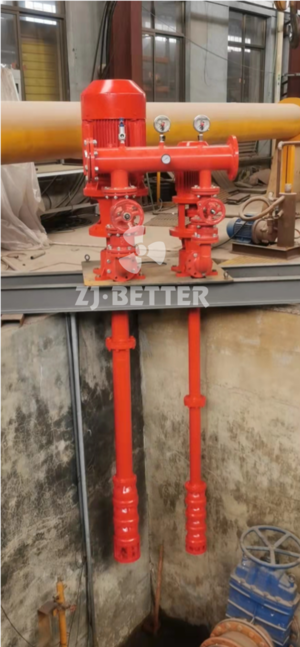
    There are many types of fire-fighting equipment, fire hydrants and fire extinguishers are a common category, and there is also a category of fire pumps, which can be described as the heart of the fire-fighting system and play an important role in pressurising the water supply for the fire-fighting system. Among the many fire pump products, fire pumps can be divided into multi-stage and single-stage fire pumps.

    Multi-stage pumps have high efficiency, corrosion resistance, reliable operation and other properties, strong bearing capacity of the pump body, strong resistance to overload and more sensitive start. Ltd. introduces you to the relevant features of multi-stage pumps. First of all, Shanghai Xizhiquan multi-stage pumps have a compact structure, with small spacing between parts and small volume. The equipment runs smoothly, has a long service life and produces less vibration during operation, so the practical life of the equipment is correspondingly long.

    With its unique structure, the direction of the water inlet and outlet can be adjusted according to different needs, so it is suitable for various place environments. The direction of the inlet and outlet is horizontal, which reduces the number of bends in the pipeline connection, thus simplifying the pipeline connection and greatly enhancing the efficiency of the fire fighting system.

    The efficient operation of the multistage pump is used in many larger, more demanding fire-fighting locations. Its role is mainly to play a role in the fire fighting pipeline system to pressurise and send water, multi-stage pumps are not only suitable for all kinds of fire fighting systems, but also for industrial drainage, high-rise building water pressure supply, long-distance water delivery, water circulation pressure and other occasions.

    1. Ability to provide a steady and reliable flow of water: Fire pumps are designed to provide a steady and reliable flow of water to the fire suppression system. This ensures that the fire is extinguished quickly and without any damage to the property.

    2. High-Pressure Output: Fire pumps can provide a high-pressure output to ensure that the water is able to reach further distances and at higher pressures than would be achievable by a standard water system. This is important in controlling and extinguishing fires, as it allows the water to reach all areas of the fire.

    3. Emergency Operation: Fire pumps are designed to be able to operate in the event of a power outage. This ensures that the fire suppression system can still be operational in the event of a power failure. This is especially important in commercial buildings and other areas where power outages can occur.

    4. Automatic Activation: Fire pumps are designed to automatically activate in the event of a fire. This ensures that the fire suppression system can be activated quickly and without any manual intervention. This is especially important in the event of a large fire, as it ensures that the system is already in operation before the fire department arrives.

    5. Low Maintenance: Fire pumps are designed to be low maintenance, requiring only regular inspections and maintenance to ensure that they are working correctly. This ensures that the fire suppression system is always ready for use and that it can be relied upon in the event of a fire.