Enclosed Fire Pump Systems for Remote Fire Water Supply Applications
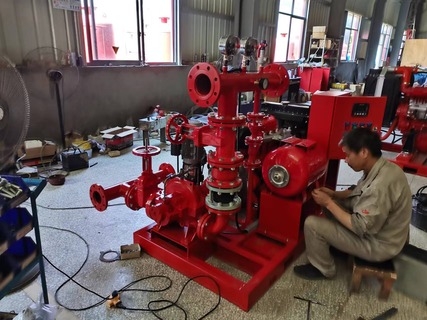
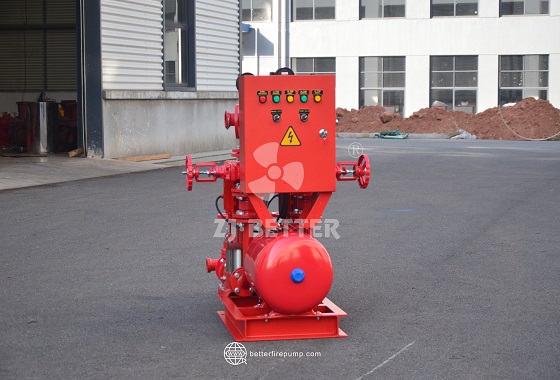
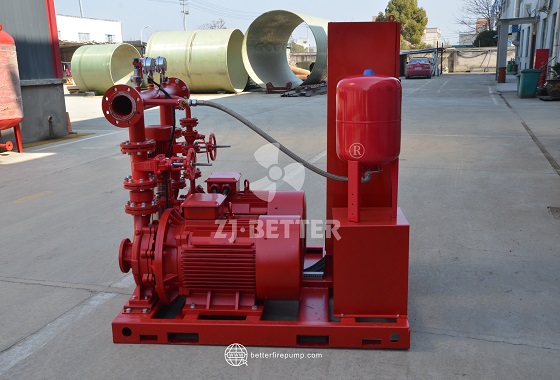
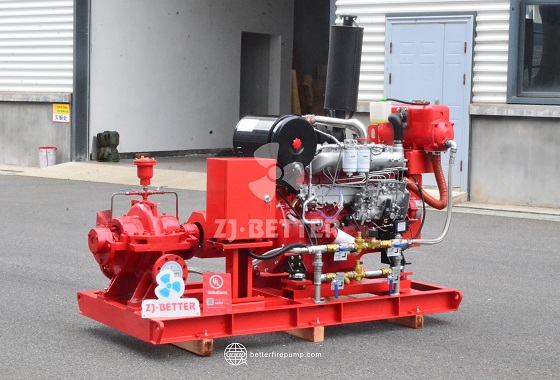
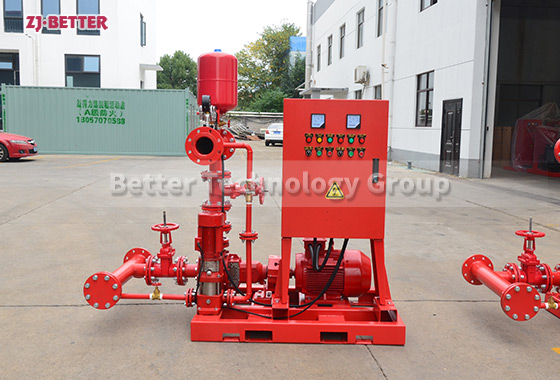
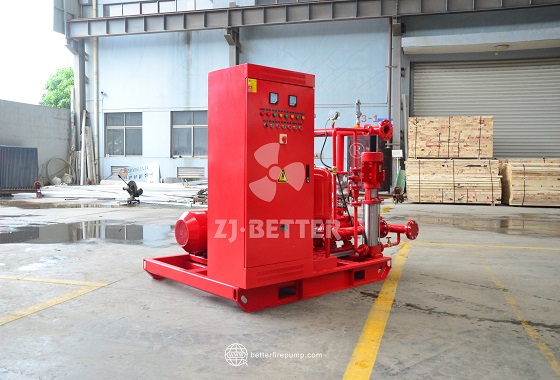
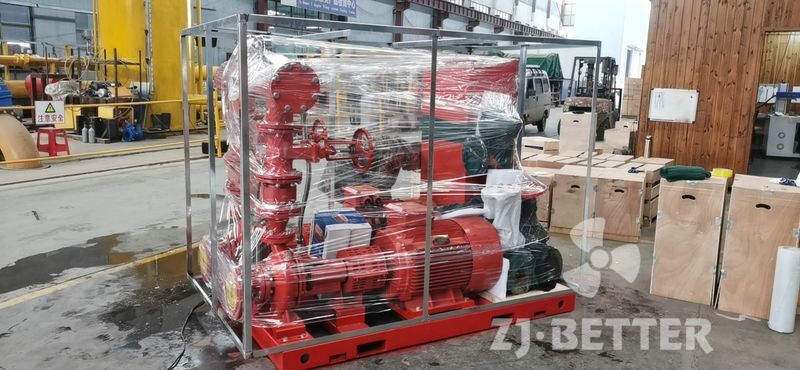
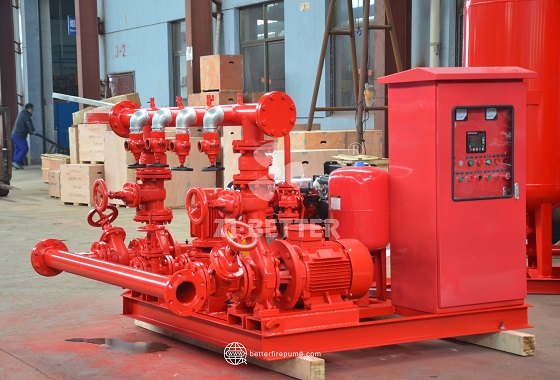
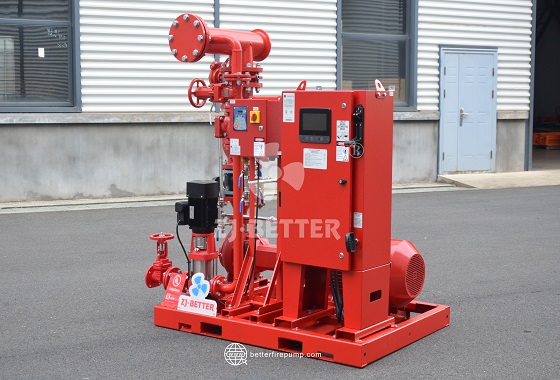
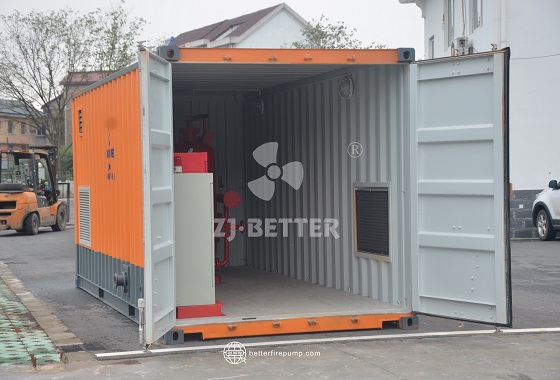
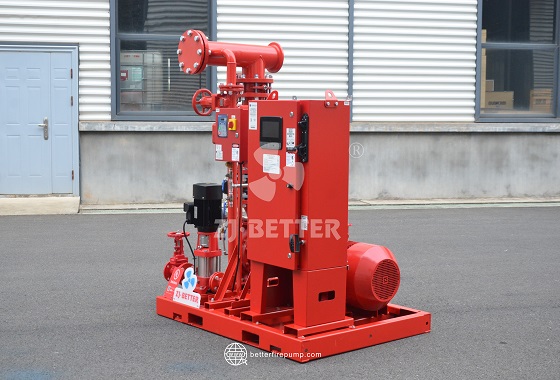
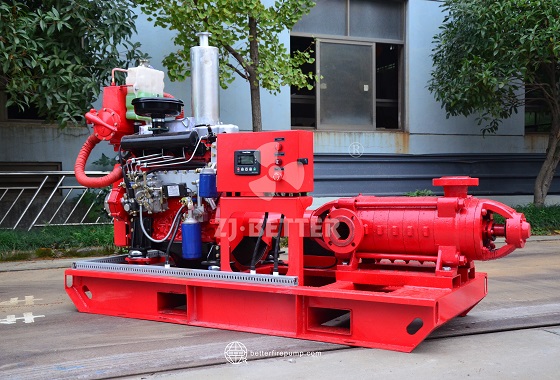
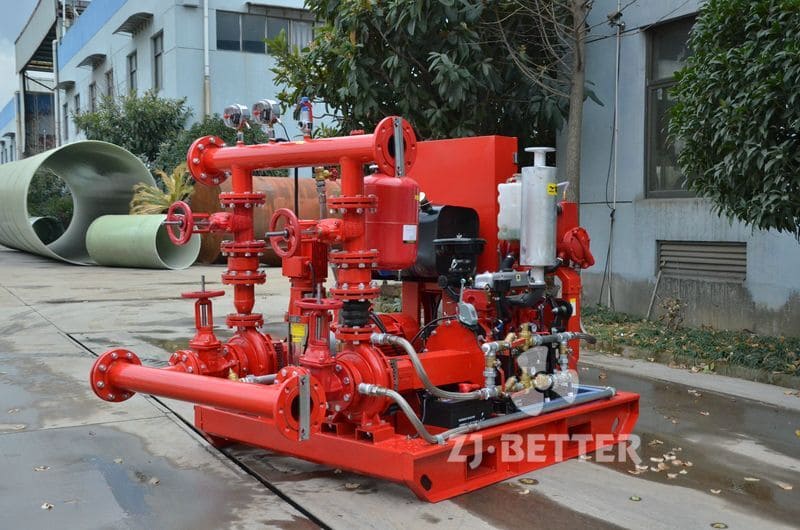
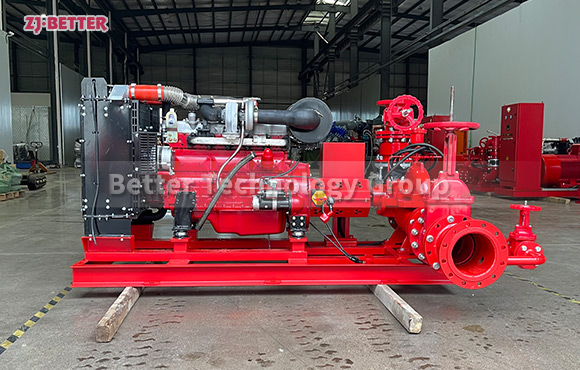
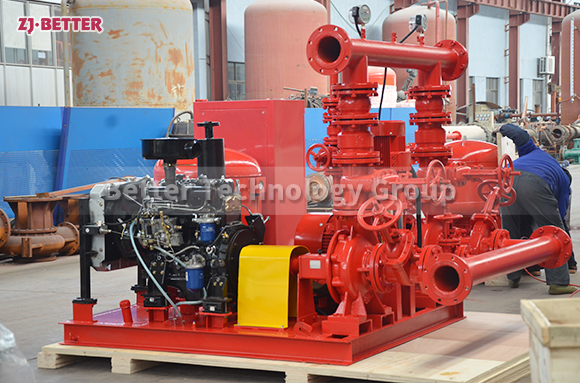
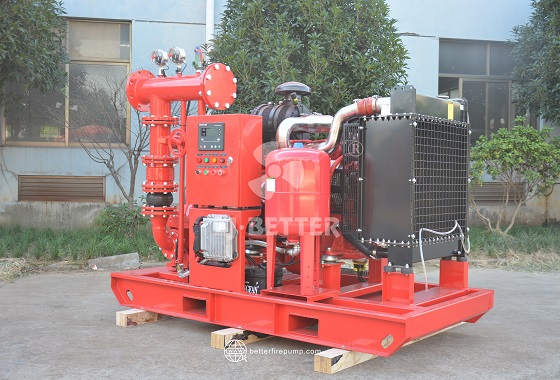
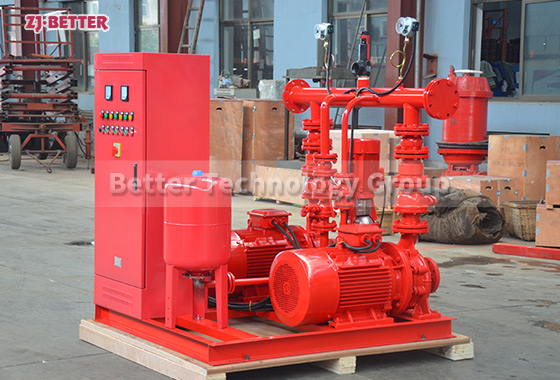
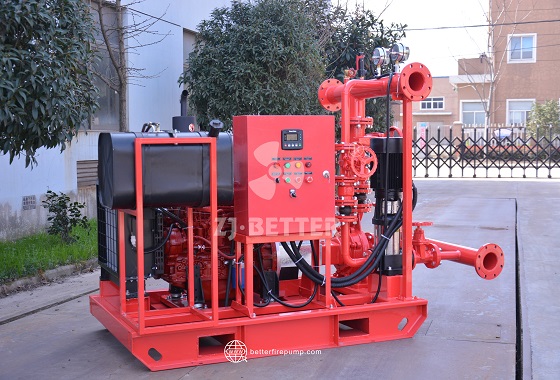
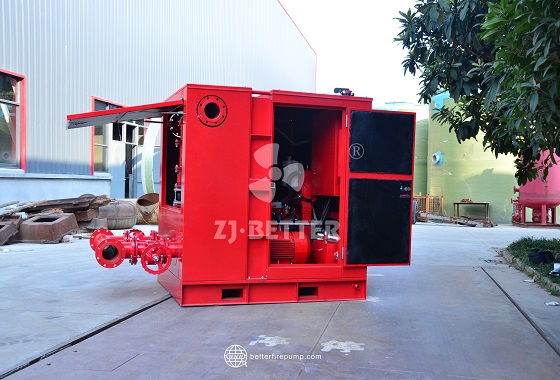
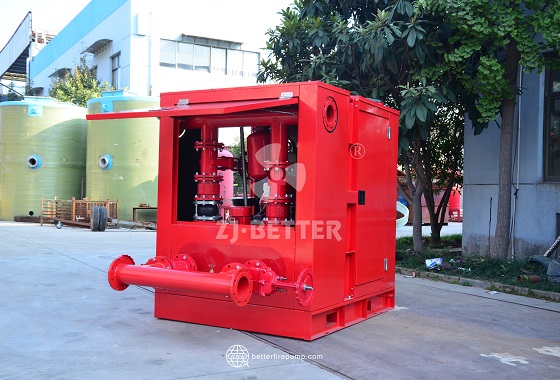
The integrated box-type fire pump system combines a diesel engine, fire pump, and control system into one unit. It features high reliability, large flow rate, high head, and rapid deployment, and is widely used in long-distance fire water supply, industrial fire protection projects, port terminals, and fire protection systems in remote areas.
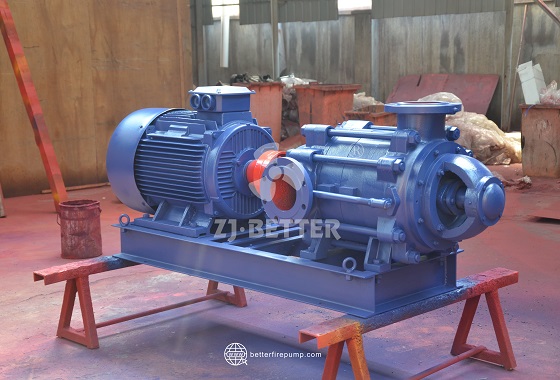
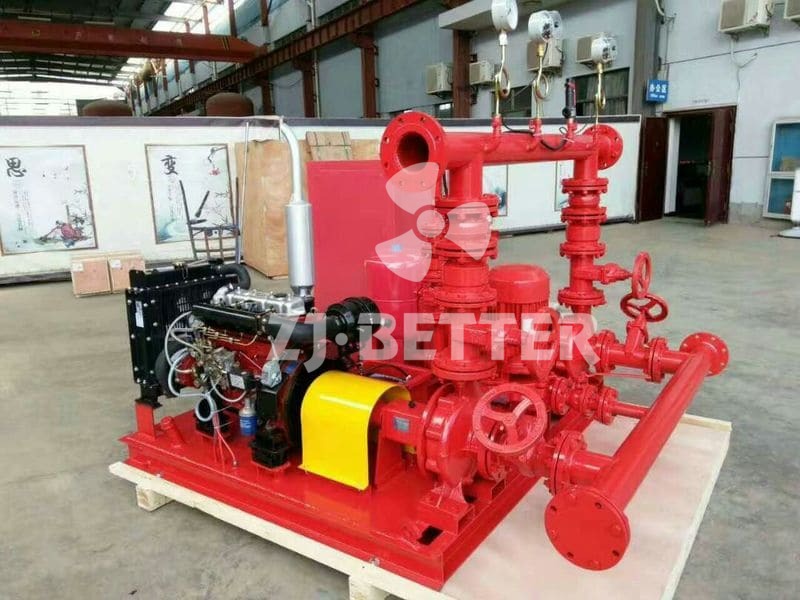
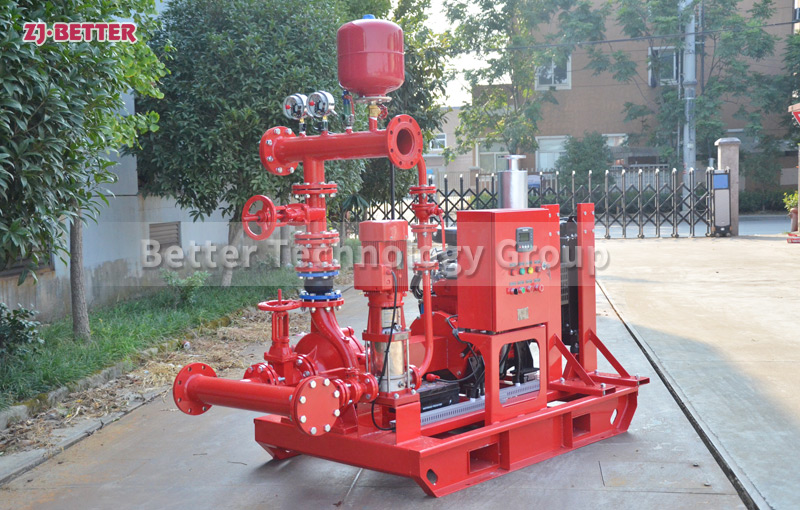
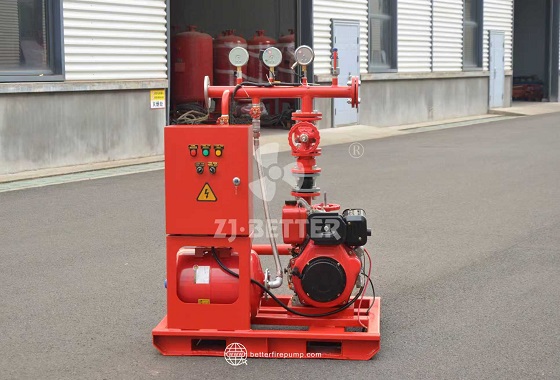
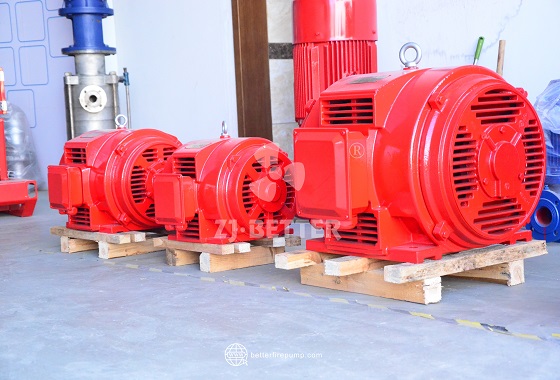
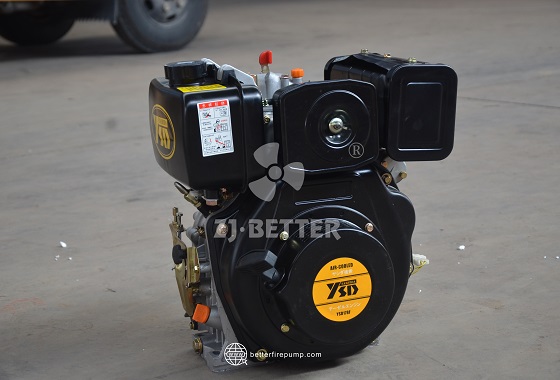
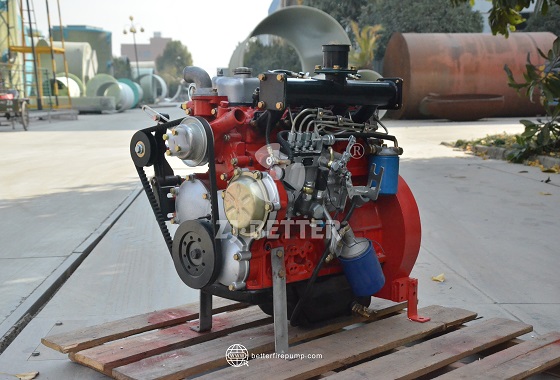
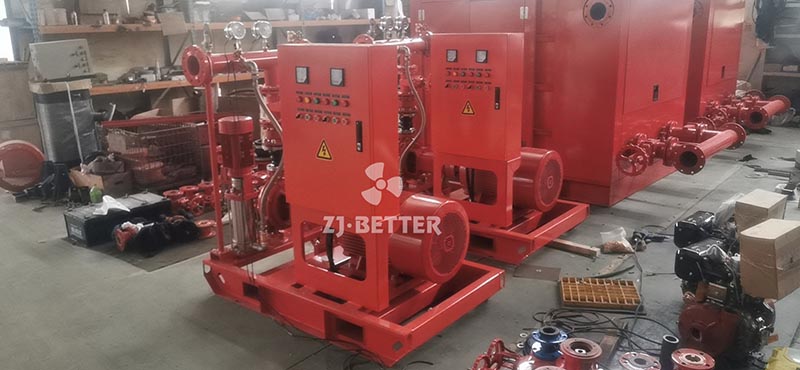
In modern fire protection engineering systems, a stable and reliable fire water supply system is a crucial infrastructure for ensuring the safety of people and property. With the accelerating pace of urbanization and the rapid development of industrial, energy, port, warehousing, and large-scale infrastructure projects, an increasing number of fire protection projects require fire systems to be established in areas far from urban pipe networks or with inadequate infrastructure. In these areas, traditional fixed fire pump stations have long construction cycles, complex construction processes, and require stable building conditions and supporting facilities. Integrated enclosure fire pump systems, through their highly integrated structural design, provide an efficient, reliable, and flexible solution for remote fire water supply. Integrated enclosure fire pump systems typically integrate core components such as diesel engines, fire pumps, hydraulic control systems, electrical control systems, fuel systems, and auxiliary equipment into a single enclosed enclosure structure. Equipment integration is completed through factory prefabrication and overall commissioning, allowing for rapid installation and operation upon arrival at the site. This integrated design not only significantly reduces on-site construction time but also effectively improves system installation quality and stability, enabling the fire protection system to be put into use in the shortest possible time. In long-distance fire water supply scenarios, such as oil fields, mining areas, ports, mountain industrial facilities, and large warehousing and logistics centers, traditional fire protection systems often struggle to provide sufficient fire-fighting water in a timely manner due to limited infrastructure or insufficient fire pipeline coverage. Integrated enclosure fire pump systems, however, can draw water from rivers, reservoirs, fire pools, or storage tanks and quickly establish water supply lines, providing a continuous and stable water source for the fire-fighting system, thus effectively improving emergency response capabilities. The core component of an integrated enclosure fire pump system typically uses a high-performance centrifugal fire pump. These pumps utilize advanced hydraulic model design and high-precision manufacturing technology to create a high-efficiency water flow channel between the impeller and pump body, achieving high flow rate, high head, and stable operation. In long-distance water supply systems, fire pumps need to maintain stable pressure output over long water pipelines; therefore, a high-efficiency pump structure plays a decisive role in the overall system’s performance. By optimizing hydraulic design, this type of fire pump can maintain stable flow and pressure under high load conditions, and also maintain high efficiency over a wide operating range, thereby reducing energy consumption and improving the overall system economy. The diesel engine, as the power source, is also a crucial component of the integrated enclosure fire pump system. Diesel power systems possess strong power output capabilities and excellent environmental adaptability, allowing independent operation in areas without power supply or with unstable power systems, which is particularly important for remote fire water supply systems. In remote areas or field industrial facilities, the power system may be affected or even completely interrupted in the event of a fire. Diesel-driven fire pumps can start quickly and operate continuously without external power, ensuring the fire water supply system remains effective. Furthermore, diesel engines exhibit excellent fuel economy, maintaining low fuel consumption during long-term operation, thus reducing equipment operating costs and extending continuous working time. To improve equipment reliability and automation, integrated enclosure fire pump systems are typically equipped with advanced automatic control systems. This system can monitor the fire pipeline pressure in real time using pressure sensors. When the system detects a pressure drop to a set value, it can automatically start the diesel engine and drive the fire pump to begin water supply, enabling a rapid response in the event of a fire. Meanwhile, the control system also possesses multiple protection functions, such as engine overspeed protection, low oil pressure protection, high-temperature cooling water protection, and battery voltage monitoring. These safety protection mechanisms effectively prevent equipment from operating under abnormal conditions, thereby improving the overall safety and reliability of the equipment. In remote fire-fighting water supply applications, the equipment often needs to be on standby for extended periods. Therefore, the system is typically equipped with an automatic charging device and a high-capacity battery to ensure that the diesel engine can start smoothly at any time. In addition, a large-capacity fuel storage system allows the equipment to maintain a stable fuel supply during long-term operation, thus meeting the needs of large-scale fire-fighting missions. The enclosure structure of the integrated box-type fire pump system is usually constructed with a high-strength steel structure, and its durability in outdoor environments is improved through anti-corrosion coatings and protective designs. The enclosure structure has good rainproof, dustproof, and sunproof capabilities, effectively protecting the internal equipment from harsh environmental conditions. In many remote areas, the equipment needs to be exposed to high temperature, low temperature, or high humidity environments for extended periods. Therefore, a reliable protective structure is crucial for ensuring stable operation of the equipment. Simultaneously, the enclosure structure is usually designed with a ventilation and heat dissipation system to ensure that the diesel engine and other equipment maintain good heat dissipation conditions during operation, thereby preventing the equipment performance from being affected by excessive temperature. To facilitate equipment maintenance and operation, the enclosure is typically equipped with multi-sided opening inspection doors, allowing technicians easy access for inspection and maintenance. The modular design also enables easy disassembly and replacement of system components, reducing maintenance time and improving maintainability. In remote fire water supply systems, integrated enclosure fire pump systems can be used independently or in conjunction with various fire protection facilities such as fire monitor systems, automatic sprinkler systems, fire hydrant systems, and foam extinguishing systems. By establishing a stable fire water supply network, they provide effective extinguishing water sources for different types of fires. In large industrial facilities or port projects, multiple fire pump units are often required to form a multi-stage water supply system. By operating in parallel or series, the water supply capacity can be increased to meet large-scale fire protection needs. Due to its highly integrated structure and excellent mobility, the integrated enclosure fire pump system demonstrates significant application value in these complex fire protection projects. Furthermore, the integrated enclosure fire pump system also offers significant advantages in installation and transportation. Because the equipment is fully assembled and debugged before leaving the factory, it only requires simple basic installation and pipe connection after being transported to the site, significantly shortening the construction cycle of the fire protection system. This rapid deployment capability is particularly important in some emergency projects or temporary fire protection systems. With the continuous development of modern fire protection technology, integrated enclosure fire pump systems are also constantly undergoing technological upgrades. For example, by adopting more efficient pump designs to improve system water supply capacity, by using intelligent control systems to achieve remote monitoring and automatic operation management, and by optimizing the structure to reduce equipment noise and vibration levels, these technological advancements enable integrated enclosure fire pump systems to better adapt to the future development needs of fire protection engineering. Overall, integrated enclosure fire pump systems, with their integrated structural design, high reliability, and rapid deployment advantages, are playing an increasingly important role in the field of remote fire water supply. Whether in industrial parks, energy facilities, ports and docks, or large-scale projects in remote areas, this type of system can provide stable and reliable water supply for fire protection engineering. With the increasing global demands for fire safety and the continuous development of infrastructure construction, integrated enclosure fire pump systems will play an increasingly important role in future fire protection projects, providing efficient, stable, and safe solutions for fire water supply needs in various complex environments.