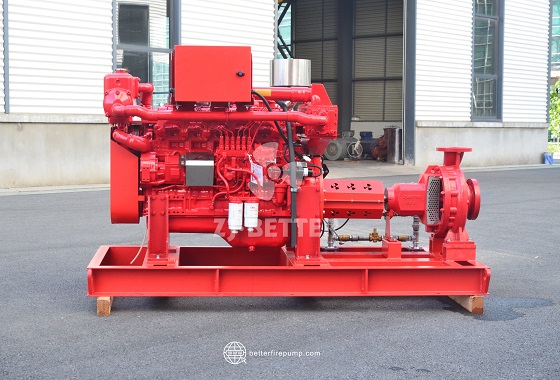
Skid-Mounted Diesel Fire Pump System for Emergency and Fixed Installations
The skid-mounted diesel fire pump system is designed for use in fixed fire protection systems and emergency water supply scenarios. Boasting advantages such as rapid deployment, independent power supply, efficient water delivery, and stable operation, it is widely utilized in fire protection projects across industrial, municipal, and large-scale infrastructure sectors.
In the context of modern fire engineering construction and industrial safety assurance systems, the reliability, deployment efficiency, and environmental adaptability of fire water supply equipment directly determine the emergency response capability of the entire fire protection system. This is particularly critical in large-scale industrial parks, petrochemical facilities, ports and terminals, warehousing and logistics centers, high-rise buildings, and infrastructure projects; should a fire break out, a continuous and stable fire water supply is the key to controlling the spread of the blaze and minimizing property damage. Consequently, skid-mounted diesel fire pump systems—which combine rapid deployment capabilities with long-term operational stability—are progressively becoming a core component in numerous fire protection projects. By integrating the diesel power system, high-efficiency centrifugal fire pump, control system, valve manifold, and base platform into a single unified design, this type of equipment not only meets the long-term operational requirements of fixed fire protection systems but is also highly suitable for temporary emergency water supply scenarios, offering immense practical value and promising market prospects within the modern fire protection sector.
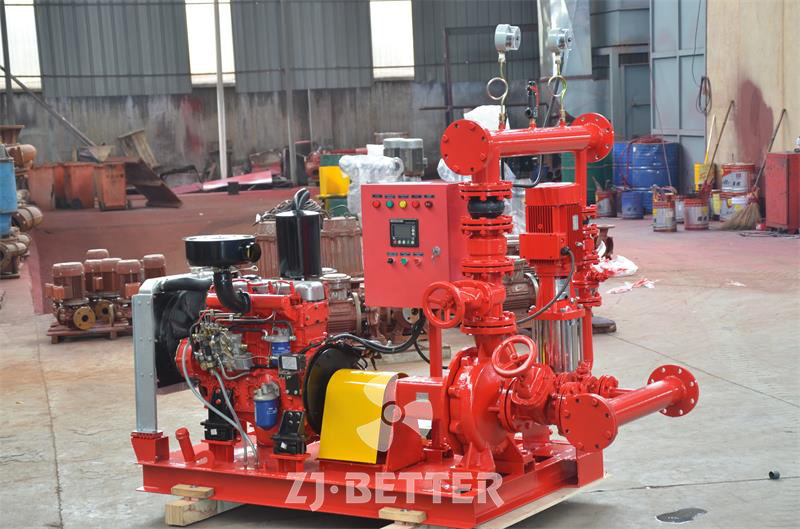
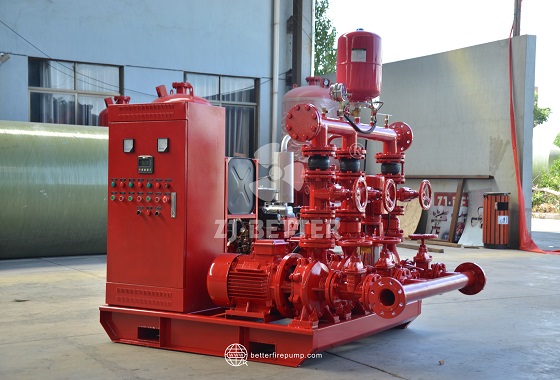
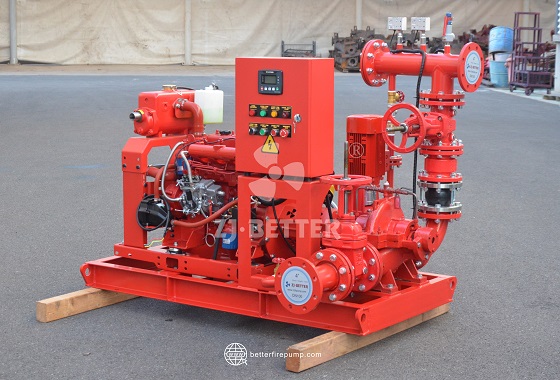
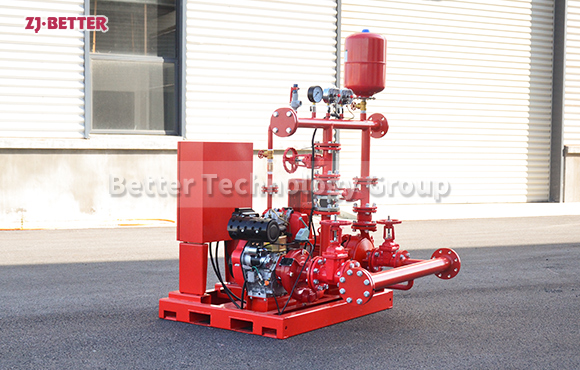
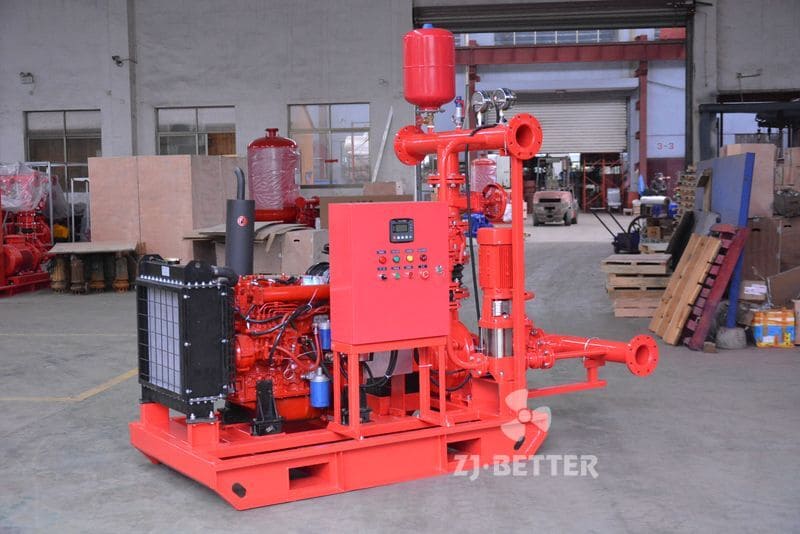
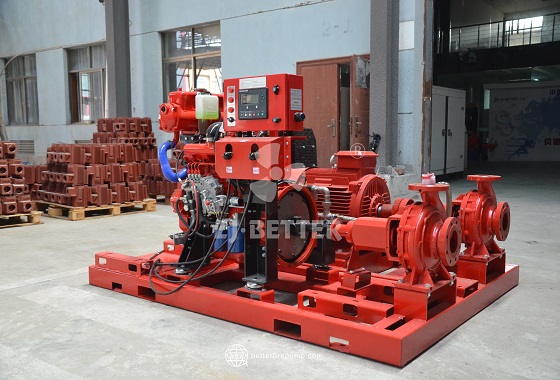
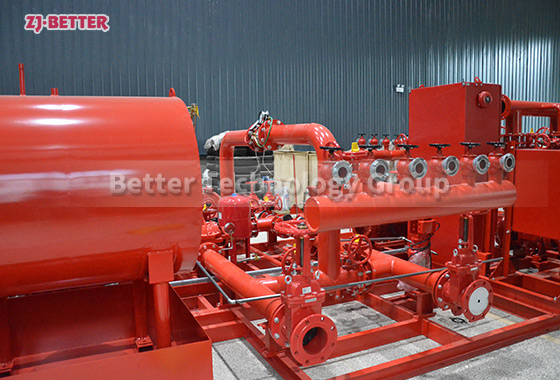
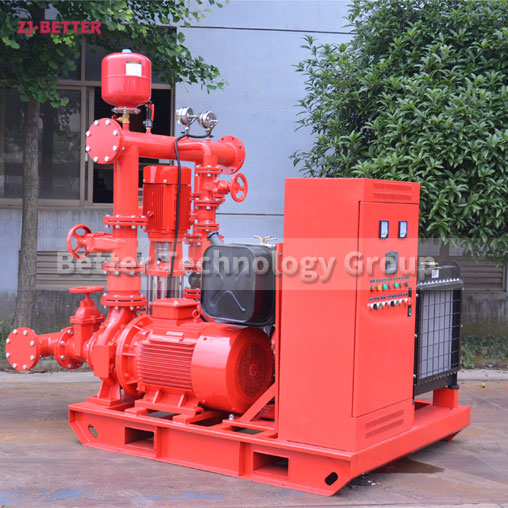
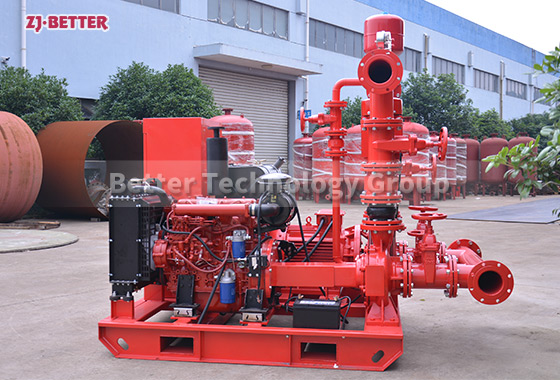
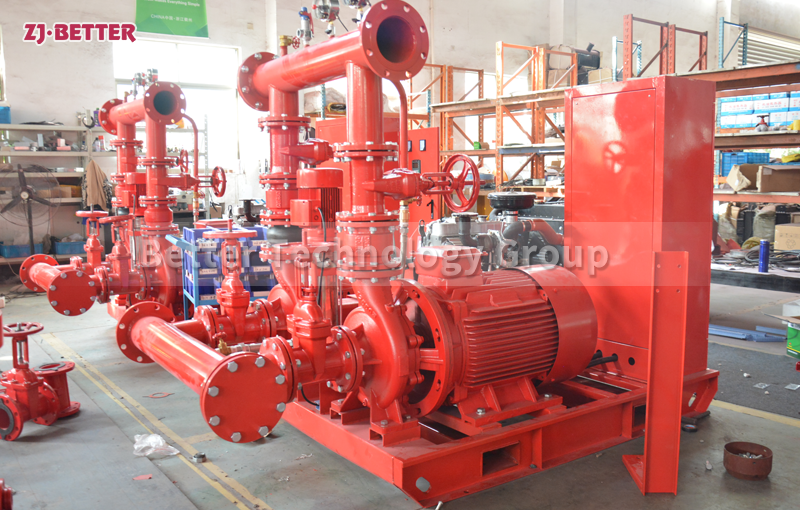
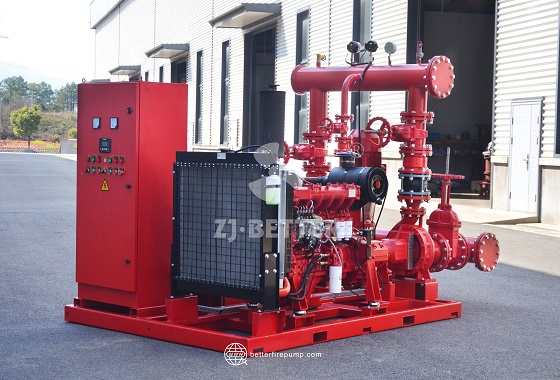
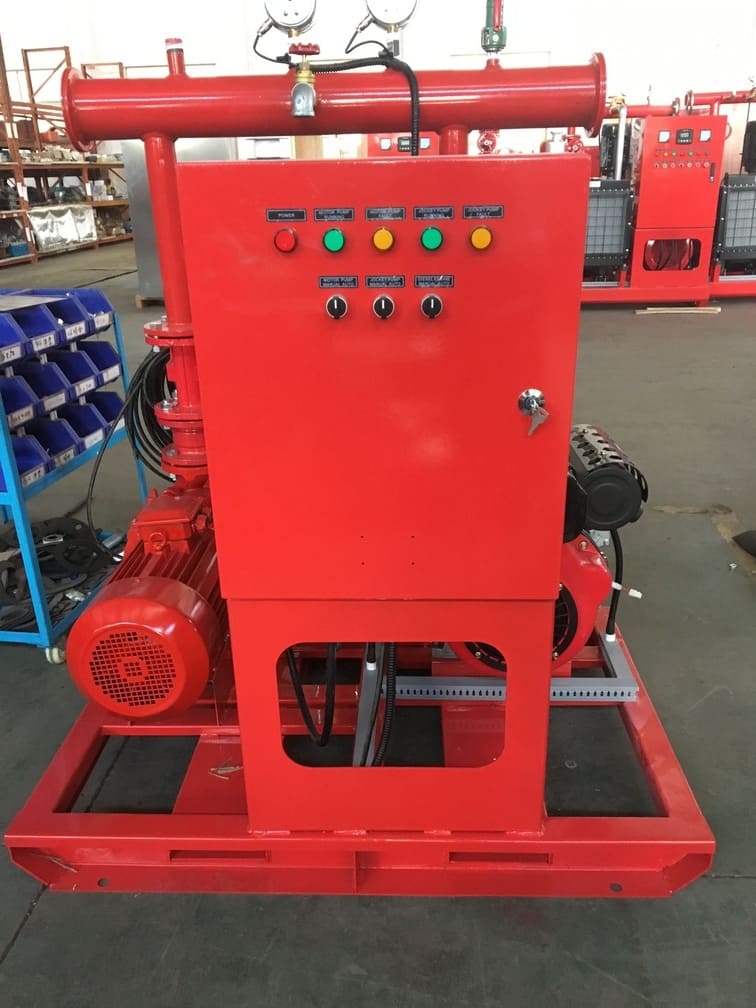
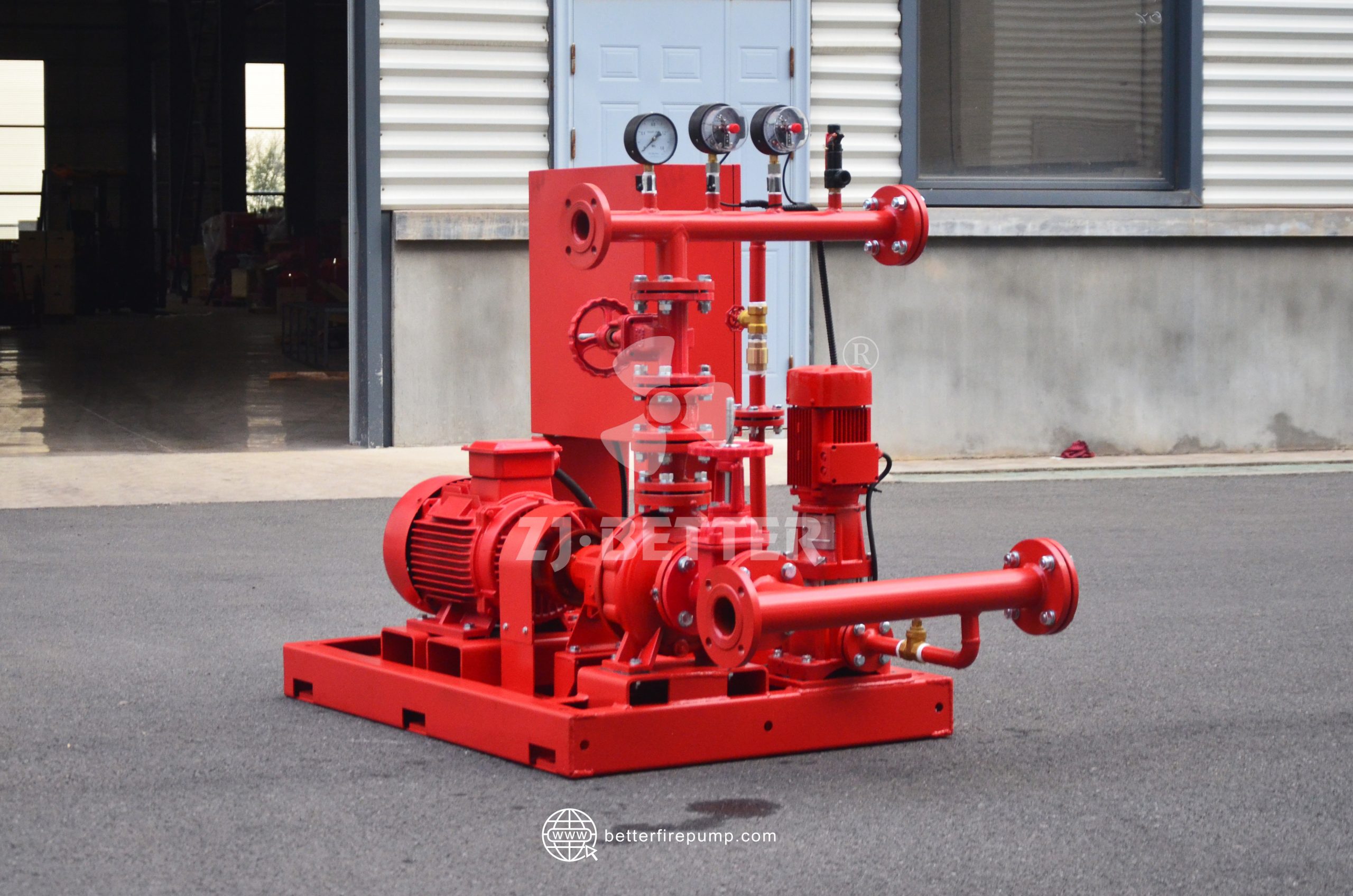
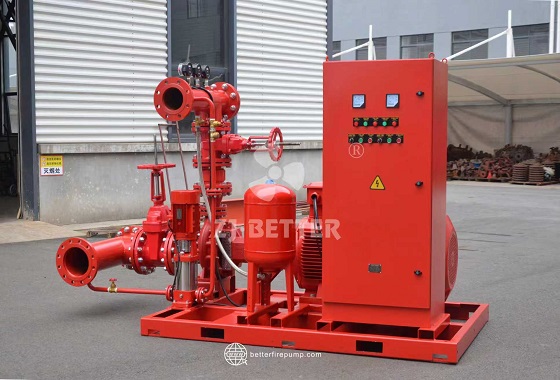
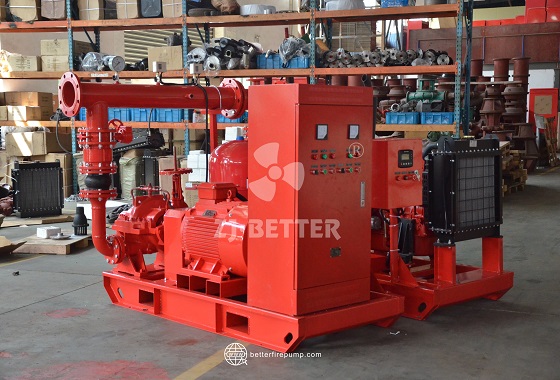
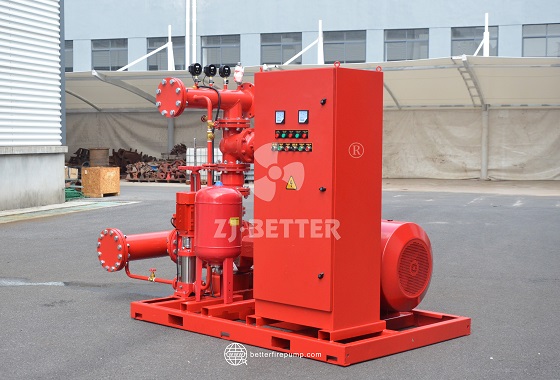
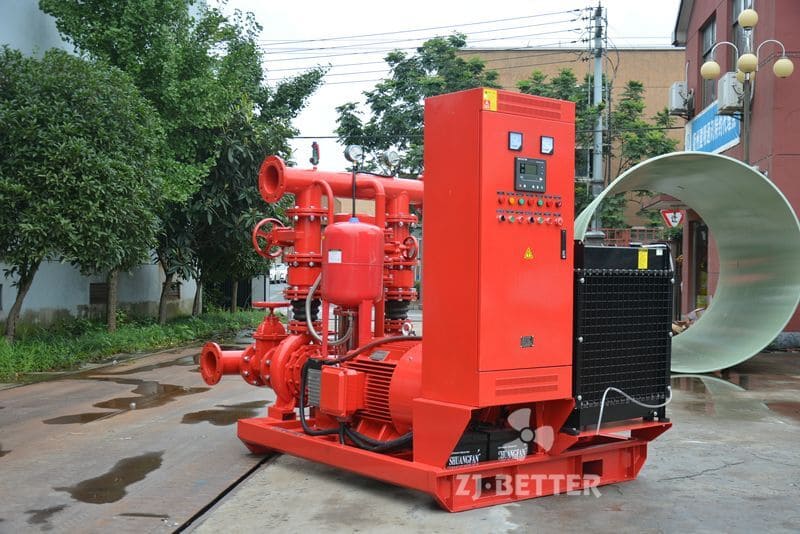
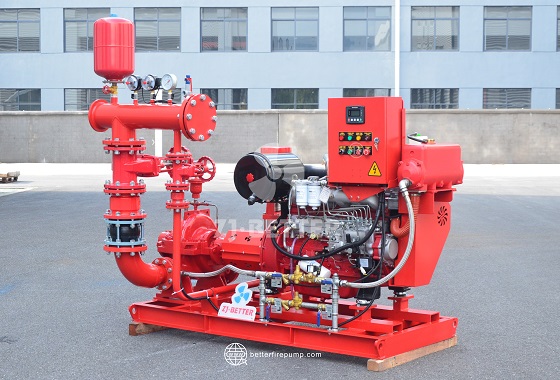
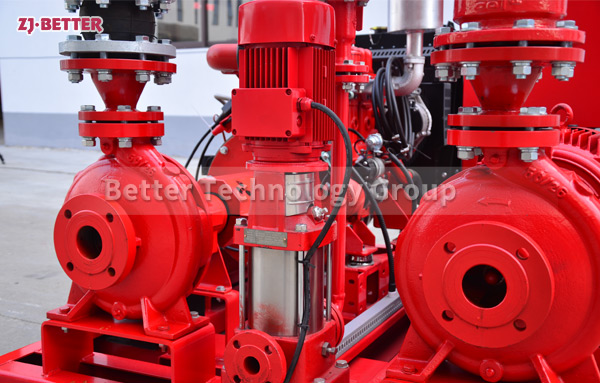
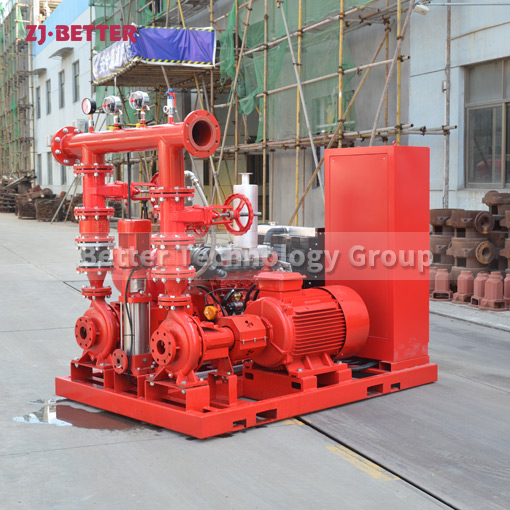
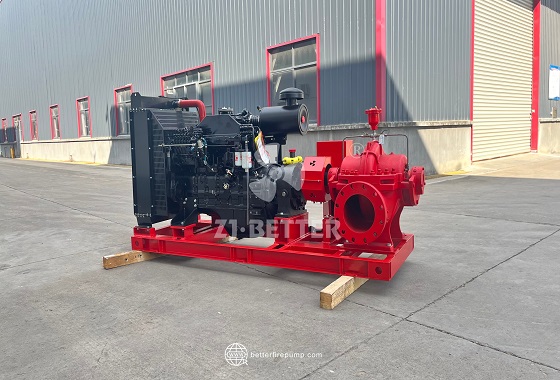
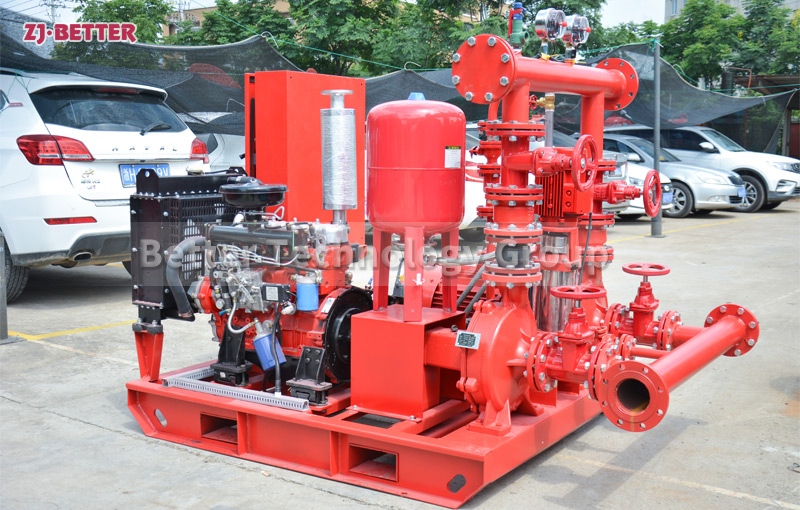
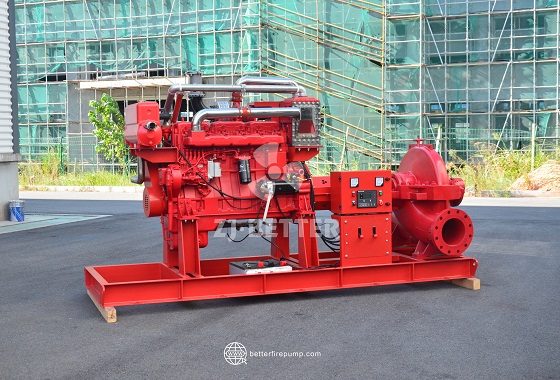
The primary advantage of the skid-mounted diesel fire pump system lies, first and foremost, in its highly integrated, unified structural design. The complete unit typically mounts the diesel engine, fire pump body, couplings, control cabinet, inlet and outlet piping, and base frame onto a single high-strength steel skid, forming a self-contained, modular unit. Comprehensive commissioning and performance testing are completed at the factory prior to shipment; consequently, on-site installation requires only basic anchoring and the connection of inlet and outlet water lines to bring the system online rapidly. This modular design significantly shortens the on-site construction cycle, minimizes installation errors, and reduces labor costs. It is particularly well-suited for engineering projects requiring rapid delivery as well as for temporary fire water supply missions—such as those at construction sites, mining operations, temporary fuel depots, and emergency rescue stations. Compared to traditional split-system fire pumps, the skid-mounted structure is more compact, occupies a smaller footprint, and facilitates easier transportation and hoisting, thereby enabling efficient deployment even within limited spatial constraints.
In terms of power systems, the skid-mounted diesel fire pump utilizes a high-performance diesel engine as an independent power source, endowing the equipment with exceptional emergency backup capabilities. Unlike electric fire pumps, the diesel-driven system does not rely on the municipal power grid; thus, it can start up rapidly and maintain a continuous water supply even in the event of a power outage caused by a fire, a complete grid failure, or in remote regions lacking electrical infrastructure. This specific feature is of paramount importance in industrial fire protection and emergency rescue scenarios. Diesel engines offer distinct advantages, including stable torque output, robust power, and exceptional continuous-operation capabilities; they can operate steadily for extended periods under high-load conditions, thereby meeting the demands of large-scale fire protection systems for high-flow, continuous water supply. Furthermore, this power system is typically equipped with high-efficiency heat dissipation mechanisms and optimized cooling circulation structures, enabling it to maintain stable operating conditions even in high-temperature environments and ensuring that the equipment sustains its full efficiency during prolonged, continuous operation.
Regarding the core performance of the fire pumps, these systems typically feature high-efficiency horizontal centrifugal pumps or end-suction fire pumps. Through the optimization of impeller design, hydraulic modeling, and flow channel structures, the equipment achieves an excellent balance between high head and high flow rates. Their hydraulic performance is highly stable, allowing them to rapidly build system pressure and continuously deliver a steady stream of water—meeting the requirements of fire sprinkler systems, outdoor fire hydrant networks, and long-distance water transmission applications. This is particularly critical in large-scale warehousing centers, petrochemical tank farms, and high-rise building projects, where the system ensures that terminal fire protection devices consistently maintain adequate pressure, thereby enhancing overall firefighting efficiency. By appropriately configuring impeller diameters and rotational speeds, the equipment can also be customized to deliver specific flow and head solutions tailored to the unique requirements of different projects, thereby satisfying a wide variety of fire protection scenarios.
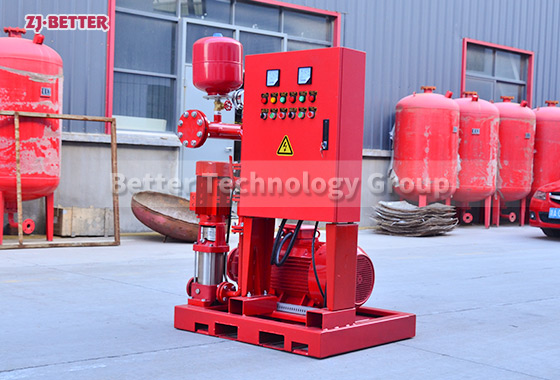
In terms of control systems, skid-mounted diesel fire pump systems typically feature intelligent automatic control cabinets that enable functions such as automatic start-stop, operational monitoring, and fault protection. The system utilizes pressure sensors to monitor changes in pipeline network pressure in real time; when the pressure in the fire protection network drops below a preset threshold—or when a start signal is received from the fire alarm system—the control system automatically starts the diesel engine and drives the fire pump to rapidly enter operational mode. This entire response process is highly efficient and stable, significantly reducing the need for manual intervention. Additionally, the control system incorporates safety features such as low oil pressure protection, high water temperature alarms, overspeed protection, battery voltage monitoring, emergency shutdown capabilities, and operational data logging, ensuring that the equipment maintains safe and stable operation across a wide range of complex environments. Certain high-specification systems also support remote monitoring and data networking capabilities, allowing users to track the equipment’s operational status in real time and thereby enhancing maintenance efficiency.
Regarding operational reliability, skid-mounted diesel fire pump systems demonstrate particularly outstanding performance. Thanks to an overall structural design that utilizes industrial-grade, heavy-duty components—with critical parts manufactured from high-strength, wear-resistant materials—the equipment is fully capable of withstanding the rigorous demands of frequent start-stop cycles and prolonged, continuous operation. The base frame features structural reinforcement, endowing it with exceptional seismic resistance and mechanical stability; consequently, it maintains steady operation even in high-vibration environments or under harsh outdoor conditions. Concurrently, all internal connecting components within the system undergo precise alignment and calibration, effectively minimizing transmission losses and operational vibrations, thereby extending the overall service life of the equipment.
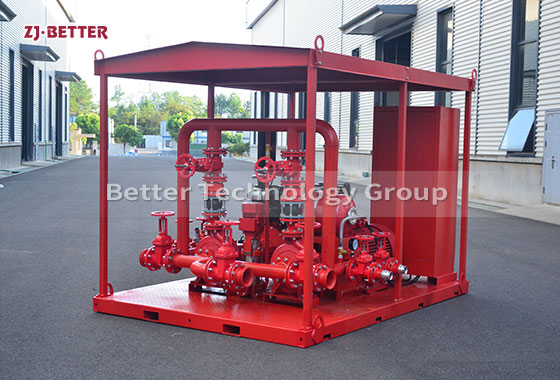
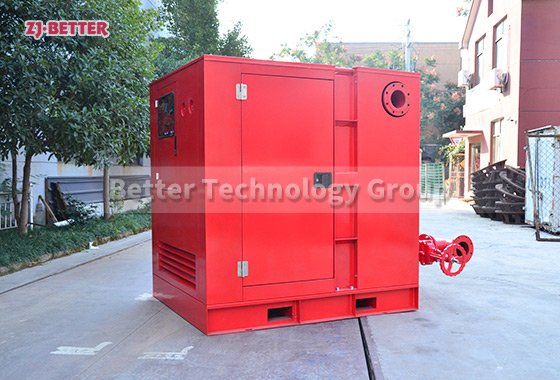
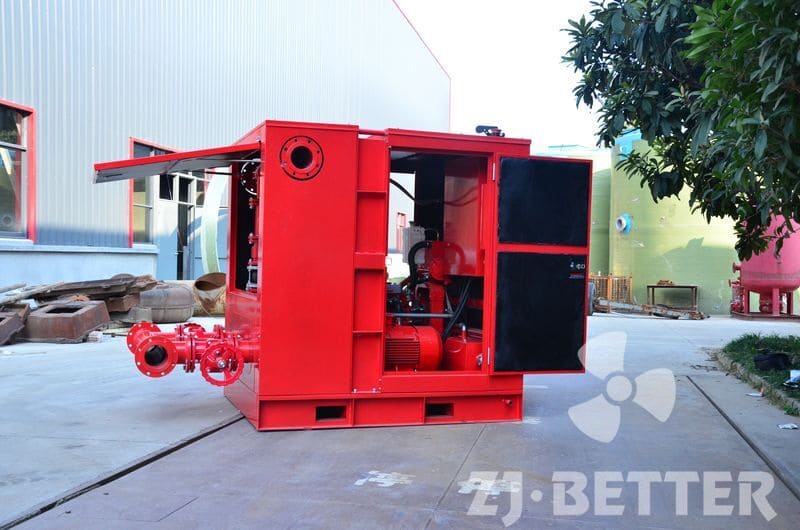
In terms of application scenarios, the skid-mounted diesel fire pump system offers the dual advantage of serving as both a permanent fire protection system and a temporary emergency water supply solution. For permanent fire protection systems, the unit can be installed for long-term use in dedicated fire pump rooms, equipment platforms, or outdoor enclosures, serving as the primary fire water supply source; this makes it ideal for factories, hospitals, schools, commercial complexes, and large-scale residential developments. For temporary water supply scenarios, the system leverages the inherent advantages of its skid-mounted structure—allowing it to be rapidly hoisted and deployed to construction sites, emergency rescue zones, or post-disaster reconstruction projects—thereby enabling swift water supply deployment. This capability is particularly valuable for emergency response efforts following natural disasters and for providing temporary fire safety support during large-scale events.
The system also offers significant advantages regarding maintenance and upkeep. Thanks to a clear and logical component layout—where the diesel engine, pump body, control cabinet, and auxiliary devices are arranged for independent access—routine maintenance tasks such as oil changes, filter cleaning, coolant checks, and battery maintenance are highly convenient, resulting in significantly reduced maintenance costs. Furthermore, the high degree of standardization in the overall structure facilitates more efficient component replacement, effectively minimizing downtime and maximizing equipment availability.
From a market application perspective, the skid-mounted diesel fire pump system has gained widespread adoption across sectors such as petrochemicals, natural gas storage and transport, power generation, mining, ports, airports, municipal engineering, and large-scale infrastructure projects. This success is driven by its key advantages: rapid deployment capabilities, independent power supply, high-efficiency water delivery, and long-term operational stability. Particularly against the backdrop of continuously rising global fire safety standards, such highly reliable products are emerging as priority equipment in international fire safety procurement initiatives, demonstrating strong market competitiveness and significant value for SEO promotion. Overall, the skid-mounted diesel fire pump system—characterized by independent diesel-powered drive, an efficient hydraulic structure, an intelligent control system, and a modular skid-mounted design—achieves highly efficient dual functionality in both emergency water supply and fixed fire protection systems. It not only significantly enhances the overall operational efficiency of fire protection projects but also provides a more reliable, flexible, and efficient solution for ensuring fire safety across a wide range of complex scenarios, thereby occupying an indispensable and pivotal position in modern fire protection engineering.