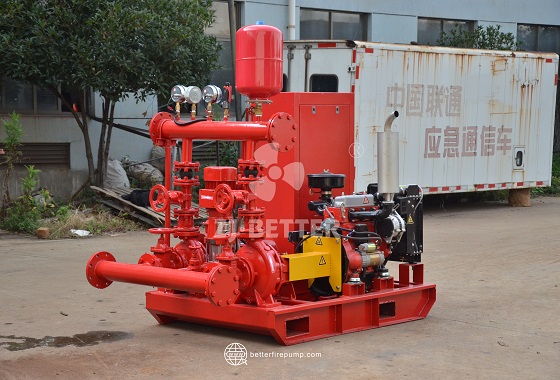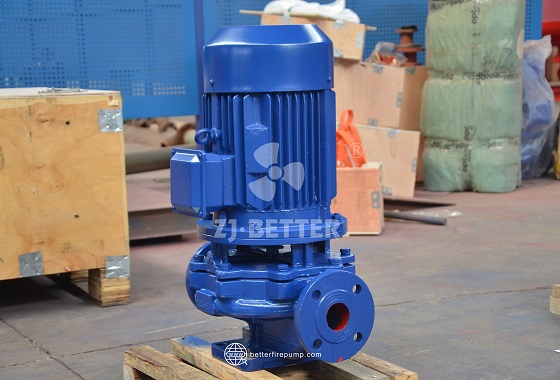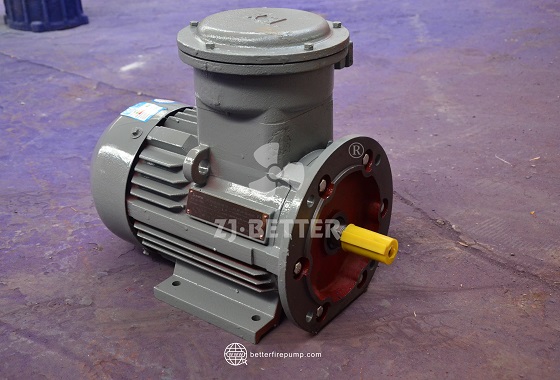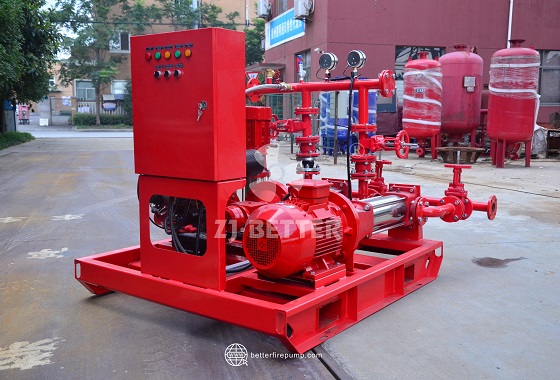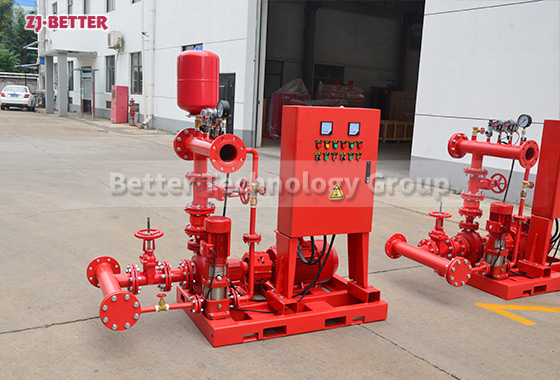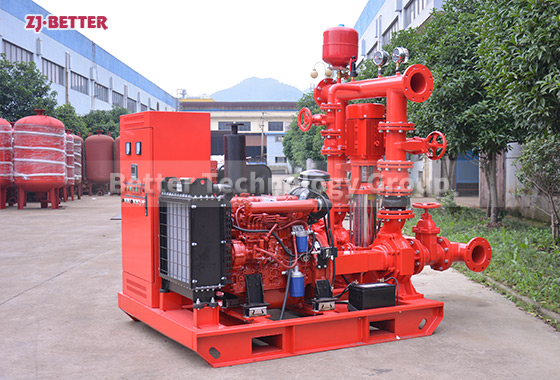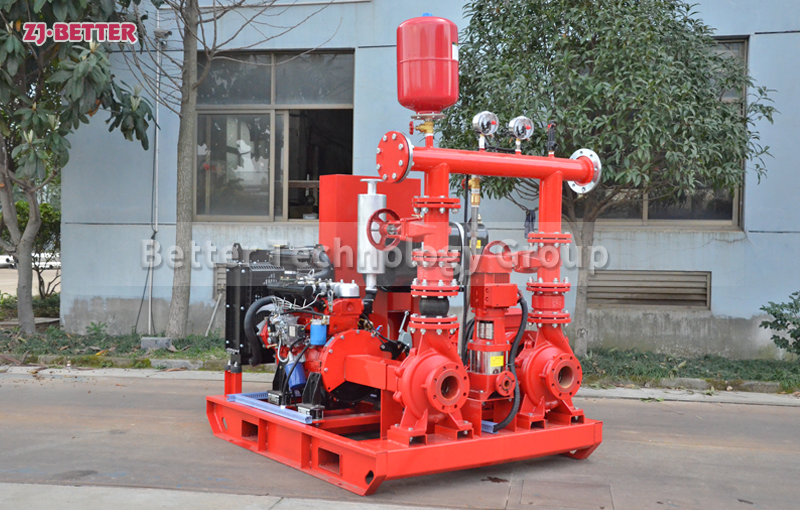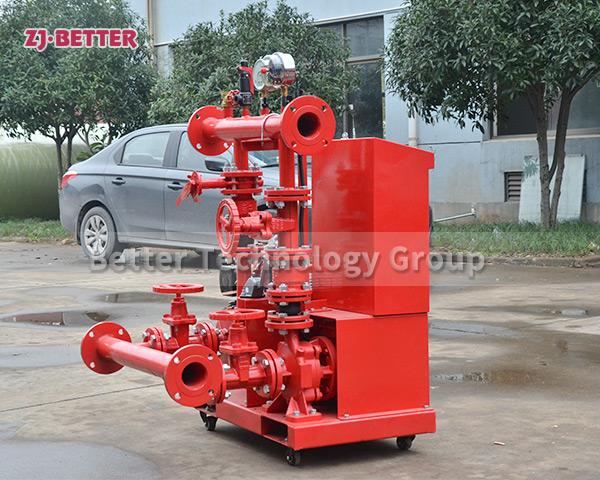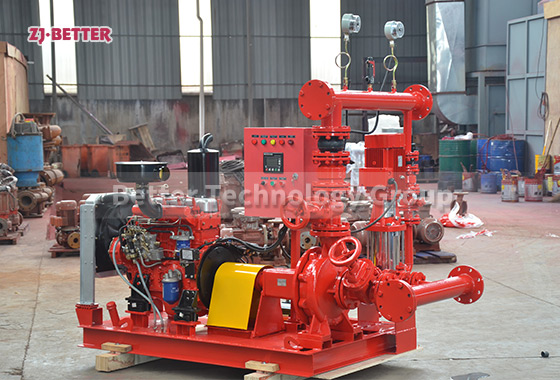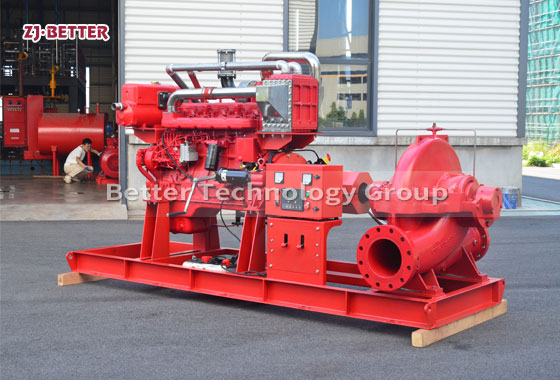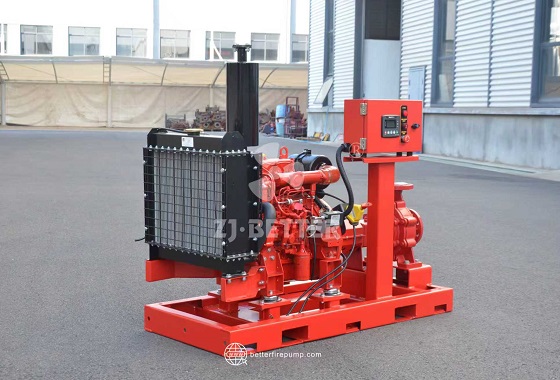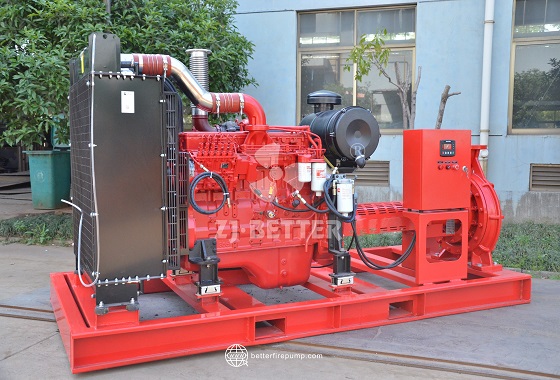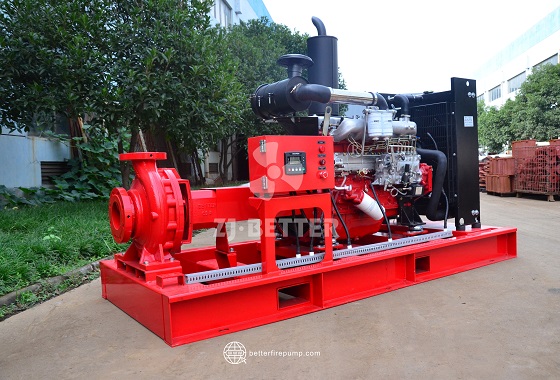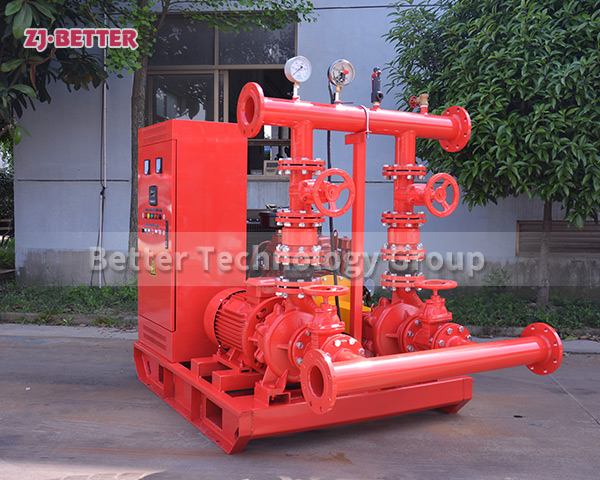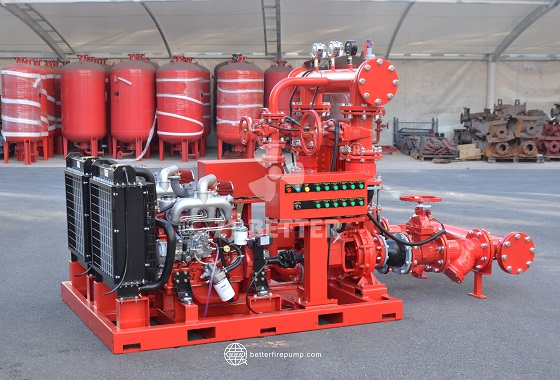
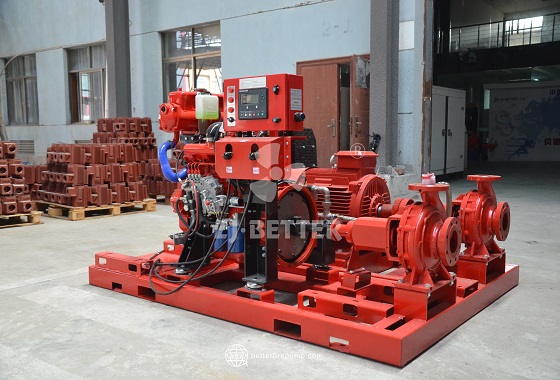
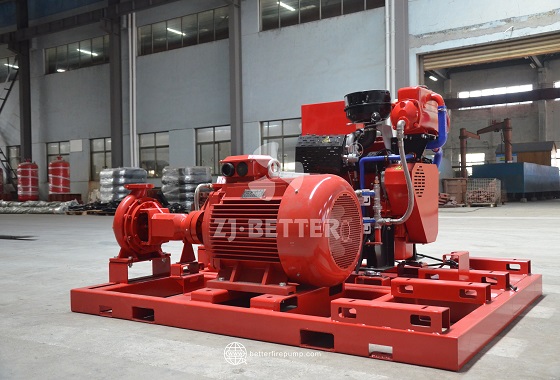
Stationary Fire Pump System for Factory and Industrial Fire Safety
Fixed fire pump systems offer advantages such as stable water supply, intelligent control, high-efficiency operation, and long-term reliability. They are widely used in factories, industrial parks, warehousing and logistics facilities, and large-scale industrial projects, comprehensively enhancing fire safety and emergency firefighting capabilities.
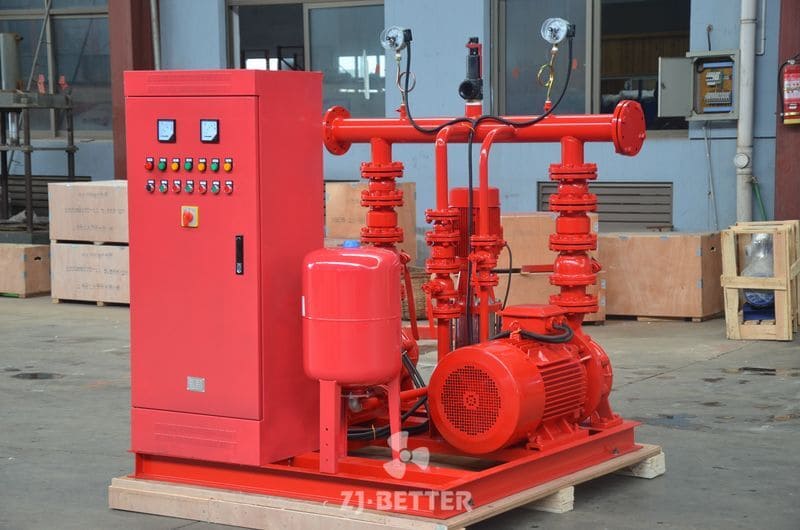
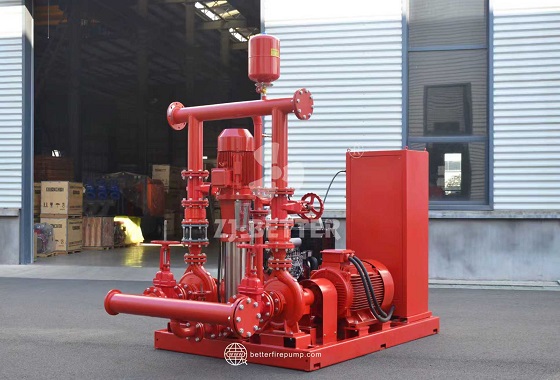
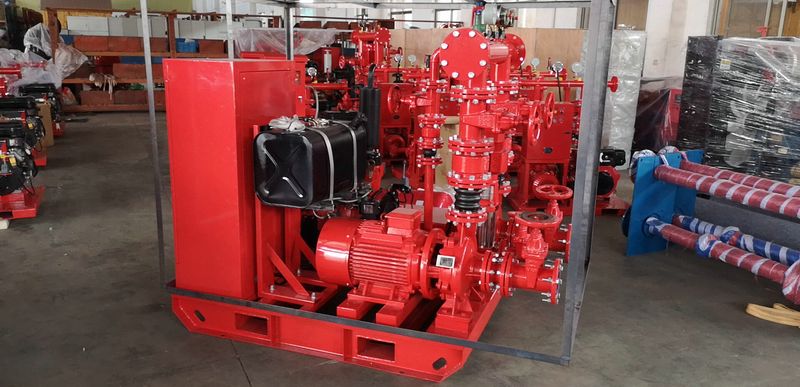
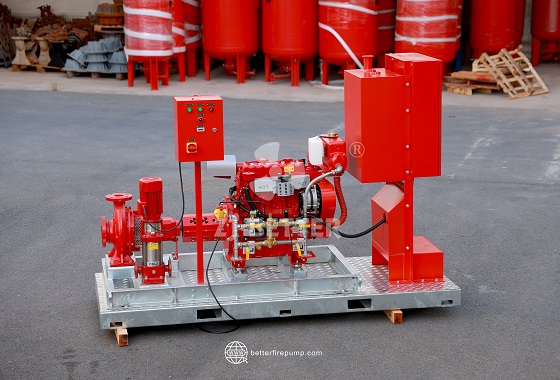
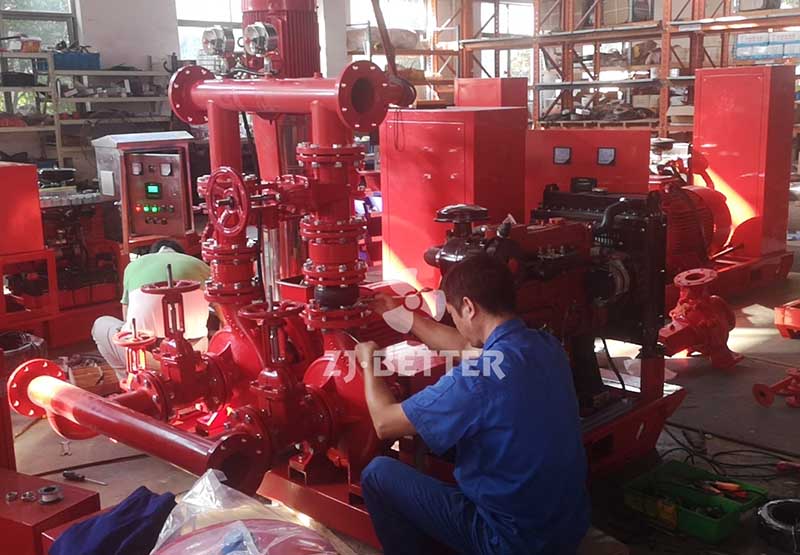
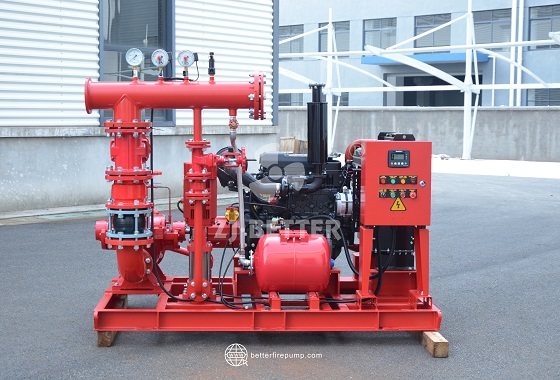
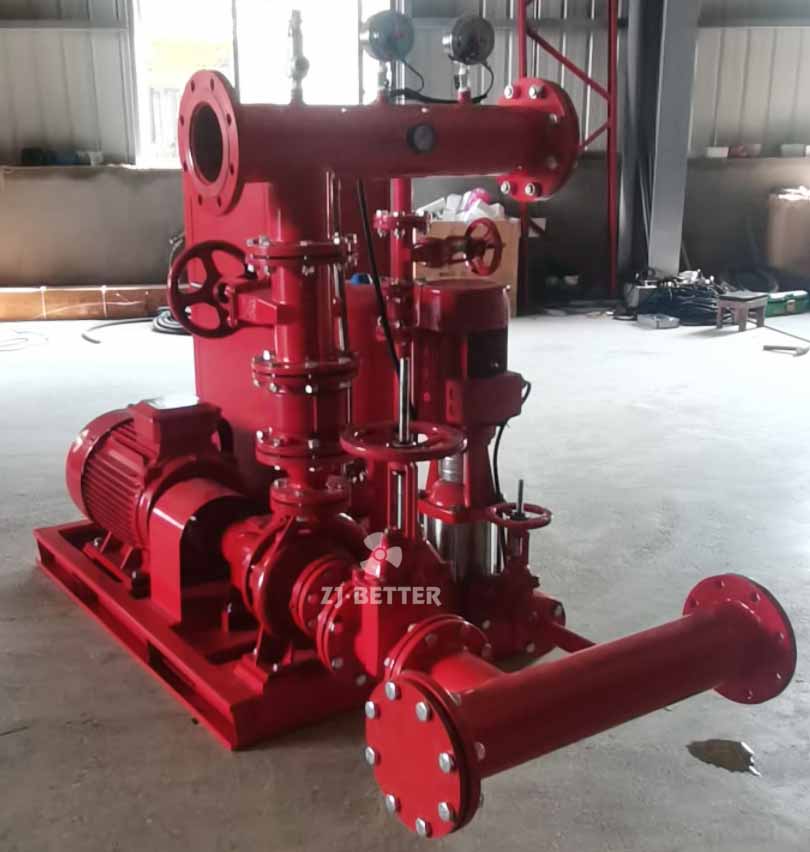
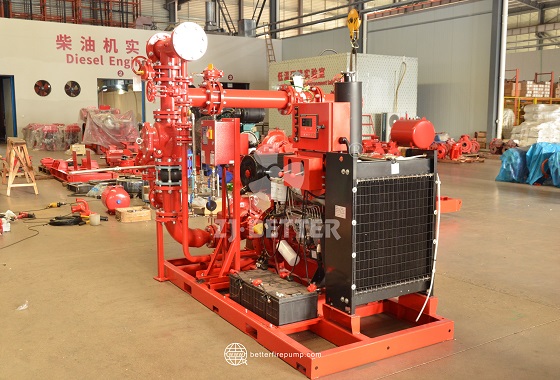
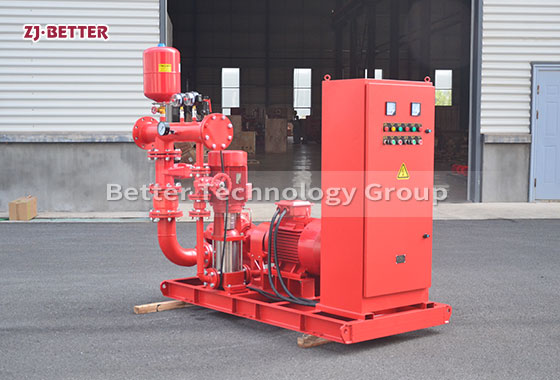
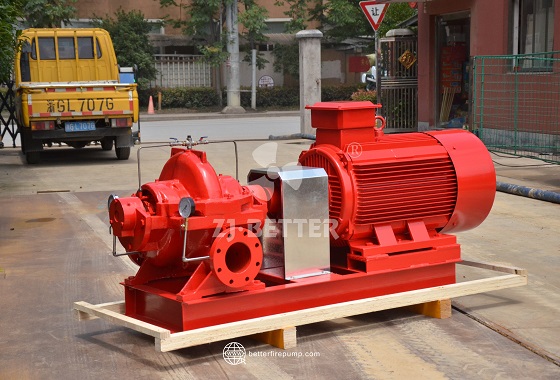
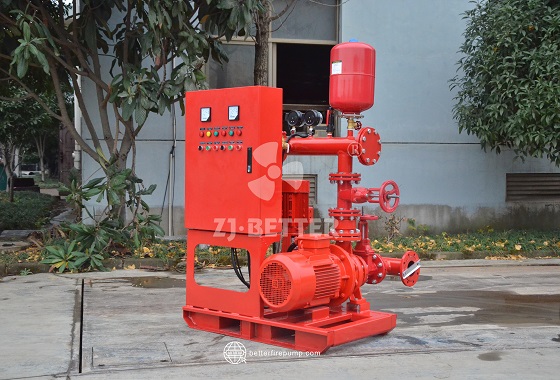
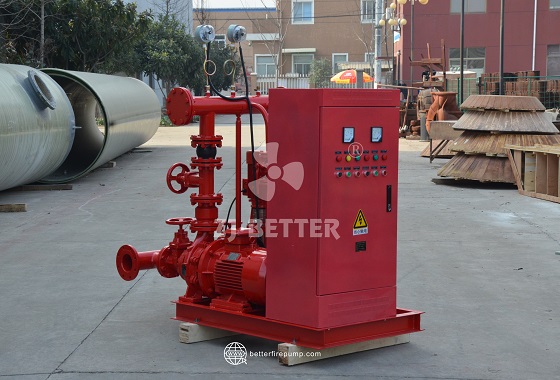
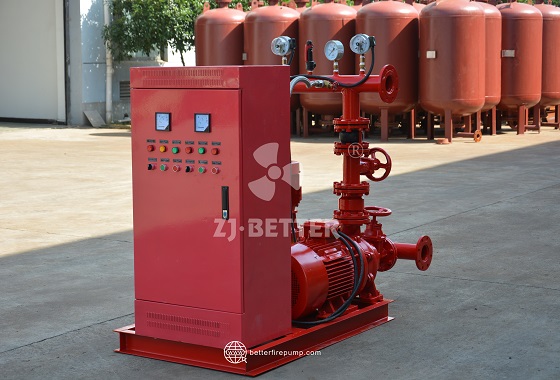
With the continuous advancement of modern industrialization and urbanization, the number of large factories, industrial parks, warehousing and logistics centers, and high-tech manufacturing bases is constantly increasing. These areas typically feature dense production equipment, high energy consumption, large reserves of combustible materials, and frequent personnel movement. Once a fire occurs, it can not only disrupt normal production but also cause significant losses to personnel safety, equipment assets, and the surrounding environment. Therefore, establishing a stable and reliable fire water supply system has become a crucial component of modern industrial park and factory construction. Among numerous fire-fighting equipment, stationary fire pump systems, with their advantages of stable water supply, high-efficiency operation, long-term reliability, and intelligent control, have become core equipment in modern industrial fire protection systems. This type of system can continuously provide stable pressure and high flow rate water to fire hydrant systems, automatic sprinkler systems, water cannon extinguishing systems, and foam extinguishing systems, rapidly establishing fire-fighting capabilities in the event of a fire, thereby effectively improving the overall fire safety level of factories and parks. One of the core advantages of stationary fire pump systems is their continuous and stable water supply capability. Factories and industrial parks typically cover large areas with extensive fire pipeline networks, and some areas are far from fire pump stations, thus requiring extremely high fire water supply pressure and flow rates. Stationary fire pump systems employ a combination of high-performance fire pumps and a stable power system, maintaining a stable water supply output even under prolonged high-load operation. The equipment can provide high head and large flow rates according to fire-fighting needs, ensuring sufficient fire-fighting pressure at the end of distant pipe networks, thereby protecting the fire safety of large workshops, warehouses, high-rise factories, and hazardous material areas. Compared to ordinary water supply equipment, dedicated fire pump systems can quickly establish stable pressure in emergency fire situations, effectively improving fire-fighting efficiency and reducing the risk of fire spread. Automated control is a key technical feature of modern stationary fire pump systems. With the continuous development of smart fire protection technology, industrial parks and large factories are increasingly focusing on the automated management of fire protection systems. Stationary fire pump systems are typically equipped with intelligent control cabinets and automatic linkage functions, enabling linkage with fire alarm systems, smoke detectors, and building fire control centers. When the system detects a fire, the fire pumps can automatically start and quickly supply water to the fire protection network, activating the fire-fighting system without manual intervention. The control system can also monitor pressure, flow rate, speed, water level, and equipment operating status in real time, and automatically alarm or activate protection programs in case of abnormalities to prevent equipment damage due to overpressure, water shortage, or overload. Some high-end systems also support remote monitoring and data networking functions, allowing maintenance personnel to monitor equipment operating status in real time through the control center, improving the efficiency and safety of fire protection system operation and management. High-efficiency operation is also an important reason for the widespread application of stationary fire pump systems in the industrial field. Modern fire pumps adopt advanced hydraulic models and high-efficiency impeller designs, reducing energy consumption while ensuring high flow output. The equipment can flexibly configure operating parameters according to the fire protection needs of different factories and parks, meeting the water supply requirements of different scenarios such as large production workshops, chemical areas, warehousing centers, and underground spaces. For large industrial parks, fire protection systems often require simultaneous water supply to multiple areas, and stationary fire pump systems can stably support multi-point water supply operation, improving overall fire response efficiency. Long-term reliable operation is one of the most important performance characteristics of stationary fire pump systems. Factory and industrial park fire protection systems are usually in standby mode all year round, but must be able to be put into operation immediately in the event of a fire, so the equipment reliability requirements are extremely high. Stationary fire pump systems utilize industrial-grade power equipment, high-strength pump bodies, and wear-resistant components. Key components undergo rigorous durability testing and long-term operational verification, enabling them to withstand continuous operation for extended periods. High-quality mechanical seals, bearings, and corrosion-resistant structures effectively reduce operational wear and leakage risks, extending equipment lifespan. Some systems employ dual-pump or multi-pump redundancy designs, allowing standby pumps to automatically switch operation when the main pump fails, further enhancing the stability and reliability of the fire protection system. Adaptability to complex environments is another significant advantage of stationary fire pump systems. Industrial parks and factories typically present complex conditions such as high temperatures, high humidity, dust, and corrosive gases; therefore, equipment must possess excellent environmental adaptability. Stationary fire pump systems typically use high-strength steel and corrosion-resistant materials to manufacture key components, and employ special coatings and rust-proofing treatments to enhance corrosion resistance. The power system is equipped with an efficient heat dissipation structure, maintaining stable operation even during prolonged operation in high-temperature environments. The equipment can also be configured with explosion-proof motors, vibration-resistant structures, and low-noise designs to meet the fire protection requirements of petrochemical, mining, and other special industrial areas. Energy efficiency and environmental protection are key development directions for modern stationary fire pump systems. With the increasing promotion of green factories and low-carbon industrial concepts, fire-fighting equipment is paying more attention to reducing energy consumption while ensuring safety. Stationary fire pump systems utilize high-efficiency motors, intelligent frequency conversion control, and optimized operating modes to effectively reduce power consumption during standby and operation. Some systems can automatically adjust their operating status according to the actual pressure of the pipeline network, achieving precise pressure stabilization and energy-saving operation. Low-noise and low-emission designs further reduce the equipment’s impact on the industrial environment, meeting the requirements of modern green manufacturing and environmental protection engineering. Modular structural design improves the installation and maintenance efficiency of stationary fire pump systems. Modern industrial projects have tight construction cycles, therefore fire-fighting equipment needs to be quick to install and easy to maintain. Stationary fire pump systems typically adopt a modular design with a reasonable layout of functional components, simplifying on-site installation and effectively shortening the construction cycle. The equipment undergoes overall testing and performance debugging before leaving the factory, allowing for rapid deployment upon arrival at the site. Maintenance personnel can easily inspect and maintain the engine, pump body, valves, and control system, thereby reducing downtime and improving equipment operating efficiency. The intelligent control system can also automatically record operating data and fault information, facilitating later maintenance management and equipment status analysis. Its multi-scenario application capabilities further enhance the application value of stationary fire pump systems in the industrial field. Besides its widespread use in large factories and industrial parks, the equipment is also suitable for warehousing and logistics centers, petrochemical projects, ports and docks, power facilities, underground parking garages, and large commercial complexes. In these scenarios, stationary fire pump systems can flexibly configure water supply schemes according to different fire protection needs, providing comprehensive fire safety guarantees for different types of buildings and industrial facilities. With the continuous development of modern smart fire protection technology, stationary fire pump systems are also constantly upgrading towards greater intelligence, digitalization, and automation. Future systems will place greater emphasis on remote operation and maintenance, automatic fault diagnosis, IoT data management, and intelligent energy control, further improving the operating efficiency and safety level of fire protection systems through digital technology. New energy power technologies and more environmentally friendly and efficient operating solutions will also gradually be applied to the field of fire protection equipment, providing more reliable and green solutions for modern industrial safety construction. Overall, stationary fire pump systems, with their advantages of stable water supply, high-efficiency operation, intelligent control, long-term reliability, and adaptability to complex environments, can effectively enhance the fire safety level of factories and industrial parks, providing a more stable, efficient, and safe fire water supply guarantee for modern industrial projects. In future industrial fire protection engineering construction, stationary fire pump systems will continue to play a vital role, providing solid support for protecting personnel safety, reducing fire losses, and maintaining the stable operation of industrial production.