Low Vibration Fire Pump System for Improved Operational Stability
Low-vibration fire pump systems offer advantages such as stable water supply, low noise, high efficiency, and long service life, making them suitable for high-rise buildings, industrial parks, and large-scale fire protection projects.
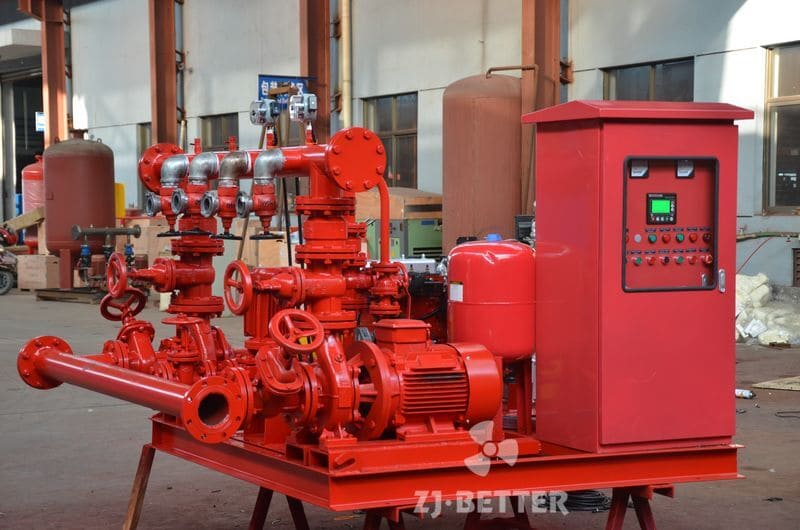
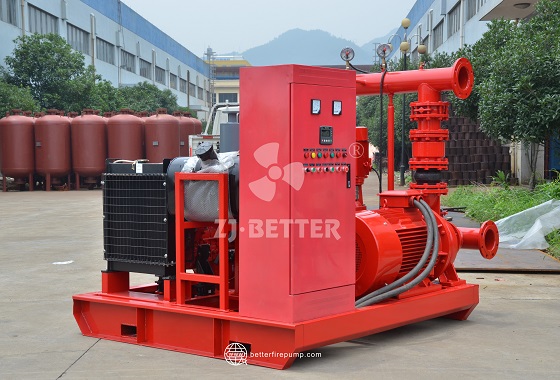
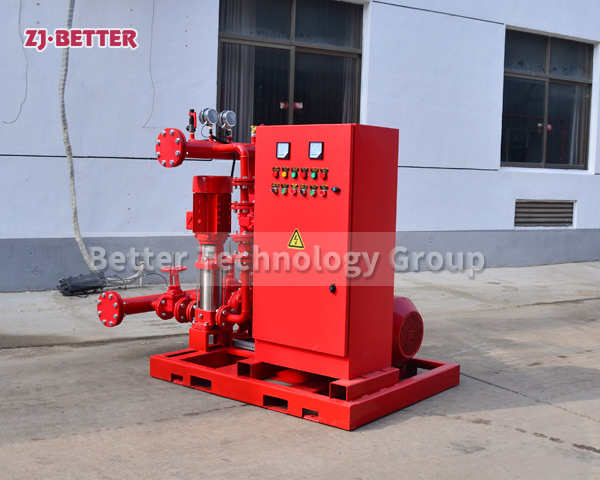
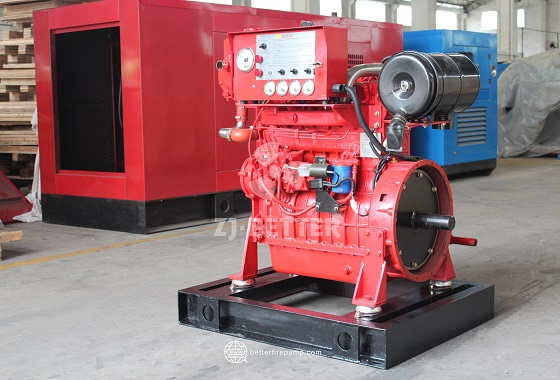
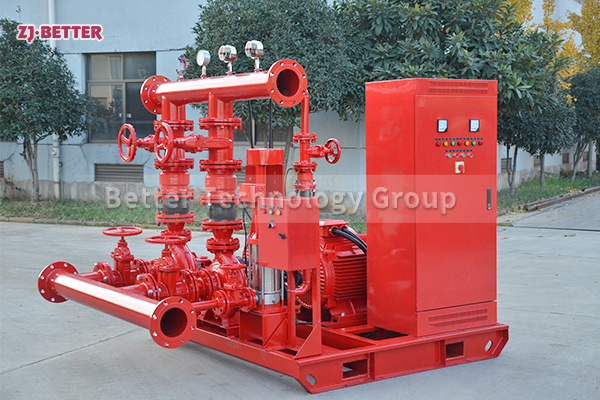
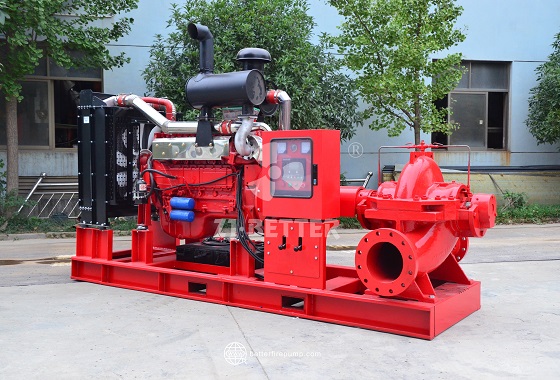
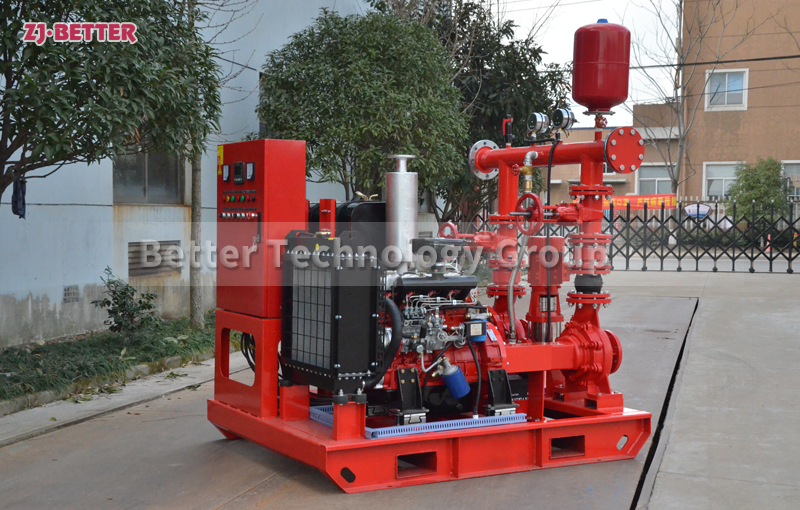
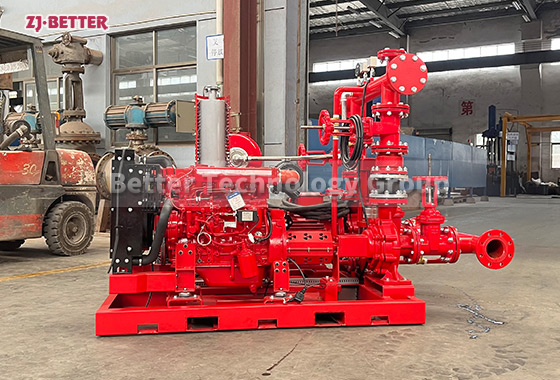
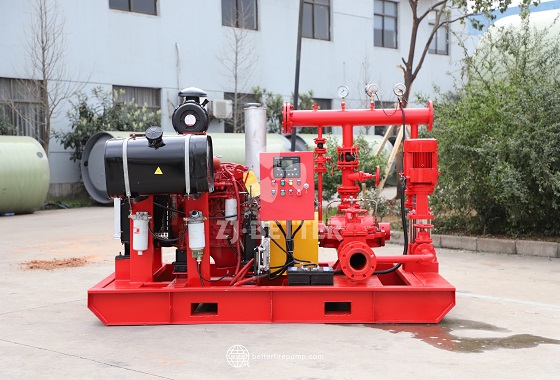
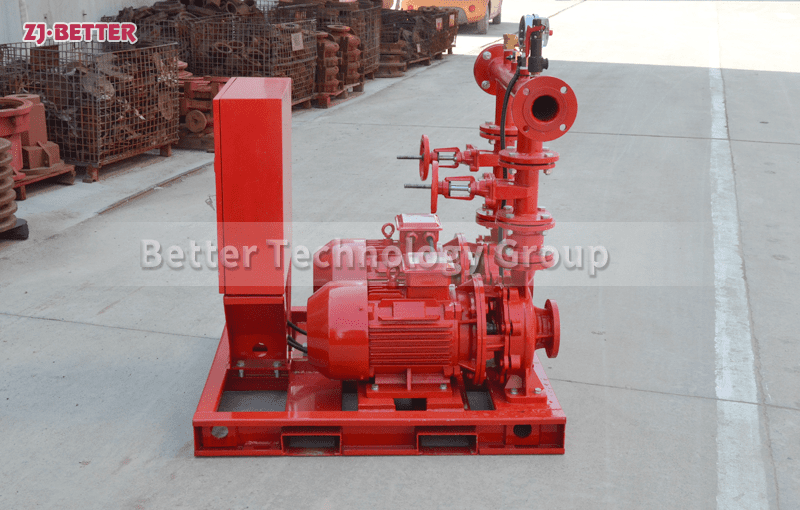
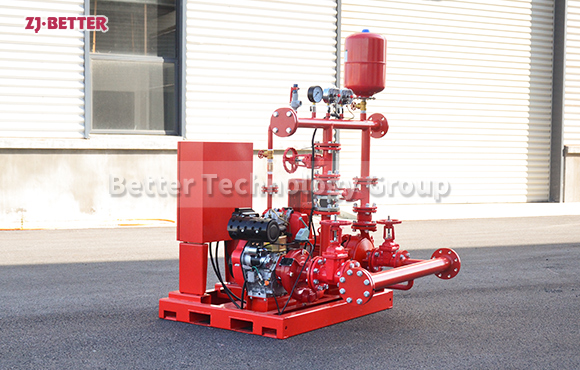
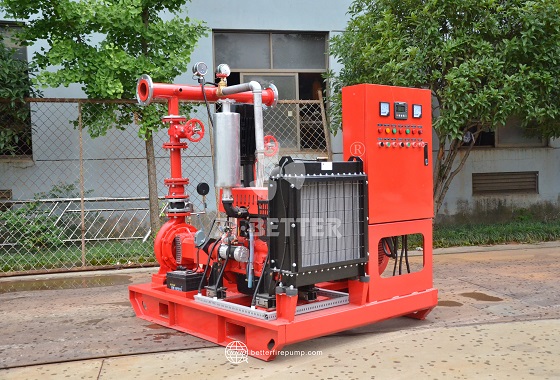
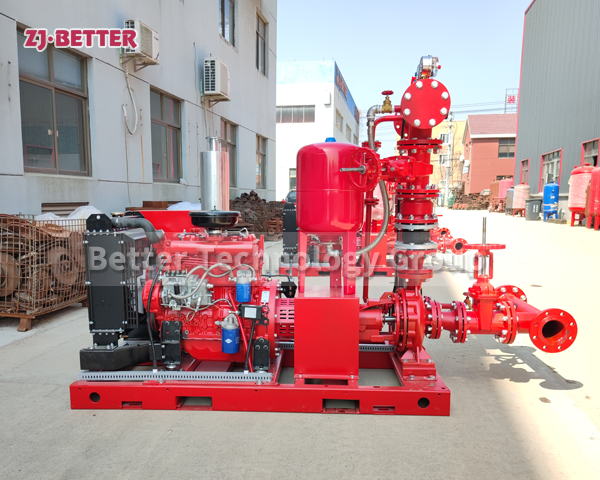
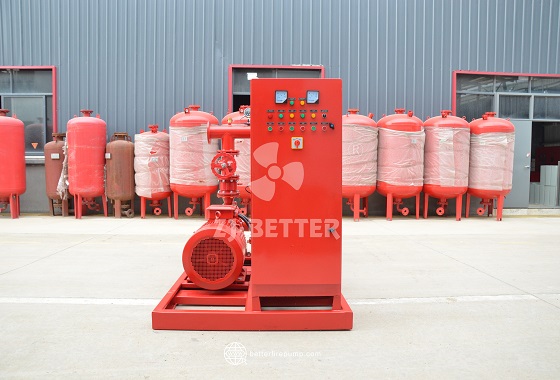
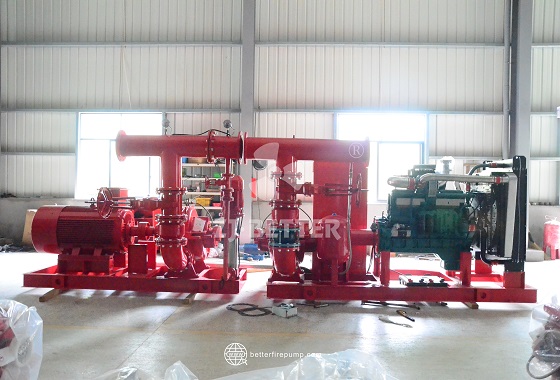
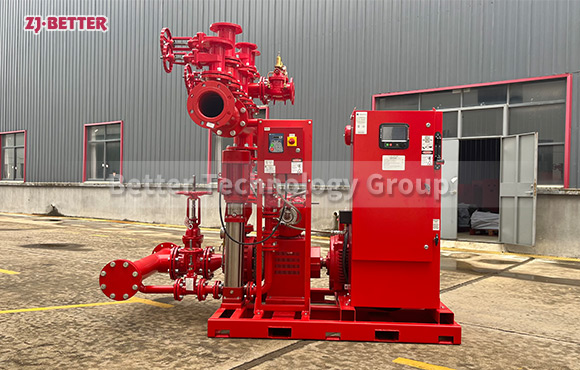
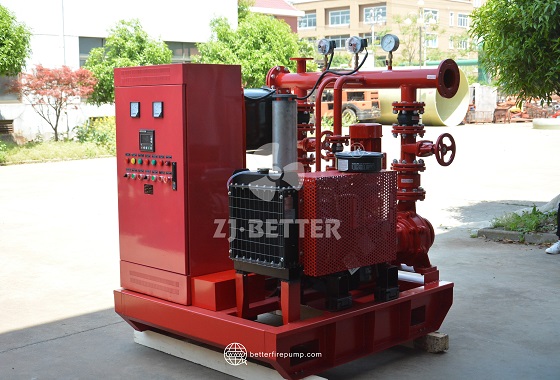
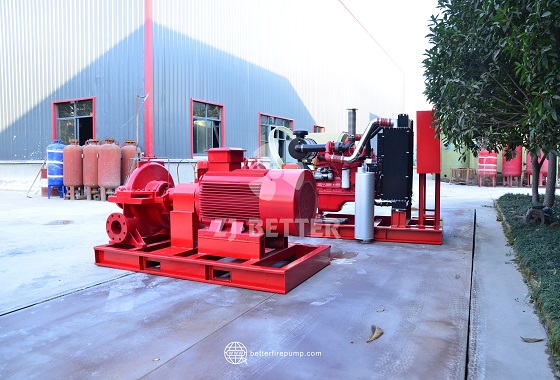
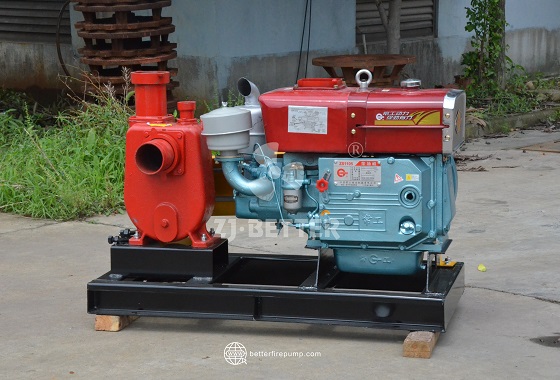
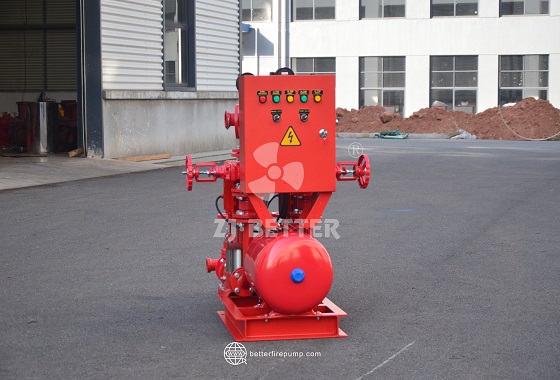
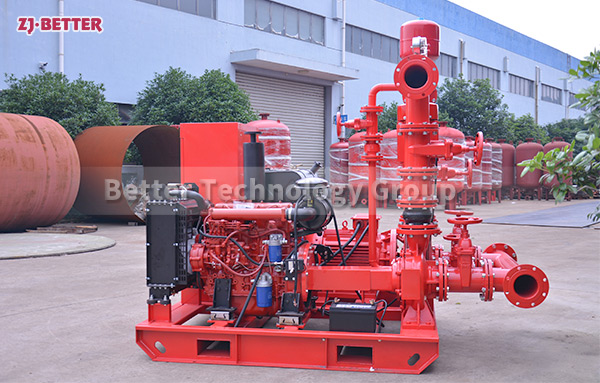
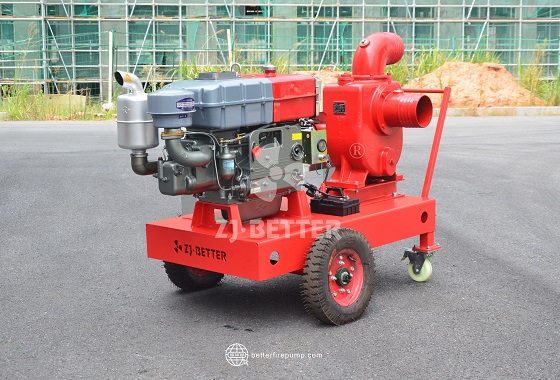
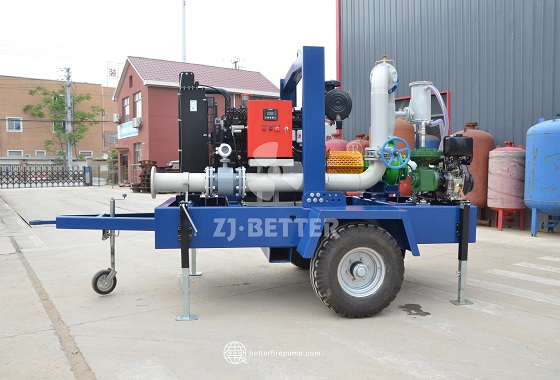
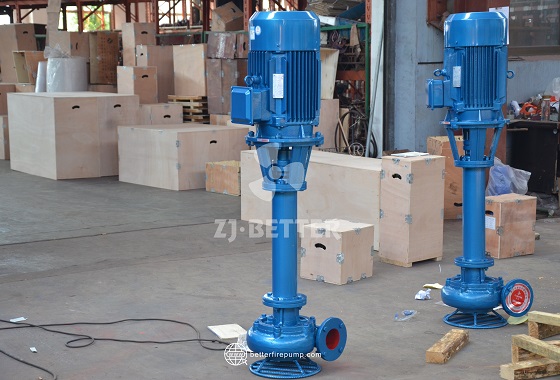
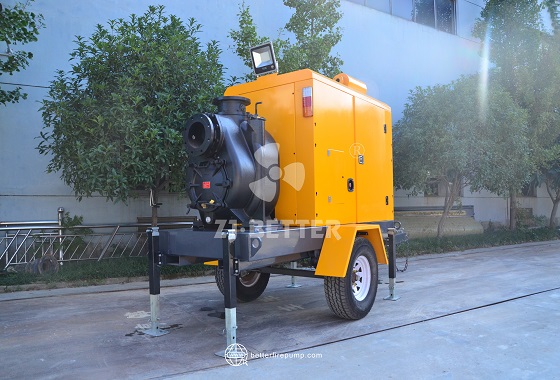
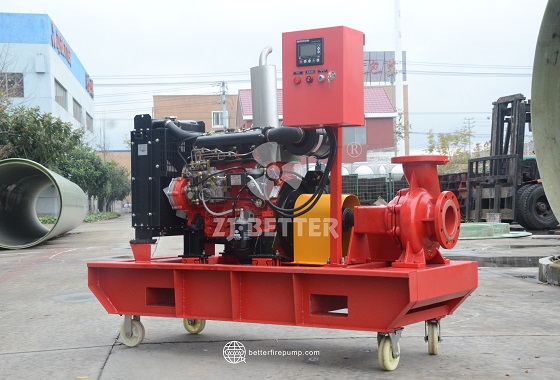
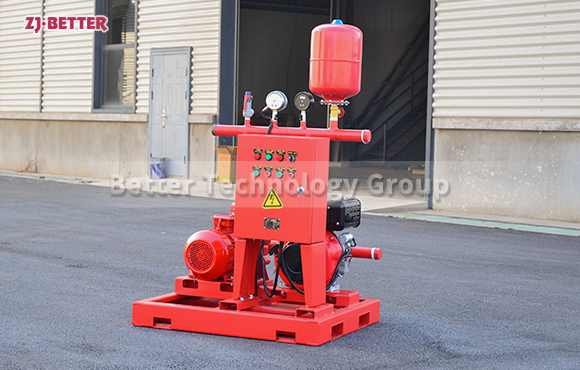
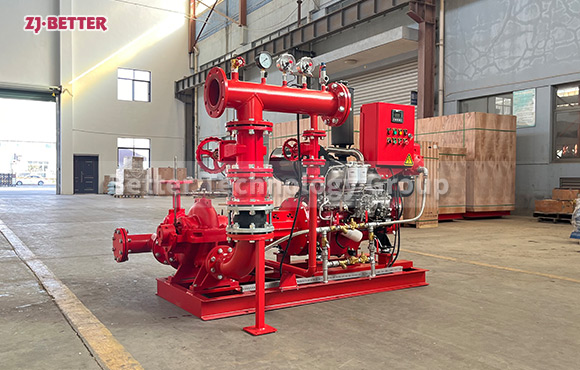
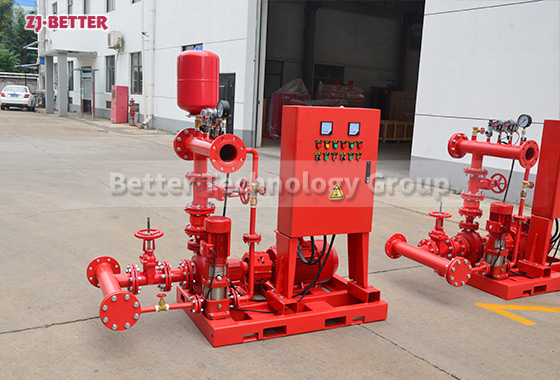
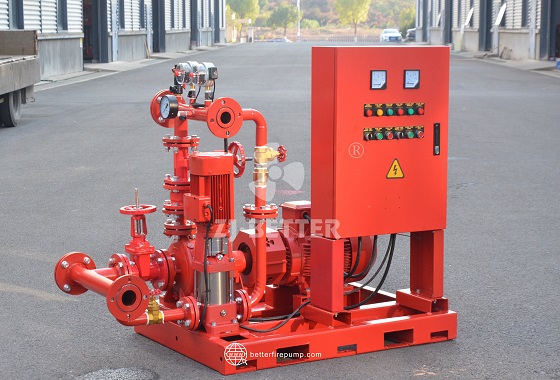
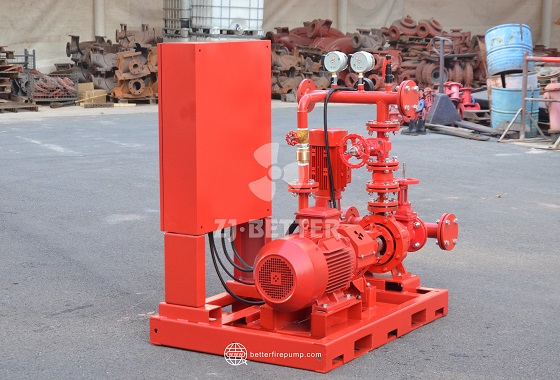
Low-vibration fire pump systems, optimizing equipment operational stability and service life, are one of the most widely used equipment types in modern fire water supply engineering. With the increasing number of large-scale construction projects such as high-rise buildings, large industrial parks, warehousing and logistics centers, and commercial complexes, fire protection systems place higher demands on the stability, continuous operation capability, and long-term reliability of water supply equipment. Traditional fire pump equipment is prone to significant vibration and noise during prolonged high-load operation, which not only affects operational stability but may also accelerate the wear of mechanical components, thereby increasing maintenance costs and shortening equipment lifespan. Low-vibration fire pump systems, through optimized structural design, dynamic balancing technology, and vibration damping system configuration, achieve more stable and efficient operation, providing stable and reliable fire water supply for modern fire protection engineering. The system adopts a high-strength integrated structural design, effectively reducing mechanical vibration during operation through optimized pump body layout and power transmission structure. Compared to traditional fire pump equipment, it can maintain stable balance even at high speeds, thereby reducing operating noise and minimizing the impact of long-term vibration on the foundation structure. For fire pump rooms in large buildings, low-vibration operation not only improves the overall working environment but also reduces vibration interference to surrounding building structures, enhancing the overall safety and stability of the system. In terms of the power system, this fire pump system adopts a high-efficiency electric motor or diesel power structure, and ensures more stable power output through precision dynamic balancing technology. High-precision coaxial connection is achieved between the motor rotor, coupling, and pump shaft, making the power transmission process more stable and smooth, thereby reducing mechanical shock and energy loss. During long-term continuous operation, the system can still maintain a stable speed and continuous power output, providing reliable protection for fire water supply. Especially in large-scale industrial fire protection projects, fire-fighting equipment often needs to operate under high load for extended periods, and the low-vibration power structure can effectively reduce bearing and coupling wear, further improving the long-term operational reliability of the equipment. To improve overall water supply performance, the low-vibration fire pump system adopts a high-efficiency centrifugal pump structure design. By optimizing the impeller angle, flow channel structure, and hydraulic balance system, the water flow inside the pump body is more stable and smooth. This advanced hydraulic design not only improves water supply efficiency but also reduces internal vibration caused by water flow impact, thereby enhancing the overall operational stability of the system. The equipment has the capacity for large flow rate, high head, and stable pressure output, meeting the stringent requirements for continuous and stable water supply in high-rise buildings, industrial parks, municipal fire protection projects, and large-scale warehousing projects. During the operation of fire protection systems, stable pressure output is crucial for the proper functioning of sprinkler systems, fire hydrant systems, and fire monitors. Low-vibration fire pump systems can improve fire extinguishing efficiency and enhance overall fire safety through a continuous and stable water supply. To further reduce equipment vibration, the system employs a professional vibration-damping base and flexible connection structure. The vibration-damping base effectively absorbs mechanical vibrations generated during operation and reduces the transmission of vibrations to the ground and surrounding structures. Simultaneously, the flexible connection structure mitigates the impact of pressure changes in the piping system, thus preventing pipe loosening or joint damage caused by vibration during long-term operation. This low-vibration structural design not only improves equipment operational stability but also extends the service life of the entire fire water supply system. In terms of durability, key components of the low-vibration fire pump system are manufactured using high-strength, wear-resistant materials, including stainless steel impellers, high-strength pump shafts, high-temperature bearings, and high-performance mechanical seal systems. These high-quality components effectively resist wear and corrosion generated during long-term operation, maintaining stable performance even in high-temperature, humid, or complex water quality environments, thereby reducing equipment failure rates and subsequent maintenance costs. Because the system operates more smoothly, the impact and fatigue loads on mechanical components are significantly reduced, which is one of the key reasons why the equipment can maintain a long service life. In terms of intelligent control, this fire pump system adopts advanced automated control technology, which can monitor key parameters such as operating status, water pressure, flow rate, current, and temperature in real time. When the fire system pressure drops or a fire alarm signal is triggered, the equipment can automatically start and quickly enter water supply mode, and automatically stop operating after the system returns to normal, thus achieving efficient energy-saving management. At the same time, the intelligent control system also has fault alarm and automatic protection functions. When abnormal vibration, overheating, or abnormal pressure is detected, the system will immediately issue an alarm and take protective measures to avoid equipment damage and improve overall operational safety. The low-vibration fire pump system also performs outstandingly in terms of energy saving. Due to the use of a high-efficiency power system and optimized hydraulic structure, it can effectively reduce energy consumption while ensuring high-performance water supply capacity. Compared with traditional high-energy-consuming fire-fighting equipment, its long-term operating costs are lower, and unnecessary energy waste can be reduced. For large industrial projects or commercial buildings, energy-saving fire water supply equipment can not only reduce overall operating costs but also improve the long-term economic benefits of the project. Ease of installation and maintenance is also a significant advantage of this system. The equipment adopts a modular design with a rational layout of functional components, making on-site installation quicker and easier. Maintenance personnel can also quickly complete equipment inspection, lubrication, and parts replacement. Due to the low operating vibration, component loosening and wear are significantly reduced, resulting in longer maintenance cycles and effectively lowering subsequent maintenance workload and equipment downtime. Regarding low-noise operation, the system effectively reduces mechanical noise during operation through optimized power structure and vibration damping design, providing a quieter and more comfortable working environment for the fire pump room and its surroundings. This advantage is particularly pronounced in scenarios with high noise control requirements, such as commercial complexes, high-rise residential buildings, and hospitals. In terms of application areas, the low-vibration fire pump system is widely applicable to high-rise buildings, commercial centers, petrochemical projects, industrial parks, municipal fire protection projects, and large-scale warehousing and logistics centers. In these large-scale fire protection projects, equipment not only needs to have stable and efficient water supply capabilities, but also must maintain low vibration and high reliability during long-term continuous operation. This system, with its advanced vibration reduction technology, high-efficiency water supply performance, and durable structural design, fully meets the stringent requirements of modern fire protection systems for high-standard fire water supply equipment. As the modern fire protection industry continues to develop towards intelligence, energy conservation, and high reliability, the market demand for low-vibration fire water supply equipment is also continuously growing. The low-vibration fire pump system, through the comprehensive integration of dynamic balancing technology, vibration-damping structural design, and intelligent automatic control technology, achieves a comprehensive improvement in fire water supply efficiency, operational stability, and equipment lifespan, providing a more efficient, safe, and reliable fire water supply solution for modern fire protection engineering construction.