Fire Pressure Stabilization Tank with Air-Water Separation for Pressure Control
The fire-fighting pressure stabilizing tank adopts a gas-water separation and pressure energy storage structure, which can effectively buffer the pressure fluctuation of the fire-fighting pipeline network and reduce the frequent start-up and shutdown of fire pumps. It is suitable for fire-fighting water supply systems in buildings, industries and warehouses.
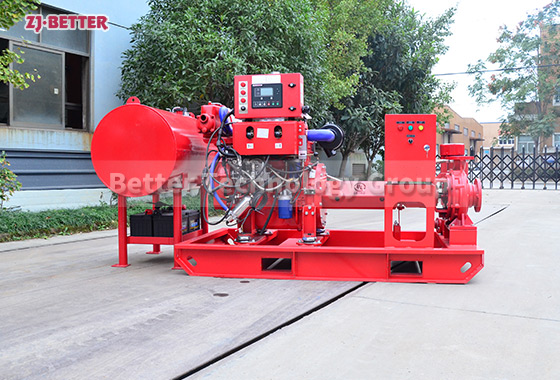
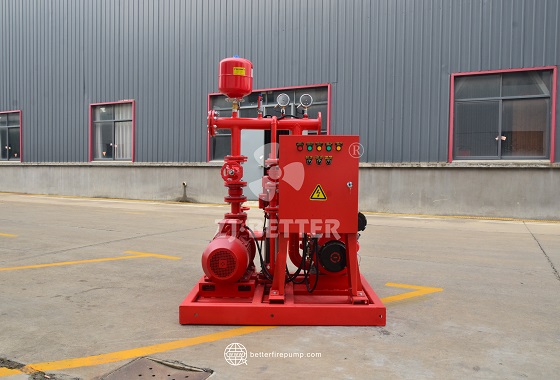
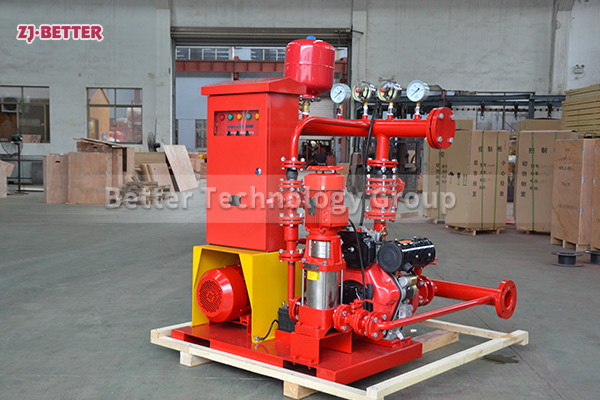
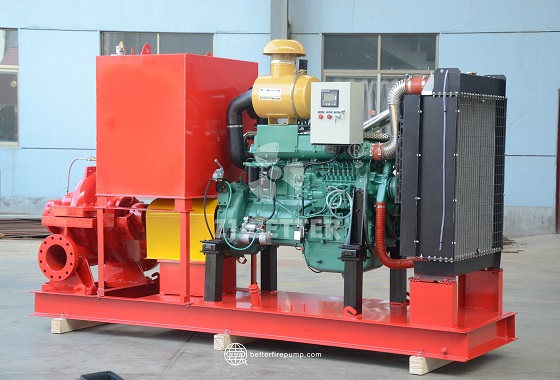
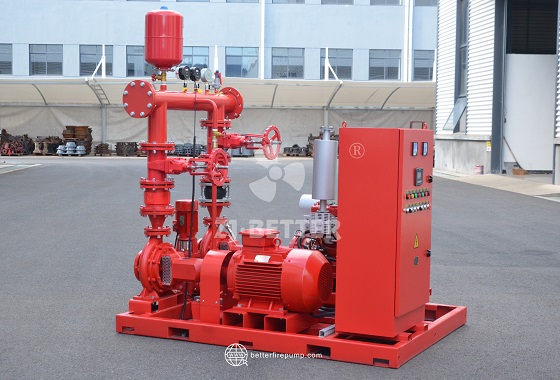
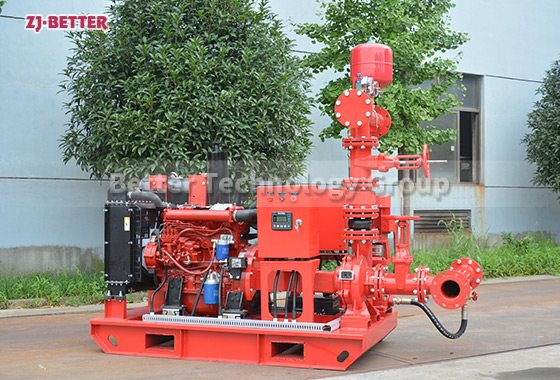
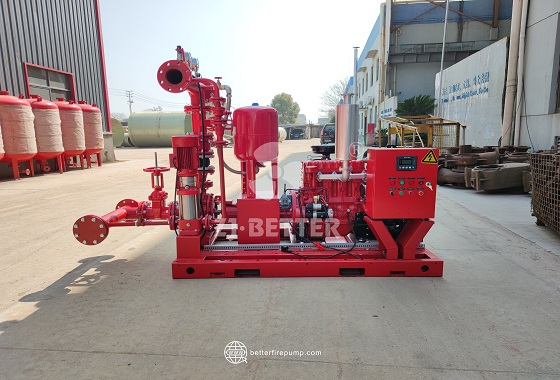
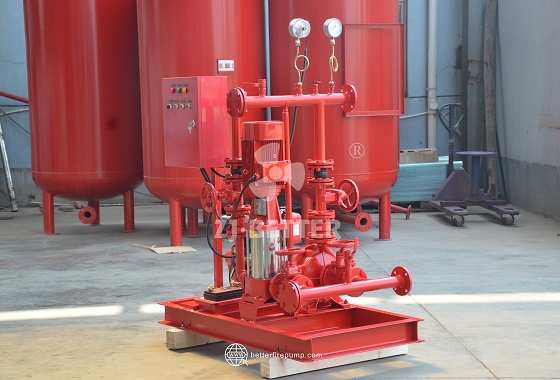
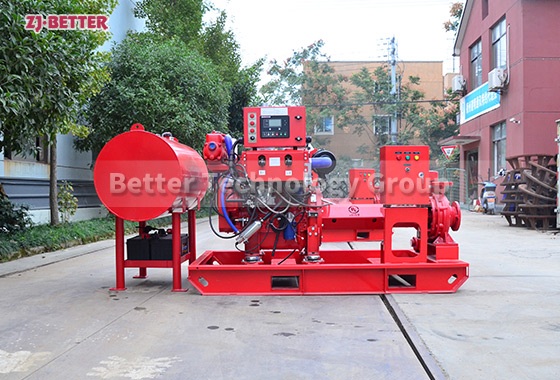
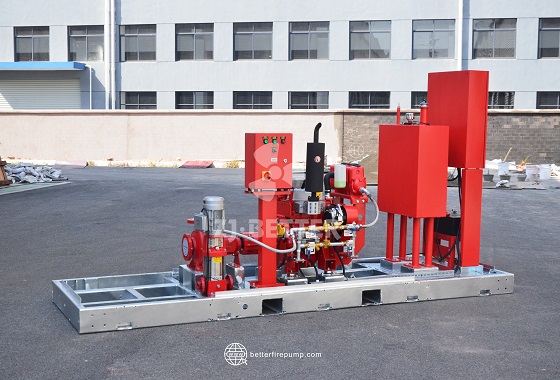
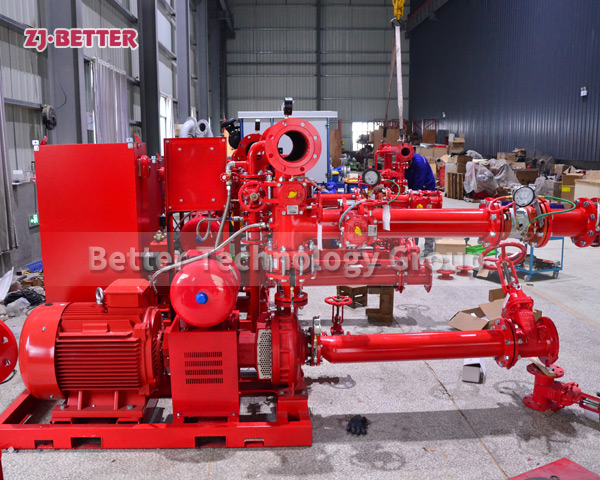
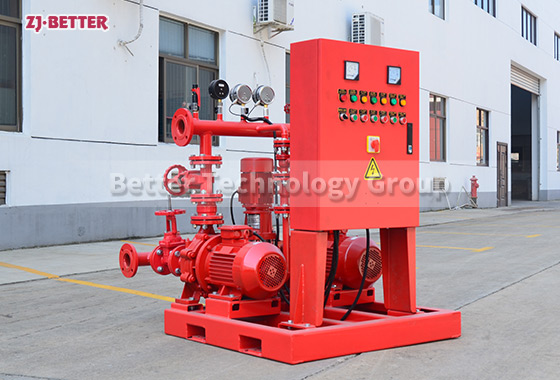
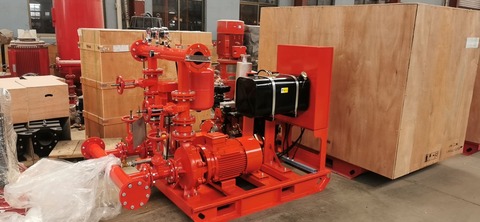
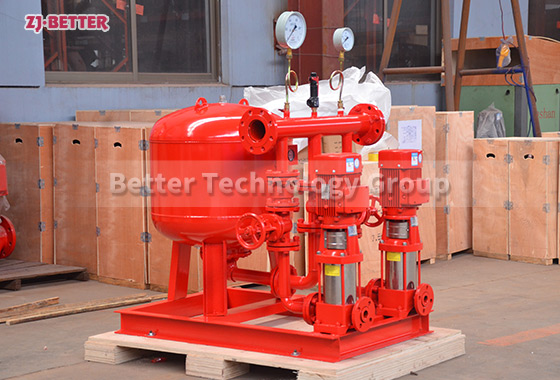
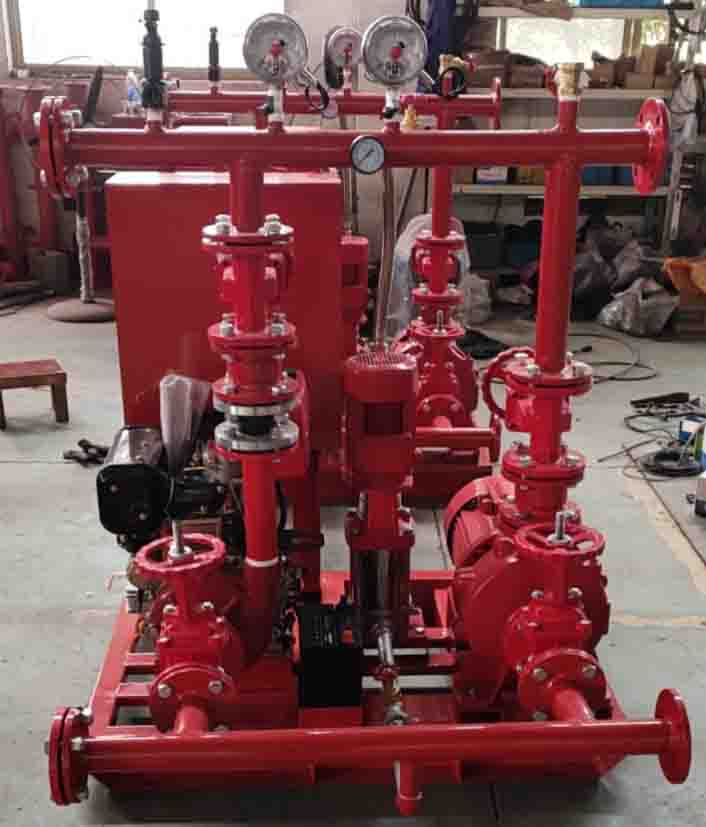
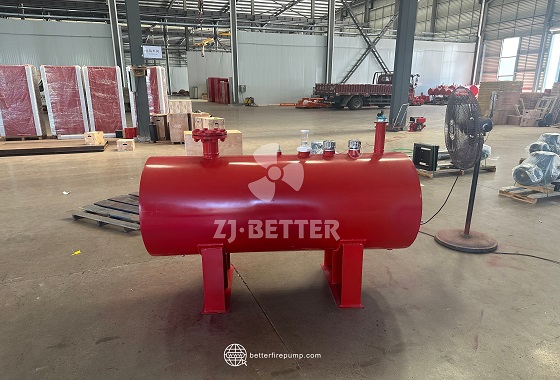
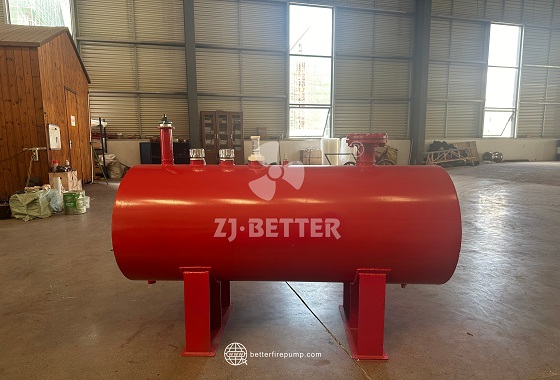
Fire-fighting pressure stabilizing tanks are crucial equipment in fire-fighting water supply systems, used for pressure storage, buffering, and auxiliary pressure stabilization. They primarily achieve pressure storage and replenishment through pressure changes between the gas and water inside the tank. As shown in the image, the product features a horizontal cylindrical tank structure, equipped with inlet and outlet interfaces, pressure detection, and related connecting components. It can be used with fire pumps, pressure-stabilizing pumps, and automatic control systems, and is suitable for building fire protection, industrial plants, storage facilities, and other scenarios requiring stable pressure in the fire-fighting pipeline network. The product utilizes the principle of gas-water pressure energy storage. When the fire-fighting pipeline network is in standby mode, it stores a certain pressure. When the system experiences low water flow or pressure drop, the pressure stored inside the tank can push water into the pipeline network, providing timely pressure compensation and reducing pressure fluctuations. The gas-water separation structure keeps the compressed gas and water relatively independent, creating a pressure buffer space through the compressibility of the gas, which helps maintain a stable pressure state and reduces the direct entry of gas into the fire-fighting pipeline. In actual fire-fighting water supply systems, when the pipeline pressure drops slightly, the pressure tank can release stored water to replenish the pressure, preventing the fire pumps from immediately starting for every small pressure change. This helps reduce the mechanical and electrical load caused by frequent pump start-stops and improves the operating conditions of the fire pump sets. For fire-fighting pipelines that require maintaining stable static pressure over a long period, the pressure tank can provide continuous pressure buffering, working in conjunction with pressure-stabilizing pumps and automatic control equipment to keep the system pressure within a reasonable range. The product uses a steel tank structure, providing good overall mechanical strength. It can be configured with appropriate volume, working pressure, interface size, and installation method according to the design requirements of different fire-fighting projects, and surface anti-corrosion treatment can be applied according to the actual usage environment. The horizontal structure provides good installation adaptability, allowing for reasonable arrangement based on the fire pump room space and pipeline layout. The equipment can also be used with pressure gauges, pressure detection elements, and control systems to monitor and manage the pressure of the tank and fire-fighting pipeline in real time, facilitating operators to understand the system’s operating status and perform routine maintenance. For building and industrial fire protection projects of varying scales, appropriate specifications can be selected based on system design flow rate, pressure, water storage requirements, and pipeline characteristics to ensure a rational system configuration of pressure tanks with fire pumps, pressure stabilizing pumps, control cabinets, and other fire protection equipment. Whether in residential buildings, commercial complexes, industrial plants, warehousing centers, or public facilities, fire-fighting pressure stabilizing tanks serve as crucial auxiliary equipment in fire water supply systems, providing pressure storage and buffering support for the pipeline network. Compared to ordinary water storage equipment, their core value lies not only in storing a certain amount of water but also in utilizing the gas compression characteristics to achieve pressure regulation. This helps maintain pipeline pressure under conditions of low water usage in the fire protection system and reduces unnecessary starts of fire pump sets. For fire water supply systems, stable pipeline pressure directly affects the standby status and water supply response of equipment. Therefore, a rationally configured fire-fighting pressure stabilizing tank can improve system pressure control and enhance the overall operational stability of the fire pump set. Based on actual project needs, a comprehensive configuration can be achieved by combining fire pump performance, pressure stabilizing pump parameters, pipeline pressure requirements, and on-site installation conditions to create a more suitable fire water supply solution. Overall, fire-fighting pressure stabilizing tanks have the characteristics of pressure energy storage, pressure compensation, buffering fluctuations, reducing frequent start-stop of pump sets, and assisting in stabilizing the pressure of fire-fighting pipelines. They are reliable in structure, flexible in configuration, and have a wide range of applications. They can be used in conjunction with a variety of fire-fighting water supply equipment and are important pressure stabilizing devices in building and industrial fire-fighting water supply systems.