Home » Fire Pump Set » DJ Fire Pump At The Better Factory

DJ Fire Pump At The Better Factory

Instructions for use:
Altitude≤1000m;
Ambient temperature: +5℃~+40℃;
Relative humidity: <= 90%. Scope of application of fire pump set: Equipment suitable for fire protection occasions such as warehouses, docks, airports, petrochemicals, power plants, liquefied gas, textiles, ships, oil tankers, etc.

Rated 4.9/5 based on 300 customer reviews
Share:
Content

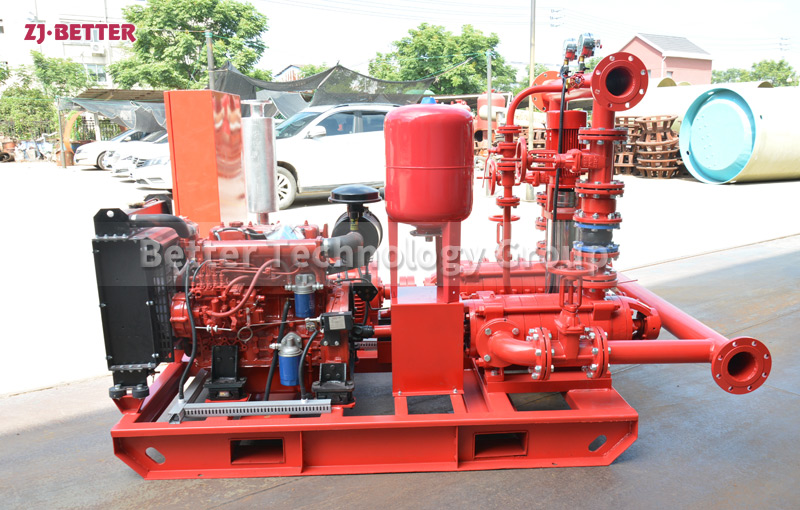
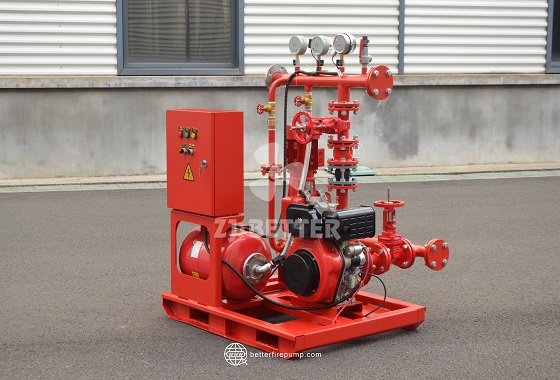
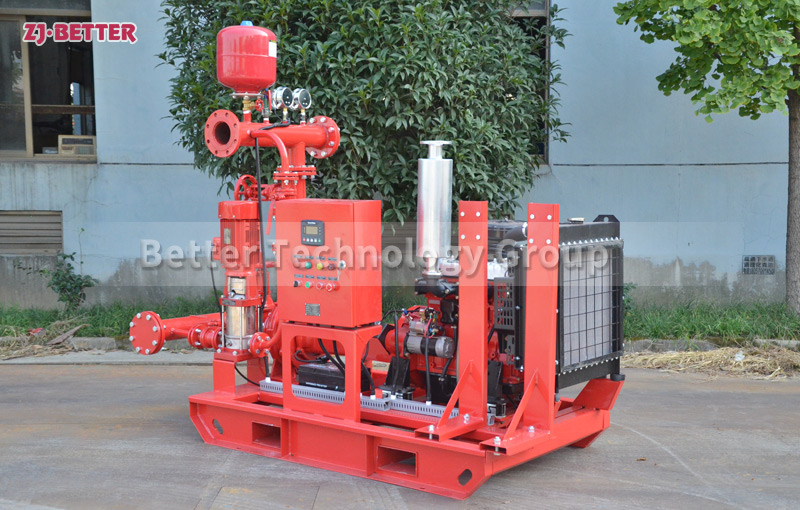
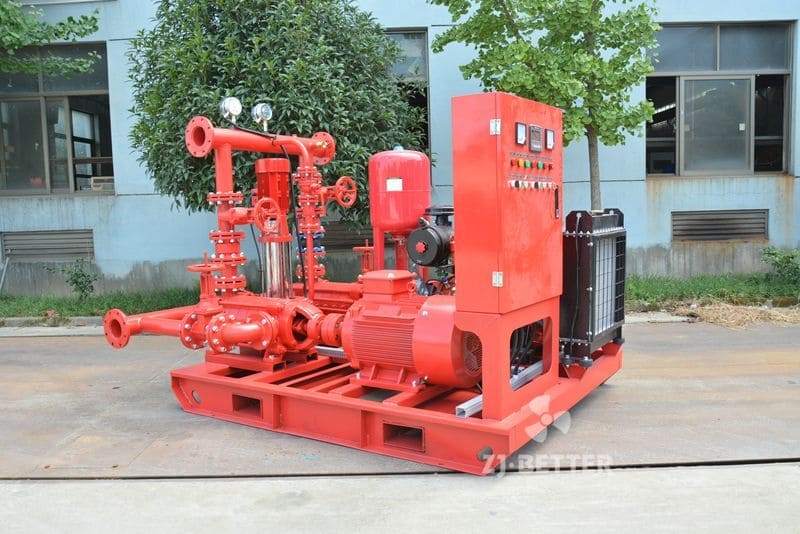
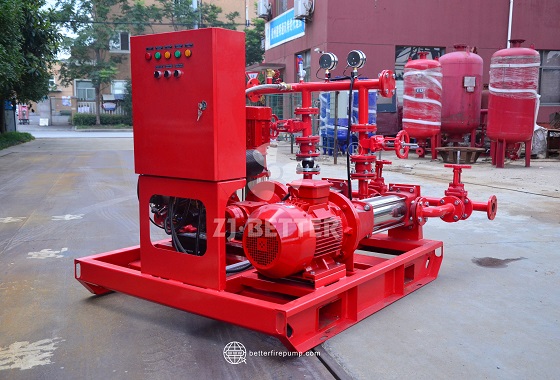
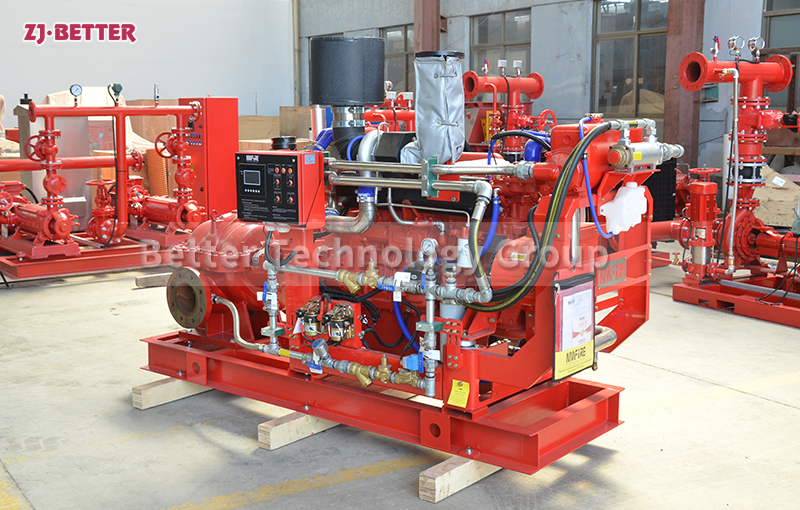
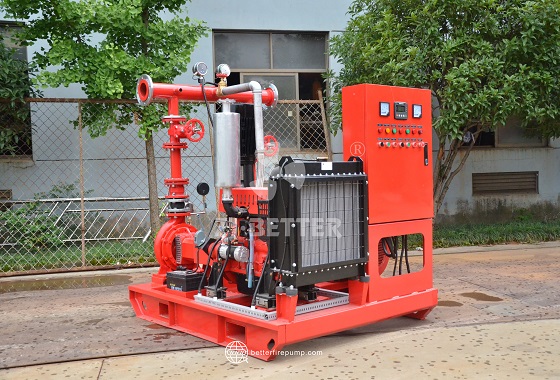
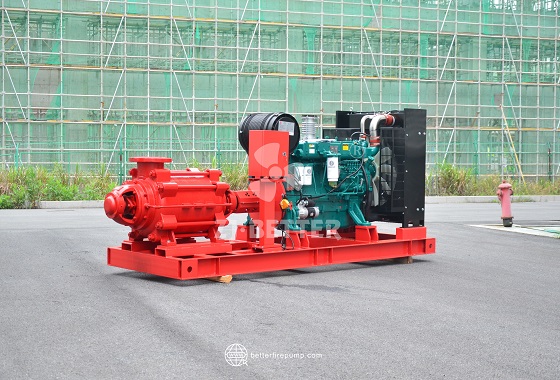
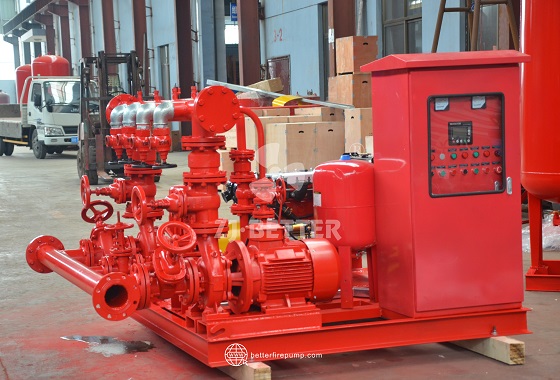
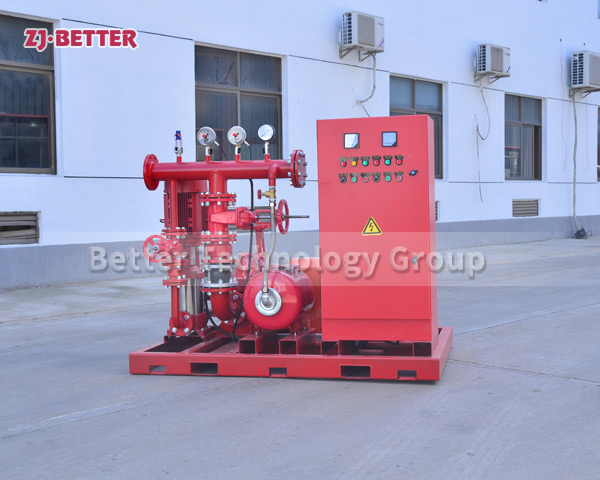
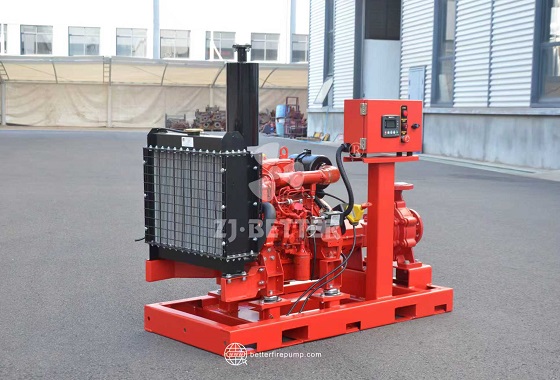
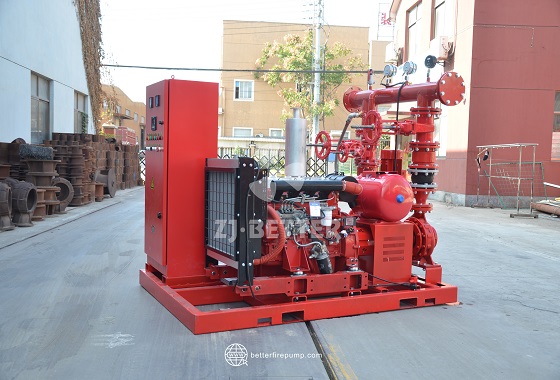
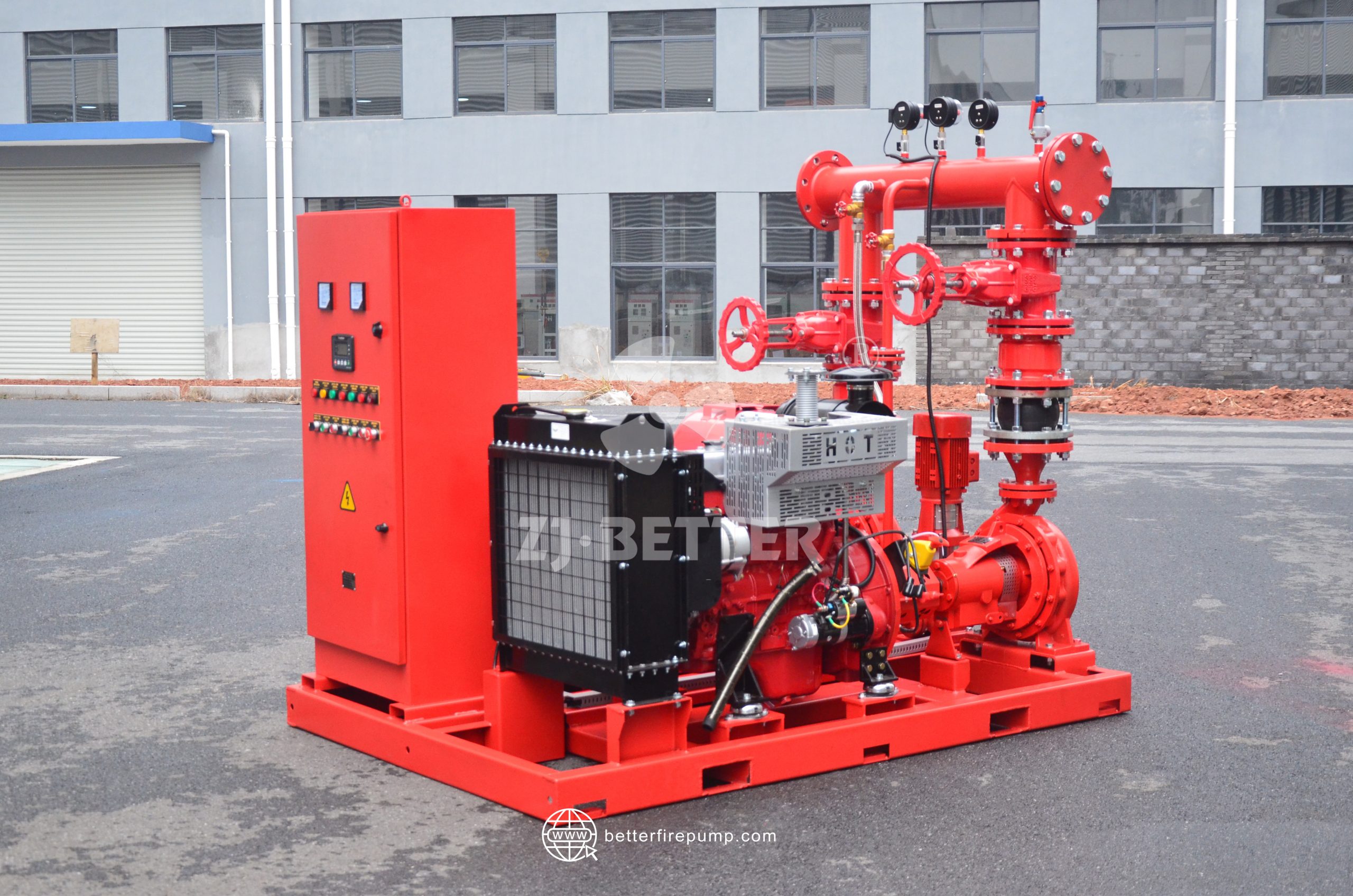
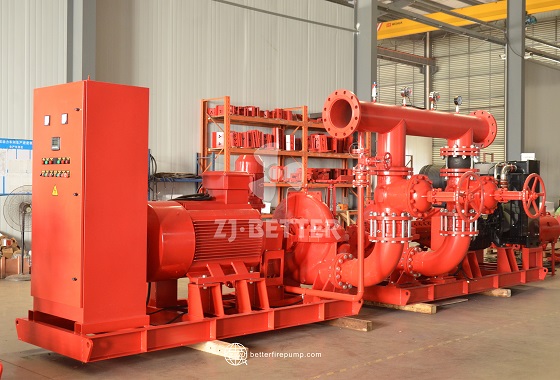
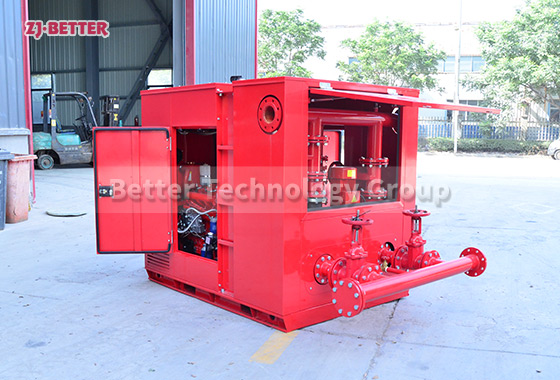
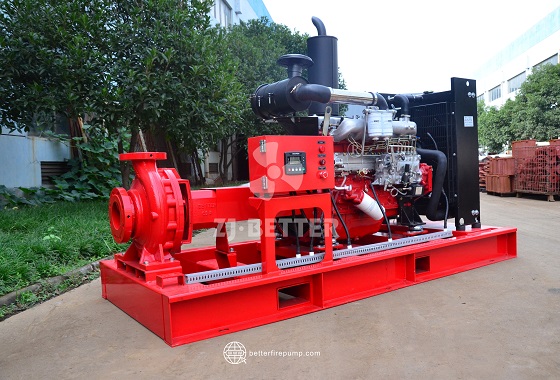
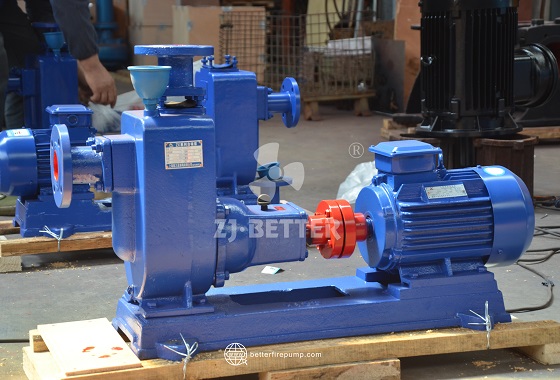
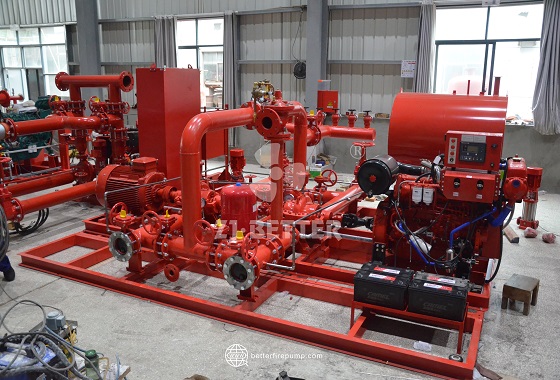
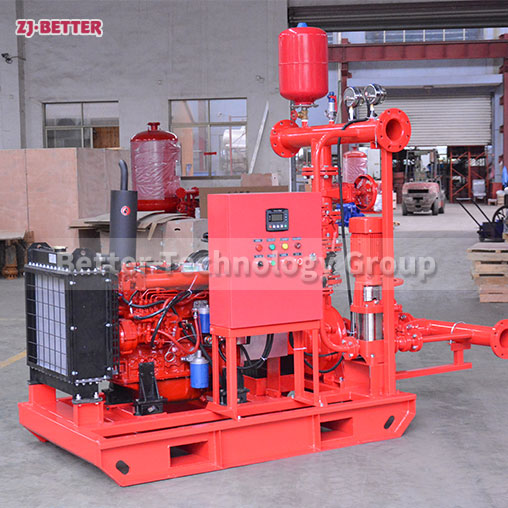
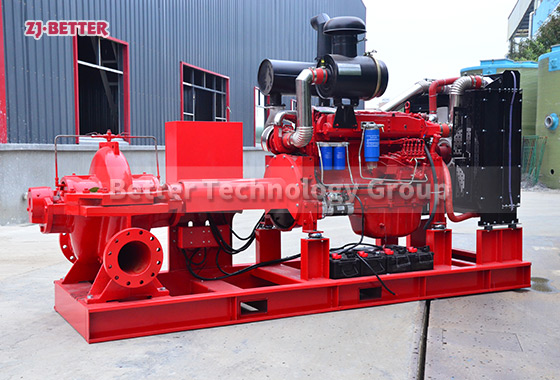
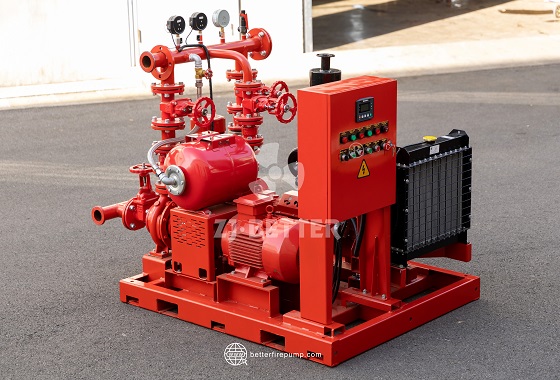
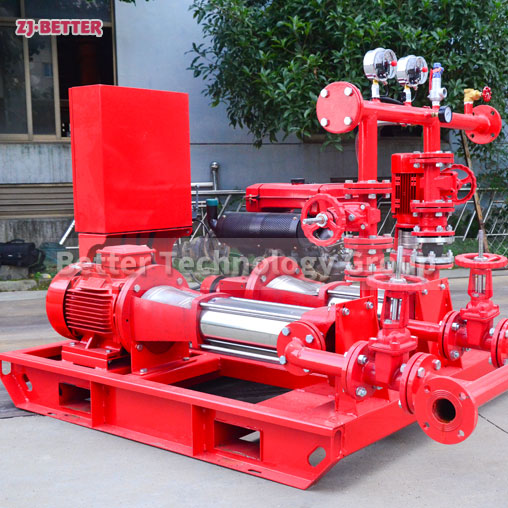
1. Diesel engine pump, can use single stage pump, horizontal split case pump, end suction pump, multistage pump, material can be cast iron, stainless steel, and bronze impeller , with fuel tank, water tank,fan, control box

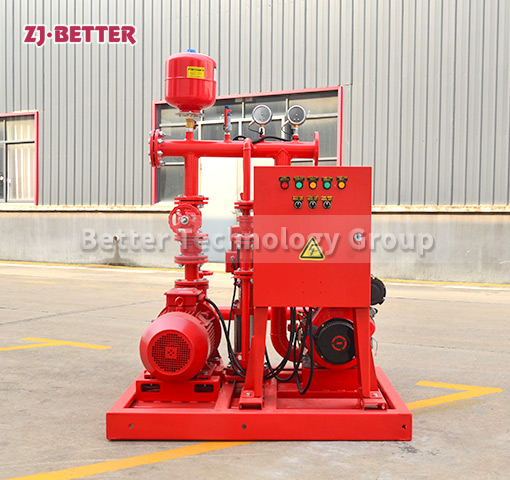
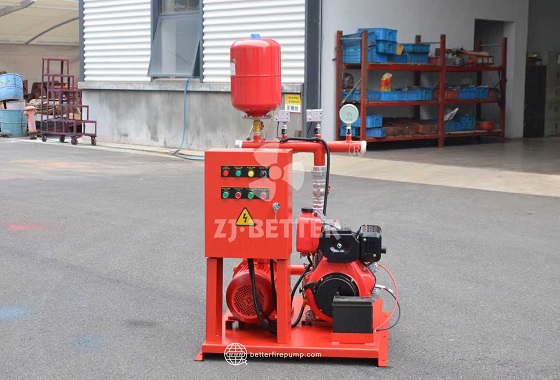
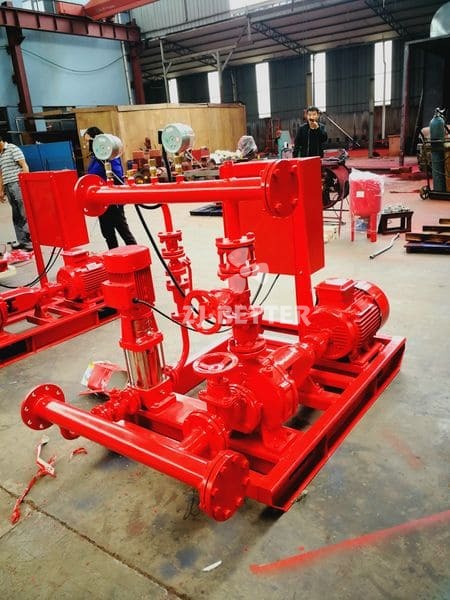
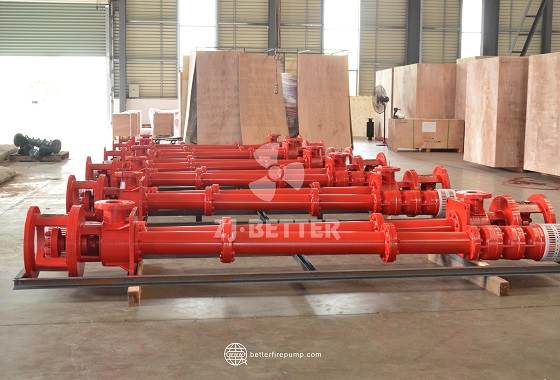
2. Jockey pump, horizontal or vertical, capacity will be small, but head should be higher than electric and diesel engine pump
Jockey material casing :cast iron ,shaft and impeller SS304

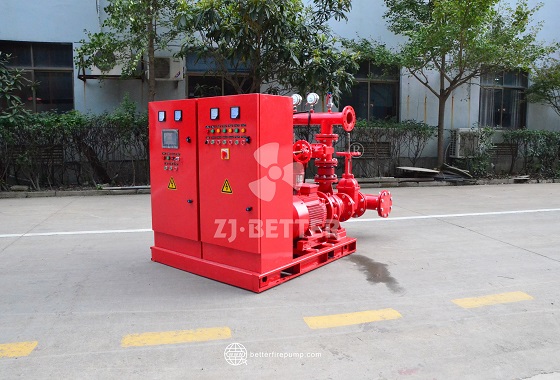
3. Control panel: Auto Control of diesel engine pump and Jockey Pump with overload, over current protection

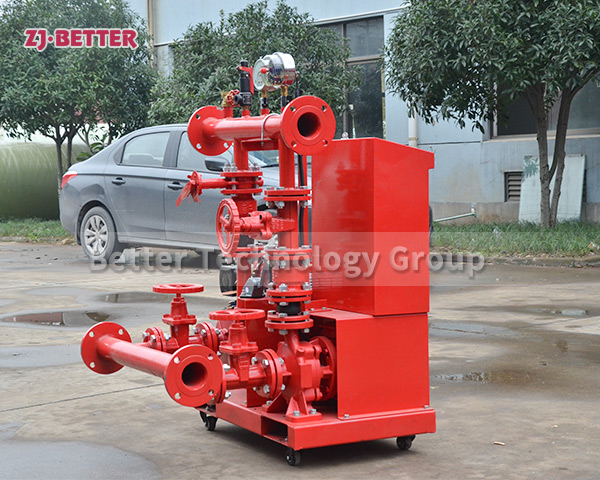
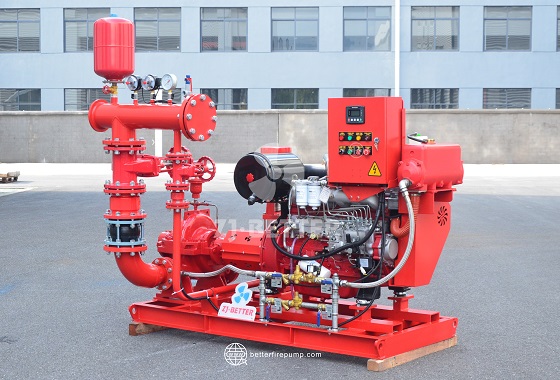
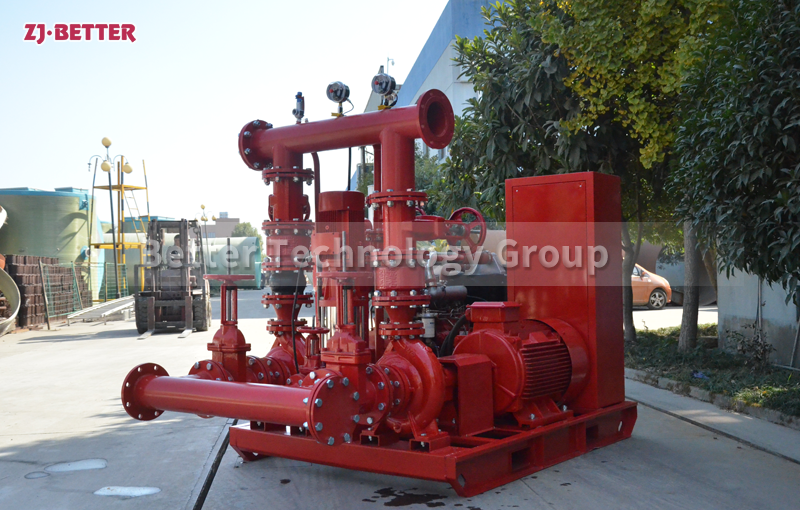
4. Accessories: check valve, gate valve, pressure vessel, generally 0.6mpa, 1.0mpa, 1.6mpa, Pressure Gauge, Pressure Sensor, Common Pipe for Suction and Discharge, Flexible Joints and Flanges, Common Base plant

Earthquake-resistant electrical contact pressure gauges are equipped with buffer valves at the pressure gauges and interfaces to reduce pressure fluctuations caused by false alarm signals of the pump
Flexible Joints the material is rubber, shock absorption, noise reduction, the vibration is relatively large when the pump is started, if it is a rigid connection, it is easy to pull off, and the rubber joint can absorb the vibration generated by the pump or valve, which is convenient for pipeline connection
Inquiry


    More Fire Pump Set

    Using a fire pump efficiently and reasonably is crucial to ensure its optimal performance and effective firefighting capabilities. Here are some key considerations for using a fire pump efficiently:

    Proper Sizing: Ensure that the fire pump is properly sized for the specific application.

    Regular Maintenance: Perform regular maintenance on the fire pump to keep it in optimal condition.

    Optimal Operating Speed: Operate the fire pump at the optimal speed based on the required flow rate and pressure.

    Water Management: Manage the water supply efficiently to avoid unnecessary waste.

    Training and Familiarization: Provide training to firefighters and operators on the proper operation of the fire pump.

    Monitoring and Control: Utilize monitoring and control systems to optimize pump operation. These systems can provide real-time information on flow rates, pressures, and energy consumption. Use this data to adjust operating parameters as needed and identify any anomalies or inefficiencies that may require attention.

    Shut Down When Not in Use: When the fire pump is not actively needed, consider shutting it down to conserve energy and reduce wear on the equipment.

    Record Keeping: Maintain records of pump operation, maintenance activities, and any performance issues.

    Efficient and reasonable use of a fire pump not only helps conserve resources but also ensures its readiness to combat fires effectively. By following proper operating procedures, conducting regular maintenance, and promoting a culture of efficiency among operators, the fire pump can operate optimally and provide reliable firefighting capabilities when needed most.

    In the fire fighting pipeline pump, according to the different installation methods can be divided into vertical fire pumps and horizontal fire pumps, many people have questions about these two common pumps, what is the difference between the two? Shanghai Xizhiquan will explain the difference between horizontal and vertical pumps.

    Obviously, different installation methods take up different space. Vertical pipeline pumps are installed vertically, covering a relatively small area, and vertical fire pumps do not require a foundation, while horizontal fire pumps need to be equipped with a base.

    According to the different structures of the two pumps, it can be concluded that there is also a certain difference in the ease of maintenance of the two types of fire fighting pipeline pumps. The impeller of the vertical fire pump needs to be dismantled from top to bottom, which makes maintenance more difficult; the horizontal fire pump only needs to have the inlet pipe removed so that the impeller can be overhauled, which is relatively simple.

    Due to the different inlet and outlet pipe directions, the pipeline connection between vertical and horizontal is also different. As the vertical pump is a bottom-up structure, while the horizontal fire pump is longitudinally arranged on the base, so the motor of the vertical pump and the pump body are connected in the form of sub-mouth connection, while the horizontal pump needs to use couplings to connect with the motor, and the horizontal pipeline pump needs to be corrected regularly.
    Translated with www.DeepL.com/Translator (free version)