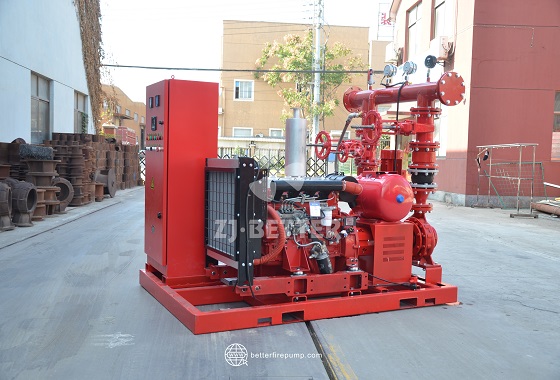
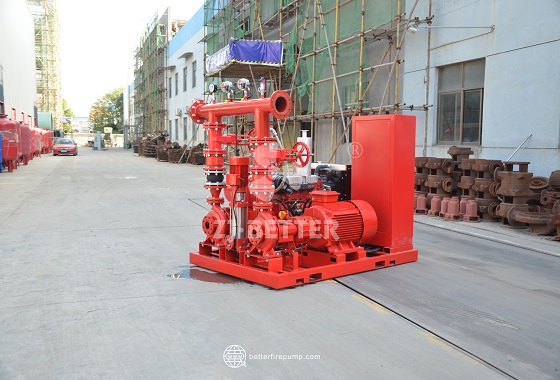
High-Performance Split Case Fire Pump System with Diesel Engine
High-performance split-type fire pump systems are equipped with diesel power, featuring large flow rates, high stability, and independent operation capabilities. They are widely used in industrial and large-scale fire protection projects to ensure reliable and efficient emergency water supply.
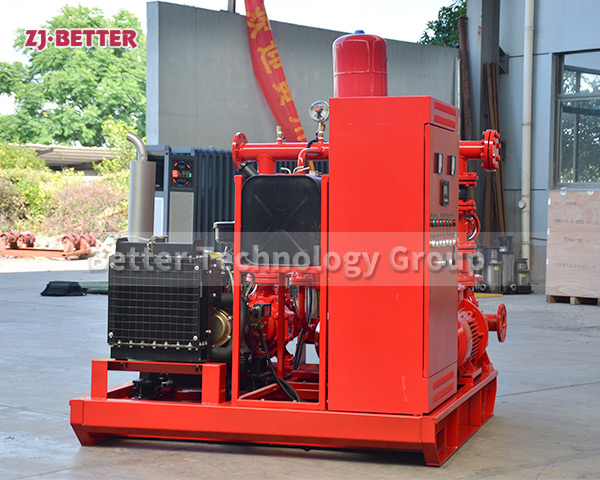
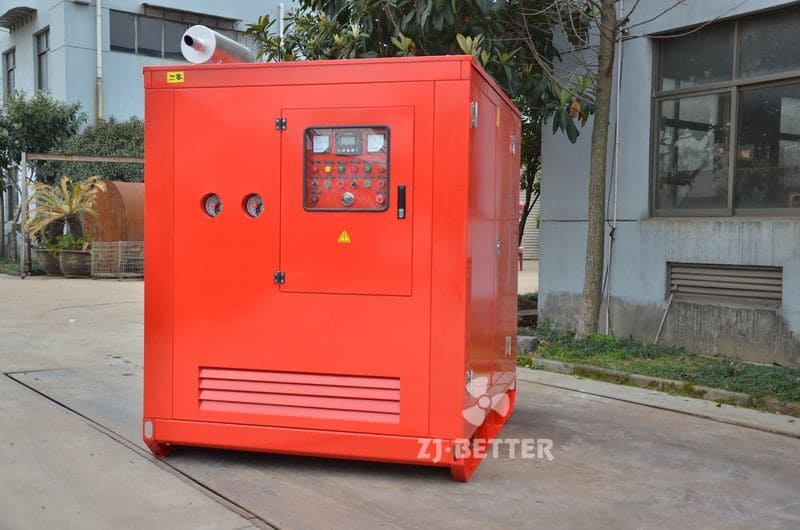
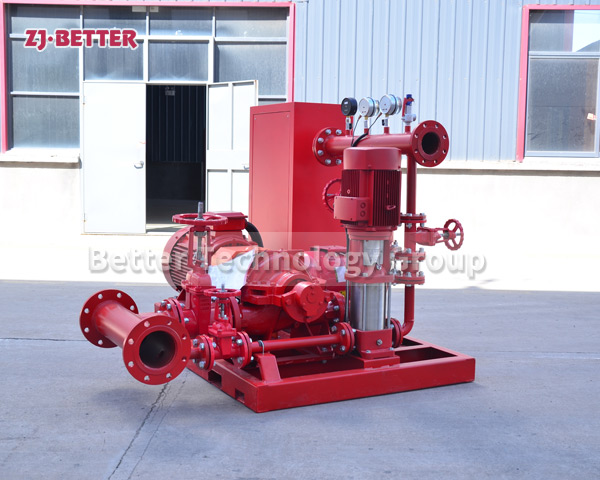
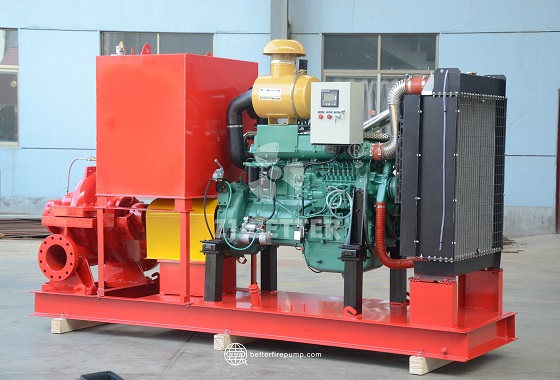
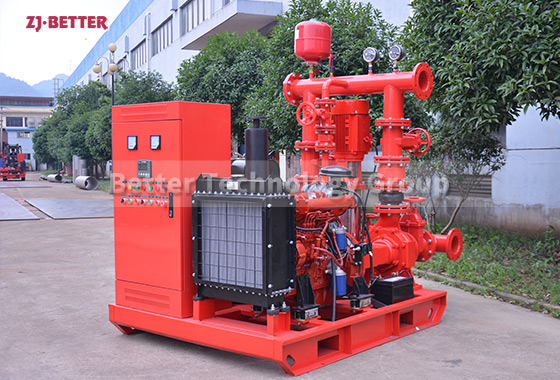
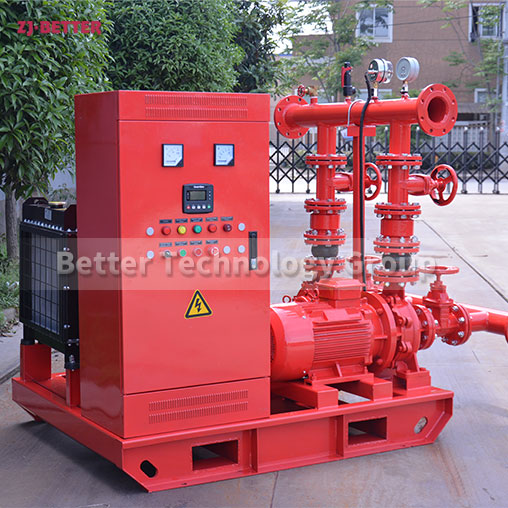
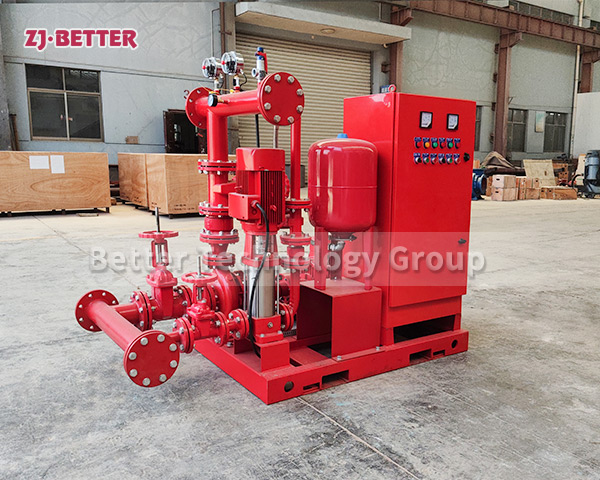
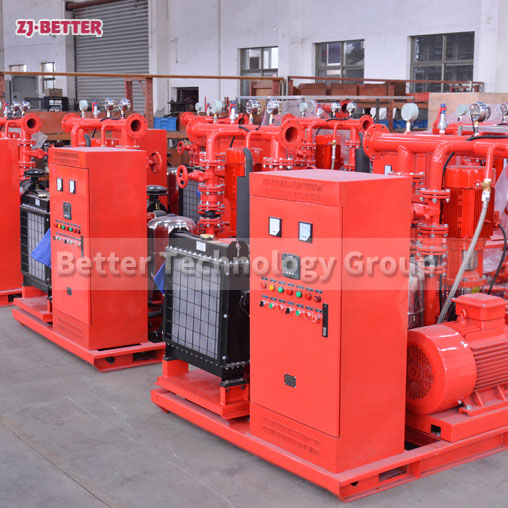
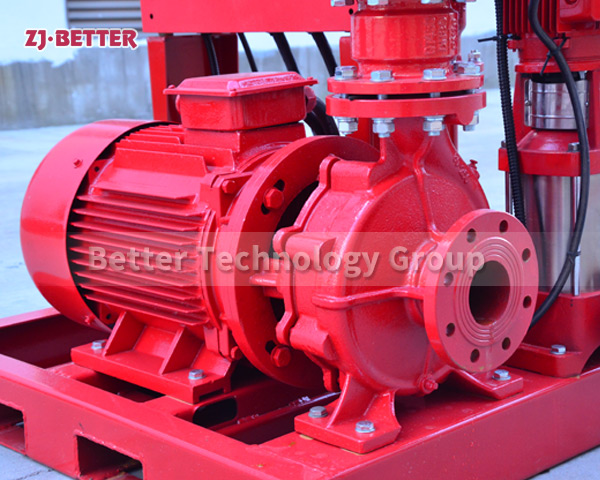
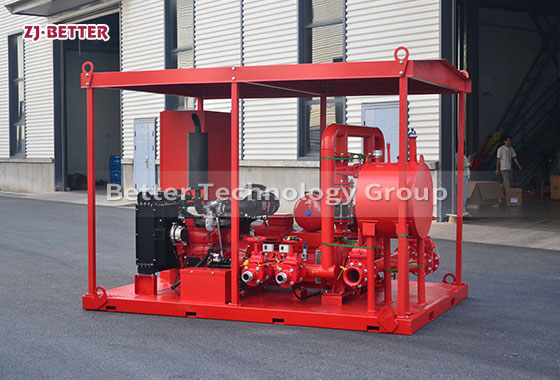
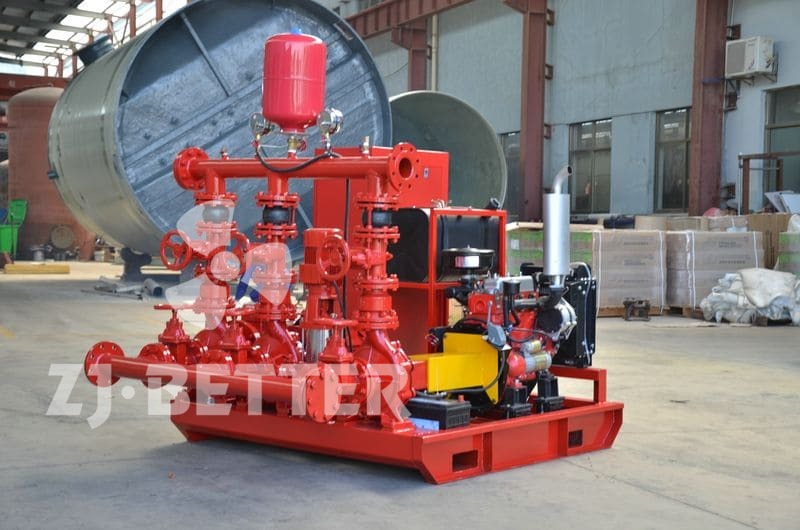
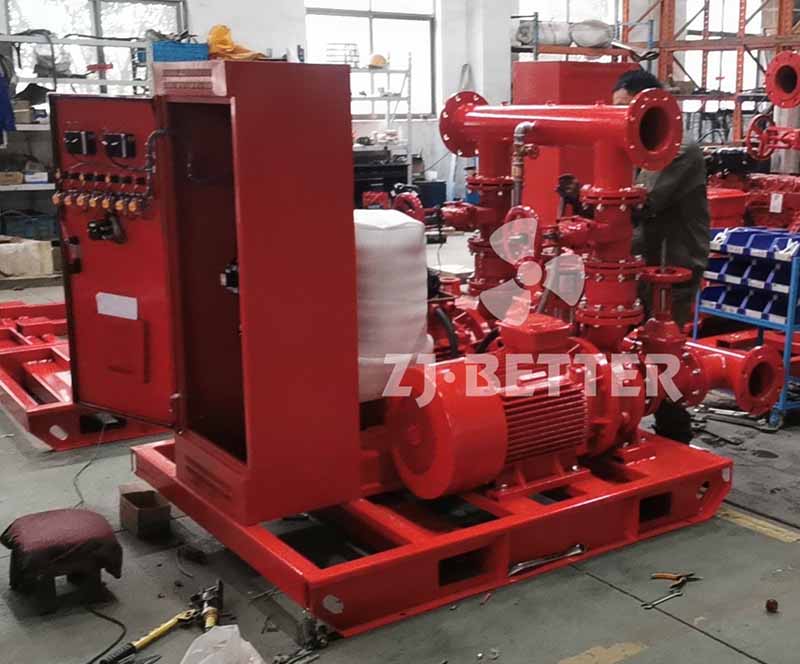
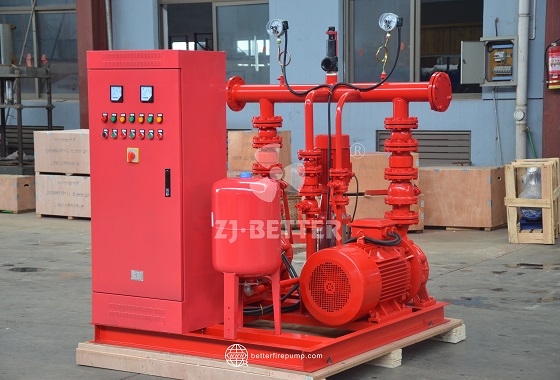
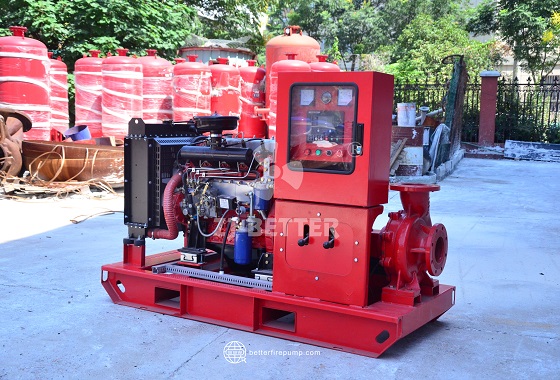
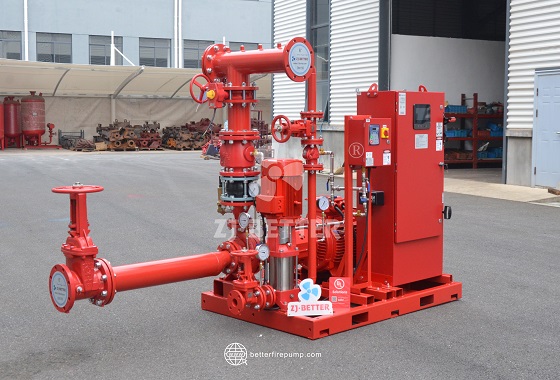
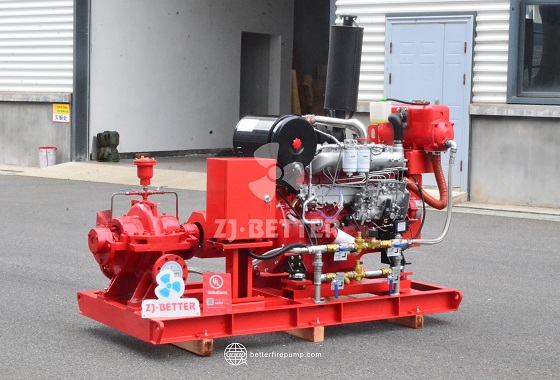
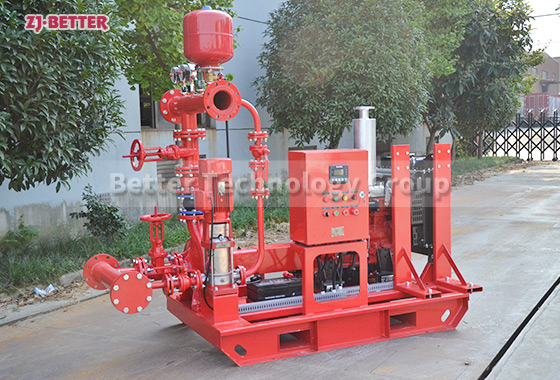
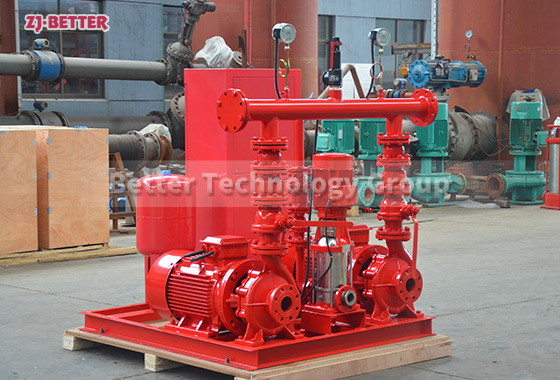
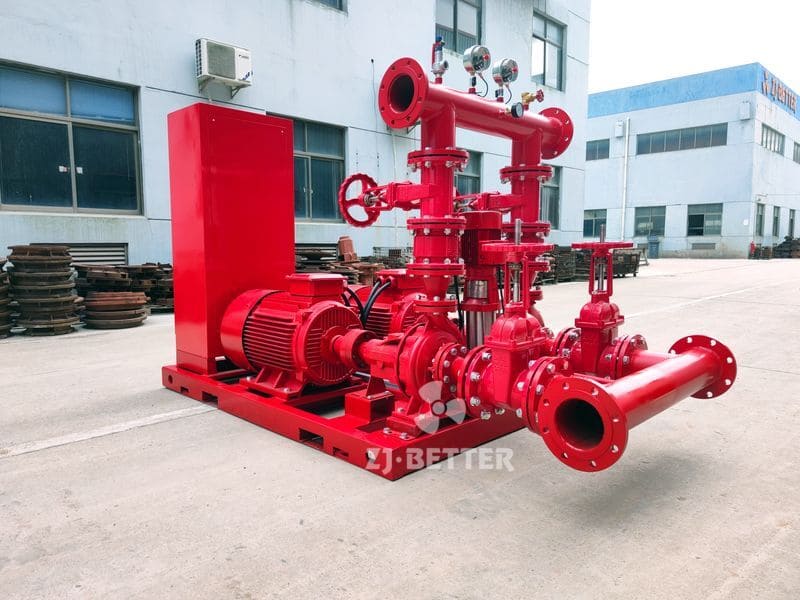
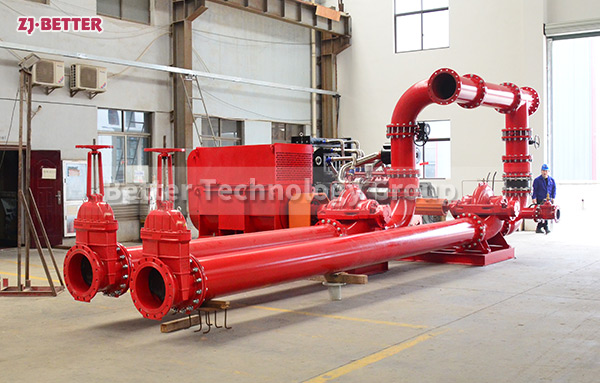
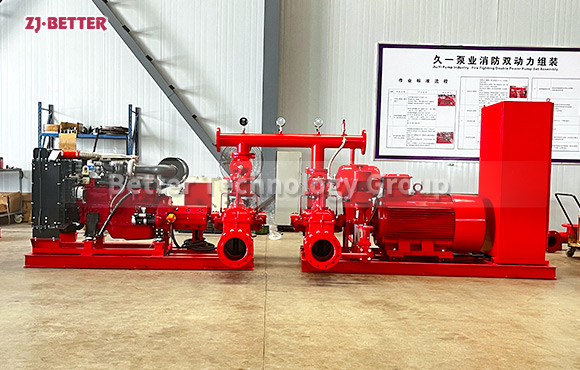
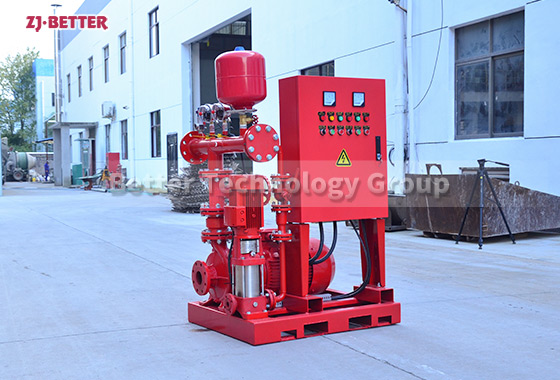
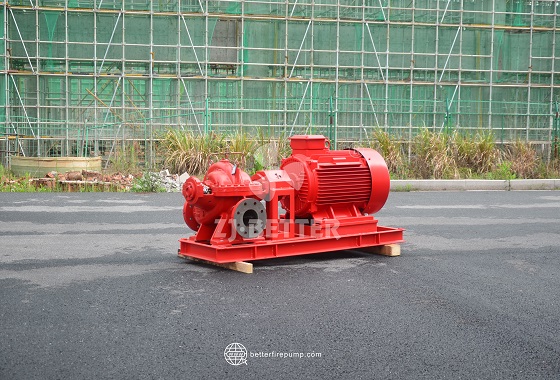
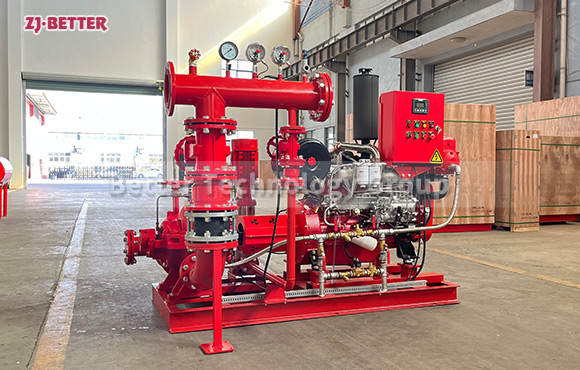
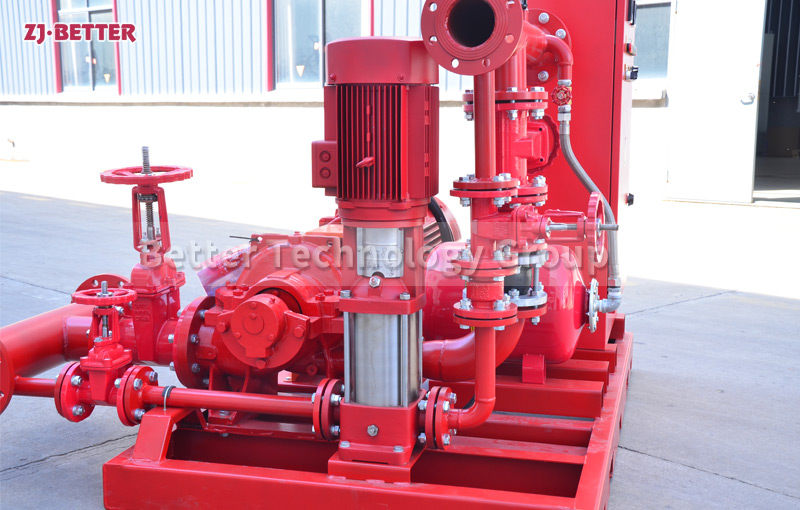
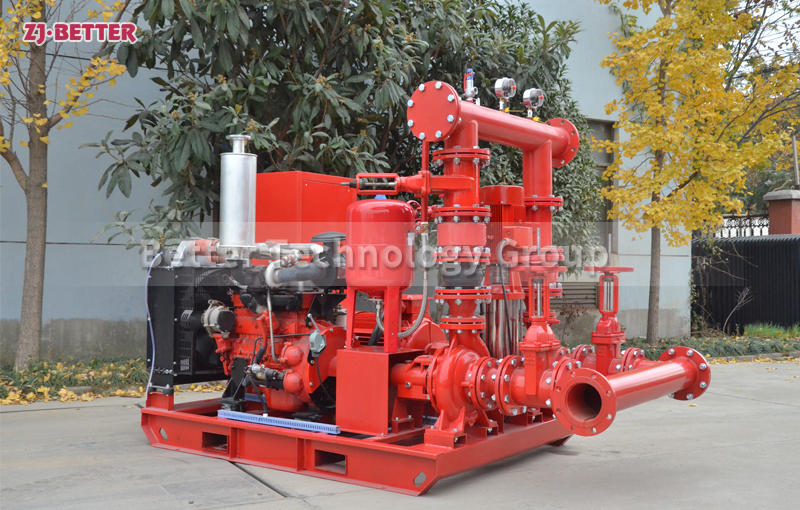
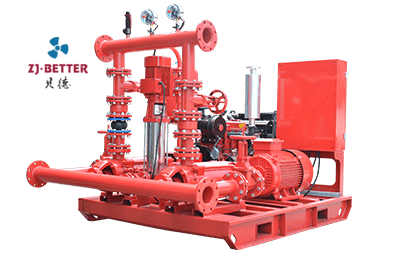
High-performance split-type fire pump systems with diesel power are core equipment solutions specifically designed for high-intensity fire water supply needs. They play a crucial role in modern fire protection engineering systems, especially suitable for scenarios with extremely high requirements for water flow, stability, and safety, such as petrochemical facilities, power energy systems, large industrial plants, ports, airport hubs, and complex application environments like high-rise and super high-rise buildings. This system combines a high-efficiency split-type centrifugal pump with a powerful diesel engine to achieve high flow rates, low energy consumption, and continuous stable operation, providing a reliable water source for fire protection systems. In terms of structural design, the split-type fire pump adopts a horizontal split-case structure, with the pump body divided into upper and lower parts along the axis. This design allows for maintenance and repair without disassembly. The inlet and outlet water pipes allow for easy inspection or replacement of internal impellers, bearings, and sealing components, significantly improving maintenance efficiency and reducing downtime. This advantage is particularly important for fire protection systems requiring long-term continuous operation. The split-type structure also provides excellent mechanical stability, effectively reducing vibration and noise under high-flow conditions, thereby improving overall equipment reliability. In terms of hydraulic performance, the system optimizes impeller design and flow channel structure, ensuring uniform water flow within the pump body and reducing turbulence losses, thus significantly improving pump efficiency. Split-type fire pumps are particularly suitable for high-flow, low-head applications, enabling rapid delivery of large volumes of water in large-scale fire protection projects. This ensures that sprinkler and fire hydrant systems quickly establish water pressure and provide continuous water supply during a fire. Its high efficiency is undeniable. Not only does it improve fire extinguishing effectiveness, but it also reduces energy costs during long-term operation. The diesel engine, as the system’s power core, has independent operating capabilities and does not rely on external power supplies. Even during power outages or extreme conditions, it can continuously provide power, making it an indispensable component of critical fire protection facilities. Diesel engines typically employ high-performance industrial-grade designs, featuring rapid start-up, stable output, and high durability. Upon receiving a start signal, they can quickly reach rated speed and drive the fire pump to operational status, thus providing timely and effective water supply to the fire protection system. In terms of the control system, the equipment is equipped with an advanced intelligent control cabinet, using automated control technology to achieve automatic start-up, operation monitoring, and multiple safety features. The system features enhanced protection functions. When the fire hydrant pressure drops or the system receives a fire alarm signal, the control system immediately starts the diesel engine and drives the fire pump without manual intervention, significantly shortening response time and improving fire extinguishing efficiency. The control system also includes low oil pressure protection, high temperature protection, overspeed protection, battery voltage monitoring, and fault alarm functions. These features enable timely protective measures to prevent equipment damage and ensure safe and stable system operation in case of malfunctions. Regarding the fuel system, the equipment employs a high-efficiency fuel supply design. Through the coordinated action of the fuel pump and filter, a stable diesel fuel supply is ensured under various operating conditions. The filter system effectively removes impurities and water from the fuel, reducing engine wear and extending its service life. As for the cooling system, the equipment typically… Equipped with a high-efficiency radiator and circulating cooling structure, the engine is continuously cooled via air or water cooling, ensuring stable performance even during long-term operation, especially under high-temperature or continuous operation conditions. In terms of overall structural design, the system adopts a modular and integrated design concept, integrating the diesel engine, separate fire pump, and control system onto a single base. This results in a more compact and rational equipment layout, facilitating transportation and installation, reducing on-site construction work, and improving project efficiency. Simultaneously, the base uses a high-strength steel structure and undergoes anti-corrosion treatment, enabling the equipment to adapt to various complex environments, including humid, high-temperature, or corrosive locations, thereby extending its service life. Regarding operational stability, the system utilizes high-precision manufacturing processes and rigorous… Strict quality control ensures closer coordination between key components, effectively reducing vibration and noise during operation and improving overall equipment reliability. In practical applications, this system typically forms a complete fire water supply system together with electric fire pumps and pressure-stabilizing pumps. During daily operation, the electric pump maintains the pipeline pressure, while in the event of a power outage or main pump failure, the diesel pump automatically starts and quickly takes over the water supply, creating a multi-layered protection mechanism to ensure the fire system is always available. Regarding energy saving and economy, although the diesel fire pump is primarily used for emergency operation, its high-efficiency combustion system and optimized design effectively reduce fuel consumption and maintenance frequency, resulting in lower overall operating costs throughout the equipment’s lifespan. In terms of maintenance, the split-type structure allows for easier access within the equipment. Key components are more easily accessible, allowing maintenance personnel to complete repairs without disassembling complex pipelines, significantly improving maintenance efficiency and reducing labor costs. Furthermore, with the development of intelligent technology, the system can be further integrated with remote monitoring and data analysis functions, enabling real-time monitoring of equipment operating status via network. This allows managers to monitor equipment status and perform remote operation at any time, thereby improving management efficiency and reducing labor costs. In terms of application areas, this high-performance split-type fire pump system is widely applicable to various large-scale fire protection projects, including those in the petrochemical industry with stringent requirements for explosion-proof and high reliability, the power industry for continuous protection of equipment safety, ports and airports requiring extensive fire coverage, and large-scale warehousing and logistics centers for enhanced fire prevention capabilities. These locations typically place extremely high demands on fire protection systems, and this system, with its high flow output, stable operation, and independent power advantages, becomes an ideal choice. Overall, the high-performance split-type fire pump system with diesel power, through its advanced hydraulic design, powerful output, intelligent control system, and stable and reliable structure, provides a highly efficient, safe, and reliable water supply solution for modern fire protection engineering. It not only responds quickly and continuously provides a large amount of water in emergencies, but also reduces operating costs and extends equipment lifespan through optimized design. It is an indispensable piece of equipment in fire protection systems for various buildings and industrial facilities. With continuous technological advancements, this type of equipment will continue to develop towards greater efficiency, intelligence, and environmental friendliness in the future, providing a more solid technical guarantee for global fire safety.