Home » Fire Pump Set » Diesel engine fire pump is a reliable fire fighting equipment

Diesel engine fire pump is a reliable fire fighting equipment

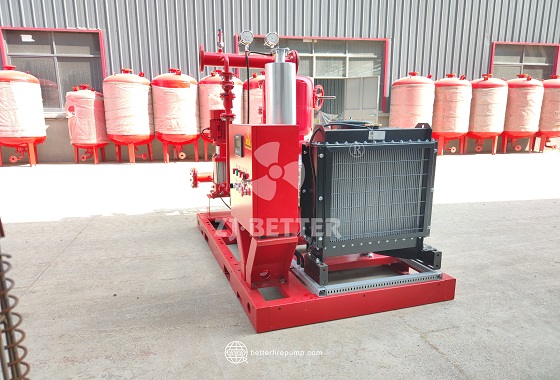
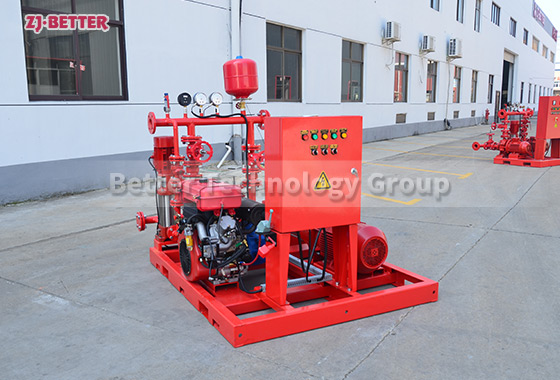
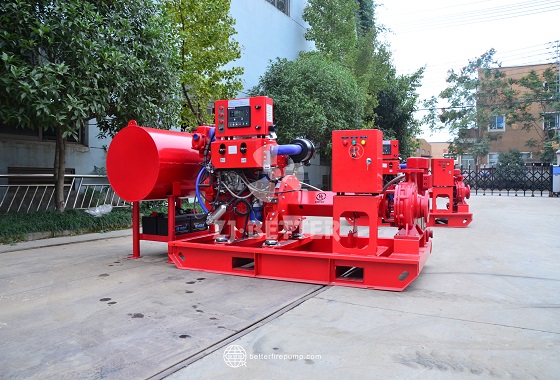
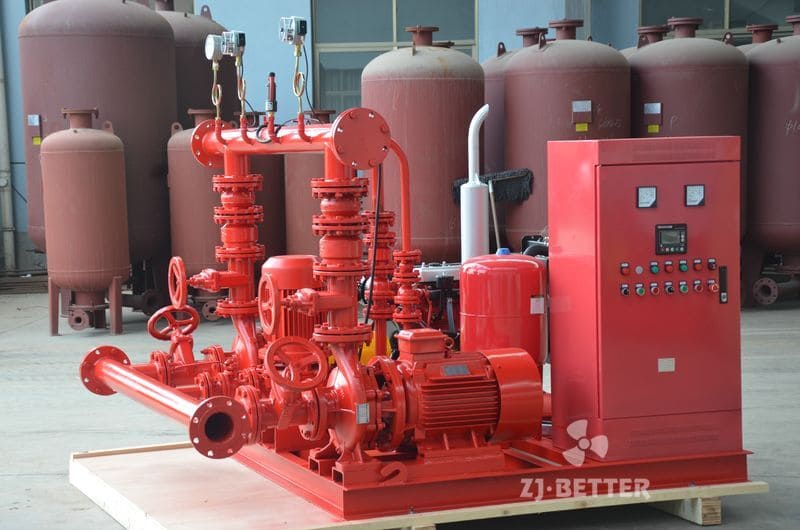
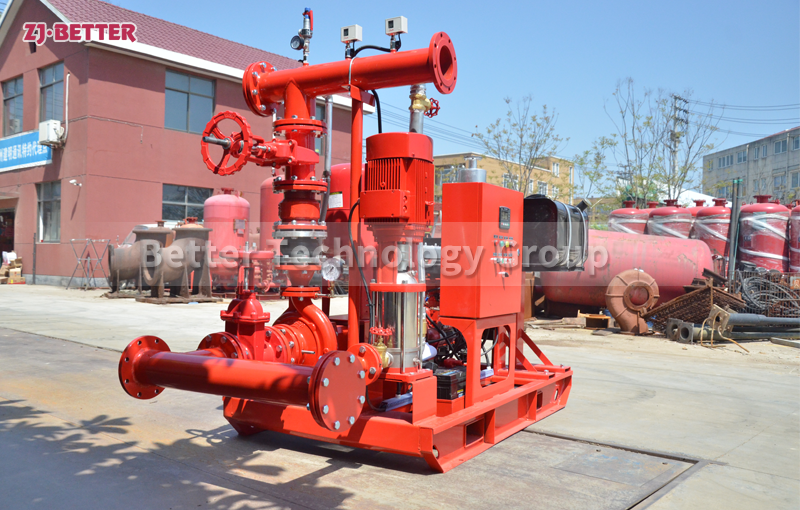
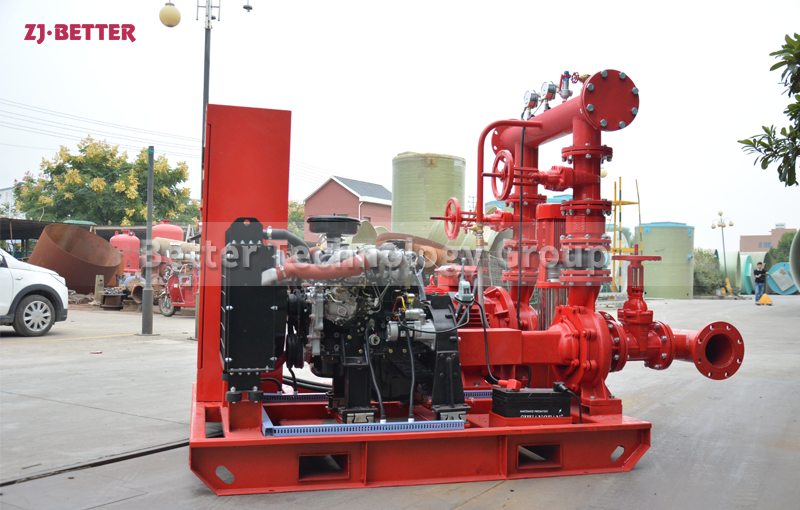
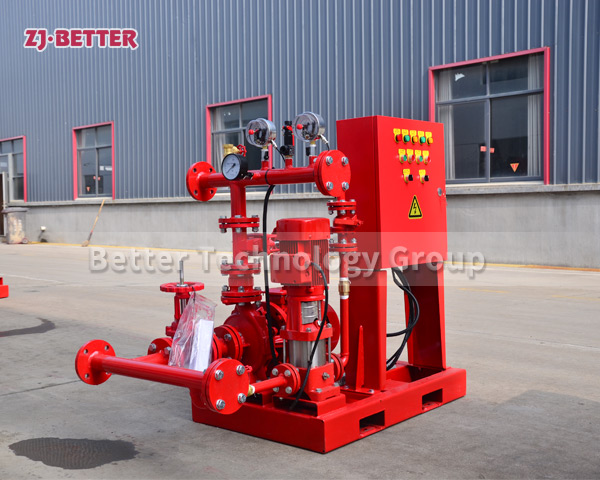
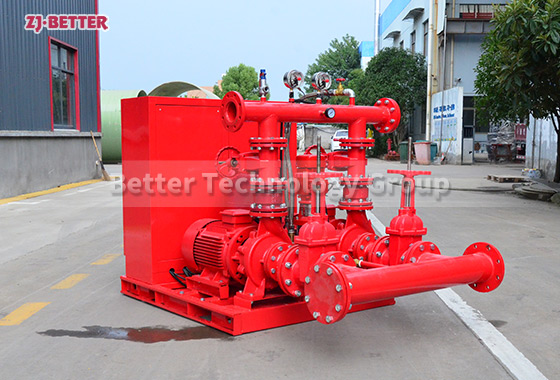
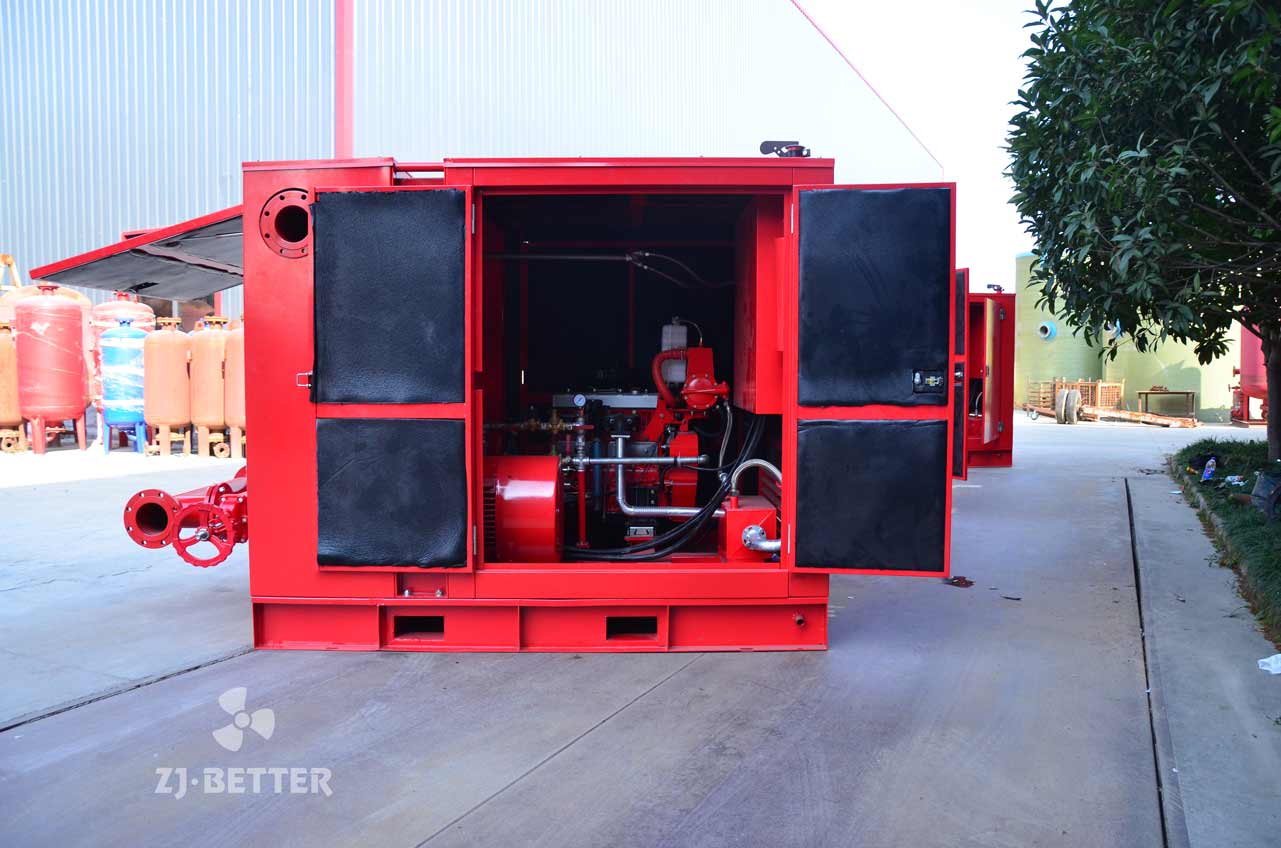
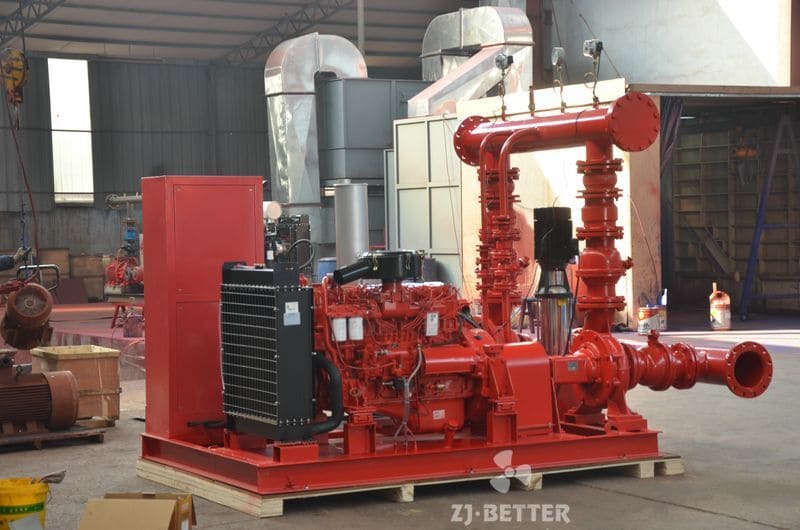
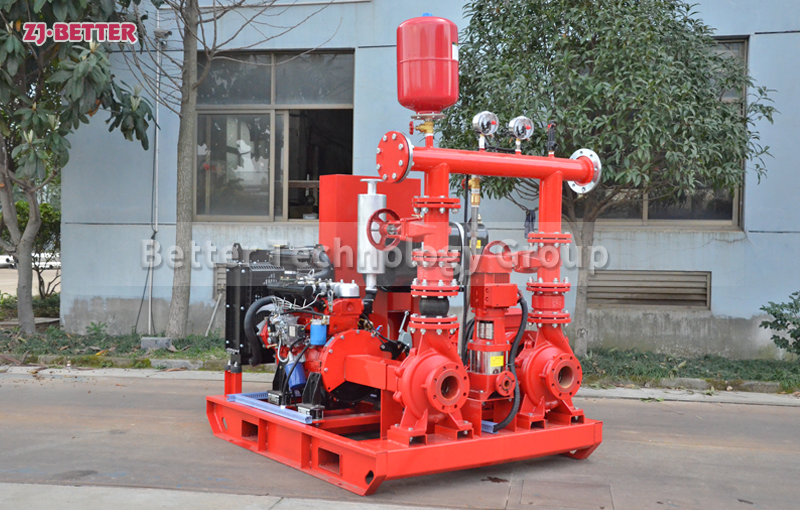
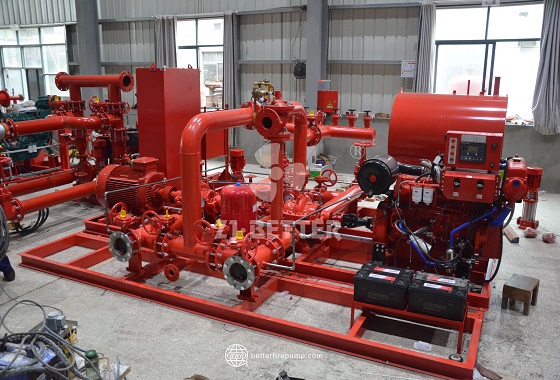
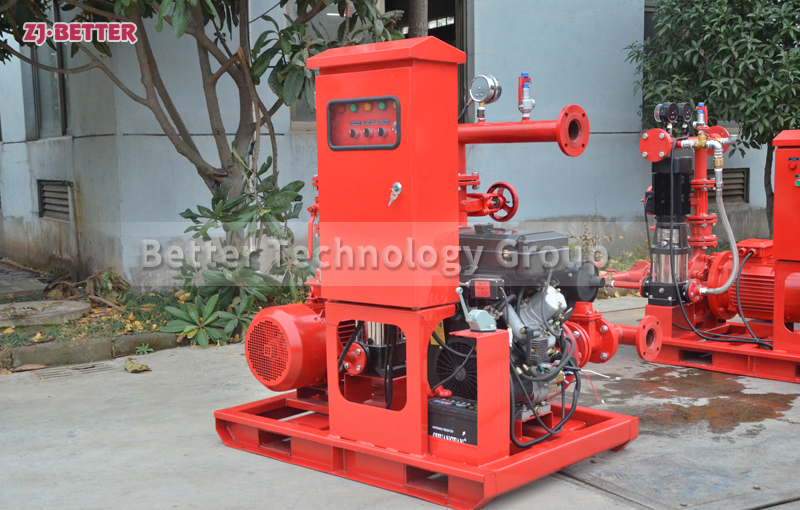
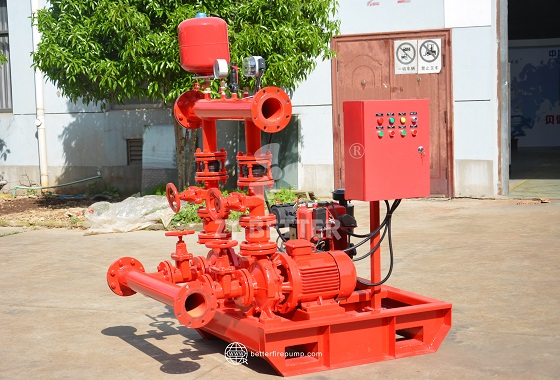
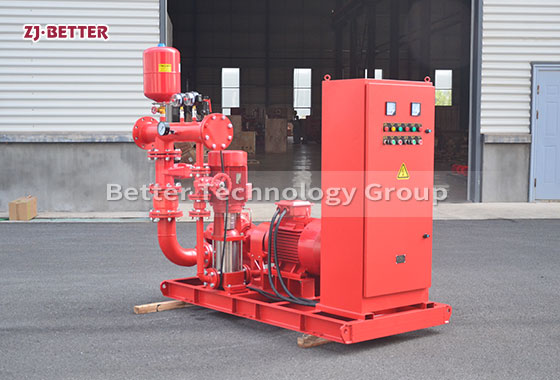
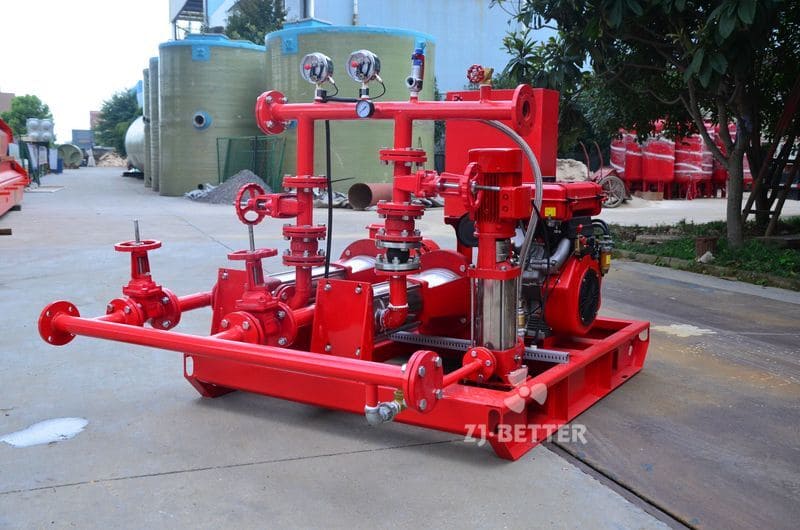
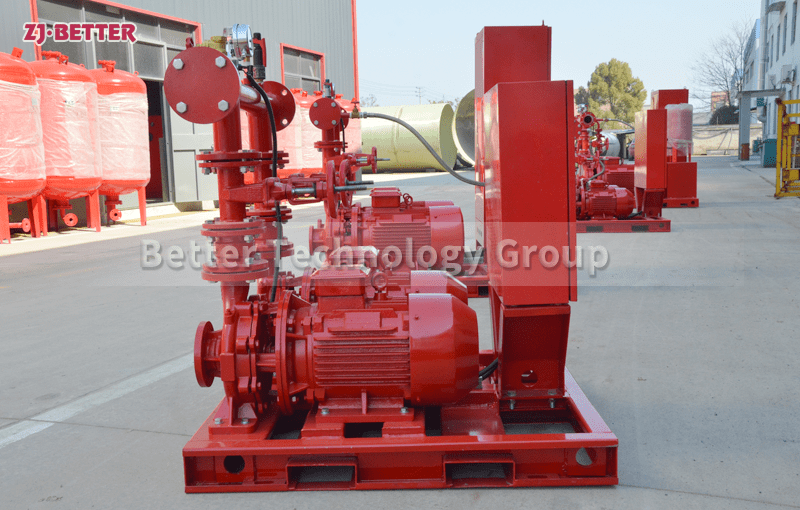
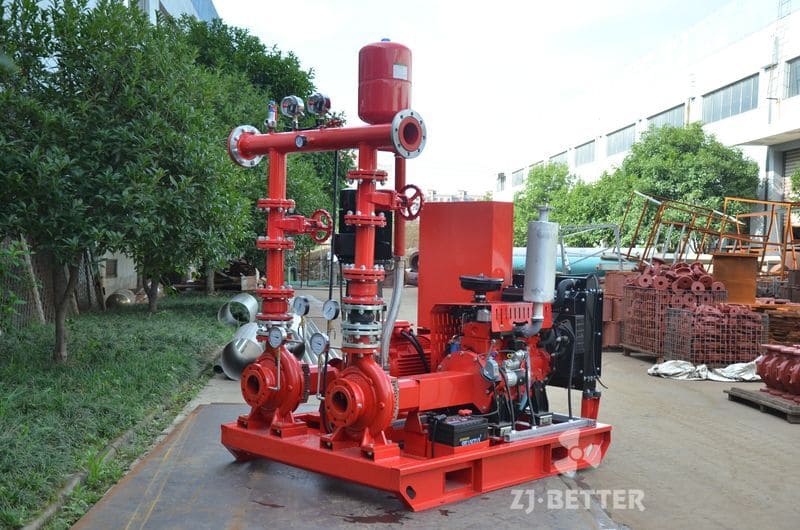
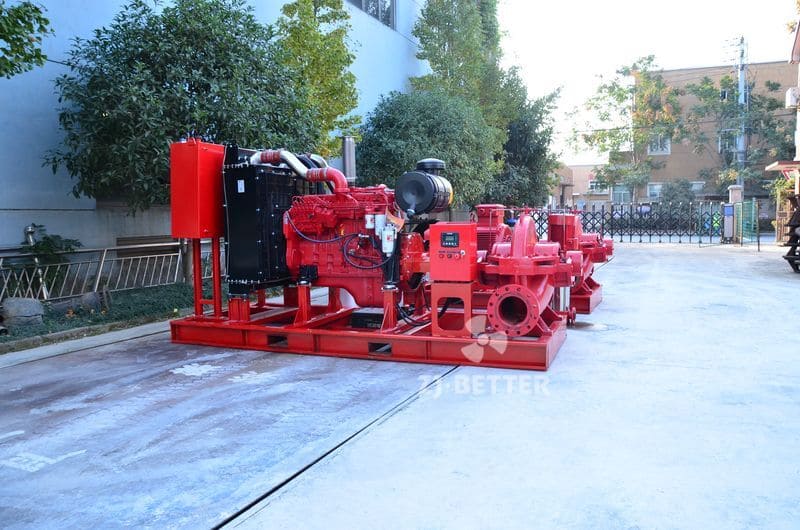
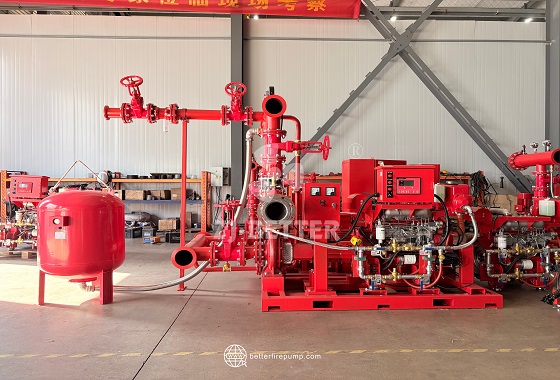
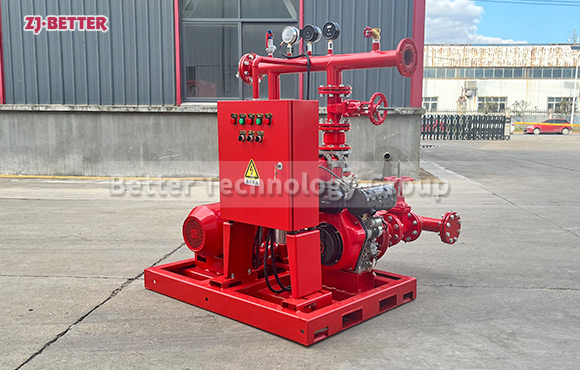
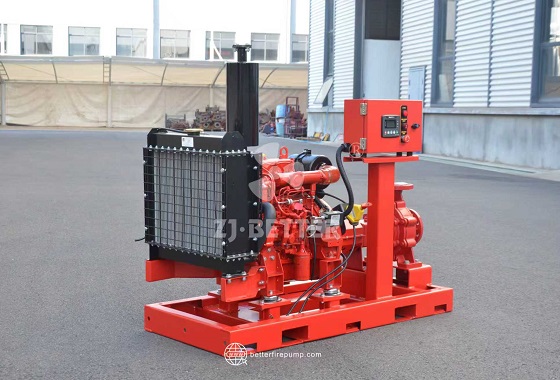
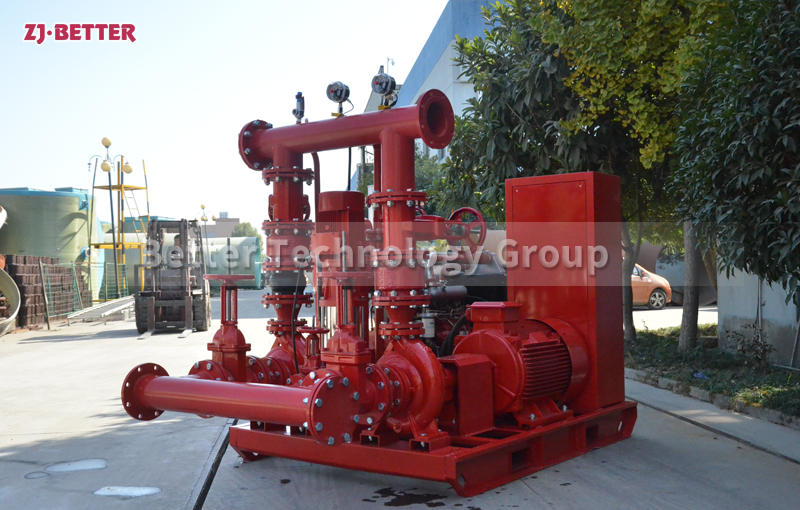
Diesel engine fire pumps are made of domestic or imported high-quality products. They have the characteristics of good starting characteristics, strong overload capacity, compact structure, convenient maintenance, simple use, and high degree of automation. They are advanced and reliable fire-fighting equipment.

Rated 4.6/5 based on 557 customer reviews
Share:
Content

The main functional characteristics of the diesel engine fire pump:

1. Automatic start: After receiving fire alarm/pipe network pressure/power failure/or other start signals, it can automatically start within 15 seconds and put into full-load operation;

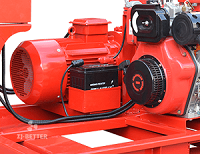
2. Automatic charging: the battery can be automatically charged by the city power or diesel engine charging motor to ensure the smooth start of the unit;

3. Automatic alarm: automatic alarm protection for diesel engine low oil pressure, high water temperature and other faults, alarm and stop when overspeed;

4. Automatic preheating: make the diesel engine in a hot standby state to ensure emergency work;

5. Direct connection type: The diesel engine and the water pump used by the unit are directly connected through the elastic coupling technology, which reduces the point of failure, greatly shortens the starting time of the unit, and increases the reliability and emergency performance of the unit;

6. Users can also request to set other alarm outputs;

7. It has the functions of telemetry, remote signaling and remote control.
Inquiry


    More Fire Pump Set

    When installing a fire pump, it is essential to adhere to specific requirements to ensure its proper functionality and compliance with safety standards. Here are some important installation requirements to consider:

    Codes and Standards: Familiarize yourself with local fire codes, regulations, and industry standards applicable to fire pump installations.

    Location and Accessibility: Choose an appropriate location for the fire pump that allows for easy access, maintenance, and serviceability.

    Foundation and Mounting: Ensure that the fire pump is installed on a stable and level foundation capable of supporting its weight and minimizing vibration.

    Electrical Connections: Electrical connections should be performed by licensed electricians following electrical codes and regulations.

    Water Supply: Ensure an adequate and reliable water supply for the fire pump.

    System Piping and Valves: The piping system should be installed following the pump manufacturer’s specifications and relevant standards.

    Controls and Monitoring: Install the pump’s control panel and associated instrumentation according to manufacturer guidelines.

    Testing and Commissioning: Thoroughly test and commission the fire pump system before placing it into service.

    Documentation and Training: Maintain comprehensive documentation of the installation, including drawings, equipment specifications, test reports, and maintenance records.

    It is crucial to consult with fire protection professionals, including fire engineers and pump manufacturers, to ensure compliance with all relevant requirements during the installation process. Proper installation is essential for the reliable operation of the fire pump and the safety of the facility and its occupants.