Flexible Power Configuration of Diesel Fire Pump Set for Different Fire Protection Projects
Diesel engine fire pump sets offer flexible configurations for engine power, pump type, flow rate, and head, enabling them to meet the water supply requirements of diverse fire protection projects across sectors such as industry, warehousing, airports, terminals, and petrochemicals.
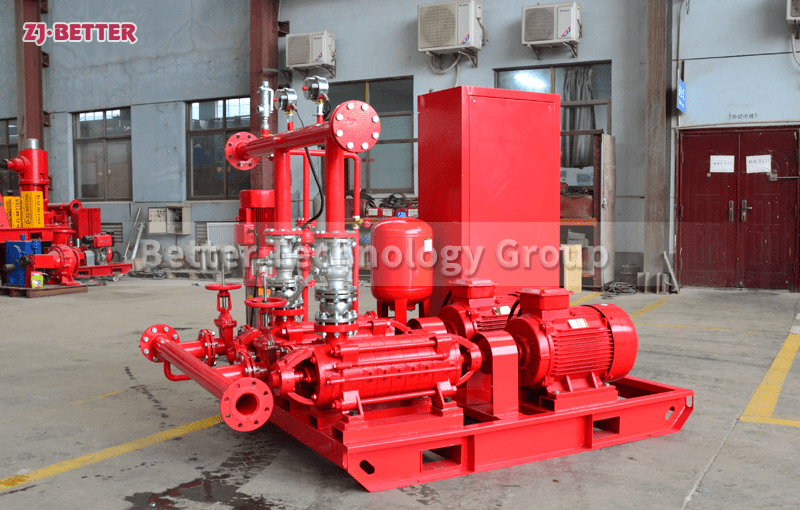
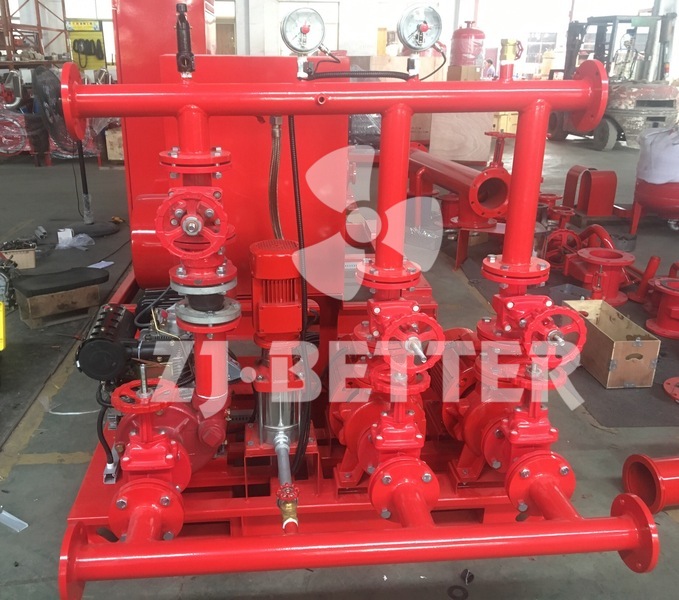
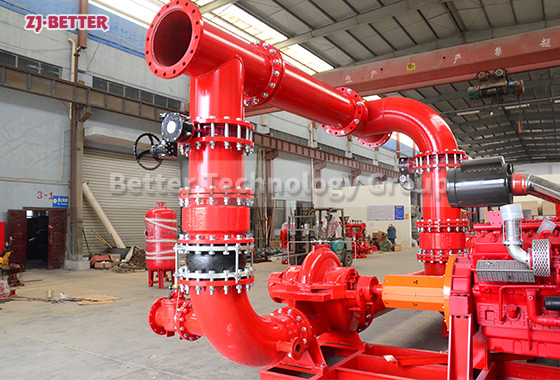
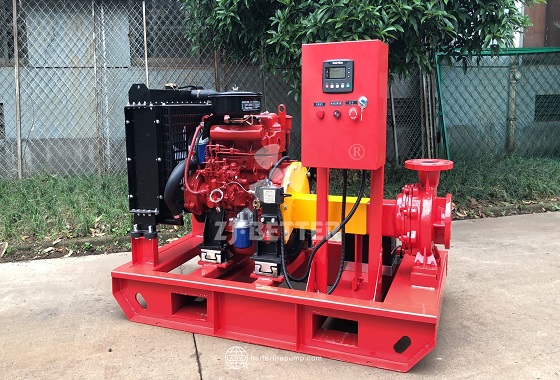
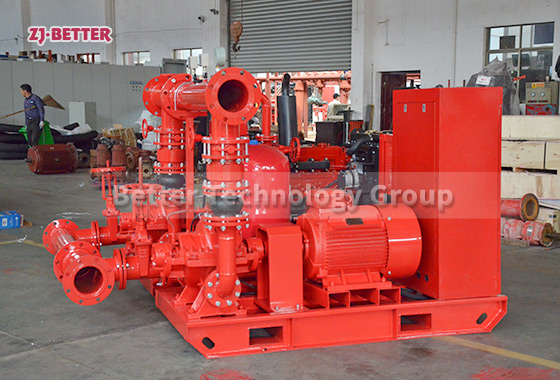
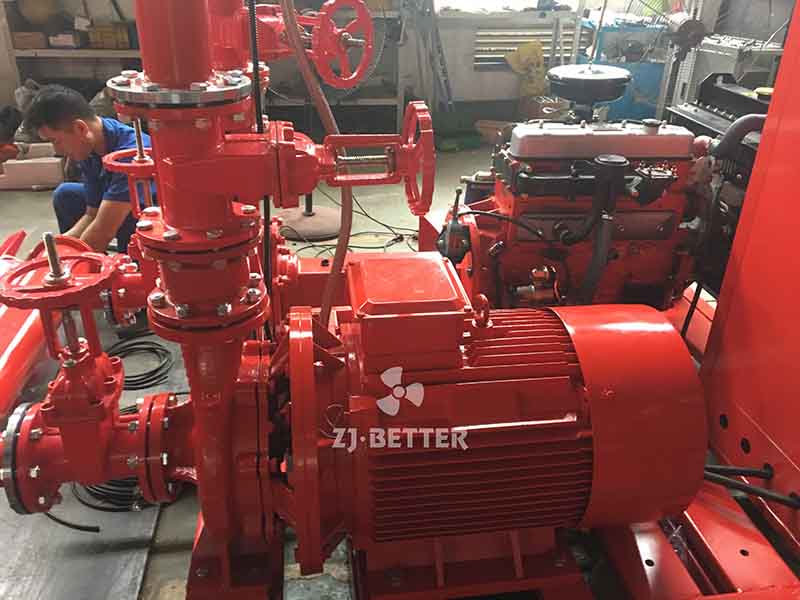
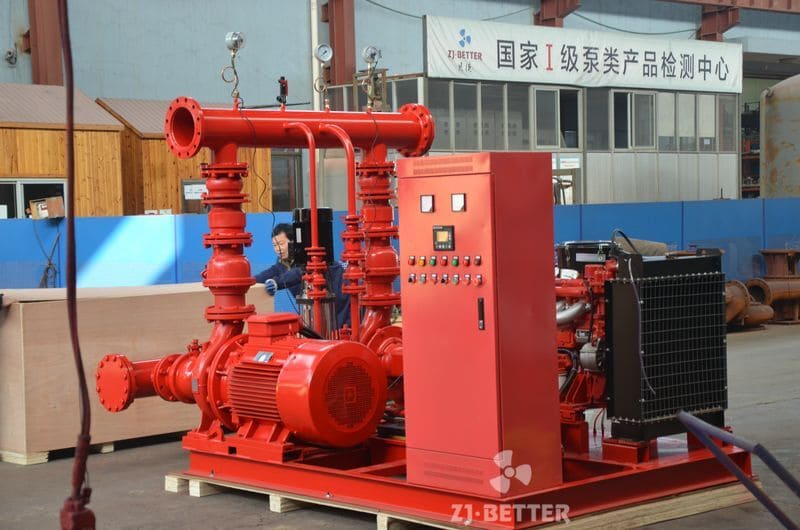
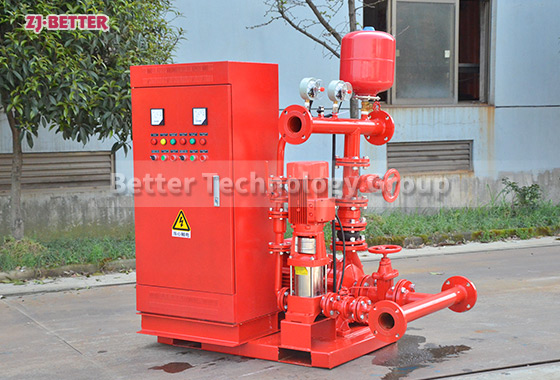
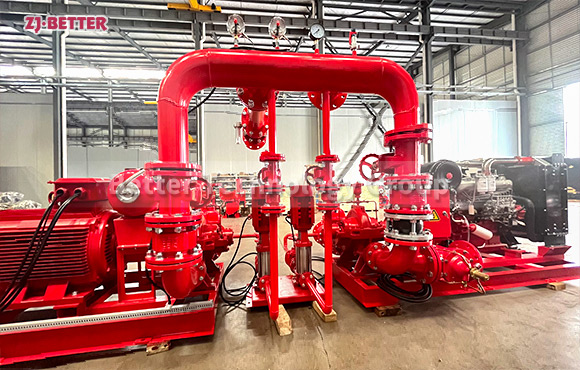
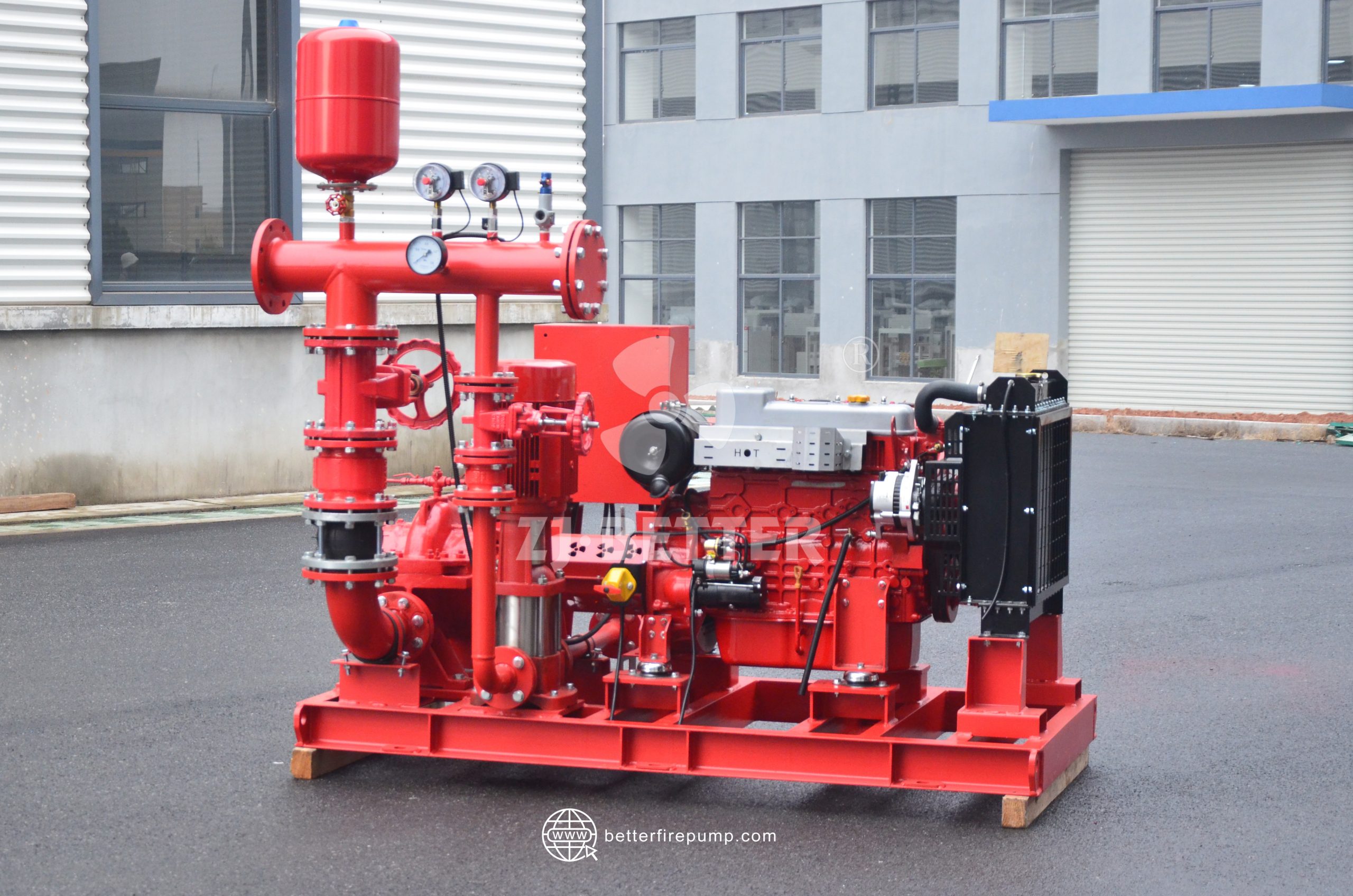
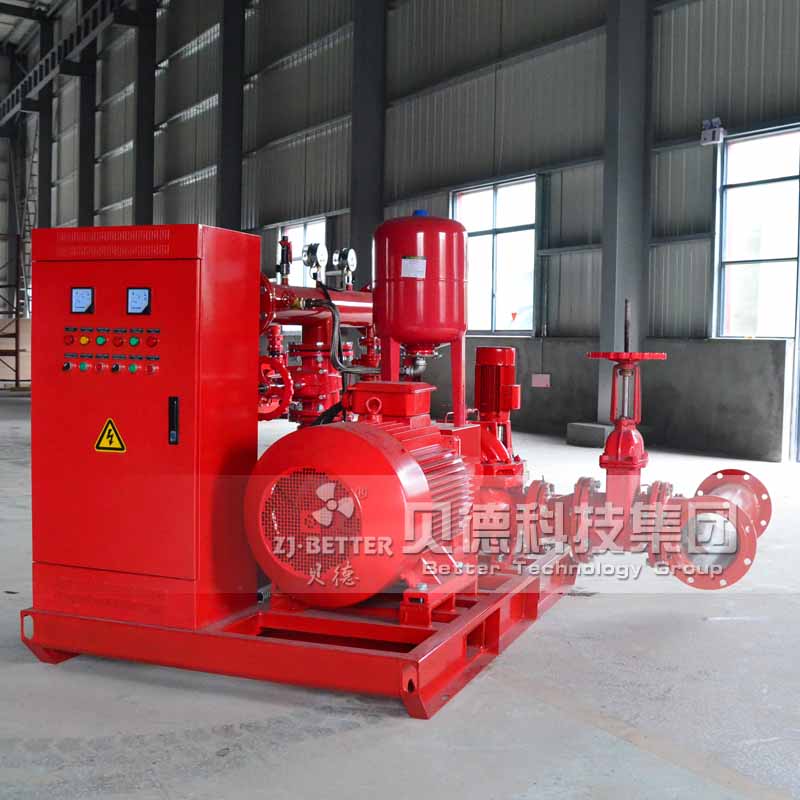
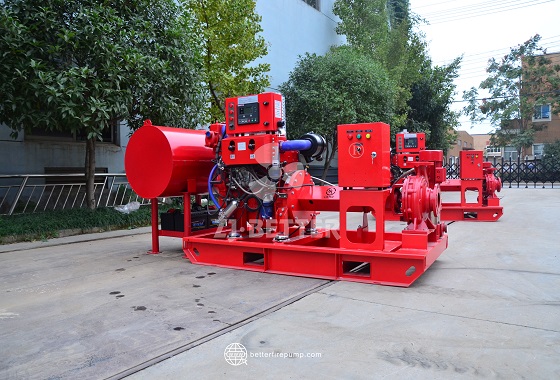
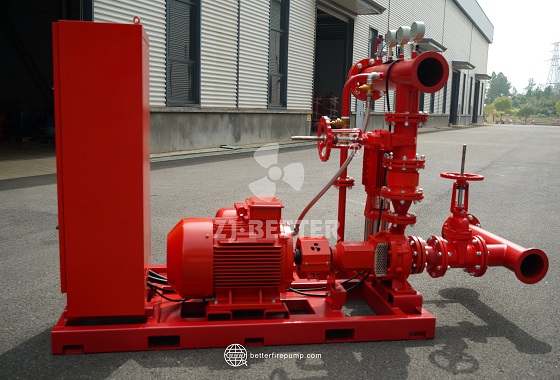
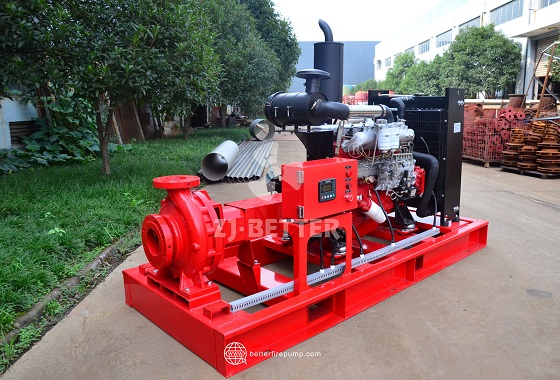
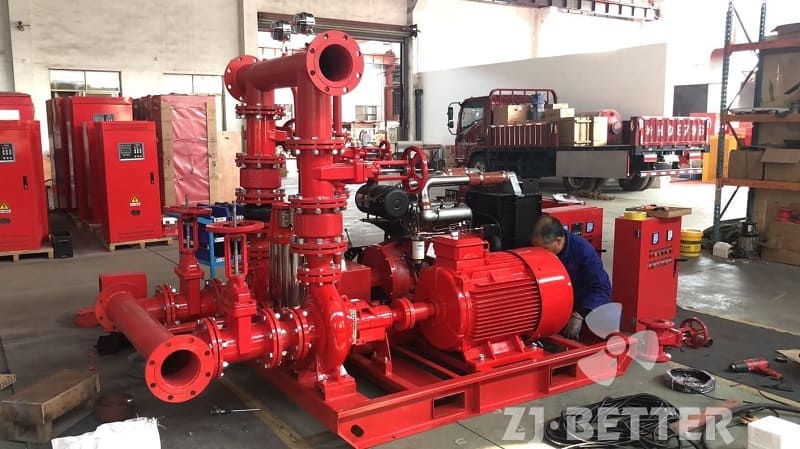
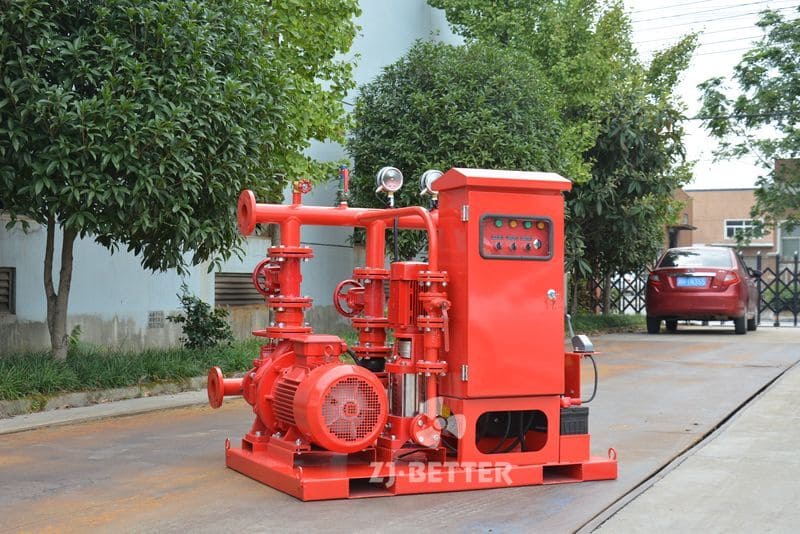
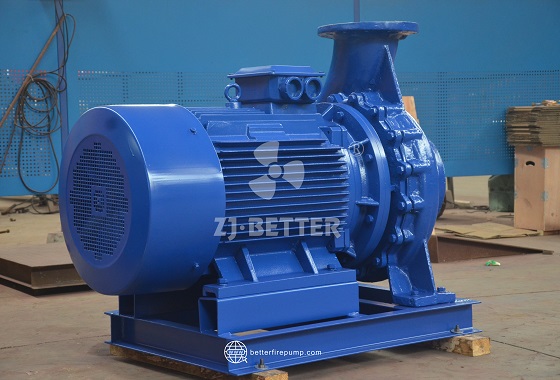
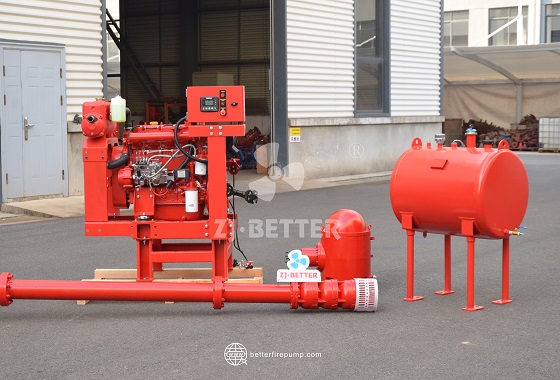
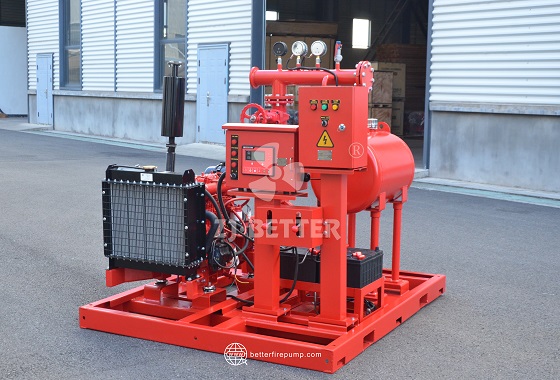
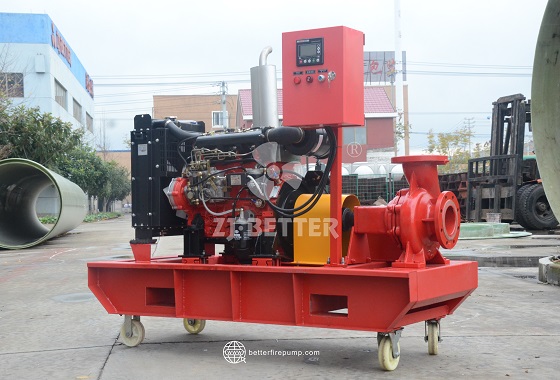
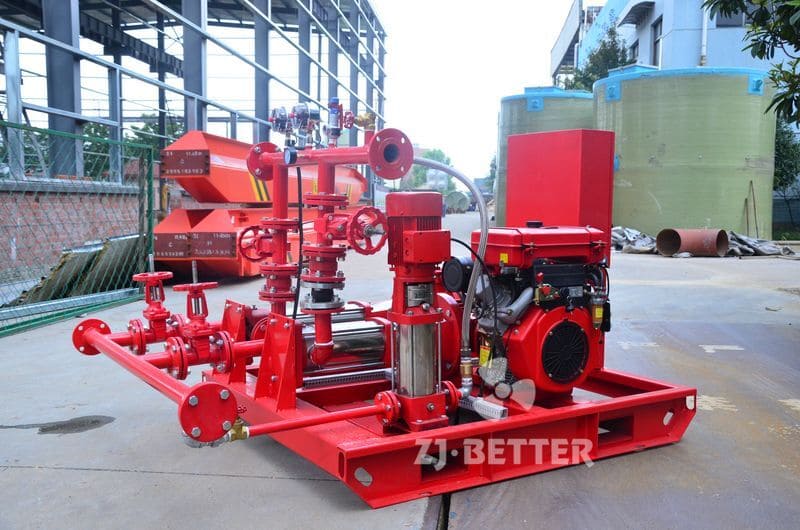
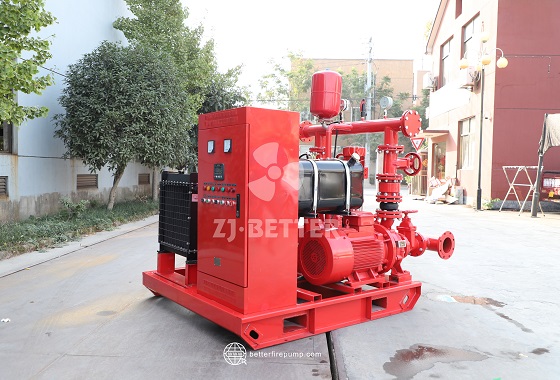
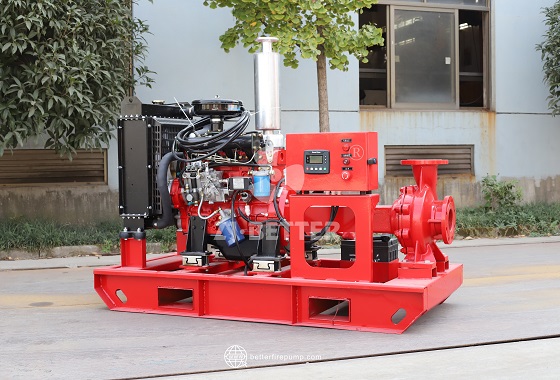
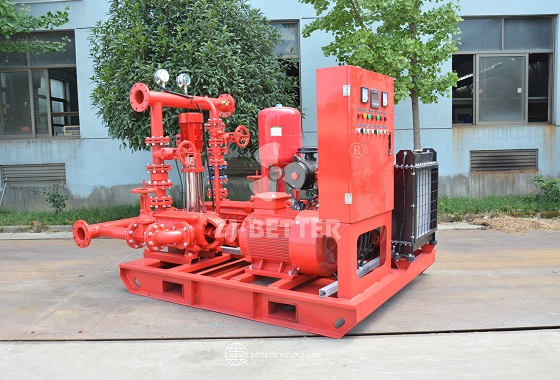
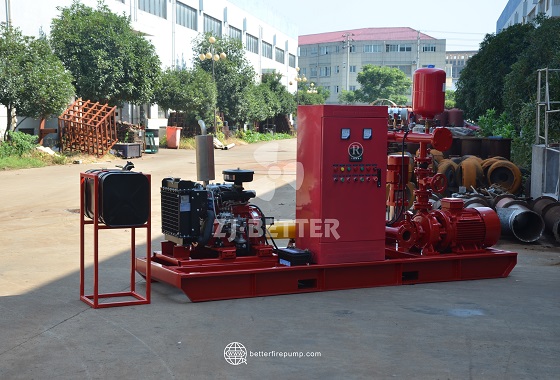
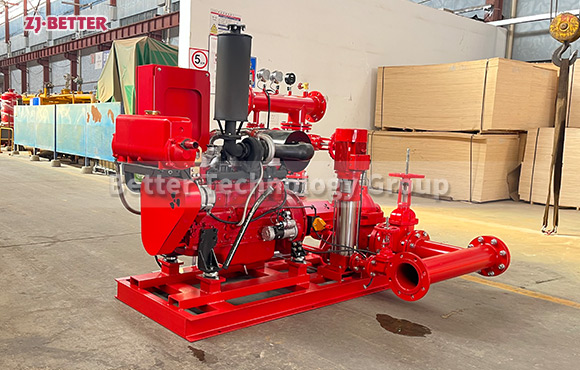
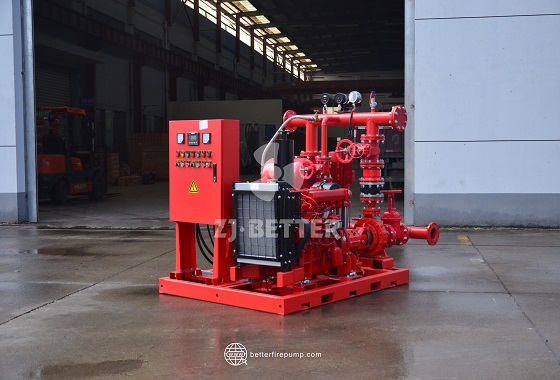
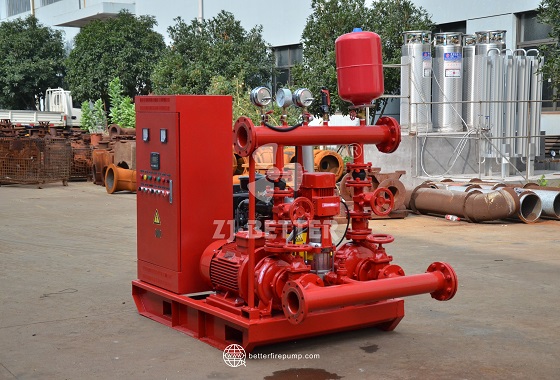
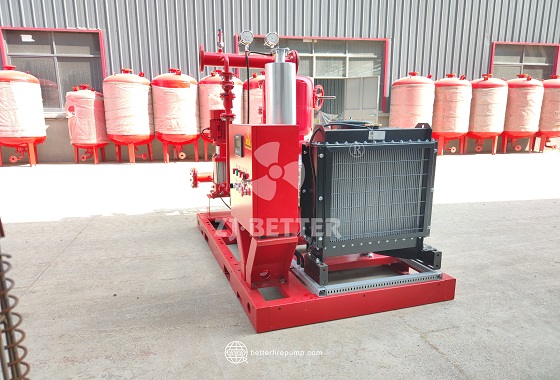
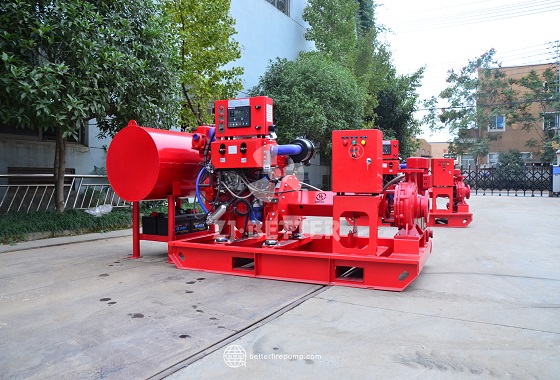
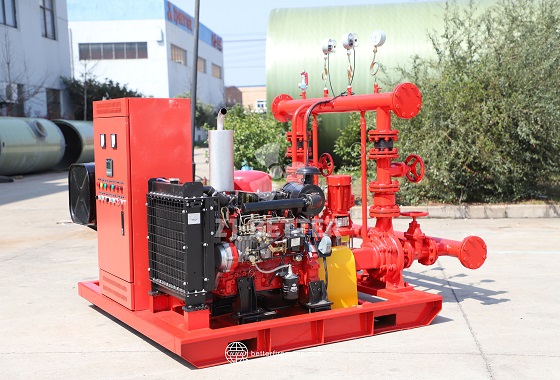
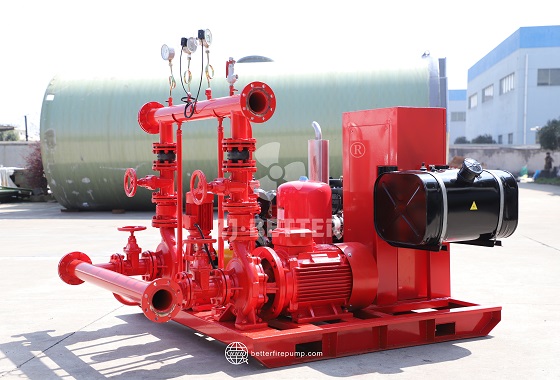
The diesel engine fire pump set is a complete fire-fighting system that utilizes a diesel engine as an independent power source to pressurize and supply water via a main fire pump. It offers flexible configuration options based on the specific flow rate, head, pressure, piping network resistance, and installation conditions of various fire protection projects, making it suitable for facilities such as industrial plants, warehouses and logistics centers, docks, airports, petrochemical and power plants, and large-scale buildings. Unlike fixed-specification equipment, these diesel-driven sets allow for the selection of appropriate engine power, pump type, flow rate, and head based on actual project parameters, ensuring an optimal match between the power and hydraulic systems. Official specifications indicate a flow rate range of approximately 30–9,000 GPM and a head range of roughly 3–20 bar, with exact parameters determined by specific project design requirements. The system employs an independent diesel drive, providing mechanical power to the fire pump when backup power is required or when on-site fixed power supply is limited. Engine output is selected based on the pump’s required flow, head, rotational speed, and operating conditions; this precise matching ensures the engine output aligns with operational needs, thereby minimizing issues caused by insufficient power or improper configuration. Depending on the hydraulic parameters of the fire protection system, the unit can be configured with various pump types—such as single-stage, end-suction, horizontal split-case (double-suction), or multi-stage pumps—to accommodate diverse flow, pressure, and installation environments. For systems with high piping resistance, the pump type and power parameters are selected to meet the design head requirements; for projects requiring high flow rates, high-capacity pump sets are chosen to ensure equipment performance aligns with actual fire-fighting water demands. Structurally, the diesel engine, fire pump, control cabinet, piping, and monitoring components are mounted on a common base to form an integrated unit; this design simplifies on-site interconnection while facilitating transport, positioning, installation, commissioning, and subsequent inspections. The control cabinet integrates pressure sensors, pressure gauges, valves, and other auxiliary components to manage and monitor the equipment’s operating status, enabling operators to track system pressure and operational conditions. Depending on the system design, pressure-maintaining pumps and pressure tanks can also be configured to sustain pressure within the fire-fighting piping network and optimize system pressure management. Flexible parameter configuration allows the diesel fire pump set to adapt to fire-protection projects of varying scales and types; equipment specifications—such as diesel engine power and pump performance—can be tailored to specific project requirements (including water source conditions, building height, pipeline length, design flow rate, required pressure, and installation space) rather than relying on standardized, fixed parameters. Optimizing the selection of diesel engine power and fire pump performance enhances the matching between the power and hydraulic systems, while a compact, skid-mounted layout meets installation needs across diverse fire pump rooms and equipment areas. For facilities with stringent fire-fighting water supply requirements—such as industrial production bases, warehousing centers, ports, airports, and petrochemical plants—diesel fire pump sets can be configured by combining various pump types, power ratings, and auxiliary systems to suit specific project conditions, thereby delivering the necessary flow and pressure to the fire-fighting piping network. Consequently, the specific configuration should be determined based on fire-protection design parameters, water supply conditions, piping network resistance, installation environments, and relevant standards; this ensures optimal matching among the diesel engine, fire pump, and control system, maximizing the equipment’s water supply performance and adaptability to the project.