Long Shaft Turbine Fire Water Pump — Pump and Drive Shaft Assembly for Deep Water Sources
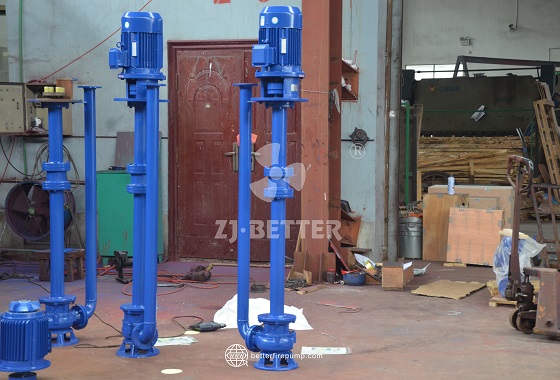
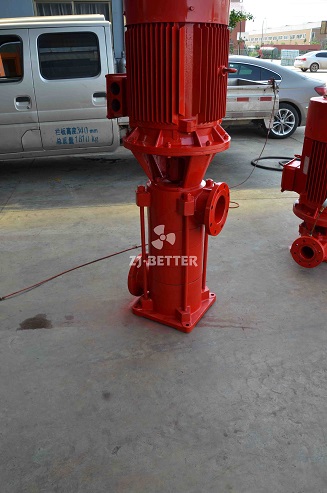
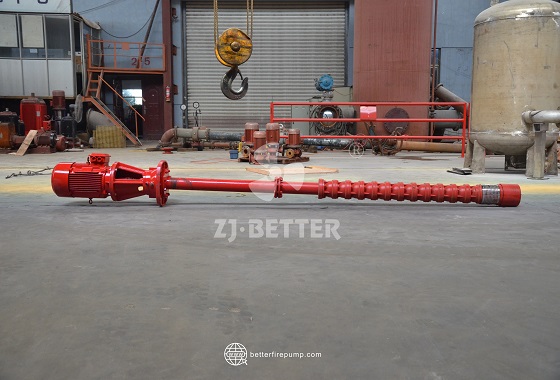
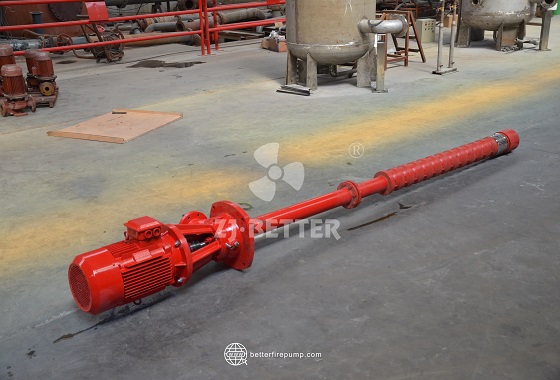
The long-shaft turbine fire pump features a vertical pump body, an extended drive shaft, and a column-pipe structure, making it suitable for water extraction from deep wells, fire-fighting reservoirs, and other deep-seated water sources. It supports a wide range of flow rates, head heights, and shaft length configurations, providing professional pumping solutions for industrial facilities and fire-protection water supply systems.
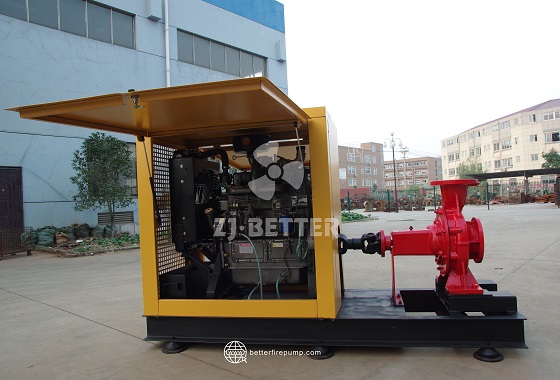
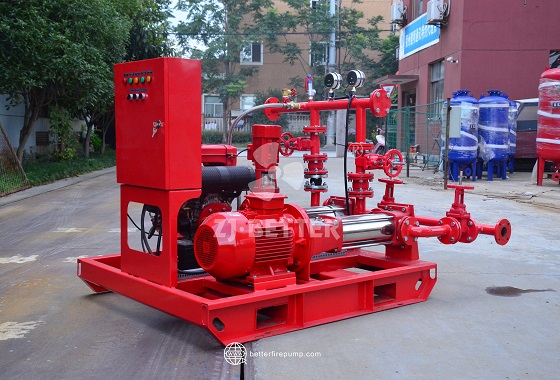
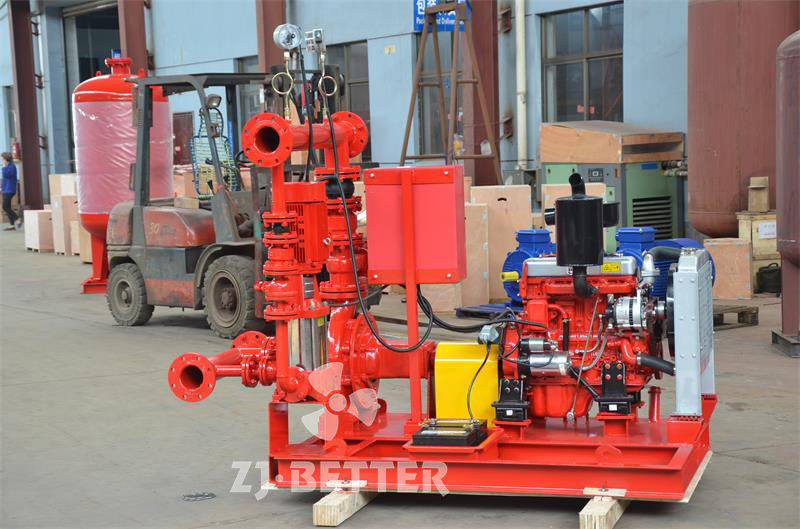
A long-shaft turbine fire pump is a type of vertical pump designed for water extraction from deep wells, fire-fighting reservoirs, and other deep-seated water sources. It features a configuration that combines an above-ground drive unit, a long drive shaft, column pipe assemblies, and a submerged pump body, enabling the transport of water from the source into a fire-fighting water supply network. Compared to conventional horizontal fire pumps, the primary advantage of this equipment is that the pump body and intake components can be configured according to the depth of the water source; this makes it ideal for projects where the water level is low, installation space is restricted, or water must be drawn from below ground level. The system typically consists of an electric motor, a drive shaft, column pipes, impellers, and a pump casing. The motor transmits power via the long drive shaft to the submerged impellers, which lift the water through the pump body—stage by stage—and deliver it into the discharge piping. Depending on specific operational requirements, the number of impeller stages, shaft length, column pipe dimensions, and drive configuration can be customized to meet various water-extraction depths, flow rates, and head requirements. The long-shaft design allows the drive unit to be positioned above ground while the pumping components remain submerged, making it well-suited for specialized installation environments such as deep wells or reservoirs, and reducing the need for the suction-side configurations typically required by horizontal pumps. According to publicly available product data, vertical turbine fire pumps can offer flow rates ranging from approximately 5 to 1,800 m³/h, heads from 20 to 234 meters, and rotational speeds between 980 and 3,550 r/min—with specific values varying based on the pump model, impeller configuration, drive power, and operating conditions. The pump body and critical components can be constructed from materials such as alloy cast iron, stainless steel, or seamless steel pipe, depending on the model; impeller materials can also be selected based on design specifications to accommodate different water qualities and operational demands. Furthermore, the support systems for the drive shaft, as well as the methods for bearing lubrication and cooling, are engineered to ensure the long-term, reliable operation of the equipment. For fire-fighting water supply systems, the selection of long-shaft turbine fire pumps requires consideration of more than just rated flow and head. It is essential to comprehensively evaluate factors such as minimum water level, intake depth, fluctuations in the water source, pipeline resistance, motor power, installation height, and maintenance space. This ensures that the pump maintains sufficient submergence depth and stable intake conditions under design operating parameters. Such equipment is suitable for use in industrial parks, factories, warehousing facilities, and other locations that utilize deep wells or water reservoirs as fire-fighting water sources. By employing a design that combines a long drive shaft with a vertical pump body, long-shaft turbine fire pumps offer a targeted solution for drawing water from deep sources for fire-fighting supply systems. Actual performance should be determined based on the specific model’s performance curves, technical specifications, and project design requirements.