Electric Fire Pump Unit — Vertical Pump Configuration for Efficient Space Utilization
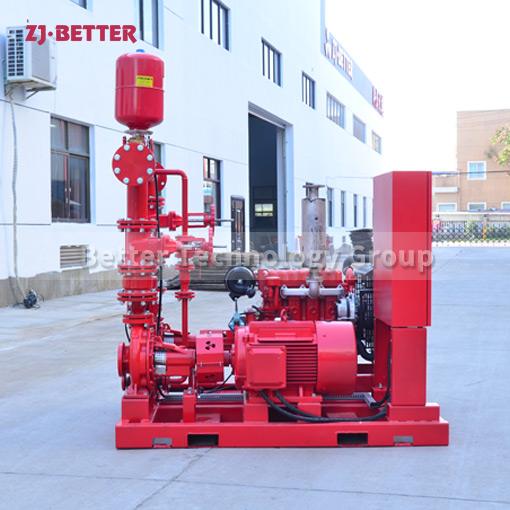
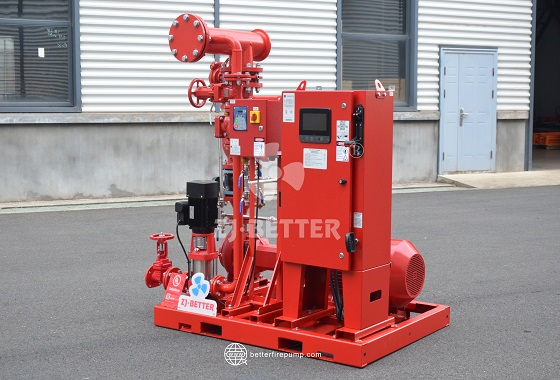
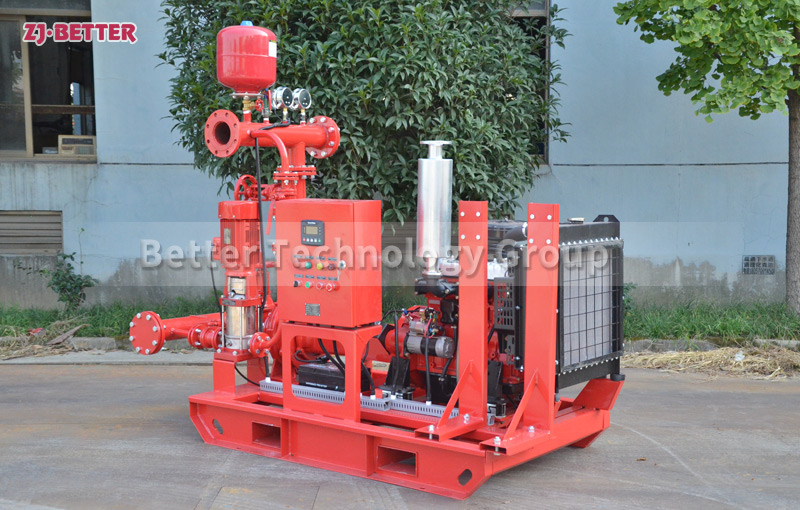
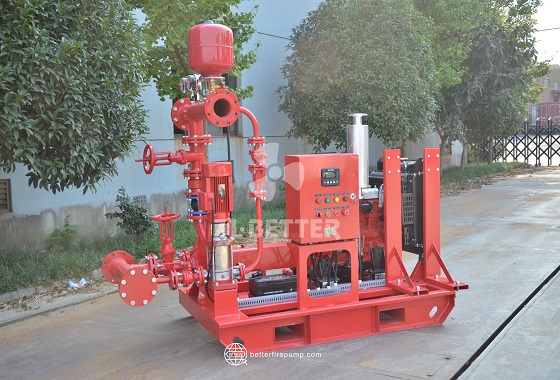
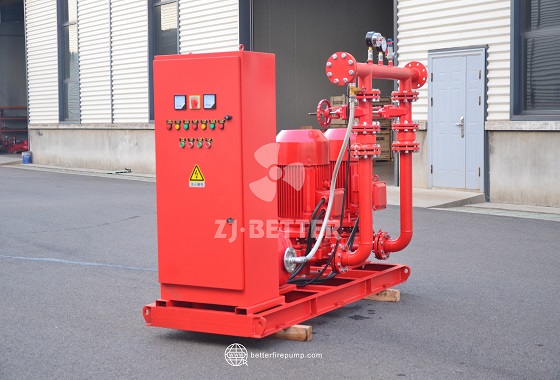
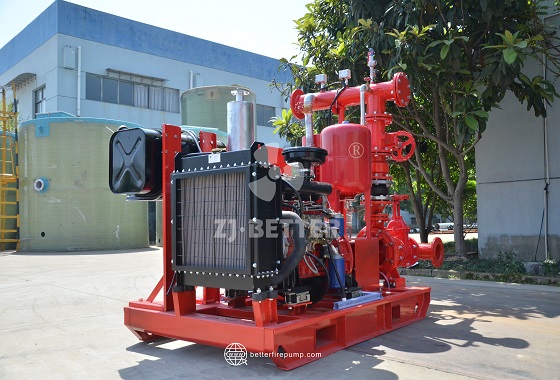
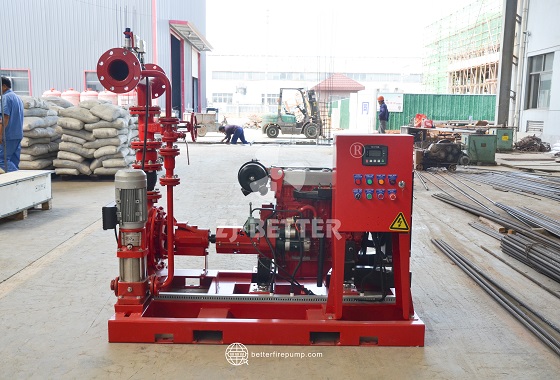
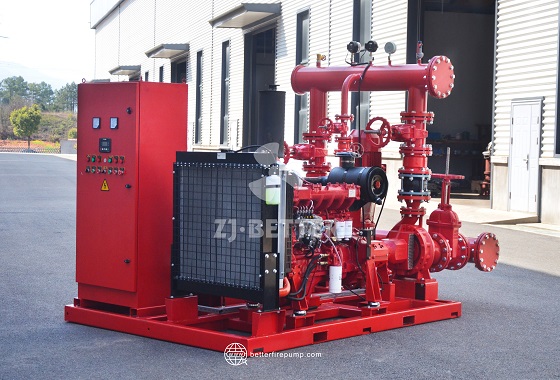
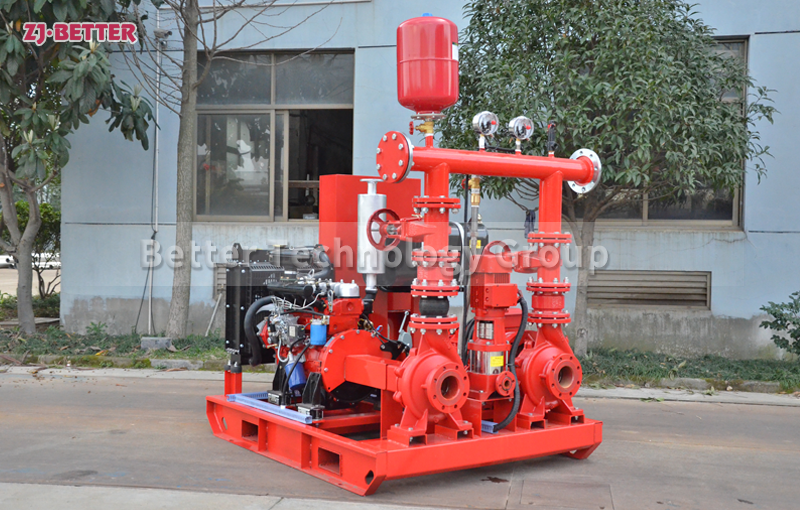
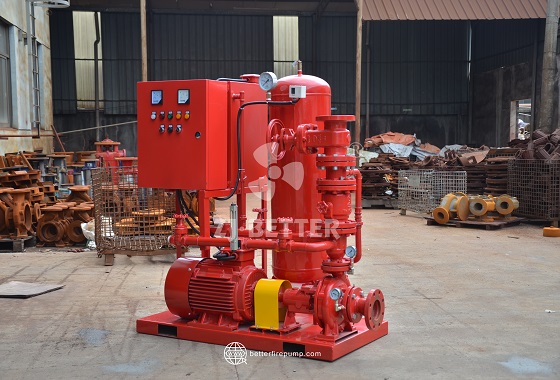
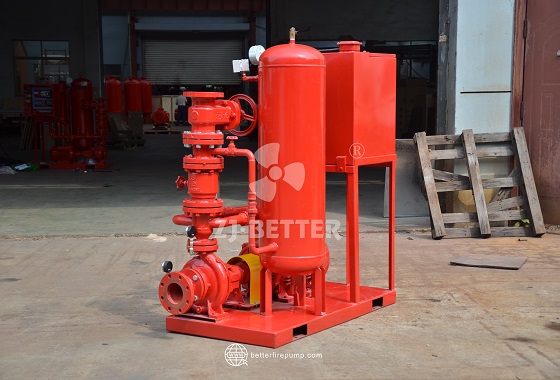
The electric fire pump unit features a vertical pump structure and integrates a motor, water pump, control cabinet, pressure tank, and piping components. This design optimizes space utilization within the fire pump room. The unit supports a wide range of flow rates, head capacities, and pump configurations, making it suitable for fire water supply systems in buildings, industrial facilities, and warehouses.
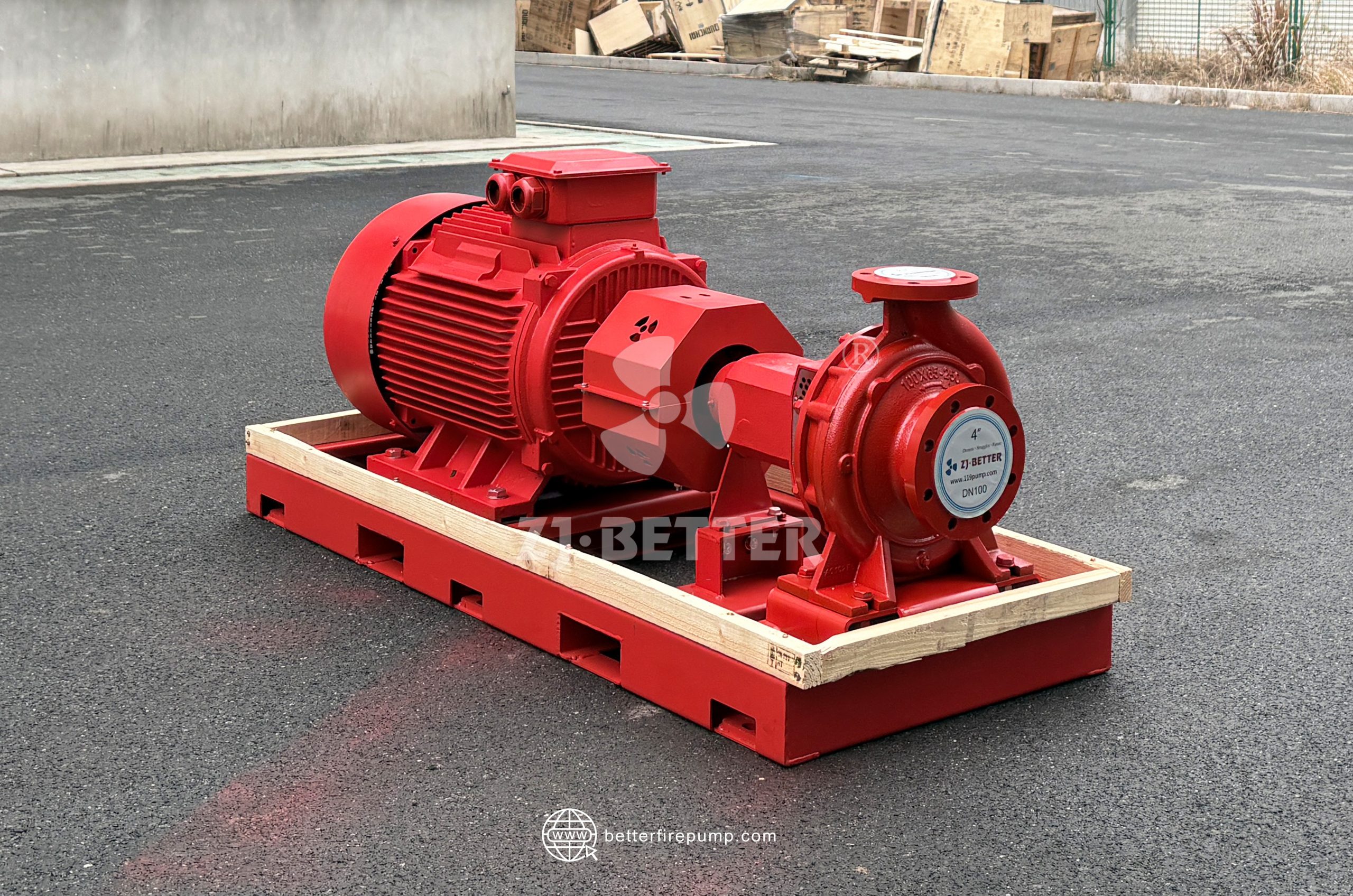
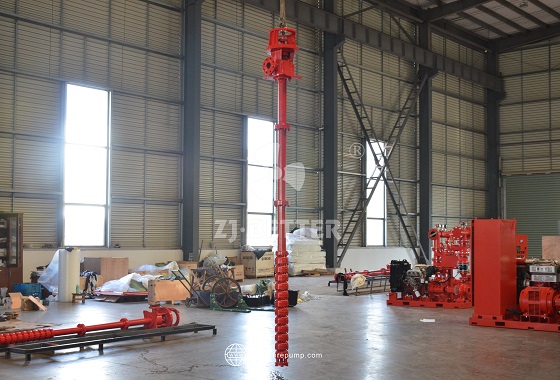
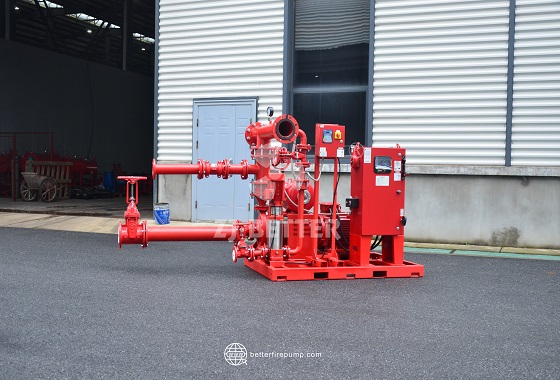
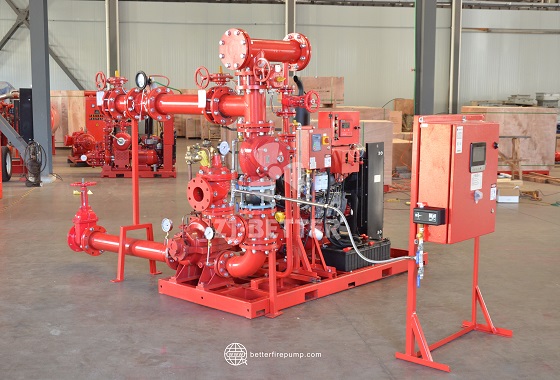
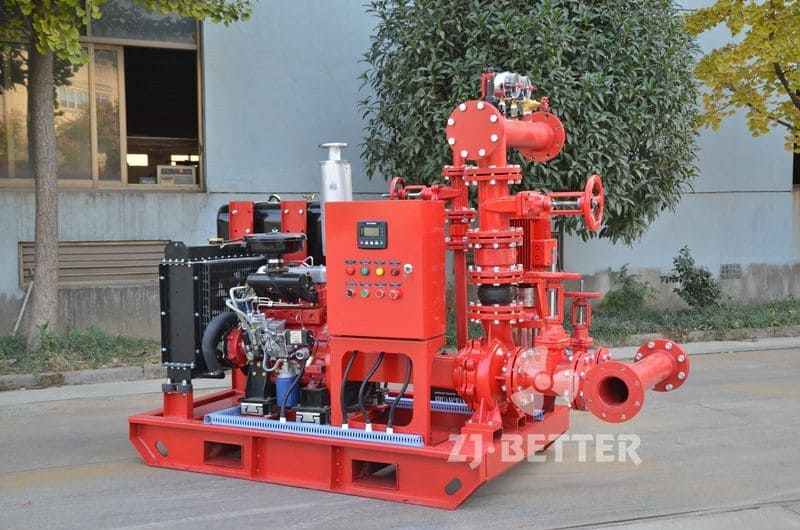
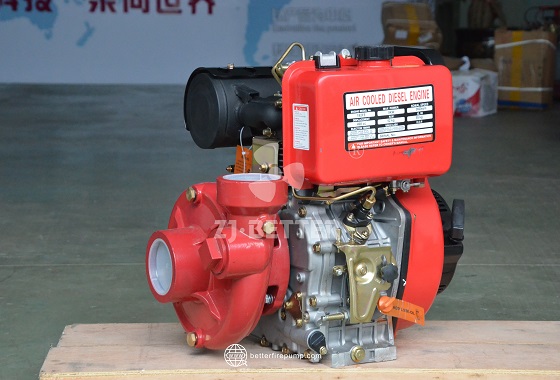
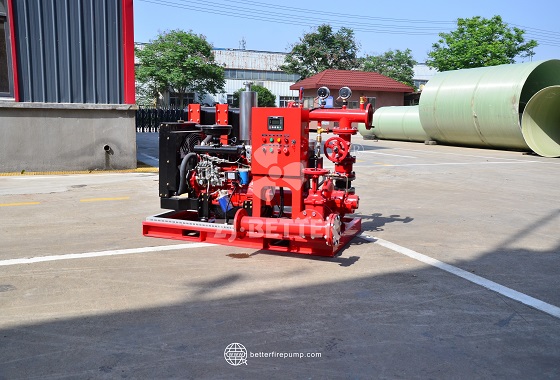
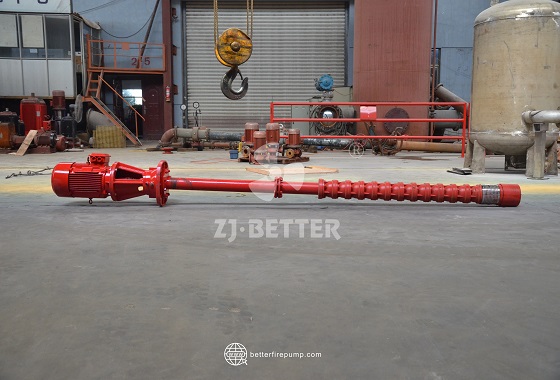
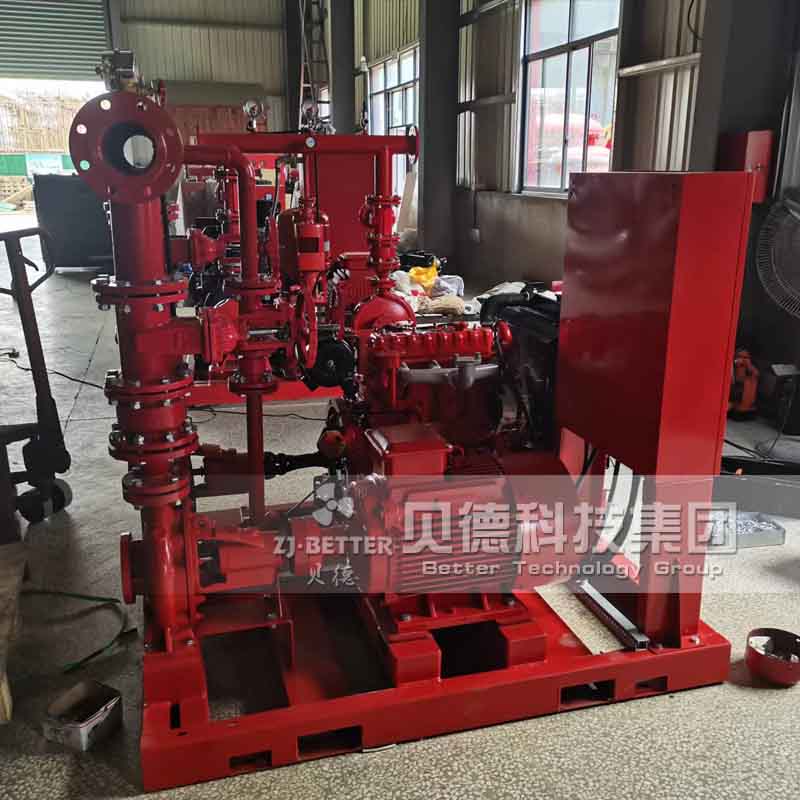
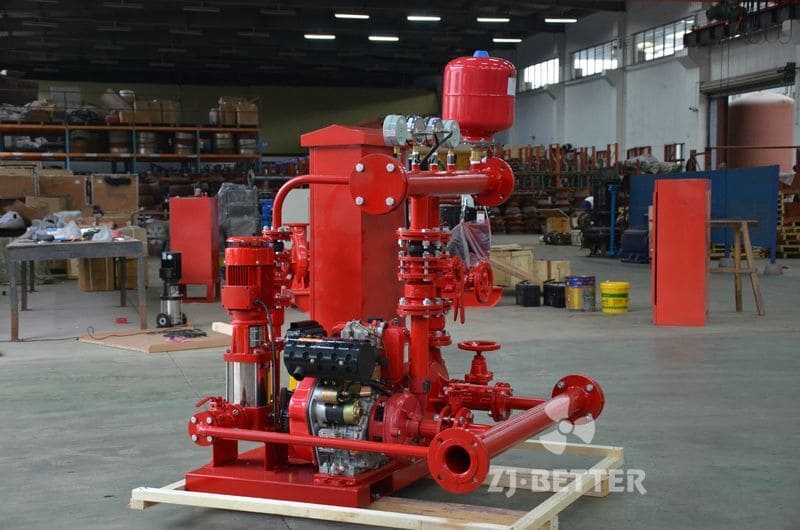
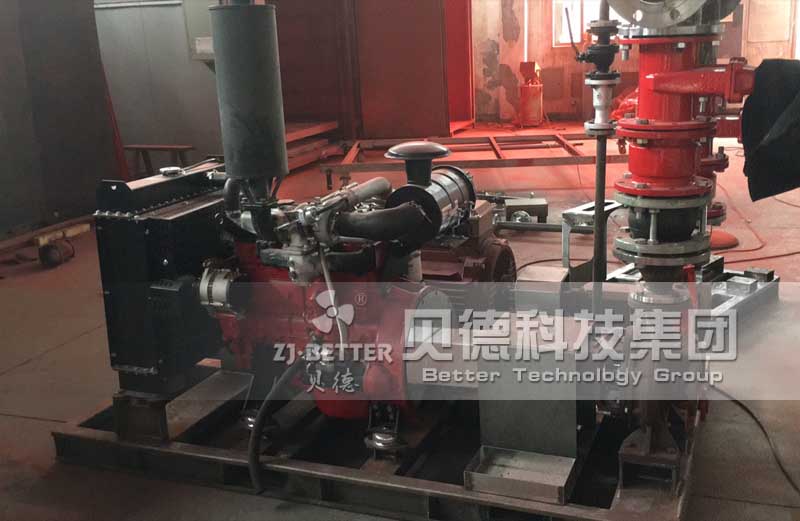
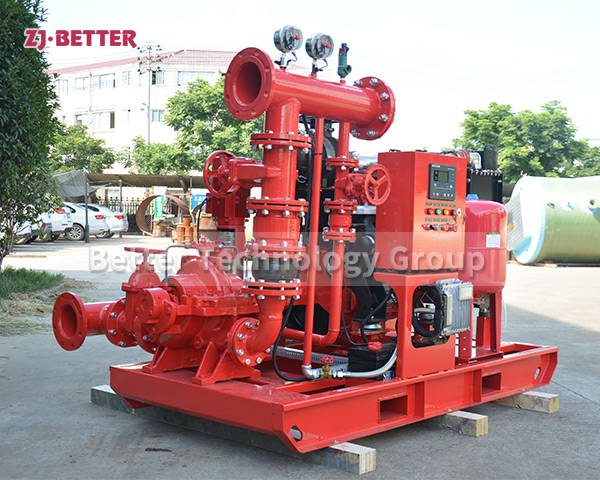
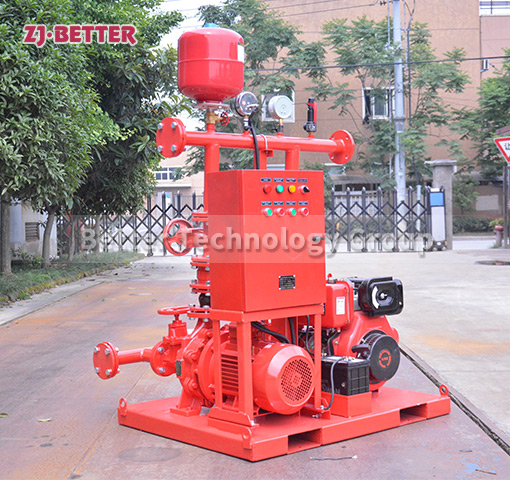
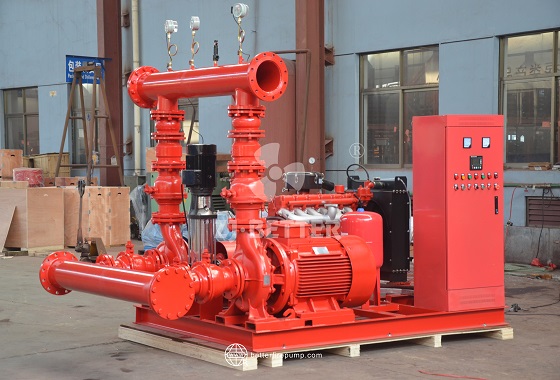
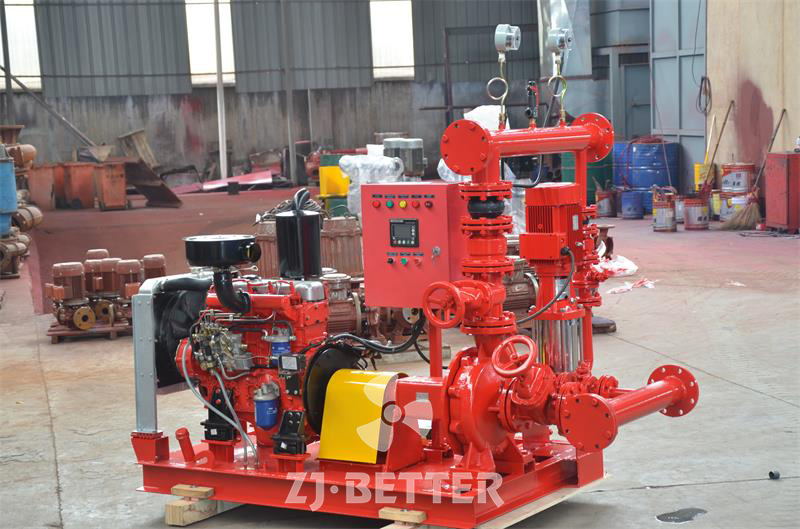
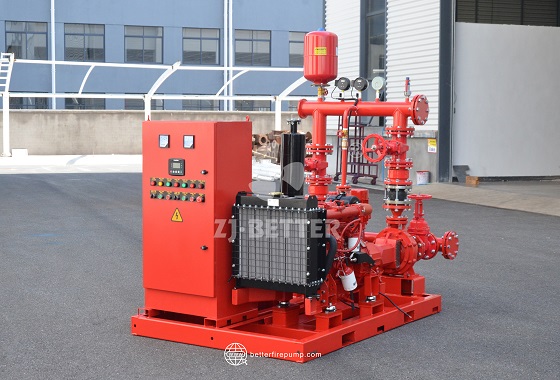
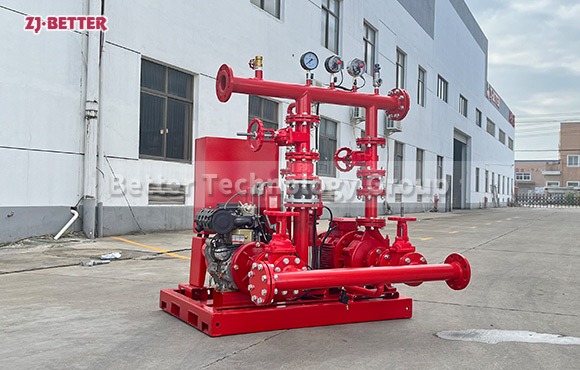
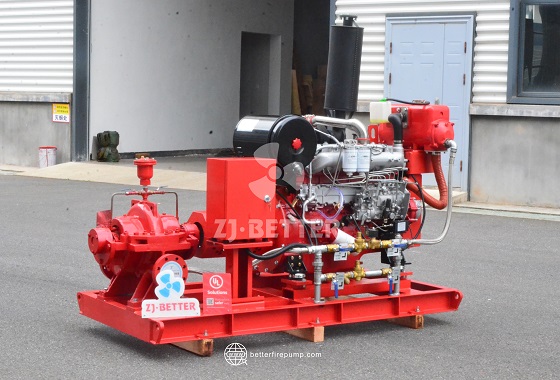
An electric fire pump unit is a complete fire-fighting water supply system that utilizes an electric motor to drive a fire pump. It integrates the pump, control cabinet, pressure-storage components, and necessary piping and accessories into a single, unified assembly. These units are designed for use in building fire protection systems, industrial facilities, warehouses, and other infrastructure requiring a reliable water supply for fire-fighting purposes. The system relies on an electric motor as its primary power source to pressurize and deliver water. Depending on the specific flow rate, head (pressure), and installation requirements of a project, various pump configurations can be selected—such as end-suction pumps, single-stage or multi-stage pumps, vertical in-line pumps, or horizontal split-case pumps. The unit shown in the image features a vertical pump configuration; by orienting the pump vertically, the system’s horizontal footprint is minimized—an advantage for projects with limited space in the fire pump room or those requiring the efficient arrangement of multiple units. According to official product specifications, these electric fire pump systems offer a wide range of flow capacities to suit diverse engineering needs; some complete systems can achieve flow rates from 30 to 9,000 GPM and heads ranging from 3 to 20 bar, with exact performance parameters determined by the specific pump model, motor power, rotational speed, and actual operating conditions. The integrated design—combining the motor, pump, control cabinet, pressure tank, gauges, sensors, valves, and piping—simplifies on-site installation by reducing the need for complex spatial coordination between individual components, while also streamlining piping connections and overall equipment management. The control cabinet enables automatic operation of both the main fire pump and the jockey (pressure-maintenance) pump, and includes protective features such as overload and overcurrent protection, which enhance the ease of operation and maintenance. The jockey pump, typically configured for a lower flow rate and higher head, compensates for pressure fluctuations within the fire-fighting piping network while the system is in standby mode; this maintains the required network pressure and prevents the main fire pump from starting unnecessarily due to minor pressure drops. The pressure tank assists in maintaining system pressure, while pressure gauges and sensors monitor the pressure and provide essential operating signals to the control system. The official documentation also lists auxiliary components—such as check valves, gate valves, flexible joints, flanges, and common suction and discharge piping—which can be configured according to the requirements of specific fire protection systems. In terms of performance selection, the goal is not simply to pursue higher flow rates or greater pressure; rather, the pump must be carefully matched to factors such as building height, design flow requirements, pipeline network resistance, suction conditions, and the specific demands at the points of use. This ensures that the pump operates optimally under its intended design conditions. For different projects, the required flow rate and head (pressure) can be achieved by adjusting the pump model, impeller parameters, motor power, and pressure rating. The vertical pump design, combined with an integrated base, results in a more compact layout and simplifies connection to the fire protection piping network—a particularly advantageous feature for projects where space within the pump room is limited. By integrating electric drive systems, vertical pumping units, pressure-maintenance components, automated controls, and necessary piping, these electric fire pump assemblies form comprehensive fire-water supply units, offering a complete, easy-to-install, and simple-to-maintain solution for a wide range of fire protection applications.