Stability Analysis of Electric Fire Pump Systems with Pressure Control Functions
Electric fire pump systems with pressure control functions designed for stable and reliable operation, providing precise pressure regulation, smooth startup, and dependable water supply for fixed building and automatic fire protection systems.
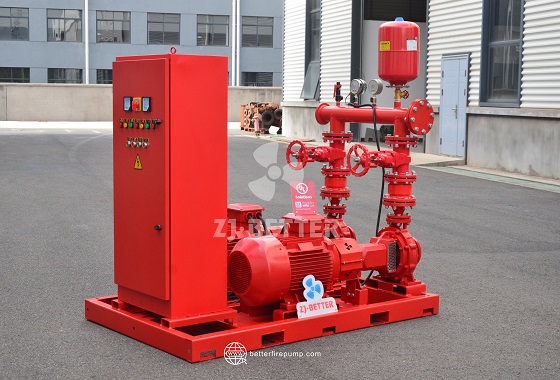
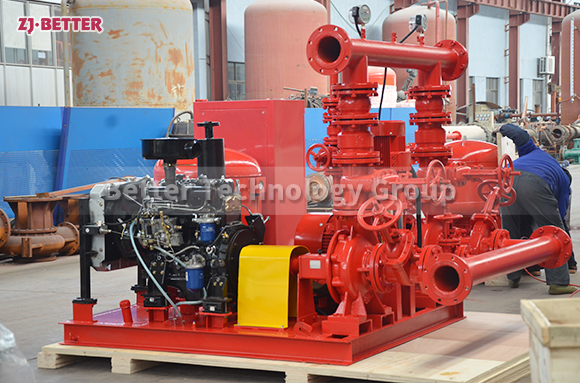
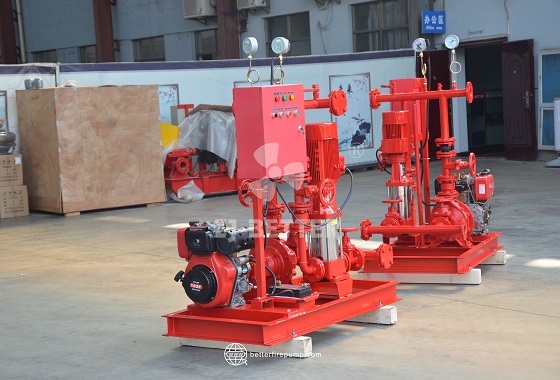
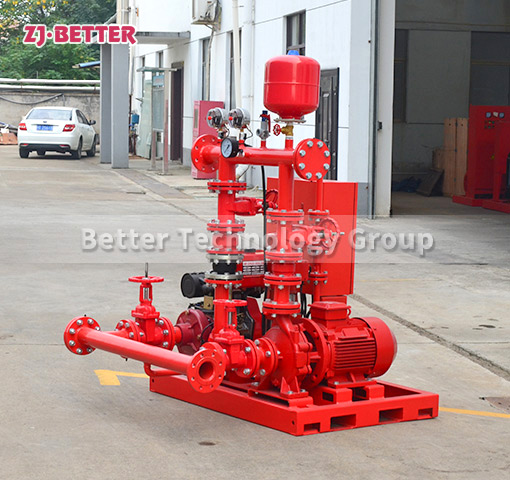
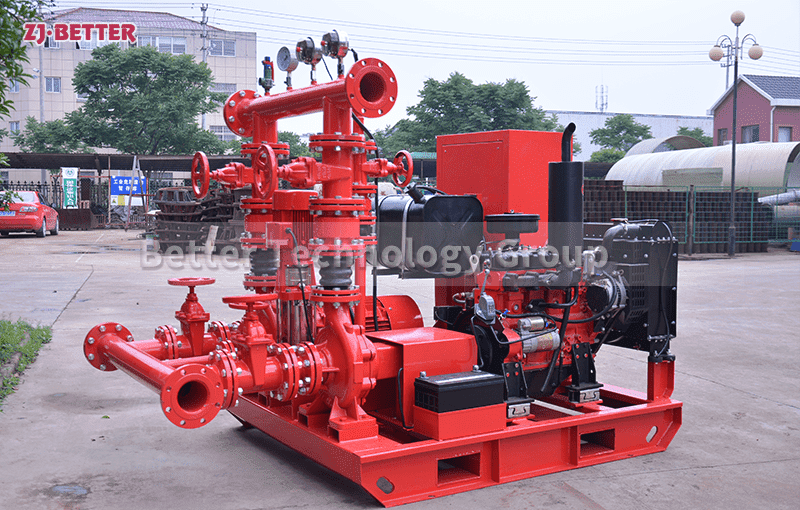
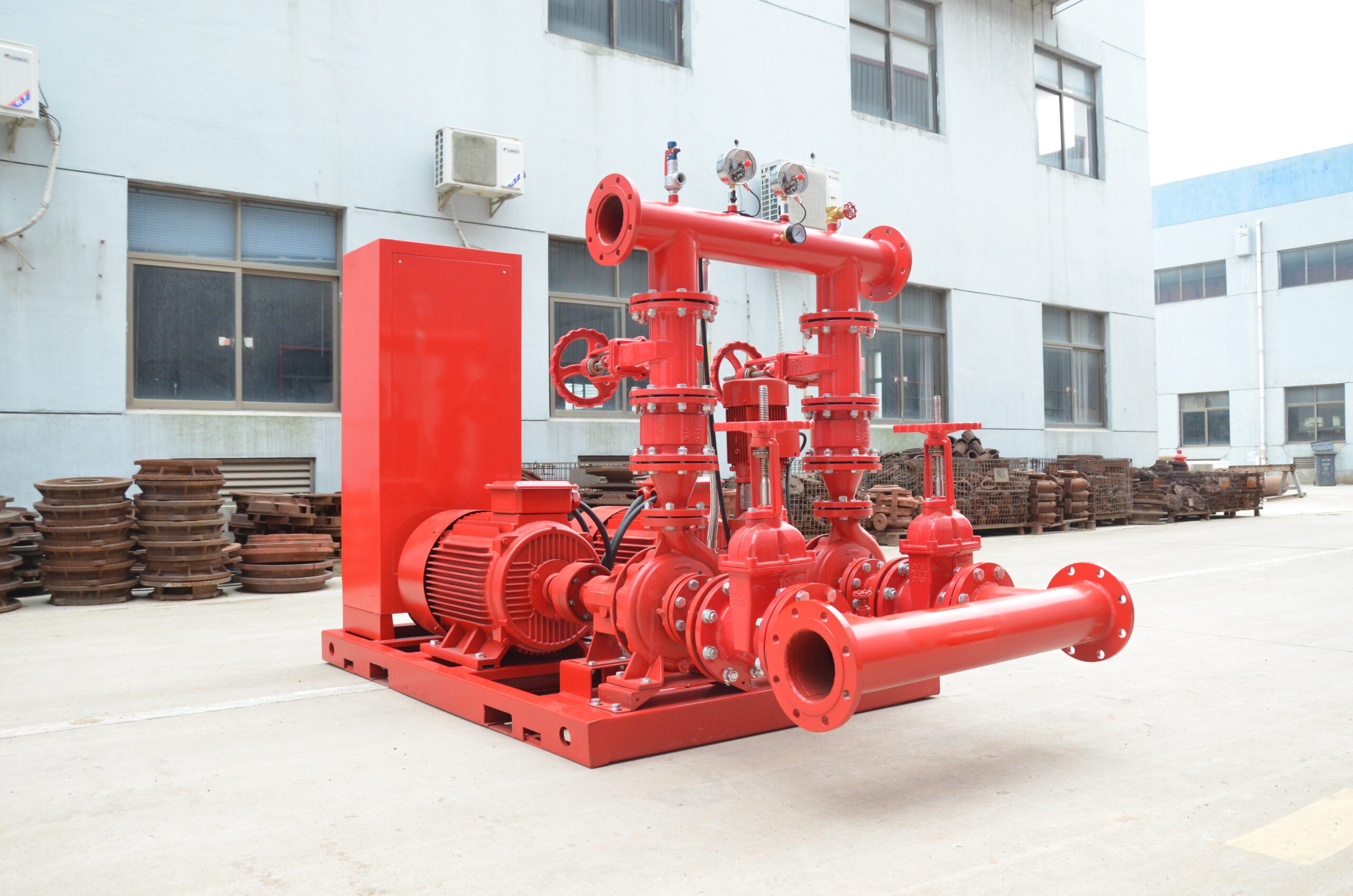
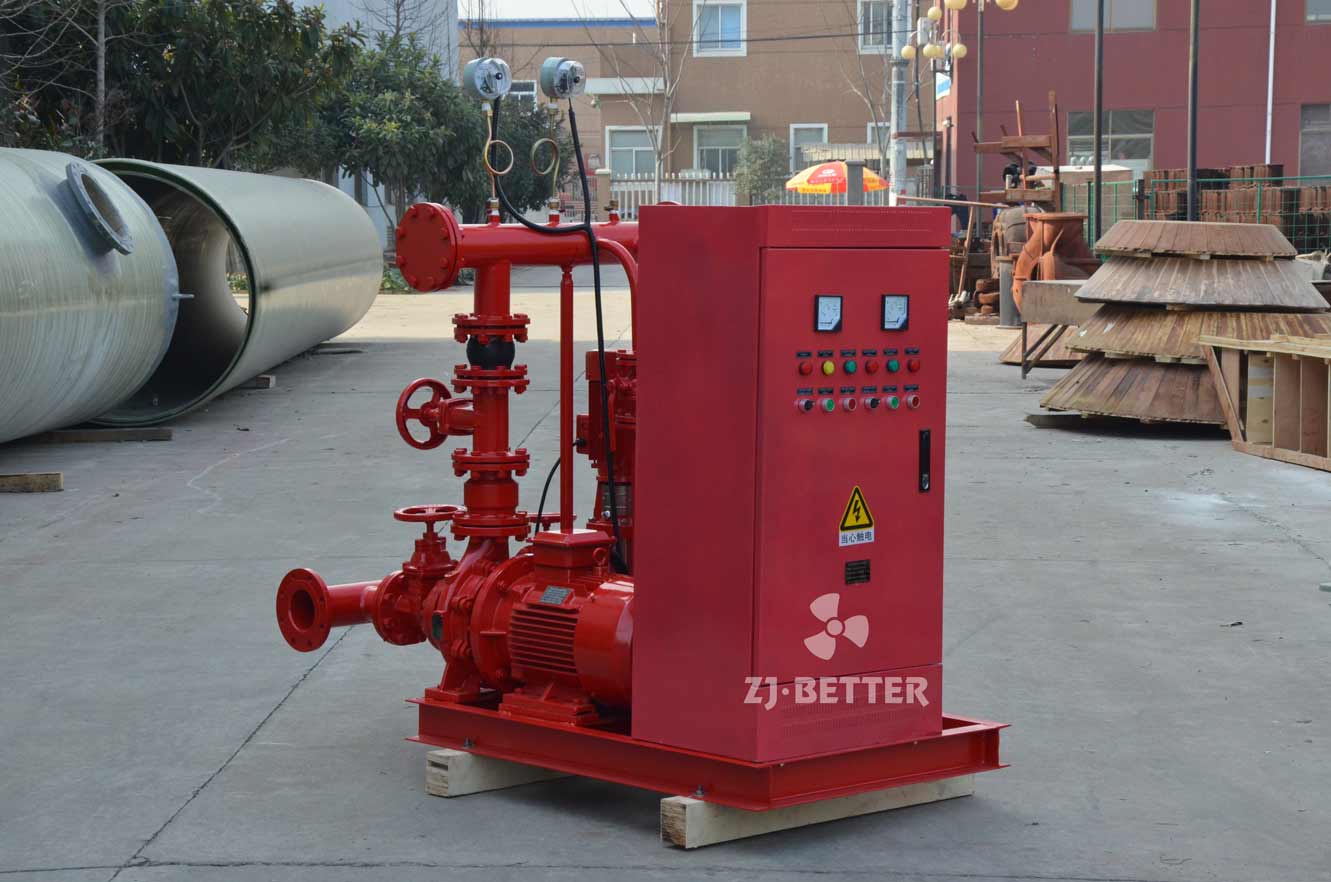
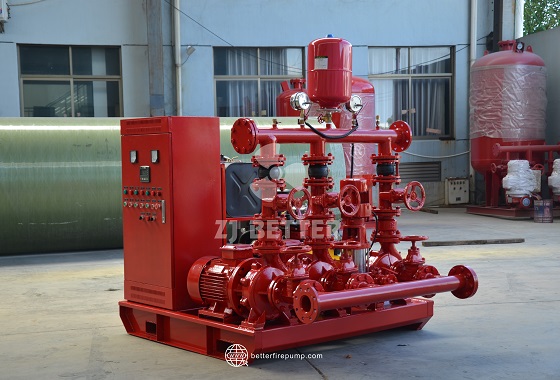
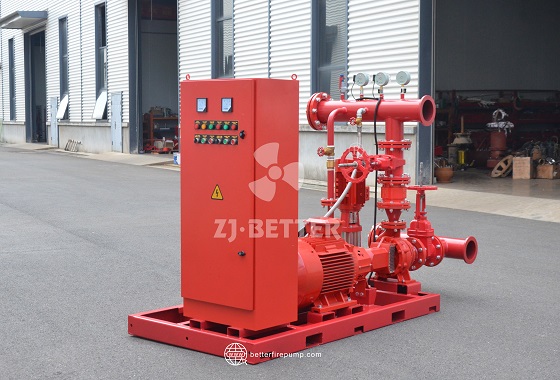
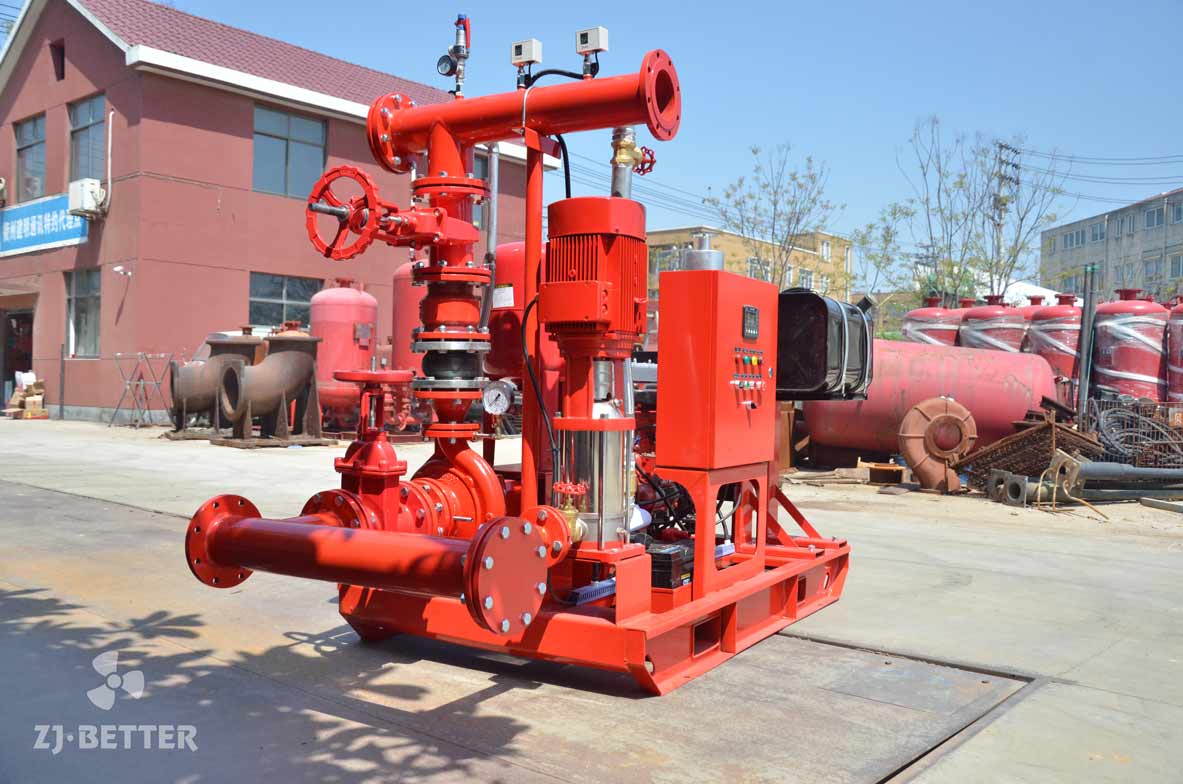
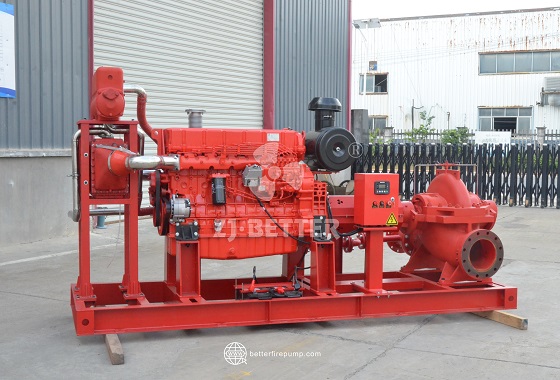
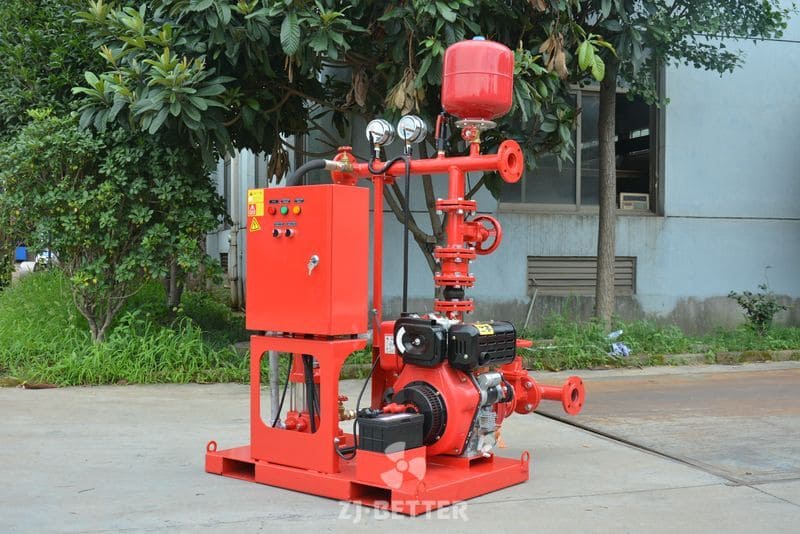
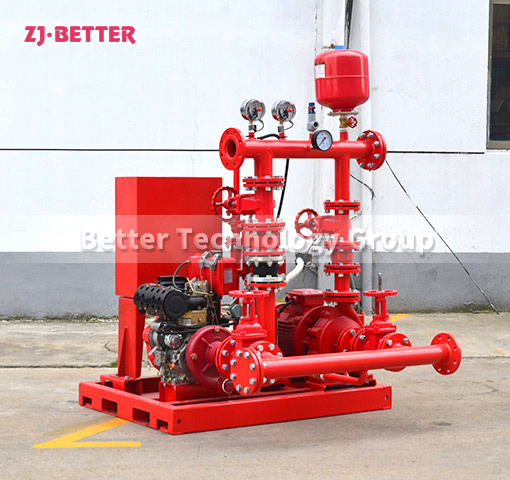
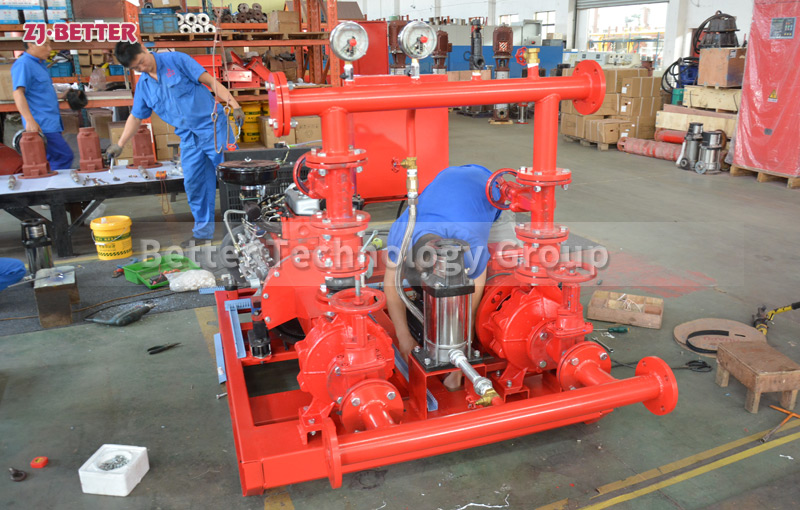
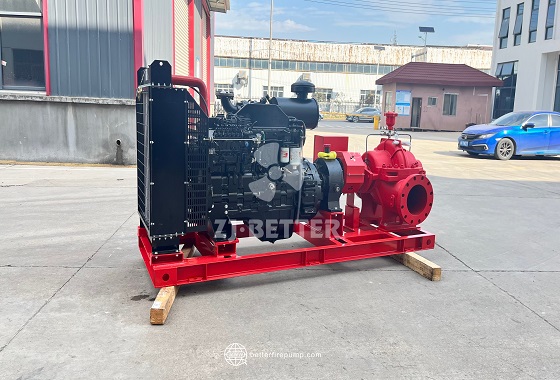
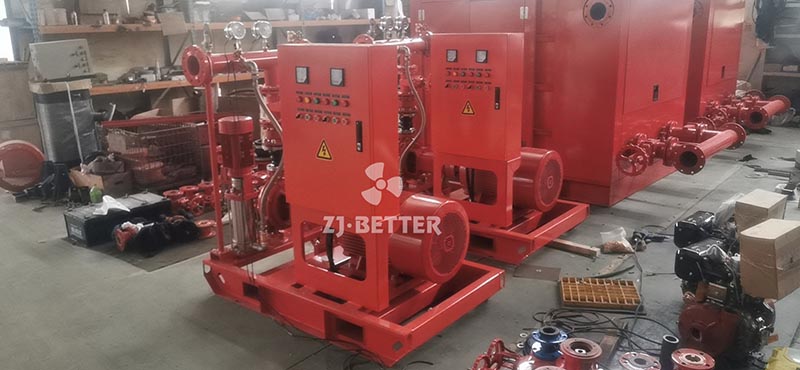
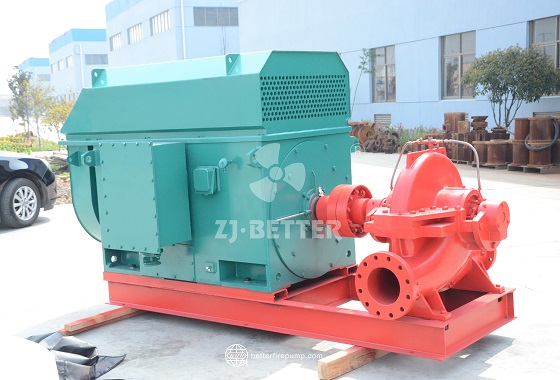
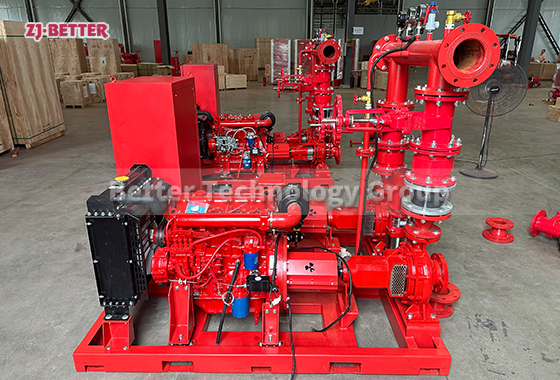
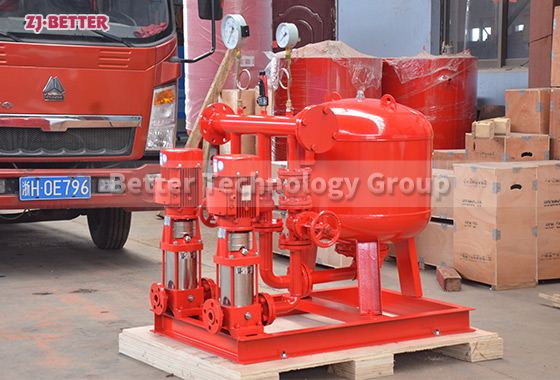
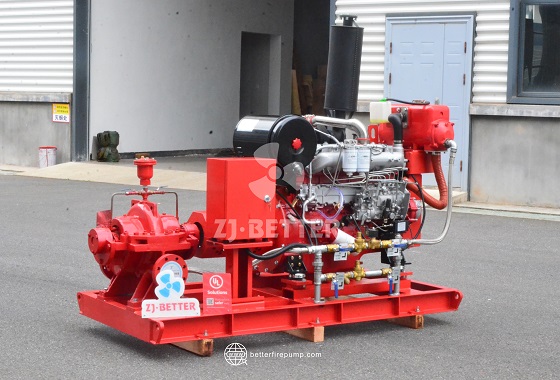
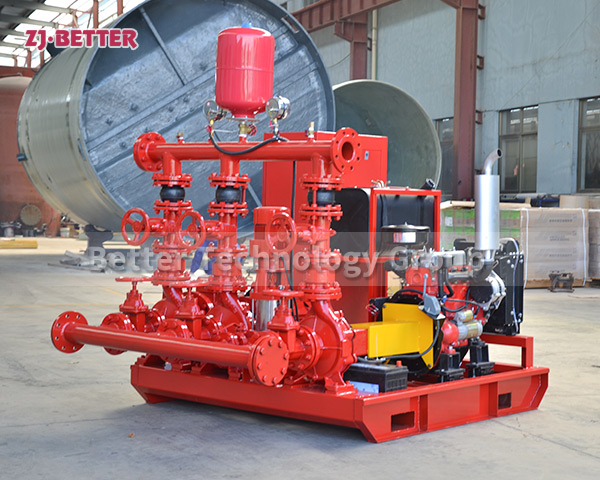
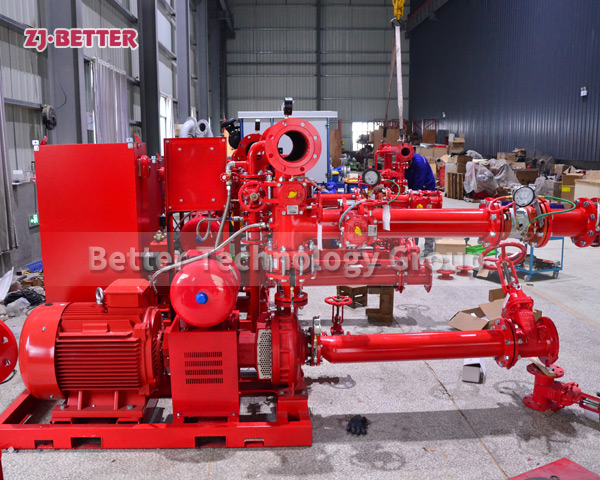
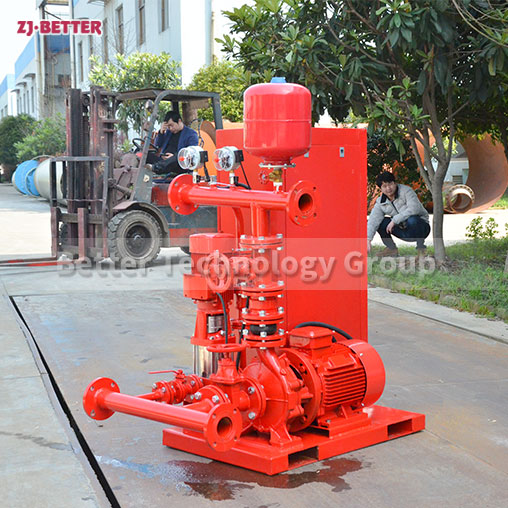
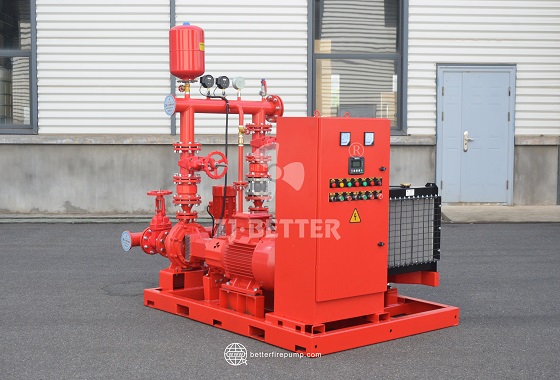
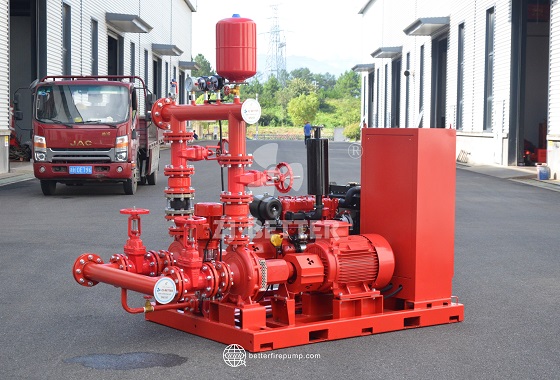
Stability analysis of electric fire pump systems with pressure control requires a comprehensive understanding of their overall structural design, operational logic, and performance in practical applications within fixed fire protection systems. These systems typically use an electric motor as their power core, working in conjunction with a high-efficiency centrifugal pump and pressure control device to achieve precise regulation and continuous, stable water supply to the fire pipeline network. They are a crucial component of modern building automatic fire protection systems, ensuring safe operation. The introduction of pressure control allows the electric fire pump system to monitor pipeline pressure changes in real time during normal standby mode. When the pressure is within the normal range, the system maintains low-energy operation or standby mode. However, once a pressure drop is detected or a fire alarm is triggered, the fire pump can quickly start and enter rated operating conditions, rapidly establishing stable water pressure in the early stages of a fire and providing reliable water supply to sprinkler systems, fire hydrant systems, and other terminal equipment. The electric drive method itself is characterized by smooth operation, continuous output, and ease of control. Combined with a pressure control system, it effectively avoids water hammer and pipeline impact caused by frequent start-stop cycles or excessive pressure fluctuations in traditional systems, significantly improving the overall system’s operational stability. To achieve precise and reliable pressure regulation, these electric fire pump systems are typically equipped with highly sensitive pressure sensors and rationally configured control logic. This ensures that the system maintains pressure within the set range under various operating conditions, meeting both the instantaneous demand for fire-fighting water and preventing long-term damage to pipes, valves, and terminal equipment caused by excessive pressure. In terms of structural design, electric fire pump systems usually adopt an integrated base structure, centrally arranging the pump body, motor, pressure stabilizing device, and related piping. This not only improves overall rigidity but also reduces errors during installation, making the system more stable and reliable in long-term operation. The pump body is mostly made of high-strength cast iron or wear-resistant alloy materials, and the internal flow channels are finely optimized to reduce hydraulic losses while ensuring efficient operation, thus maintaining stable flow and head output during continuous water supply. The motor, as the core power component of the system, is typically selected based on models suitable for long-term standby and frequent start-up conditions. Its insulation and protection levels meet the stringent safety and reliability requirements of fire protection systems, maintaining stable performance even under high load or continuous operation conditions. Pressure control not only improves the stability of system operation but also extends the service life of equipment to a certain extent. By reducing unnecessary high-pressure surges and frequent start-stop cycles, it effectively reduces the wear and tear on mechanical components, ensuring the system maintains good operating condition throughout its entire lifecycle. For fixed fire protection pipe networks, pressure stability directly affects the system’s response speed and fire extinguishing effect. Electric fire pump systems with pressure control can quickly compensate for pipe network pressure losses during a fire, ensuring water flow is delivered to the most unfavorable point according to design parameters, thereby improving the overall reliability of the fire protection system. At the control system level, these fire pumps are typically equipped with integrated control cabinets, featuring both automatic and manual control modes. They can be linked with building fire protection control systems to meet operational needs in different application scenarios. Clear operating indicators and fault alarm functions allow maintenance personnel to promptly monitor the system status. Due to the relatively simple system structure, daily maintenance mainly focuses on electrical connection checks, pressure component calibration, and routine lubrication. Maintenance is low-difficulty and the workload is controllable, helping to reduce long-term operating costs. In summary, electric fire pump systems with pressure control functions demonstrate excellent operational stability in fixed fire protection systems through stable electric drive, precise pressure regulation, and reliable structural design. Their advantages in ensuring stable pipeline pressure, improving fire response efficiency, and reducing equipment wear make them an important solution widely adopted in modern building fire protection engineering.