Home » Fire Pump Set » What is the important role of diesel engine fire pump?

What is the important role of diesel engine fire pump?

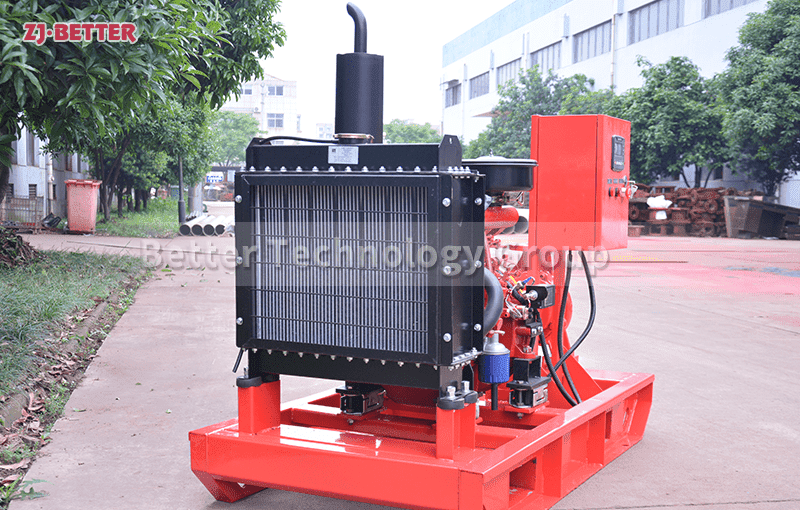
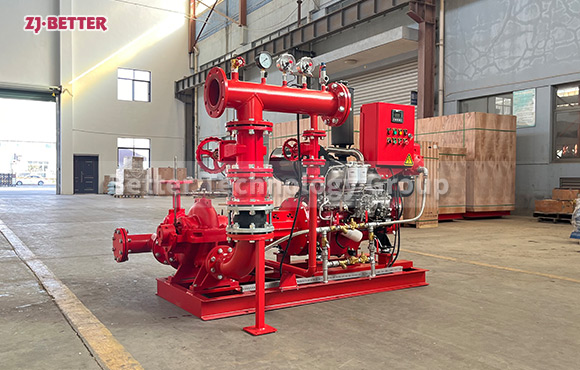
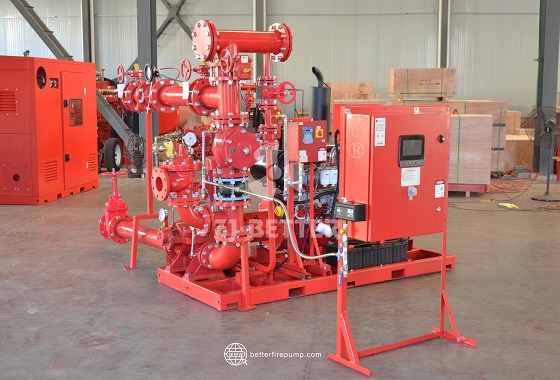
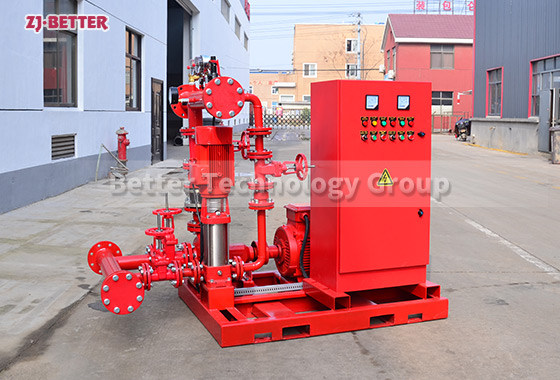
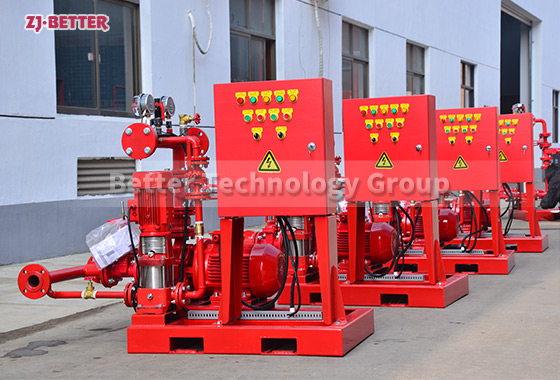
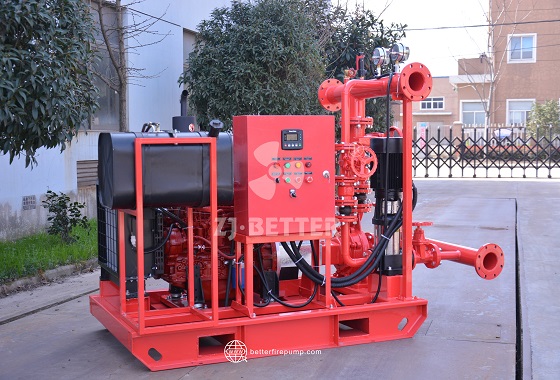
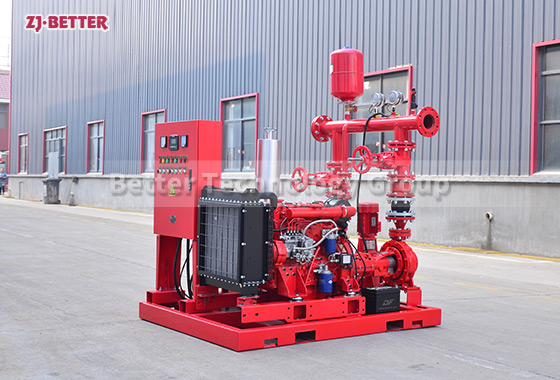
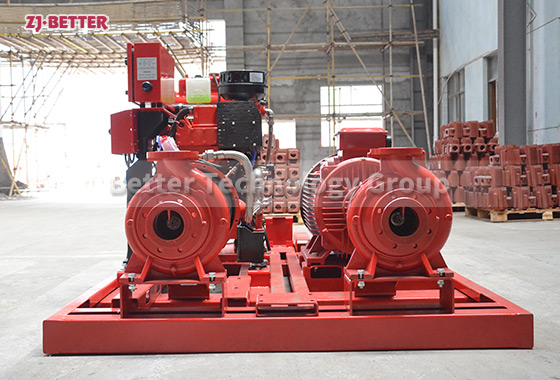
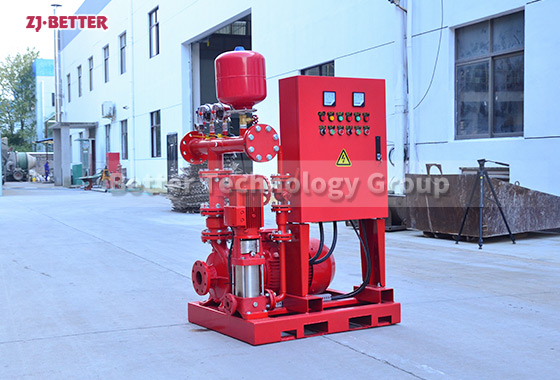
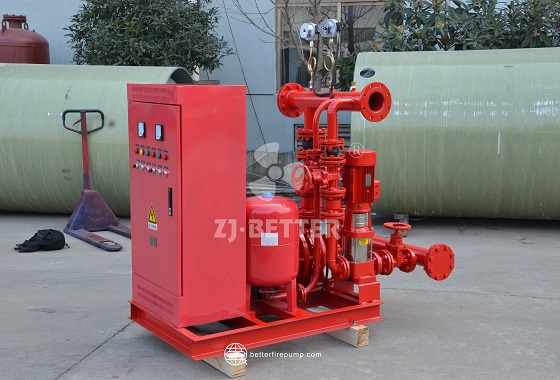
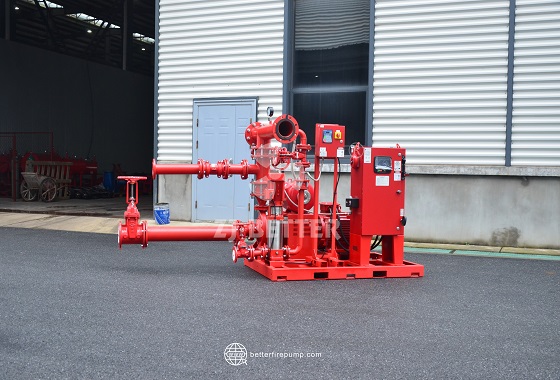
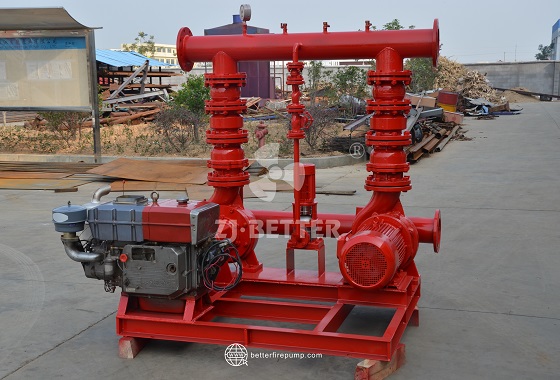
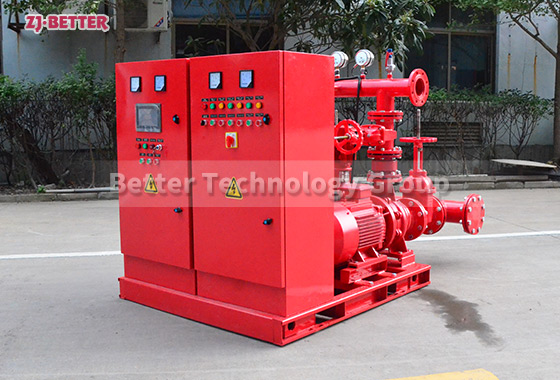
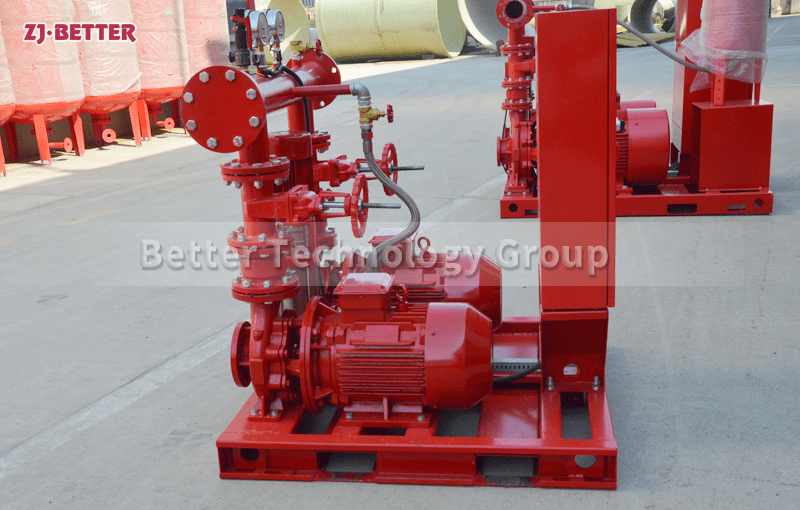
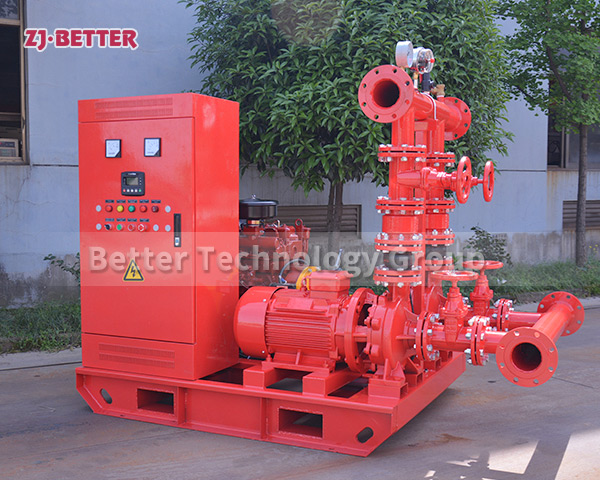
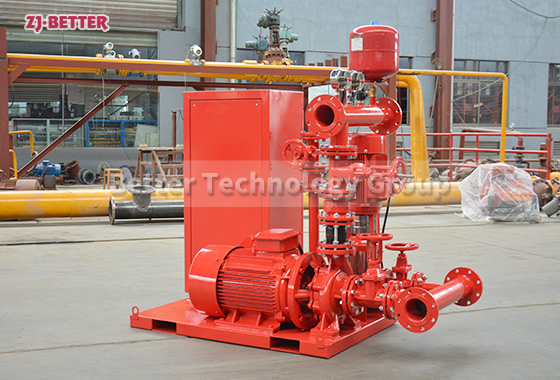
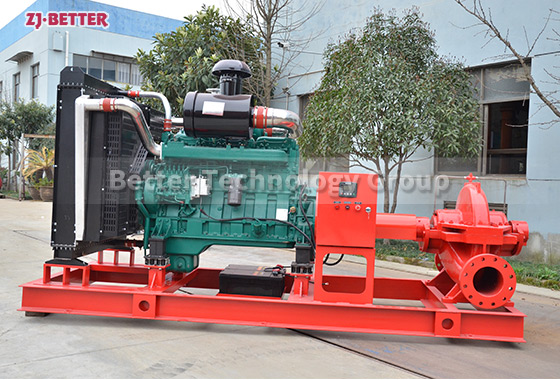
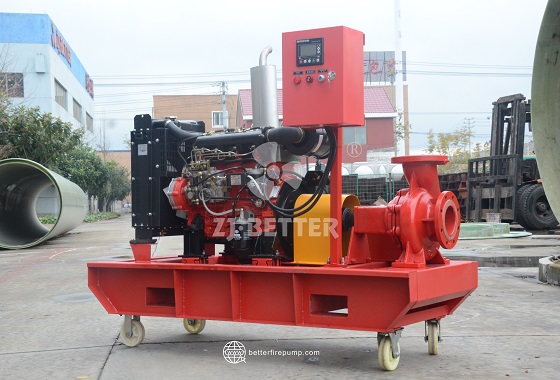
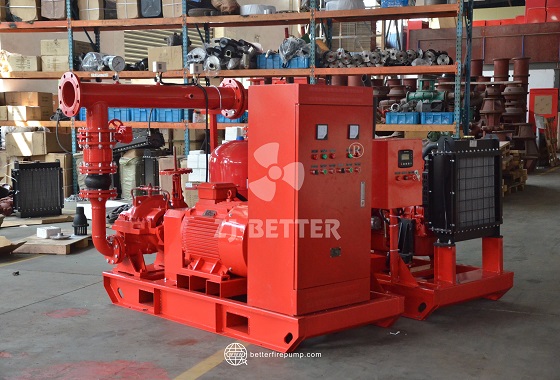
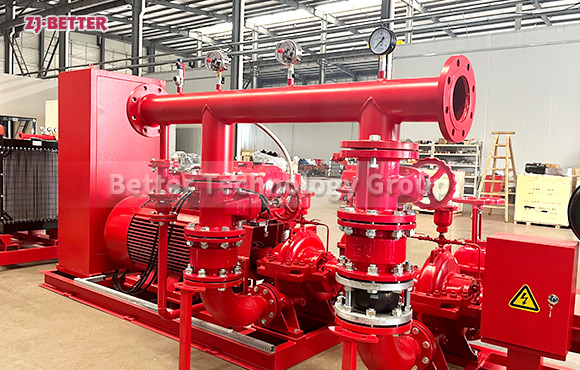
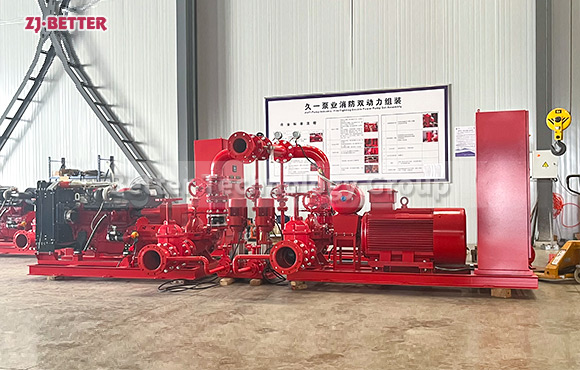
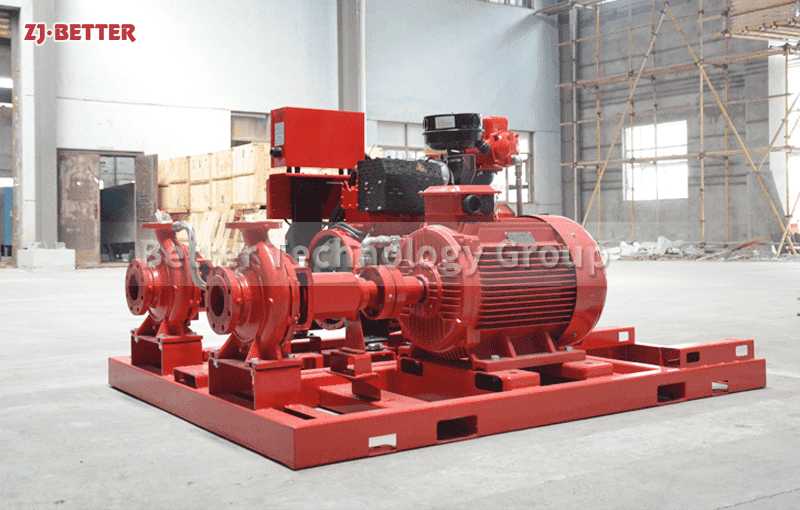
With the characteristics of full sealing, no leakage and corrosion resistance, fire pumps are widely used in environmental protection, water treatment, fire protection and other departments. They are ideal pumps for building non-leakage, non-pollution civilized workshops and civilized factories. Our commonly used fire pumps are electric fire pumps and diesel engine fire pumps. The difference between the two is that the electric fire pump needs power system supply. If the power is cut off, the diesel engine fire pump can be started at any time to make up for the original position of the electric fire pump.

Rated 4.9/5 based on 245 customer reviews
Share:
Content

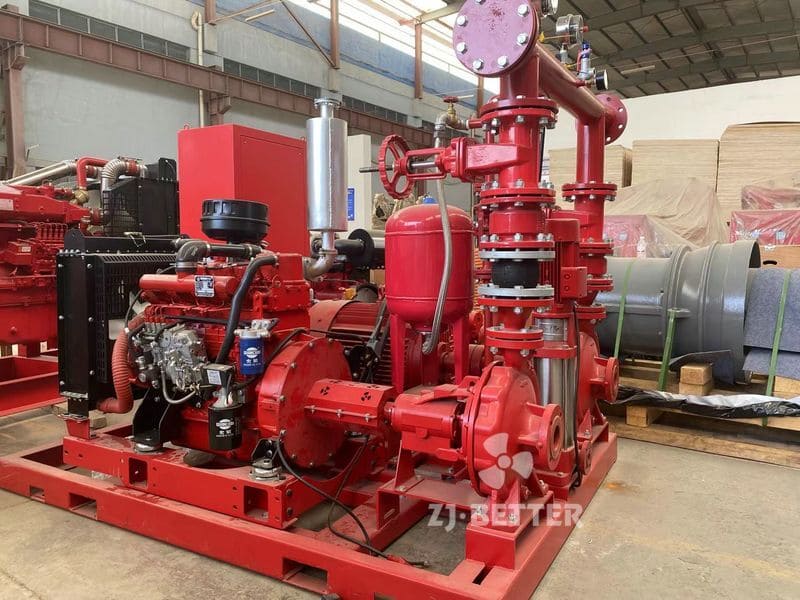
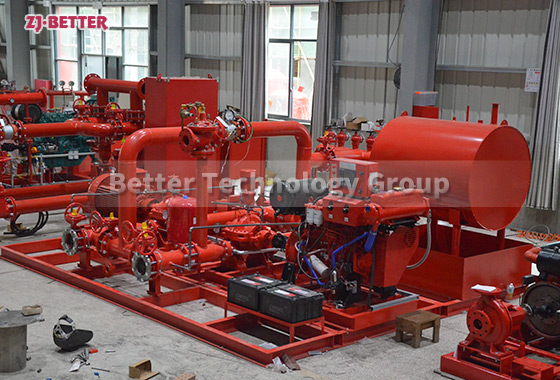
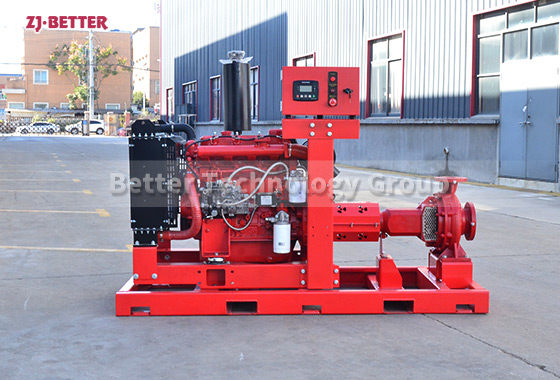
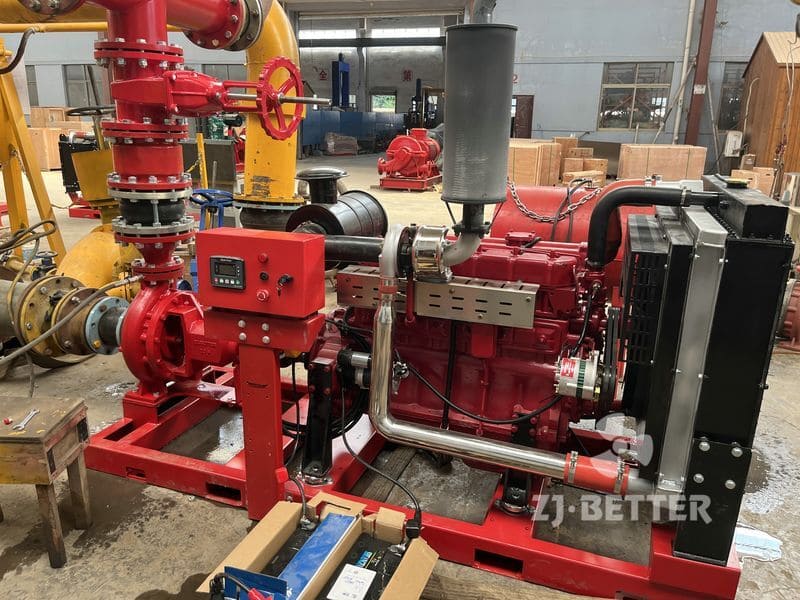
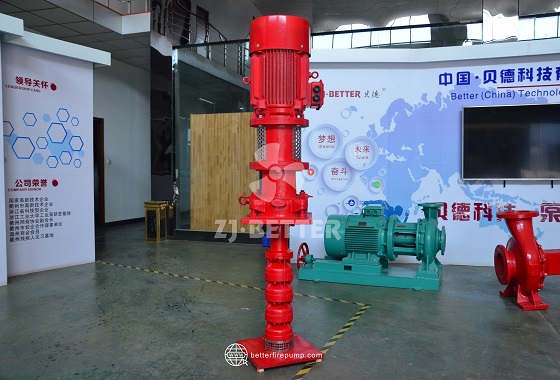
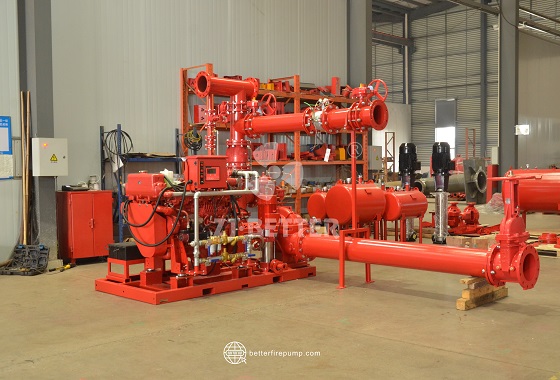
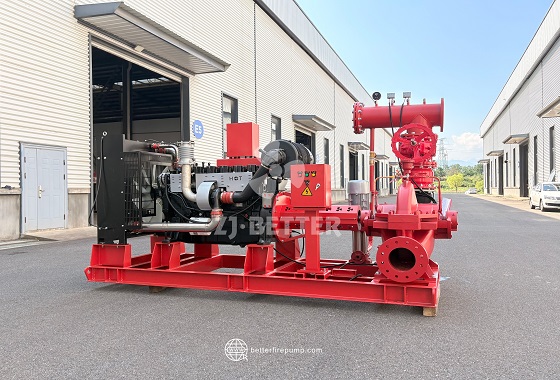
Electric fire pumps can supply fire water for general occasions. Diesel engine fire pumps are aimed at fire water supply for high-flow and high-lift occasions, and the diesel engine has good starting characteristics, fast start-up speed, strong overload capacity, and it does not need to run and stand by all the time, saving energy. efficient. Diesel engine fire pumps have complete performance and a wide range of models. They can be used in single-stage single-suction pumps, multi-stage single-suction pumps, self-priming pumps, long-axis pumps, etc., and can also be used in combination and in parallel, with a wide range of flow and pressure. Diesel engine fire pumps are widely used for fire water supply in warehouses, docks, airports, petrochemical, power plants and other industrial and mining enterprises. Larger flow and head. The temperature of the conveying medium can reach 80°C.
Inquiry


    More Fire Pump Set

    When installing a fire pump, it is essential to adhere to specific requirements to ensure its proper functionality and compliance with safety standards. Here are some important installation requirements to consider:

    Codes and Standards: Familiarize yourself with local fire codes, regulations, and industry standards applicable to fire pump installations.

    Location and Accessibility: Choose an appropriate location for the fire pump that allows for easy access, maintenance, and serviceability.

    Foundation and Mounting: Ensure that the fire pump is installed on a stable and level foundation capable of supporting its weight and minimizing vibration.

    Electrical Connections: Electrical connections should be performed by licensed electricians following electrical codes and regulations.

    Water Supply: Ensure an adequate and reliable water supply for the fire pump.

    System Piping and Valves: The piping system should be installed following the pump manufacturer’s specifications and relevant standards.

    Controls and Monitoring: Install the pump’s control panel and associated instrumentation according to manufacturer guidelines.

    Testing and Commissioning: Thoroughly test and commission the fire pump system before placing it into service.

    Documentation and Training: Maintain comprehensive documentation of the installation, including drawings, equipment specifications, test reports, and maintenance records.

    It is crucial to consult with fire protection professionals, including fire engineers and pump manufacturers, to ensure compliance with all relevant requirements during the installation process. Proper installation is essential for the reliable operation of the fire pump and the safety of the facility and its occupants.