Compact Fire Pressure Supply Unit with Automatic Pressure Detection and Replenishment
The compact fire-fighting pressure-stabilizing water supply equipment adopts automatic pressure detection and pressure replenishment control technology, integrates a pressure-stabilizing pump and a pressure storage tank, and realizes stable water supply to the fire-fighting pipeline network. It is suitable for building and industrial fire protection systems.
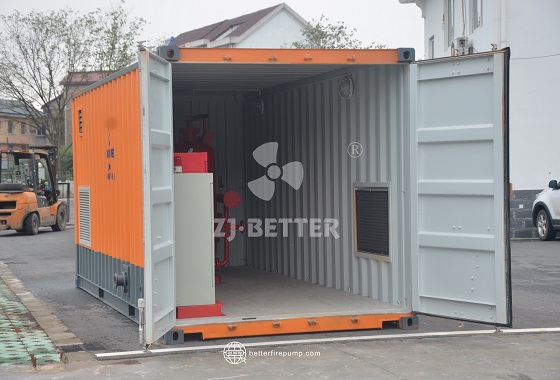
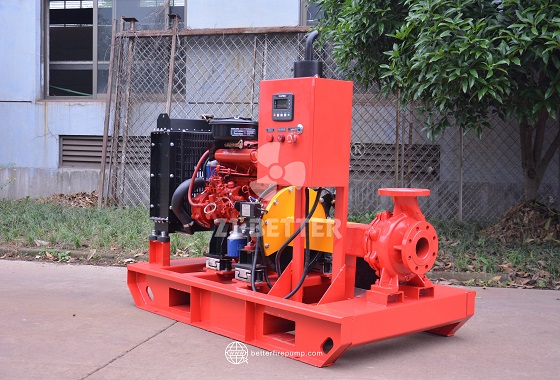
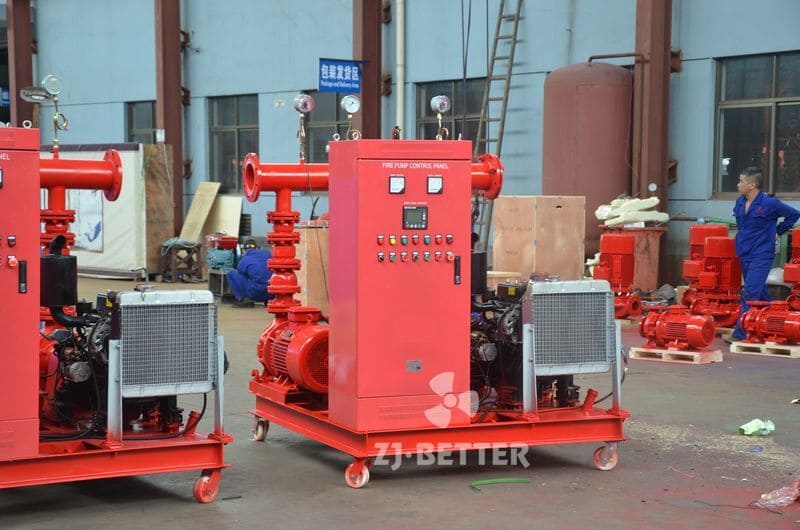
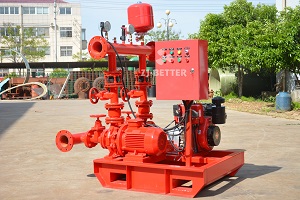
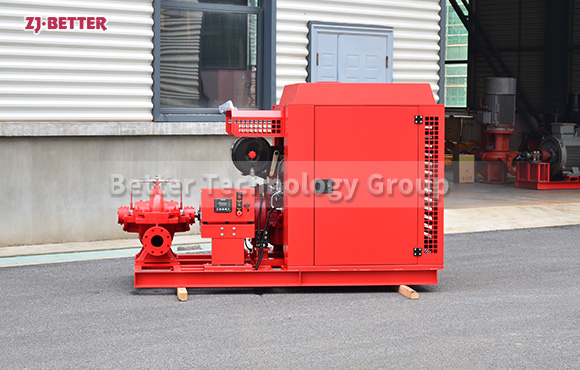
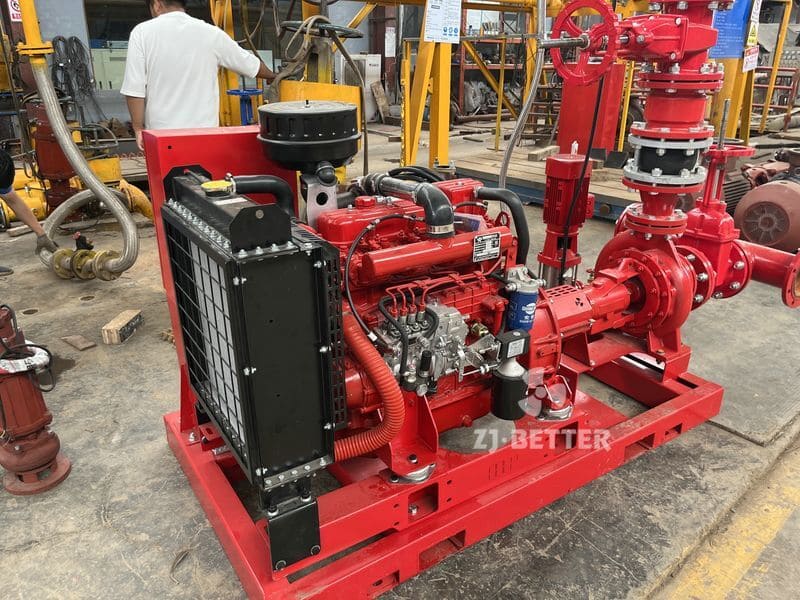
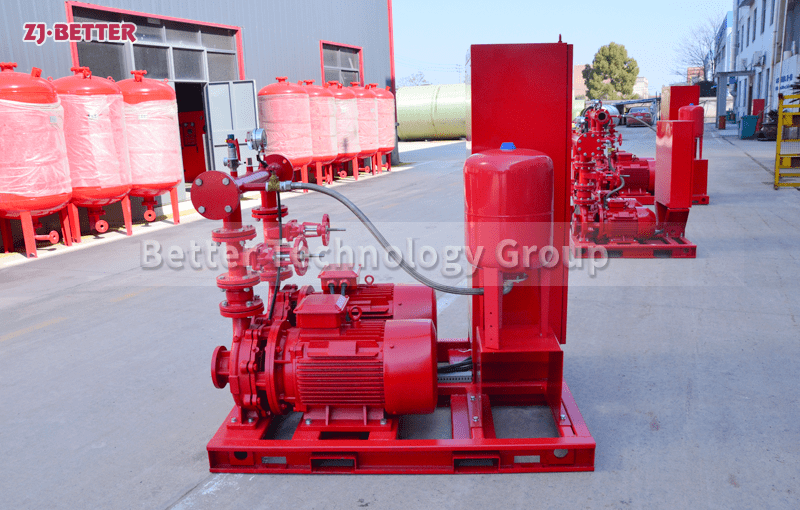
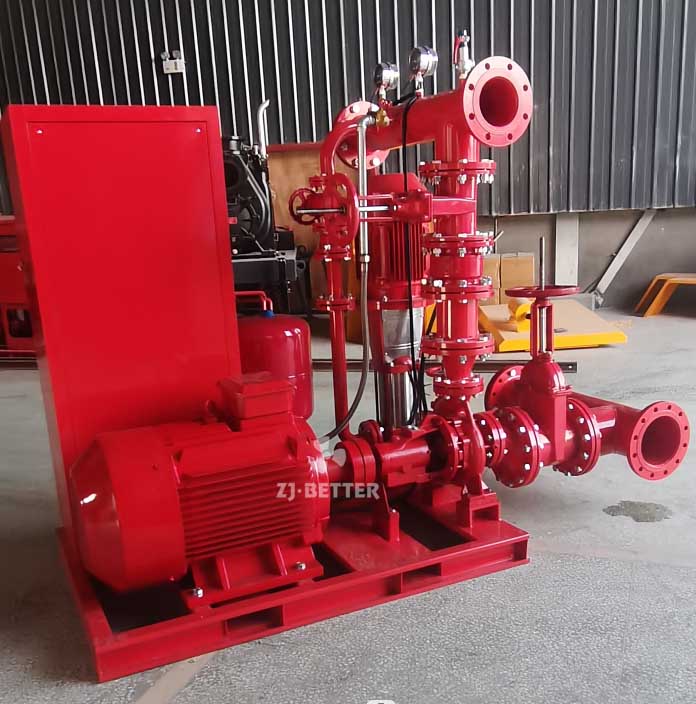
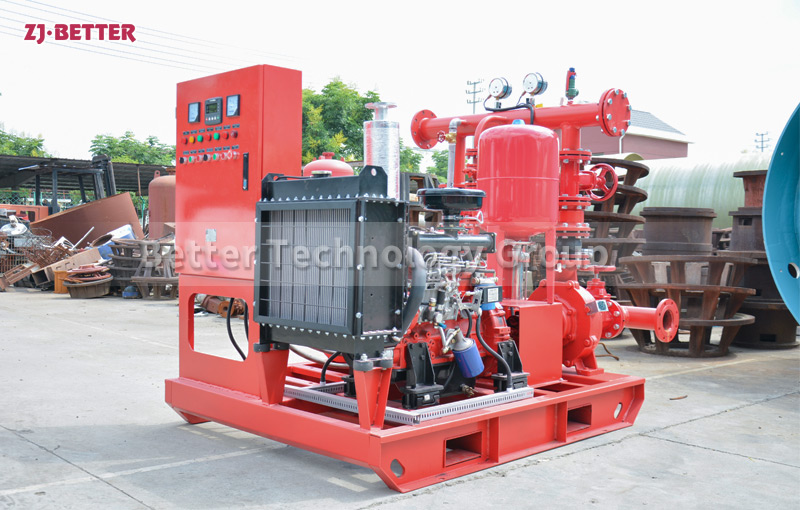
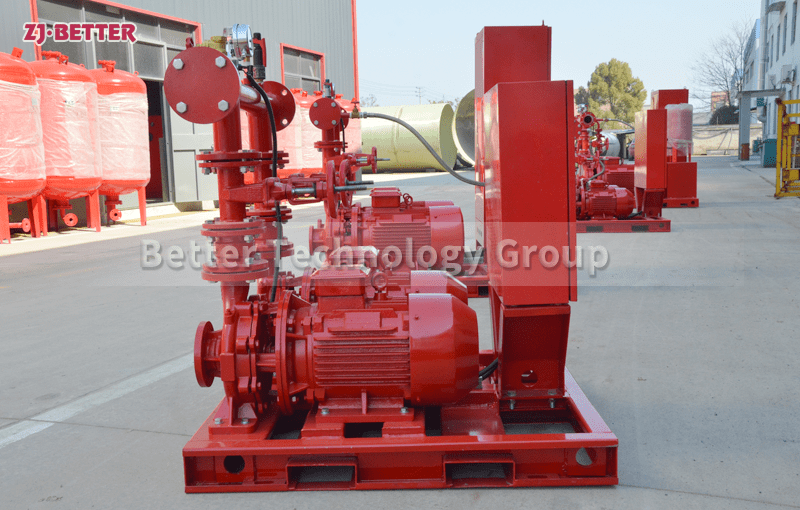
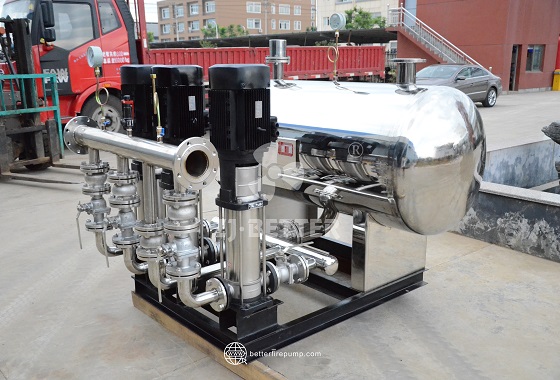
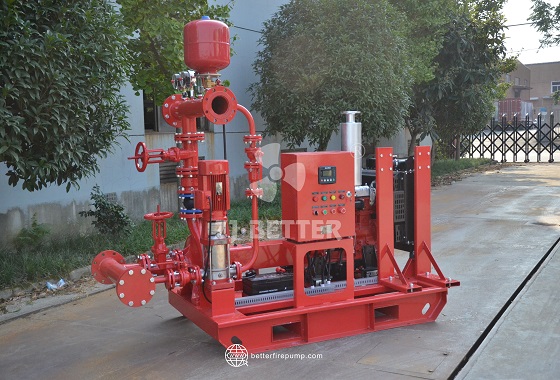
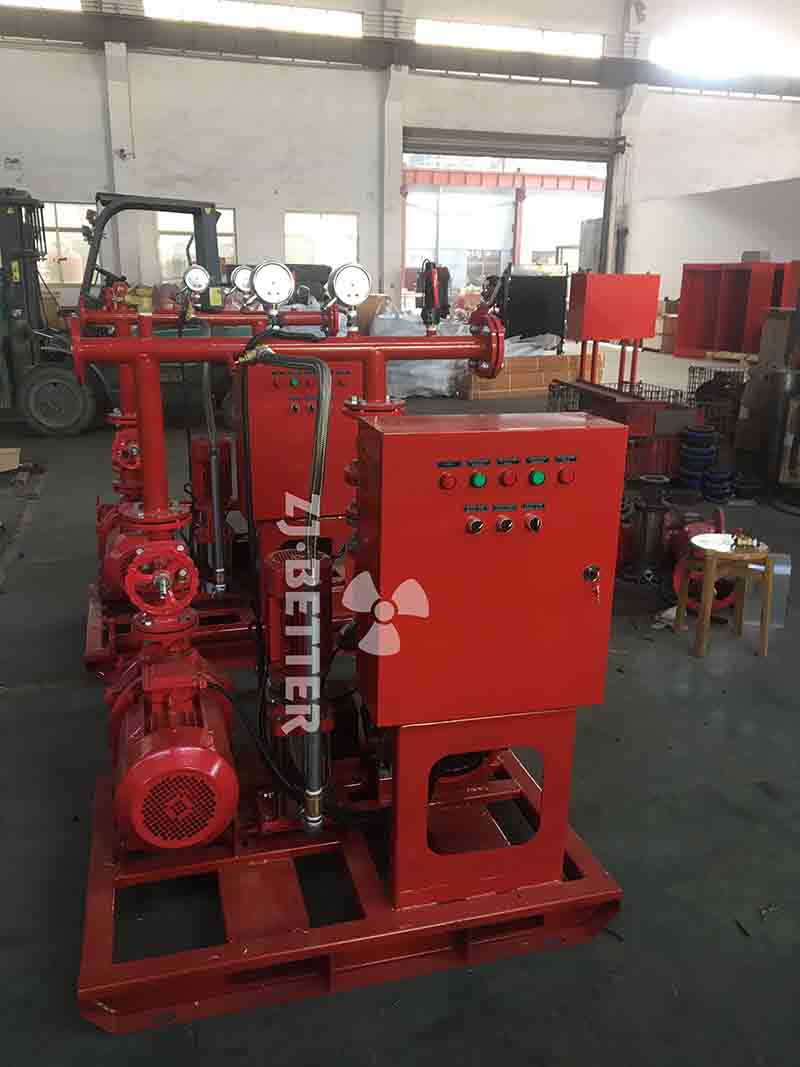
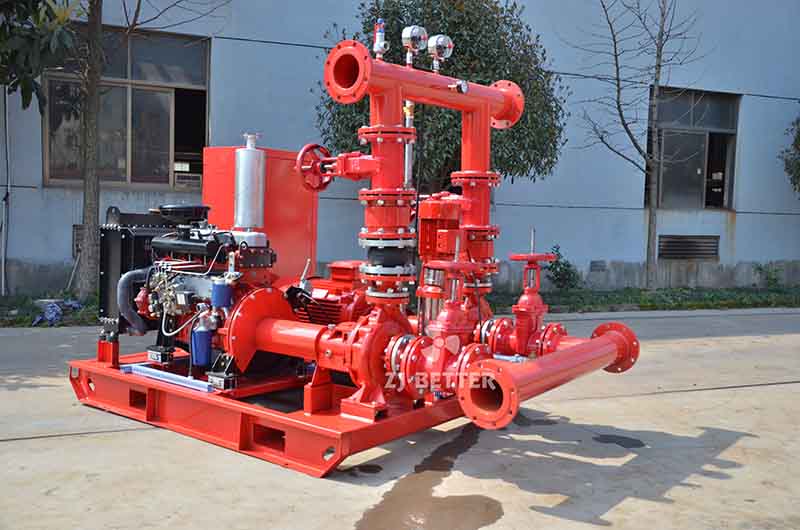
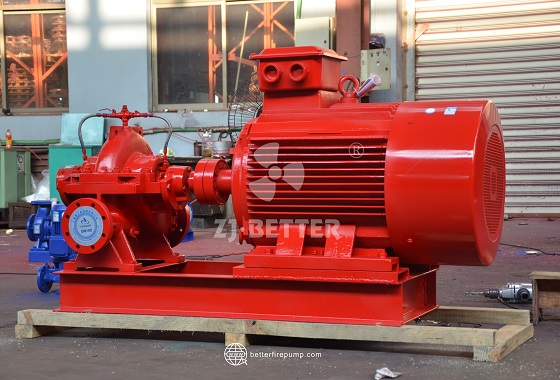
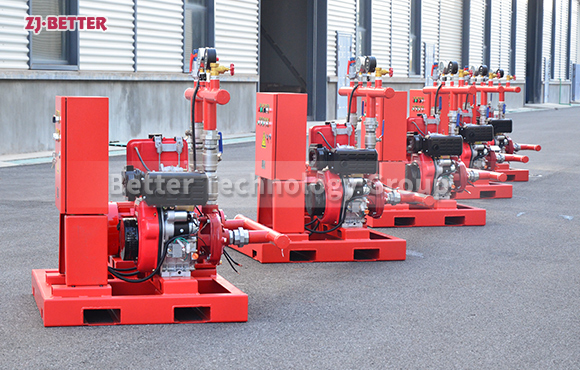
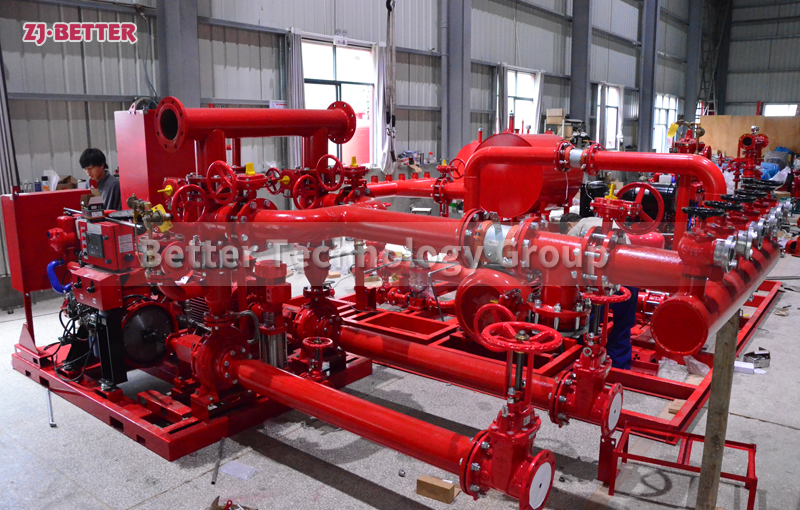
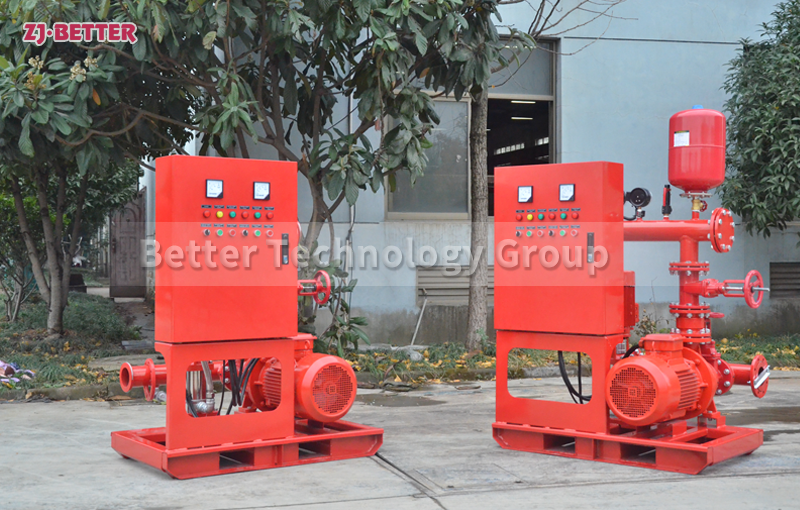
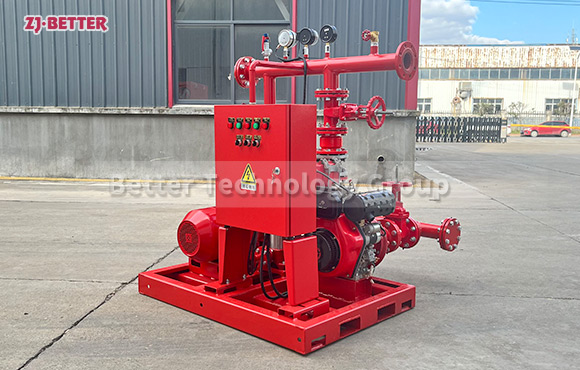
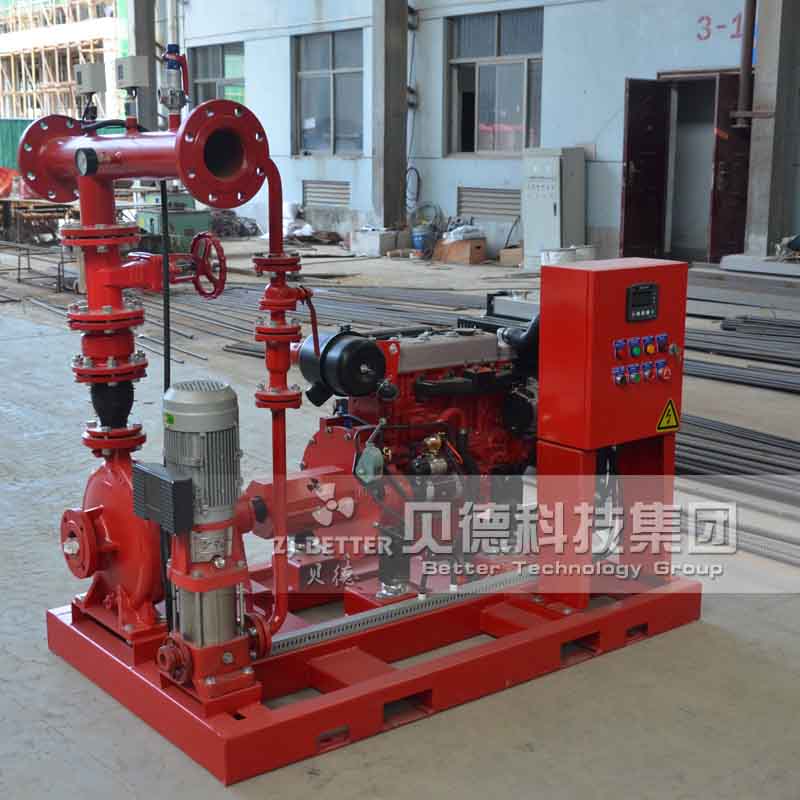
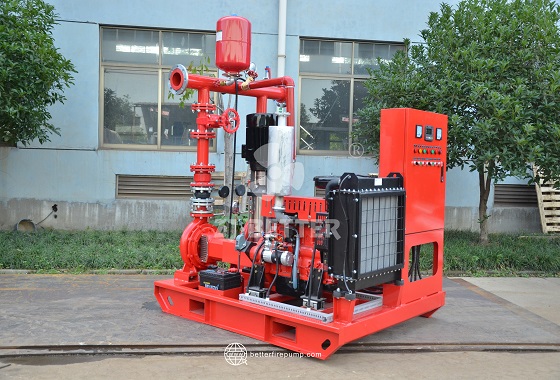
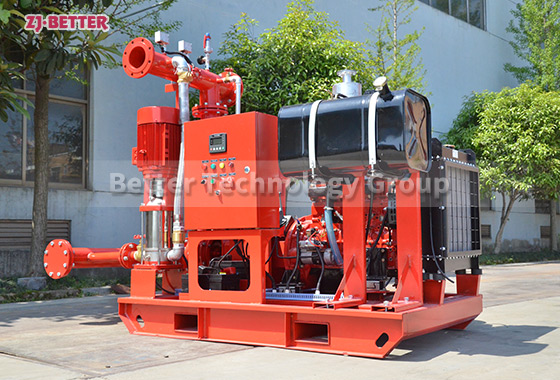
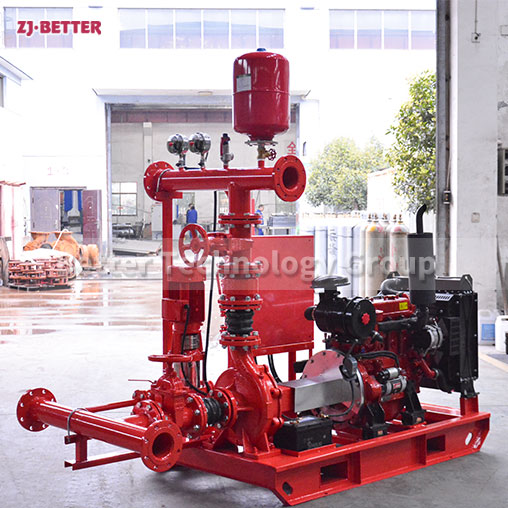
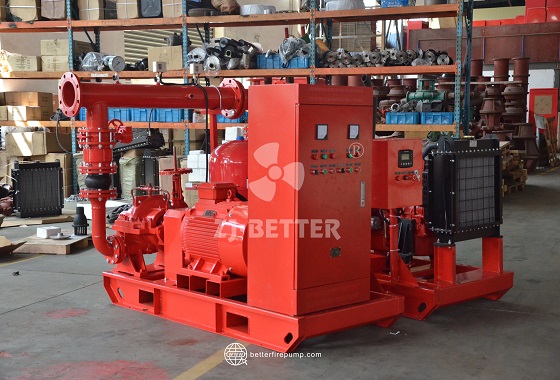
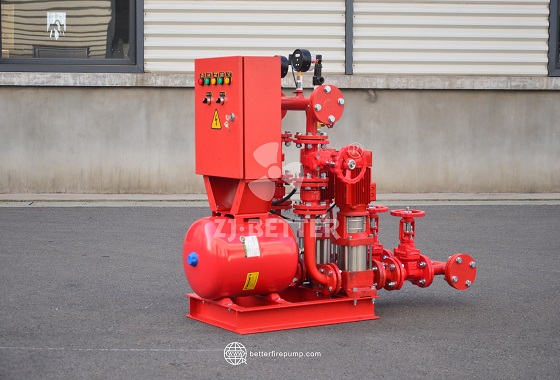
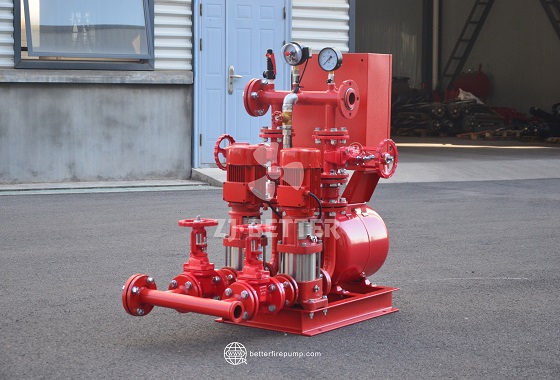
Compact fire-fighting pressure-stabilizing water supply equipment is an important auxiliary fire-fighting device used to maintain stable pressure in fire-fighting pipe networks. It mainly consists of a pressure-stabilizing pump, pressure tank, control system, piping components, and related valves. By automatically detecting system pressure changes and promptly replenishing pressure, it ensures the fire-fighting water supply system remains reliably ready for operation. The equipment shown in the image adopts an integrated structural design, rationally combining the pump, pressure tank, and control components to effectively reduce installation space while improving system operational coordination. It is suitable for high-rise buildings, commercial complexes, industrial plants, warehousing facilities, and various fixed fire-fighting water supply projects. Compared to traditional decentralized installation methods, this compact fire-fighting pressure-stabilizing water supply equipment reduces on-site installation complexity, improves the space utilization of fire pump rooms, and achieves more stable and efficient fire-fighting pipe network pressure management through automated control. During long-term standby of fire-fighting systems, pipe network pressure can drop due to factors such as temperature changes, minor leaks, valve status changes, and small amounts of water usage. Without effective pressure-stabilizing equipment, fire pumps may start frequently, increasing the equipment’s operating load and affecting the overall lifespan of the system. This equipment monitors the fire-fighting pipeline pressure in real time through a pressure detection device. When the pressure falls below the set value, the control system automatically starts the pressure-stabilizing pump to replenish the fire-fighting pipeline with reserve water, allowing the pressure to recover quickly. When the system pressure reaches the set range, the equipment automatically stops operating, thereby reducing unnecessary pump starts and stops and improving the reliability of the fire-fighting system. As an important component of the fire-fighting water supply system, the biggest advantage of the compact fire-fighting pressure-stabilizing water supply equipment lies in its automatic pressure replenishment capability. The equipment is equipped with a pressure control component that can intelligently judge the actual pressure status of the fire-fighting pipeline, realizing automatic start-up, automatic stop, and pressure maintenance functions without frequent manual operation. Under normal circumstances, the main fire pump is in standby mode, and the pressure stabilizing equipment is responsible for handling daily pressure fluctuations, keeping the fire-fighting pipeline pressure stable. When a fire occurs and a large amount of fire-fighting water demand is generated, the pipeline pressure drops rapidly. The main fire pump starts according to the system control logic, providing a continuous high-flow water supply to the fire-fighting facilities, while the pressure stabilizing equipment completes the daily pressure maintenance task, achieving a reasonable division of labor among different devices. This working mode not only improves the response efficiency of the fire-fighting system but also reduces the problem of frequent starts of the main fire pump due to small-scale pressure changes. The equipment shown in the image features a compact, integrated structure, with major functional components mounted on a single base platform. This design results in a clear structure, easy installation, and a small footprint. For projects with limited space in building fire pump rooms, this miniaturized, integrated design effectively saves installation space and reduces on-site piping connections. The equipment is pre-configured with major components at the factory; on-site installation only requires connecting the inlet and outlet water pipes, power supply, and control lines according to the engineering design requirements, significantly reducing construction difficulty and improving installation efficiency. The pressure storage tank is a crucial component of this type of fire-fighting pressure-stabilizing equipment. Its main function is to store pressure energy and buffer changes in pipeline pressure. When the system pressure drops slightly, the pressure tank can compensate using its internal stored pressure, reducing the frequency of pressure pump starts and ensuring smoother equipment operation. Working in conjunction with the pressure pump, the pressure tank can improve the pressure fluctuations in the fire-fighting pipeline network and enhance the system’s pressure maintenance capability. For projects with long pipelines, numerous fire zones, or tall buildings, the appropriate configuration of pressure storage devices can further enhance the stability of the fire-fighting water supply system. This equipment uses an electric pressure-stabilizing pump as its core power source, featuring stable operation, convenient control, and simple maintenance. The electric pump can respond quickly to control system commands, providing timely pressure support when the fire protection network requires additional pressure. Compared to manual adjustment, automatic control reduces human error, ensuring the fire protection system remains reliably monitored. Furthermore, the electric drive facilitates connection to building fire control systems, pressure sensors, and remote monitoring systems, providing a foundation for intelligent fire management. The pump section employs a high-efficiency hydraulic design, optimizing impeller structure and flow channel layout to improve water delivery efficiency, enabling stable pressure output with low energy consumption. A well-designed hydraulic structure reduces energy loss during operation, improves pump efficiency, and lowers vibration and operating noise. For fire protection pressure-stabilizing systems requiring long-term operation, high-efficiency hydraulic performance not only helps reduce operating costs but also improves long-term reliability. The control system is a crucial component for the automated operation of this compact fire protection pressure-stabilizing water supply equipment. Through internal electrical components, pressure detection modules, and control programs, the equipment automatically determines its operating status based on the set pressure range. When the pipeline pressure decreases, the system issues a start command; after the pressure recovers, the system automatically stops operating, achieving automatic pressure management under unattended conditions. Simultaneously, the control cabinet typically features operating status display, fault alarms, and protection functions, allowing staff to promptly understand the equipment’s operating status and improve maintenance efficiency. In practical applications, this equipment can be widely used in residential buildings, high-rise office buildings, hotels, hospitals, schools, industrial parks, logistics warehouses, and other locations requiring continuous fire-fighting pressure. For automatic sprinkler systems, fire hydrant systems, and integrated fire-fighting water supply systems, stable pipeline pressure is fundamental to ensuring the normal operation of fire-fighting facilities. Compact fire-fighting pressure-stabilizing water supply equipment can be configured with parameters according to different project needs, including flow rate, head, pressure rating, tank capacity, and control methods, thereby meeting the application requirements of fire-fighting projects of varying scales. Regarding equipment maintenance, the product has a relatively centralized structure, with a reasonable layout of major operating components, facilitating daily inspection and maintenance. During use, the pump operating status, electrical control system, pressure gauge display, pipeline connections, and valve sealing should be checked regularly to ensure the equipment maintains good working condition over the long term. Meanwhile, regular maintenance based on the engineering environment and operating cycle can effectively extend the service life of equipment and improve the overall reliability of the fire protection system. For fire protection engineering, equipment not only needs to meet normal operating requirements but also needs to maintain rapid response capabilities at critical moments. Therefore, stability and reliability are important evaluation indicators for fire protection pressure stabilizing equipment. Overall, compact fire protection pressure stabilizing water supply equipment achieves stable pressure maintenance of fire protection pipe networks and improves equipment operating efficiency through automatic pressure detection, intelligent pressure supplementation control, high-efficiency pump design, and integrated structure. Its advantages are not only reflected in saving installation space but also in reducing frequent pump start-stops, improving the response capability of the fire protection system, reducing maintenance difficulty, and enhancing long-term operational reliability. As an important auxiliary equipment for modern fire protection water supply systems, this product can provide continuous, stable, and safe pressure assurance for building and industrial fire protection engineering, providing reliable support for the long-term standby and emergency water supply needs of fire protection facilities.