Home » Fire Pump Set » Vertical Diesel Engine Fire Pump Package – Independent Water Supply Solution for Industrial Projects

Vertical Diesel Engine Fire Pump Package – Independent Water Supply Solution for Industrial Projects

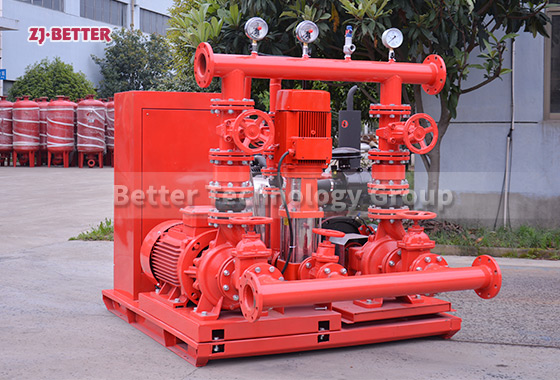
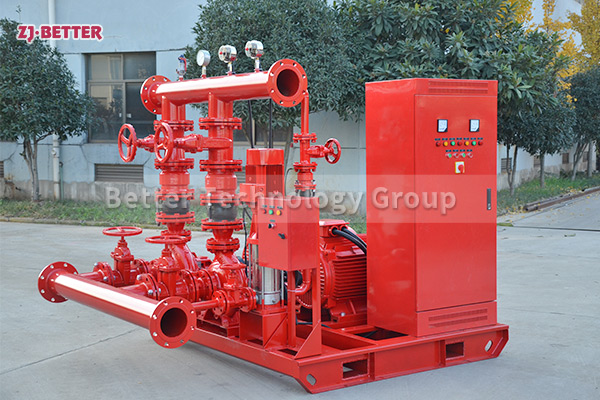
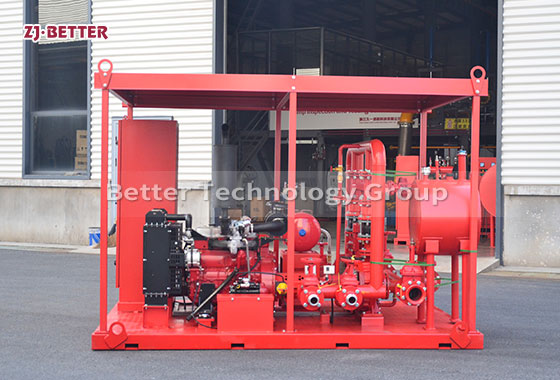
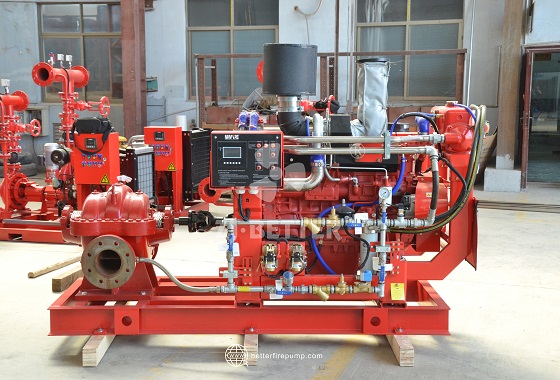
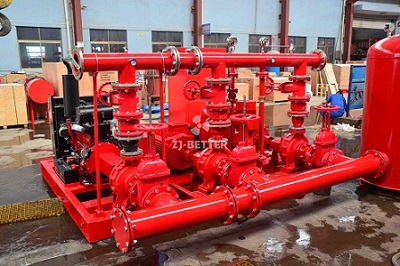
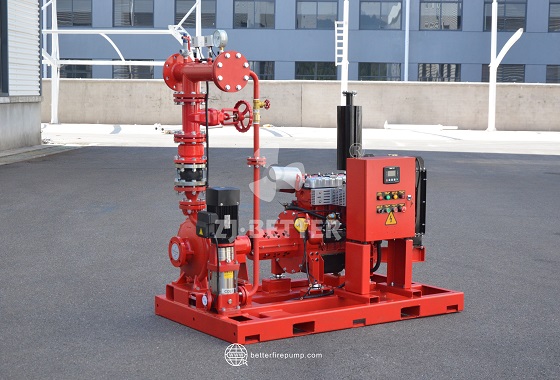
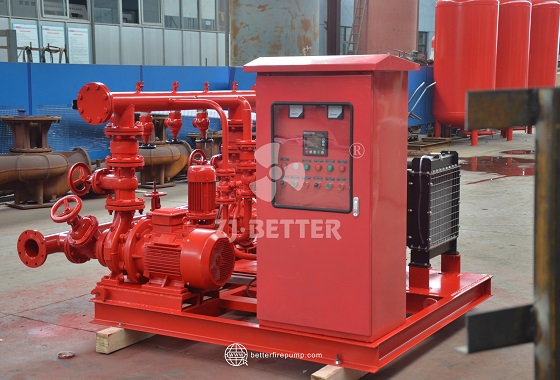
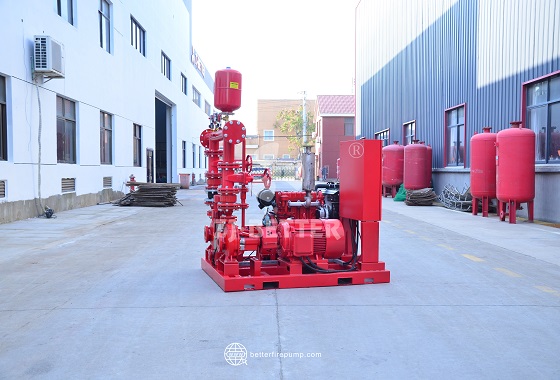
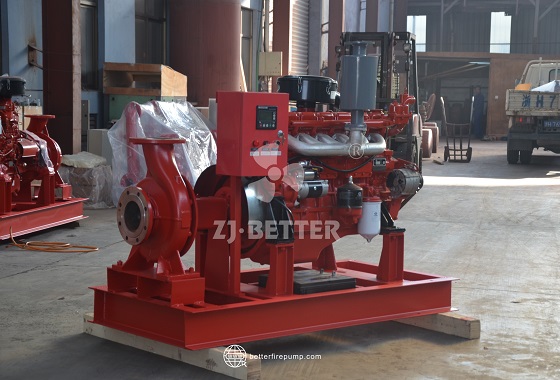
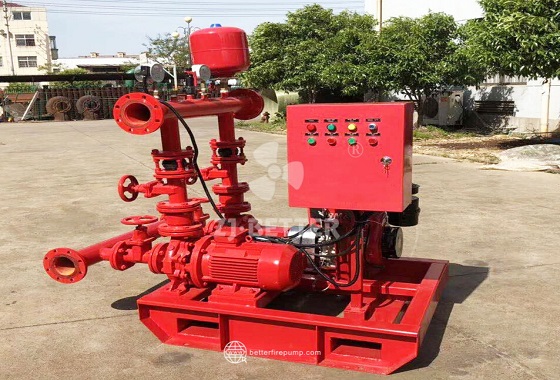
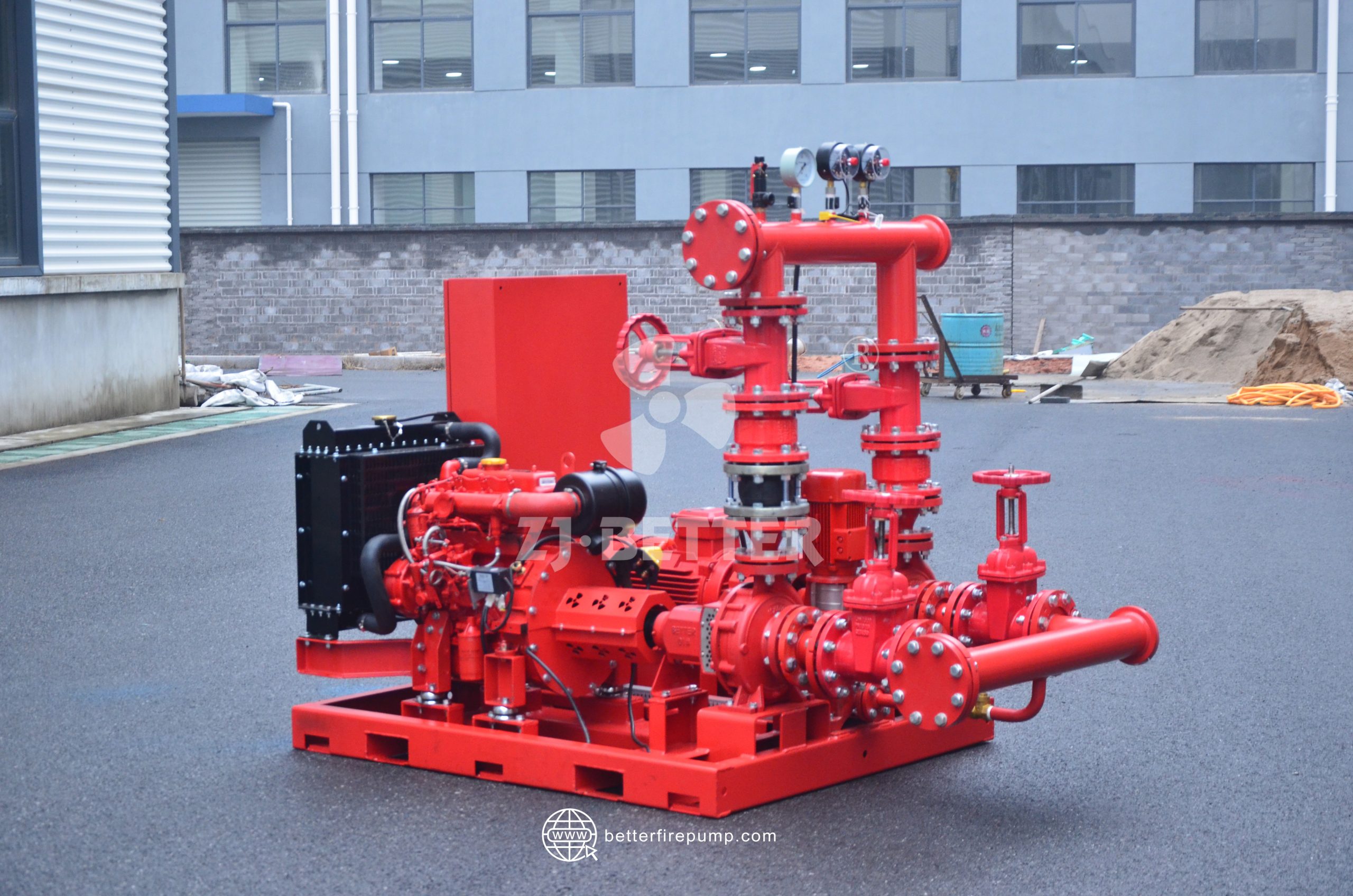
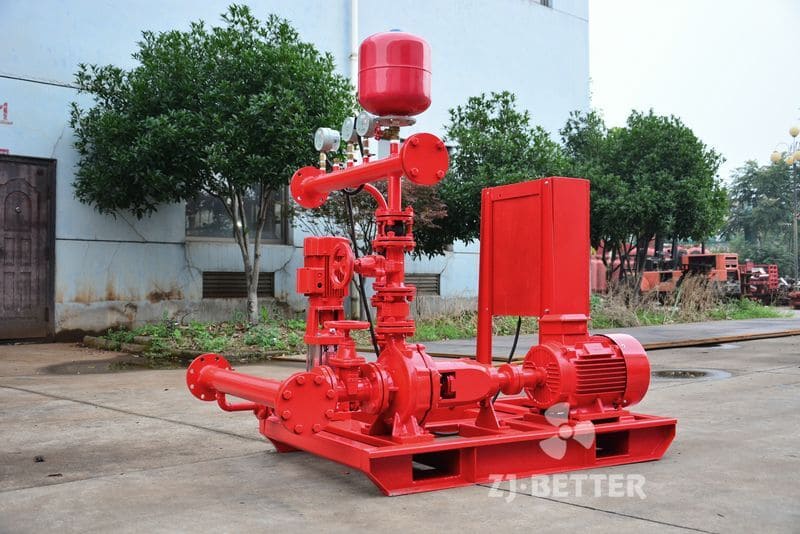
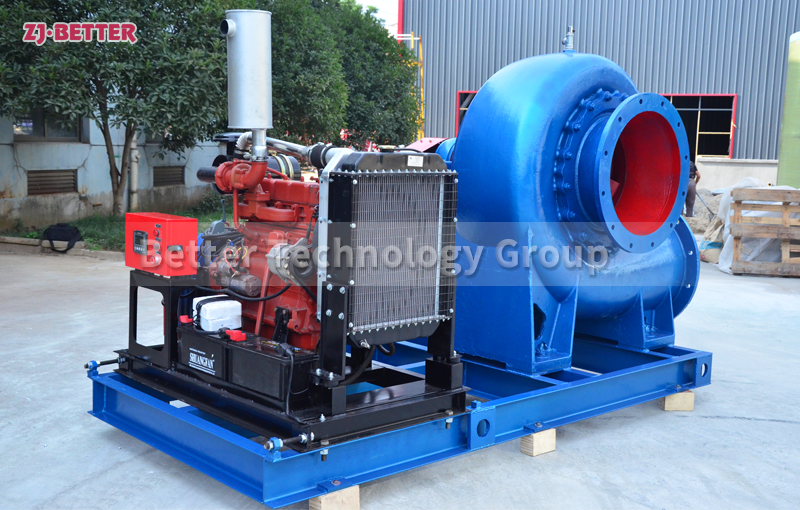
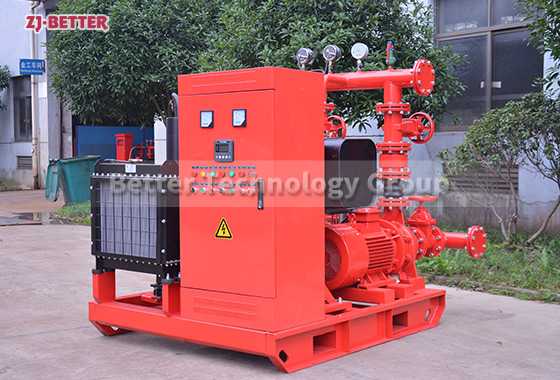
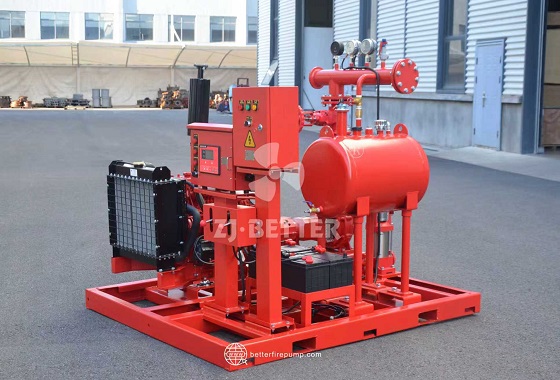
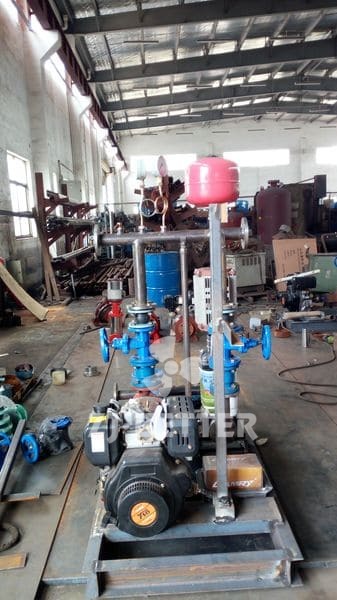
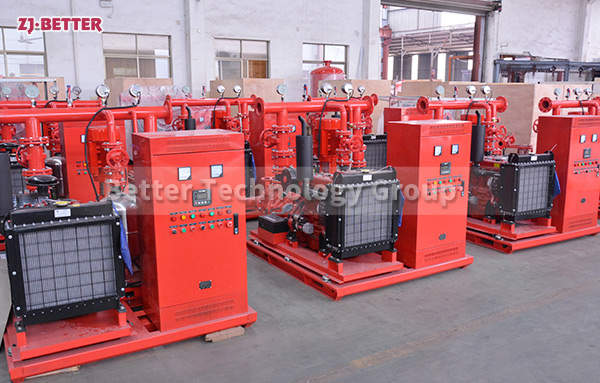
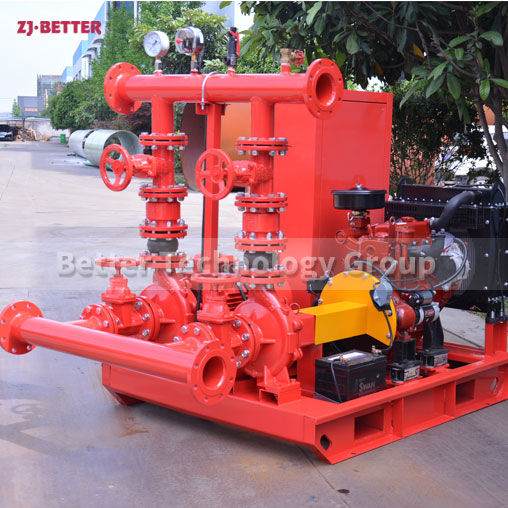
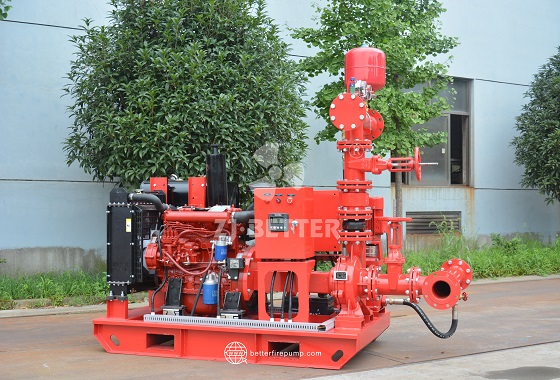
The vertical diesel engine fire pump assembly integrates a diesel engine, a vertical turbine pump, a cooling system, and associated piping. Designed for fire-fighting water supply in industrial complexes, energy facilities, and large-scale engineering projects, the unit can be custom-configured based on specific requirements for water source depth, flow rate, and head.

Rated 4.9/5 based on 425 customer reviews
Share:
Next:
This is already the latest article
Content

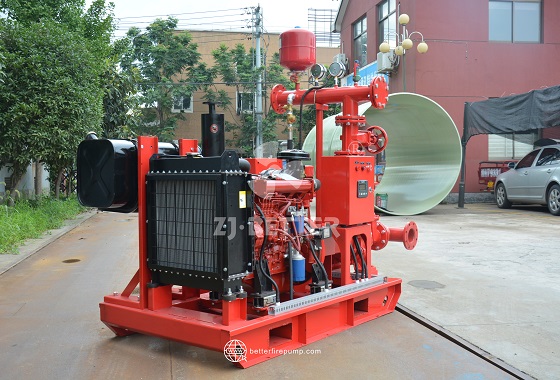
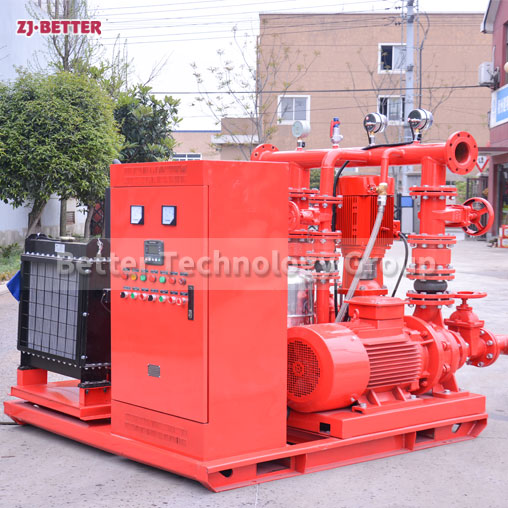
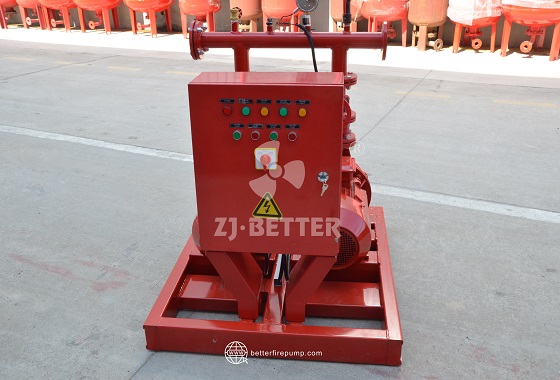
A vertical diesel-engine fire pump set is a fire-fighting water supply system that utilizes a diesel engine as its prime mover and a vertical pump as the core component for water delivery. It is designed for use in industrial facilities, energy infrastructure, storage depots, and other projects that demand high reliability in fire-fighting water supply. The system integrates a diesel engine, a vertical turbine pump assembly, a power transmission mechanism, a cooling system, control components, and inlet/outlet piping onto a common base frame, forming a self-contained, independent power and water supply unit. Unlike standard electric pump sets that rely on an external power grid, a diesel-driven system can operate independently—provided that starting conditions are met and fuel is available—offering a vital alternative power source during mains power outages or periods of electrical instability. The vertical turbine pump is oriented vertically, with its configuration tailored to the depth of the water source and specific installation requirements; it is suitable for drawing water from deep wells, reservoirs, or other appropriate water sources. The pump structure can be selected based on specific hydraulic parameters, utilizing multi-stage impellers to increase water pressure and meet the flow rate and head requirements of various fire-fighting systems. The diesel engine provides the necessary power, while an integrated cooling system maintains the engine’s operating temperature. The power transmission system is carefully matched to the structural characteristics of both the engine and the pump to ensure smooth, coordinated operation. The base-mounted design facilitates the centralized installation and transport of all components, reducing the need for on-site assembly and simplifying equipment positioning, piping connections, and future maintenance. Depending on project requirements, the system can be equipped with engine controls, pressure gauges, valves, and other piping accessories, enabling effective monitoring of the unit’s operational status and management of the fire-fighting water supply process. For industrial fire-protection applications, the selection of a pump set should not be based solely on external appearance or engine power; rather, it requires a comprehensive assessment of factors such as the minimum water level, installation depth, pipeline friction losses, design flow rate, required head, and continuous operation requirements—all to ensure that the engine’s output capacity is precisely matched to the pump’s performance characteristics. The immersion depth of the vertical pump body, the length of the drive shaft, the installation foundation, and the water intake conditions should all be designed with consideration for site-specific requirements. Once the equipment is put into service, the diesel engine, fuel system, cooling system, lubrication system, drive components, and the operational status of the water pump must be inspected regularly in accordance with maintenance protocols. Furthermore, necessary start-up tests and performance checks should be conducted to ensure the equipment remains in a ready-to-use state. By integrating an independent power source with a vertical pumping structure, the vertical diesel-engine fire pump assembly offers flexible power configuration and a compact, centralized layout. It can be selected based on specific water source conditions, providing a highly adaptable diesel-powered fire-fighting water supply solution for industrial facilities and large-scale engineering projects.
Inquiry


    More Fire Pump Set

    Choosing a good fire pump is crucial for ensuring the effectiveness and reliability of your fire protection system. Here are some key factors to consider when selecting a fire pump:

    Flow and Pressure Requirements: Determine the required flow rate and pressure for your specific application. Consider factors such as the size of the protected area, the type of fire hazards, and any applicable fire safety regulations. Ensure that the fire pump you choose can meet these requirements.

    Pump Type: Select the appropriate pump type based on your needs. The two common types of fire pumps are centrifugal pumps and positive displacement pumps. Centrifugal pumps are widely used due to their high flow rates and ability to handle large volumes of water. Positive displacement pumps, on the other hand, are better suited for applications that require high pressure but lower flow rates.

    Performance and Efficiency: Look for a fire pump that offers high performance and efficiency. Consider the pump’s rated capacity, which indicates the maximum flow rate it can deliver. Additionally, check the pump’s efficiency rating to ensure it operates optimally and minimizes energy consumption.

    Reliability and Durability: A good fire pump should be reliable and durable to withstand the demands of fire protection operations. Consider the quality and reputation of the manufacturer, as well as the pump’s construction materials. Look for features such as corrosion-resistant coatings, sturdy construction, and reliable seals and bearings.

    Compliance with Standards: Ensure that the fire pump you choose complies with relevant industry standards and codes, such as the National Fire Protection Association (NFPA) standards. Compliance with these standards ensures that the pump meets essential safety and performance requirements.

    Maintenance and Support: Consider the ease of maintenance and availability of support for the chosen fire pump. Look for pumps with accessible components, clear maintenance instructions, and readily available spare parts. Additionally, check if the manufacturer or supplier provides technical support and assistance.

    Testing and Certification: Check if the fire pump has undergone rigorous testing and certification by reputable organizations. Look for certifications from recognized bodies that validate the pump’s performance, efficiency, and safety.

    Budget and Cost Considerations: While it is essential to choose a reliable and efficient fire pump, consider your budget and cost constraints. Compare prices, warranties, and ongoing maintenance costs to find a balance between quality and affordability.

    System Integration: Consider how the fire pump will integrate with your overall fire protection system. Ensure compatibility with other components, such as fire alarms, sprinklers, and control panels. Coordinate with system designers or consultants to ensure seamless integration.

    Consult with Experts: If you are unsure about the specific requirements or complexities of selecting a fire pump, consult with fire protection experts, engineers, or consultants. They can provide valuable insights and recommendations based on your unique needs and circumstances.

    Remember that selecting a good fire pump is a critical decision that requires careful consideration. By evaluating the factors mentioned above and seeking professional guidance, you can choose a fire pump that meets your requirements and ensures the safety of your property and occupants in the event of a fire.

    There are many types of fire-fighting equipment, fire hydrants and fire extinguishers are a common category, and there is also a category of fire pumps, which can be described as the heart of the fire-fighting system and play an important role in pressurising the water supply for the fire-fighting system. Among the many fire pump products, fire pumps can be divided into multi-stage and single-stage fire pumps.

    Multi-stage pumps have high efficiency, corrosion resistance, reliable operation and other properties, strong bearing capacity of the pump body, strong resistance to overload and more sensitive start. Ltd. introduces you to the relevant features of multi-stage pumps. First of all, Shanghai Xizhiquan multi-stage pumps have a compact structure, with small spacing between parts and small volume. The equipment runs smoothly, has a long service life and produces less vibration during operation, so the practical life of the equipment is correspondingly long.

    With its unique structure, the direction of the water inlet and outlet can be adjusted according to different needs, so it is suitable for various place environments. The direction of the inlet and outlet is horizontal, which reduces the number of bends in the pipeline connection, thus simplifying the pipeline connection and greatly enhancing the efficiency of the fire fighting system.

    The efficient operation of the multistage pump is used in many larger, more demanding fire-fighting locations. Its role is mainly to play a role in the fire fighting pipeline system to pressurise and send water, multi-stage pumps are not only suitable for all kinds of fire fighting systems, but also for industrial drainage, high-rise building water pressure supply, long-distance water delivery, water circulation pressure and other occasions.