Multi-Pump Fire Water Supply System – Integrated Main Water Supply and Pressure Maintenance Functions
The multi-pump fire water supply system integrates main fire pumps, jockey (pressure-maintenance) pumps, control cabinets, and pressure-sensing devices. By coordinating the operation of the main pumps for primary water supply and the jockey pumps for pressure maintenance, the system ensures the required pressure within the fire piping network and meets primary fire-fighting water supply demands; it is suitable for fire protection projects in both buildings and industrial facilities.
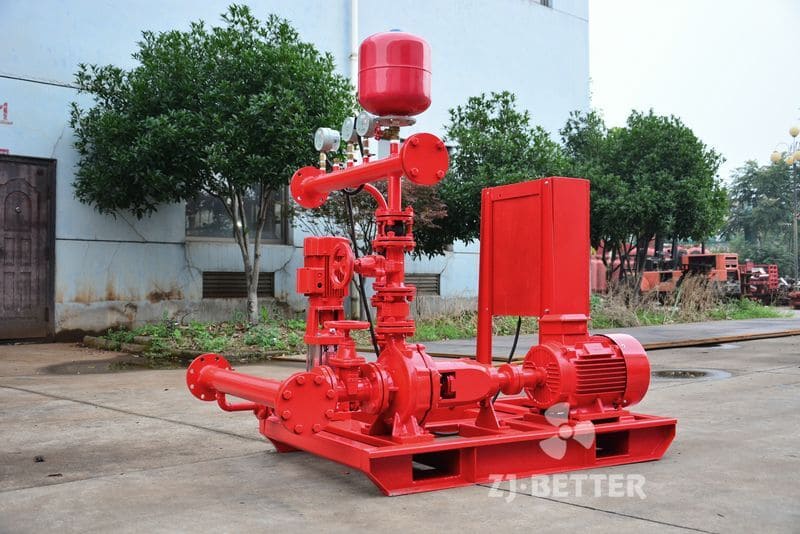
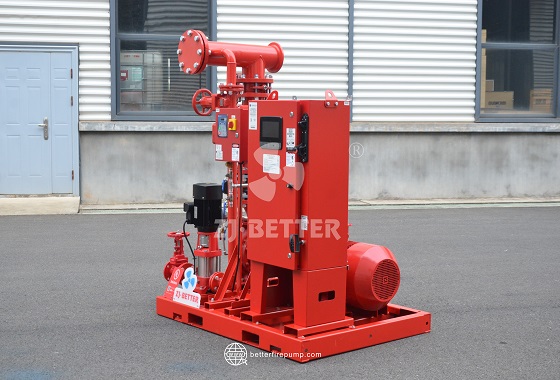
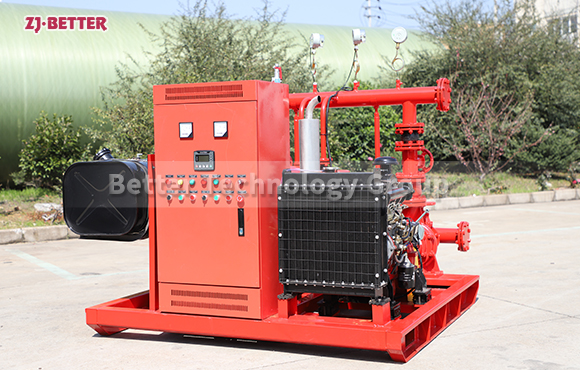
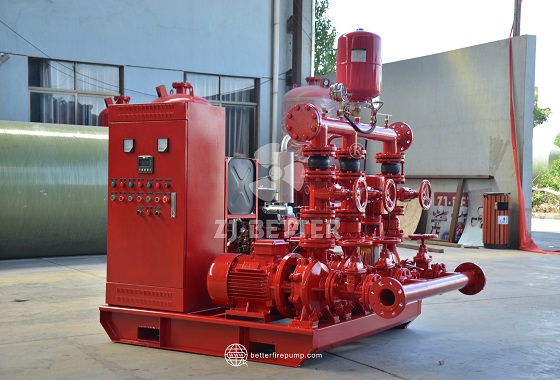
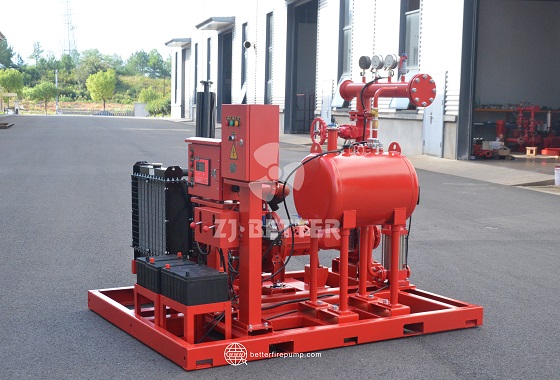
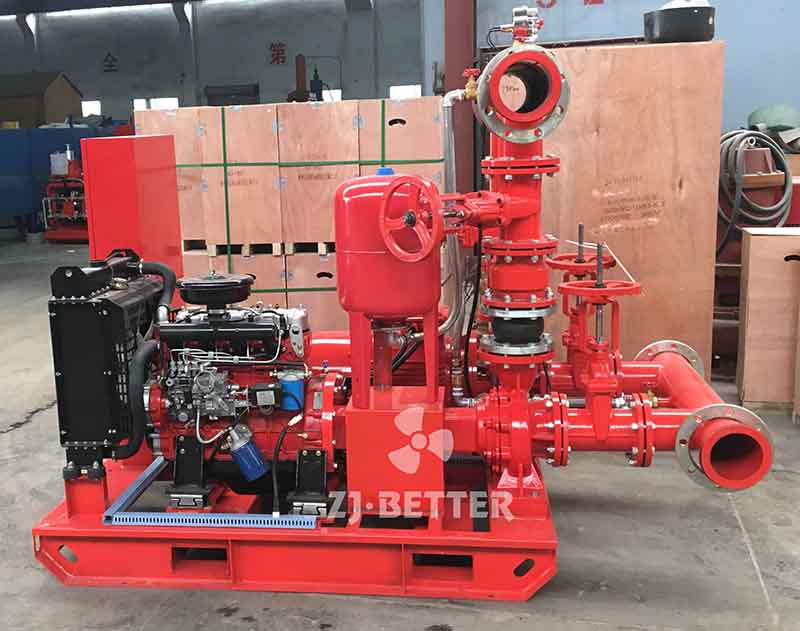
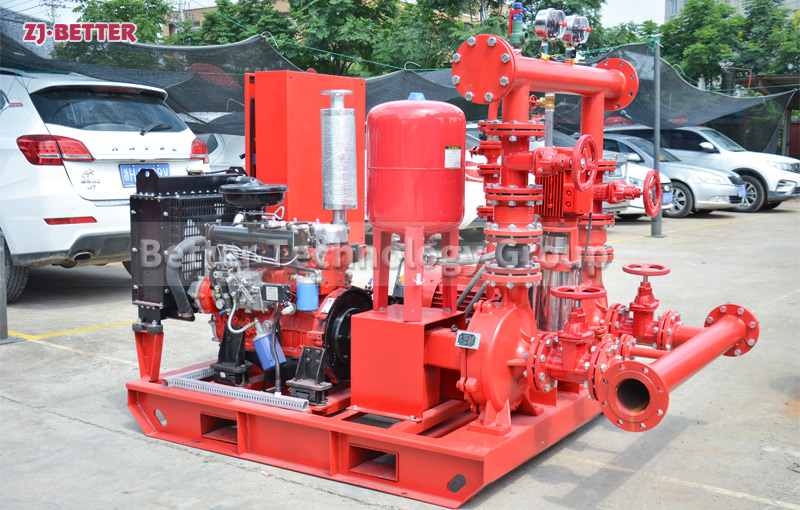
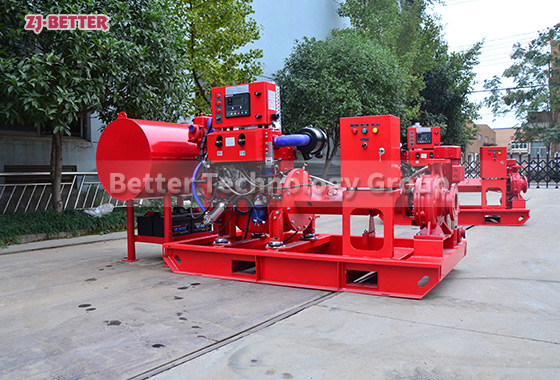
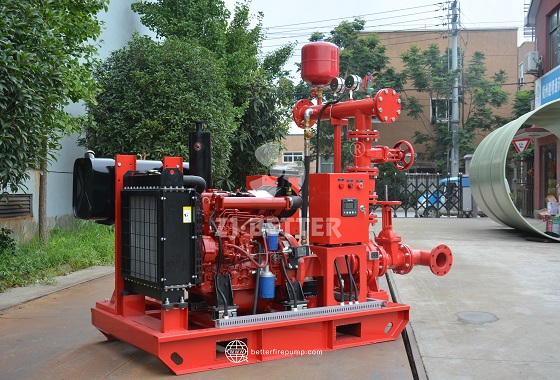
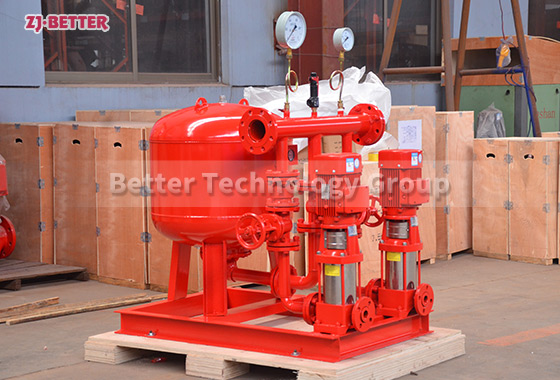
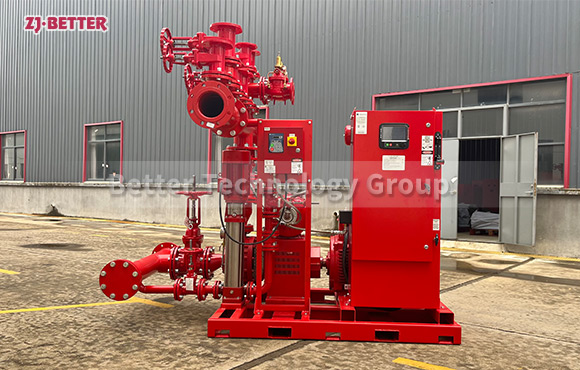
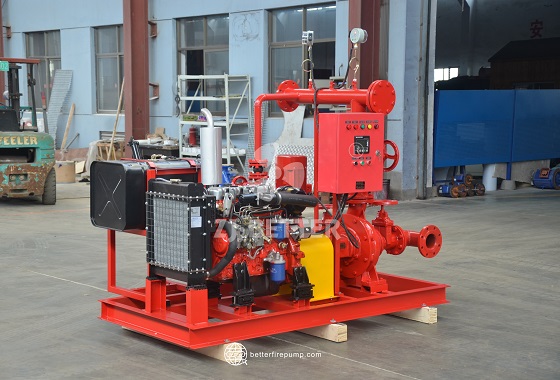
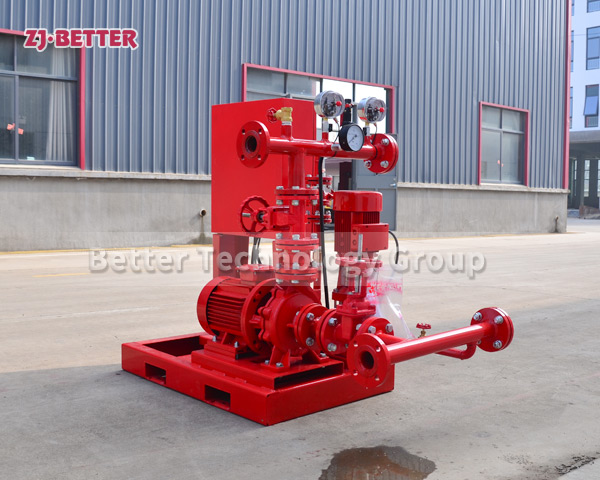
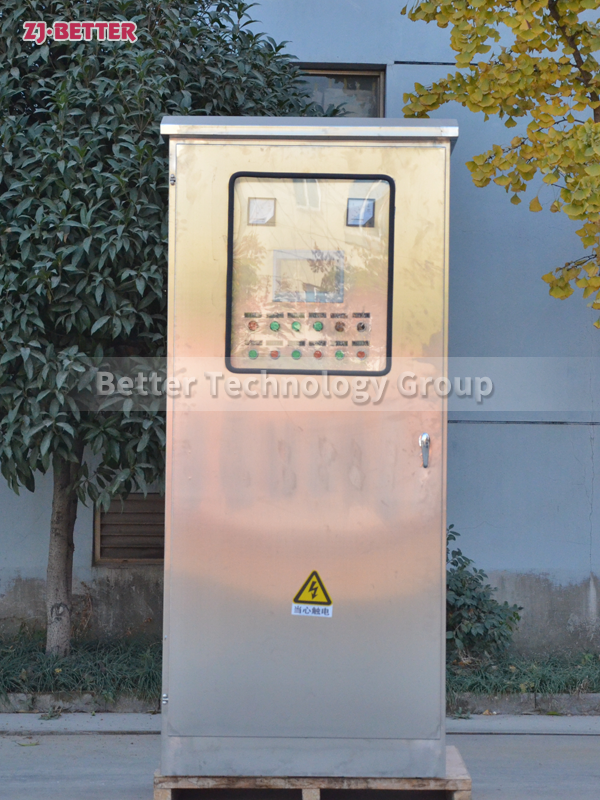
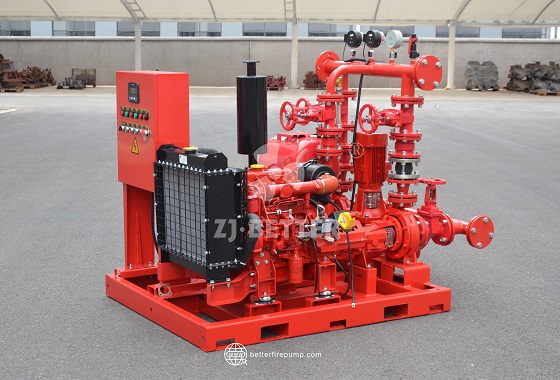
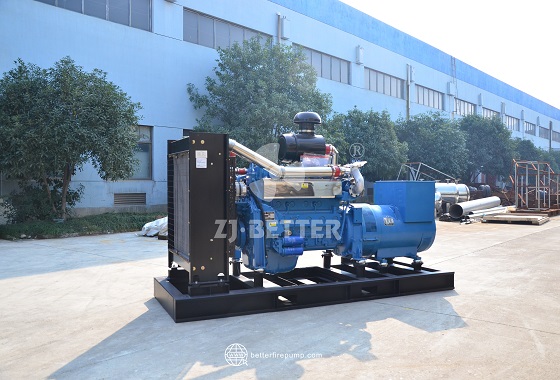
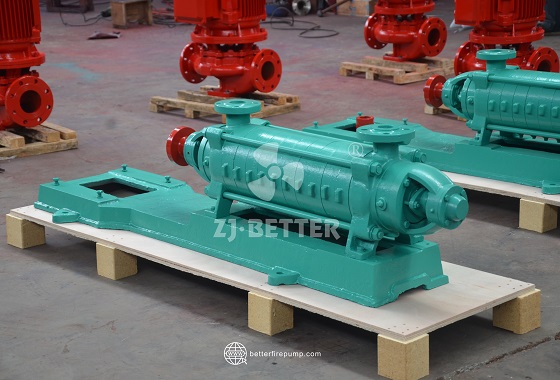
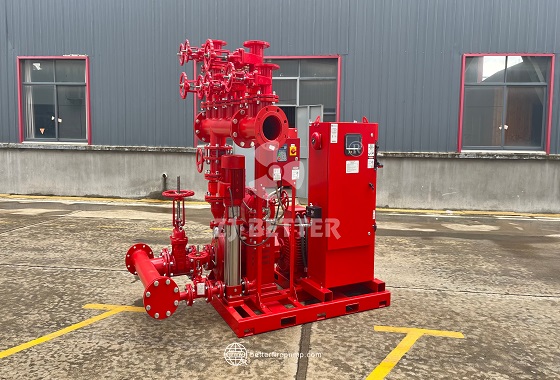
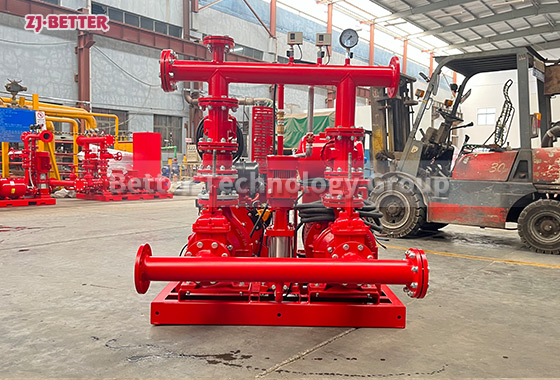
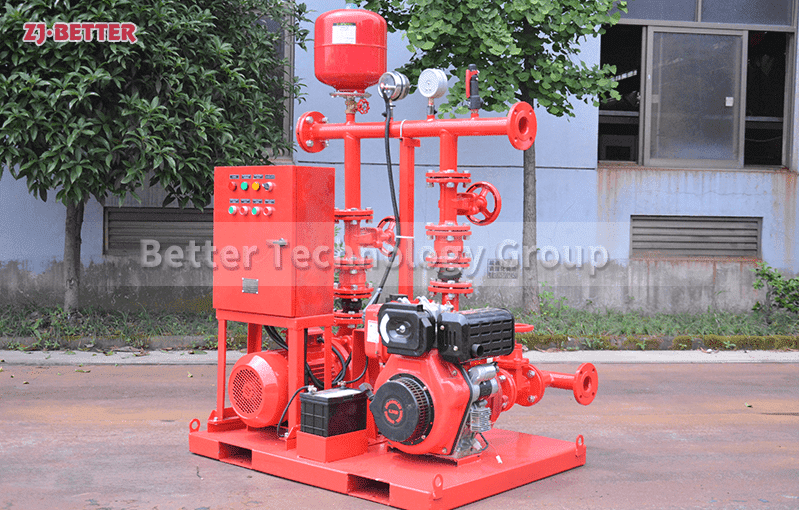
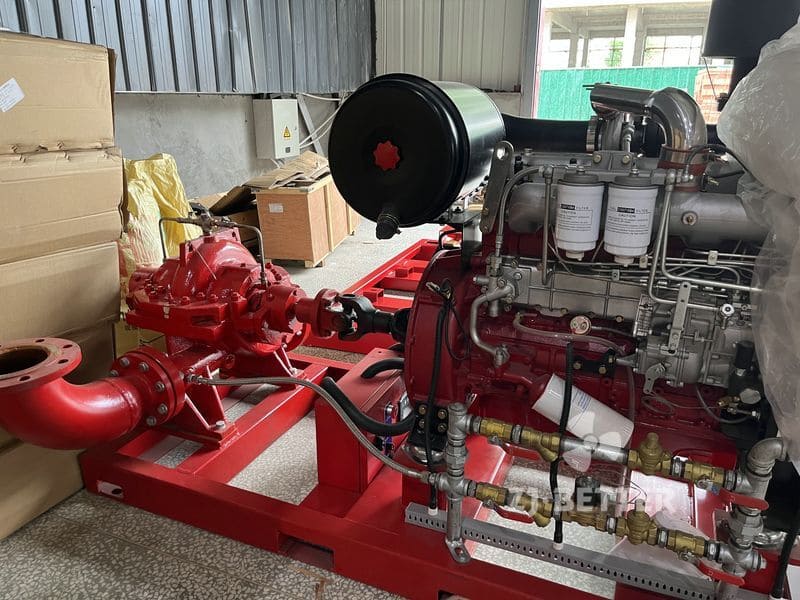
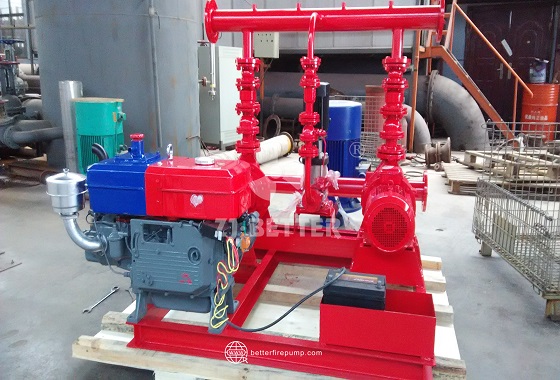
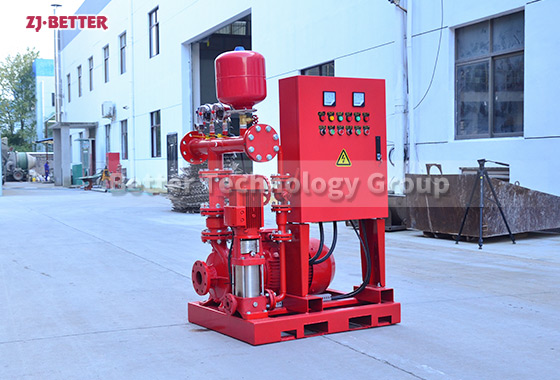
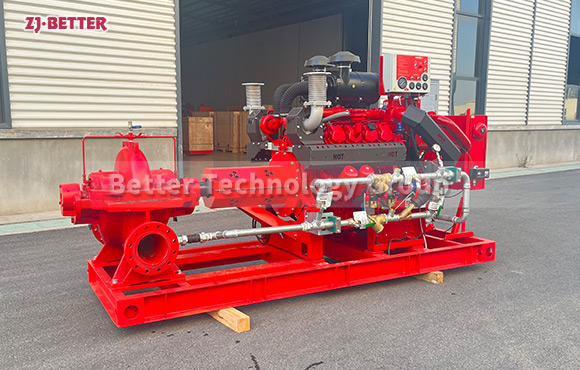
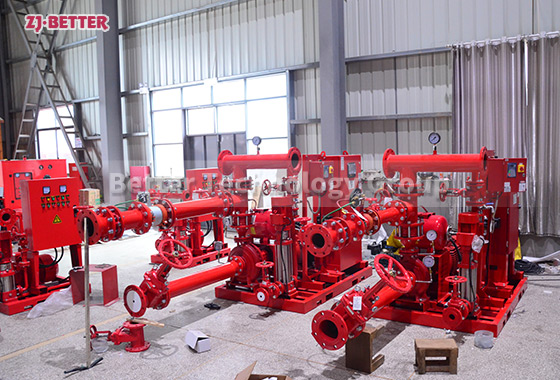
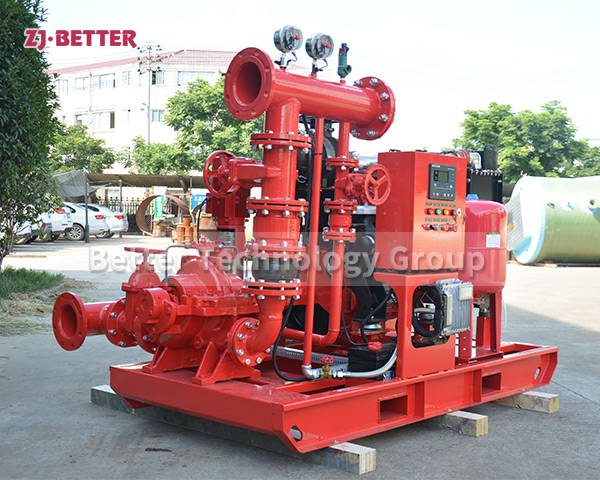
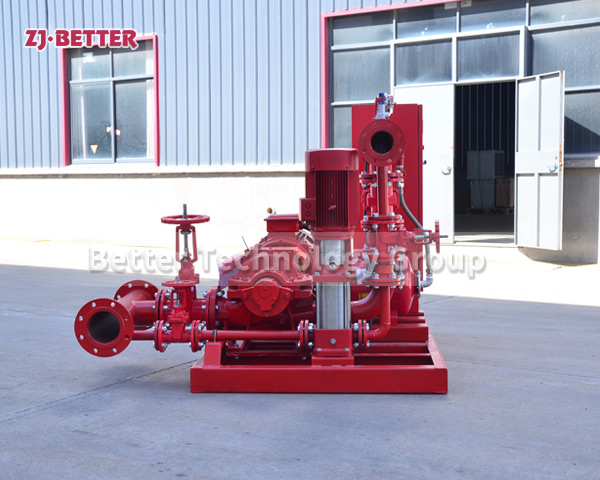
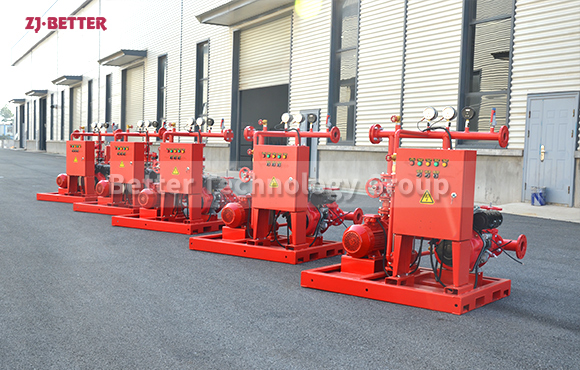
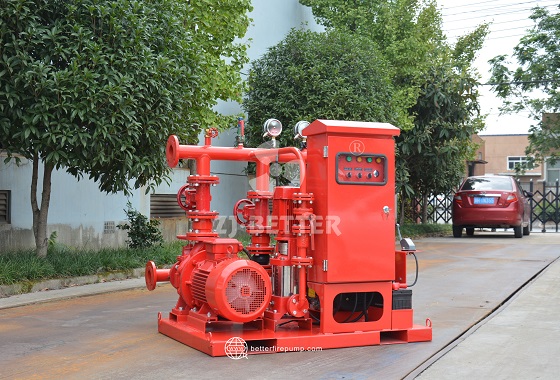
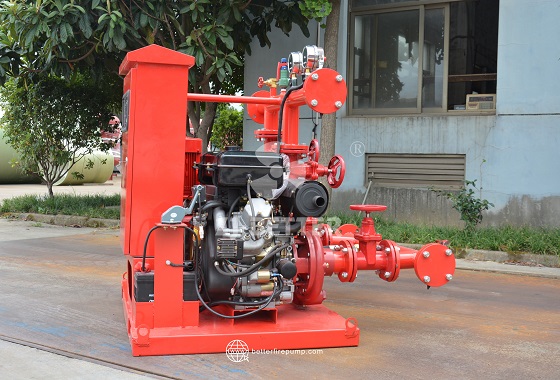
A multi-pump fire water supply system is an integrated assembly comprising main fire pumps, pressure-maintenance (jockey) pumps, electrical control cabinets, pressure-sensing devices, and associated piping and accessories. It is primarily designed for use in buildings, industrial facilities, warehouses, and other fixed fire-fighting water supply installations. By coordinating pumps with distinct functions, the system addresses both the routine maintenance of pressure within the fire-fighting piping network and the high-volume water supply required during a fire event. The main fire pump serves as the core component, providing the primary flow rate and head (pressure) necessary for the fire-fighting system; driven by an electric motor, it pressurizes water from the source and delivers it into the piping network to supply fire hydrants, automatic sprinkler systems, and other fire-protection equipment. The pressure-maintenance pump, by contrast, handles low-flow pressure replenishment while the system is in standby mode. If pressure drops due to minor leaks or normal pressure loss, this pump activates—based on preset control parameters—to restore pressure, keeping the network within the design-specified range and preventing the main fire pump from starting up frequently due to minor pressure fluctuations. Utilizing pumps with different flow and head specifications allows for a more rational equipment configuration, establishing a clear functional division between routine pressure maintenance and emergency fire-fighting water supply. Depending on the engineering design, the system may also incorporate pressure tanks, pressure gauges, and pressure sensors. Pressure tanks store pressurized water and act as a buffer against pressure fluctuations; pressure gauges allow for the direct visual monitoring of pipeline pressure; and pressure sensors convert pressure changes into control signals, facilitating the automated operation of the pump assembly. The integrated control cabinet manages the operational status of the pumps, enabling either automatic or manual control—for instance, by regulating the start/stop cycles of the pressure-maintenance pump based on network pressure setpoints, or by triggering the main fire pump when specific fire-activation conditions are met. Furthermore, the control system can be configured—in accordance with electrical design requirements—to include overload protection, overcurrent protection, and other essential safety features and status indicators, simplifying equipment operation and daily management for personnel. The equipment shown in the image features an integrated base-mounted design, with the main pump, jockey (pressure-maintenance) pump, control cabinet, and associated piping consolidated into a single unit. This compact layout facilitates transportation, on-site positioning, and piping connections, while also simplifying future inspection and maintenance of the pumps, motors, control components, valves, and pressure instrumentation. The inlet and outlet piping can be equipped with gate valves, check valves, flanges, flexible connectors, and pressure-monitoring accessories to ensure an optimal connection between the pumps and the fire-fighting piping network. Depending on specific project requirements, the main pump may be configured as a single-stage centrifugal pump, end-suction pump, horizontal split-case pump, or multi-stage pump; the jockey pump is typically a vertical or horizontal multi-stage unit. The exact model selection is determined by factors such as design flow rate, head, network pressure, water source conditions, and available installation space. For projects requiring backup power, a diesel engine-driven fire pump can be incorporated into the system, creating a primary/backup configuration alongside the electric main pump and jockey pump to meet specific power redundancy requirements. During equipment selection, it is essential to verify the performance parameters, control logic, power supply requirements, and piping resistance for both the main and jockey pumps to ensure full compatibility among all components. Once in service, the system—including pump operating status, motors, bearings, mechanical seals, control cabinets, pressure sensors, pressure tanks, and valves—should be inspected regularly. Routine test runs and maintenance must be performed in accordance with established protocols to ensure the equipment remains in a reliable, ready-to-use state. By integrating primary fire-water supply, routine pressure maintenance, pressure monitoring, and electrical control into a single, unified system, this multi-pump fire-fighting water supply solution offers flexible configuration, clearly defined functional roles, high levels of piping integration, and ease of installation and maintenance. It can be customized to meet the specific fire-protection design requirements of various building and industrial projects, providing a comprehensive equipment solution for fixed fire-fighting water supply systems.