Horizontal Diesel Fire Water Pump – Matched Engine Power for Fire System Flow and Head Requirements
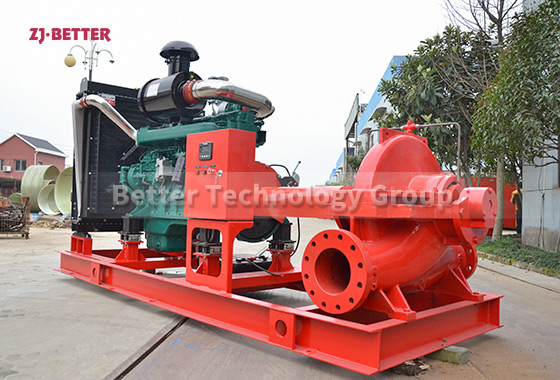
The horizontal diesel-powered fire pump unit utilizes a diesel engine to drive a horizontal centrifugal pump and is equipped with a cooling system and control unit. The power system can be configured to match the specific flow rate, head, and operational requirements of a given fire protection system. This equipment is suitable for use in industrial facilities, warehouses, and fixed fire-fighting water supply systems.
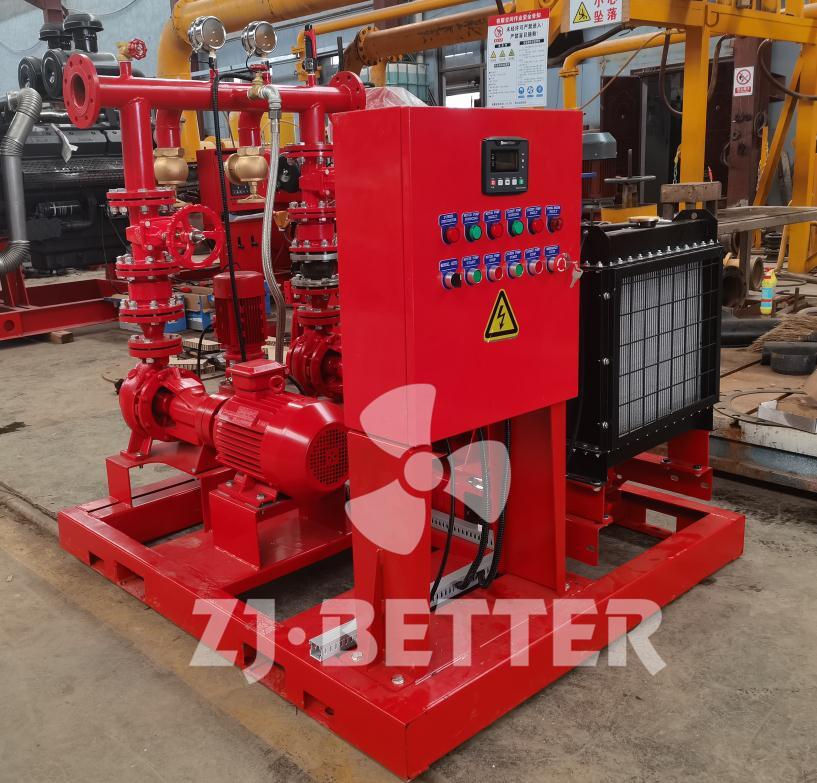
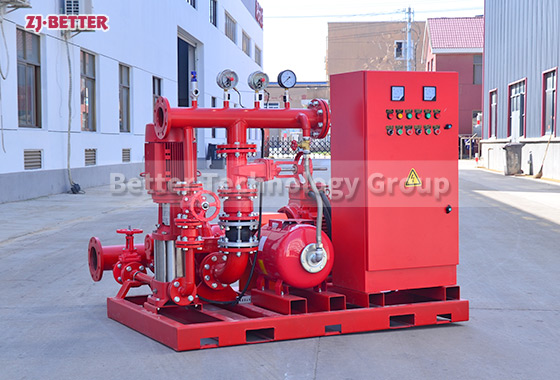
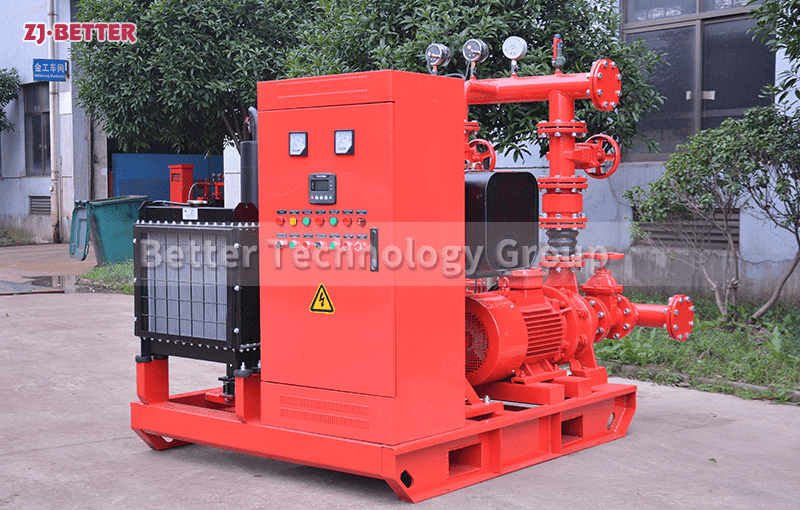
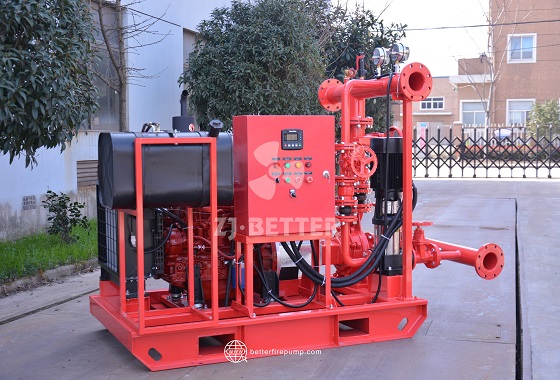
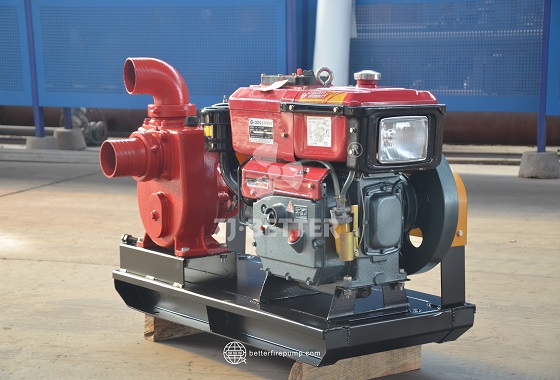
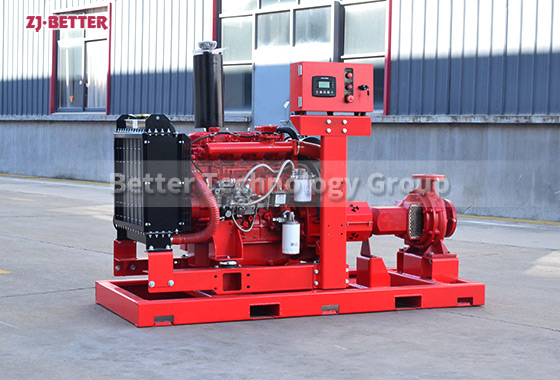
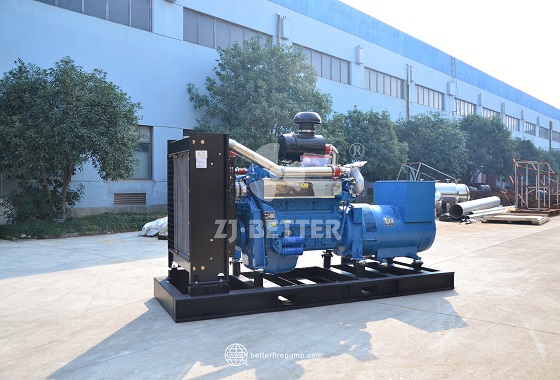
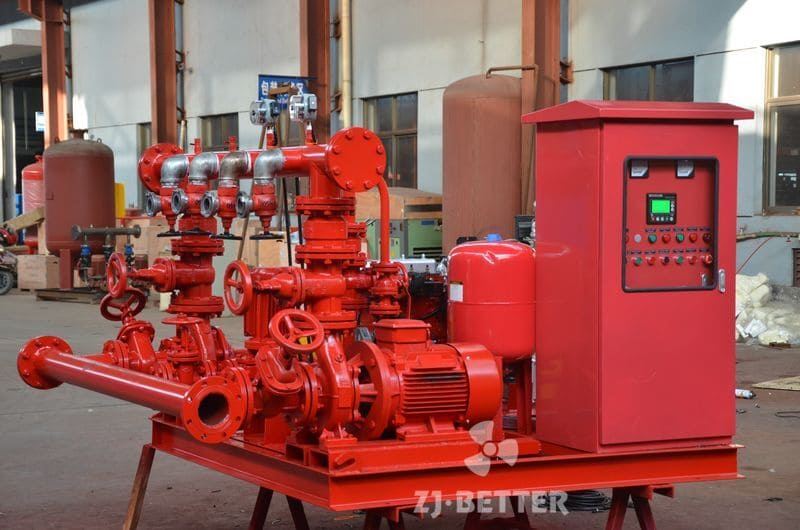
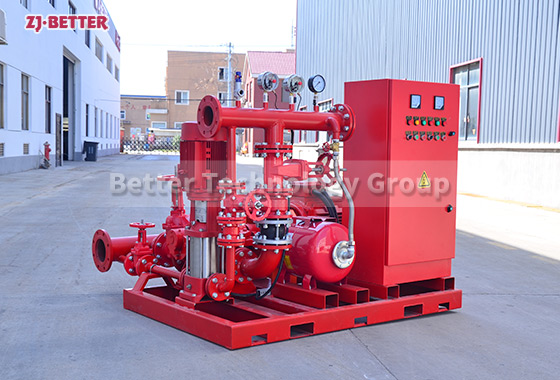
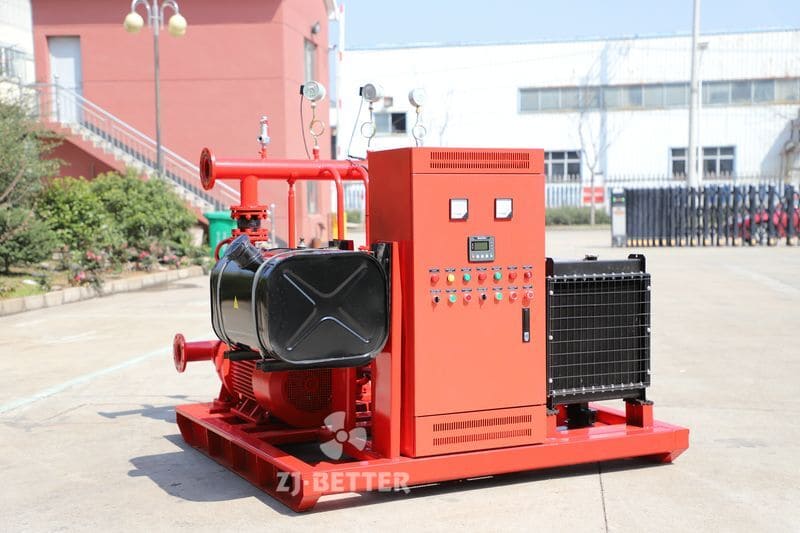
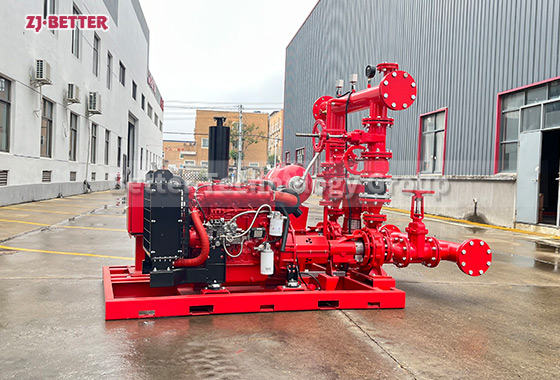
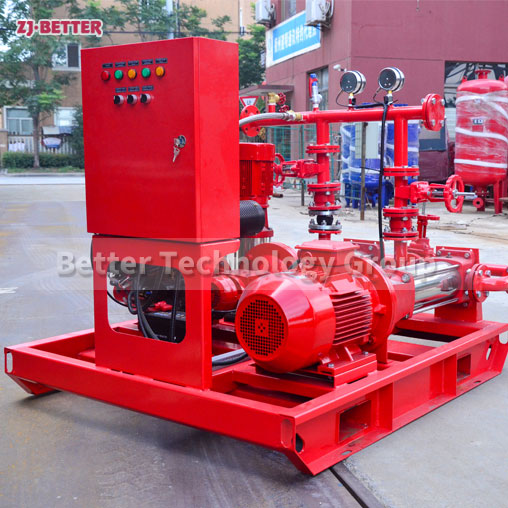
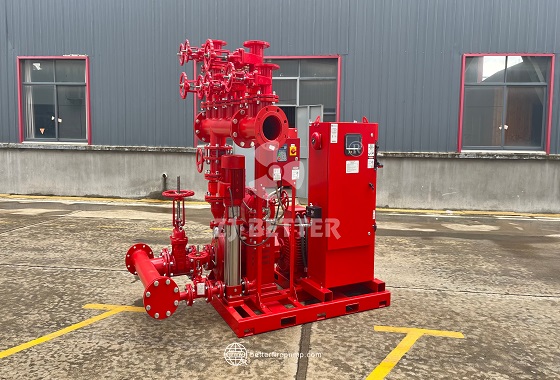
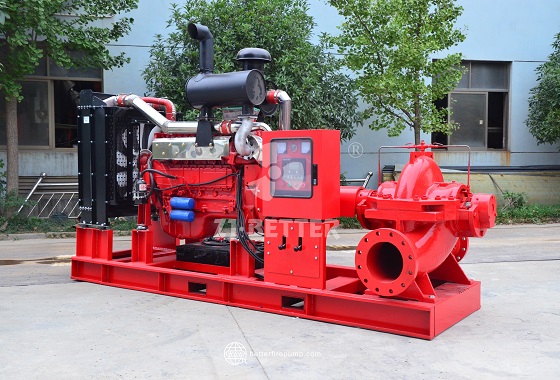
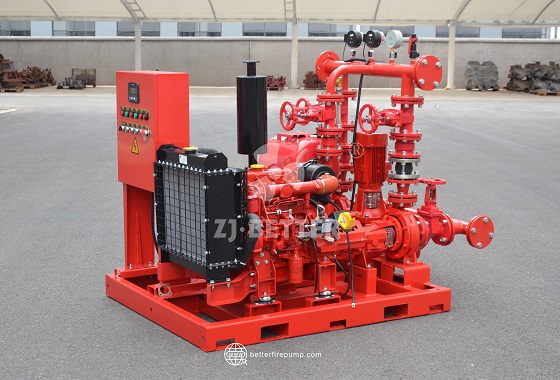
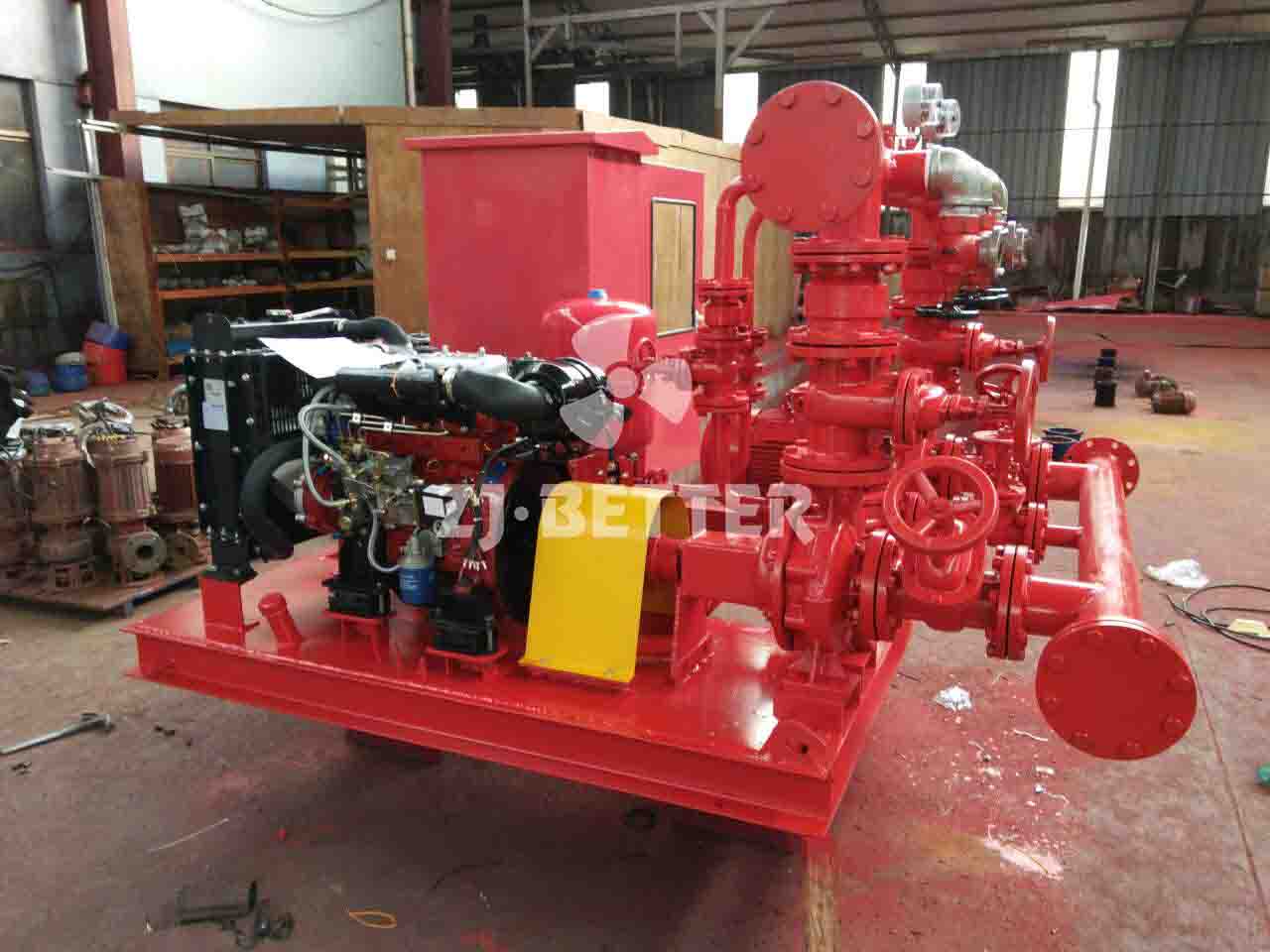
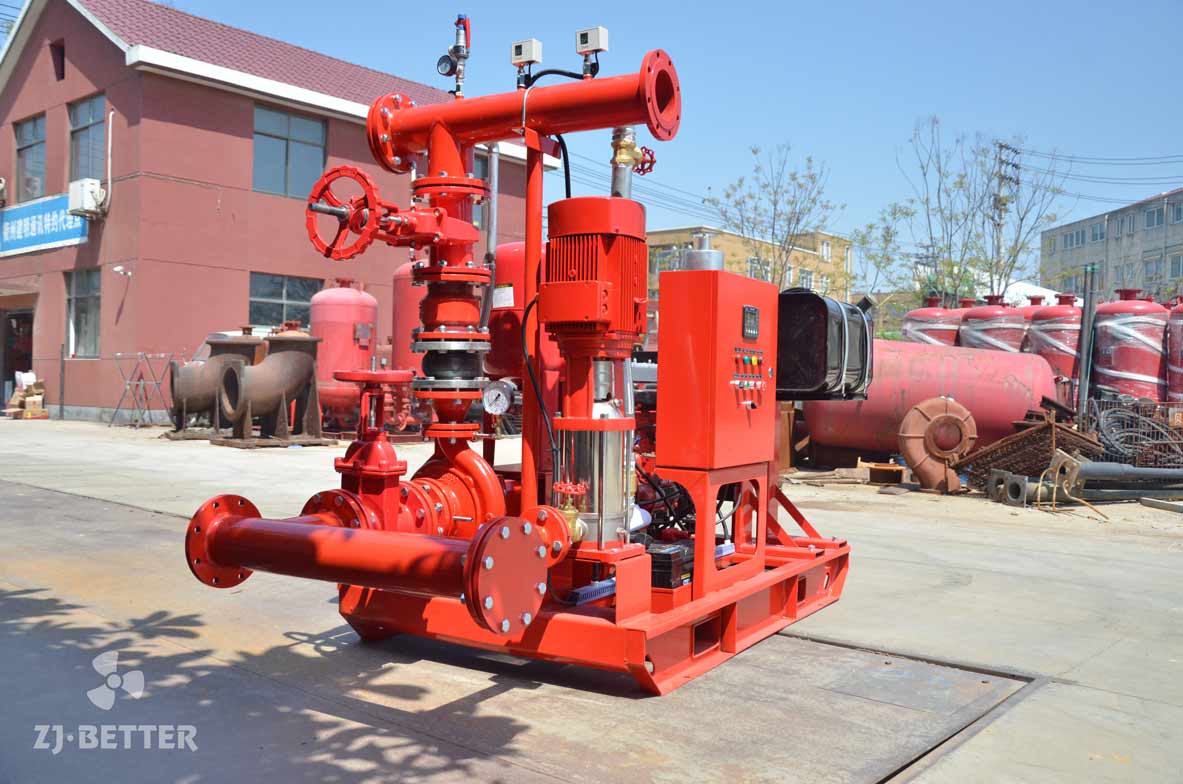
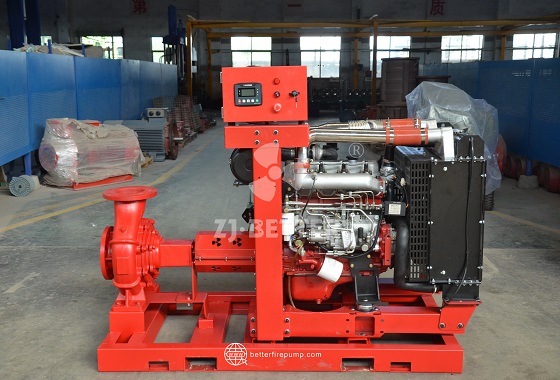
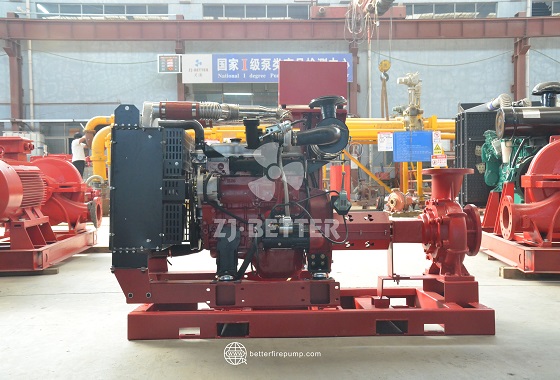
A horizontal diesel-powered fire pump is a fire-fighting water supply system driven by a diesel engine. It typically consists of a diesel engine, a horizontal centrifugal pump, a radiator, a control unit, and a common mounting base. This equipment is suitable for industrial plants, storage facilities, logistics centers, ports, and other locations that require an independent power source for fire-fighting water supply. The system utilizes a diesel engine coupled with a horizontal centrifugal pump; the engine generates mechanical power that drives the pump’s impeller, delivering water from a source into the fire-fighting piping network to provide the necessary flow rate and pressure. Unlike electric motor-driven fire pumps, diesel-driven units offer an independent power supply, serving as a reliable alternative—either as a primary power source or as a backup in the event of a failure in the main electrical power supply. A key advantage of this equipment lies in the precise matching of the engine and the pump; the diesel engine’s rated power, rotational speed, and output characteristics are carefully selected based on the pump’s required flow rate, head, and operating conditions. This ensures that the power output meets the pump’s operational requirements within its specified working range, preventing performance issues caused by improper power configuration. The unit shown in the image features a horizontal centrifugal pump, with the pump body and diesel engine arranged along the base; this clear, streamlined layout facilitates the installation and connection of the power and pumping components. The horizontal centrifugal pump creates a pressure differential through the high-speed rotation of its impeller, enabling continuous water delivery. Its flow rate and head are determined by the pump’s internal structure, impeller parameters, rotational speed, and the resistance of the piping system; specific models can be selected to meet the design requirements of various fire-protection projects. The equipment is equipped with an engine radiator and associated cooling components to regulate the diesel engine’s temperature, ensuring it remains within an optimal operating range for reliable performance. For fire-fighting equipment that must remain in a standby state for extended periods, the engine’s cooling, fuel, lubrication, and starting systems are critical areas for maintenance and inspection; these should be checked and serviced regularly in accordance with the manufacturer’s specifications. The unit can be equipped with control systems tailored to specific project requirements, enabling the management of the diesel engine’s startup, shutdown, and operational status, with options for either automatic or manual control. Certain configurations may include pressure monitoring, status indicators, and protective functions, allowing operators to easily track the equipment’s condition. A common base frame houses both the engine and the water pump, facilitating transportation, on-site positioning, and foundation anchoring, while also simplifying the inspection of the pump, engine, radiator, and connecting components. When integrated into a fire-fighting piping network, the system can be fitted with necessary accessories—such as suction and discharge piping, flanges, valves, check valves, and pressure gauges—to ensure a proper connection between the pump and the fire-fighting water supply system. During the selection process, it is essential to comprehensively evaluate factors such as the fire-fighting system’s design flow rate and head, water source conditions, suction lift, pipeline losses, diesel engine power, and the installation environment to determine the optimal pump model and power configuration for the specific application. Once in service, the unit requires regular checks of the engine’s fuel, oil, coolant, battery, and starting performance, alongside inspections of the pump seals, bearings, base mountings, and piping connections, ensuring the unit can start and operate reliably whenever a fire-fighting need arises. With its independent diesel power source, horizontal centrifugal pump design, matched engine-pump configuration, and integrated cooling system, the horizontal diesel-driven fire-fighting pump unit offers a versatile solution for various fixed fire-fighting water supply installations—meeting project-specific flow and head requirements while streamlining installation, operational management, and routine maintenance.