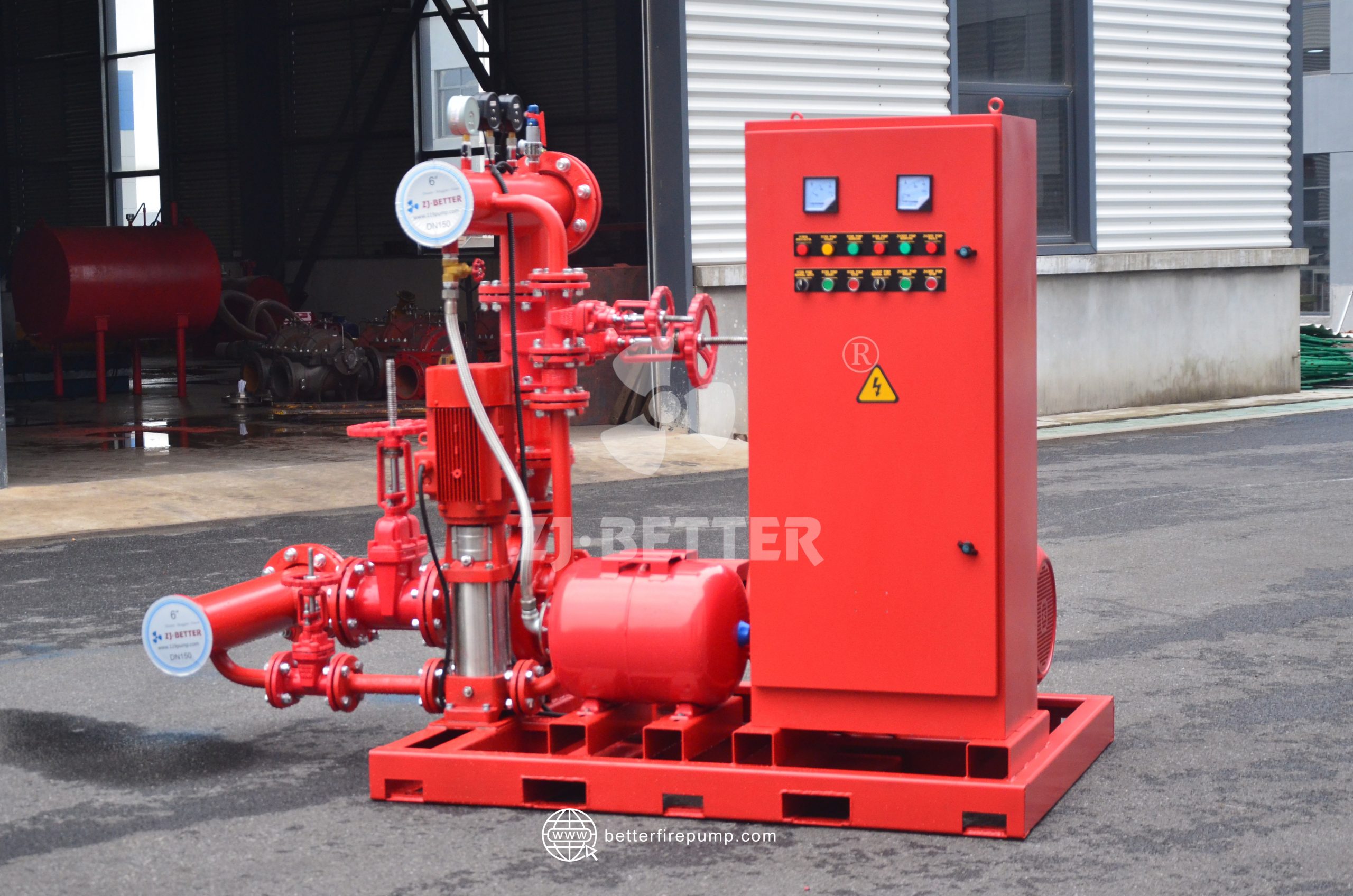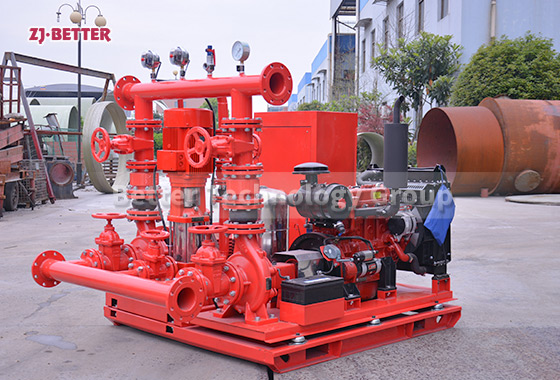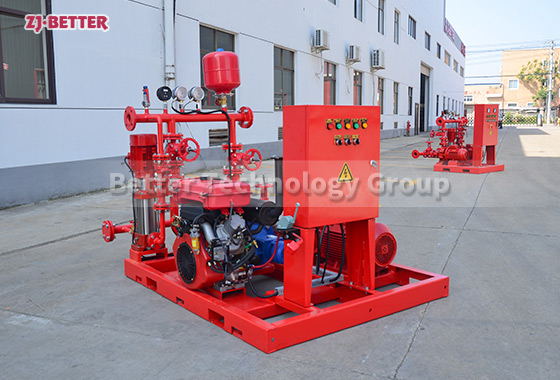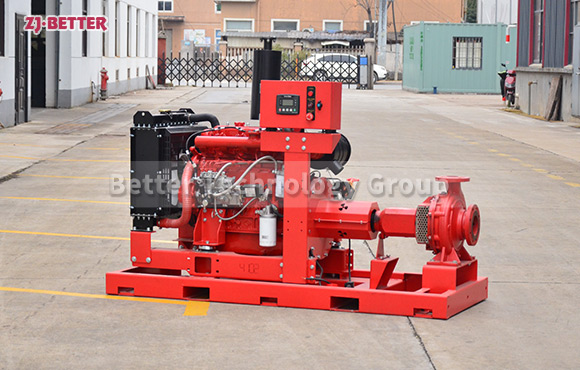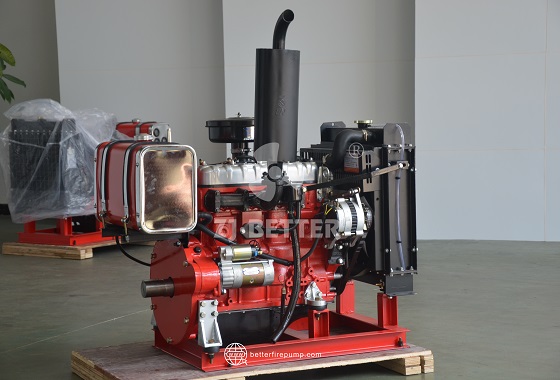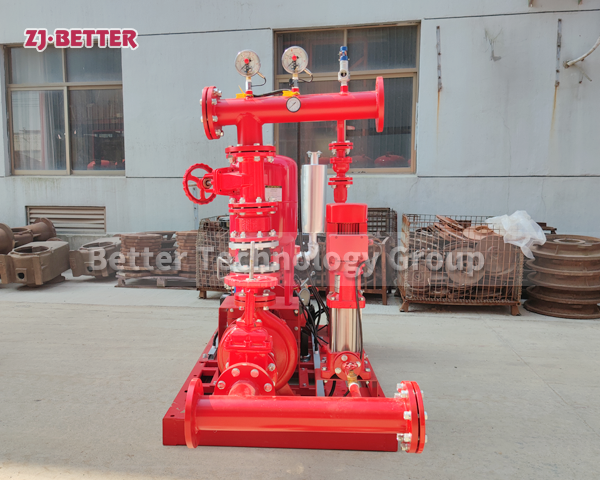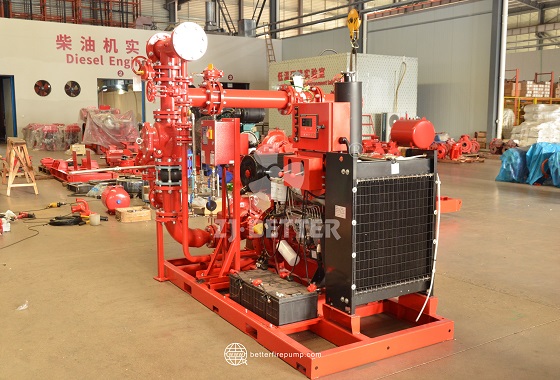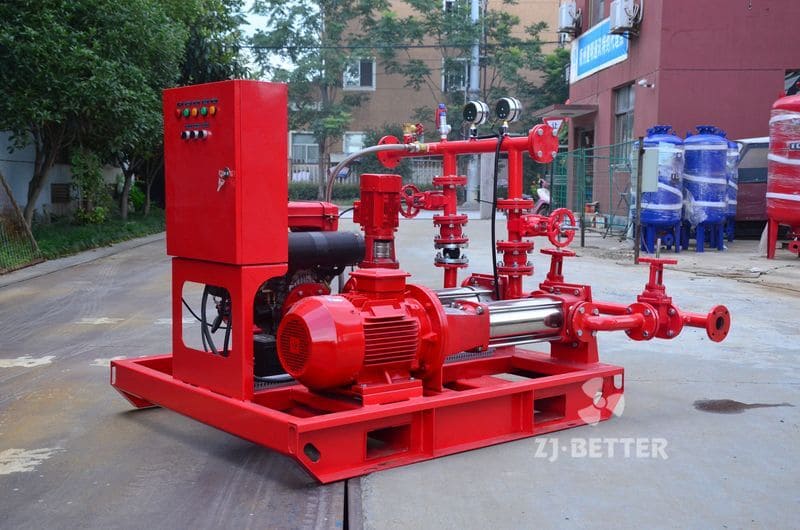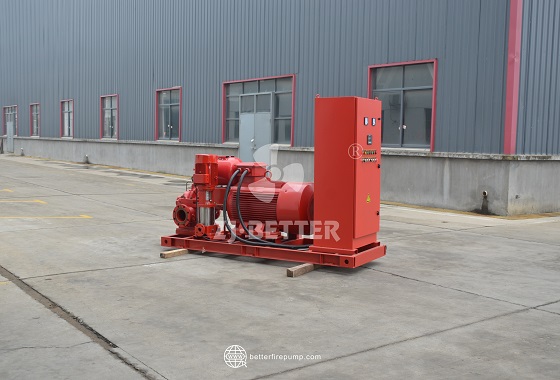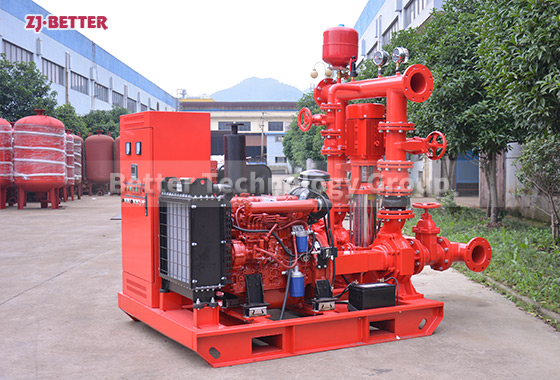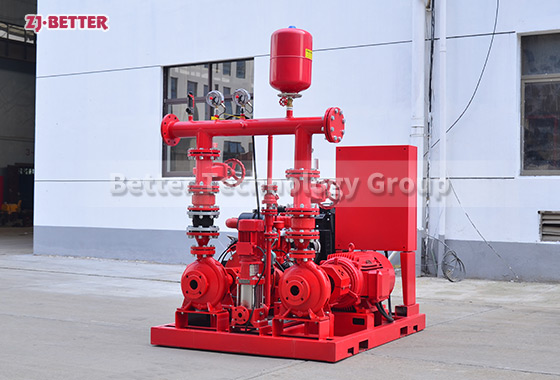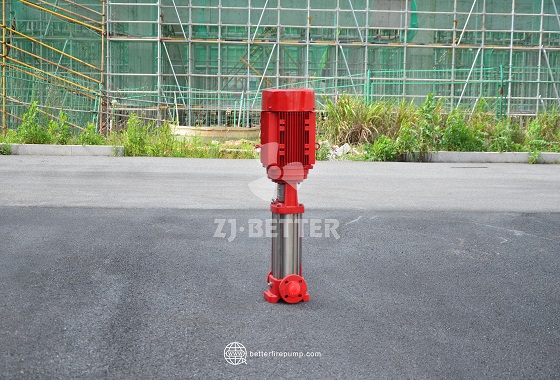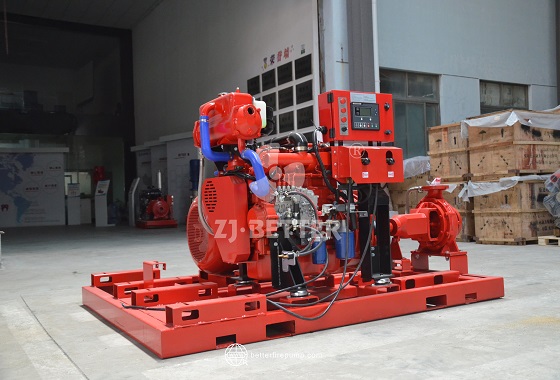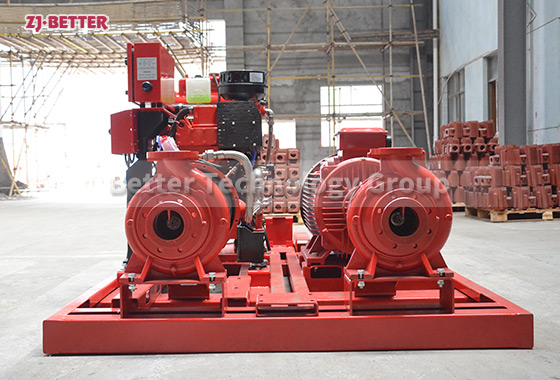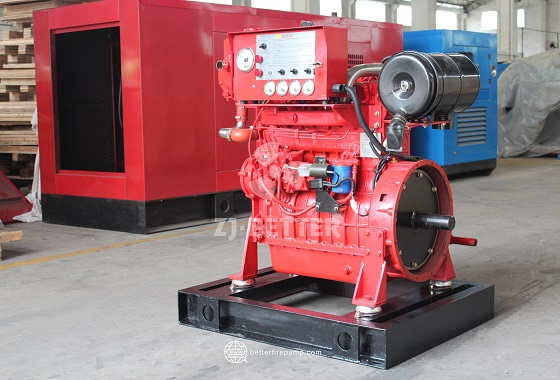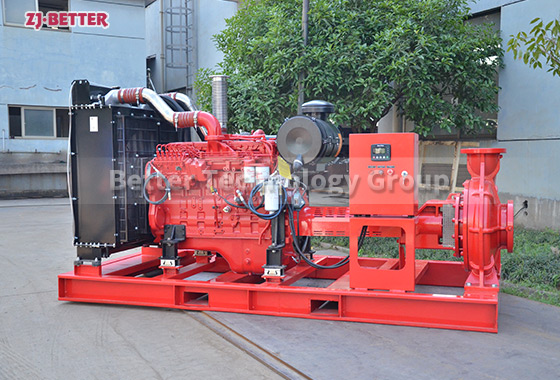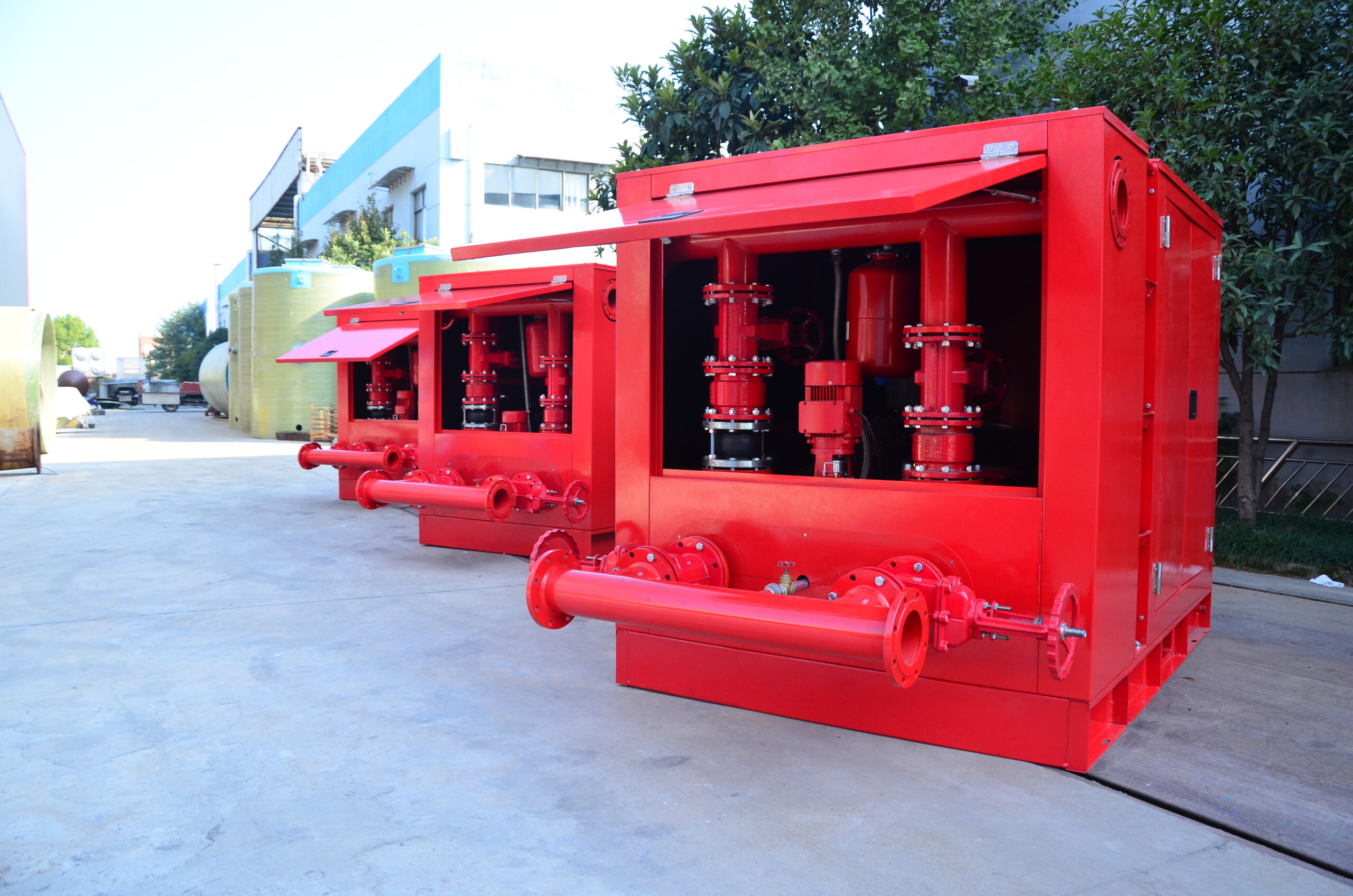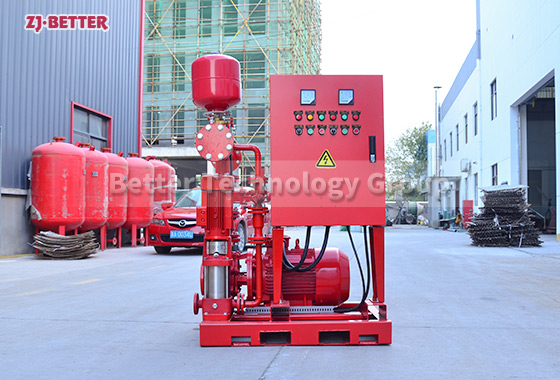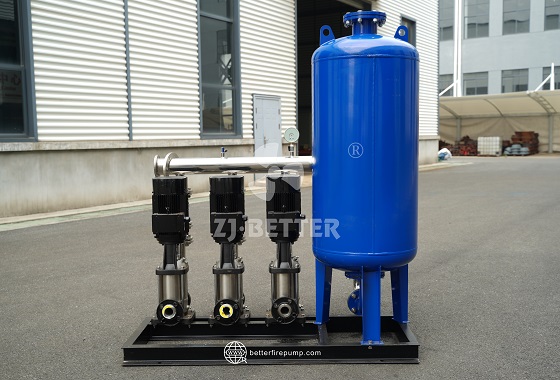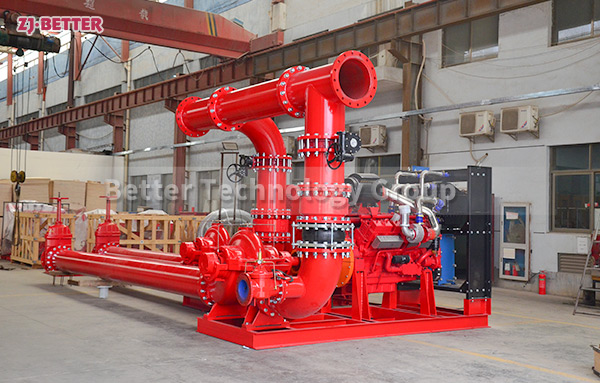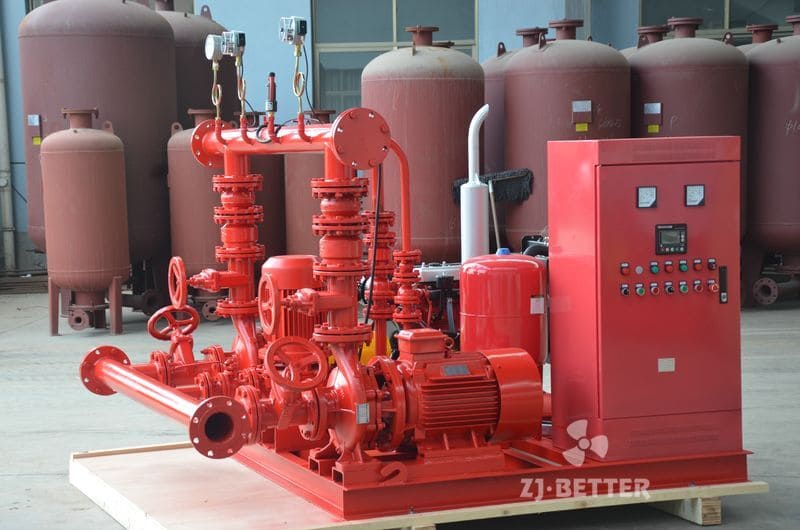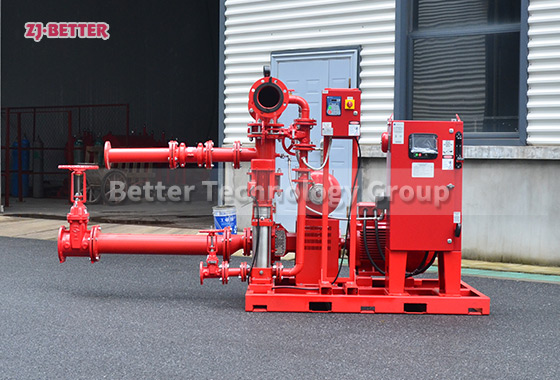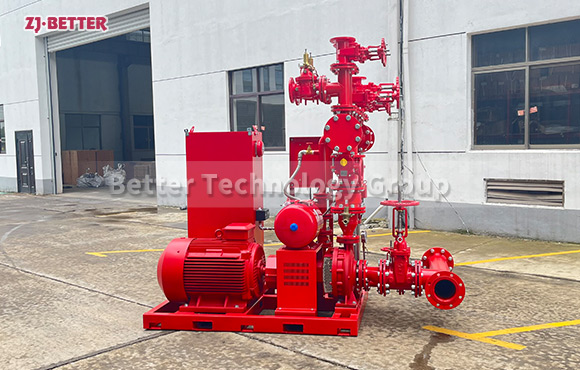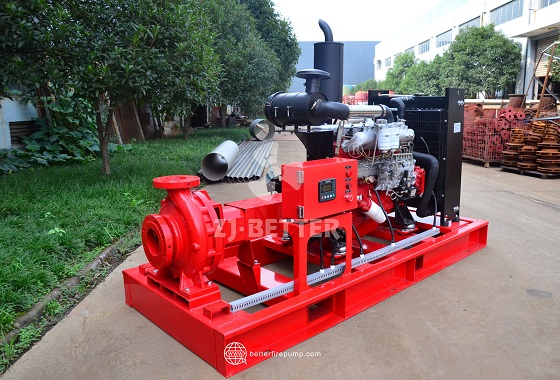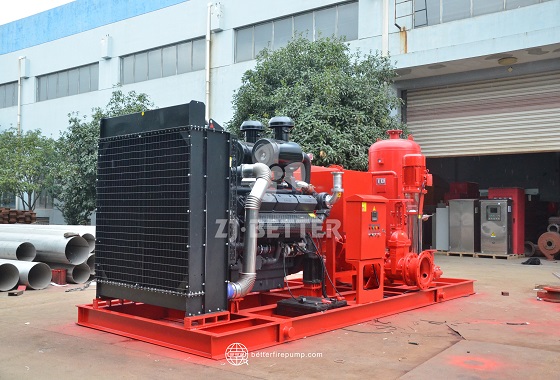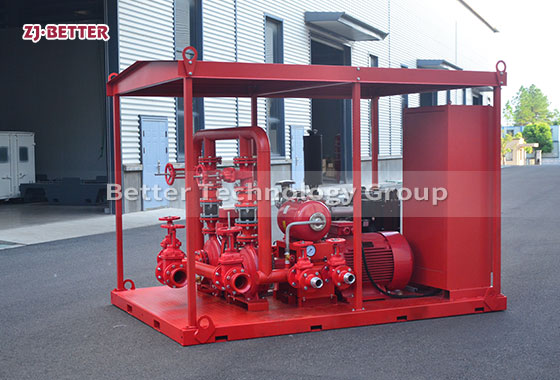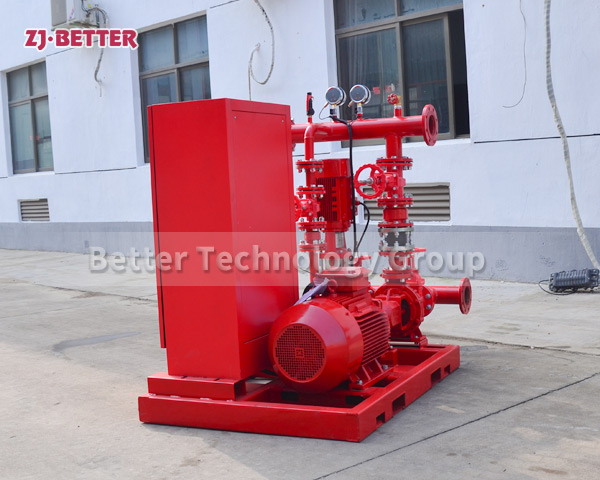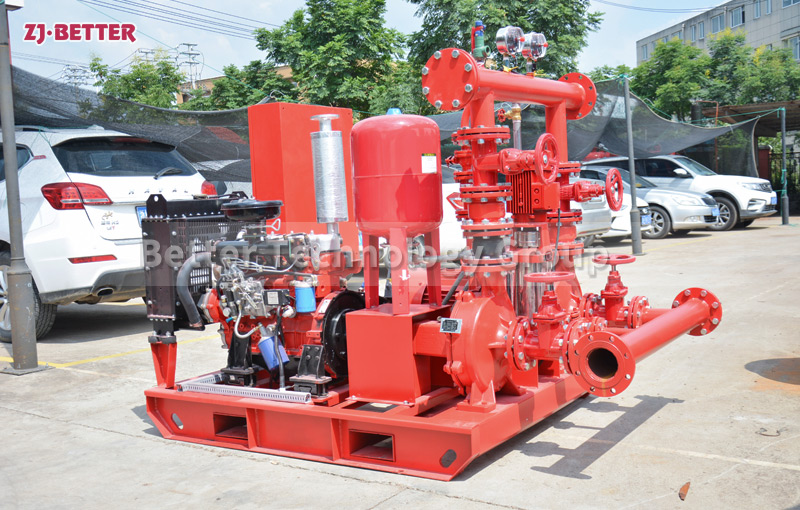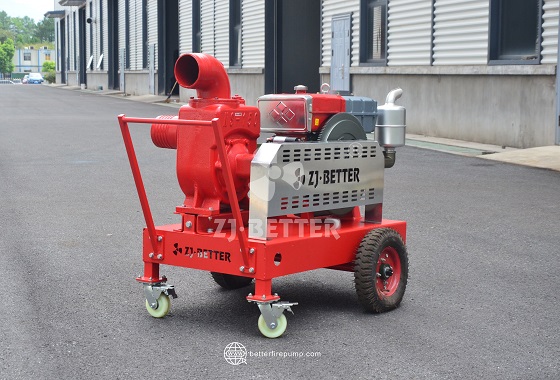
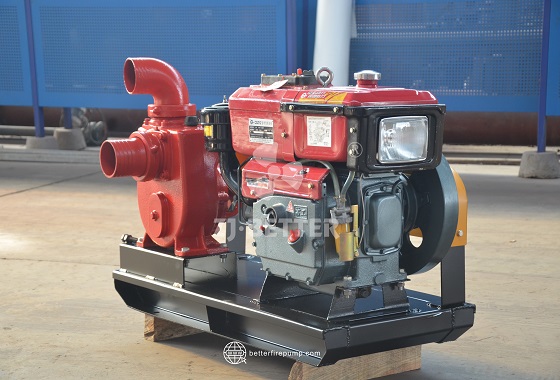
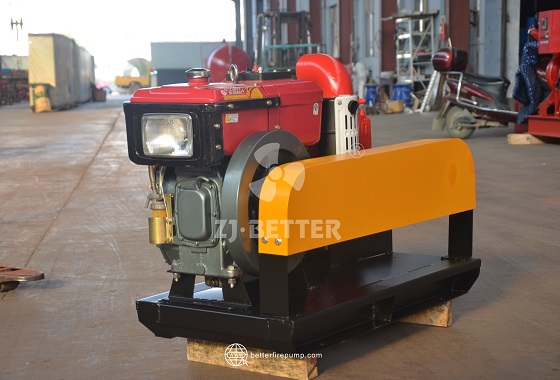
As a vital piece of equipment in firefighting systems, small diesel fire pumps, with their independent power, flexible deployment, and efficient water supply, have become indispensable emergency response tools in various scenarios. In the construction and application of modern firefighting facilities, attention is focused not only on performance and reliability, but also on cost-effectiveness and applicability. Thanks to their compact structure, ease of operation, reasonable cost, and high efficiency, small diesel fire pumps have found widespread use in high-rise buildings, rural areas, industrial plants, and even in environments without electricity, making them an ideal choice for emergency firefighting and backup water supply systems.
Firstly, in terms of power performance, small diesel fire pumps offer independent operation capabilities. Unlike electric pumps, which rely on an external power system, these pumps are powered by a diesel engine and are unaffected by grid fluctuations or outages. They can start quickly even in extreme conditions, ensuring uninterrupted water supply. This independence is particularly suitable for remote mountainous areas, rural areas, or locations with limited power supply, ensuring a continuous supply of firefighting water in the event of a sudden fire. Furthermore, small diesel engines are designed to emphasize high-efficiency combustion and strong torque, providing stable and sufficient power even at low speeds. This allows for rapid build-up of required water pressure and flow during emergency firefighting operations, ensuring the firefighting system is operational immediately.
Secondly, small diesel fire pumps excel in flexibility and portability. Unlike large, fixed pump units, small pump units are typically compact and lightweight. Some models also feature a mobile base or push-type mechanism, making them easy to transport and deploy quickly by one or more people. This makes them widely applicable for temporary firefighting missions or emergency needs in specialized locations, such as temporary construction sites, storage and logistics areas, fuel storage points, and even field operations. When a fire breaks out, users can quickly transport the unit to the required area and quickly connect to a water source, effectively improving emergency response efficiency.
In terms of economics, small diesel fire pumps offer excellent value for money. Their relatively low purchase cost, coupled with their simple design, significantly reduces ongoing maintenance costs. Diesel engines are inherently durable and fuel-efficient, typically requiring only routine inspection and maintenance for long-term stable operation. Compared to large, fixed pumping stations, small diesel pumps not only reduce equipment investment but also ease usage restrictions, enabling users to achieve higher fire protection at a lower cost. For small and medium-sized businesses, rural communities, and some rural households with limited budgets, these pump units are an ideal choice that balances affordability and practicality. From a reliability perspective, small diesel fire pumps offer the advantages of stable operation and long-term durability. Both the engine and pump body are constructed from high-strength materials and undergo rigorous process control, ensuring they maintain excellent performance in harsh environments such as high and low temperatures, humidity, and dust. Multiple protection measures, such as low oil pressure alarms, cooling system protection, and fuel monitoring, further enhance the equipment’s safety and stability in complex operating conditions. These features ensure stable output even during long periods of continuous operation, preventing interruptions in fire water supply due to malfunctions.
In terms of performance, small diesel fire pumps can meet a variety of firefighting needs. Their head and flow rate can be flexibly configured to meet specific needs, enabling them to supply water to indoor sprinkler systems in high-rise buildings or meet the high-volume firefighting needs of industrial parks and storage bases. Furthermore, in rural areas or agricultural applications, they can also provide both irrigation and drainage functions, achieving multi-purpose practicality. Some products are equipped with intelligent control systems that support automatic start/stop and status monitoring. Upon detecting a fire alarm signal or water supply demand, the device can quickly start and operate, significantly shortening emergency response time and ensuring timely control of fires in the early stages.
Small diesel fire pumps also have a wide range of applications. In high-rise buildings, they can serve as backup pumps, promptly taking over the water supply in the event of a main pump or power failure, ensuring stable operation of the fire-fighting system. In factories and warehouses, their large flow rate and stable water supply make them a vital asset in handling sudden fires. In rural and suburban areas, their portability and fuel-powered operation allow them to be used for both firefighting and water pumping support during floods. The value of small diesel fire pumps is particularly evident in areas with unstable power supplies. They can operate independently without relying on the power grid, providing users with round-the-clock fire safety protection.
Furthermore, with the continuous advancement of engine and pump technology, small diesel fire pumps have also significantly improved in terms of environmental protection and energy efficiency. Modern diesel engines commonly utilize high-pressure common rail injection technology and optimized combustion systems, which not only improve fuel efficiency and lower unit operating costs, but also reduce emissions, complying with increasingly stringent environmental standards. The pump’s hydraulic design is also more scientific, reducing energy consumption while delivering higher water delivery efficiency, making the entire system more energy-efficient and environmentally friendly. The application of these technologies enables small diesel fire pumps to meet performance requirements while also addressing sustainable development requirements.
From a long-term perspective, small diesel fire pumps offer significant investment value. Despite their low unit cost, the fire safety benefits they provide are immeasurable. In the event of a fire, timely water supply can effectively control the spread of the fire, preventing significant economic losses and irreversible casualties. Compared to electric pumps, which can be disrupted by power failures, the independence of small diesel fire pumps ensures they can still function at the most critical moments. This safety value far outweighs the investment itself. Therefore, incorporating small diesel fire pumps into firefighting systems is a highly profitable option for both businesses and communities.
Overall, small diesel fire pumps, with their independent power, portable design, stable performance, and affordable cost, demonstrate widespread application value in firefighting systems. It not only provides strong water supply support for high-rise buildings, industrial plants, warehouses and logistics, and rural areas, but also plays a vital role in emergency drainage and multi-purpose scenarios. With the continuous advancement of technology, its intelligent, energy-saving, and environmentally friendly performance will be further improved, and it will become a standard feature in more fire protection systems in the future. As a cost-effective firefighting equipment, small diesel fire pumps are undoubtedly a reliable choice for protecting life and property, providing a solid safety barrier for modern society.