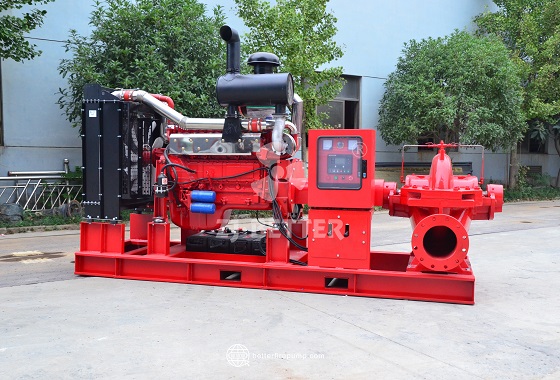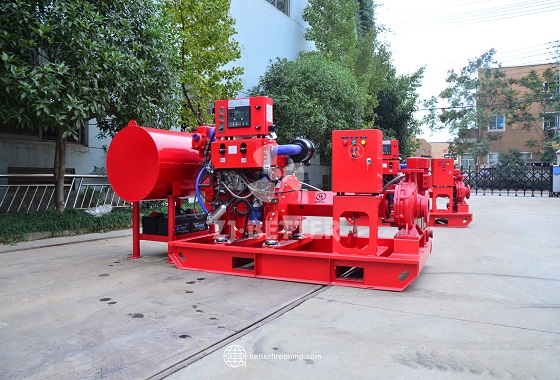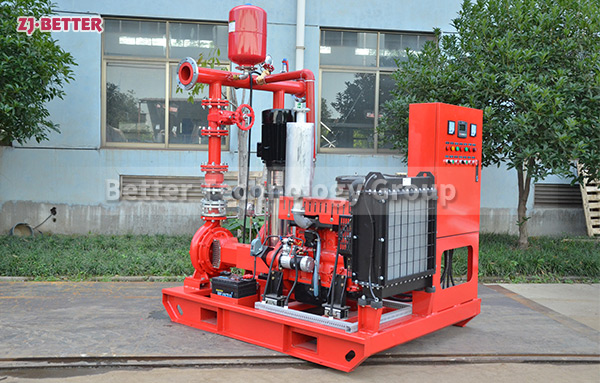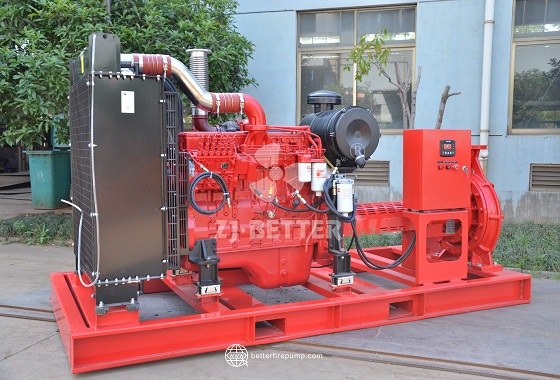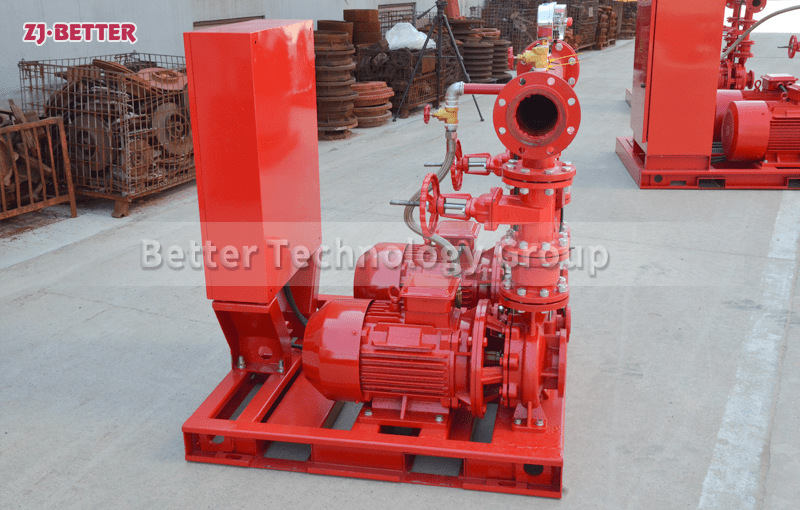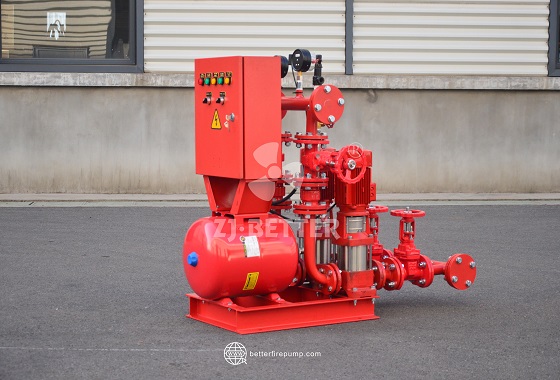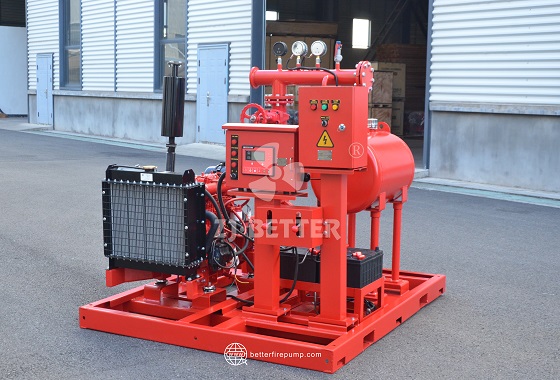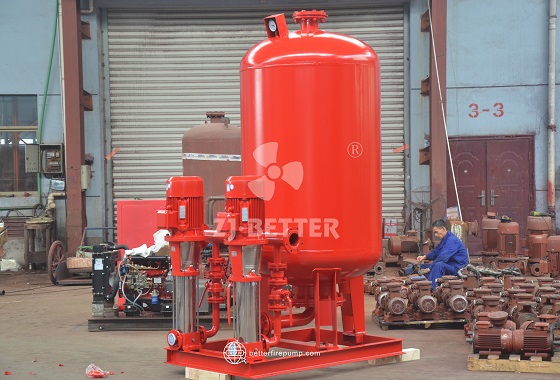
Electric Motor Driven Horizontal Fire Pump Unit for Efficient and Stable Fire Water Supply
Motor-driven horizontal fire pump units have advantages such as high efficiency, large flow rate, stable operation and intelligent control, and are widely used in building and industrial fire protection systems, providing reliable and efficient fire water supply solutions.
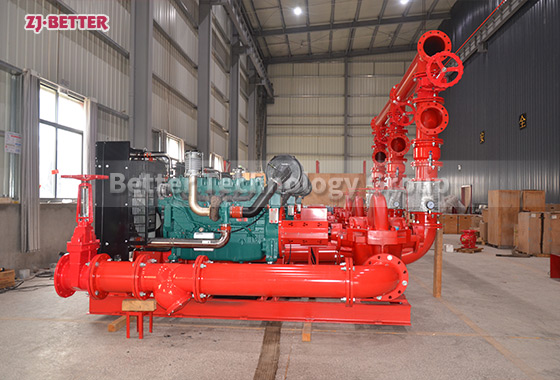
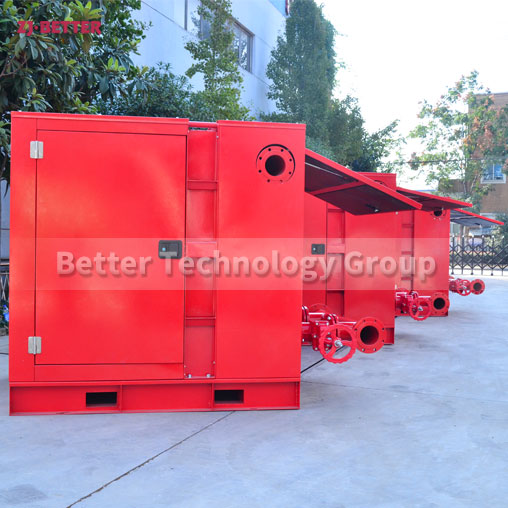
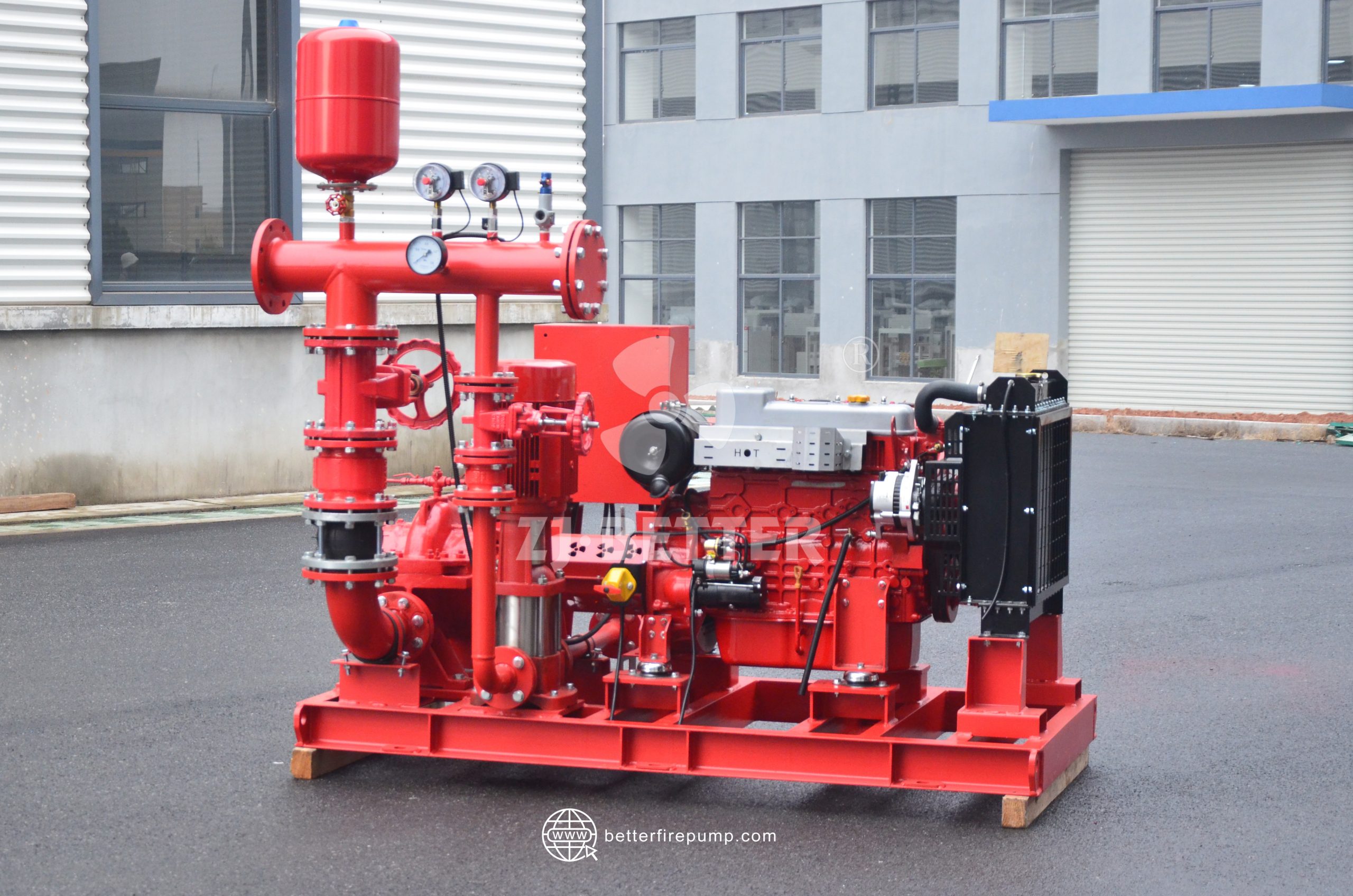
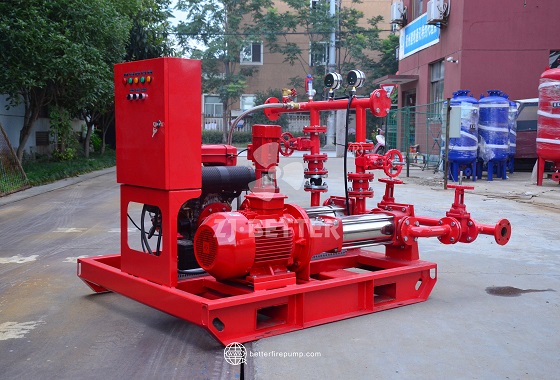
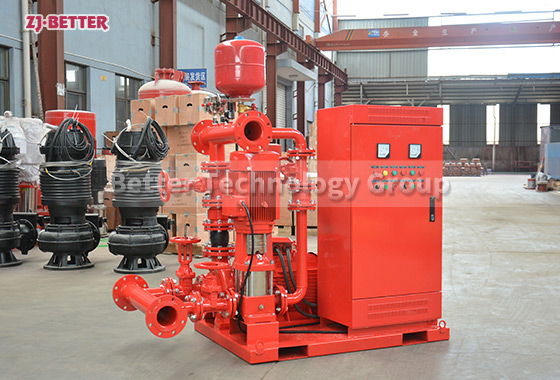
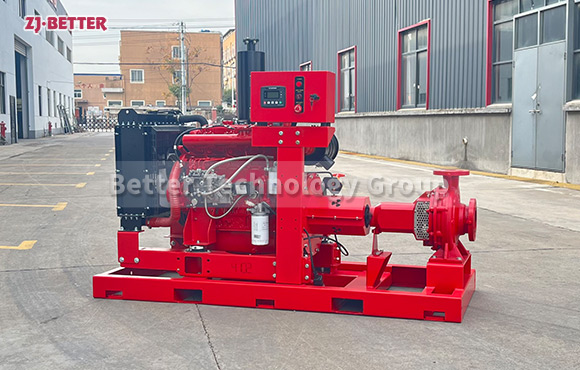
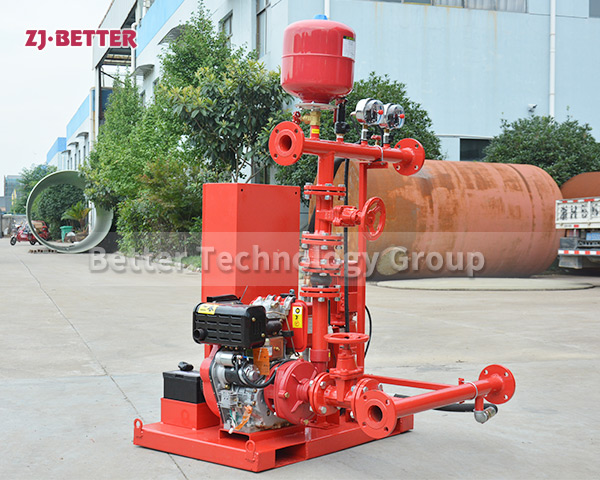
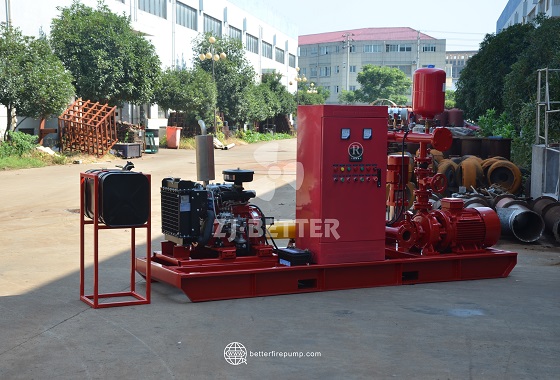
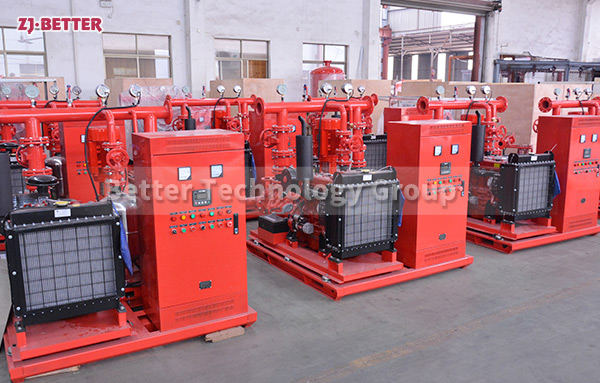
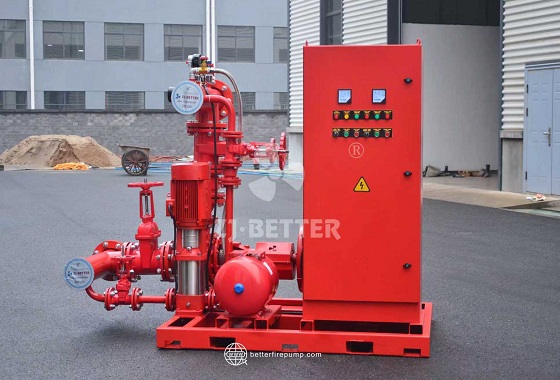
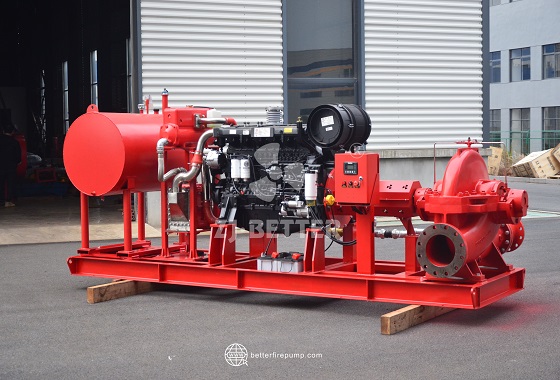
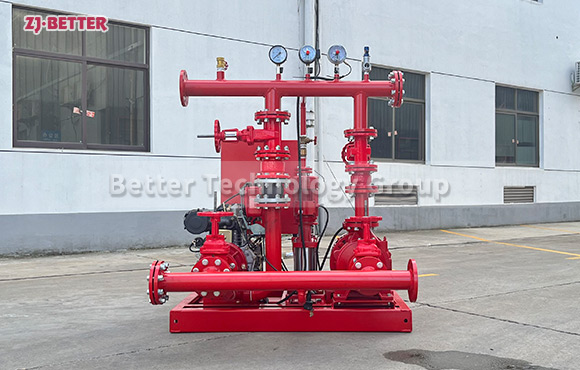
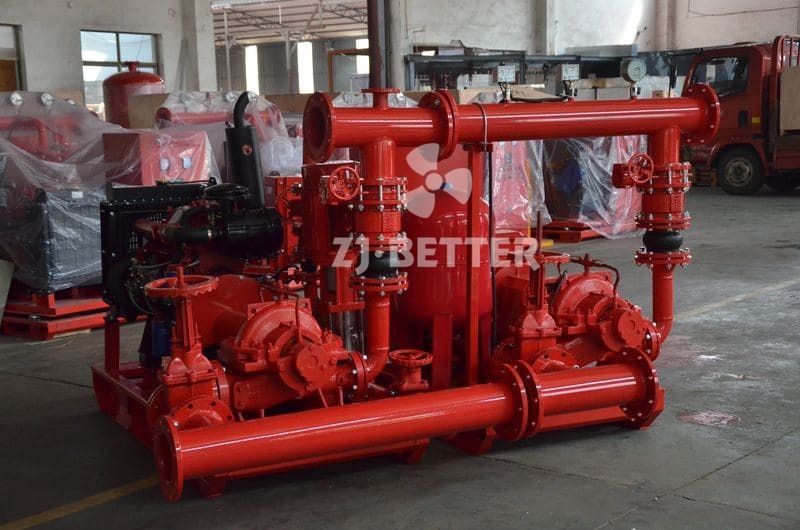
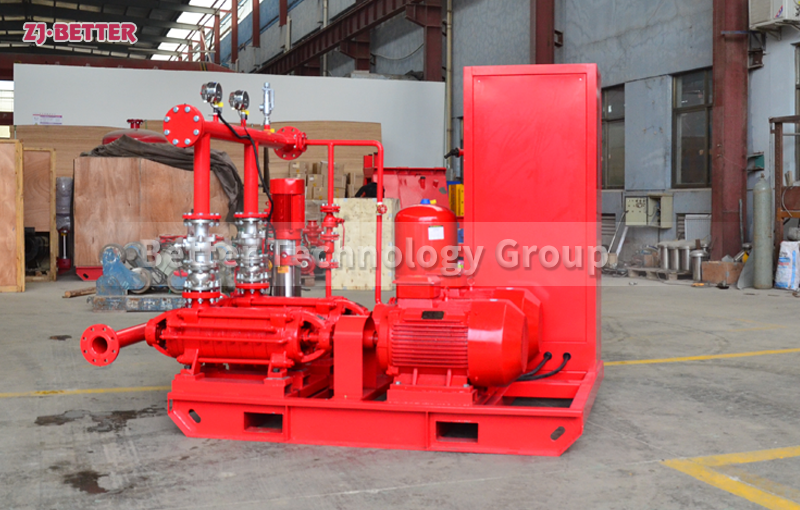
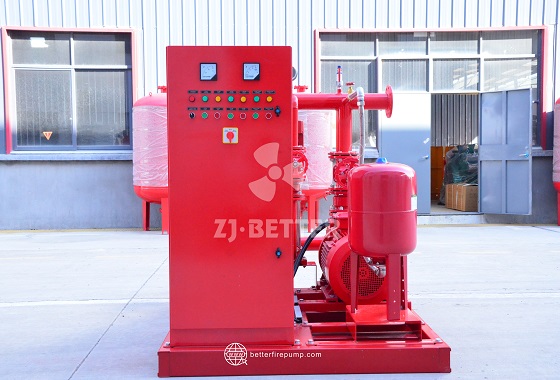
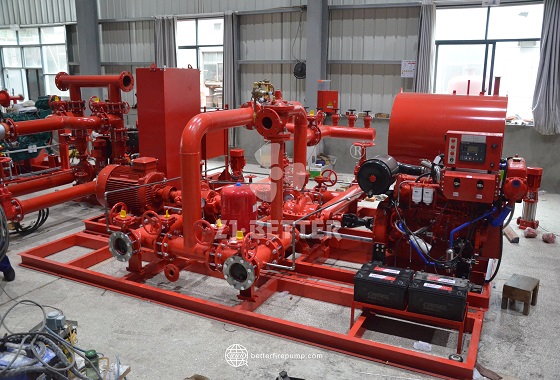
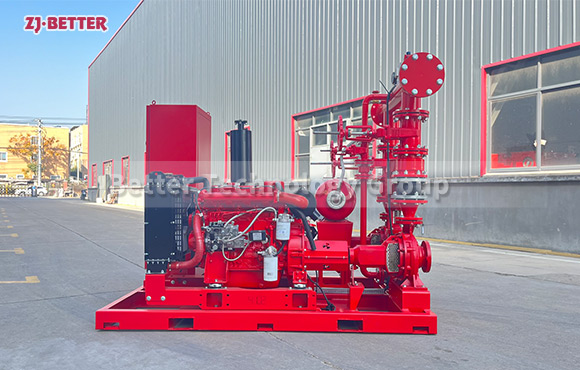
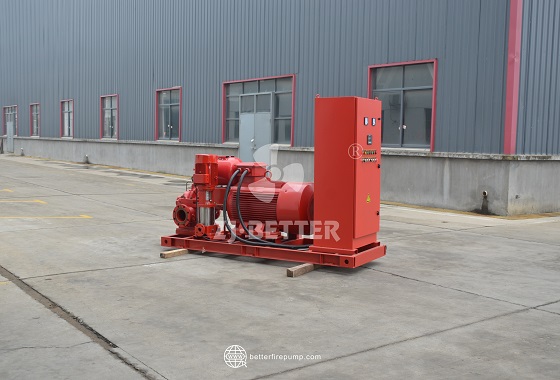
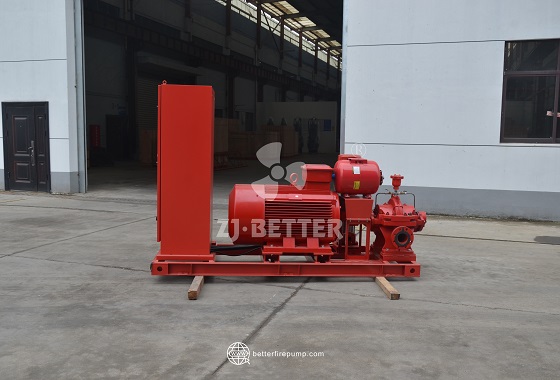
In modern building and industrial fire protection systems, a stable and reliable fire water supply is the core foundation for ensuring the safety of personnel and property. Especially in high-rise buildings, large commercial complexes, industrial plants, and warehousing and logistics centers, once a fire occurs, the fire protection system must be activated in a very short time and continuously provide sufficient water and pressure to ensure the smooth progress of fire fighting. Against this backdrop, motor-driven horizontal fire pump units have gradually become the mainstream equipment in various fire protection projects due to their advantages such as high efficiency, stable operation, high degree of automation, and convenient maintenance. By integrating high-performance horizontal centrifugal pumps, motor drive systems, and intelligent control cabinets, these units not only improve overall operating efficiency but also significantly enhance the reliability and controllability of the system, thus providing an efficient and stable solution for modern fire water supply systems. The core advantages of motor-driven horizontal fire pump units are primarily reflected in their excellent hydraulic performance. Horizontal centrifugal pumps employ optimized impeller and flow channel structures, enabling water to be transported and pressurized within the pump body with minimal energy loss. This achieves high head while ensuring high flow output. This performance combination meets the needs of various fire-fighting scenarios, from high-flow water supply in low-rise buildings to high-pressure water supply in high-rise buildings, achieving optimal matching through proper selection. Furthermore, its smooth operation with low vibration and noise contributes to improved operating environment quality and extended service life. In terms of the power system, motor drive offers significant advantages such as fast response, high operating efficiency, and high control precision. When the fire-fighting system receives a start signal, the motor can reach its rated speed in a very short time, allowing the pump to quickly enter a stable operating state. This ensures the fire-fighting water supply system is put into use immediately, which is crucial for initial fire control. Moreover, motor drive is more environmentally friendly and energy-efficient than diesel power, effectively reducing energy consumption and operating costs during long standby periods and routine testing, aligning with current energy-saving and environmentally friendly development trends. In terms of control systems, these fire pump units are typically equipped with advanced intelligent control cabinets. Through real-time monitoring of pressure, flow, and operating status, they achieve automatic start-up and shutdown and multiple protection functions. The system can automatically adjust its operating status according to changes in pipeline pressure, automatically starting the pump unit when the pressure drops and automatically stopping operation when the pressure returns to normal, thereby maintaining stable system pressure. At the same time, the control system has overload protection, short circuit protection, phase loss protection, and fault alarm functions. When equipment malfunctions, it can take timely protective measures to avoid equipment damage and ensure the safe operation of the system. In addition, it can be linked with the fire alarm system to achieve automatic start-up when a fire occurs, greatly improving response efficiency and automation level. In terms of structural design, the motor-driven horizontal fire pump unit adopts a modular integrated design, concentrating the pump body, motor, and control system on the same base. This not only results in a compact structure and small footprint but also facilitates transportation and installation. The equipment typically undergoes overall commissioning and performance testing before leaving the factory, requiring only simple piping connections and electrical connections for on-site installation. This design significantly shortens the construction cycle and reduces installation costs, making it particularly suitable for projects with tight schedules or those needing rapid deployment. Furthermore, the horizontal structure lowers the equipment’s center of gravity, resulting in more stable operation and reducing the impact of vibration. In terms of maintenance and upkeep, this type of unit also offers significant advantages. Its rational structural layout and easily accessible key components facilitate convenient and quick routine inspections and maintenance operations. Tasks such as bearing lubrication, seal replacement, and motor maintenance can be completed in a short time, reducing downtime and improving equipment availability. Simultaneously, due to the relatively simple structure of the motor system, the failure rate is low, and maintenance costs are relatively controllable. For fire protection systems requiring long-term stable operation, this high reliability and low maintenance cost are of great significance. In terms of adaptability, motor-driven horizontal fire pump units can be widely used in various environments, including indoor pump rooms and well-equipped industrial environments. At the same time, different protection levels of motors and control systems can be configured according to project needs to adapt to complex working conditions such as humidity, dust, or high temperature, ensuring that the equipment can operate stably in different environments. For large-scale projects, multiple units can be connected in parallel to achieve flexible adjustment of flow and pressure. In daily operation, single or partial unit operation can be used to reduce energy consumption. In the event of a fire or high demand, all units can be quickly started to provide maximum water supply capacity, thereby achieving the best balance between efficiency and safety. In practical applications, motor-driven horizontal fire pump units have been widely used in commercial buildings, industrial plants, municipal fire protection systems, and various infrastructure projects. Through their stable and efficient water supply capabilities, they effectively improve the overall performance and reliability of fire protection systems while reducing reliance on manual operation, making fire protection systems more intelligent and automated. With the continuous expansion of building scale and the continuous improvement of fire protection standards, the performance requirements for fire water supply equipment are also constantly increasing. Motor-driven horizontal fire pump units, with their excellent performance and mature technology system, are gradually becoming one of the standard configuration equipment in modern fire protection engineering. In summary, this type of unit, through efficient hydraulic design, rapid motor response, intelligent control system, and modular structure design, achieves a comprehensive improvement in the efficiency, stability, and safety of fire water supply systems. It not only meets the current fire protection needs of various projects but also has good scalability and adaptability, providing a reliable foundation for future upgrades and optimizations of fire protection systems. It plays an irreplaceable and vital role in protecting human life and reducing fire losses.