Home » Fire Pump Set » How to Troubleshoot a Fire Pump That Won’t Start
How to Troubleshoot a Fire Pump That Won’t Start

Learn how to diagnose and fix common issues when your fire pump fails to start.

Rated 4.9/5 based on 326 customer reviews
Share:
Content

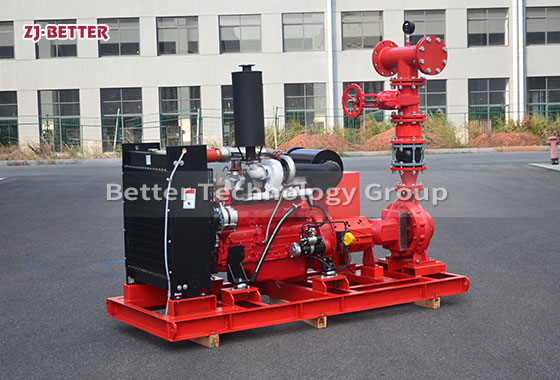
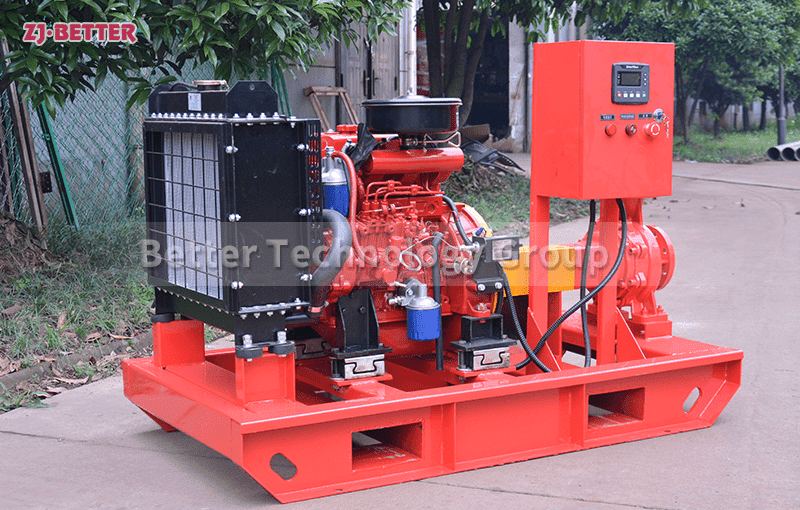
A non-starting fire pump can put lives and property at risk. Follow these steps to identify and fix the problem:

1. Check the Power Supply

  • Ensure the electric pump has voltage and no tripped breakers.

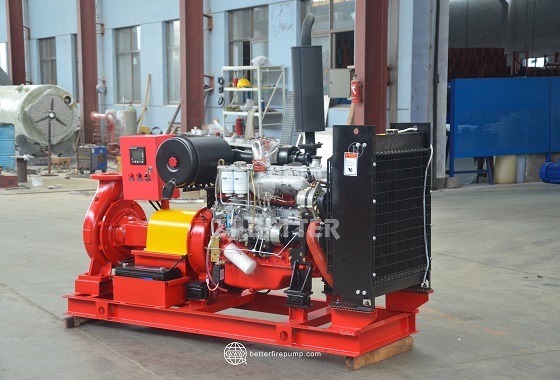
  • For diesel pumps, check the battery charge and fuel levels.

2. Inspect the Pressure Switch

  • A faulty pressure switch may prevent automatic startup.

3. Verify the Controller Settings

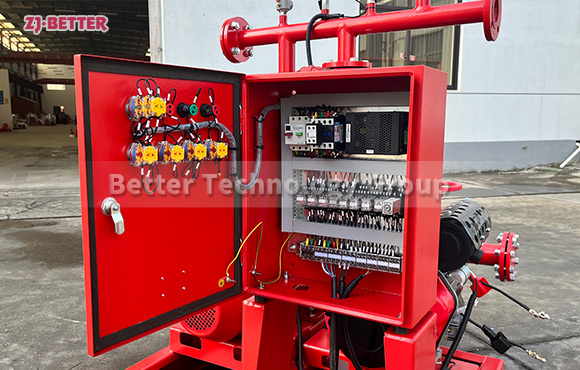
  • Ensure the fire pump controller is in automatic mode and not manual or off.

4. Look for Mechanical Failures

  • Seized bearings, clogged suction lines, or air in the system can prevent startup.

5. Conduct Regular Testing

  • Routine weekly and monthly tests prevent startup failures.

By systematically troubleshooting, you can restore fire pump functionality and ensure system readiness.

Inquiry


    More Fire Pump Set
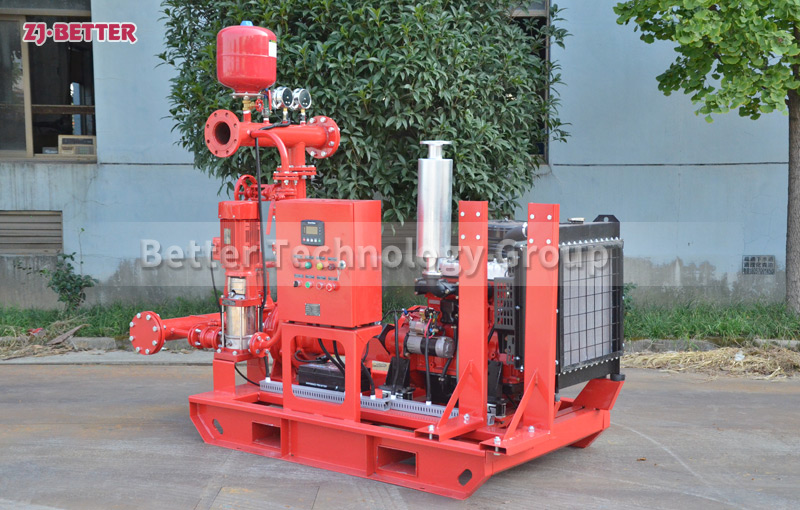
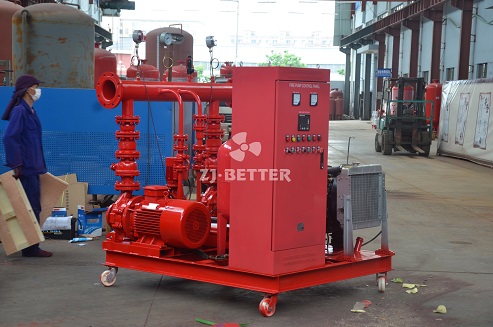
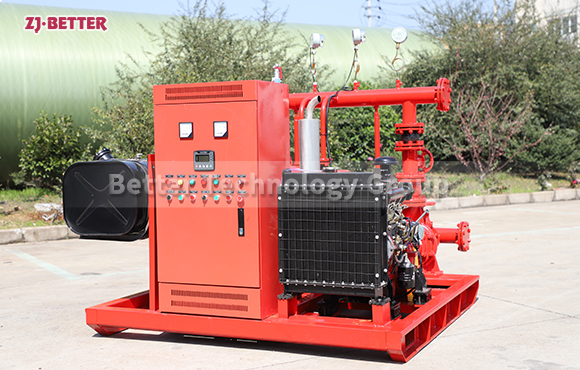
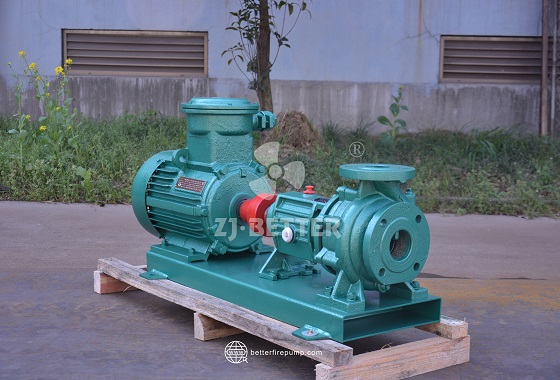
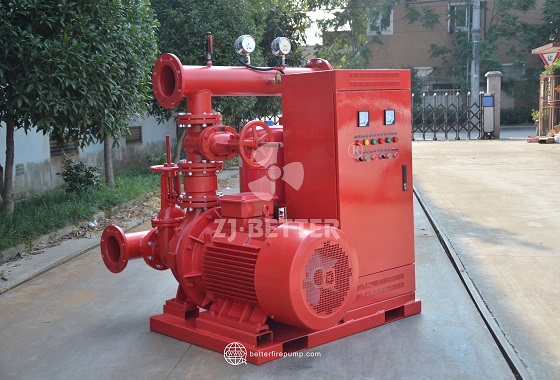
    When facing the fire risks in modern buildings and industrial facilities, firefighting efficiency and reliability are the foremost considerations. Electric fire pumps are the ideal solution for tackling fire challenges in complex environments, offering high efficiency, stability, and smart control systems. Whether in high-rise buildings, industrial parks, chemical plants, or power facilities, electric fire pumps ensure exceptional performance.

    Firstly, electric fire pumps are equipped with high-performance electric motors, ensuring the stable operation of the pump through intelligent control systems. In the event of a fire, the system responds quickly and activates the pump, providing a steady water flow to extinguish the fire. Especially in complex environments such as narrow spaces, high-temperature settings, or areas requiring highly precise control, the electric fire pump continues to operate efficiently, ensuring the successful execution of firefighting tasks.

    Moreover, the smart control system of the electric fire pump continuously monitors the pump’s operational status, conducts self-diagnostics, and adjusts pressure and flow, ensuring no performance degradation during firefighting operations. Its compact design allows it to fit into spaces with limited room while maintaining top-notch performance.

    With the increasing emphasis on environmental protection and energy efficiency, the low energy consumption and high performance of electric fire pumps make them increasingly popular in the market, playing a critical role in optimizing firefighting efficiency.

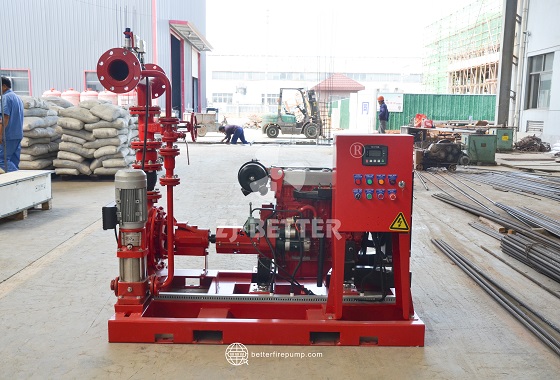
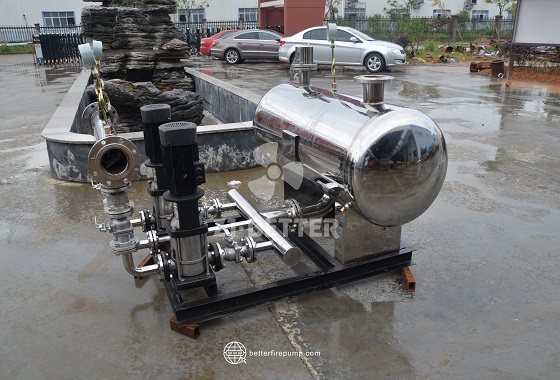
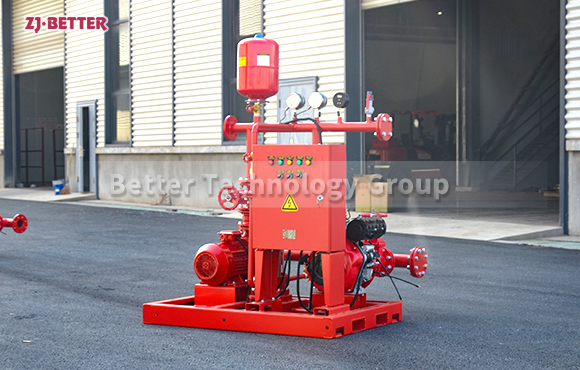
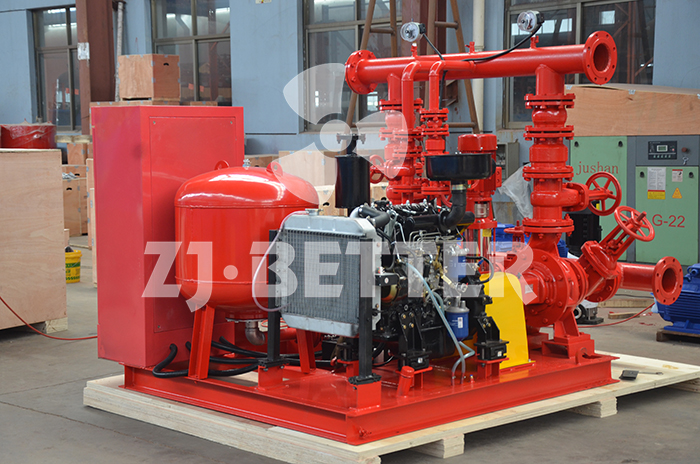
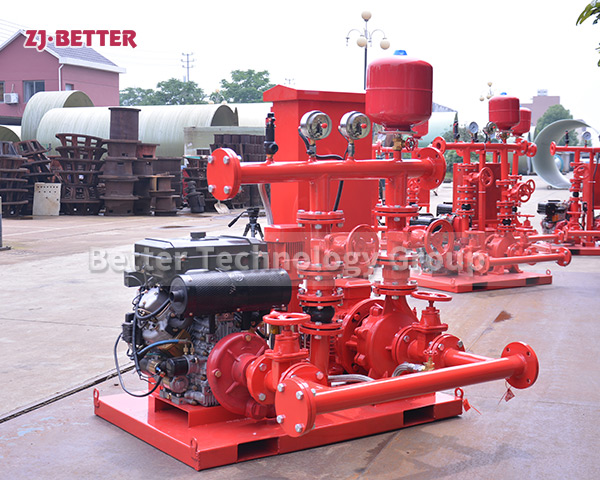
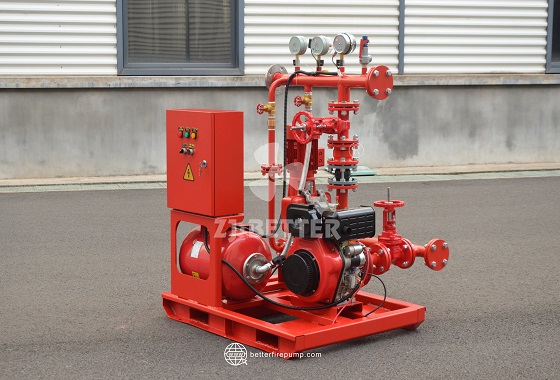
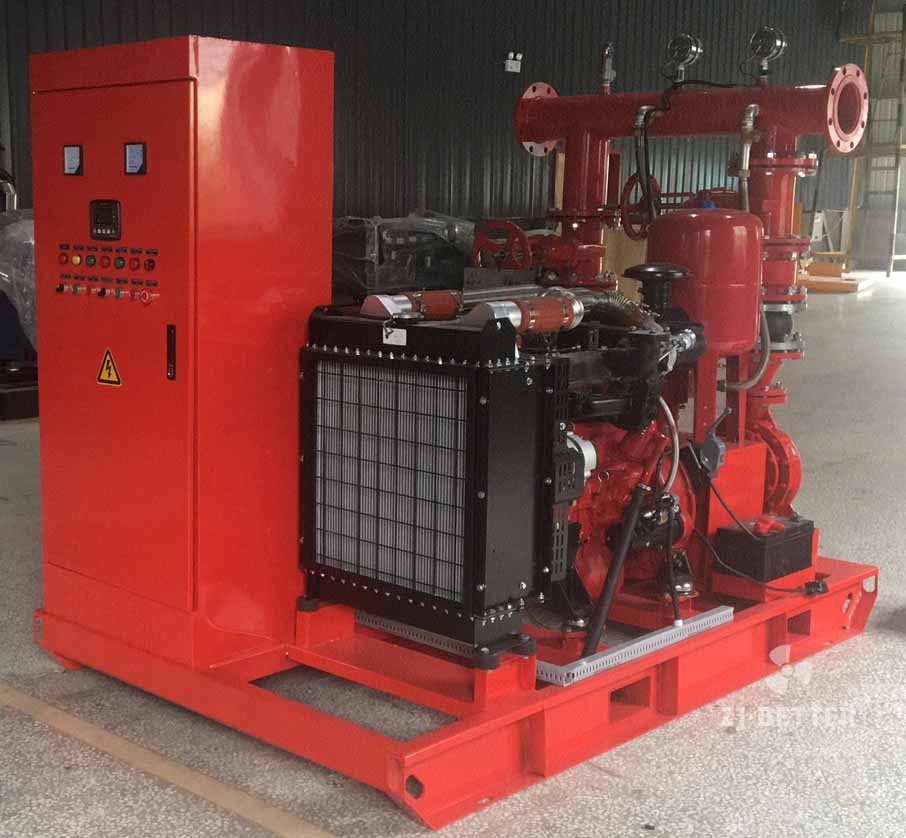
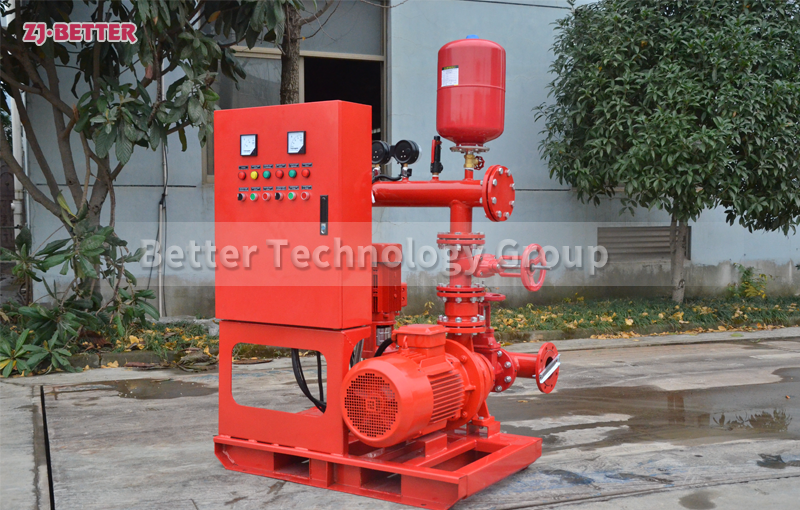
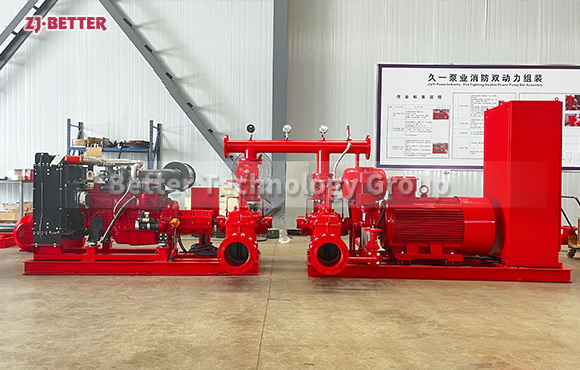
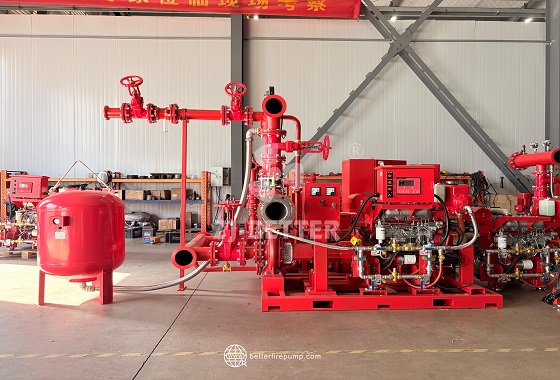
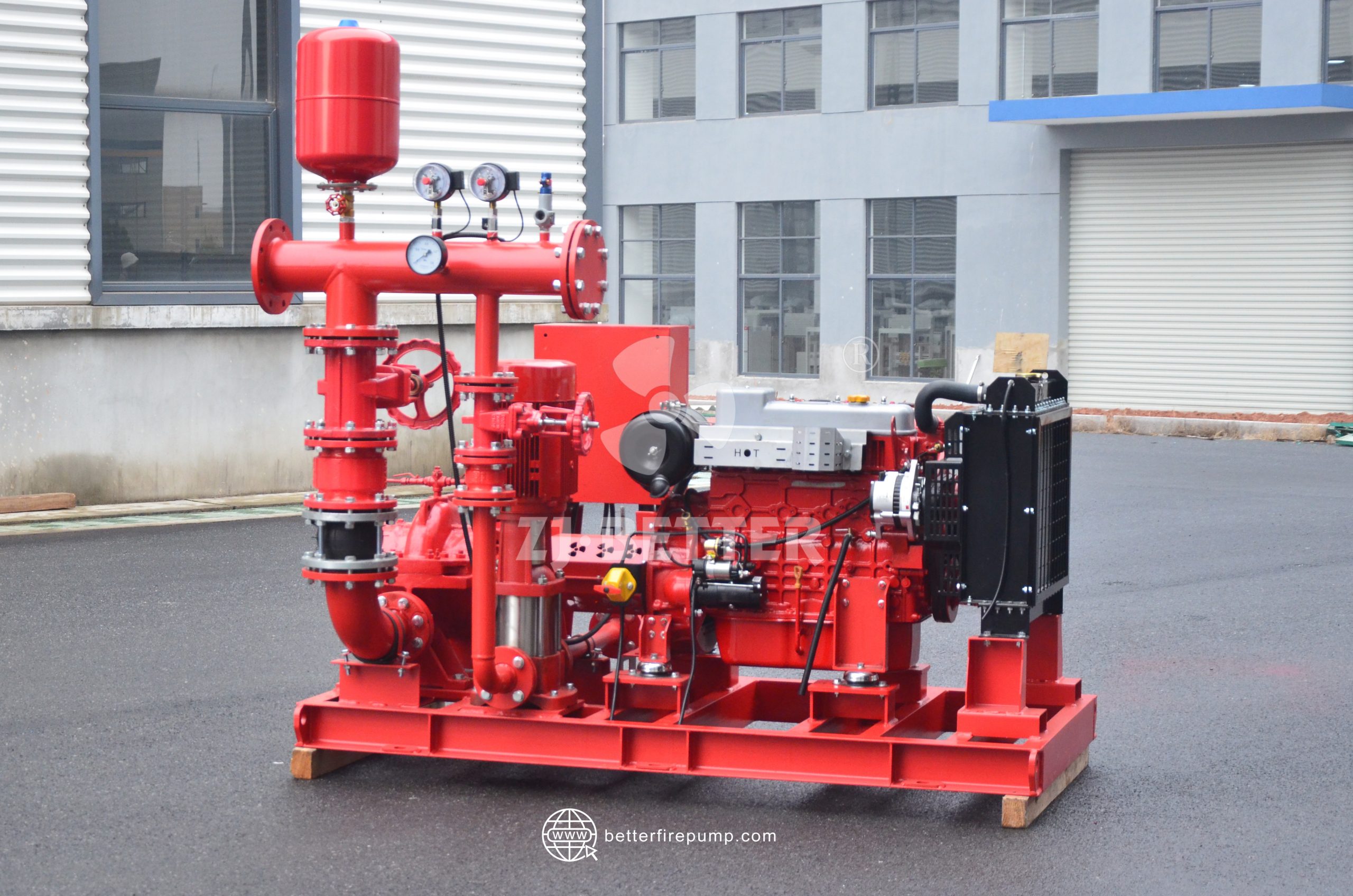
    In modern fire protection systems, rapid response to fire incidents is crucial for safeguarding life and property. The Pressure Stabilization and Dual-Function Pump System integrates powerful pressure regulation with dual power sources to ensure that the fire protection system quickly responds and maintains a continuous, stable water supply during emergencies.

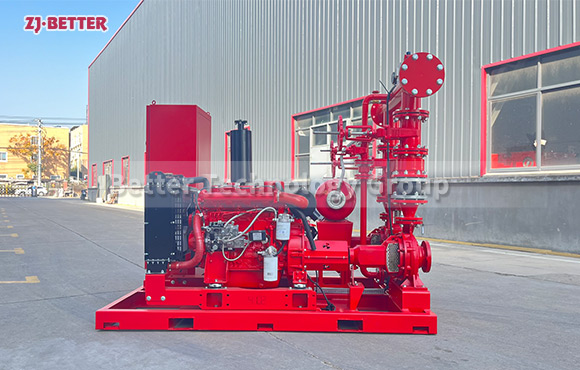
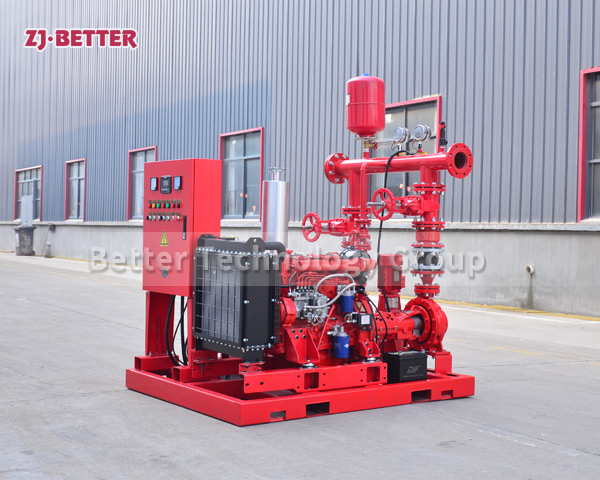
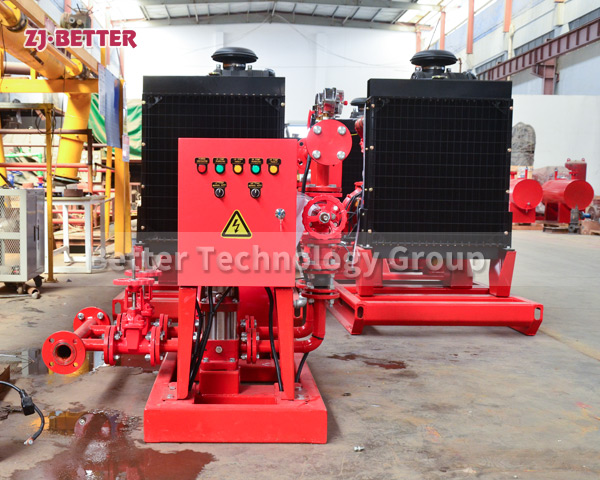
    This pump system is designed with two power sources—an electric motor and a diesel engine. When the primary power source fails, the diesel engine automatically starts, ensuring uninterrupted operation of the fire protection system even during power outages. Its pressure stabilization system automatically adjusts pressure during operation, ensuring stable water flow for fire suppression and preventing water interruptions due to insufficient or fluctuating pressure, ultimately improving firefighting efficiency.

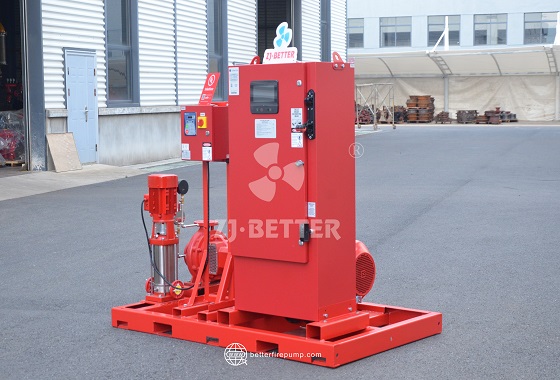
    The intelligent control system further enhances the efficiency of the pump system, allowing users to monitor the system’s status in real-time through a touch panel. The system is easy to operate, and any malfunction is quickly detected and alarms are triggered, activating backup systems to effectively prevent emergency issues caused by system failure.

    This pump unit is ideal for applications in high-rise buildings, industrial zones, storage facilities, and other locations with high reliability requirements for fire protection, ensuring that the fire pump can be immediately activated and continue to supply water in any emergency.

    In the fire fighting pipeline pump, according to the different installation methods can be divided into vertical fire pumps and horizontal fire pumps, many people have questions about these two common pumps, what is the difference between the two? Shanghai Xizhiquan will explain the difference between horizontal and vertical pumps.

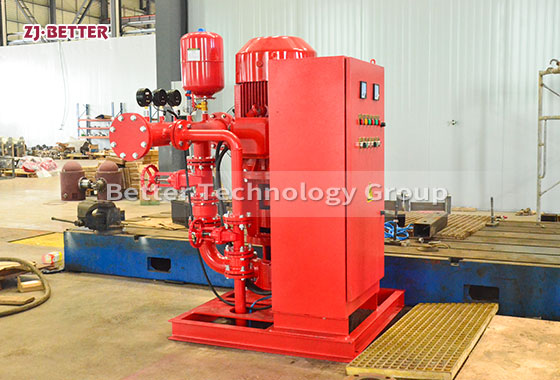
    Obviously, different installation methods take up different space. Vertical pipeline pumps are installed vertically, covering a relatively small area, and vertical fire pumps do not require a foundation, while horizontal fire pumps need to be equipped with a base.

    According to the different structures of the two pumps, it can be concluded that there is also a certain difference in the ease of maintenance of the two types of fire fighting pipeline pumps. The impeller of the vertical fire pump needs to be dismantled from top to bottom, which makes maintenance more difficult; the horizontal fire pump only needs to have the inlet pipe removed so that the impeller can be overhauled, which is relatively simple.

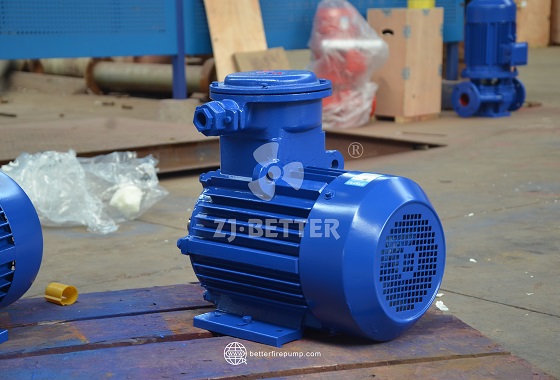
    Due to the different inlet and outlet pipe directions, the pipeline connection between vertical and horizontal is also different. As the vertical pump is a bottom-up structure, while the horizontal fire pump is longitudinally arranged on the base, so the motor of the vertical pump and the pump body are connected in the form of sub-mouth connection, while the horizontal pump needs to use couplings to connect with the motor, and the horizontal pipeline pump needs to be corrected regularly.

    Translated with www.DeepL.com/Translator (free version)