
Electric Vertical Fire Pump Equipment with Integrated Control Panel
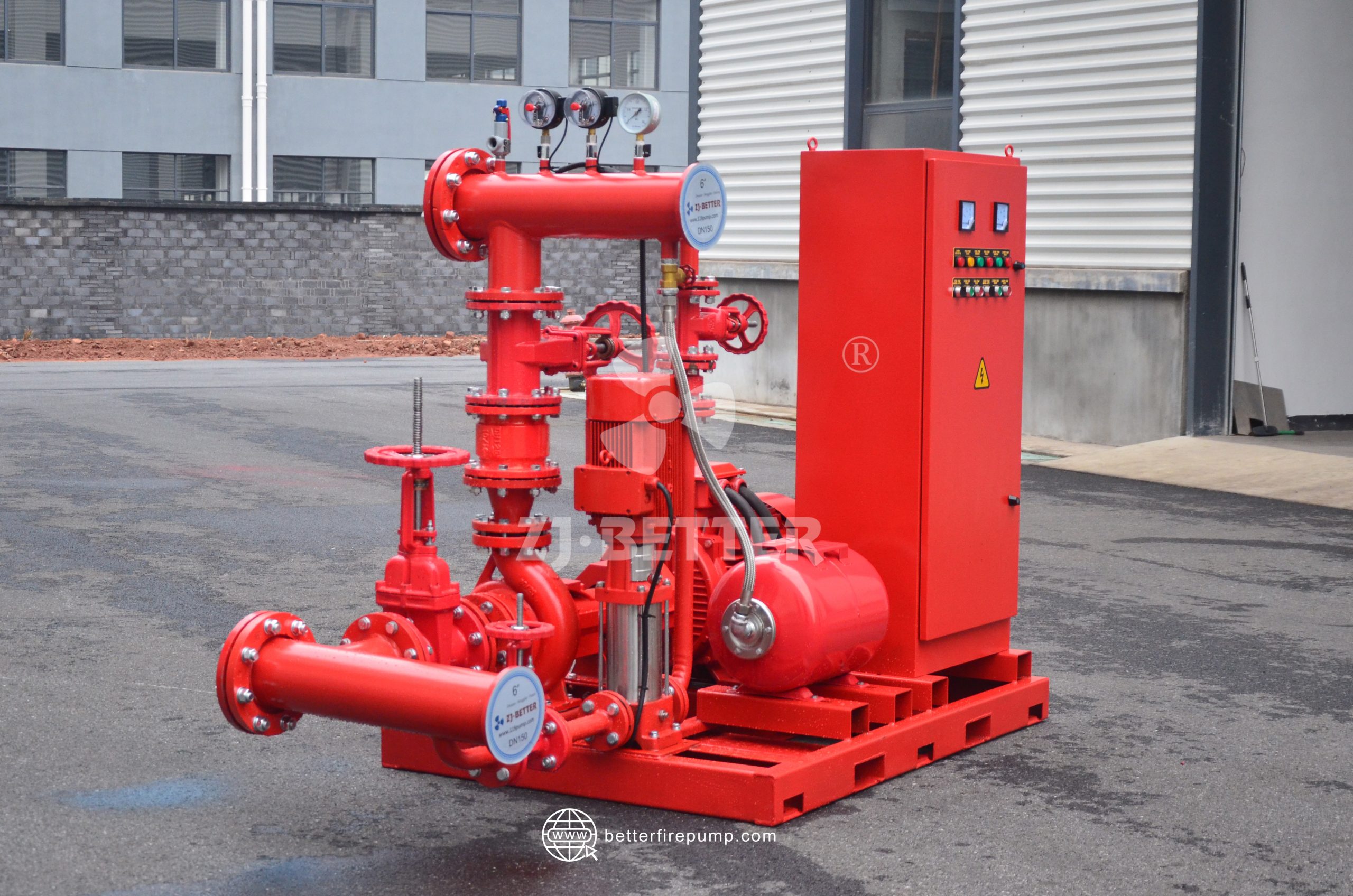
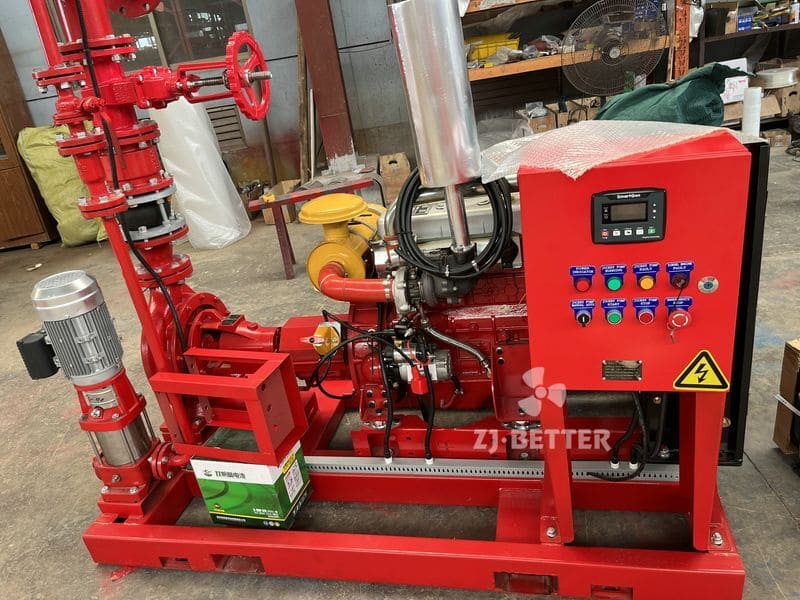
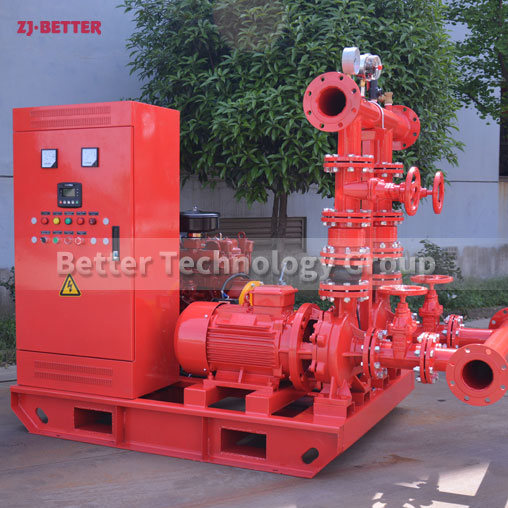
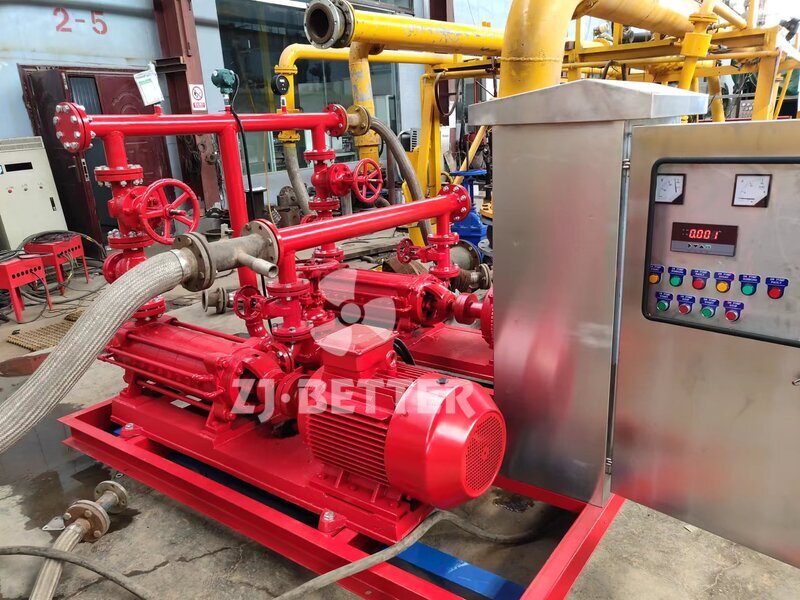
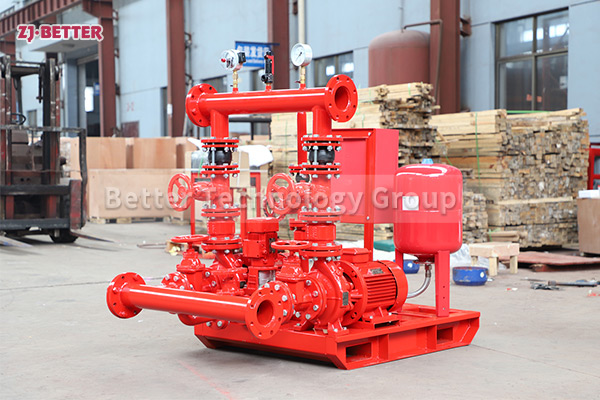
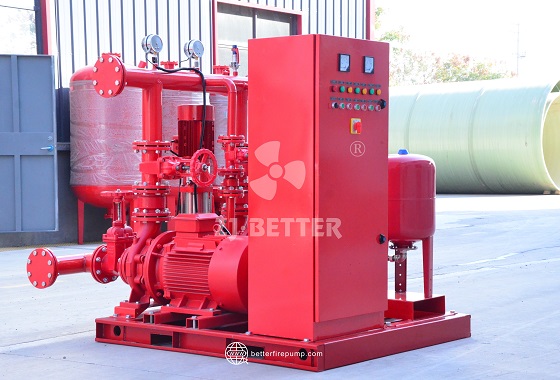
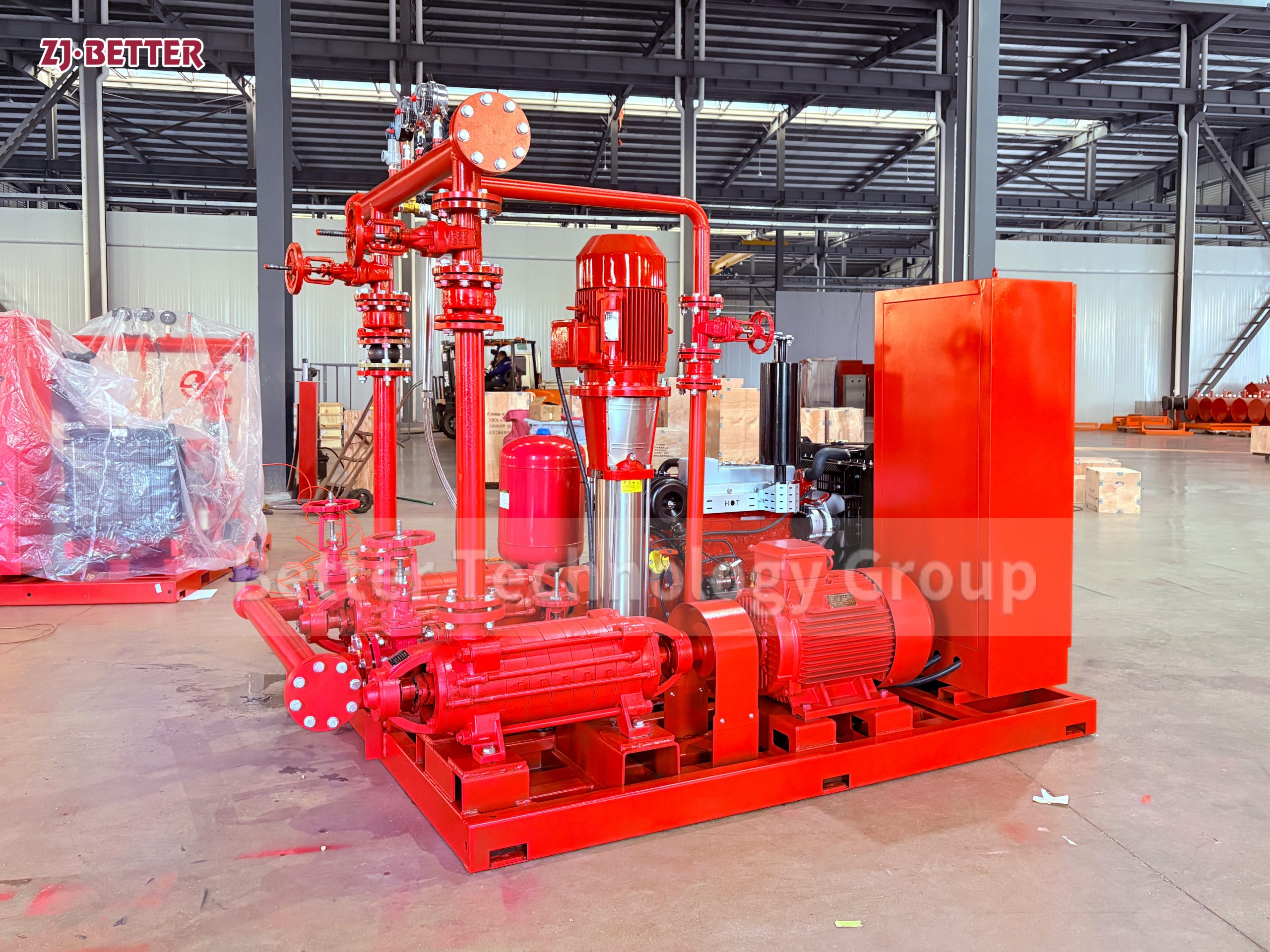
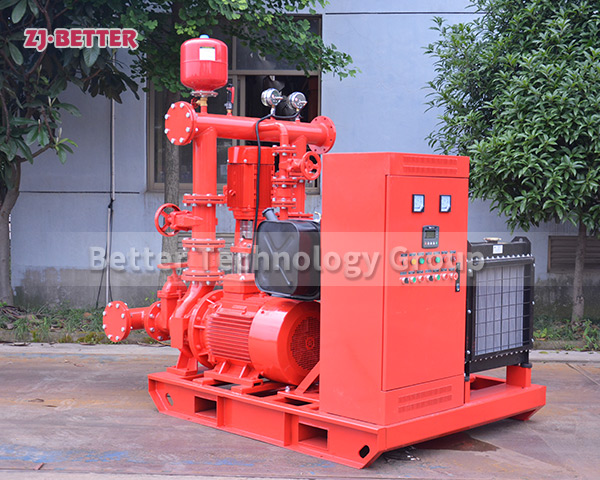
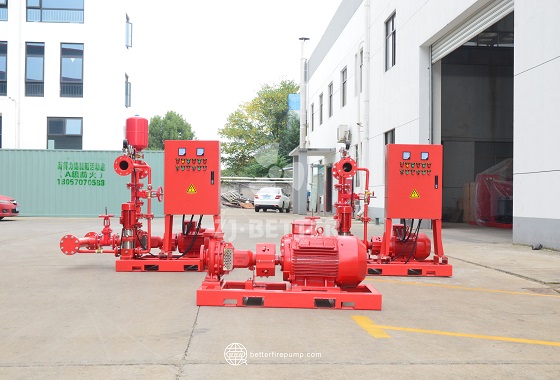
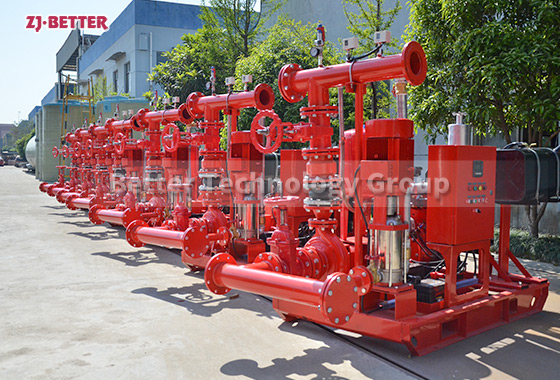
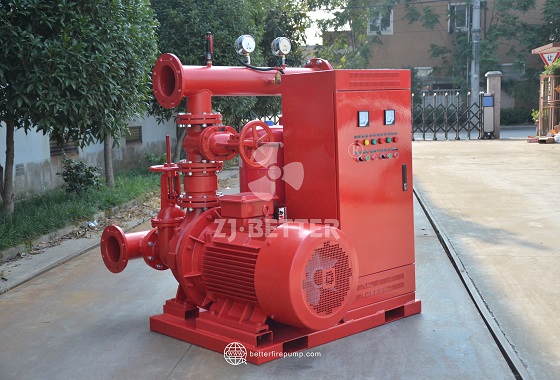
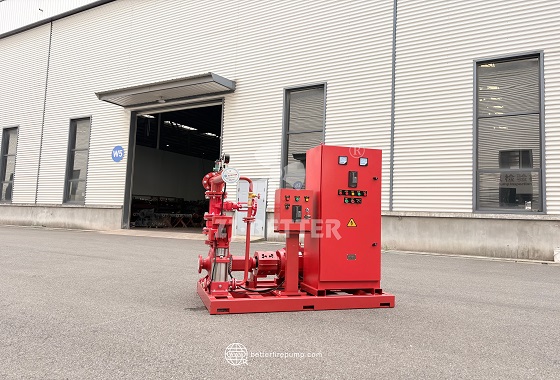
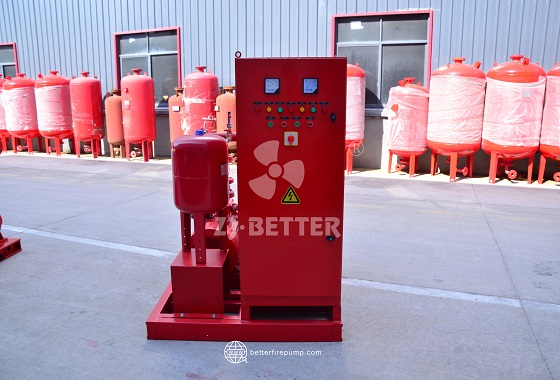
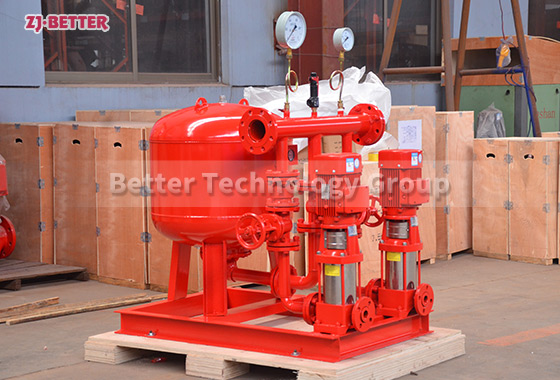
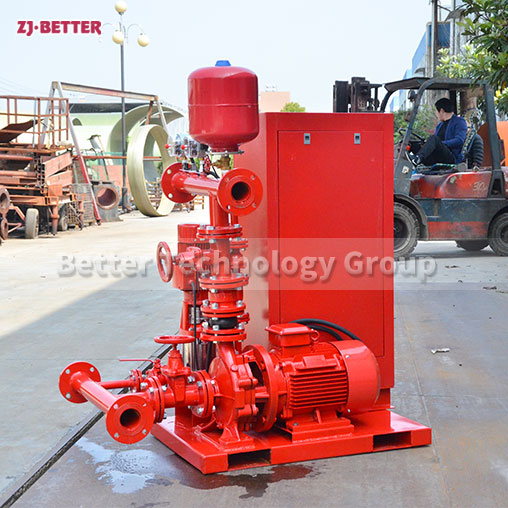
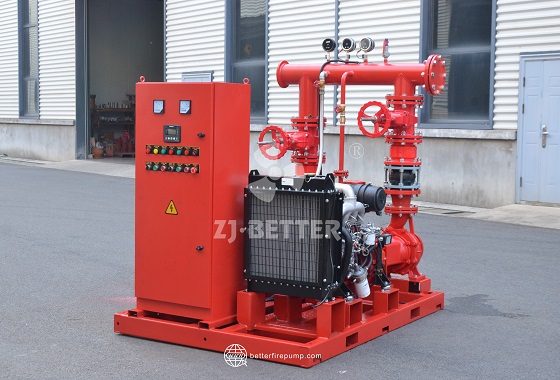
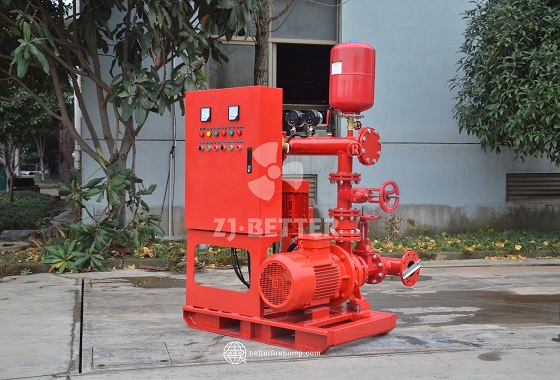
The electric vertical fire pump equipment integrates a control cabinet to achieve automatic start-up and shutdown and stable water supply. It has a small footprint, high efficiency, and reliable operation. It is suitable for indoor sprinkler and fire hydrant fire protection systems in buildings, ensuring the safety of emergency water supply in case of fire.
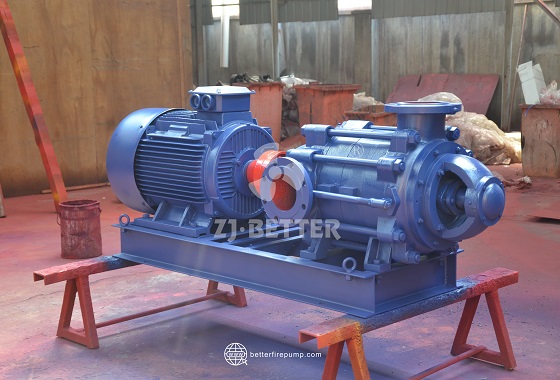
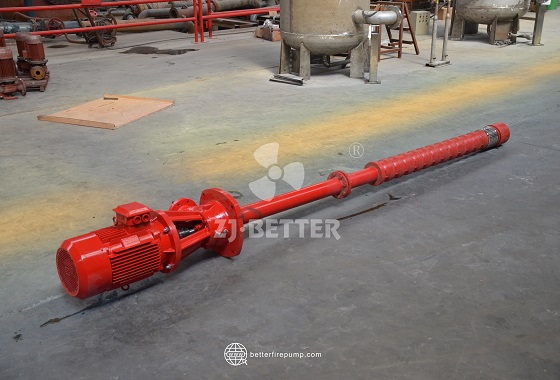
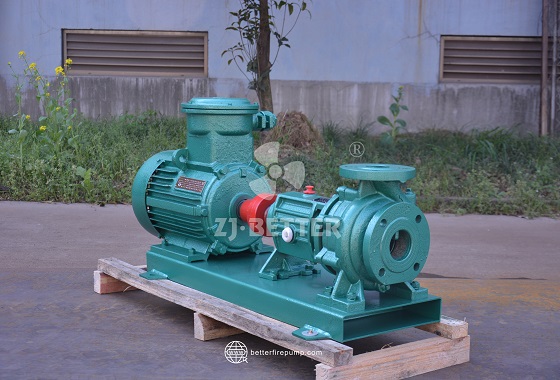
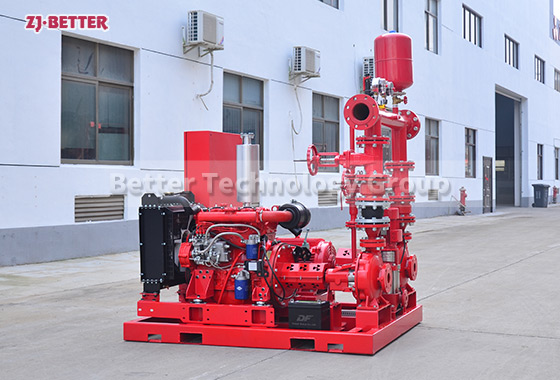
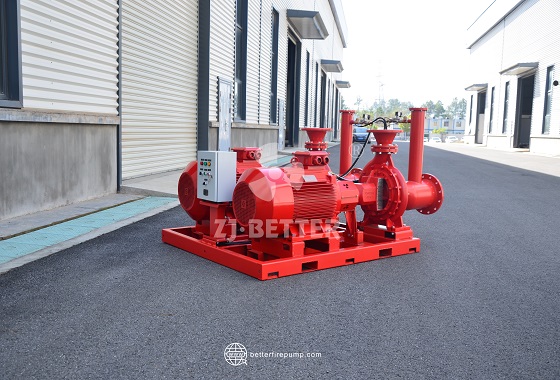
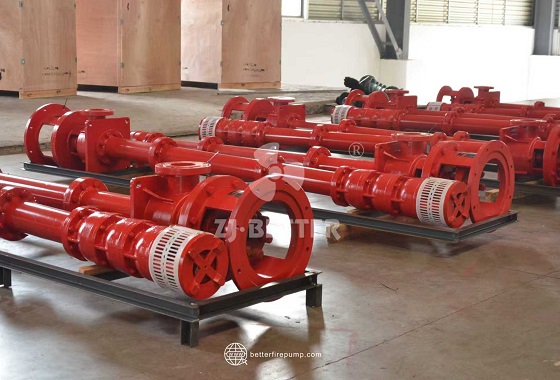
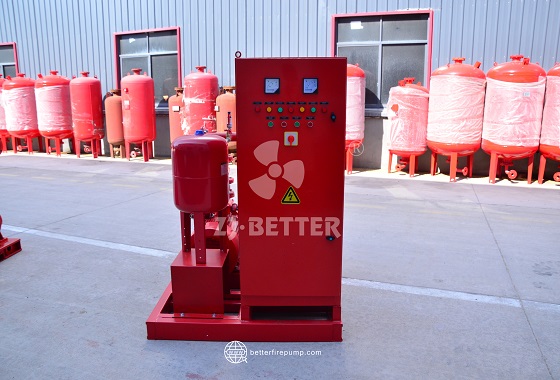
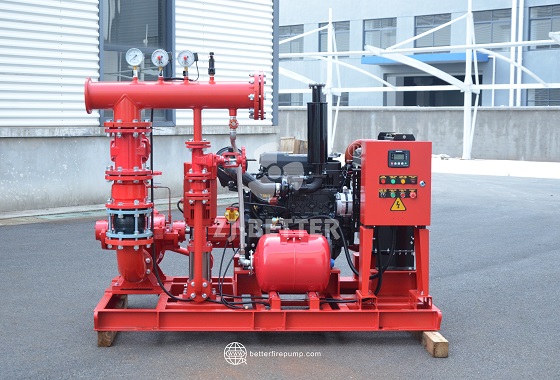
Electric vertical fire pumps are key water supply devices widely used in building fire protection systems. Their core feature lies in the organic integration of a vertical pump structure, motor drive, and integrated control cabinet, achieving automated operation and stable output of fire water supply. They are particularly suitable for indoor fire protection systems in various commercial buildings, public facilities, and residential projects. These devices typically employ a vertical layout, occupying a small area and featuring a compact overall structure, making them ideal for installation in space-constrained pump rooms or equipment rooms. The fire water supply system can be deployed without affecting the overall building layout. The motor, as the power source, is reliably coupled to the pump body, enabling it to quickly reach rated speed after startup, providing stable water pressure and flow support to the fire pipeline network and meeting the water demand of sprinkler and fire hydrant systems during fire conditions. The integrated control cabinet is a crucial component of this equipment. By concentrating start, stop, protection, and status monitoring functions into one unit, the fire pump maintains optimal operating condition during routine standby and emergency startup. It automatically starts the pump unit when pipeline pressure drops or a fire signal is received, reducing manual intervention and improving system response speed. Electric vertical fire pumps excel in hydraulic performance. Their pump bodies are typically made of high-strength cast materials, and their internal flow channels are meticulously designed to effectively reduce hydraulic losses, enabling high-efficiency operation under rated conditions. This ensures fire water supply capacity while reducing operating energy consumption. The vertical structure helps optimize axial stress distribution, reducing vibration and noise, maintaining stability over long periods of operation, and minimizing the impact on the pump room environment. To enhance reliability and lifespan, these fire pumps prioritize wear resistance and durability in the selection of key components. Through rational configuration of bearings and sealing structures, they ensure good performance even under frequent start-stop or long-term operation conditions. Integrated control cabinets typically have multiple protection functions, monitoring and protecting against motor overload, phase loss, and abnormal voltage, effectively preventing equipment damage or operational interruptions due to electrical faults, thereby improving the overall safety of the fire protection system. Electric vertical fire pumps also excel in pressure stabilization. Through proper coordination with pressure stabilizing devices and piping systems, they can maintain the basic pressure of the fire protection network during daily operation, reducing frequent main pump starts, extending equipment lifespan, and ensuring a rapid establishment of stable water supply conditions in the event of a fire. These devices also offer significant advantages in installation and maintenance. Their vertical structure simplifies pump-to-pipe connections, reducing complex horizontal layouts and floor space requirements. Installation is efficient and convenient, helping to shorten project cycles. Routine maintenance focuses on electrical connection checks, lubrication status verification, and periodic trial runs. The maintenance process is clear, and operating costs are controllable, making them suitable for fire protection systems that are constantly on standby. Electric vertical fire pumps can be flexibly configured to meet diverse fire water supply needs, including different flow rate, head, and motor power combinations, to suit various building types and fire protection system design requirements. Before leaving the factory, the equipment typically undergoes rigorous performance testing and operational checks to ensure all parameters meet design standards, providing reliable assurance for project delivery and subsequent operation. In summary, electric vertical fire pumps achieve automatic operation through integrated control cabinets, and have multiple advantages such as compact structure, stable performance, rapid response and convenient maintenance. They are an indispensable and important component of modern building fire protection systems, providing safe and reliable fire water supply support for various types of buildings.