Packaged Diesel Fire Pump Station Equipment – Centralized Fire Pump, Control Cabinet and Piping
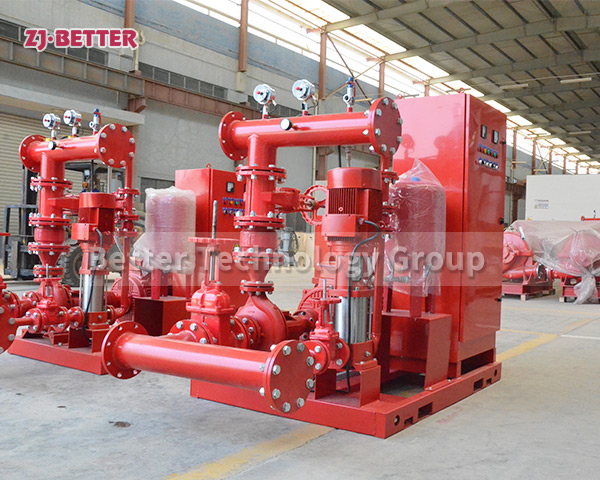
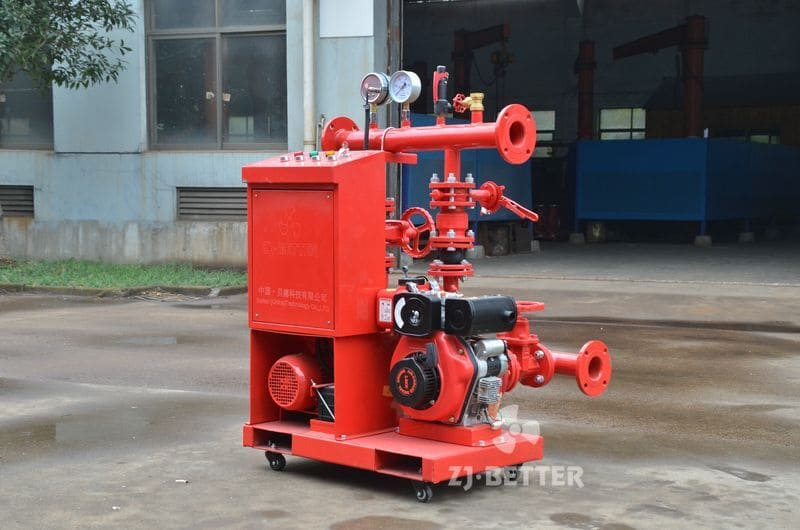
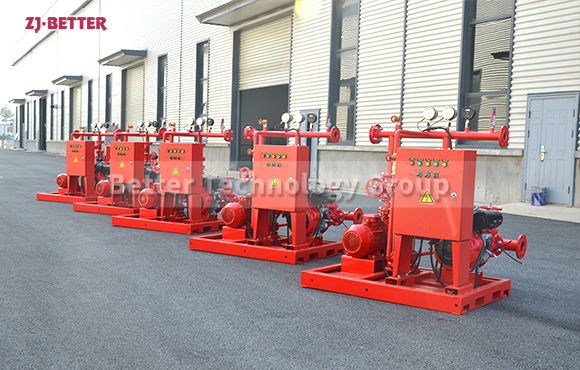
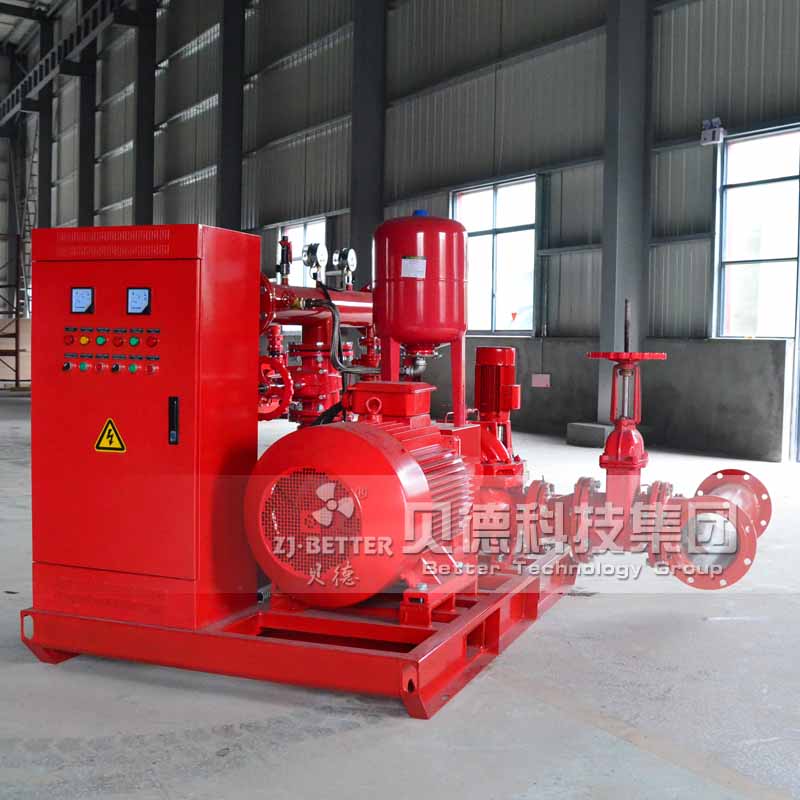
The integrated diesel fire pump station package comprises a diesel fire pump, control cabinet, jockey pump, pressure components, and inlet/outlet piping; it supports flexible configurations for flow rate, head, and power, making it suitable for industrial, warehousing, and large-scale fire water supply projects.
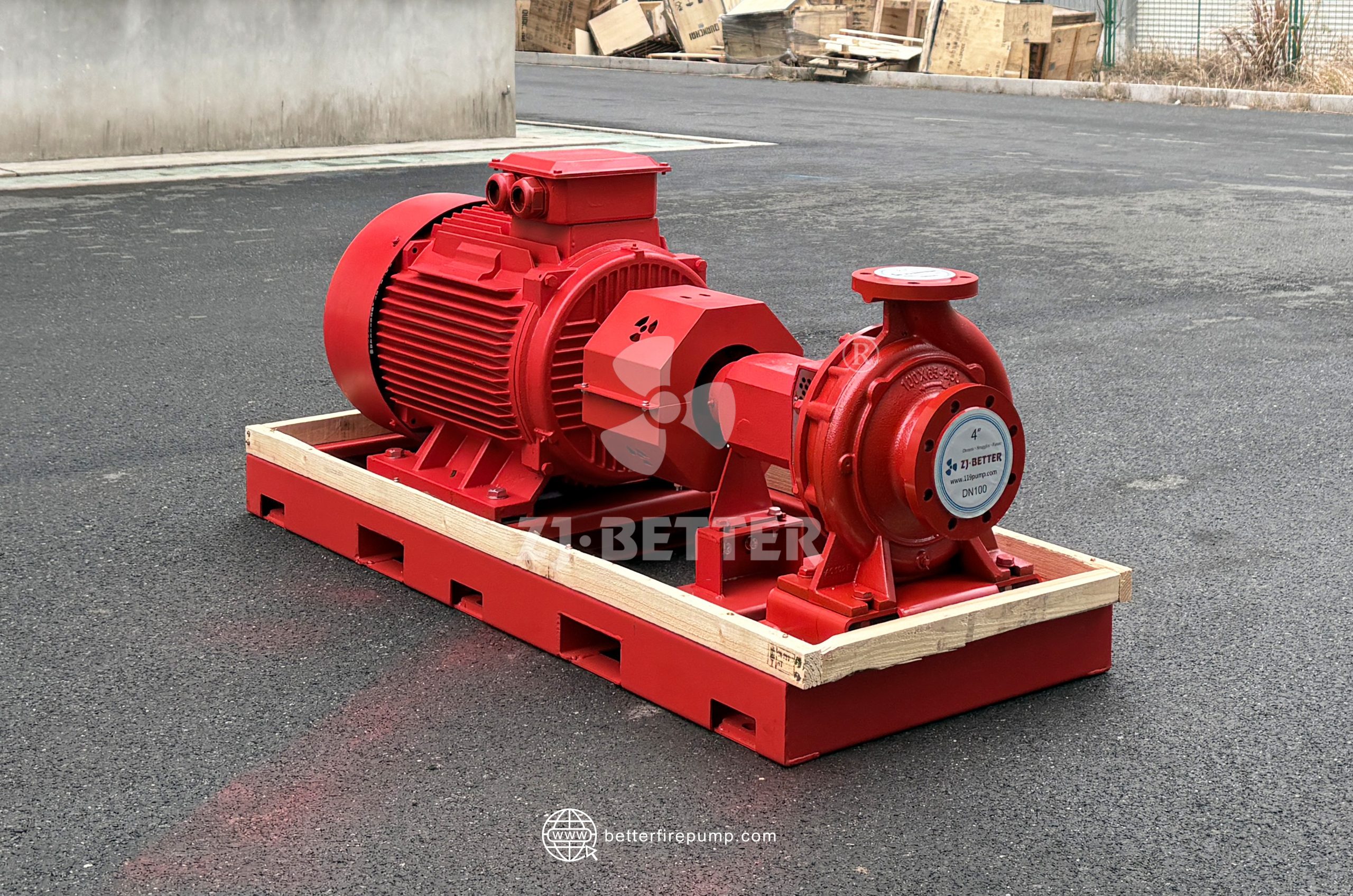
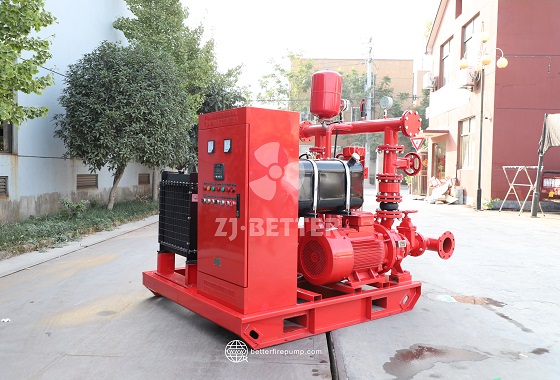
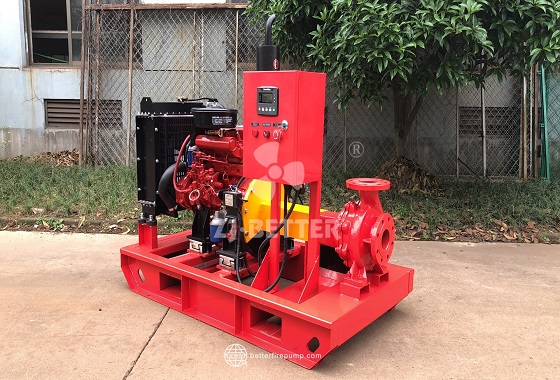
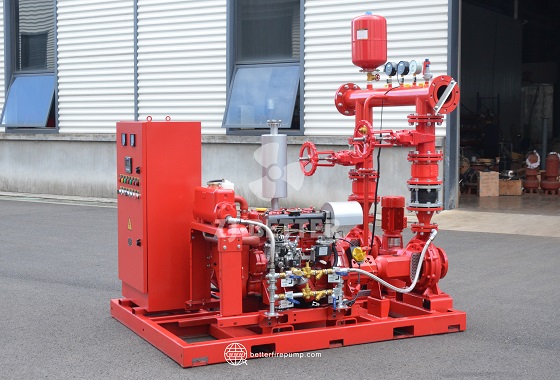
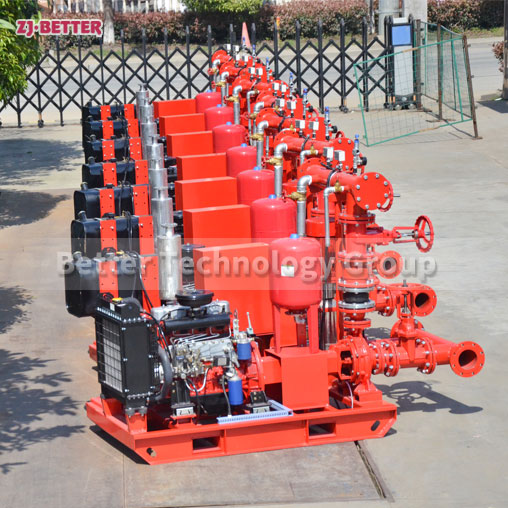
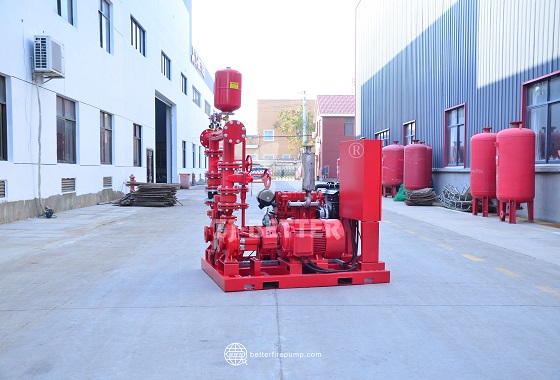
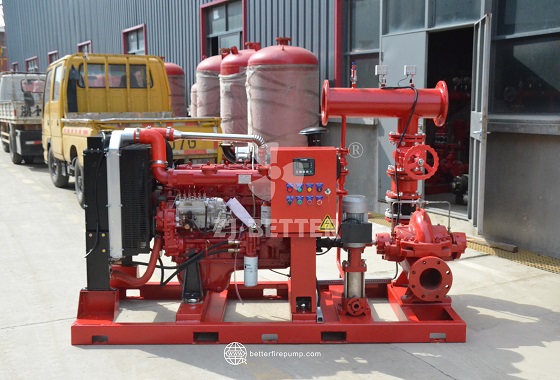
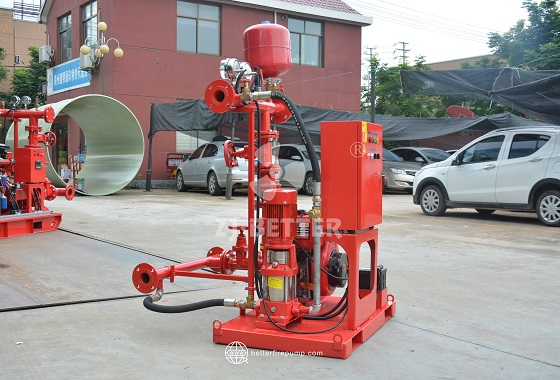
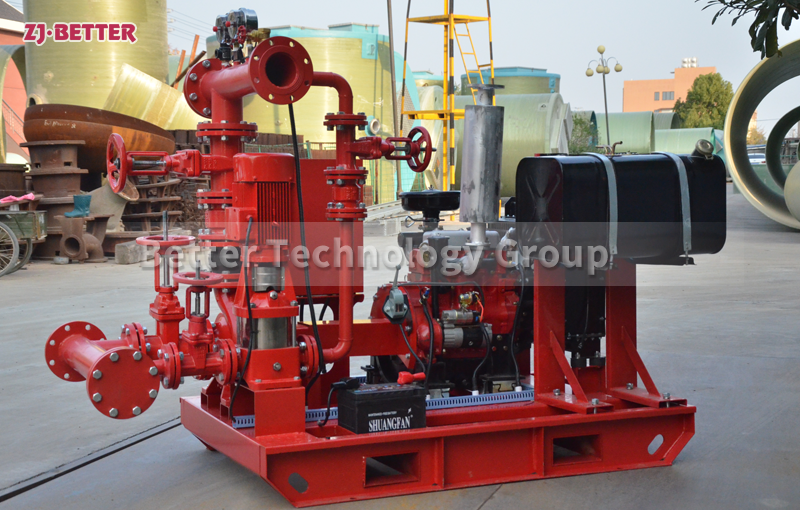
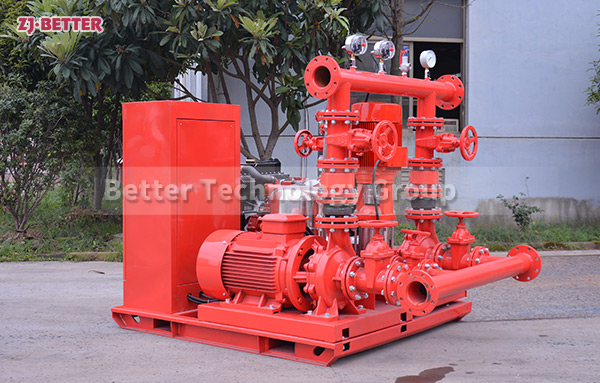
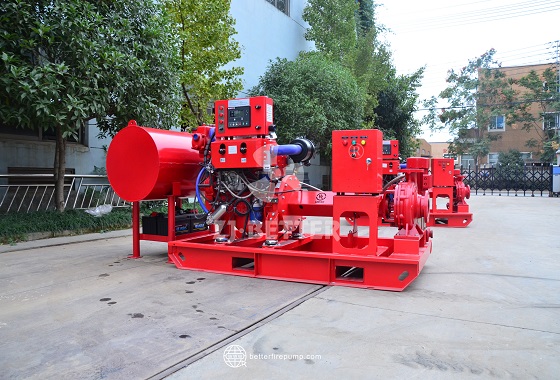
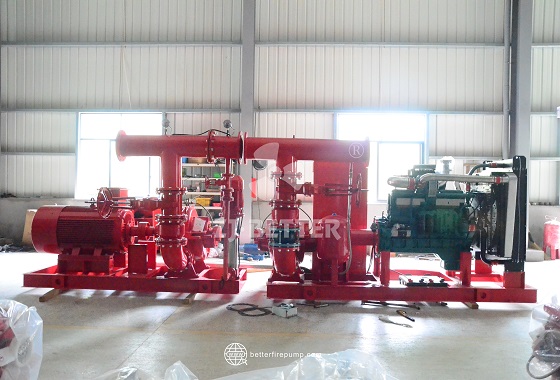
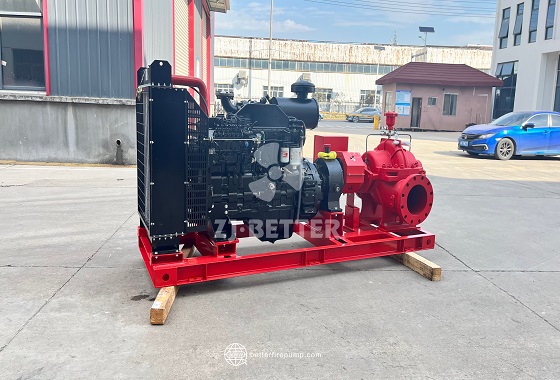
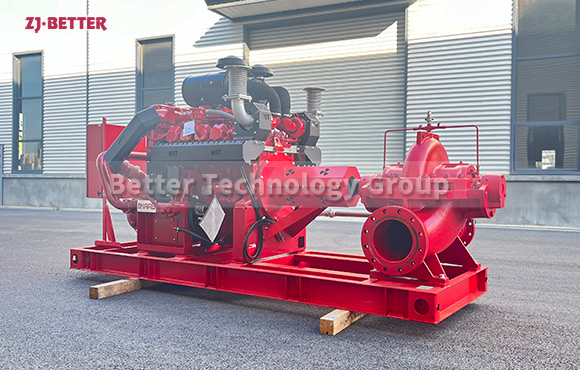
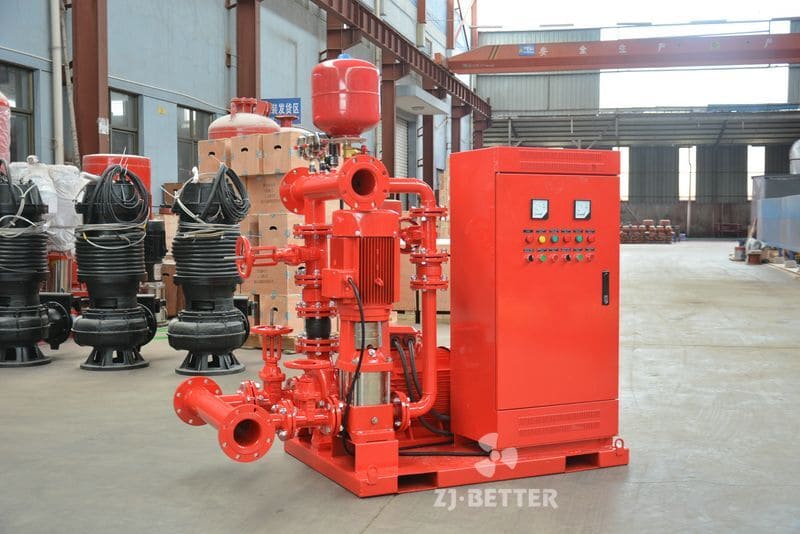
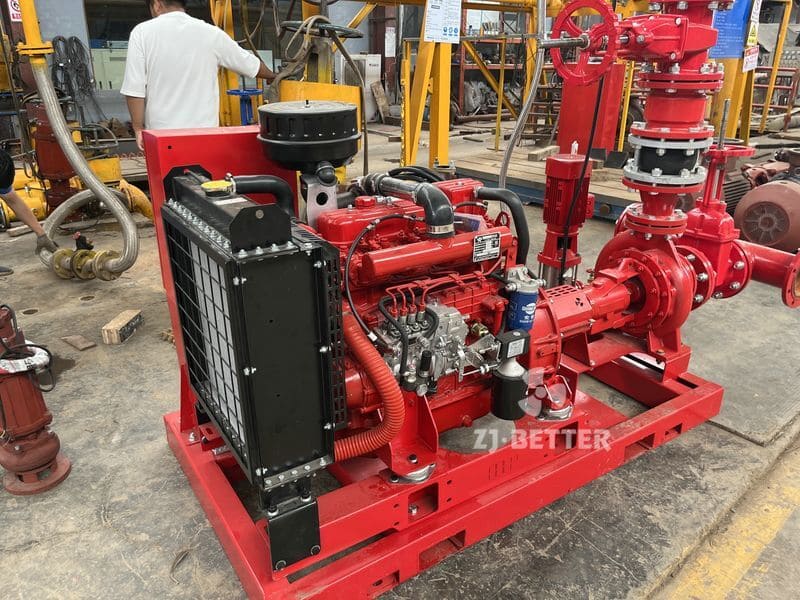
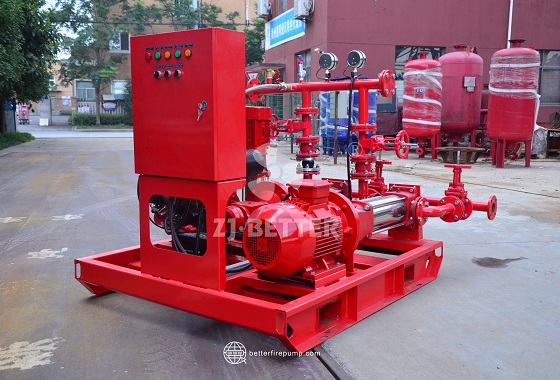
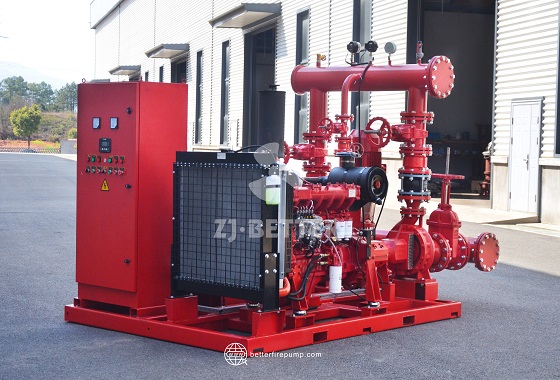
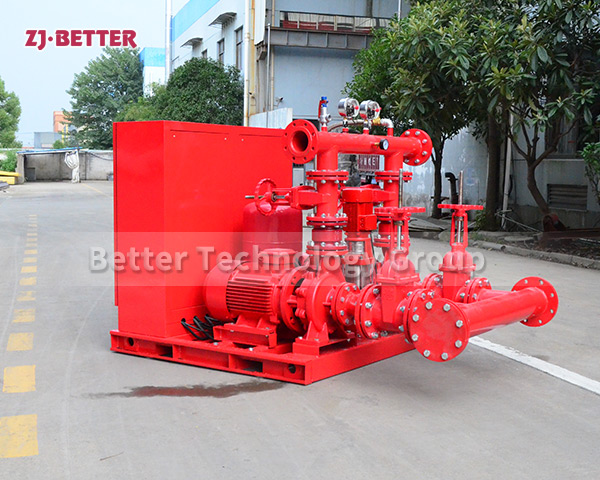
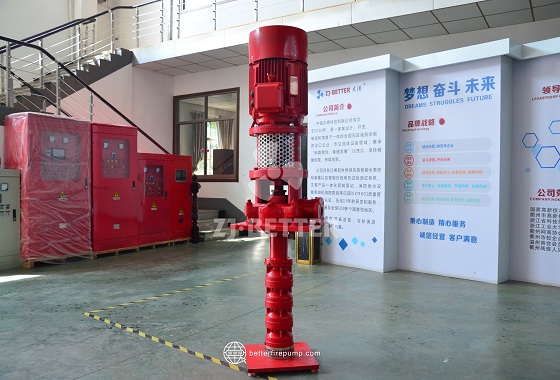
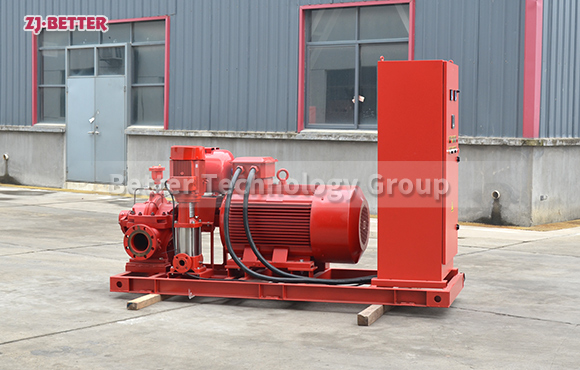
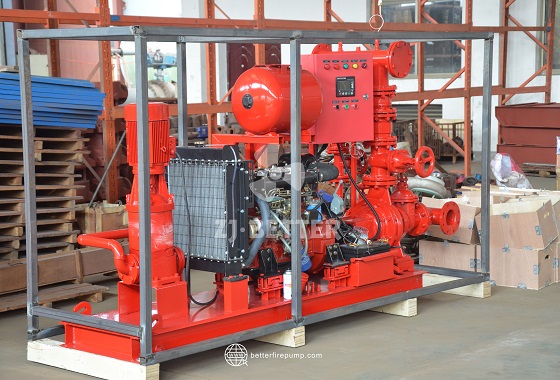
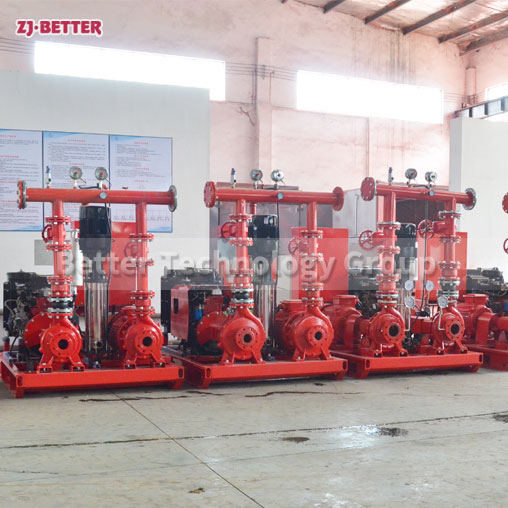
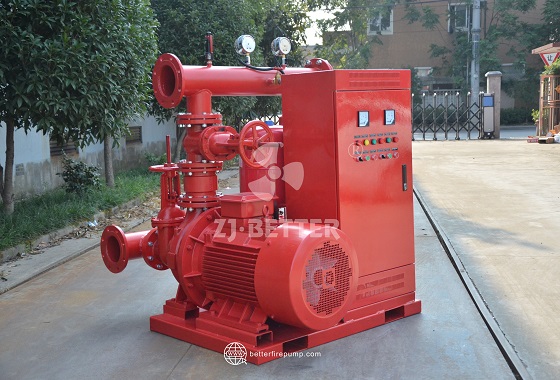
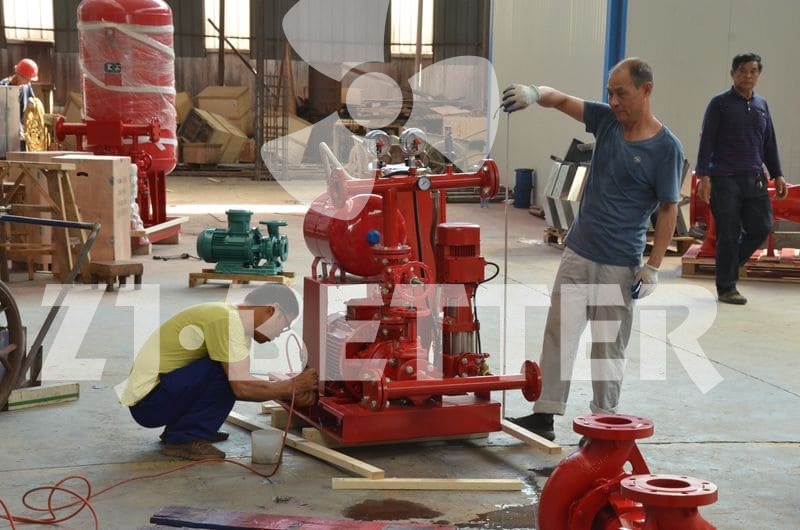
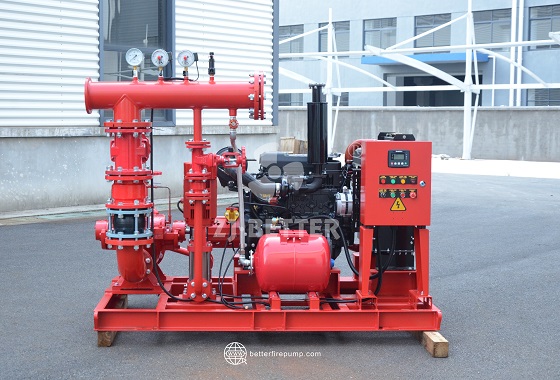
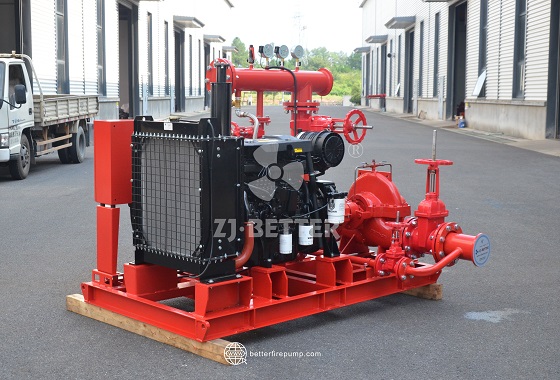
The diesel fire pump station package is an integrated system designed for fire water supply applications. It consolidates components—such as the diesel engine, fire pump, control cabinet, pressure-stabilizing assembly, pressure detection devices, valves, and inlet/outlet piping—onto a single common base, creating a comprehensive fire pumping and control unit. The fire pump and power system can be specifically selected based on the project’s requirements for flow rate, head, pressure, and pipe diameter, ensuring the equipment is optimally matched to the actual fire protection piping network. Official product specifications indicate that the package may include a diesel fire pump, jockey pump (pressure-stabilizing pump), pressure vessel, pressure gauges, pressure sensors, check valves, gate valves, flexible joints, and shared piping, with a control system managing manual or automatic operation. A key feature of this equipment is its independent diesel power source; the diesel engine directly drives the fire pump, serving as a backup power option for the fire water supply system and offering excellent adaptability in environments requiring independent power support. As the core hydraulic component, the fire pump pressurizes and delivers fire-fighting water; various configurations—such as end-suction pumps, horizontal split-case (double-suction) pumps, vertical multistage pumps, vertical in-line pumps, and vertical turbine pumps—can be selected based on specific project flow and head requirements. The control cabinet manages the operation of the diesel engine, fire pump, and associated pressure-stabilizing equipment, enabling automatic control via pressure detection signals. It displays operational status, engine parameters, and alarm information, while incorporating protective functions (such as overcurrent and overload protection) to keep operators informed of the equipment’s condition. The package utilizes a unified base and centralized layout to integrate power units, pumping equipment, pressure components, and piping accessories; this design minimizes on-site installation work and facilitates transportation, positioning, piping connections, and future maintenance. Components such as shared inlet/outlet piping, gate valves, check valves, pressure gauges, and pressure sensors are configured according to the system design, establishing a complete hydraulic connection system for fire protection. To maintain daily pressure in the fire protection piping network, a pressure-maintaining pump and a pressure vessel can be installed; this setup uses low-flow pressure replenishment to minimize the impact of pressure fluctuations on the main fire pump, thereby keeping the system at a relatively stable pressure level during non-fire conditions. The specifications and set pressure of the pressure vessel should be determined based on the fire pump’s head and system design parameters, rather than relying on fixed values. Regarding performance specifications, these integrated fire pump systems can be configured to meet diverse project requirements—covering various ranges for flow rate, head, pipe diameter, and power output; for instance, official data indicates flow ranges of 30–9,000 GPM and head ranges of 3–20 bar, with power ratings for diesel and electric pumps adjustable by model, and pressure-maintaining pumps offering corresponding performance ranges. Final equipment selection should take into account fire protection design parameters, network resistance, required pressure, and on-site installation conditions. In terms of application, these integrated diesel fire pump stations are suitable for fire water supply in sectors such as warehousing, terminals, airports, petrochemicals, power generation, liquefied gas, textiles, marine operations, and large-scale industrial facilities. For projects requiring centralized power, pumping, pressure monitoring, and control functions, a skid-mounted, all-in-one structure reduces redundant on-site interconnections and simplifies system integration. Furthermore, the equipment configuration is flexible; the fire pump type, diesel engine power, pressure-maintaining pump specifications, pressure vessel capacity, and control methods can be adjusted to meet specific system requirements for flow, head, and pressure. Overall, by integrating core fire water supply functions—including the fire pump, diesel power unit, control cabinet, pressure components, and auxiliary piping—into a single, unified unit, these diesel fire pump stations balance parameter matching with ease of installation, operational management, and project adaptability, serving as a comprehensive solution for fire water supply systems in industrial and large-scale building projects.