Electric and Diesel Fire Pump System with Integrated Components for Simplified Pump Room Layout
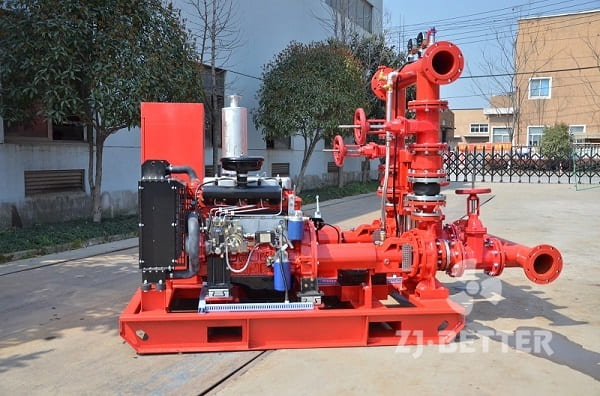
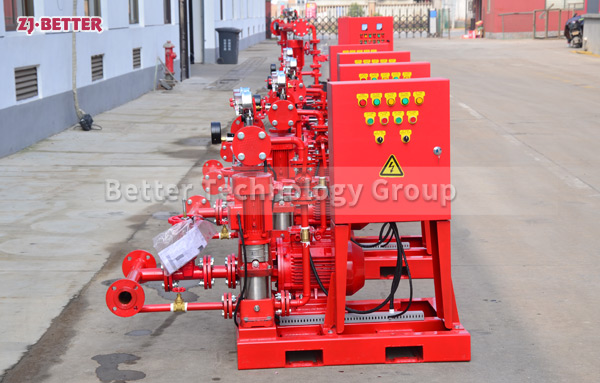
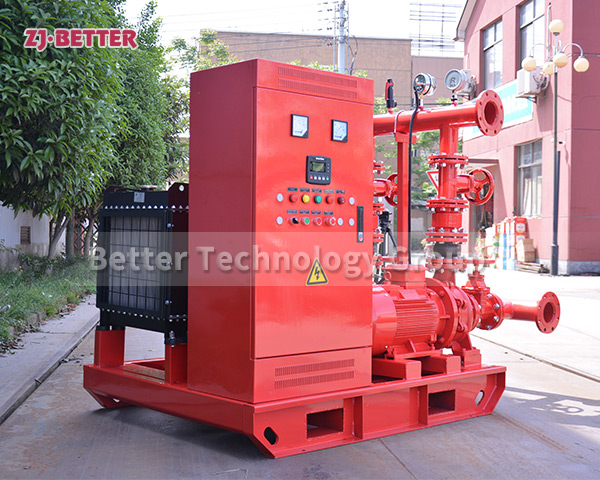
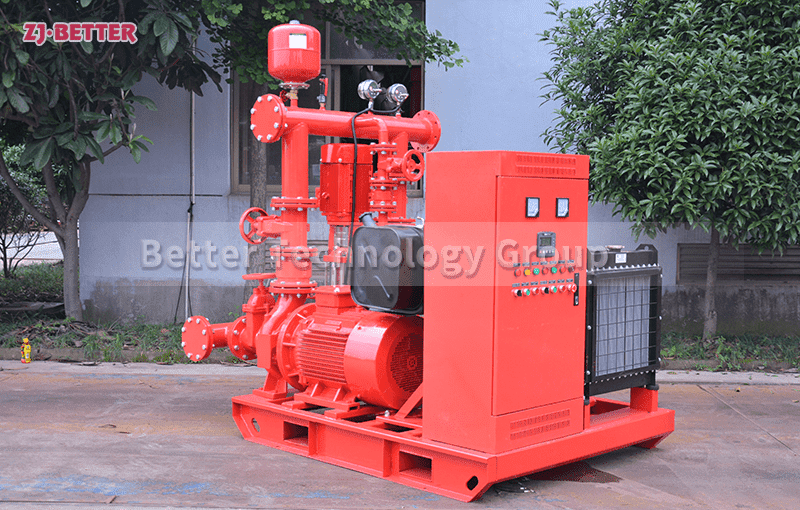
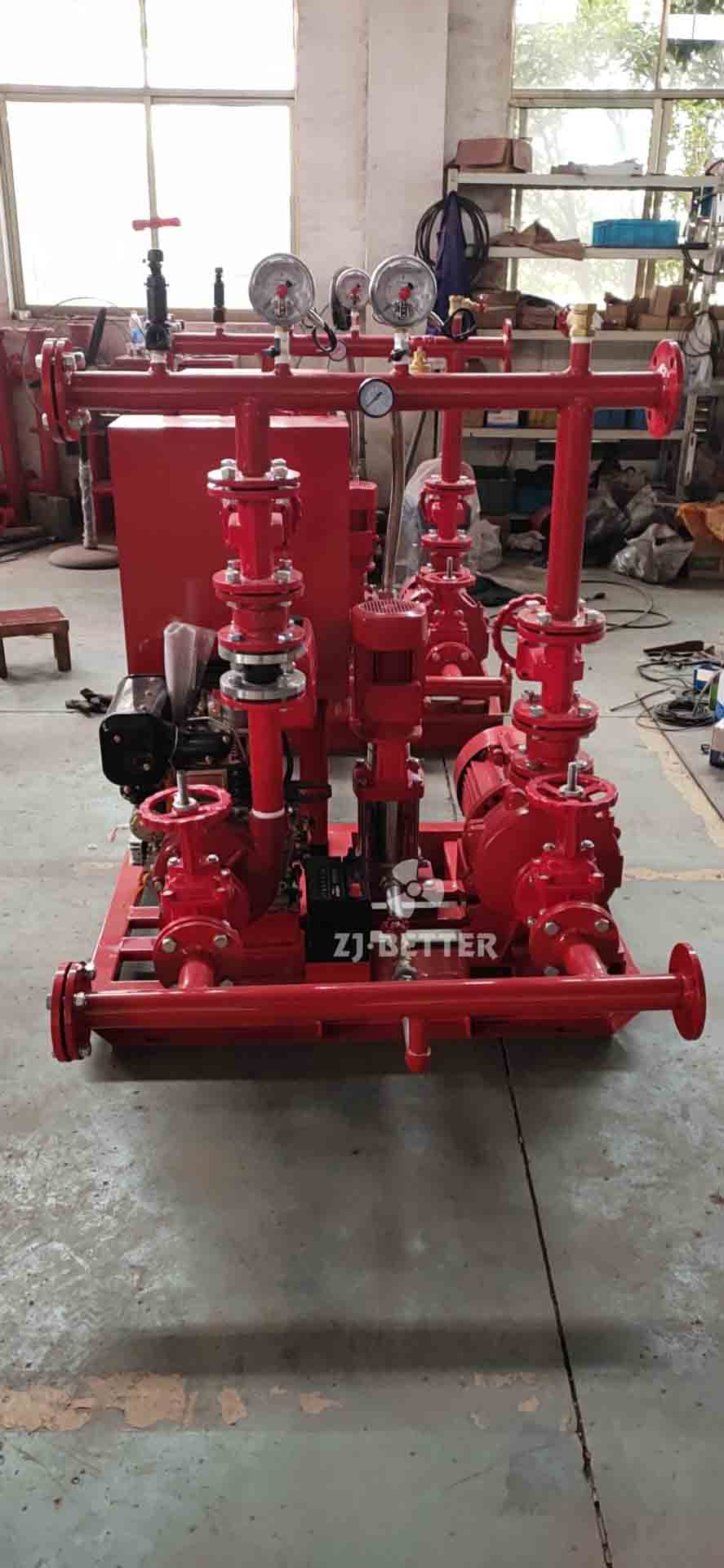
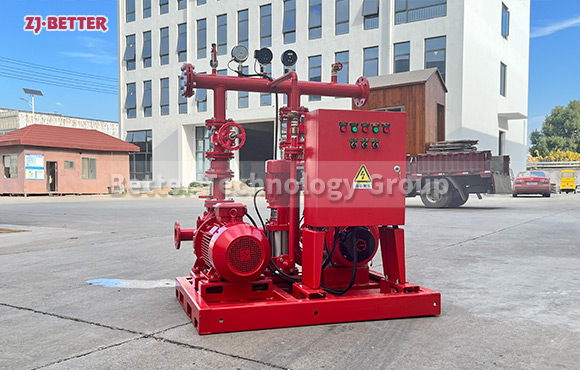
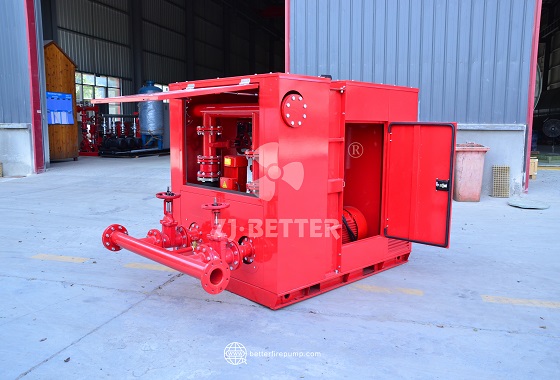
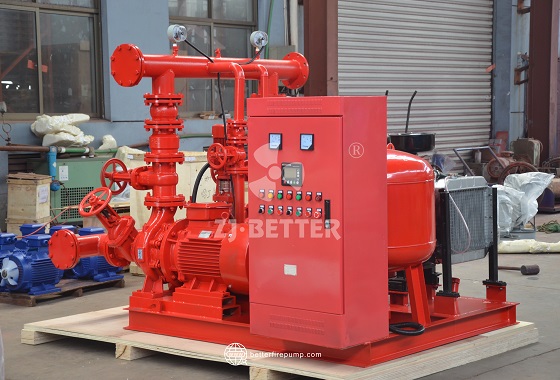
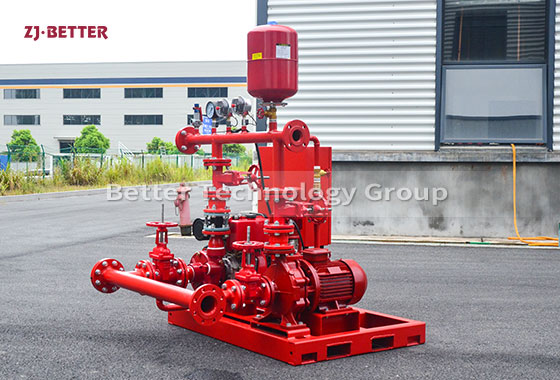
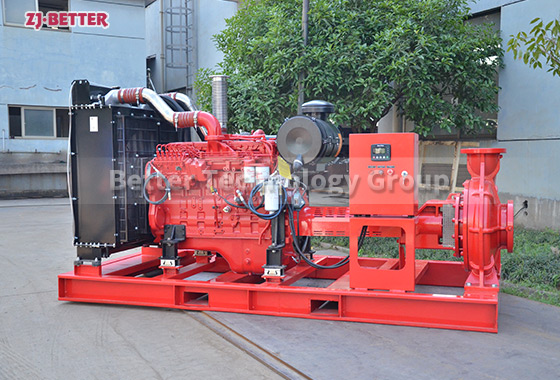
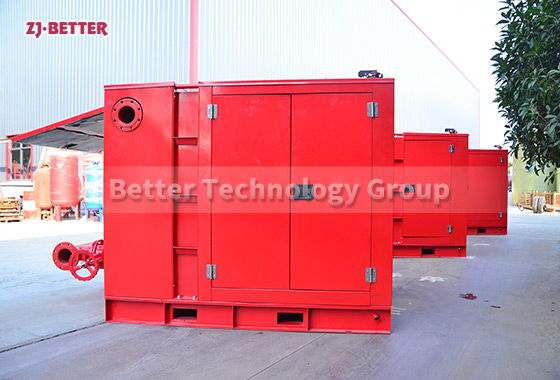
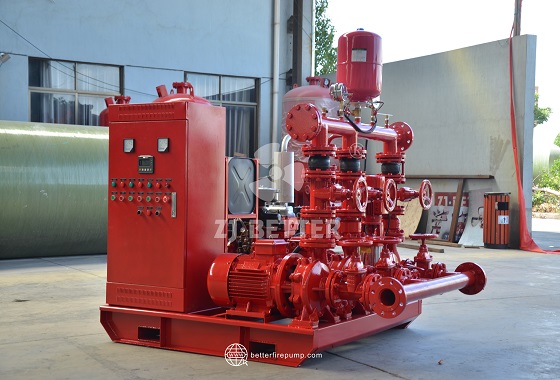
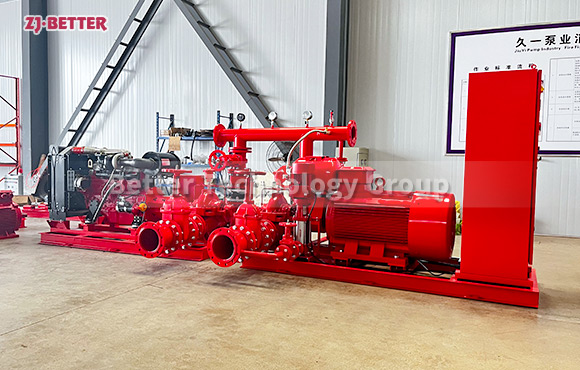
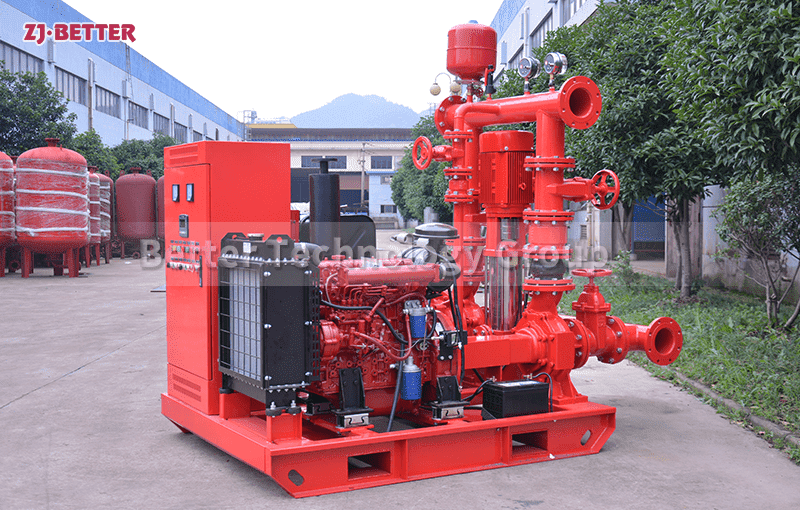
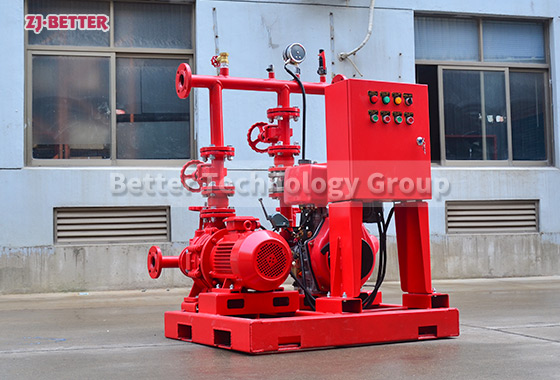
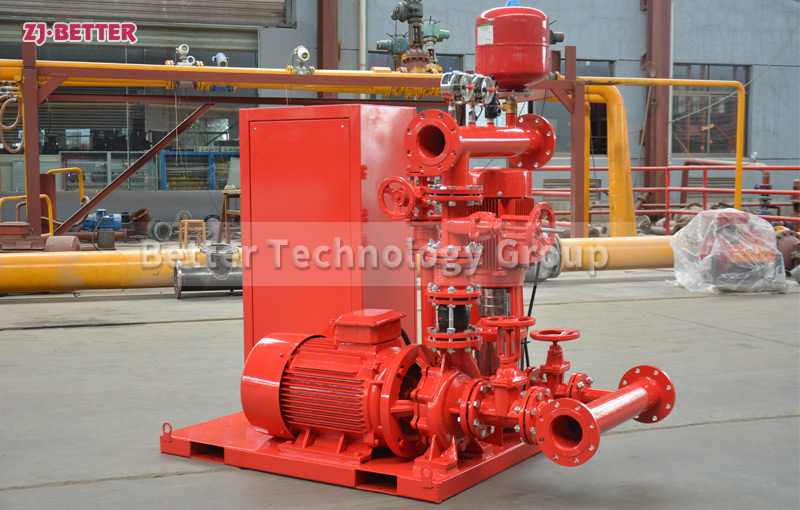
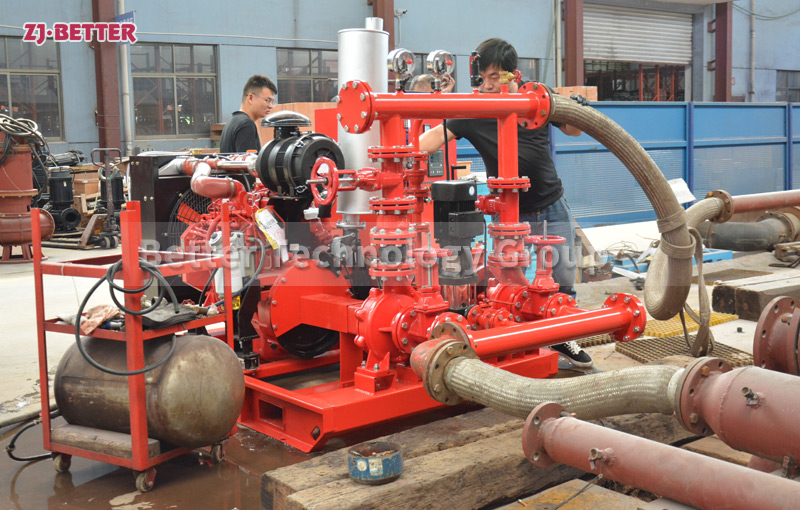
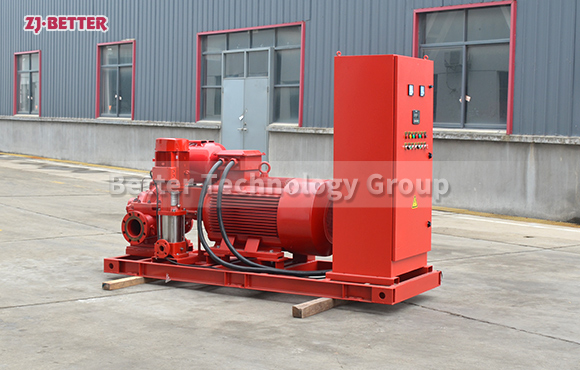
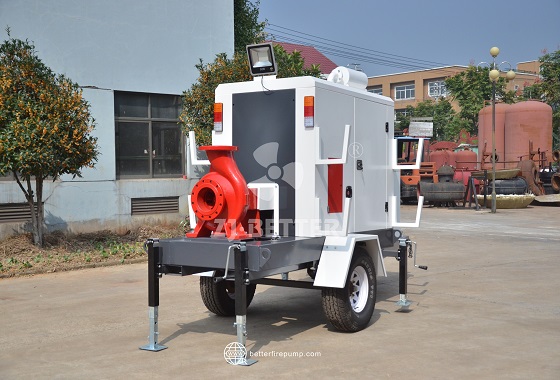
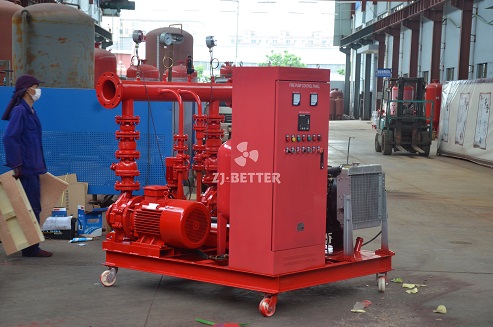
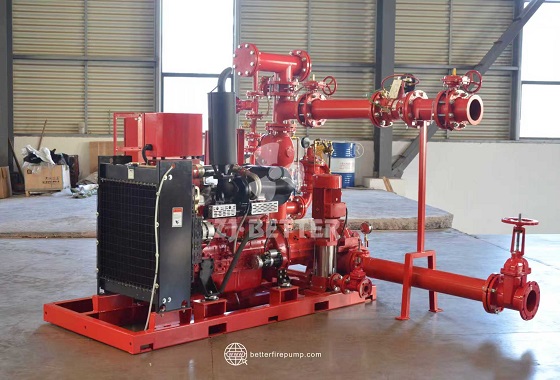
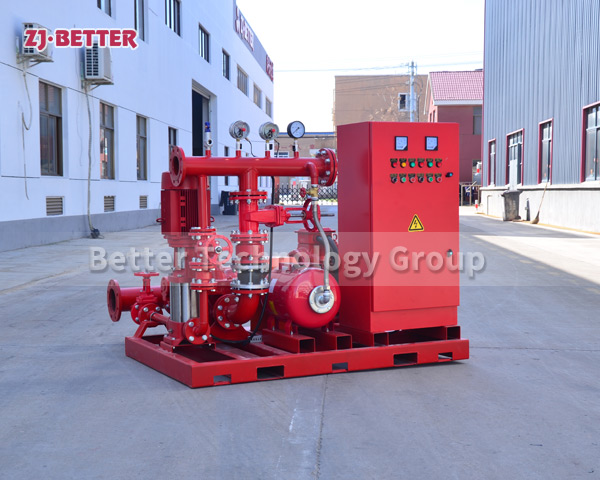
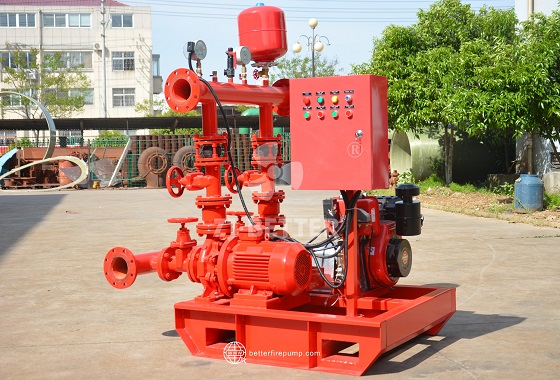
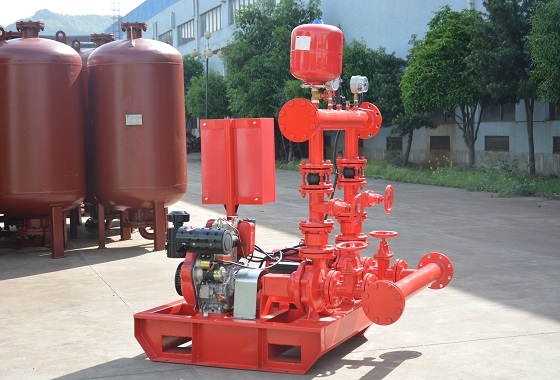
The electric-diesel fire pump system integrates an electric main pump, a diesel backup pump, a jockey pump, a control cabinet, a pressure tank, and piping accessories. Featuring a skid-mounted design, it optimizes the layout of the fire pump room and meets the requirements of various fixed fire water supply systems.
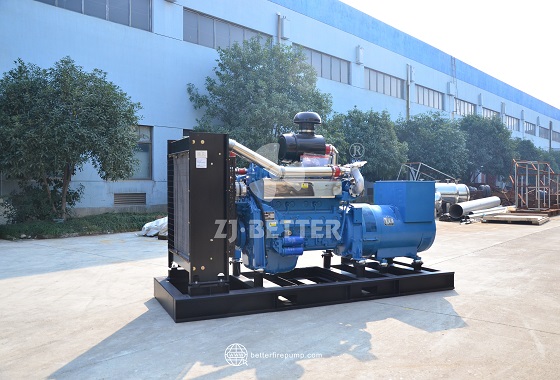
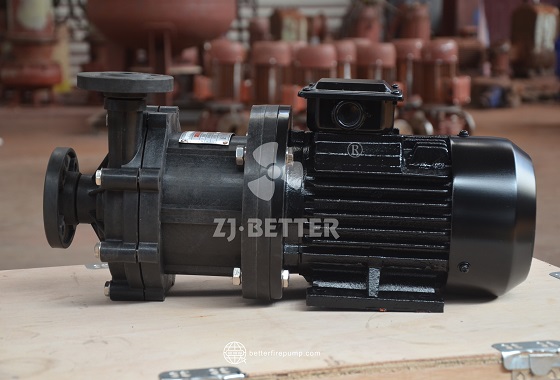
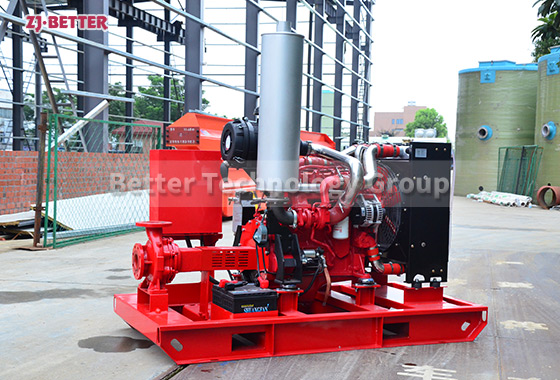
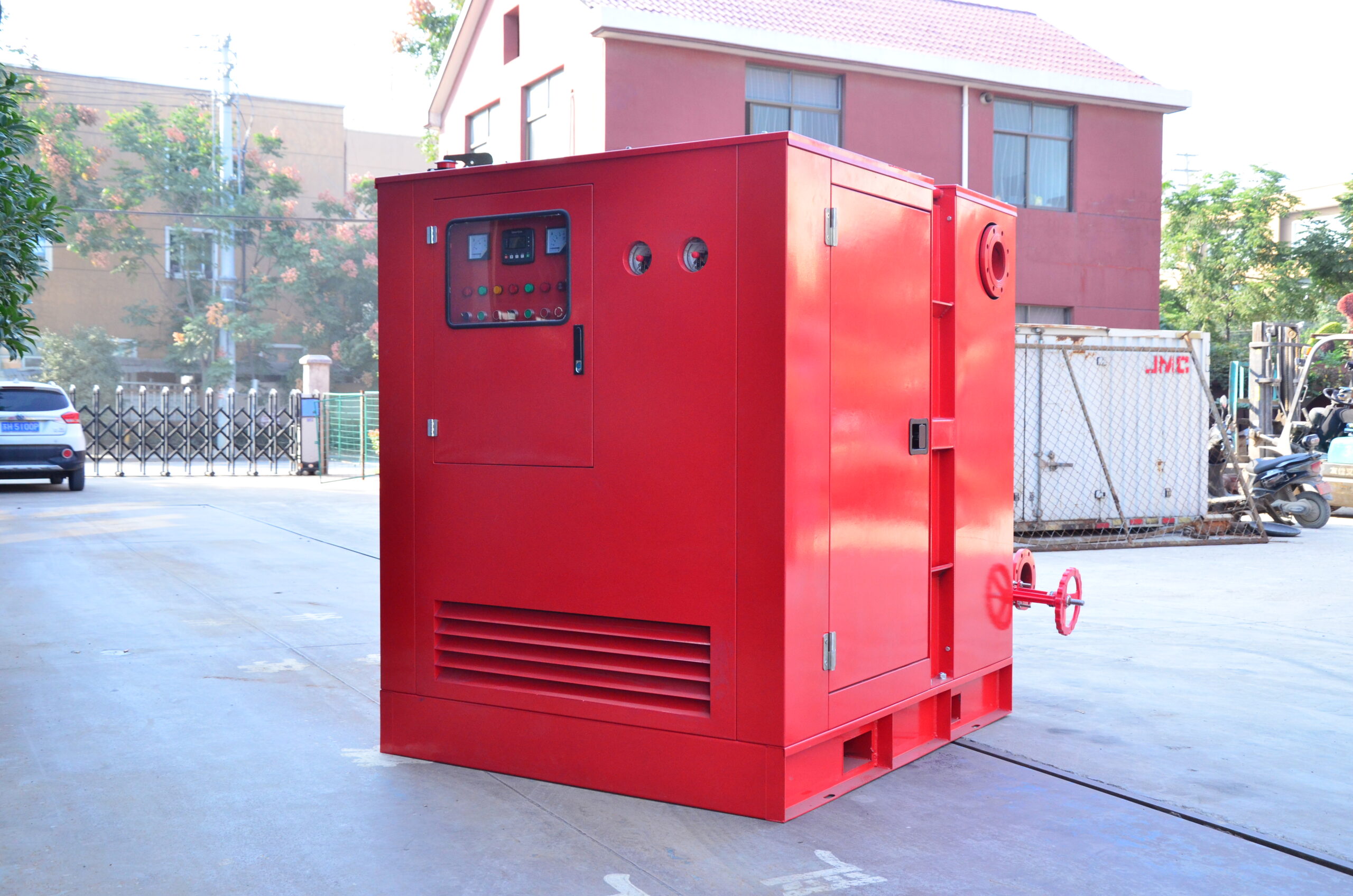
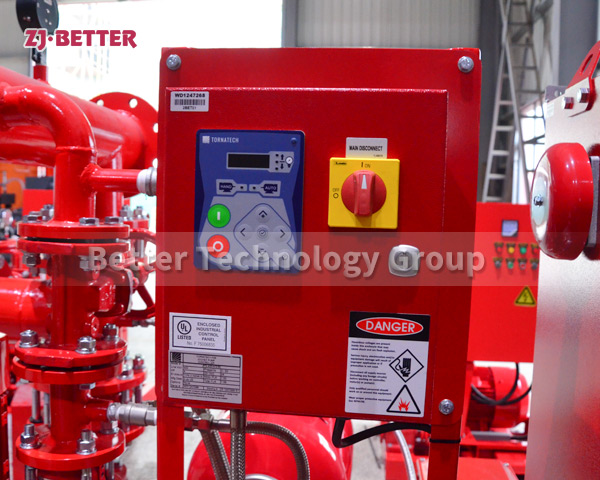
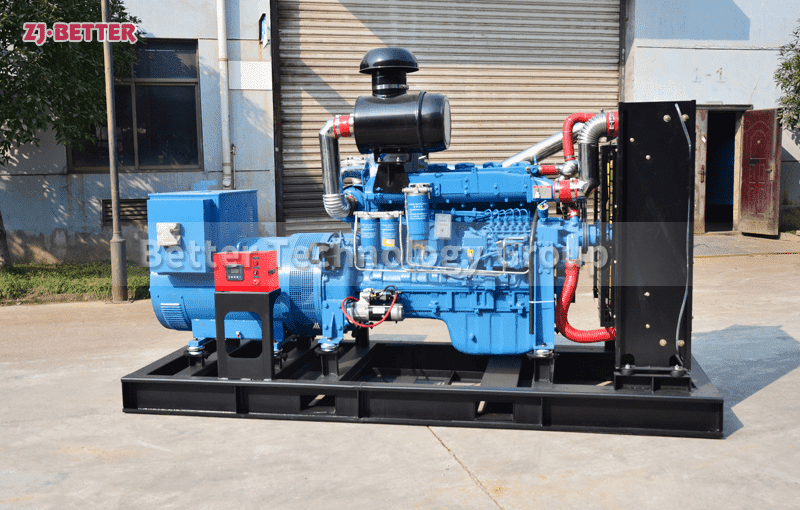
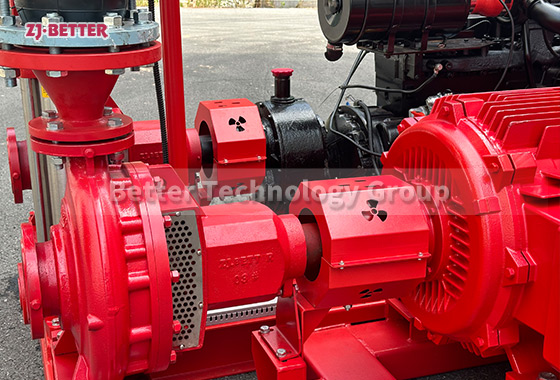
The electric-diesel fire pump system is an integrated fire water supply unit mounted on a common base, comprising a main electric pump, a diesel backup pump, a jockey pump, a control cabinet, a pressure tank, valves, and piping accessories. By consolidating these functional components, the system meets fire water supply performance requirements while minimizing the footprint associated with dispersed equipment installation; it is suitable for industrial plants, logistics warehouses, commercial buildings, airports, terminals, petrochemical facilities, power plants, and other fixed fire water supply applications. The system utilizes a hybrid power configuration combining an electric main pump and a diesel backup pump; the electric pump handles routine fire water supply duties, while the diesel pump serves as a backup power source, providing independent supply capability when needed and allowing for flexible configuration based on specific project power conditions. The jockey pump maintains daily pressure within the fire piping network by compensating for pressure fluctuations with low flow and high head; this prevents the main fire pump from starting frequently due to minor pressure changes during standby, thereby ensuring network stability. The integrated common-base design—grouping the main pump sets, diesel engine, control cabinet, and piping components—results in a compact, organized layout that optimizes space utilization in fire pump rooms. It also reduces the workload associated with installing multiple separate units and making repetitive piping connections, thereby enhancing construction and commissioning efficiency. The control cabinet acts as the central control unit, managing the electric main pump, diesel backup pump, and jockey pump; it integrates with pressure-sensing devices to monitor system operating pressure and includes protective features such as overload and overcurrent protection, providing clear operational status monitoring and facilitating daily management. Accessories such as pressure tanks, gauges, sensors, check valves, gate valves, flexible joints, flanges, and common suction/discharge piping can be configured to meet specific project requirements, creating a cohesive fire water supply unit and simplifying on-site piping layouts. Suitable pump models—such as end-suction, single-stage, horizontal split-case, or multi-stage pumps—can be selected for the electric main pump and diesel backup pump based on actual flow rate, head, installation conditions, and fire protection system design requirements. Materials and power configurations can be tailored to specific operating conditions to meet the parameters of fire protection piping networks of various scales. Depending on product specifications, these integrated fire pump systems offer flow rates ranging from approximately 30 to 9,000 GPM and pressures from 3 to 20 bar; power ratings, rotational speeds, and pipe diameters can be matched to project requirements, enabling the system to serve applications ranging from building fire protection to water supply for large-scale industrial facilities. The dual-power configuration (electric and diesel) enhances flexibility in equipment selection, allowing engineers to choose the right setup based on on-site power supply conditions, fire water demand, and system pressure requirements. The integrated design optimizes equipment layout within the pump room and facilitates transportation, installation, commissioning, and maintenance; personnel can inspect the pump units, engines, control cabinets, valves, and pressure gauges in a centralized area, thereby simplifying maintenance operations. Through the strategic configuration of the electric main pump, diesel backup pump, and jockey pump, the system addresses needs such as routine pressure maintenance, primary fire water supply, and backup power operation, ensuring stable water delivery for various fixed fire protection systems. This equipment combines the characteristics of a complete, modular, and multi-power system. Given the variations in building height, fire water demand, network resistance, and design pressure across projects, the specific pump model, flow rate, head, power configuration, and piping layout must be determined based on the parameters of the actual fire protection system to ensure optimal fire water supply performance.