Containerized Fire Pump Equipment — Self-Contained Enclosure for Large-Scale Fire Protection Systems
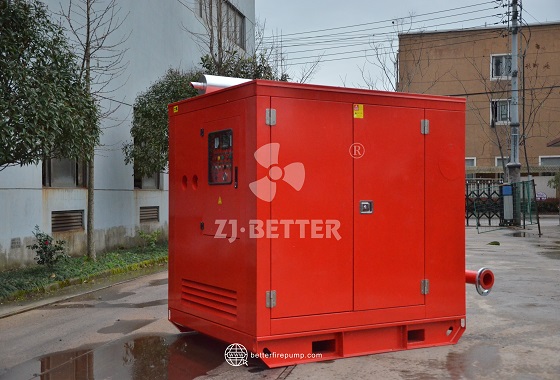
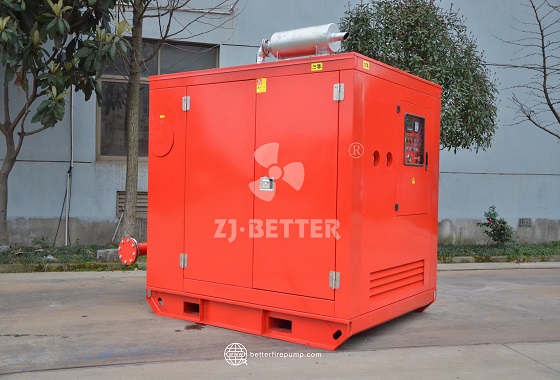
Containerized fire pump equipment features an enclosed, integrated design that houses fire pumps, power units, control systems, and auxiliary piping. Characterized by a compact layout, ease of transport and installation, convenient maintenance and management, and flexible configuration, this equipment is well-suited for fire water supply systems in industrial parks, warehousing and logistics facilities, energy infrastructure, and large-scale buildings.
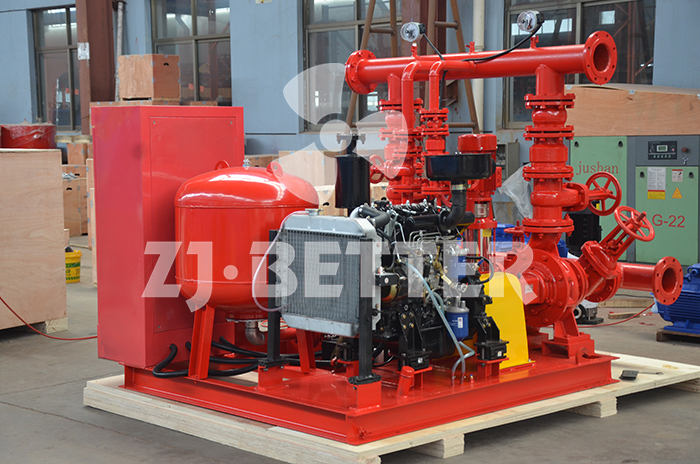
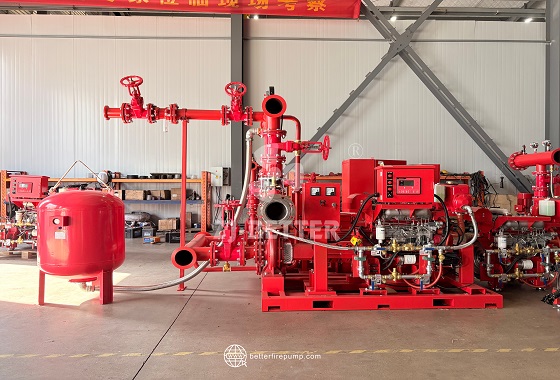
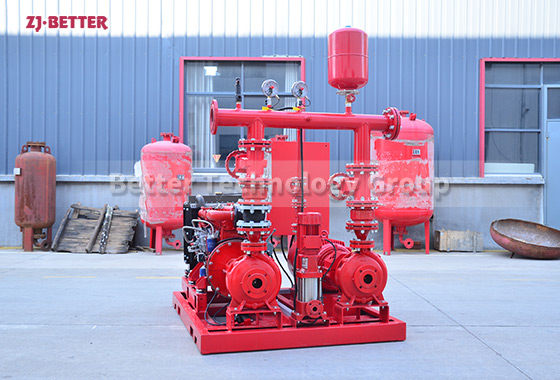
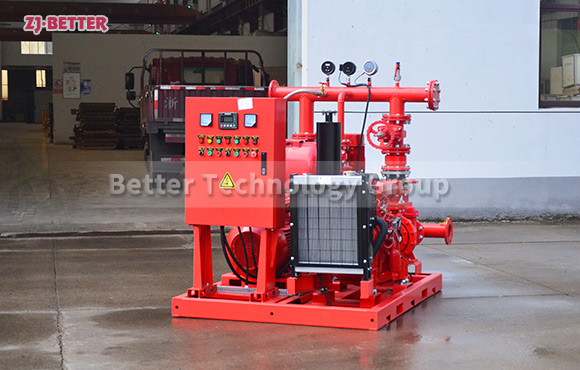
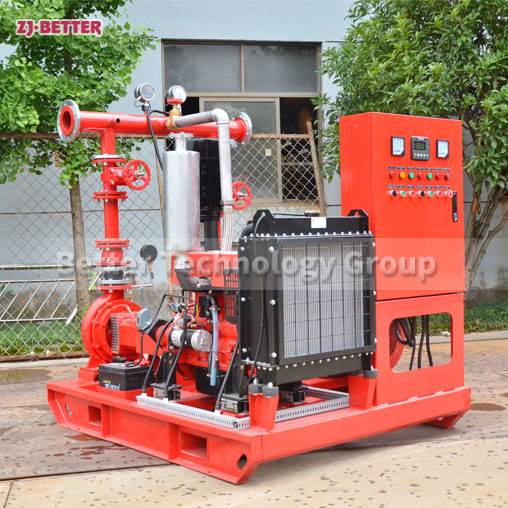
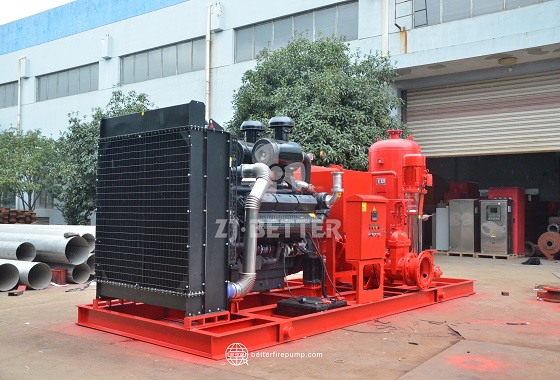
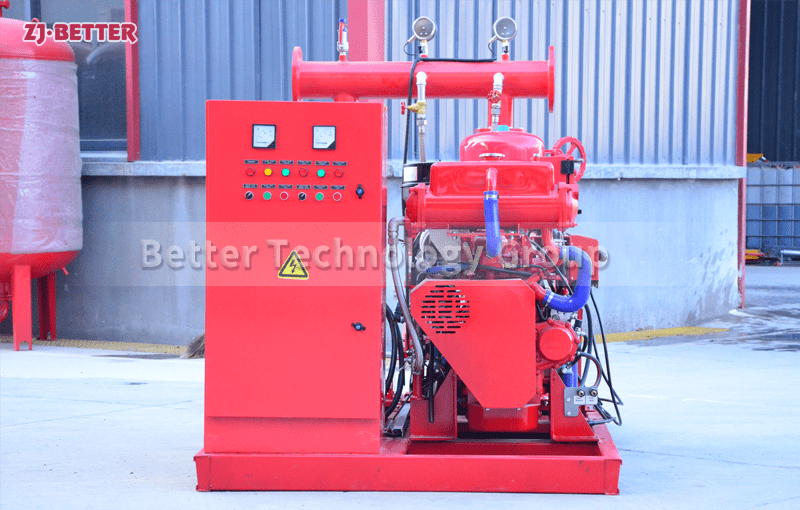
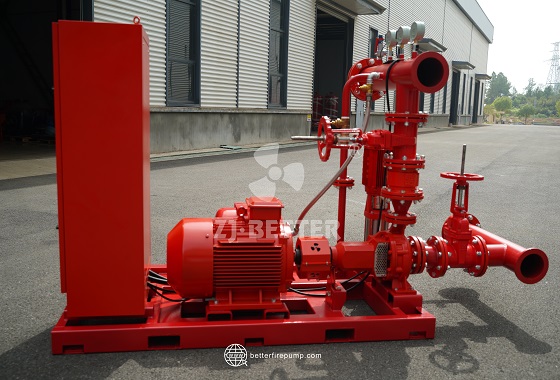
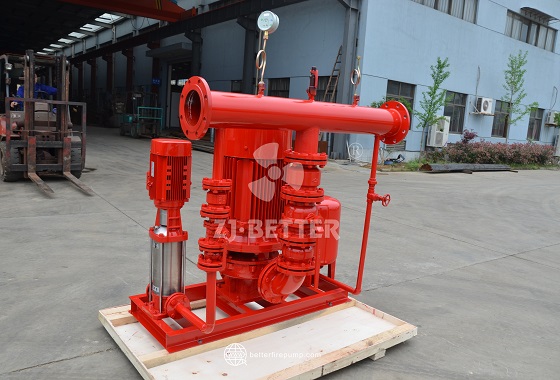
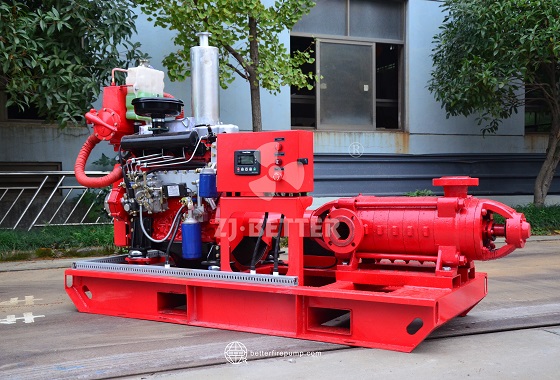
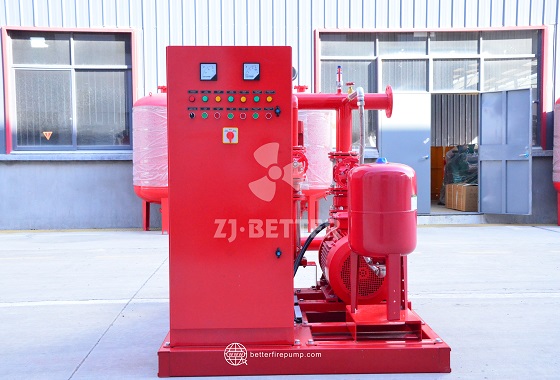
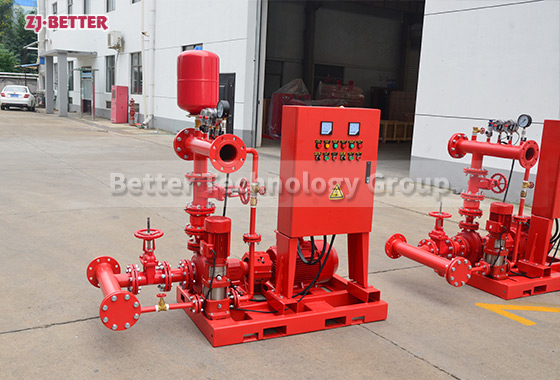
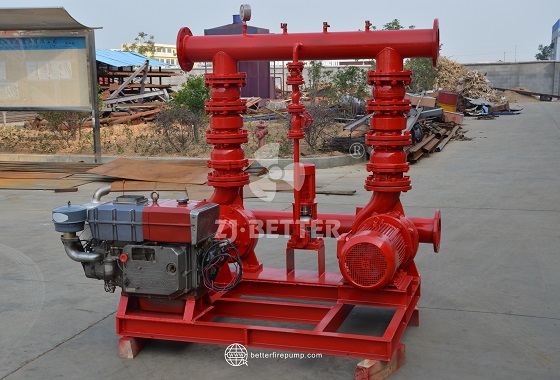
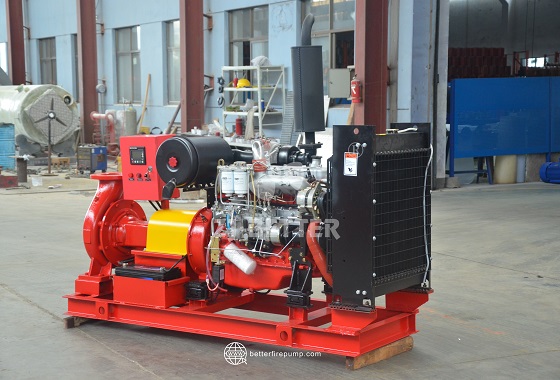
Containerized fire pump equipment is an integrated fire water supply system in which fire pumps, power units, control systems, and related auxiliary components are housed within an enclosed container. It is well-suited for fire water supply projects in industrial parks, warehousing and logistics centers, energy facilities, ports, and large-scale buildings. Unlike traditional fire pump rooms—where equipment is often installed in a dispersed manner—this containerized design consolidates key components into a self-contained unit. This optimizes on-site equipment layout and reduces the coordination efforts typically required for decentralized installations. The container features an integrated design that can be customized to project specifications, incorporating electric fire pumps, diesel-driven fire pumps, standby pumps, jockey pumps (pressure-maintenance pumps), control cabinets, valves, pressure gauges, and interconnecting piping—ensuring a well-coordinated configuration of power, pumping, and control systems. The specific setup can be tailored to meet project-specific requirements regarding flow rate, head, operating pressure, and power source. The enclosed container provides a dedicated, protected space for the internal equipment, shielding it from direct exposure to the external environment; furthermore, it can be equipped with ventilation, cooling, and other auxiliary systems to optimize the operating environment based on local climate conditions. Access doors are provided on the sides of the container, allowing personnel to enter the unit for routine inspection and maintenance of pumps, motors (or diesel engines), control cabinets, and piping components. The logical internal layout not only clarifies the interconnections between components but also facilitates future maintenance, parts replacement, and overall system management. Utilizing a pre-integrated approach, the primary equipment is installed and tested at the factory before shipment. On-site, the process is streamlined to include foundation positioning, connection of inlet and outlet piping, electrical wiring, and system commissioning—thereby minimizing on-site assembly work and enhancing the convenience of project implementation. This configuration is particularly valuable for projects with limited space, constraints on constructing traditional pump rooms, or a need for a centralized fire water supply setup. The flow rate and head of a fire pump are critical parameters that determine a system’s water supply capacity. Selecting the appropriate equipment requires a comprehensive assessment of factors such as required fire-fighting water volume, pipeline network resistance, supply distance, building height, and design pressure; equipment performance cannot be determined solely based on the dimensions of the enclosure. Depending on project requirements, various types of fire pumps can be installed internally, paired with either electric motors or diesel engines. The system also incorporates control and pressure-monitoring components, enabling centralized management of the equipment’s operational status. For systems utilizing a combination of main pumps, standby pumps, and jockey (pressure-maintenance) pumps, control logic can be configured in accordance with fire-safety design requirements, allowing each pump unit to perform specific tasks—such as primary water supply or the maintenance of pipeline network pressure. Prior to transport and on-site installation, it is essential to verify the enclosure dimensions, total weight, lifting requirements, transport routes, and the load-bearing capacity of the site foundation. Additionally, adequate space must be reserved for water inlet and outlet piping, electrical cabling, and maintenance access. If a diesel-powered configuration is used, the design must account for engine requirements regarding ventilation, heat dissipation, exhaust, and fuel systems; for electrically powered configurations, the site’s power supply capacity and electrical control infrastructure must be confirmed. Once in service, the pump units, control devices, valves, instrumentation, and auxiliary systems should be inspected regularly—in accordance with equipment manuals and fire-system maintenance protocols—to ensure the equipment remains in a proper state of readiness. With its enclosed structure, centralized layout, and flexible internal configuration, containerized fire-pump equipment offers an integrated water-supply solution for large-scale industrial and building fire-protection projects. It is particularly well-suited for projects that demand centralized equipment management, efficient on-site installation, and optimized space utilization. By selecting the optimal pump type, power system, and control configuration based on specific fire-safety design parameters, the entire system can be effectively tailored to meet the fire-fighting water supply needs of diverse projects.