Horizontal Electric Centrifugal Fire Pump — Standardized Design for Fire System Installation
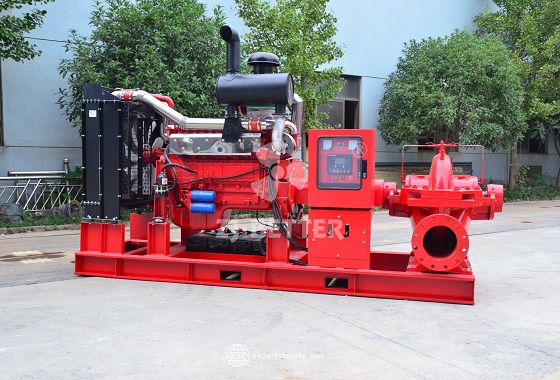
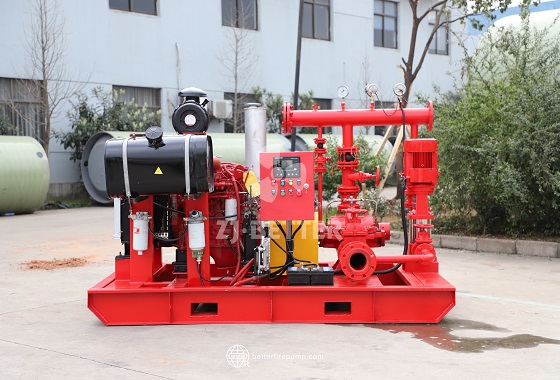
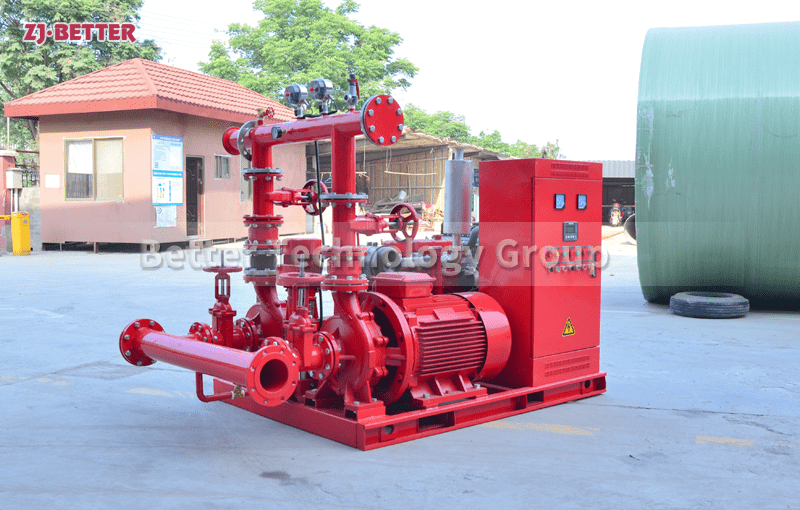
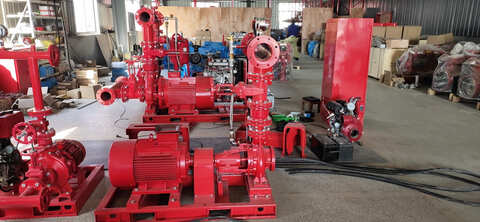
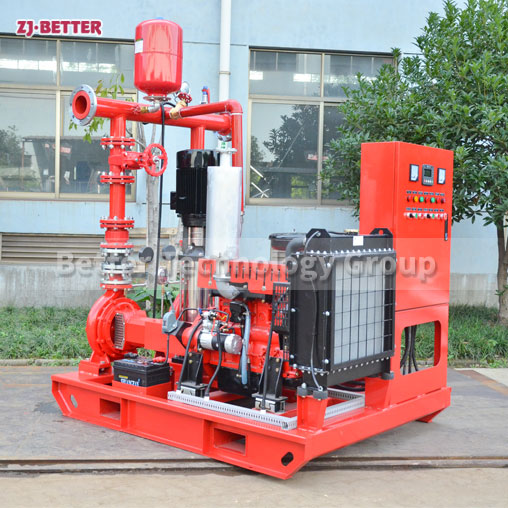
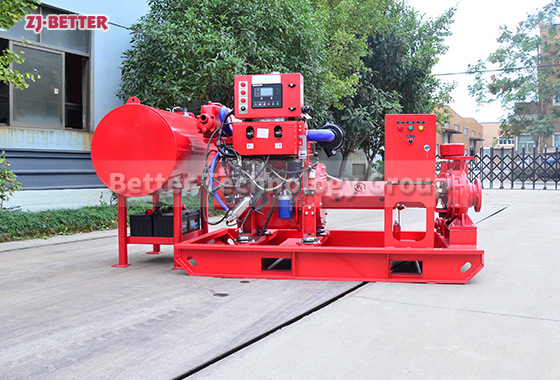
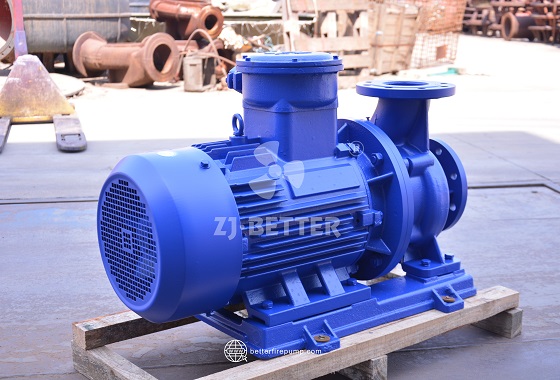
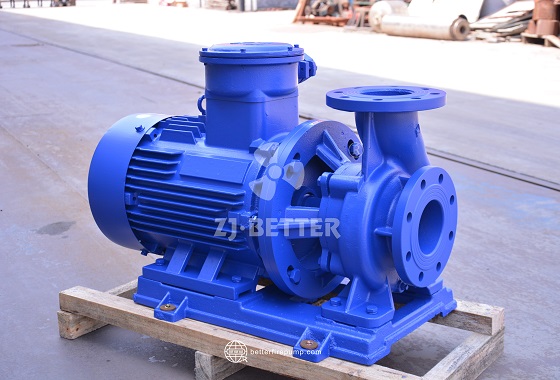
The electric horizontal centrifugal fire pump features an electric motor drive and a horizontal design. It offers advantages such as a rational layout, ease of maintenance, and a wide range of available specifications. The pump can be configured to meet specific flow rate, head, and port size requirements for fire protection systems, making it suitable for fire water supply applications in both buildings and industrial facilities.
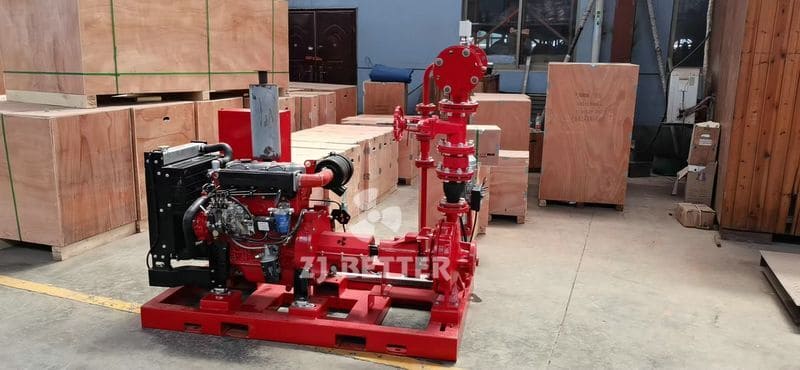
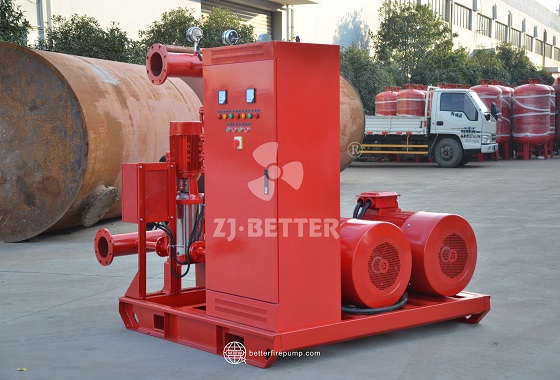
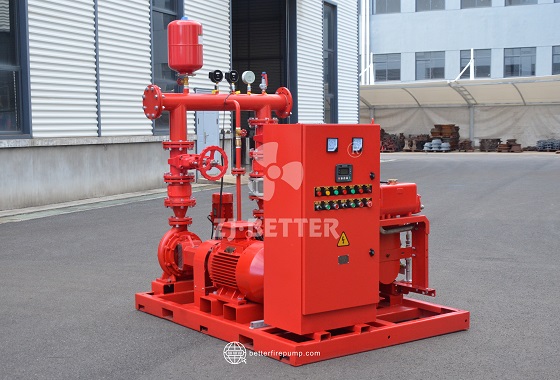
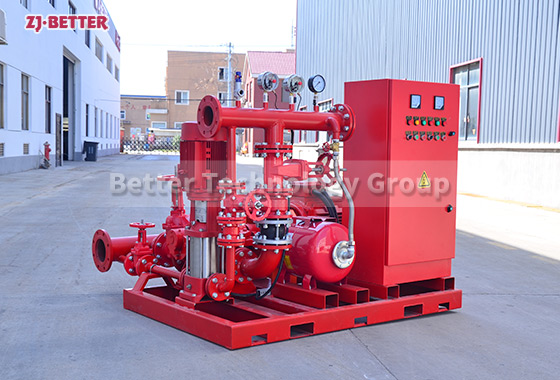
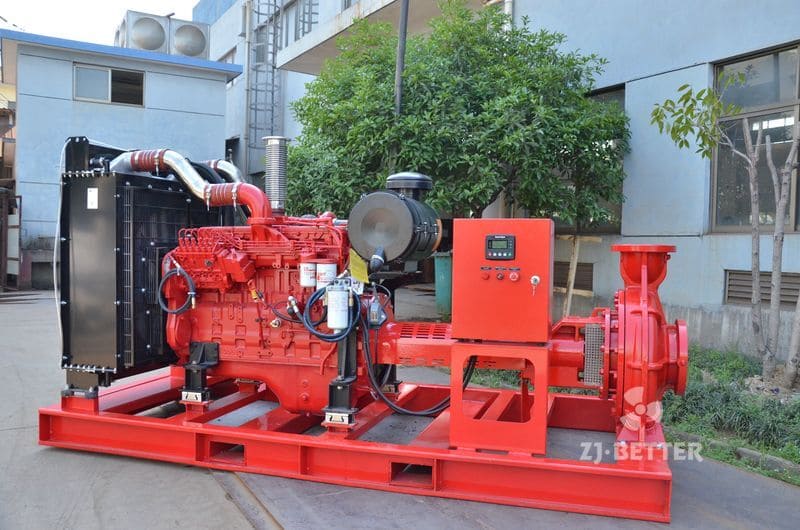
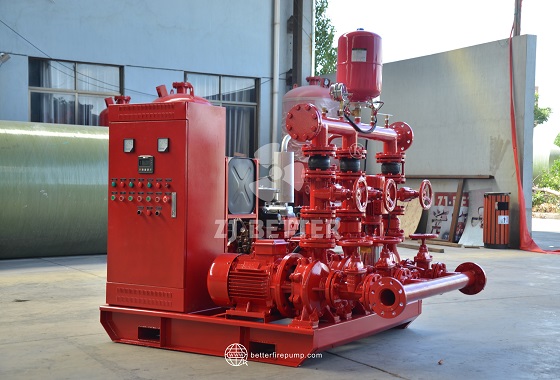
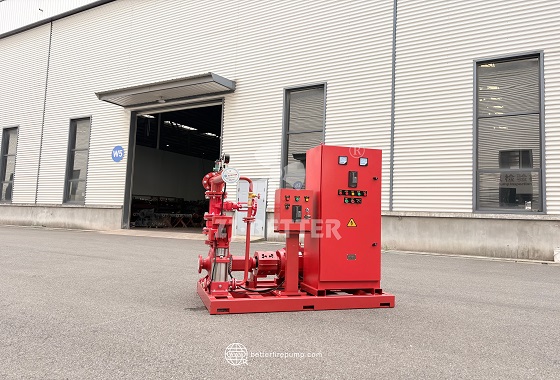
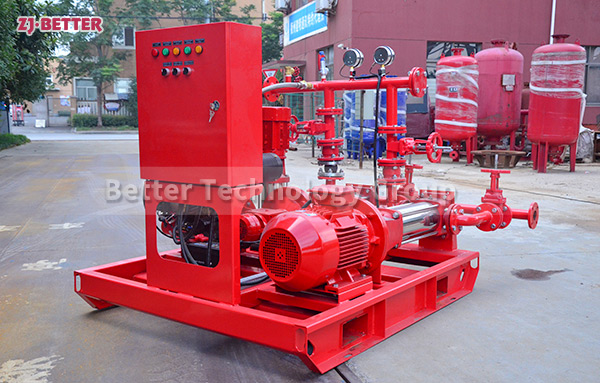
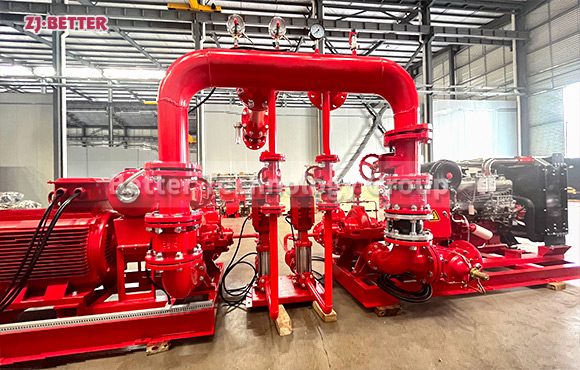
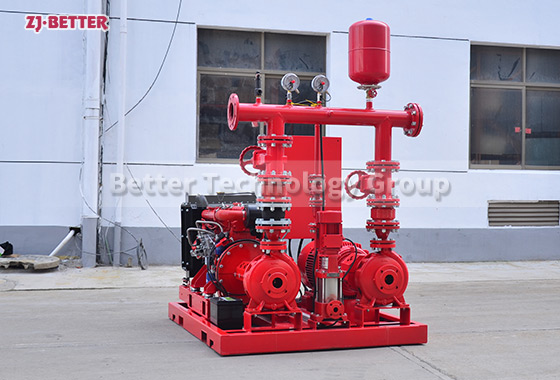
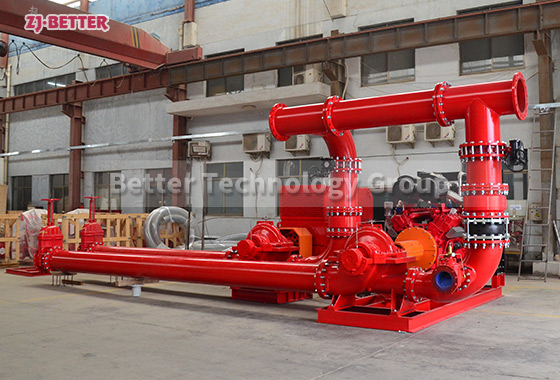
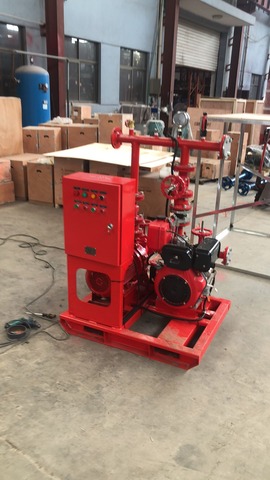
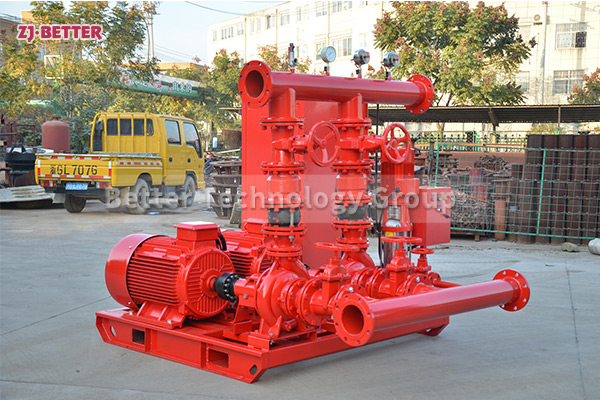
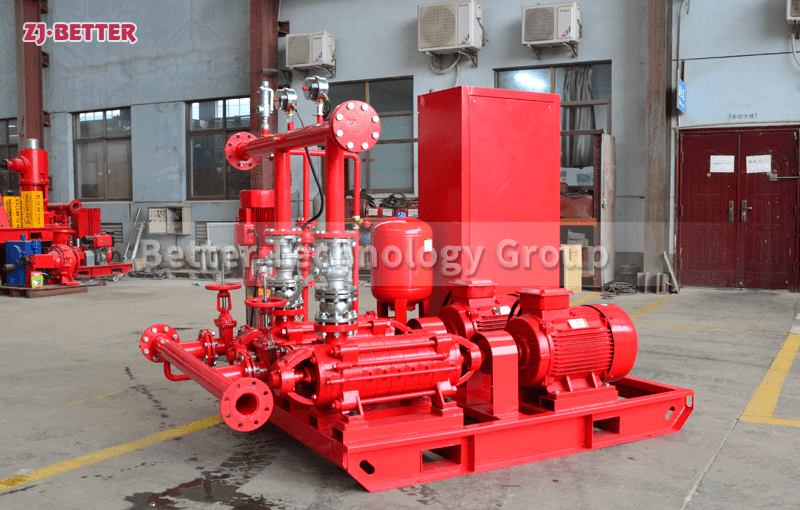
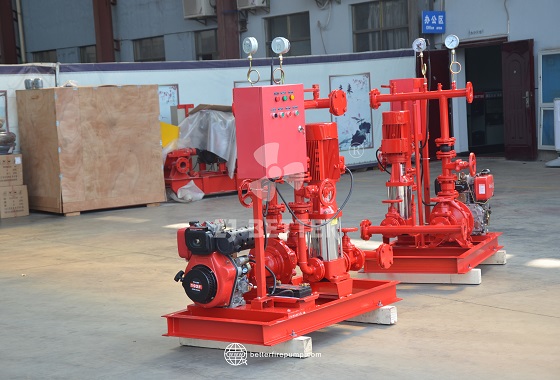
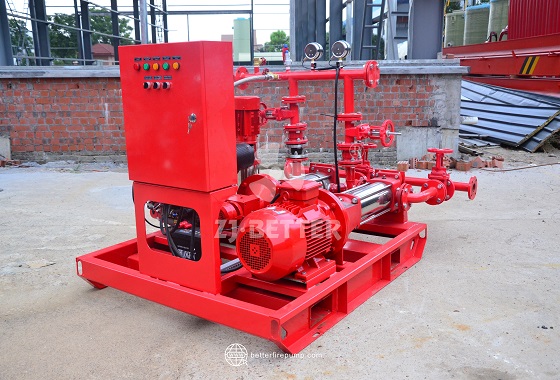
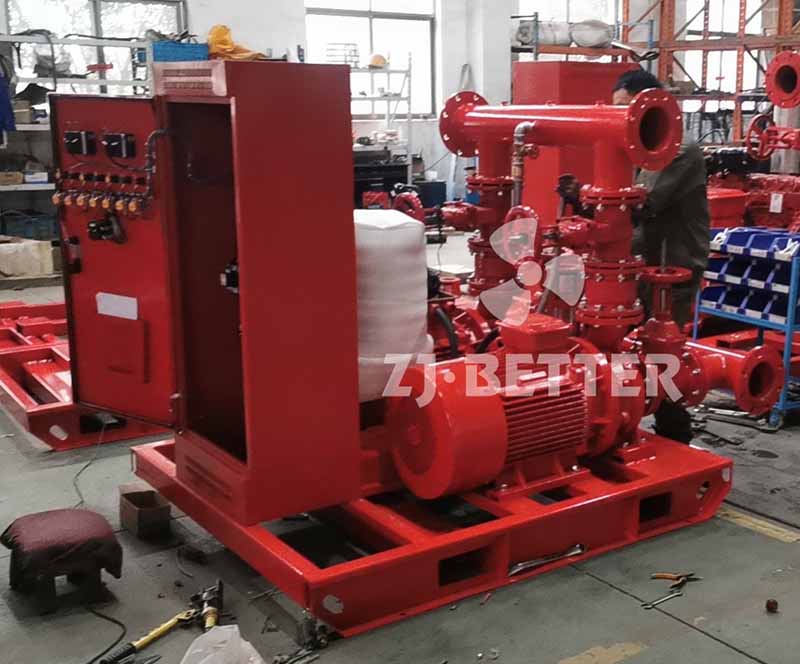
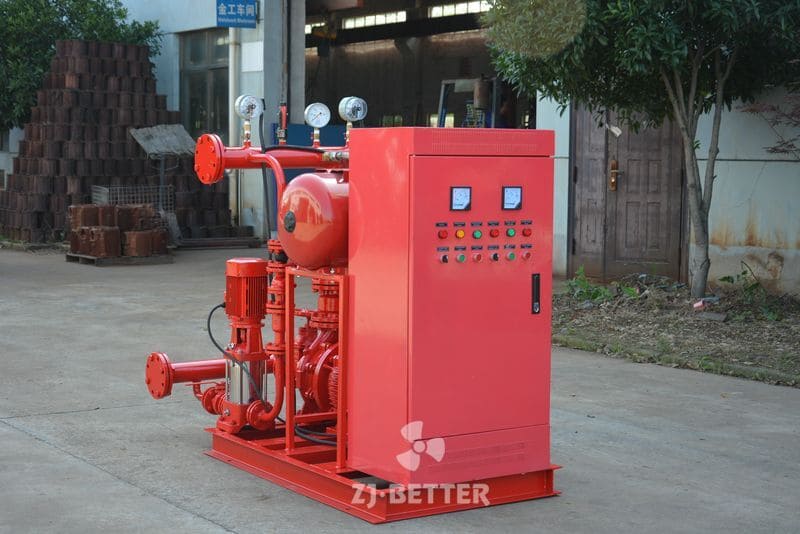
An electric horizontal centrifugal fire pump is a type of fire-fighting water supply equipment driven by an electric motor. It primarily consists of a drive motor, pump casing, impeller, pump shaft, and base. Designed with a horizontal configuration—where the motor and pump casing are arranged side-by-side—the unit features a compact structure and an organized layout, making it well-suited for fire-fighting systems in buildings, industrial facilities, and fixed fire-fighting water supply installations. The pump operates by using the electric motor to rotate the shaft and impeller; centrifugal force imparts energy to the water, facilitating its transport and increasing its pressure to provide the necessary flow rate and head (pressure) for fire-fighting piping networks. Unlike mobile pump units with complex power configurations, these electric horizontal fire pumps rely on a fixed power supply. They are designed for installation in dedicated fire pump rooms with stable power access, allowing for the selection of specific motor power ratings and pump models based on the requirements of the fire-fighting system design. The horizontal design, with the pump and motor mounted on a common base, simplifies equipment positioning, piping connections, and routine inspection and maintenance. This efficient layout also minimizes the space required for installation, enabling the equipment to fit into fire pump rooms of various sizes. The impeller, located inside the pump casing, is the core component for hydraulic transport; its design and dimensions directly influence the pump’s flow rate, head, and operational efficiency. Consequently, selecting the appropriate impeller configuration, motor power, and pump specifications is essential and should be based on the design parameters of the specific fire-fighting system. This series of horizontal electric fire pumps is available in a wide range of specifications to meet diverse project requirements, covering flow rates from approximately 1 to 300 L/s, heads from 0.15 to 1.6 MPa, and port diameters from 25 to 500 mm—with exact performance characteristics depending on the chosen model. Projects can be matched with the optimal unit by considering factors such as the water demand of the fire-fighting network, pipeline resistance, water supply distance, and installation conditions, ensuring that the selected equipment is neither oversized nor underpowered. The electric motor provides continuous mechanical power to the pump; a well-matched motor and pump assembly ensures stable operation under rated conditions. Furthermore, appropriate electrical protection and control devices should be configured based on actual operating conditions to manage the startup, ongoing operation, and status monitoring of the fire pump. The pump casing and other wetted components can be fabricated from various materials—such as cast iron, stainless steel, or bronze—selected based on the specific medium and project requirements to suit different operating environments. For fire-fighting water supply systems, pumps must not only meet design flow and pressure specifications but also offer high operational reliability, ease of installation, and convenient maintenance. Horizontal electric centrifugal fire pumps feature a straightforward design and clear connection interfaces, allowing for seamless integration with fire-fighting piping, valves, pressure monitoring devices, and control systems to form a complete fire-fighting water supply setup. During installation, it is essential to ensure that the foundation has sufficient load-bearing capacity and that the inlet and outlet piping are correctly connected; care must be taken to prevent the weight of the piping or external stresses from being exerted directly onto the pump casing. Furthermore, motor wiring, rotational direction verification, and trial runs must be carried out in accordance with the product manual. Once in operation, components such as bearings and seals should be inspected regularly, and the motor temperature rise and equipment vibration should be monitored; any irregularities must be addressed promptly to ensure the pump remains in proper working condition. Driven by an electric motor and featuring a horizontal configuration with a wide range of performance specifications, these pumps are well-suited to the fire-fighting water supply needs of various buildings and industrial facilities, making them a common choice for fixed fire-pump stations. When procuring equipment, the specific model should be selected based on the required design flow, head, operating pressure, power supply conditions, and available installation space to ensure that the pump’s performance aligns with the requirements of the fire-fighting system.