Lightweight Portable Fire Pump — Direct-Coupled Engine and Pump for Field Mobility
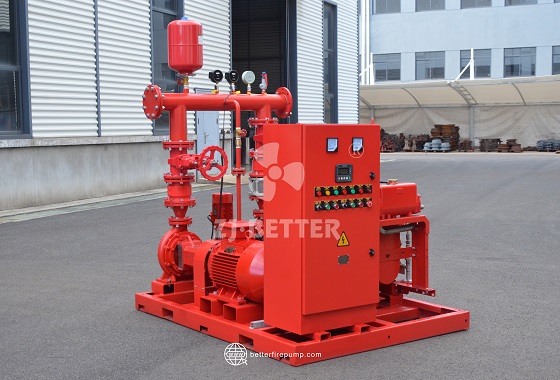
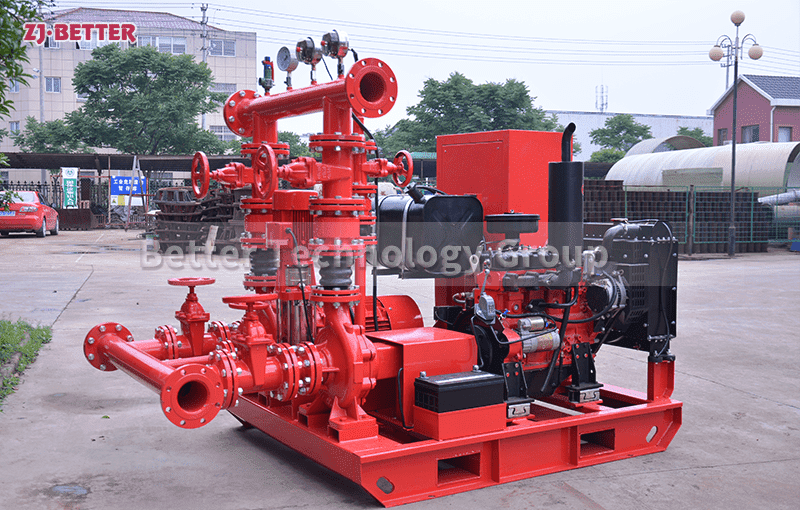
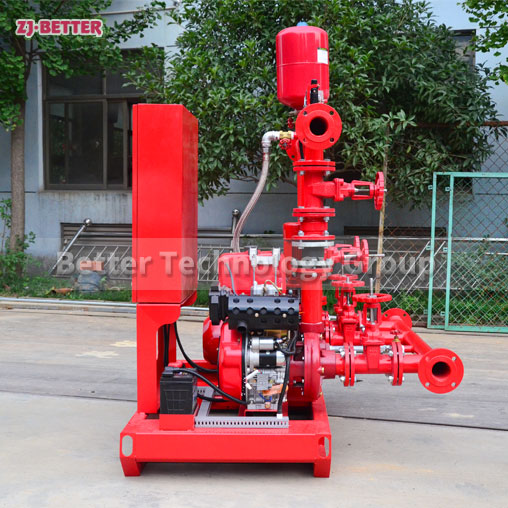
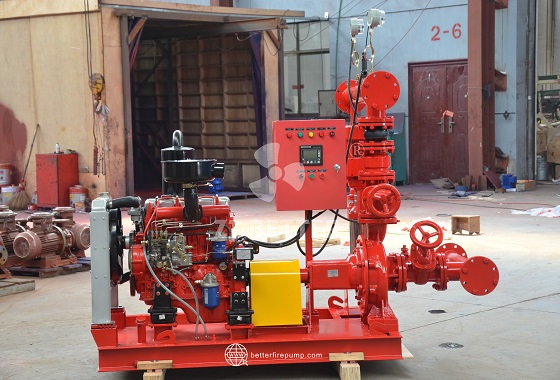
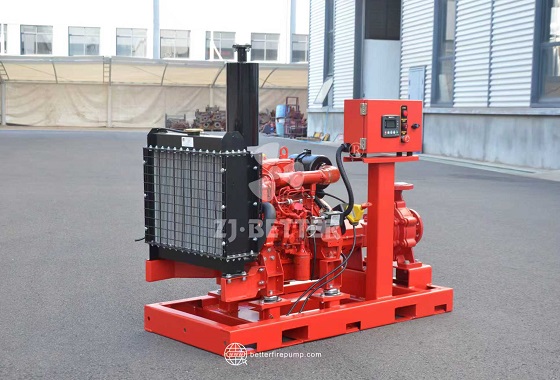
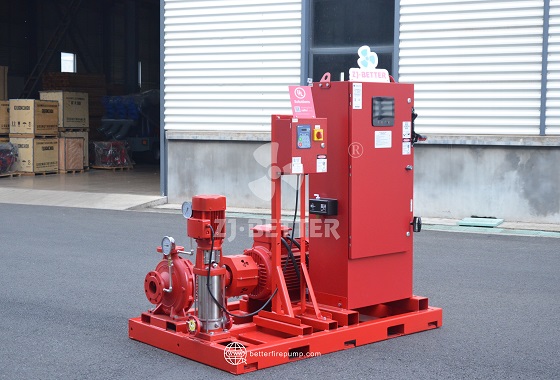
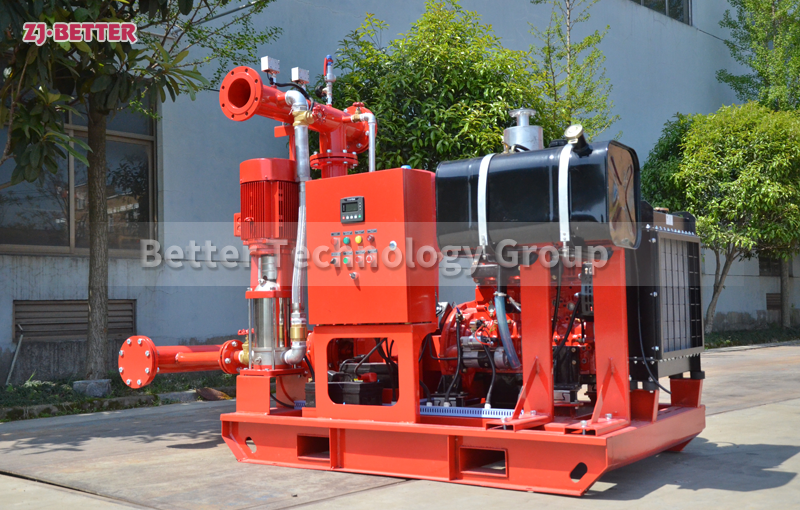
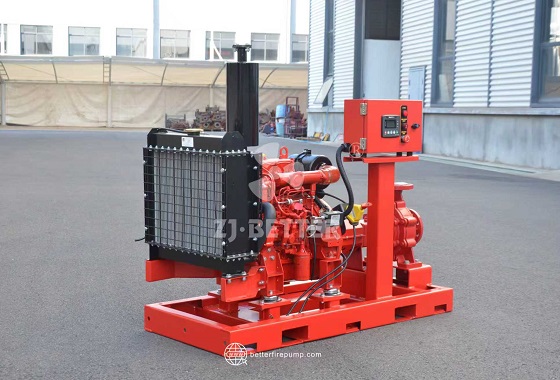
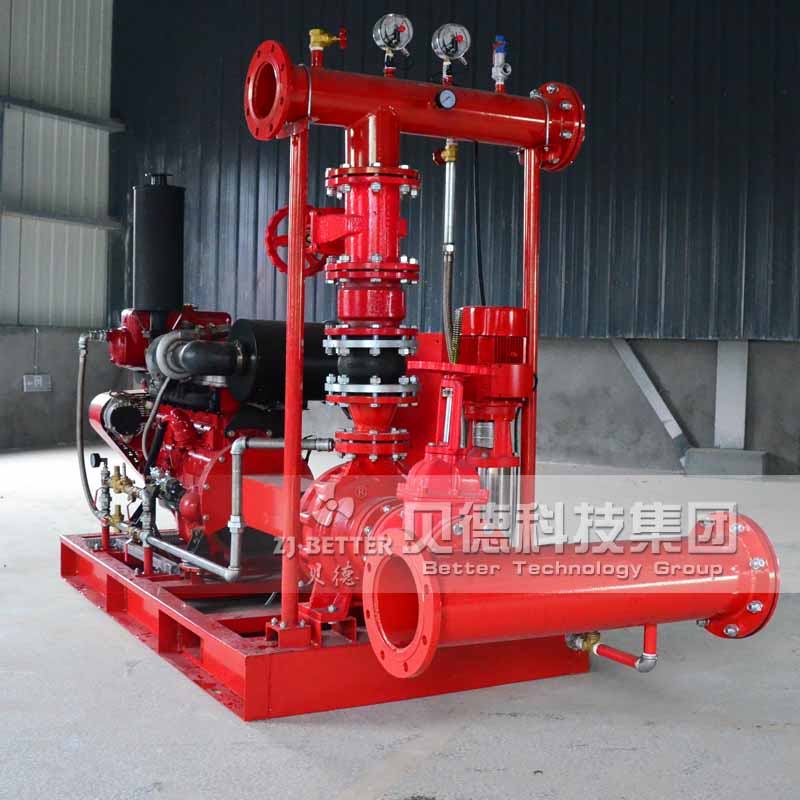
Lightweight, portable fire pumps feature a compact design that integrates an engine with a centrifugal pump. They are characterized by their small size, ease of transport, independent power source, and strong adaptability to various on-site conditions, making them suitable for use in industrial and mining enterprises, warehouses, construction sites, and for emergency firefighting water supply.
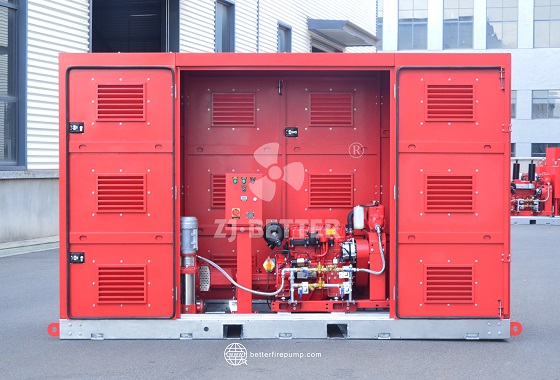
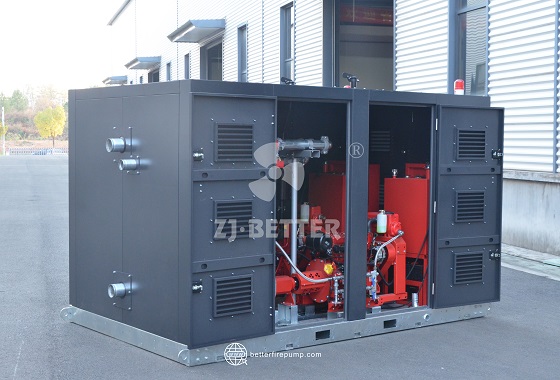
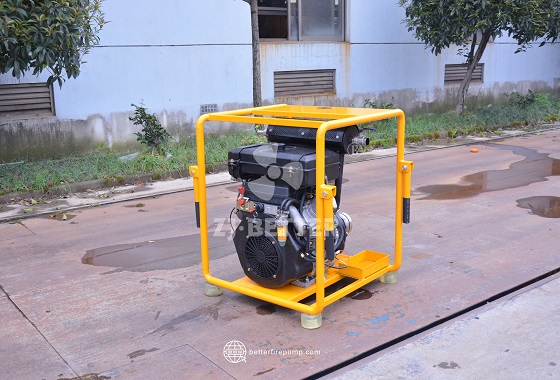
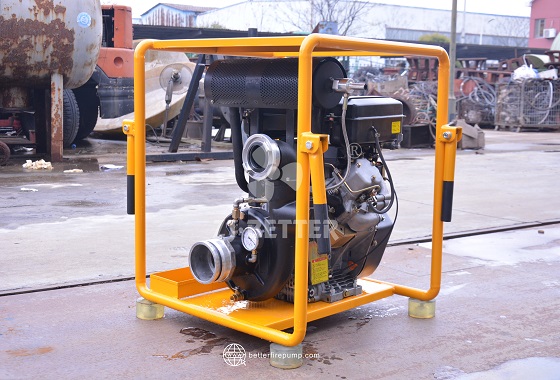
A lightweight portable fire pump is a mobile firefighting water-supply unit that integrates an engine with a water pump. It is primarily designed for scenarios requiring flexible relocation, rapid deployment, or water supply in areas not covered by fixed firefighting infrastructure. The unit features a compact assembly of a power system and a centrifugal pump, supported by an integrated protective frame. This design consolidates the engine, pump, and operational components, ensuring core pumping functionality while minimizing the equipment’s footprint. Compared to large, stationary fire pump systems, these portable units are characterized by their compact size, simple construction, and ease of mobility. They do not require complex, permanent installation; instead, they can be positioned according to the location of the water source and the operational site, making them highly adaptable to environments with restricted access, limited space, or a need for temporary water supply. Powered by an independent engine, the unit operates without reliance on a fixed power grid, making it well-suited for outdoor settings, construction sites, industrial and mining areas, and other locations with limited electrical infrastructure. According to manufacturer specifications, these portable fire pumps can be equipped with either diesel or gasoline engines—typically ranging from 9 to 25 HP—with some models capable of delivering flow rates of up to approximately 100 GPM and heads of up to approximately 60 meters (actual performance parameters vary by specific model and operating conditions). The compact integration of the engine and centrifugal pump shortens the power transmission path, resulting in a more centralized design that also facilitates inspection of the engine, pump, and related components. The unit is equipped with a base support structure to ensure stability during operation, while the external protective frame safeguards the internal power and pumping assemblies, in addition to simplifying transport and repositioning. The pump component draws water from a source, pressurizes it, and delivers it to fire hoses, piping, or other equipment. When selecting a model, it is essential to consider factors such as the depth of the water source, suction distance, delivery distance, and required operating pressure. According to official product documentation, portable fire pumps can achieve a maximum suction lift of approximately 7–9 meters, depending on the specific configuration. They are equipped with the necessary inlet/outlet ports and priming mechanisms; therefore, to ensure proper suction and water delivery, the suction hose, strainer, and discharge piping must be connected correctly in accordance with the equipment’s specifications. The portability of these units is reflected not only in their compact size and weight but also in their adaptability to various on-site conditions. In scenarios where fire vehicles cannot access narrow areas, or where no fixed fire pumps or stable power sources are available, small, engine-driven fire pumps can serve as temporary or auxiliary water supply solutions. They are suitable for use in industrial and mining enterprises, warehouses, docks, rural areas, construction sites, and other locations with limited infrastructure or restricted access, and can be deployed for initial firefighting water supply or emergency water transport. When selecting a unit, specifications should be determined based on required flow rate, head, suction lift, power source type, water source conditions, and mobility requirements—rather than relying solely on engine power as an indicator of overall performance. During routine operation, users should regularly inspect the engine oil, fuel, starting system, pump seals, suction piping, and strainers, and conduct periodic start-up and water-delivery tests to ensure the equipment remains operational. In summary, by integrating an engine with a centrifugal pump into a compact unit, these lightweight, portable fire pumps combine power with pumping capability. They offer essential firefighting water supply performance while maintaining high mobility and on-site adaptability, making them a practical choice for temporary water supply, emergency firefighting, and areas inaccessible to fixed fire-protection installations.