Integrated Diesel Fire Pump Set Optimizes Fire Pump Room Equipment Layout
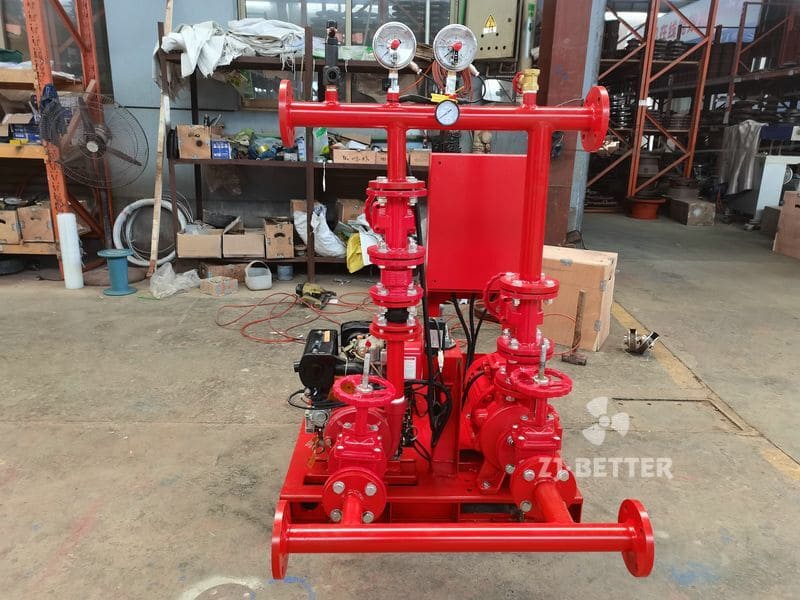
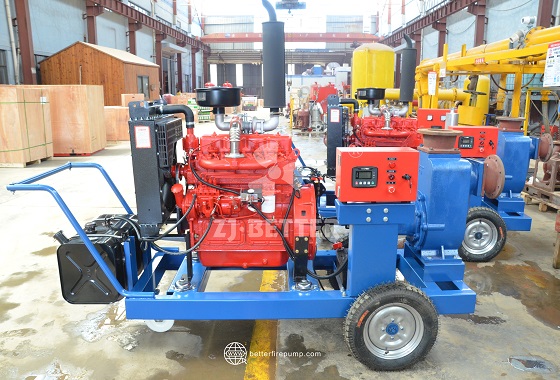
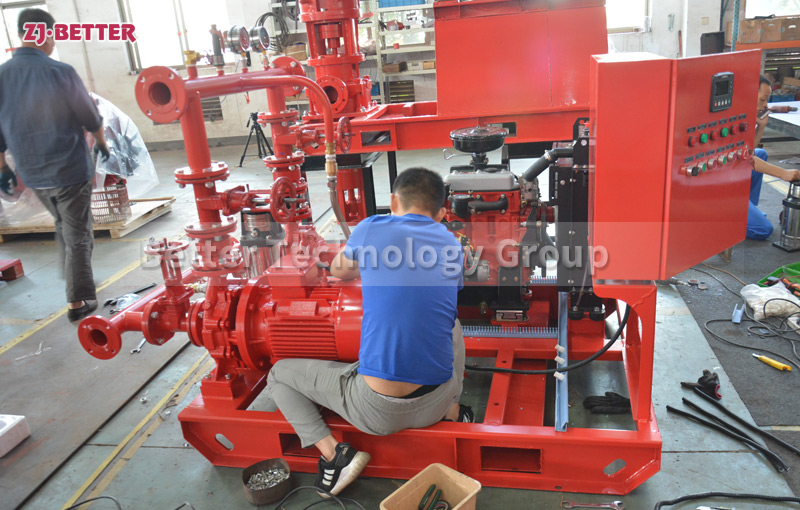
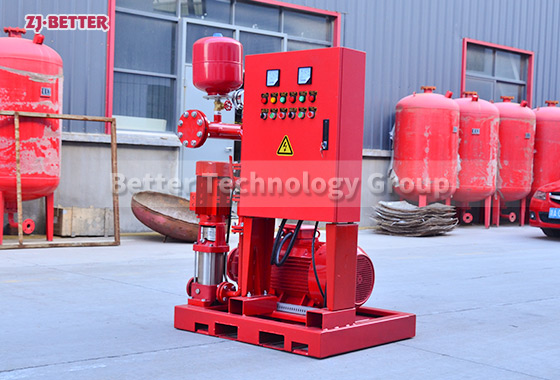
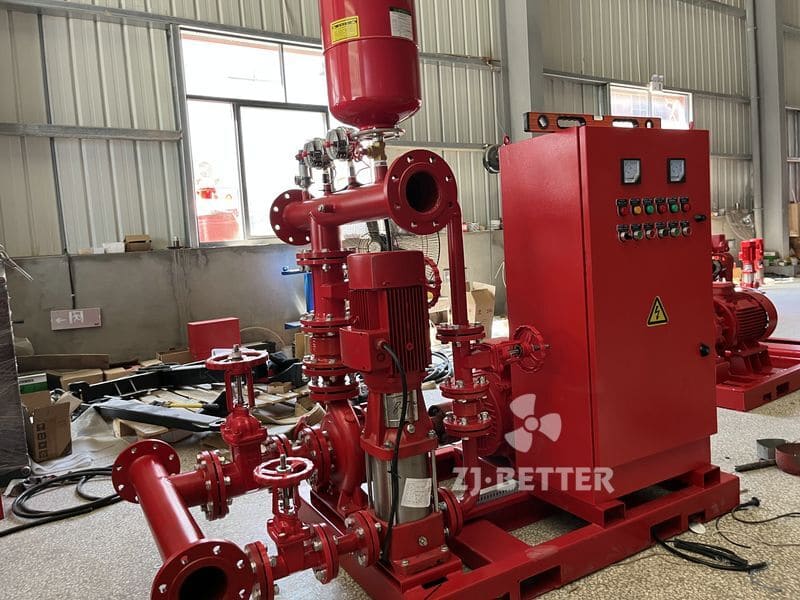
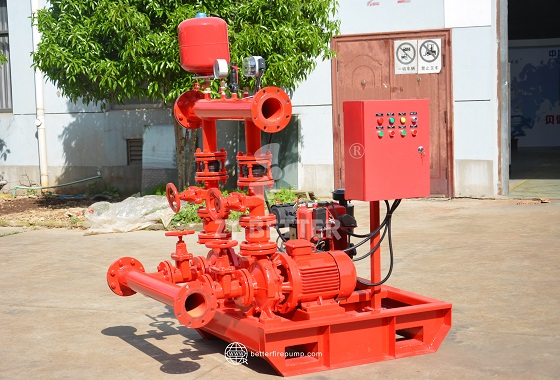
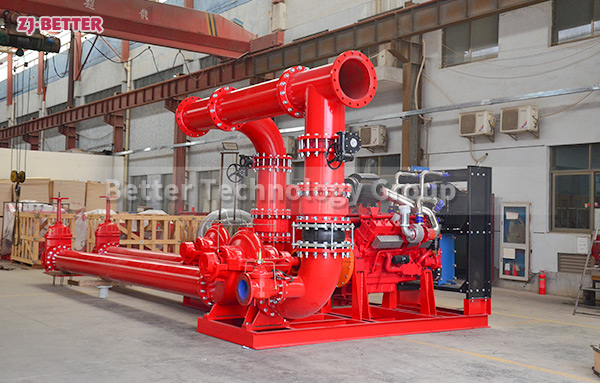
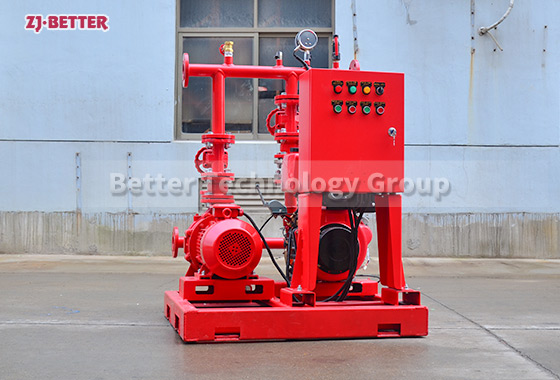
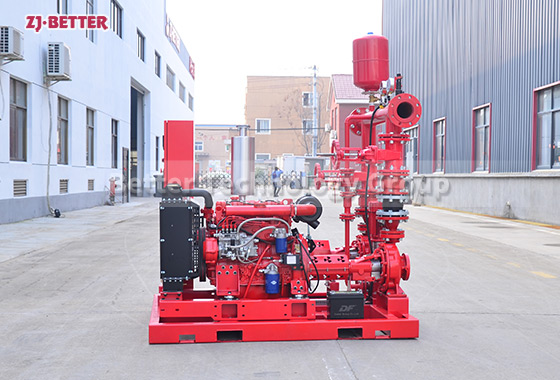
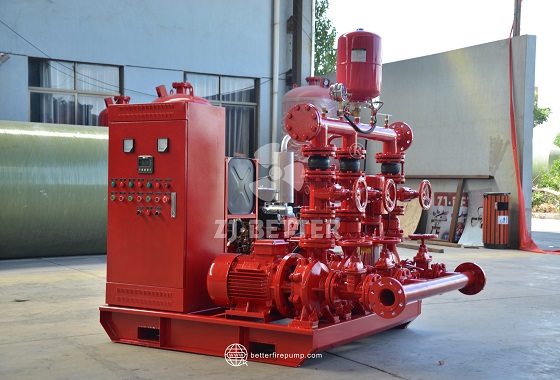
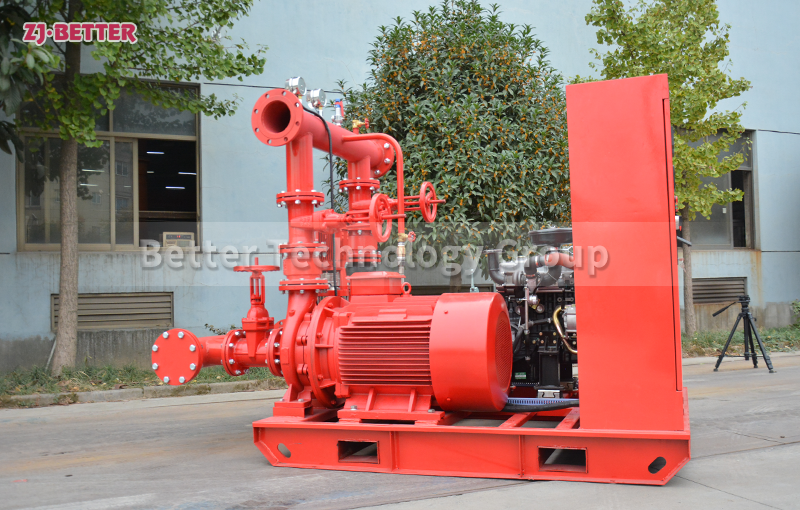
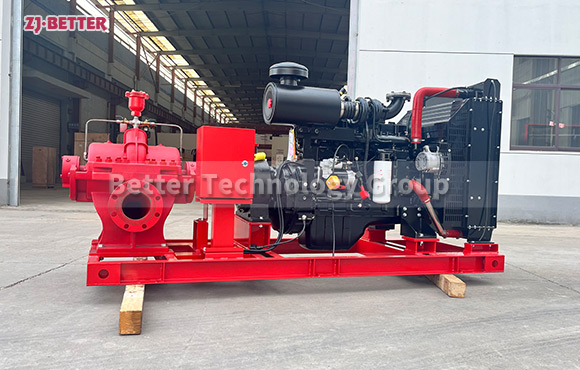
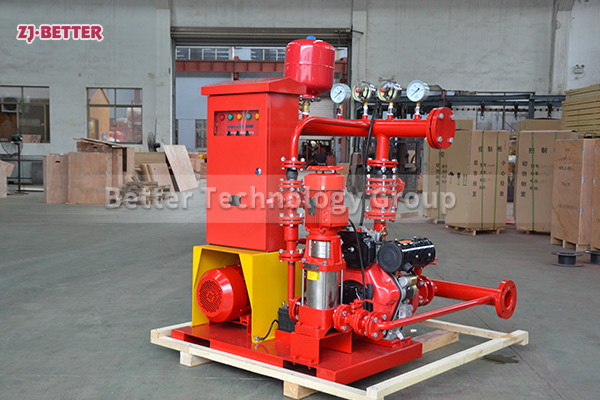
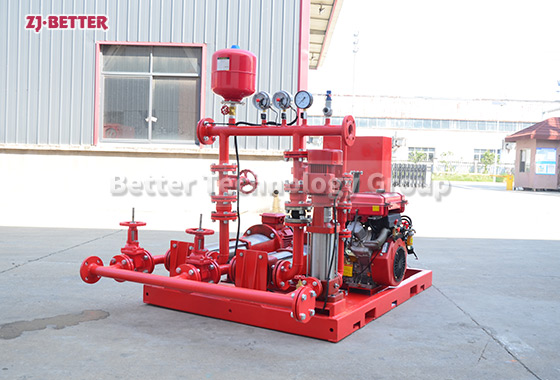
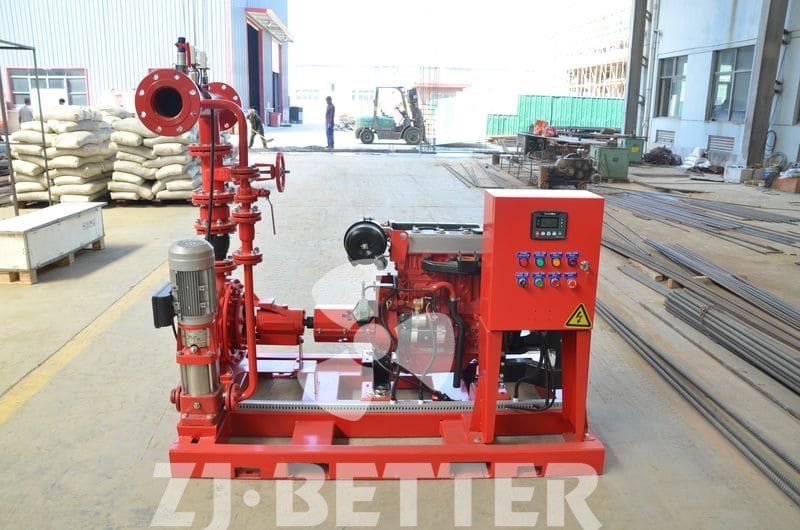
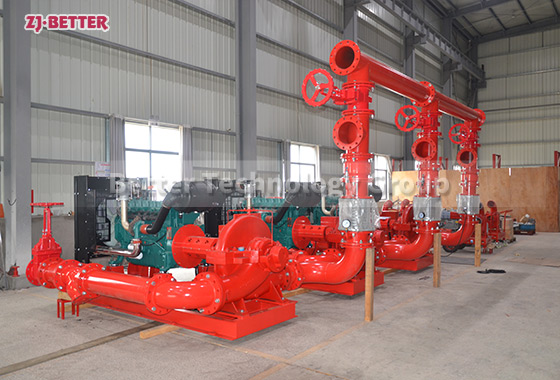
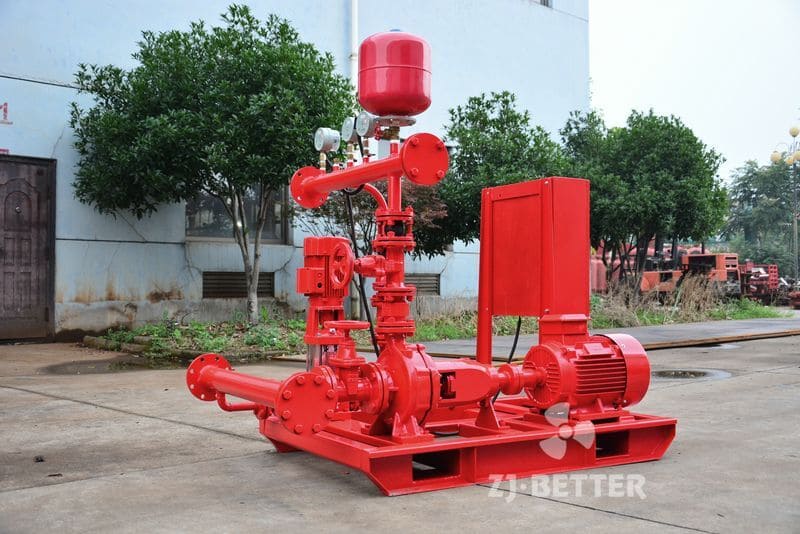
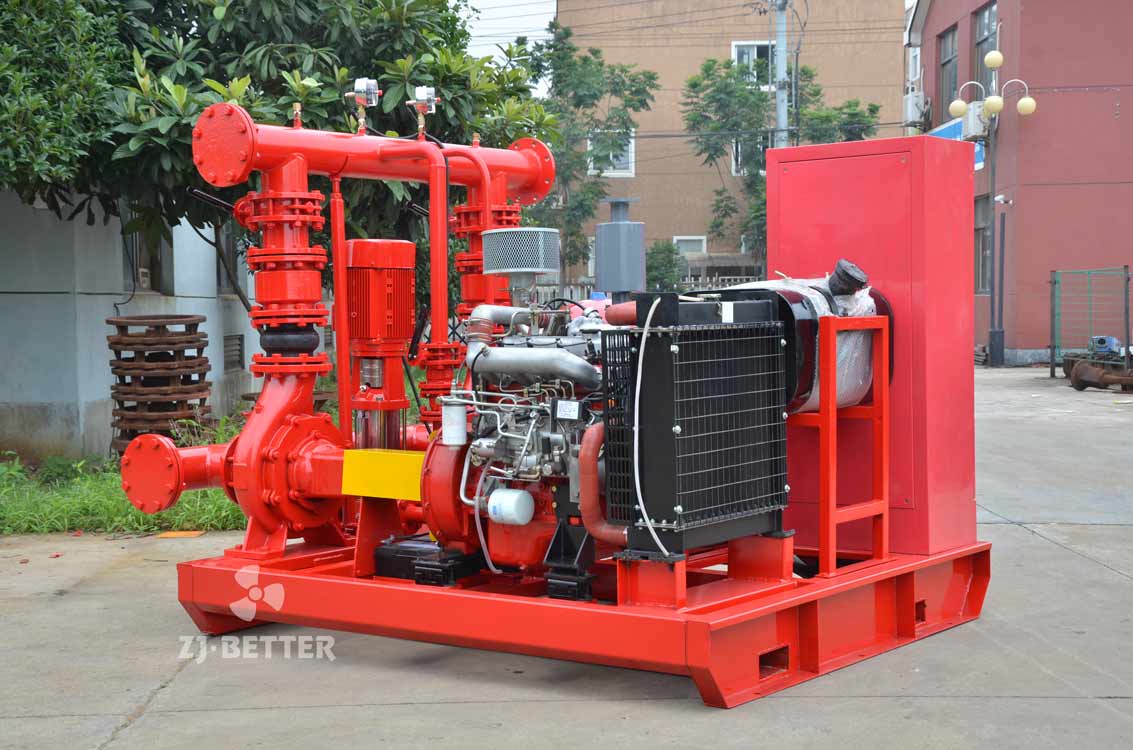
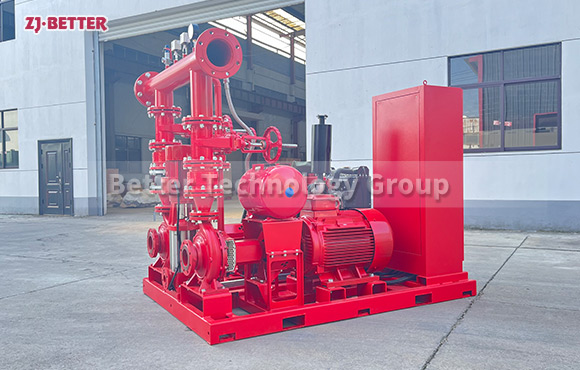
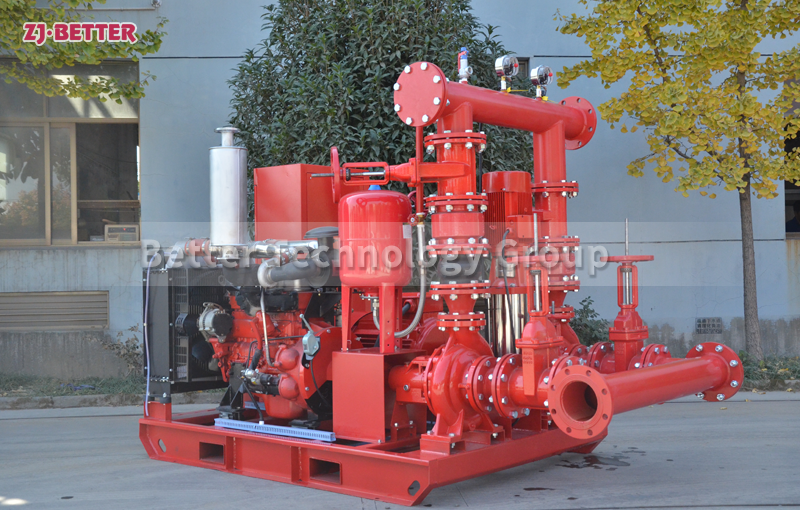
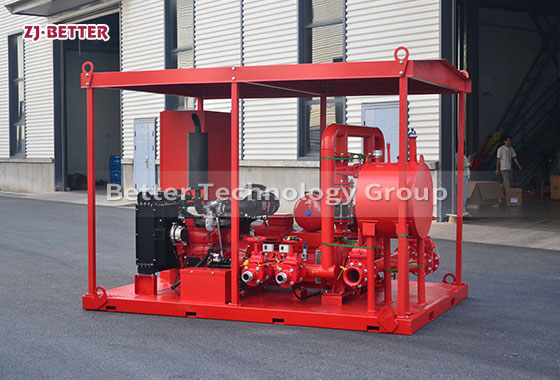
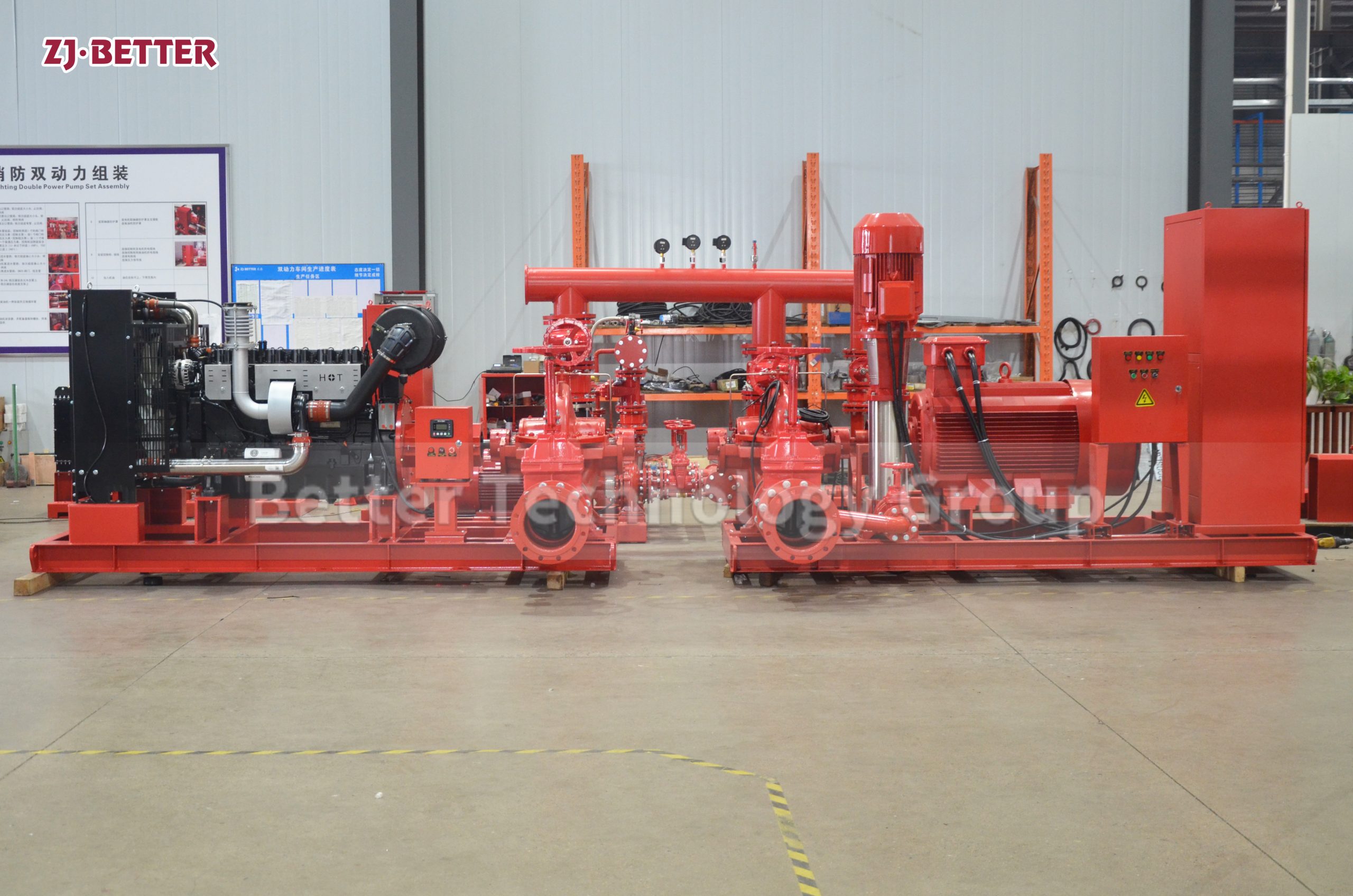
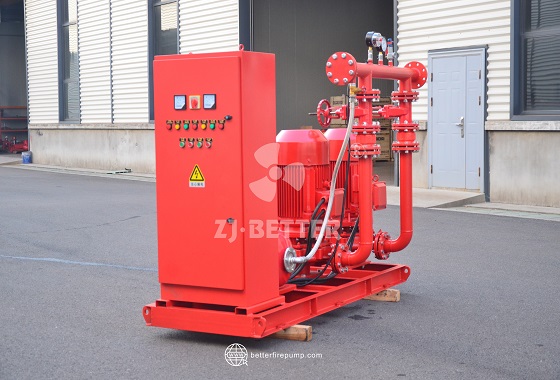
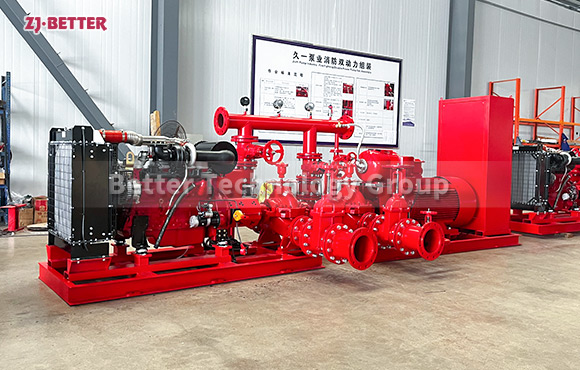
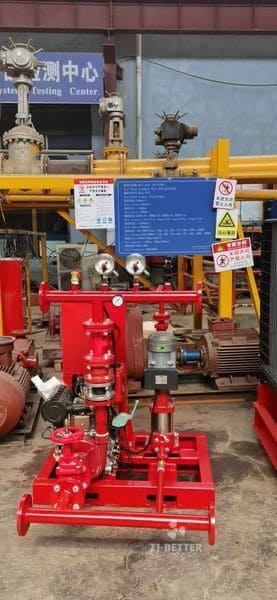
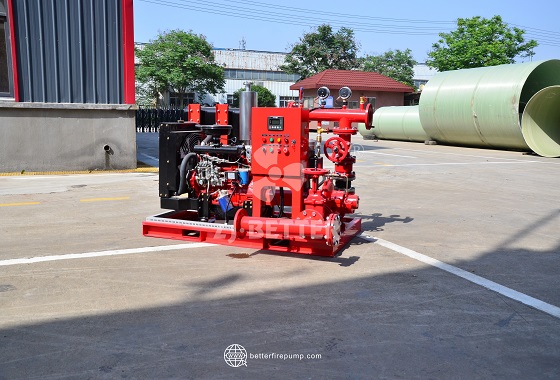
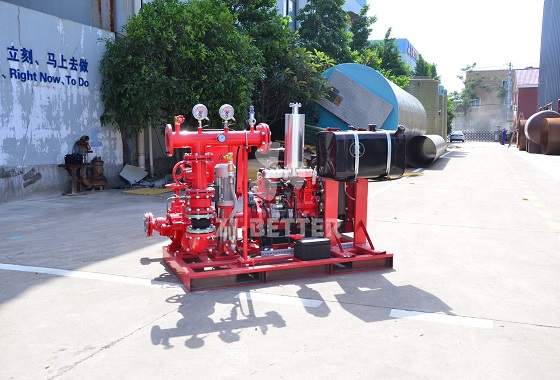
The diesel fire pump unit features an integrated common base design, combining a diesel engine, main fire pump, jockey pump, control cabinet, and piping accessories. It optimizes spatial layout within the fire pump room, supports various flow rate and pressure configurations, and is suitable for fire water supply systems in buildings, warehouses, and industrial facilities.
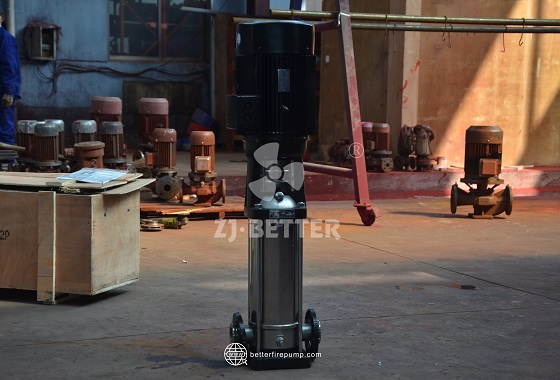
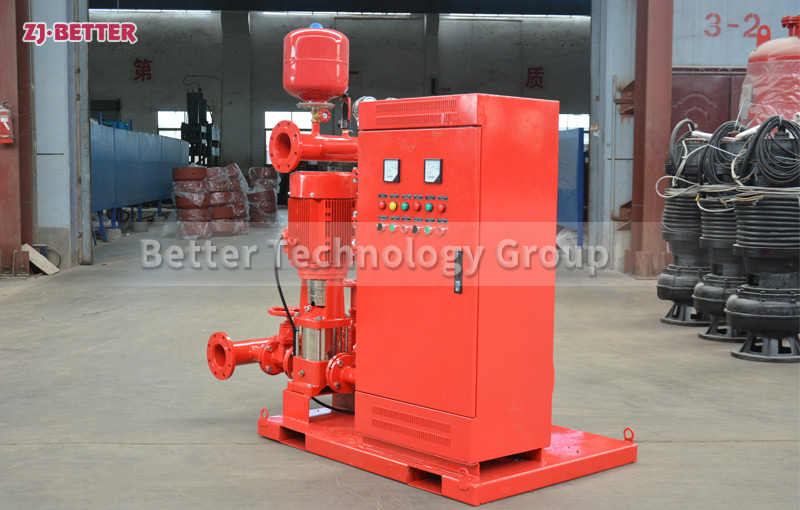
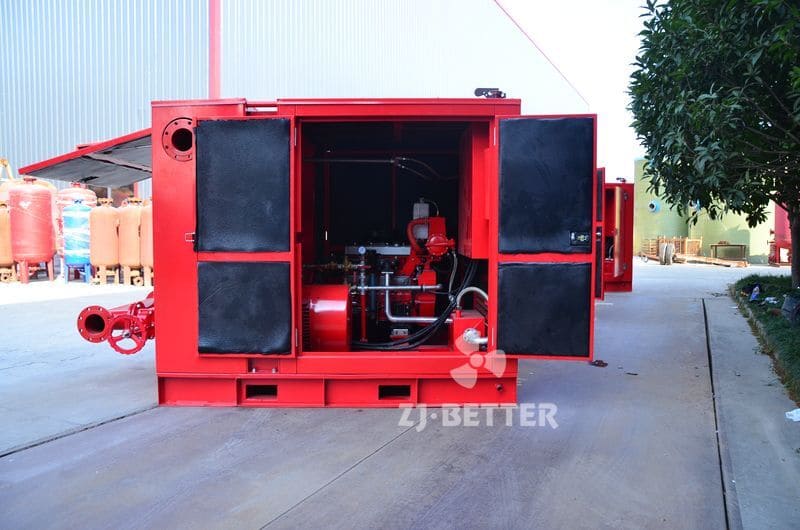
The diesel fire pump set is a complete fire water supply system featuring a diesel engine, main fire pump, jockey pump, control cabinet, pressure instruments, valves, and piping accessories, all mounted on a common base. Its integrated design optimizes the layout of the power unit, pump body, and piping components, ensuring efficient use of space within the fire pump room while meeting performance requirements. It is suitable for industrial plants, warehouses and logistics centers, commercial buildings, docks, airports, petrochemical facilities, and other fixed fire water supply systems. Powered by a diesel engine, the system delivers the necessary flow and pressure to the fire piping network when required, making it ideal for projects demanding an independent power source for fire water supply. Pump types—such as single-stage, end-suction, horizontal split-case (double-suction), or multi-stage pumps—can be selected based on project-specific flow, pressure, head, and installation conditions. Additionally, materials such as cast iron, stainless steel, or bronze for impellers can be chosen according to the medium and operating conditions, offering great flexibility in equipment configuration. According to product specifications, this series offers flow rates ranging from approximately 30 to 9,000 GPM, pressures from 3 to 20 bar, and speeds from 740 to 2,900 rpm; various combinations of pump types, engine power ratings, and pipe diameters allow the system to meet the parameters of fire protection projects of different scales. The common base mounting design ensures a rational layout of the diesel engine, fire pump, jockey pump, and key piping accessories, minimizing the footprint of individual components and creating a compact equipment arrangement within the pump room, while also facilitating transport, on-site positioning, and installation. The jockey pump, typically featuring a horizontal or vertical configuration, provides low flow and high head; it compensates for pressure fluctuations during normal operation to maintain network pressure, thereby preventing frequent starts of the main fire pump caused by minor pressure variations and ensuring more stable pressure management within the fire water supply system. The system can be equipped with pressure tanks, pressure gauges, and pressure sensors to monitor the operating status of the piping network via pressure detection, providing data support for equipment control and commissioning. The control cabinet enables automatic control of the diesel fire pump and the pressure-maintaining pump, while incorporating protection features such as overload and overcurrent protection to simplify equipment operation and management. Regarding piping configuration, the system integrates accessories—such as check valves, gate valves, common suction and discharge headers, flexible joints, and flanges—to form a complete fire water supply unit; this reduces on-site piping connections and equipment layout work while facilitating future inspection and maintenance. Another advantage of the integrated design is the ability to rationally arrange components based on the actual area of the fire pump room; a compact layout minimizes the installation footprint while ensuring operators retain access to the diesel engine, pump body, control cabinet, valves, and pressure instruments for inspection. The diesel engine comes with its own fuel system, cooling system, and control components, forming a complete power unit with the main fire pump to provide the necessary drive when fire water supply is required; meanwhile, the pressure-maintaining pump handles routine pressure maintenance. Together, they meet the varying water supply demands of the fire system during both standby and active firefighting modes. For projects with limited pump room space, extensive equipment requirements, or a need for rapid installation of complete systems, this centralized configuration—combining the power system, pump assembly, control system, pressure monitoring, and piping accessories—optimizes space utilization and reduces on-site installation complexity without compromising functionality. Specific parameters—such as pump type, flow rate, head, diesel engine power, and pipe diameter—can be selected based on actual conditions (e.g., building height, fire water demand, network resistance, and design pressure) to ensure the diesel fire pump assembly is optimally matched to the specific fire protection system, thereby providing reliable fire water delivery equipment for buildings, warehouses, and industrial facilities.