Diesel Engine Drive Technology to Enhance Emergency Response Efficiency
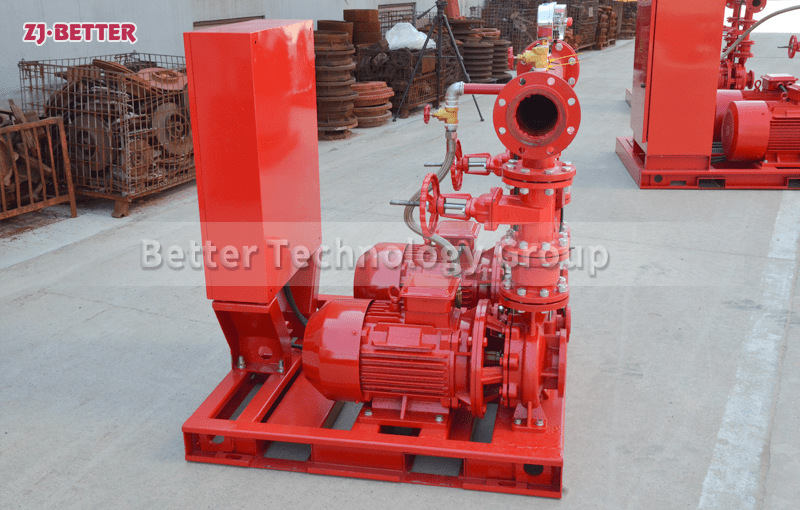
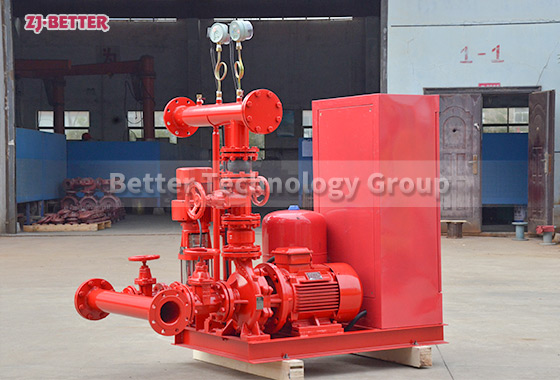
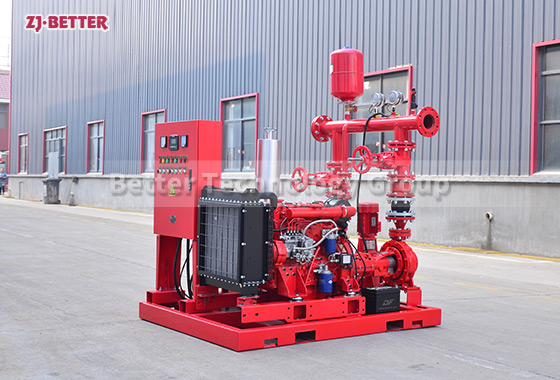
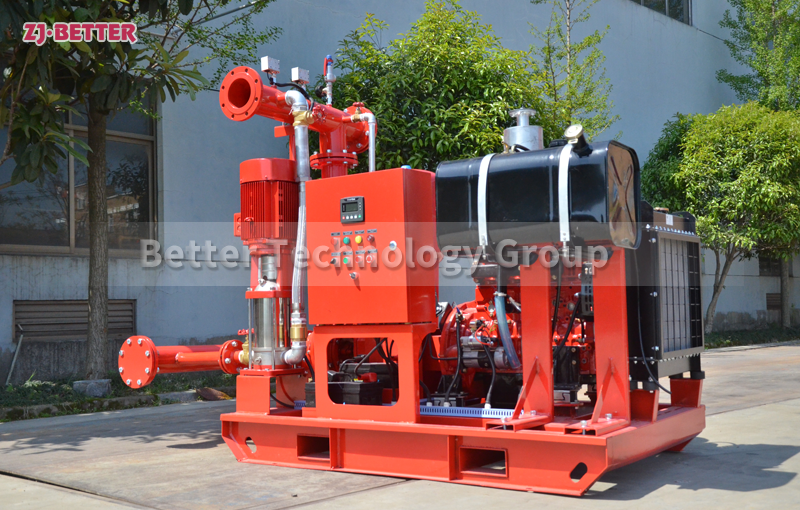
Diesel engine-driven fire pumps have the advantages of independent energy supply, fast start-up, stable operation and intelligent control. They can ensure reliable water supply even in power outages and extreme environments, greatly improving emergency response efficiency and fire safety levels. They are widely used in industry, petrochemicals, power stations, ports and municipal buildings.
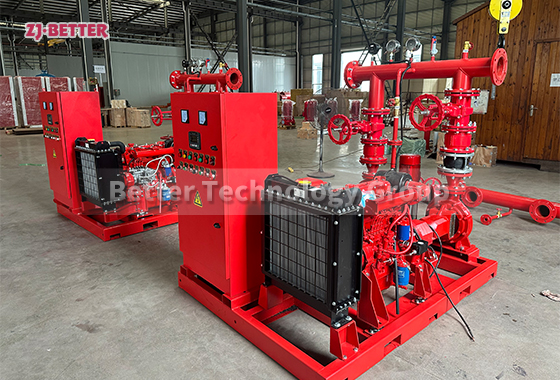
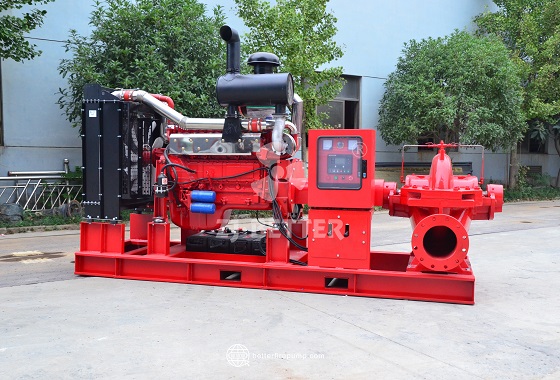
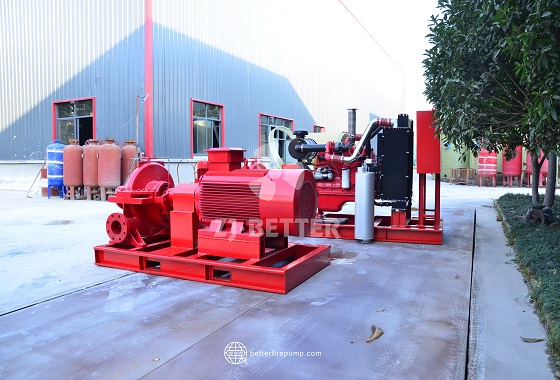
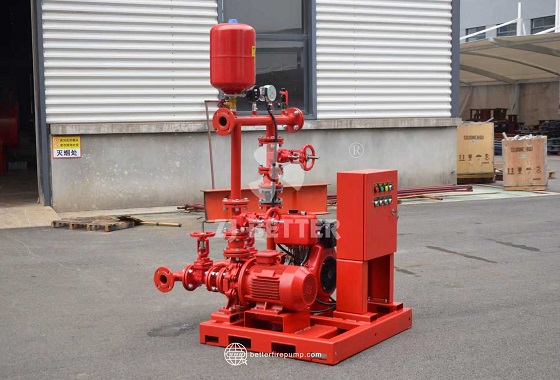
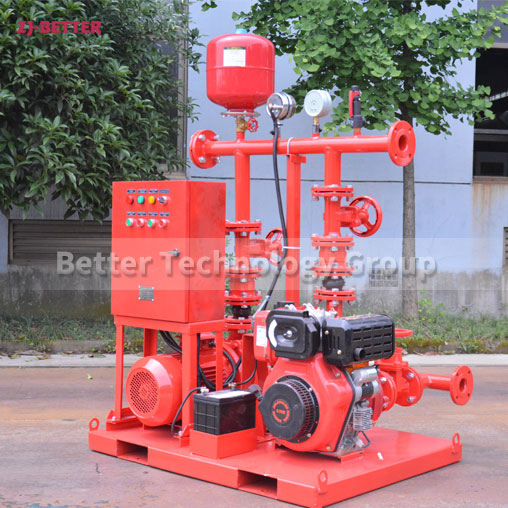
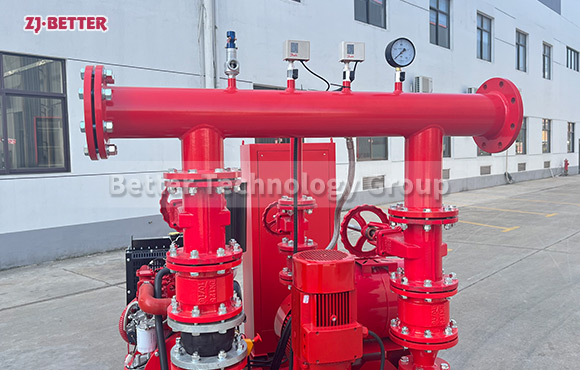
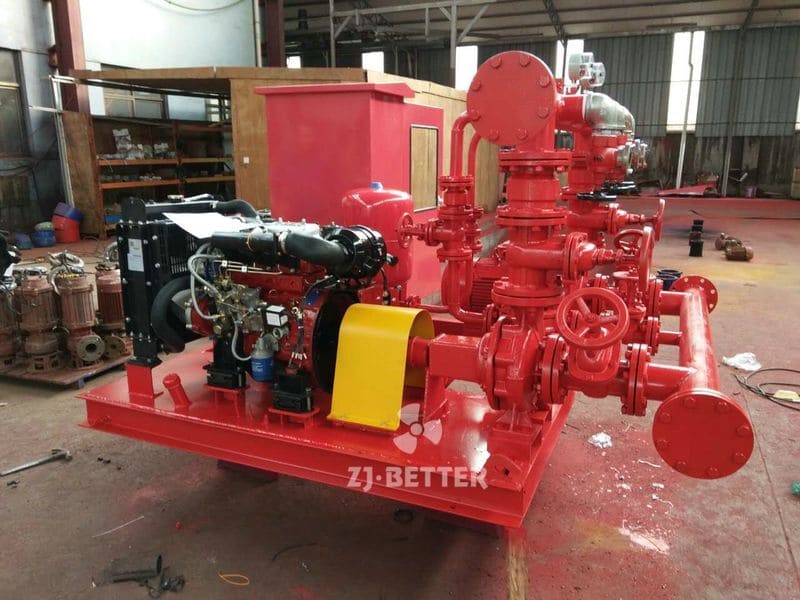
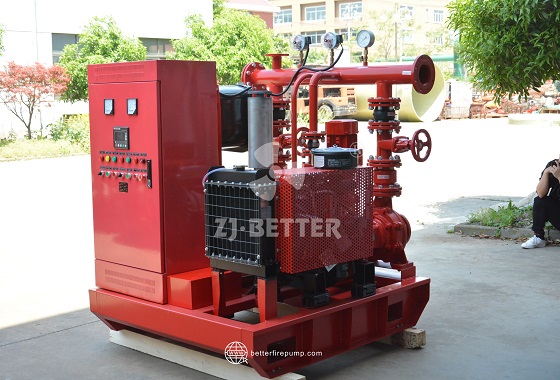
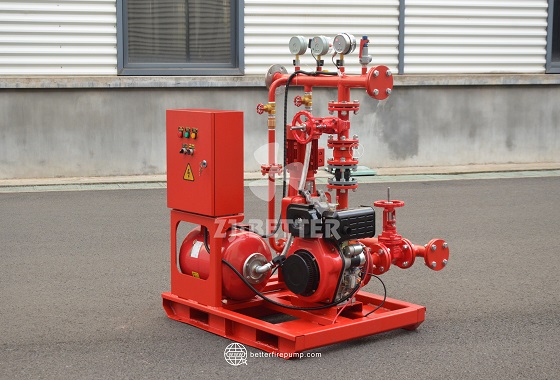
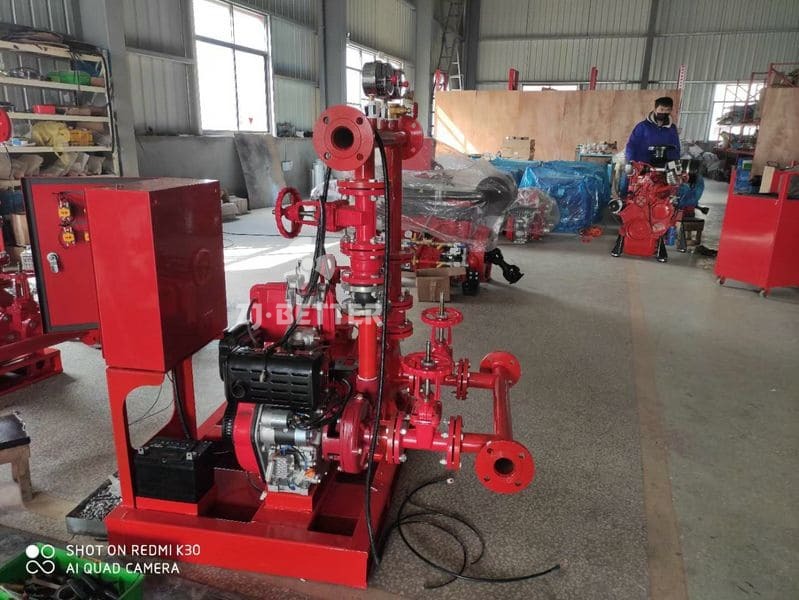
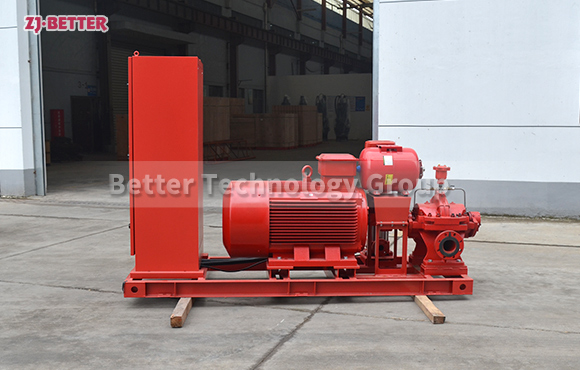
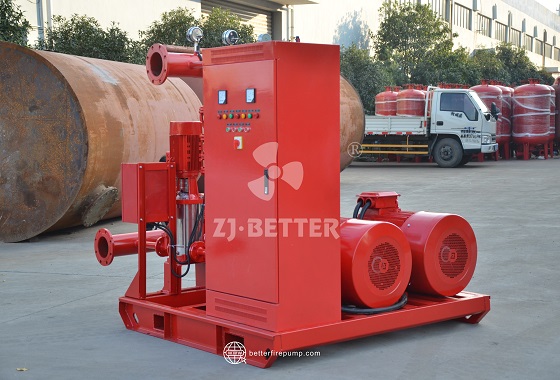
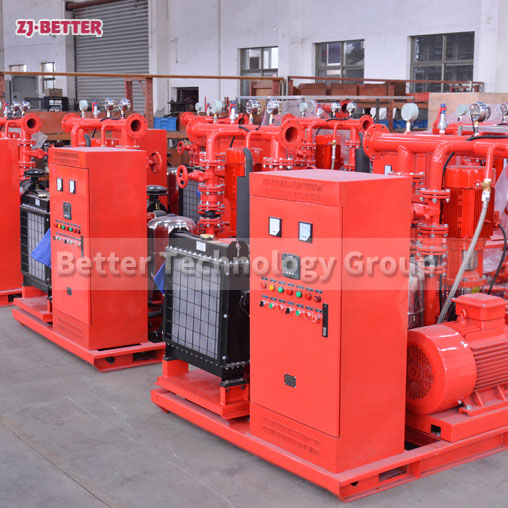
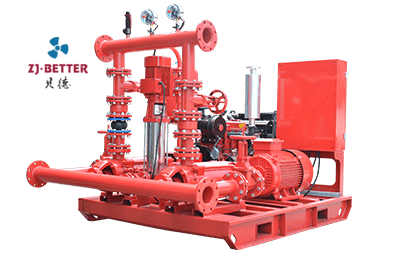
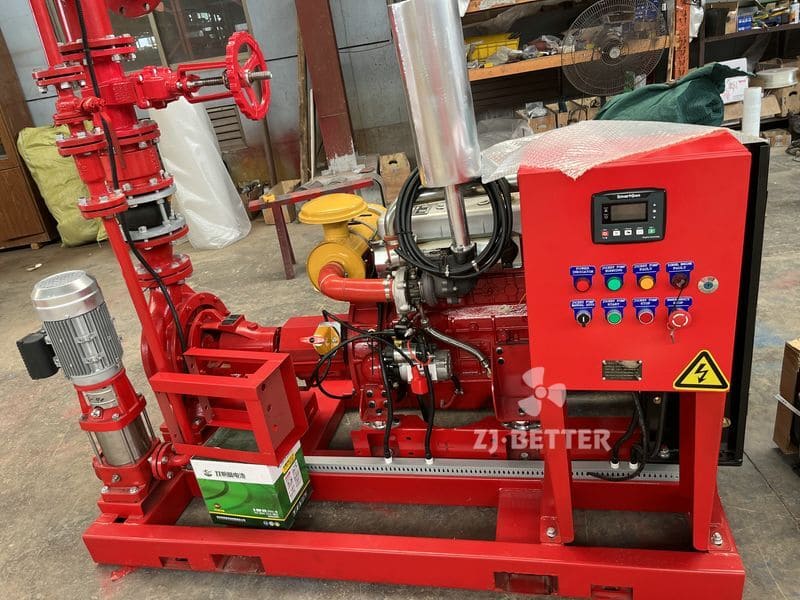
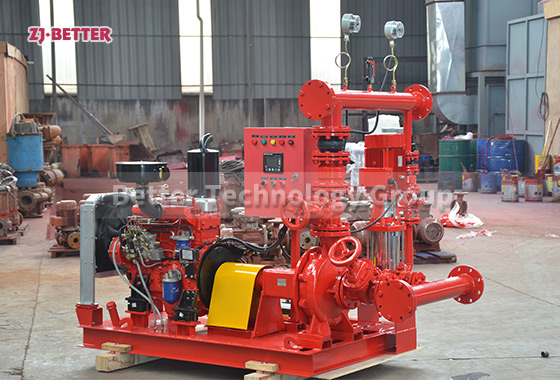
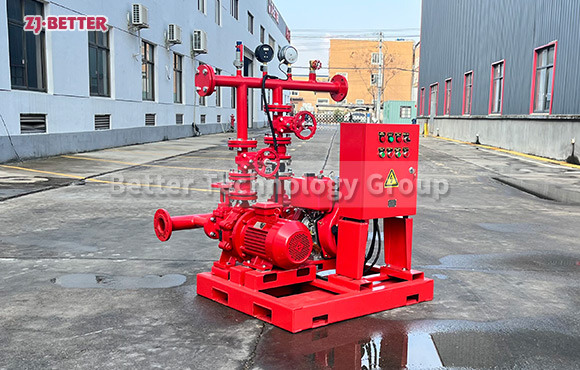
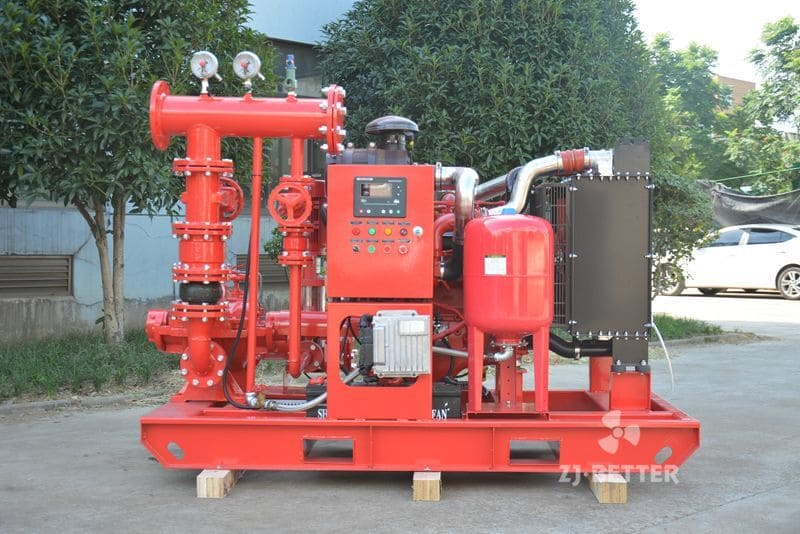
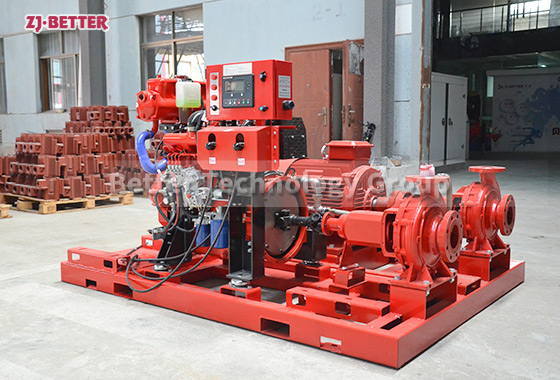
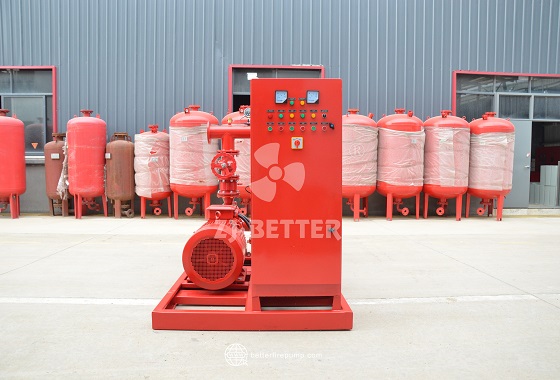
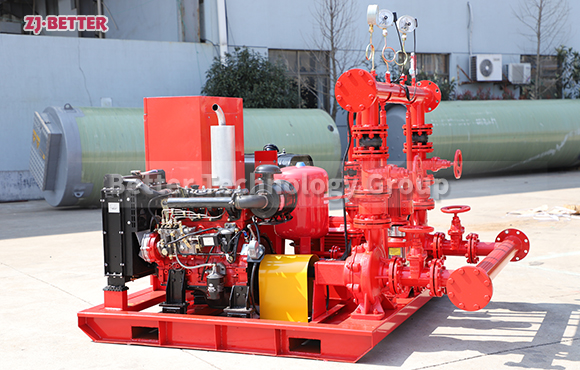
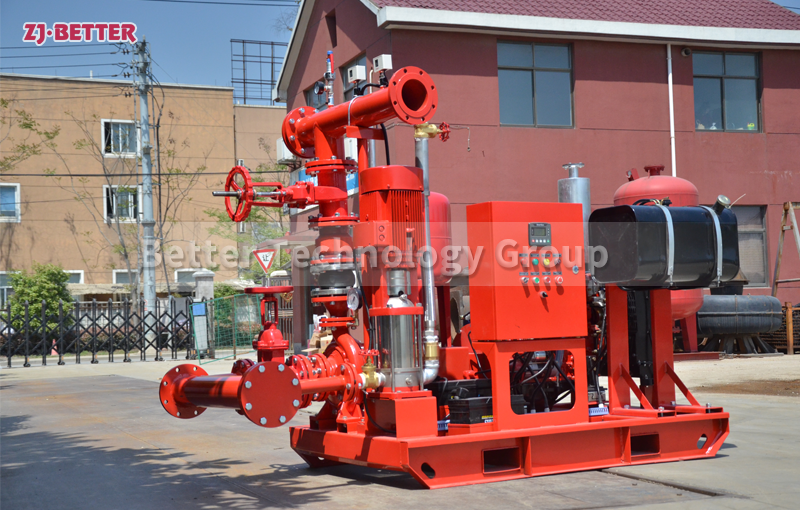
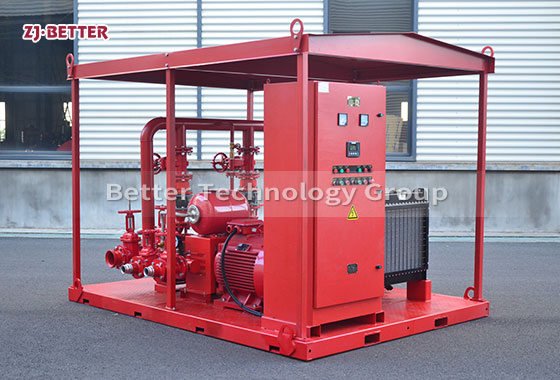
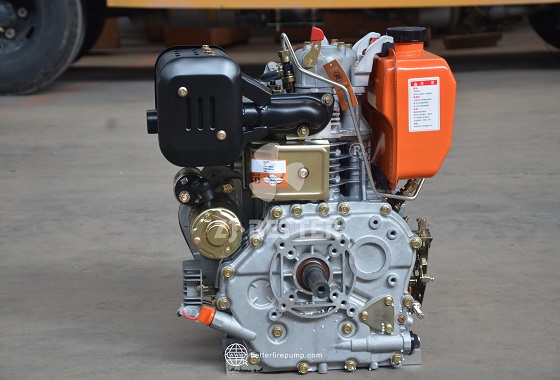
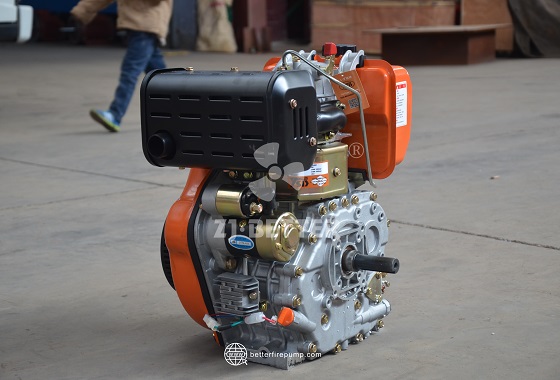
Diesel-engine fire pump technology plays a crucial role in modern firefighting systems and emergency rescue equipment, not only providing continuous and powerful power for fire pumps but also enhancing the reliability and responsiveness of the entire emergency response system. In emergencies such as fires, explosions, chemical leaks, and industrial accidents, the immediate activation of the water supply system is crucial to the safety of personnel and property. Diesel-engine fire pumps, with their high efficiency, independence, and stability, are a key power source for addressing this issue. Compared to electric-powered systems, diesel-engine fire pumps offer a significant advantage in their independence. They do not rely on external power grids, allowing them to quickly start and provide a stable water supply even in the event of a power outage. This feature is particularly important in high-risk areas such as ports, airports, chemical plants, oil depots, power plants, mining areas, and large storage facilities. In these locations, power plants are often the first to be damaged in the event of a fire. Relying on electric pumps would result in system failure. Diesel-engine fire pumps, however, can automatically respond within seconds, ensuring uninterrupted water supply. Another major advantage of diesel-engine technology in emergency response efficiency is its rapid startup and stable operation. Modern diesel engines, through their advanced fuel injection systems and intelligent control modules, achieve an efficient combination of cold and hot start capabilities, enabling rapid startup and optimal operation even in low-temperature environments. Their stable torque output ensures continuous water supply even under high-load conditions, without flow fluctuations or pressure drops. This rapid response and continuous water supply significantly shorten emergency response times and improve firefighting efficiency. In addition to reliable starting and operation, diesel-powered fire pumps also excel in durability and adaptability. Their engines and pump bodies are constructed of high-strength materials, capable of withstanding prolonged high-speed operation and high-load pressures, maintaining stable performance even in harsh environments. Some units are equipped with both air and water cooling systems, allowing for flexible cooling options based on application scenarios, ensuring long-term, continuous operation without overheating. Furthermore, diesel-powered fire pump systems feature a variety of automated control features, such as automatic start, automatic switchover, remote monitoring, and alarm systems, ensuring operational operation even in unattended environments. In particular, the intelligent monitoring platform collects real-time operational data, monitoring parameters such as water pressure, water flow, oil temperature, and speed. Automatically triggering alarms or even shutting down the system if an anomaly is detected can prevent equipment damage and system failure. This intelligent design significantly improves management efficiency and reduces human error. Diesel-powered fire pumps also offer advantages in energy conservation and environmental protection. The new generation engine utilizes efficient combustion technology and an optimized fuel injection control system, significantly reducing fuel consumption, delivering powerful power while minimizing energy waste. Furthermore, its exhaust emissions have been optimized to meet multiple international environmental standards, effectively reducing nitrogen oxide and particulate matter emissions and minimizing environmental impact. For users, this not only reduces operating costs but also enhances the system’s sustainability. A key characteristic of emergency equipment is ease of maintenance, and diesel-powered fire pumps excel in this regard. The engine and pump body are designed for ease of maintenance. Common components such as filters, lubricating oil systems, cooling systems, and transmission components are easily disassembled and replaced, minimizing the time and labor required for routine maintenance. The system also provides comprehensive maintenance reminders and operation logs, allowing users to develop a comprehensive maintenance plan tailored to their usage and ensure the equipment remains in optimal condition over the long term. Diesel-powered fire pumps have a wide range of applications, encompassing high-risk industrial environments, municipal construction, agricultural irrigation, ports, and marine systems. In the municipal sector, they provide reliable fire water supply for high-rise buildings and underground spaces; in agriculture, they serve as emergency pumping equipment for drought relief and large-scale irrigation; and on ships and in ports, they ensure rapid emergency response to fire incidents. Due to their flexibility and efficiency, diesel-powered fire pumps are considered a crucial component of comprehensive emergency solutions. It’s important to emphasize that modern diesel-powered fire pumps are not just a single piece of equipment; they encompass a complete emergency water supply system. They typically include modular components such as a main pump, backup pump, control cabinet, fuel tank, cooling system, exhaust system, and pipeline valves. Users can flexibly configure them to meet emergency water supply requirements of varying scales and pressures based on site needs. This modular and customizable design allows them to seamlessly integrate with various fire protection systems, providing a solid foundation for urban safety and industrial protection. In summary, diesel-powered fire pumps, with their advantages of independent power supply, rapid startup, stable operation, durability and reliability, intelligent control, energy conservation and environmental protection, and easy maintenance, comprehensively enhance the efficiency and reliability of emergency response. In modern society, the complexity and uncertainty of fires and other emergencies continue to increase. Choosing a high-performance diesel-powered fire pump system is not only a responsibility to life and property, but also a crucial measure for ensuring social security and sustainable development. With continuous technological advancements, diesel-powered technology will play an increasingly important role in the firefighting sector, providing users around the world with more efficient and reliable emergency water supply solutions.