Home » Fire Pump Set » What advancements are being made in firefighting pump technology?
What advancements are being made in firefighting pump technology?

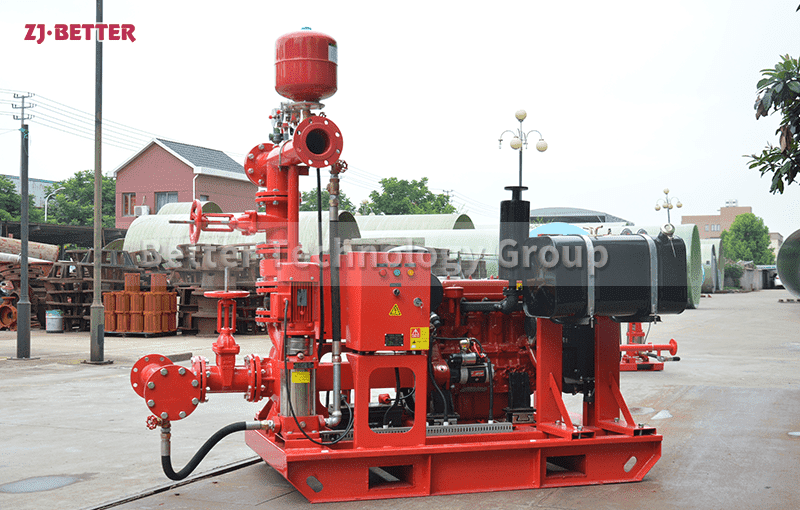
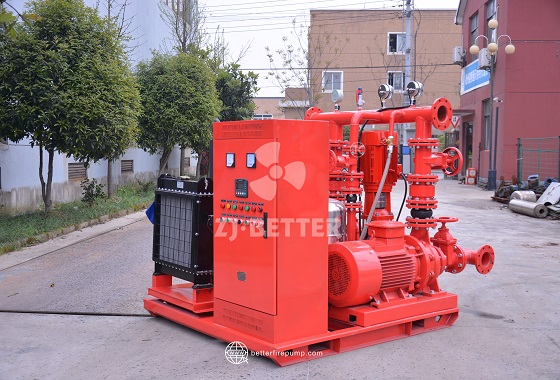
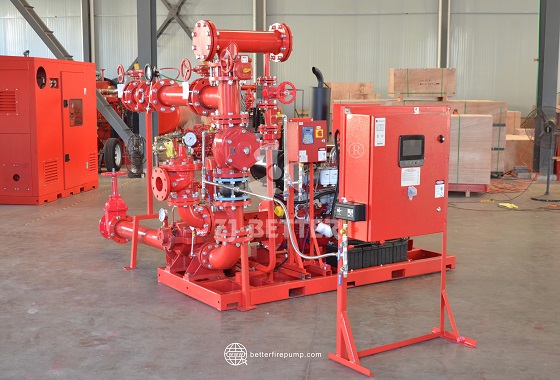
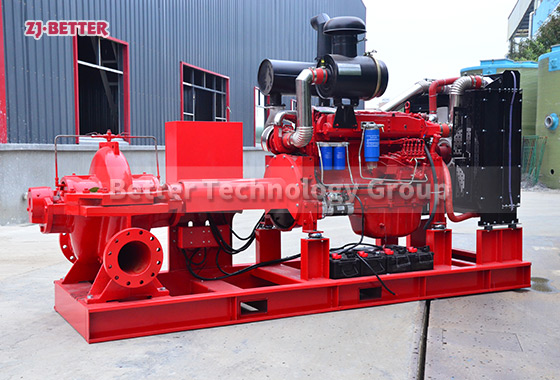
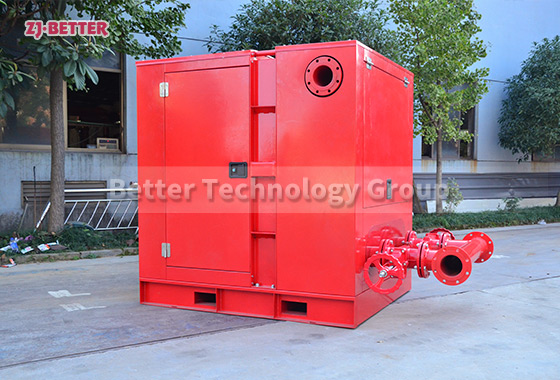
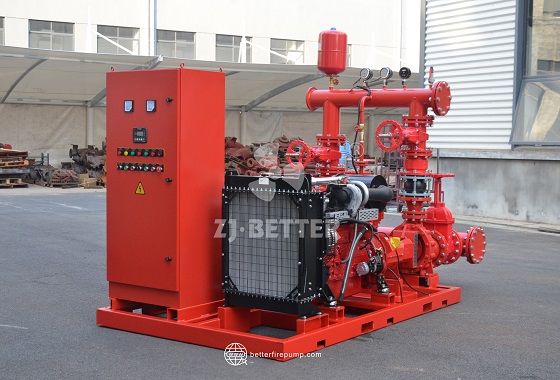
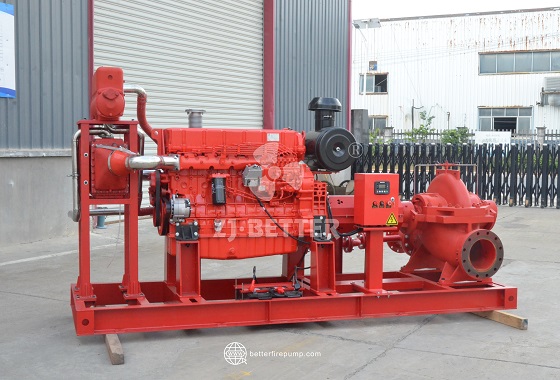
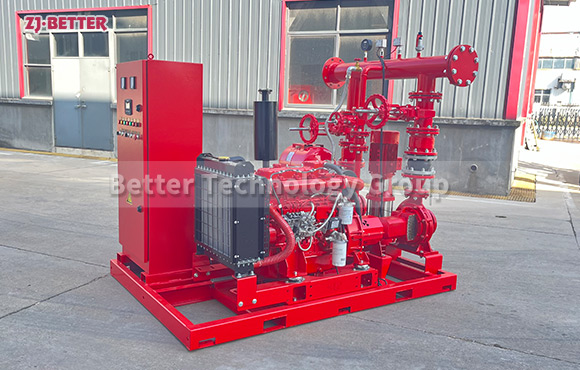
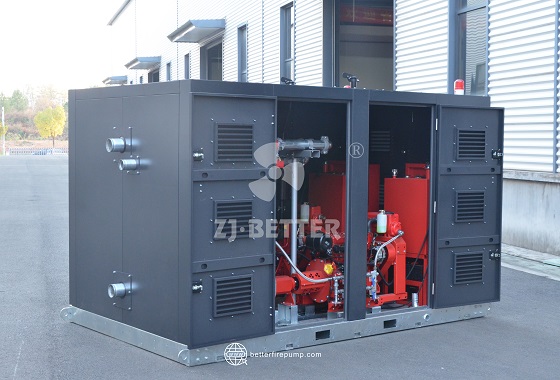
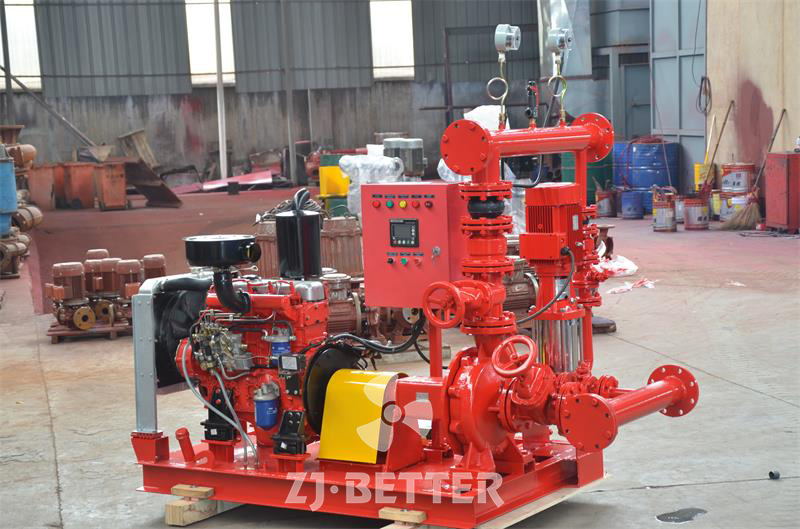
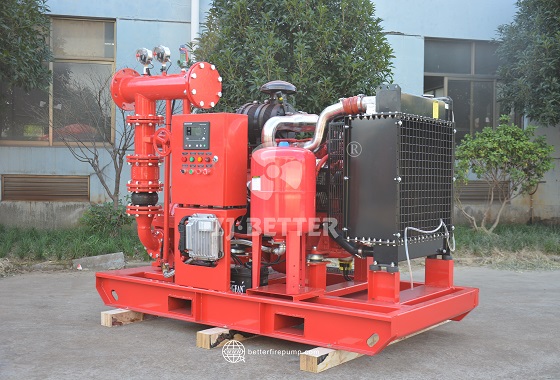
Advancements in firefighting pump technology focus on improving efficiency, reliability, and safety. Some emerging trends include the development of more compact and lightweight pumps, integration of smart monitoring and control systems, and the use of alternative fuels for powering pumps, such as hydrogen or electric batteries.

Rated 4.5/5 based on 504 customer reviews
Share:
Content

Advancements in firefighting pump technology focus on improving efficiency, reliability, and safety. Some emerging trends include the development of more compact and lightweight pumps, integration of smart monitoring and control systems, and the use of alternative fuels for powering pumps, such as hydrogen or electric batteries.

Inquiry


    More Fire Pump Set
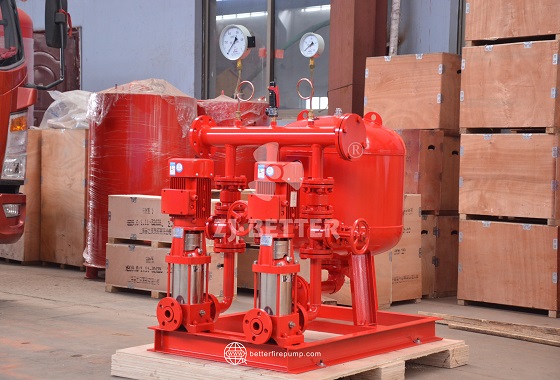
    Using a fire pump efficiently and reasonably is crucial to ensure its optimal performance and effective firefighting capabilities. Here are some key considerations for using a fire pump efficiently:

    Proper Sizing: Ensure that the fire pump is properly sized for the specific application.

    Regular Maintenance: Perform regular maintenance on the fire pump to keep it in optimal condition.

    Optimal Operating Speed: Operate the fire pump at the optimal speed based on the required flow rate and pressure.

    Water Management: Manage the water supply efficiently to avoid unnecessary waste.

    Training and Familiarization: Provide training to firefighters and operators on the proper operation of the fire pump.

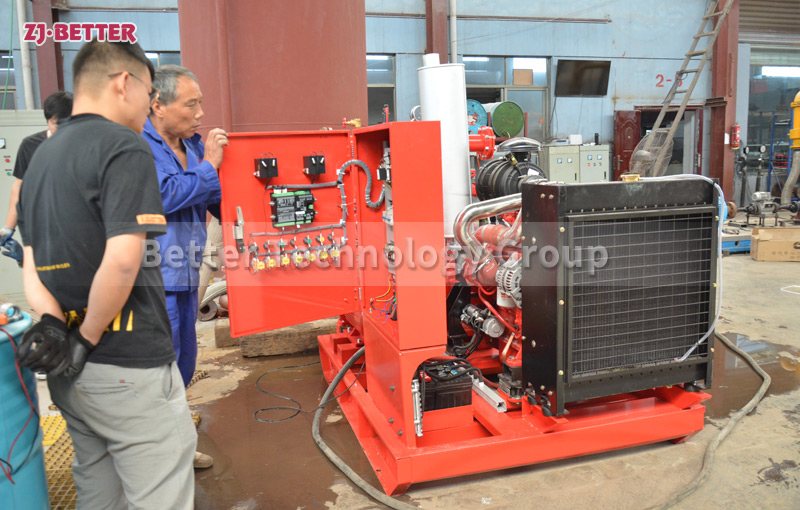
    Monitoring and Control: Utilize monitoring and control systems to optimize pump operation. These systems can provide real-time information on flow rates, pressures, and energy consumption. Use this data to adjust operating parameters as needed and identify any anomalies or inefficiencies that may require attention.

    Shut Down When Not in Use: When the fire pump is not actively needed, consider shutting it down to conserve energy and reduce wear on the equipment.

    Record Keeping: Maintain records of pump operation, maintenance activities, and any performance issues.

    Efficient and reasonable use of a fire pump not only helps conserve resources but also ensures its readiness to combat fires effectively. By following proper operating procedures, conducting regular maintenance, and promoting a culture of efficiency among operators, the fire pump can operate optimally and provide reliable firefighting capabilities when needed most.

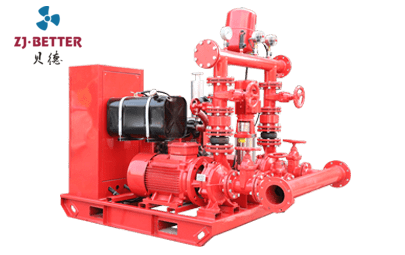
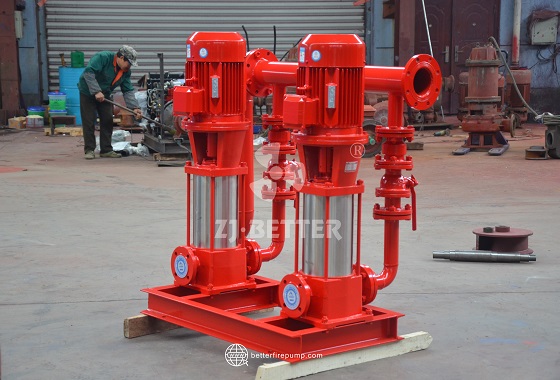
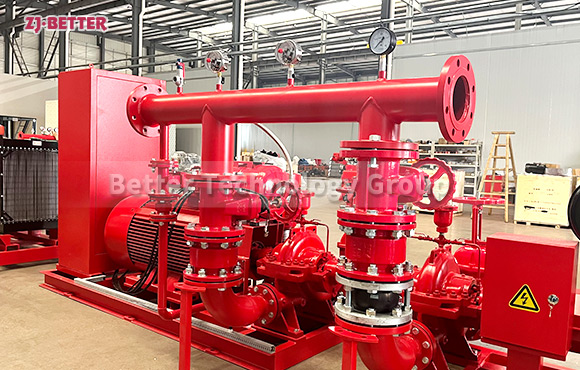
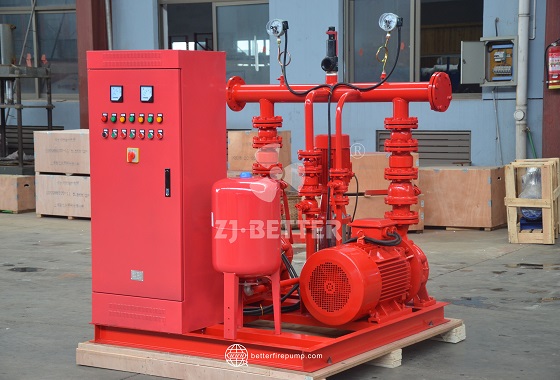
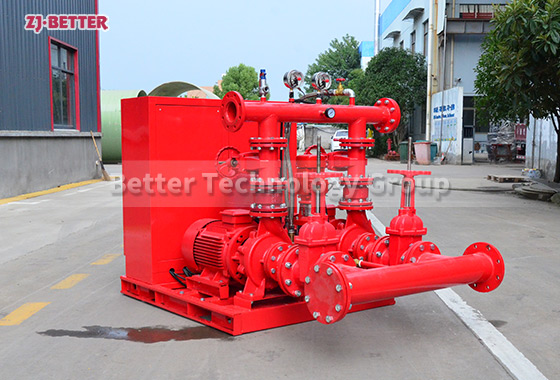
    There are many types of fire-fighting equipment, fire hydrants and fire extinguishers are a common category, and there is also a category of fire pumps, which can be described as the heart of the fire-fighting system and play an important role in pressurising the water supply for the fire-fighting system. Among the many fire pump products, fire pumps can be divided into multi-stage and single-stage fire pumps.

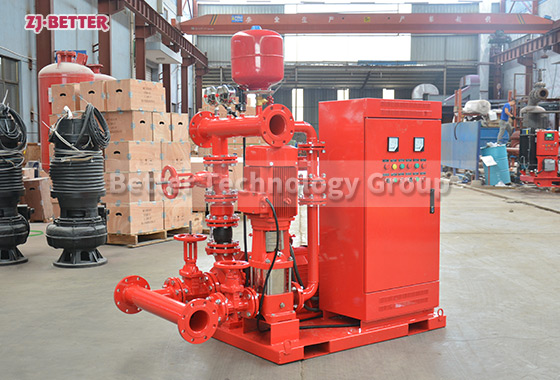
    Multi-stage pumps have high efficiency, corrosion resistance, reliable operation and other properties, strong bearing capacity of the pump body, strong resistance to overload and more sensitive start. Ltd. introduces you to the relevant features of multi-stage pumps. First of all, Shanghai Xizhiquan multi-stage pumps have a compact structure, with small spacing between parts and small volume. The equipment runs smoothly, has a long service life and produces less vibration during operation, so the practical life of the equipment is correspondingly long.

    With its unique structure, the direction of the water inlet and outlet can be adjusted according to different needs, so it is suitable for various place environments. The direction of the inlet and outlet is horizontal, which reduces the number of bends in the pipeline connection, thus simplifying the pipeline connection and greatly enhancing the efficiency of the fire fighting system.

    The efficient operation of the multistage pump is used in many larger, more demanding fire-fighting locations. Its role is mainly to play a role in the fire fighting pipeline system to pressurise and send water, multi-stage pumps are not only suitable for all kinds of fire fighting systems, but also for industrial drainage, high-rise building water pressure supply, long-distance water delivery, water circulation pressure and other occasions.

    When installing a fire pump, it is essential to adhere to specific requirements to ensure its proper functionality and compliance with safety standards. Here are some important installation requirements to consider:

    Codes and Standards: Familiarize yourself with local fire codes, regulations, and industry standards applicable to fire pump installations.

    Location and Accessibility: Choose an appropriate location for the fire pump that allows for easy access, maintenance, and serviceability.

    Foundation and Mounting: Ensure that the fire pump is installed on a stable and level foundation capable of supporting its weight and minimizing vibration.

    Electrical Connections: Electrical connections should be performed by licensed electricians following electrical codes and regulations.

    Water Supply: Ensure an adequate and reliable water supply for the fire pump.

    System Piping and Valves: The piping system should be installed following the pump manufacturer’s specifications and relevant standards.

    Controls and Monitoring: Install the pump’s control panel and associated instrumentation according to manufacturer guidelines.

    Testing and Commissioning: Thoroughly test and commission the fire pump system before placing it into service.

    Documentation and Training: Maintain comprehensive documentation of the installation, including drawings, equipment specifications, test reports, and maintenance records.

    It is crucial to consult with fire protection professionals, including fire engineers and pump manufacturers, to ensure compliance with all relevant requirements during the installation process. Proper installation is essential for the reliable operation of the fire pump and the safety of the facility and its occupants.