Energy-Efficient Vertical Fire Pump Systems Reduce Long-Term Operating Costs
Energy-Efficient Vertical Fire Pump Systems reduce long-term operating costs through high hydraulic efficiency, compact inline design, stable pressure performance, intelligent control technology, low maintenance requirements, and reliable continuous operation. Ideal for high-rise buildings, commercial complexes, industrial facilities, warehouses, hospitals, airports, ports, and modern fire protection projects requiring dependable and cost-effective fire water supply solutions.
With the continuous expansion of modern building scale and the constant improvement of fire safety standards, fire water supply systems have become an indispensable and important component of various building and industrial projects. Whether it’s high-rise buildings, commercial complexes, industrial plants, warehousing and logistics centers, hospitals, schools, or airports, ports, and municipal infrastructure projects, reliable fire water supply equipment is essential to ensure the safety of personnel and property. Among numerous fire-fighting equipment, vertical fire pump systems, with their compact structure, convenient installation, stable operation, and energy efficiency, have gradually become an important choice for modern fire protection engineering. Especially against the backdrop of rising global energy costs and building operators increasingly focusing on life-cycle costs, energy-efficient vertical fire pump systems not only meet stringent fire water supply requirements but also effectively reduce long-term operating costs, bringing more significant economic value and management advantages to projects.
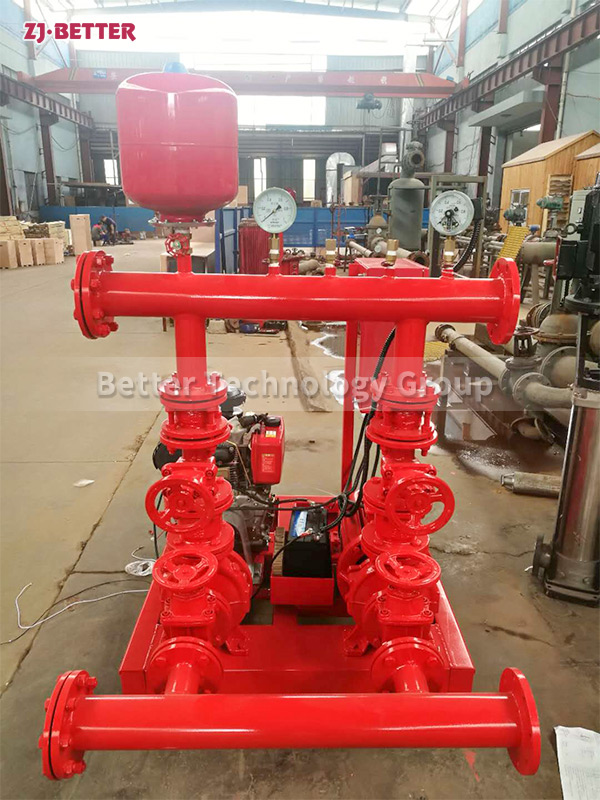
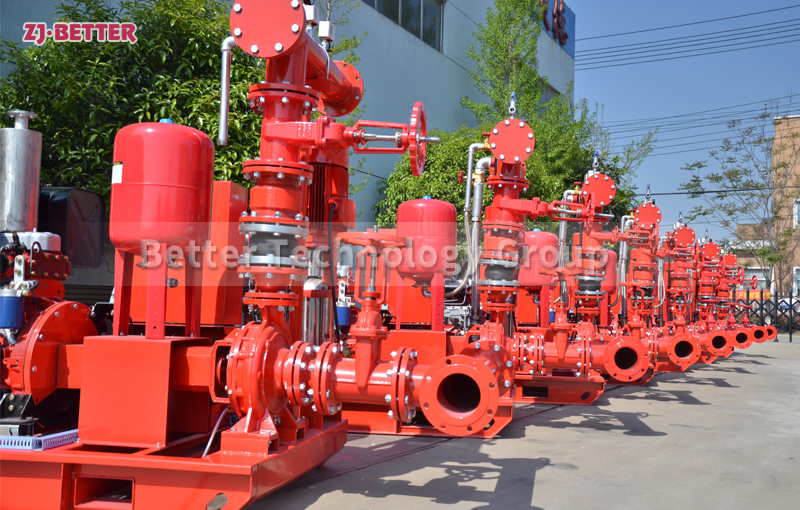
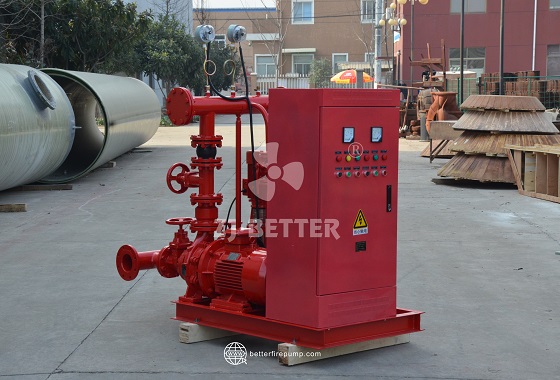
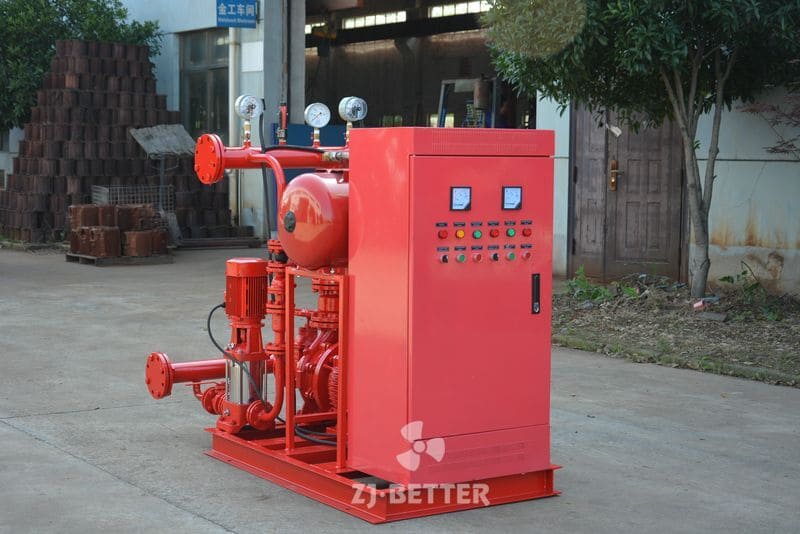
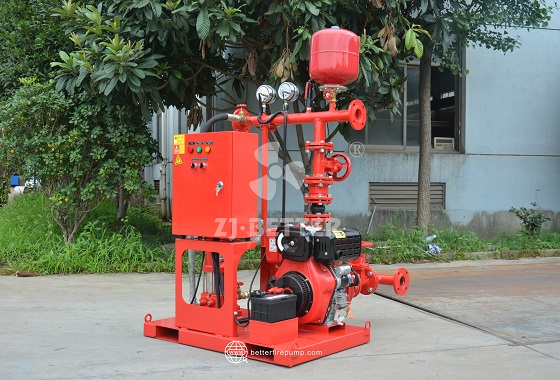
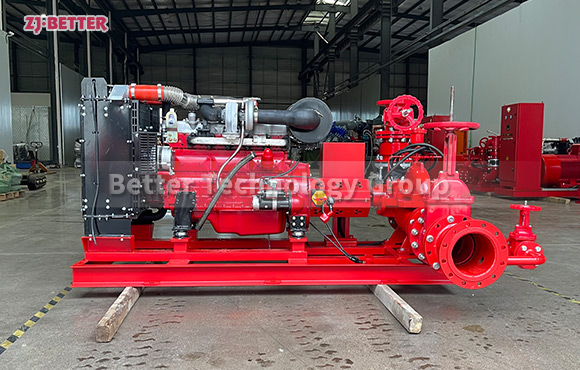
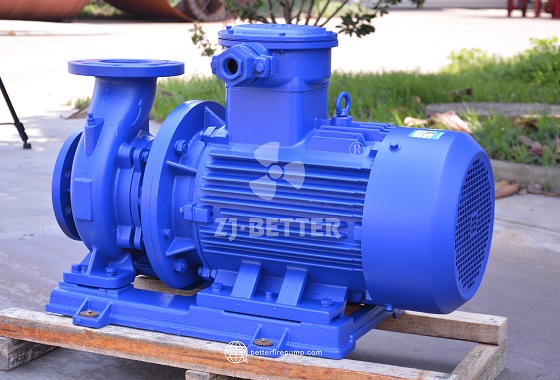
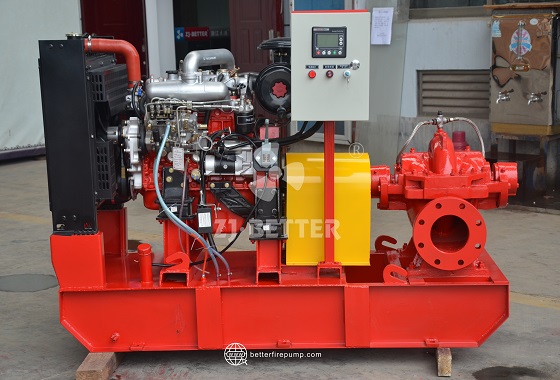
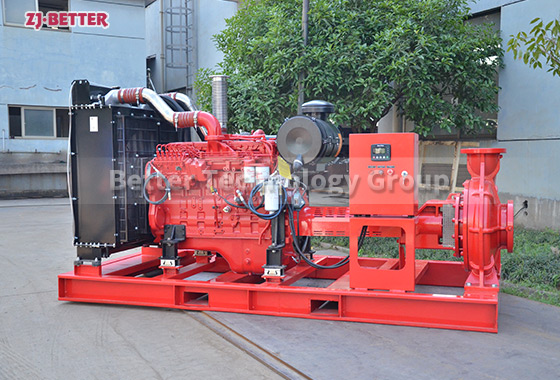
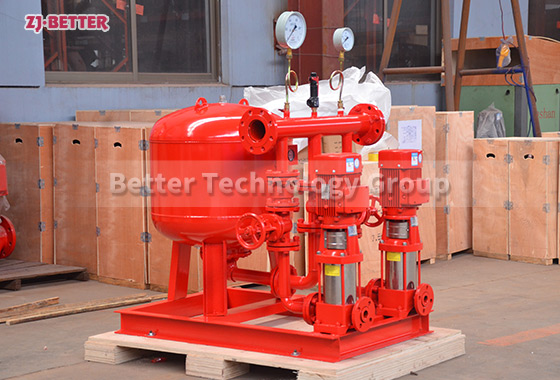
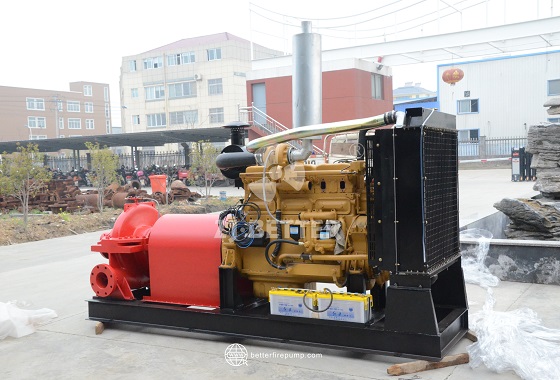
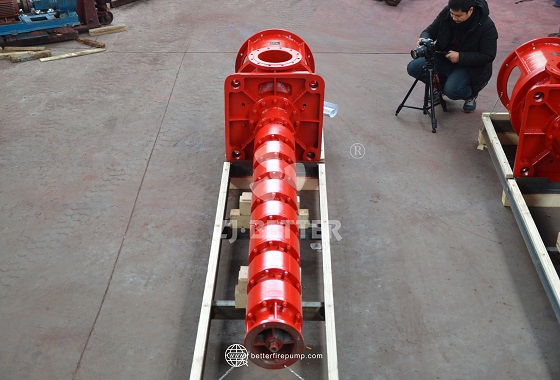
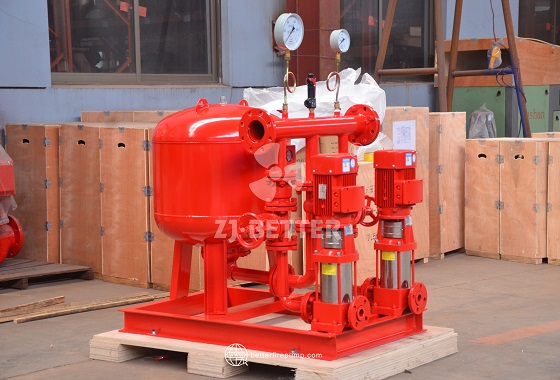
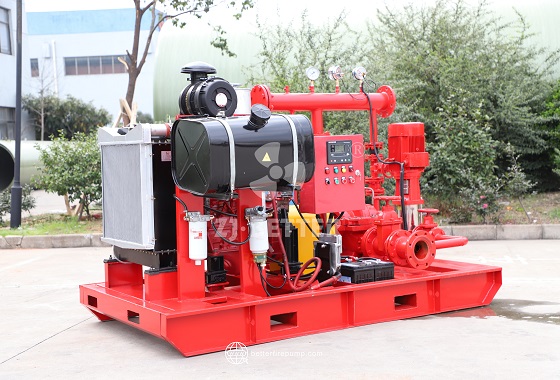
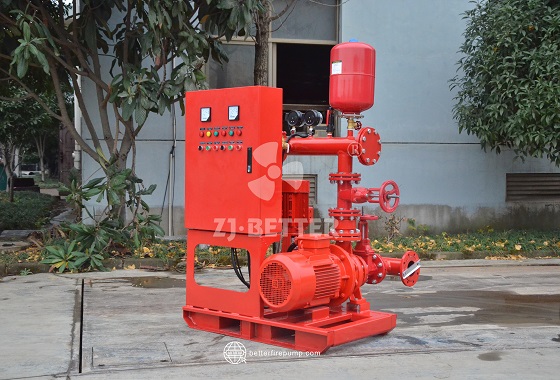
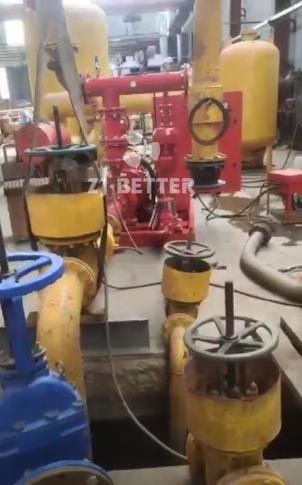
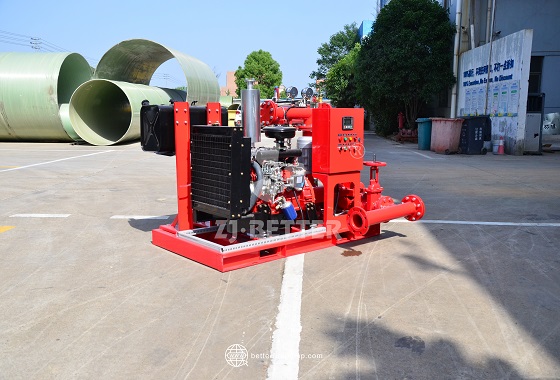
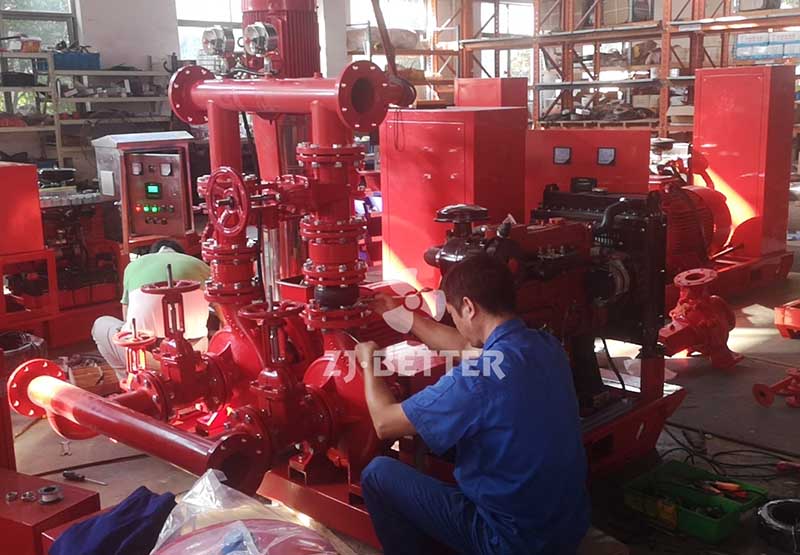
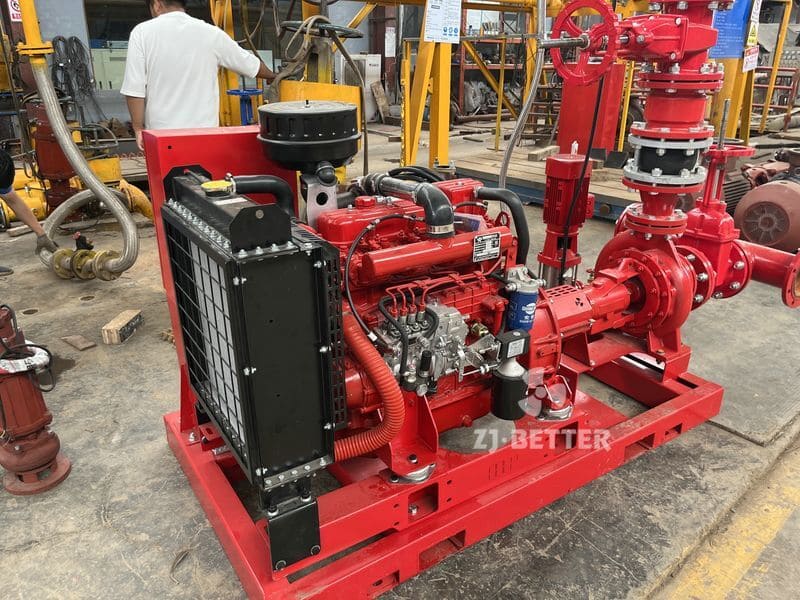
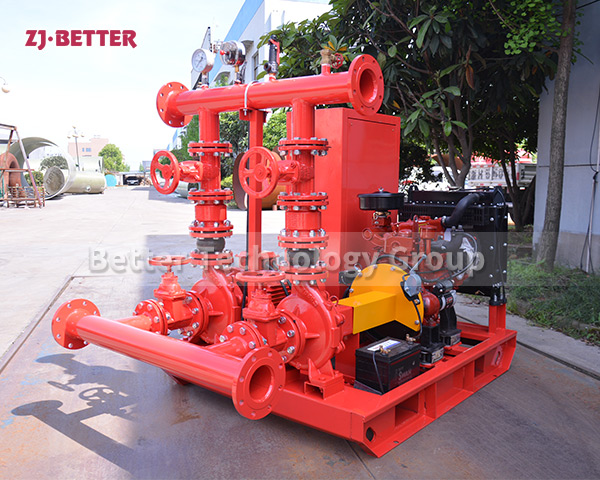
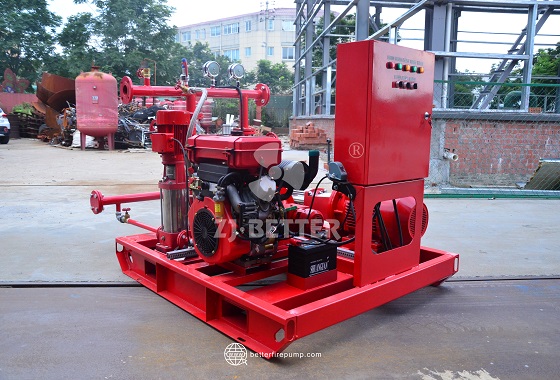
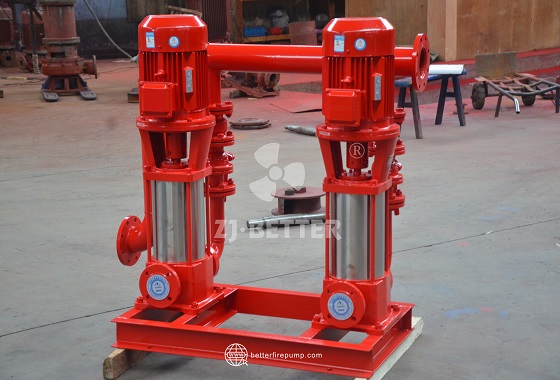
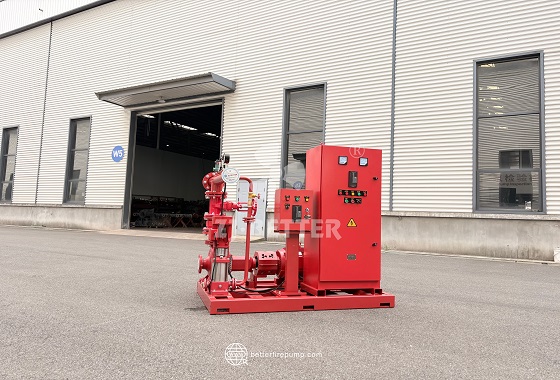
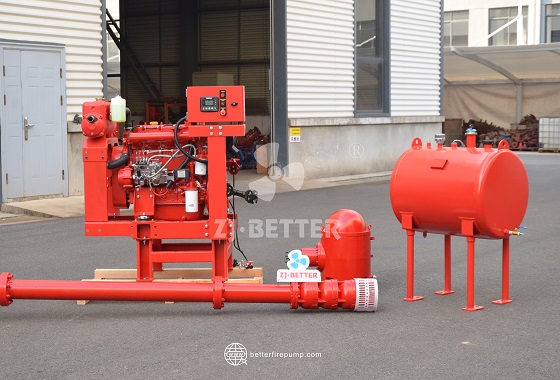
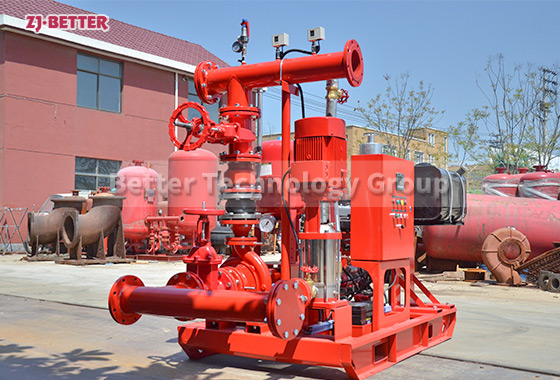
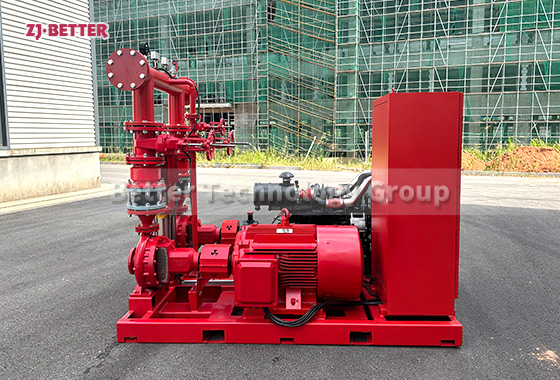
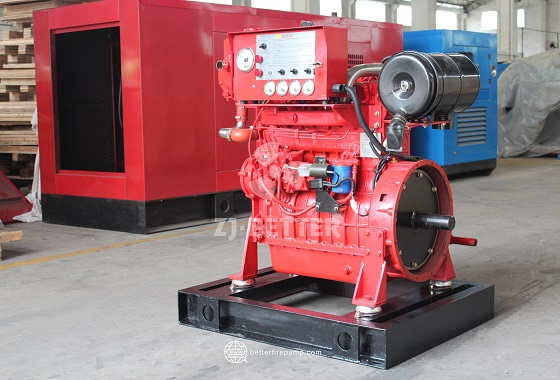
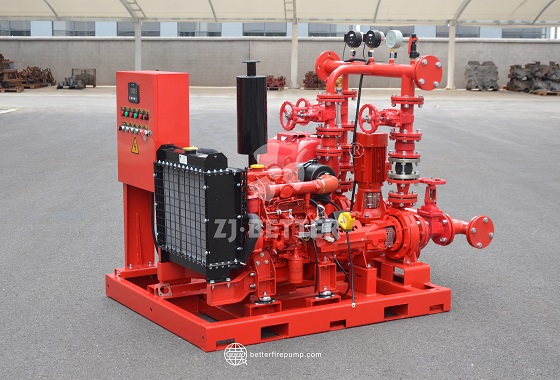
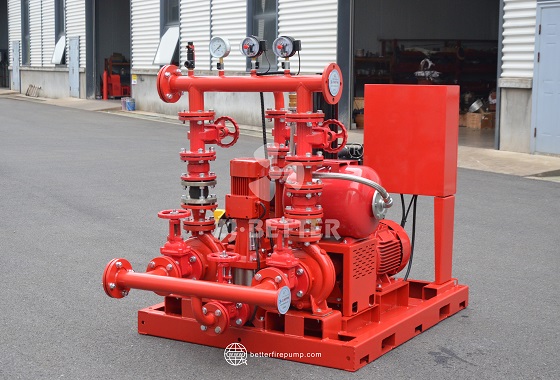
A vertical fire pump system is a fire water supply device that adopts a vertical pipeline centrifugal pump structure design. Its pump body is directly installed in the pipeline, with the inlet and outlet located on the same centerline, enabling straight-line connection installation. Compared with traditional horizontal fire pumps, the vertical structure significantly reduces the equipment’s footprint, making the pump room layout more rational, and is particularly suitable for building projects with limited installation space. The system typically consists of a fire pump, an electric motor or diesel engine drive unit, an intelligent control system, monitoring instruments, piping components, and a common base, providing a stable and reliable water supply for automatic sprinkler systems, indoor and outdoor fire hydrant systems, water cannon systems, and other fire protection facilities.
Energy efficiency is one of the most important core advantages of modern vertical fire pump systems. Although fire water supply equipment is mainly used in emergency situations, it requires long-term standby and regular operational testing in practical applications. Therefore, the equipment’s operating efficiency directly affects the overall energy consumption of the project. Vertical fire pumps employ advanced hydraulic model design and high-efficiency impeller structures, reducing energy loss during liquid transport and improving hydraulic conversion efficiency through optimized flow channel layout. Compared to traditionally designed equipment, it can achieve lower energy consumption under the same flow rate and head conditions, thereby helping building operators reduce electricity costs and maintenance expenses.
High-efficiency impeller design is a crucial technological foundation for achieving energy-saving operation. As the core component of the fire pump, the impeller’s performance directly determines the equipment’s flow rate, head, and energy utilization rate. Modern vertical fire pumps employ a closed impeller structure optimized for fluid dynamics, allowing water to flow more smoothly through the pump body, reducing eddies and hydraulic losses, and improving overall operating efficiency. Simultaneously, high-precision machining ensures impeller dynamic balance, effectively reducing equipment vibration and noise, improving operational stability, and extending service life.
The vertical structure design not only saves installation space but also helps reduce project construction costs. In many modern buildings, equipment room space is extremely valuable. Traditional horizontal fire pumps often require large installation areas and complex piping layouts. Vertical fire pump systems, with their vertical arrangement, can be directly installed on the main pipeline, reducing the need for additional connecting fittings and supporting structures. The compact design allows for more flexible pump room planning, improving building space utilization and saving valuable construction resources for the project.
Stable and reliable water supply performance is the most basic and crucial requirement for fire-fighting equipment. Vertical fire pump systems achieve stable flow output and continuous pressure supply through optimized pump body structure and power matching design. When the fire protection system is activated, the equipment can quickly establish rated pressure and maintain stable operation, providing sufficient water supply support for the sprinkler and fire hydrant systems. Even when multiple fire terminals are activated simultaneously, it can still ensure balanced water supply, ensuring that fire extinguishing facilities achieve optimal effectiveness.
For large buildings and complex fire protection piping networks, stable pressure output is particularly critical. High-rise buildings typically face significant vertical water delivery heights, while industrial parks and logistics centers have long water supply distances; these factors can all affect the effectiveness of fire protection water supply. Energy-efficient vertical fire pump systems employ optimized head design and high-performance drive devices to overcome pressure losses caused by complex operating conditions, providing a continuous and stable water supply guarantee for the fire protection system and ensuring that fire protection facilities in all areas are always in optimal working condition.
Automated control technology further improves equipment operating efficiency and management level. Modern vertical fire pump systems are equipped with intelligent control cabinets and digital monitoring platforms, which can monitor key parameters such as pressure, flow rate, current, voltage, operating time, and equipment status in real time. When the system detects pressure changes, it can automatically execute start-stop control procedures to ensure that the fire protection piping network is always maintained within the set pressure range. Automated management reduces the need for manual intervention, improves system reliability, and lowers operating costs.
Intelligent monitoring provides a more efficient solution for equipment maintenance. Traditional fire equipment maintenance relies heavily on manual inspections, which are time-consuming, labor-intensive, and difficult to detect potential problems in a timely manner. Modern vertical fire pump systems can collect operational data in real time through sensors and automatically issue alarms when anomalies occur. Managers can quickly grasp the equipment status, schedule maintenance work in advance, and prevent equipment downtime caused by escalating faults, thereby reducing maintenance costs and improving system availability.
Low maintenance requirements are a key factor in reducing long-term operating costs. Vertical fire pumps have a simple structure and fewer components, making maintenance relatively convenient. The equipment is manufactured using high-quality bearings, mechanical seals, and wear-resistant materials, effectively reducing wear and failure rates. Because the pump body and motor are coaxially designed, transmission efficiency is higher and complex coupling adjustments are unnecessary, significantly reducing daily maintenance workload. For building projects requiring long-term operation, this low-maintenance characteristic can significantly reduce operating costs.
Durability design further enhances the economic value of the equipment. Firefighting equipment typically needs to maintain a service life of ten years or more, making product reliability and durability paramount. Energy-efficient vertical fire pump systems utilize high-strength cast iron or ductile iron pump bodies and are equipped with corrosion-resistant treatments, enabling them to withstand humid, high-temperature, and complex environmental conditions. Key components undergo rigorous durability testing and quality inspection to ensure excellent performance even under long-term standby and frequent test runs.
Rapid response capability is one of the most important performance indicators for firefighting equipment. The initial stage of a fire is crucial for controlling its spread; therefore, the fire water supply system must be operational in the shortest possible time. Vertical fire pump systems possess the ability to start quickly and rapidly build pressure. Upon receiving a fire signal, they can immediately activate and begin supplying water, providing timely water support to automatic sprinkler and fire hydrant systems, improving firefighting efficiency and reducing fire losses.
From a practical application perspective, energy-efficient vertical fire pump systems have an extremely wide range of applicability. In high-rise residential and commercial building projects, vertical fire pump systems can meet the complex fire water supply needs of buildings; in industrial plants and manufacturing bases, they can provide stable water supply for large-area fire pipe networks; in warehousing and logistics centers and cold chain warehouse projects, they can ensure fire safety in critical areas; and in hospitals, schools, and public buildings, they can provide reliable fire protection for densely populated areas. Furthermore, airports, ports, rail transit hubs, and municipal infrastructure projects are also important application areas for vertical fire pump systems.
With the deepening of green building and sustainable development concepts, energy-saving fire protection equipment is receiving increasing market attention. Modern vertical fire pump systems not only meet fire safety regulations but also align with energy conservation and environmental protection trends. High-efficiency operation modes can reduce energy consumption and carbon emissions, helping projects achieve green building certification goals and reducing long-term environmental management costs. This design concept, which balances fire safety and energy conservation, is becoming an important development direction for modern fire protection engineering construction.
In the future, vertical fire pump systems will continue to develop towards intelligence, digitalization, and high efficiency. By integrating IoT technology, cloud platform monitoring systems, big data analysis, and remote operation and maintenance management functions, the equipment can achieve real-time status monitoring and predictive maintenance. Managers can monitor equipment operation in real time through a network platform and develop optimized maintenance strategies based on data analysis, thereby further improving equipment reliability and reducing operating costs. Meanwhile, more advanced hydraulic design and energy-saving technologies will continue to be applied to next-generation products, bringing more efficient and reliable solutions to the fire protection industry.
Overall, energy-efficient vertical fire pump systems, with their high-efficiency operation, compact structural design, stable water supply capacity, intelligent control functions, low maintenance requirements, and excellent durability, have become highly competitive and important equipment in modern fire protection engineering. By reducing energy consumption, minimizing maintenance costs, improving system reliability, and optimizing space utilization, this system can effectively reduce long-term project operating costs, creating greater economic value for building operators. As the global fire protection industry continues to develop and building standards continue to rise, energy-efficient vertical fire pump systems will play an even more important role in the future fire protection market, providing safer, more efficient, and sustainable fire water supply for modern buildings and industrial projects.