High Reliability Electric Fire Pump Unit for Sprinkler and Hydrant Systems
High-reliability electric fire pump units are suitable for sprinkler and fire hydrant systems, featuring stable pressure output, rapid start-up performance, continuous water supply capability, and comprehensive safety control design, providing reliable emergency water supply for building and industrial fire protection systems.
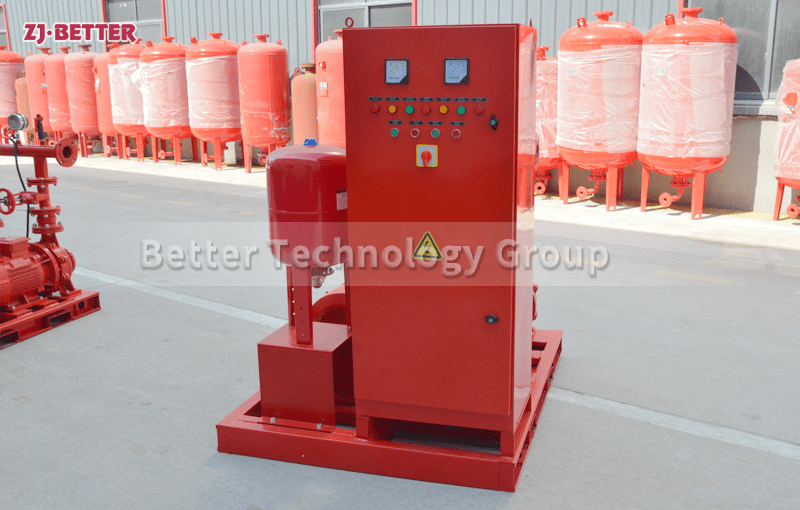
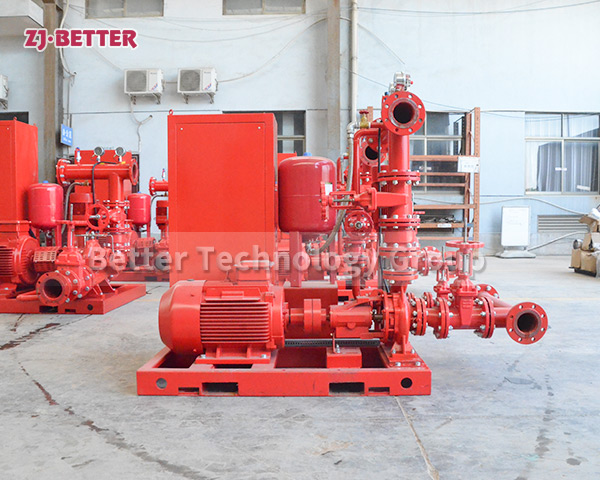
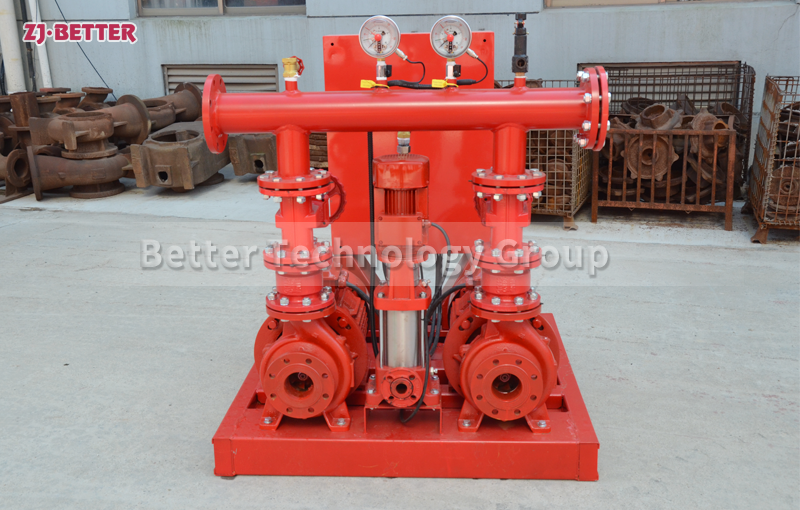
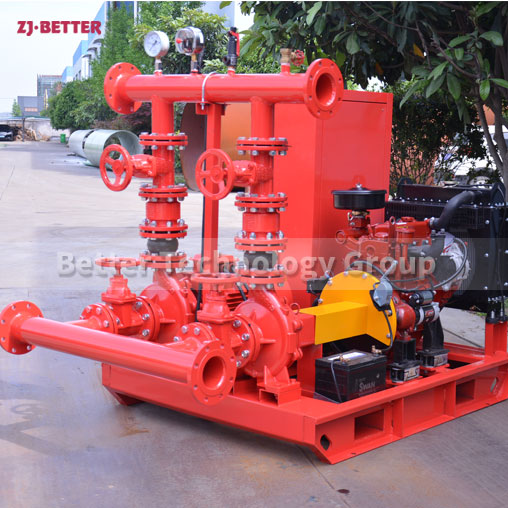
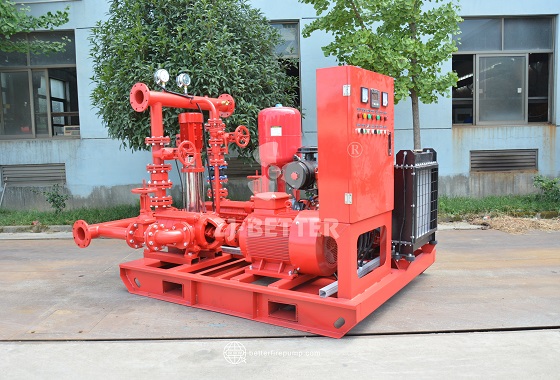
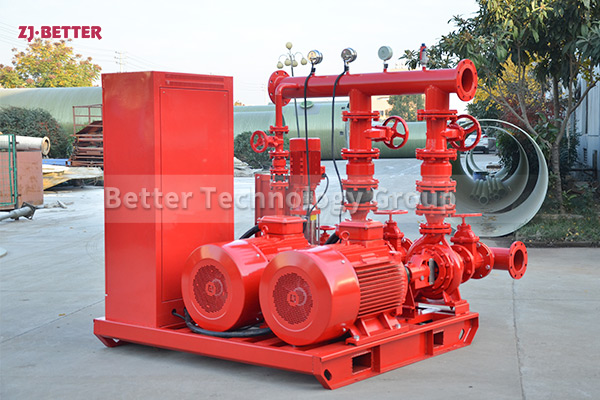
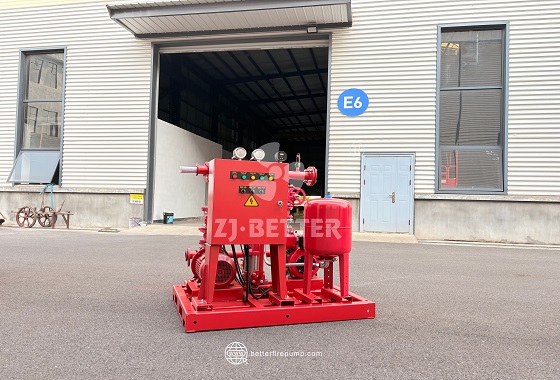
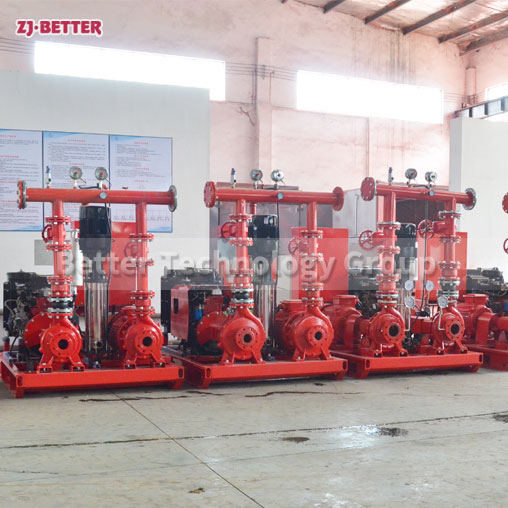
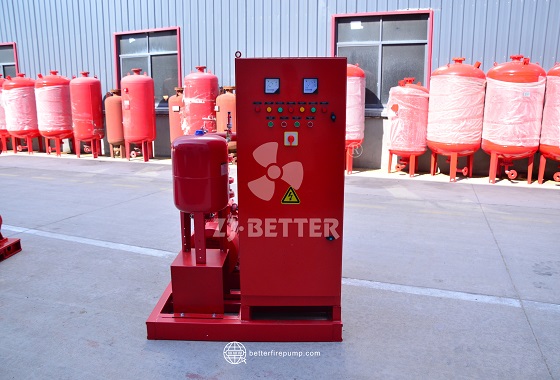
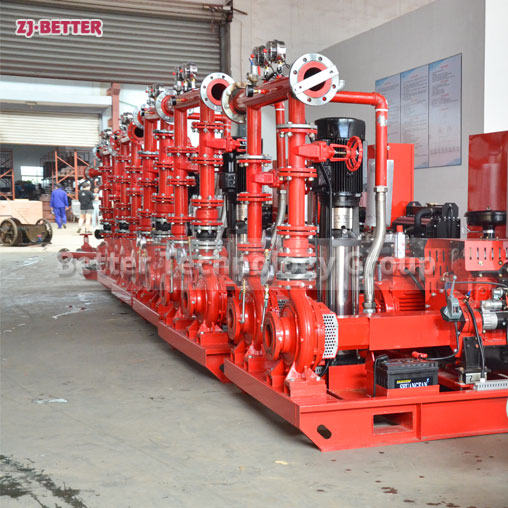
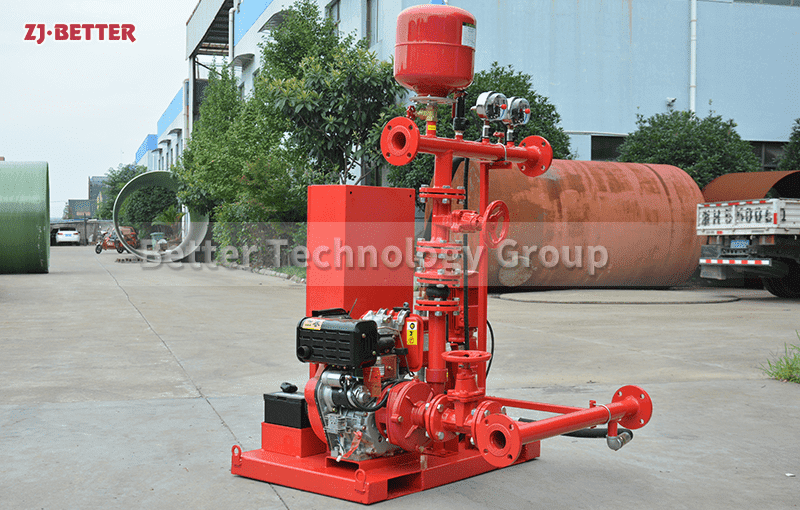
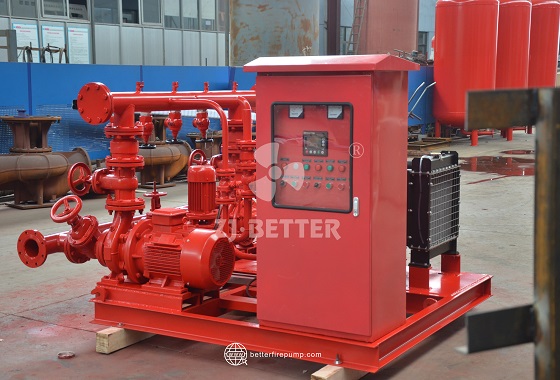
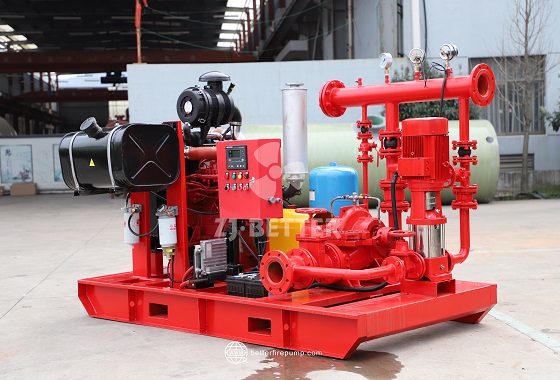
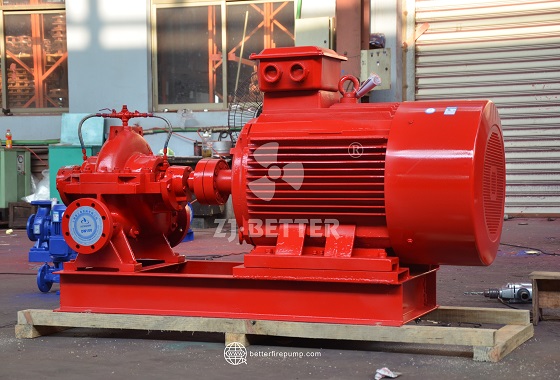
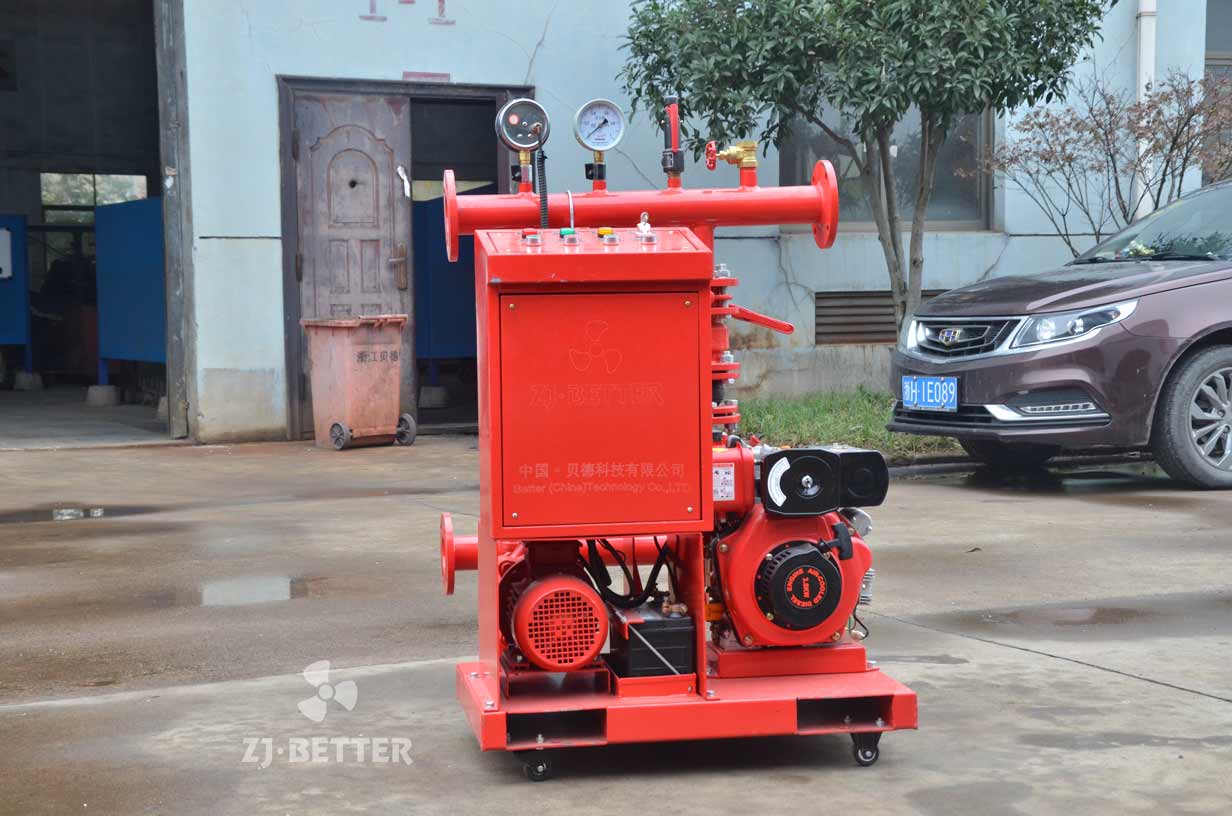
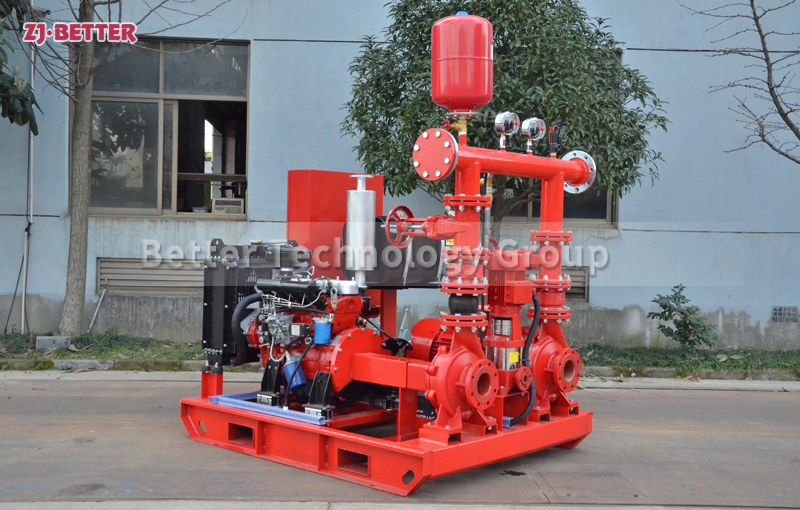
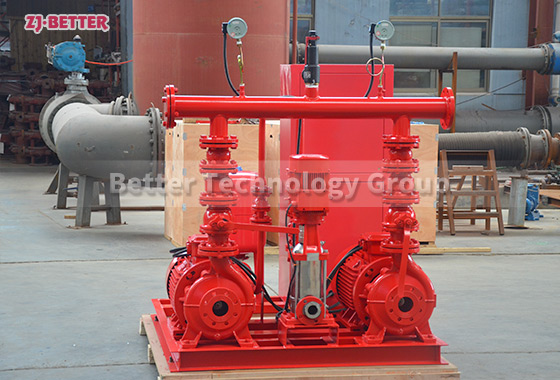
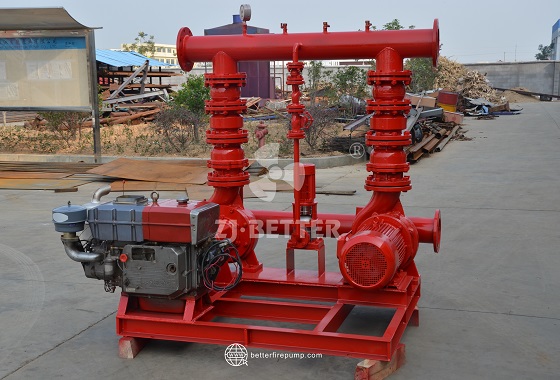
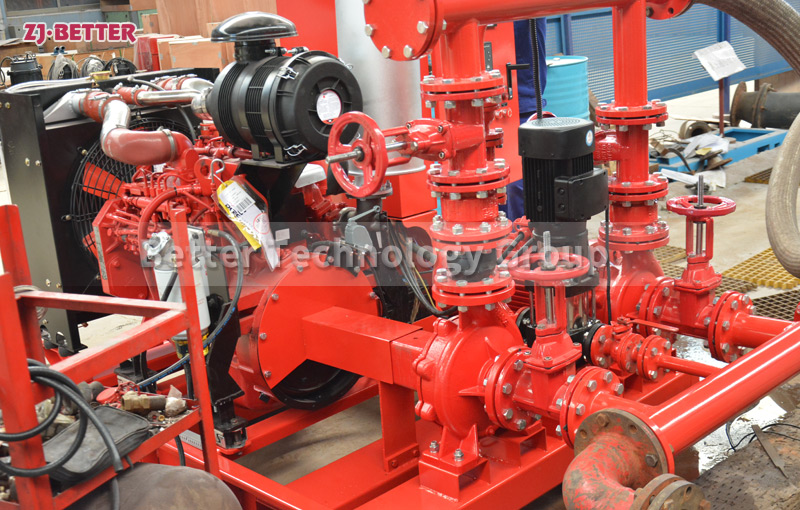
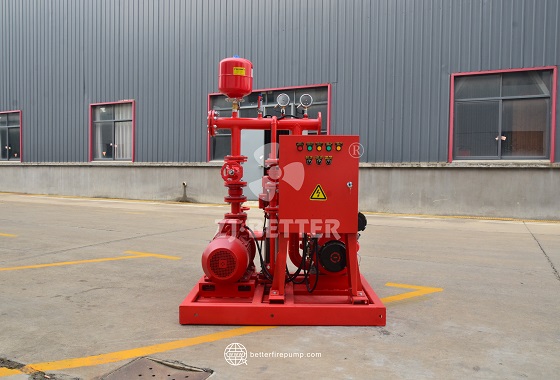
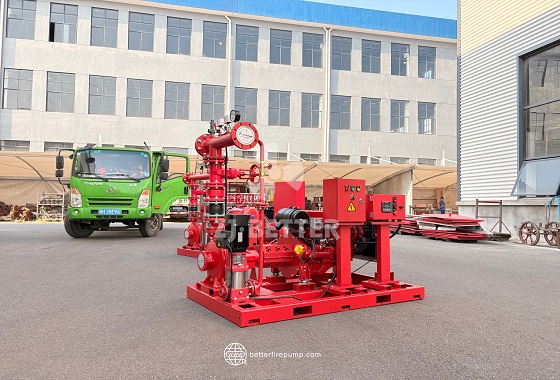
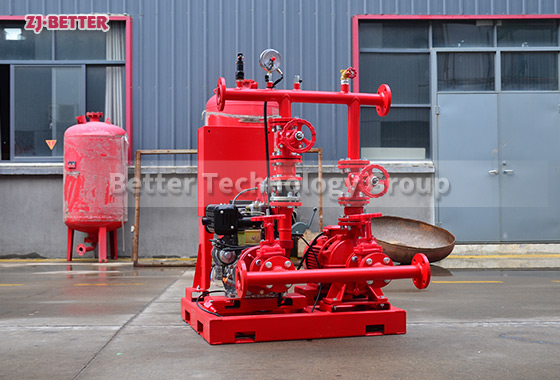
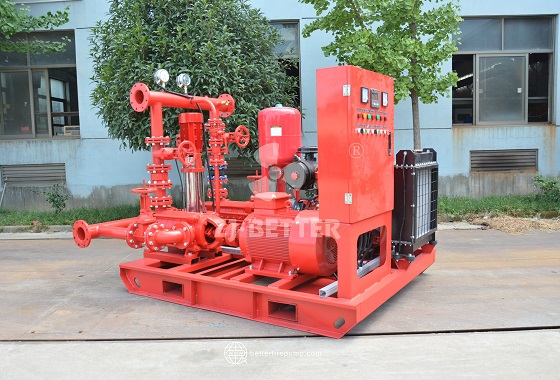
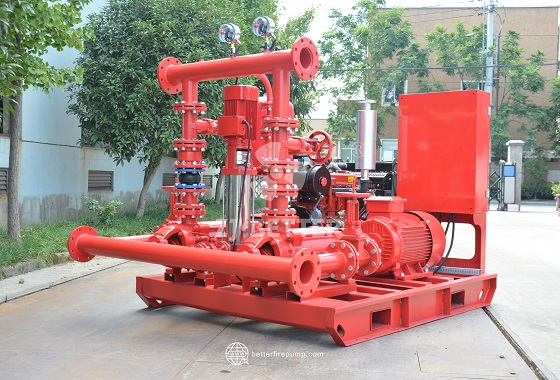
High-reliability electric fire pump units are core water supply equipment in modern fixed fire protection systems, primarily used in fire hydrant and automatic sprinkler systems. They play a crucial role in providing continuous, stable, and sufficient water supply during fires. These electric fire pump units use an electric motor as the drive source, and their structural design strictly adheres to the operational characteristics of fire protection systems, including long-term standby, emergency start-up, and continuous operation. Through scientific hydraulic model design and mature electromechanical integration solutions, they achieve high-efficiency delivery and stable pressure output. In terms of performance, the pump body is typically made of high-strength cast iron or ductile iron, possessing excellent pressure resistance and impact resistance. It can operate for extended periods under high head and high flow conditions without structural deformation or performance degradation, making it suitable for high-rise buildings, large commercial complexes, industrial plants, warehousing and logistics centers, and other locations with high requirements for fire water supply. The hydraulic components undergo precise machining and dynamic/static balance calibration, ensuring smooth impeller flow and minimal hydraulic losses. This guarantees high-efficiency operation at rated flow while effectively reducing operating energy consumption and system vibration, providing a solid foundation for the long-term reliability of the fire protection system. The motor section typically uses a dedicated fire-fighting motor, characterized by high starting torque, low temperature rise, and high insulation class. It can quickly reach rated speed under emergency start-up conditions, ensuring the fire-fighting system establishes effective water pressure in the shortest possible time. It also possesses good overload capacity, capable of adapting to high-load operation demands for short periods. The complete unit is designed to fully consider the actual operating conditions of the sprinkler and fire hydrant systems. Through reasonable selection, the pump unit operates near the system design point, avoiding efficiency reduction or component wear caused by long-term deviation from operating conditions, thereby extending the overall service life of the unit. Regarding control and safety performance, high-reliability electric fire pump units are usually equipped with a dedicated fire control cabinet, enabling multiple control modes such as automatic start, manual start, and remote linkage control. It can reliably link with fire alarm systems, pressure switches, and pipeline signals, allowing for rapid operation without manual intervention in the event of a fire. The internal components of the control system are selected with a focus on stability and anti-interference capabilities, possessing comprehensive overload, phase loss, short circuit, and overheat protection functions. This ensures normal pump operation while effectively preventing malfunctions or equipment damage, providing dual safety guarantees for the fire-fighting system. Pressure monitoring and display devices can reflect the system’s operating status in real time, facilitating daily inspections and maintenance by management personnel and helping to promptly identify and address potential hazards. In terms of structural design, electric fire pump units mostly adopt an integrated base mounting method, integrating the pump, motor, coupling, control cabinet, and piping components onto the same foundation. This results in good overall rigidity and high installation precision, effectively reducing on-site construction difficulty and installation time, while also minimizing vibration and noise problems caused by installation errors. A rational piping layout and valve configuration make system maintenance and repair more convenient, and key components are easy to disassemble and replace, helping to shorten maintenance cycles and reduce long-term operation and maintenance costs. Considering the long-term standby characteristics of fire protection systems, the units have also undergone systematic optimization in terms of rust prevention, corrosion prevention, and environmental adaptability. The surface coating has excellent corrosion resistance and can adapt to humid pump room environments with large temperature variations, ensuring that the equipment maintains good start-up performance and operating status even after years of standby. The advantages of high-reliability electric fire pump units are particularly evident in sprinkler systems. Their stable pressure output ensures that sprinkler heads open normally and spray water evenly within their design range, improving fire extinguishing efficiency and reducing water waste. In fire hydrant systems, the units can maintain stable pipeline pressure even when multiple points are using water simultaneously, meeting the actual needs of firefighters for rapid water access and continuous firefighting. Through scientific system matching and mature product design, these electric fire pump units not only meet the stringent performance and reliability requirements of current fire codes, but also demonstrate significant advantages in energy efficiency, ease of maintenance, and service life. They provide long-term, stable, and safe fire water supply for various building and industrial projects, making them an indispensable piece of equipment in modern fire protection engineering.