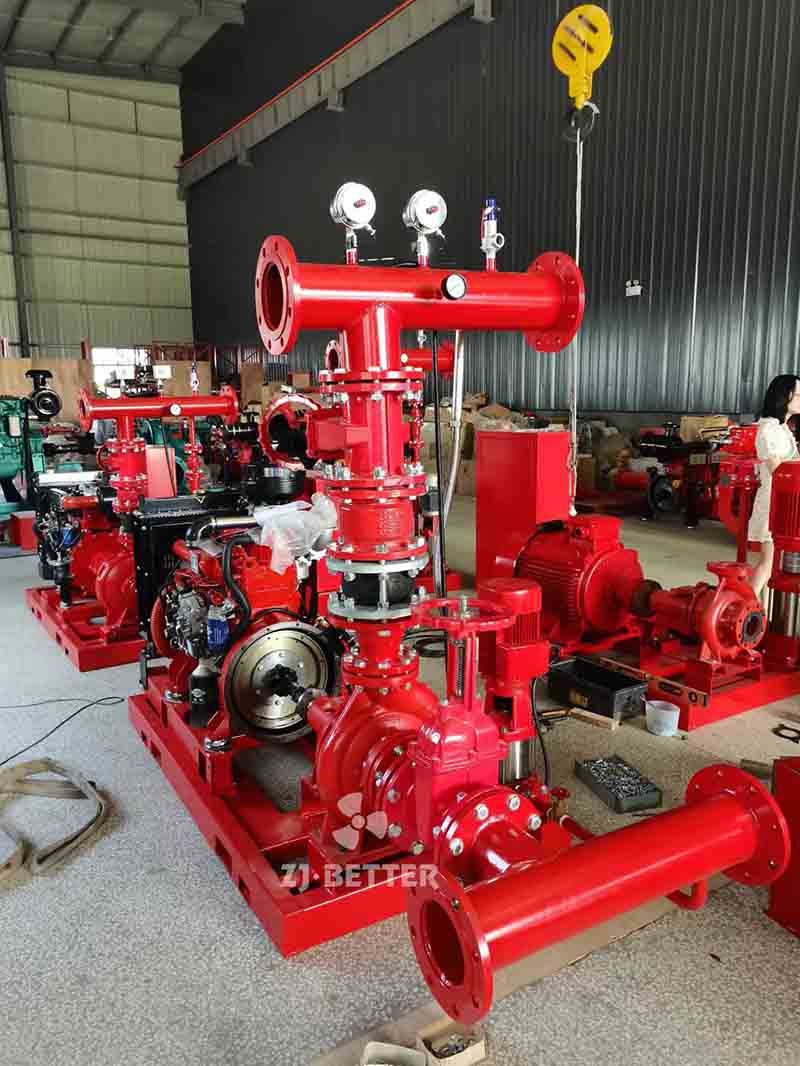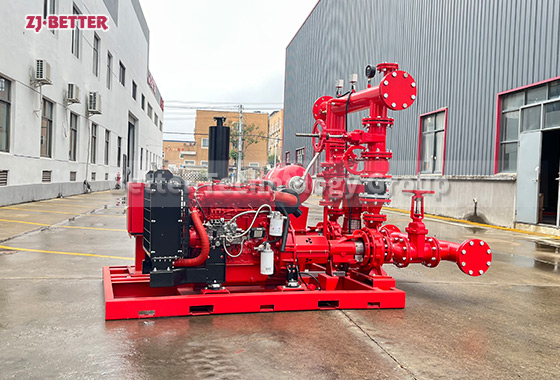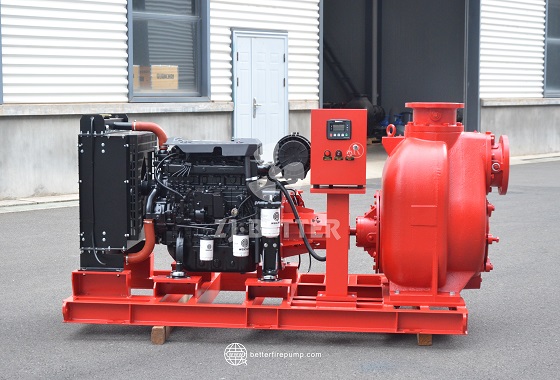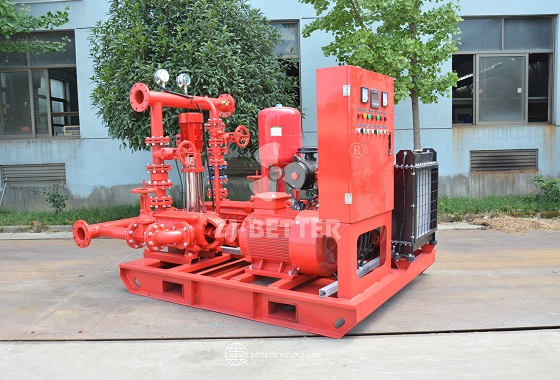
Automatic Priming Pump System for High-Efficiency Dewatering Projects
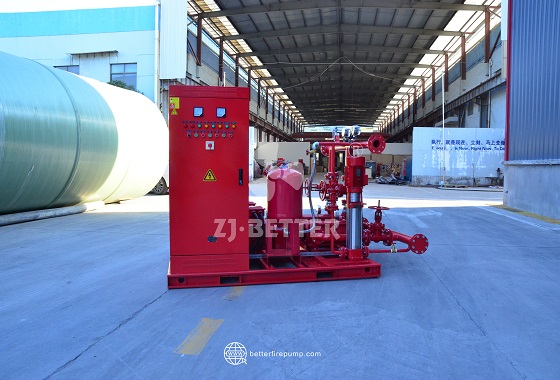
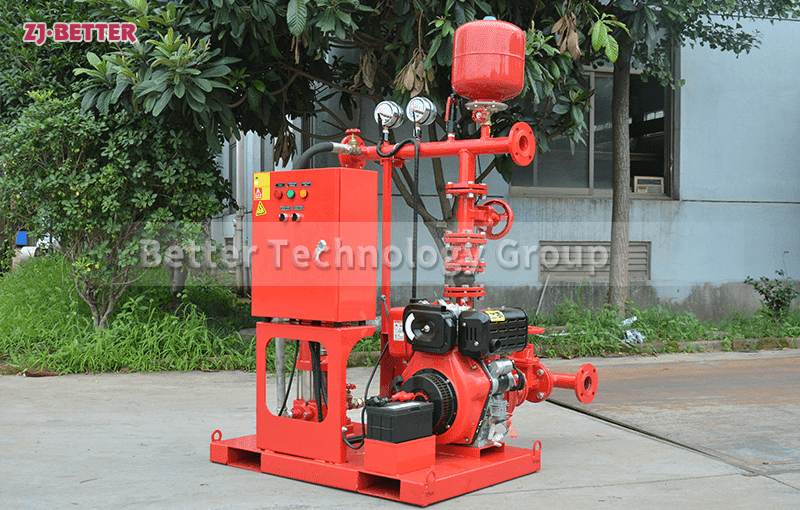
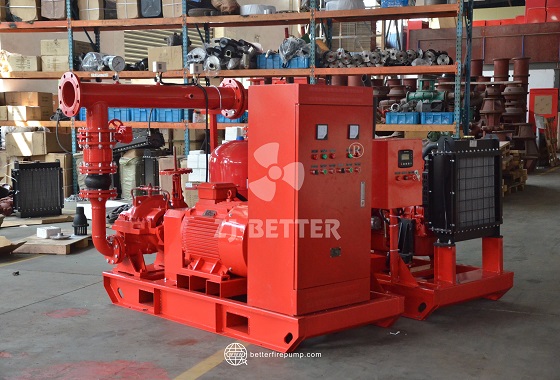
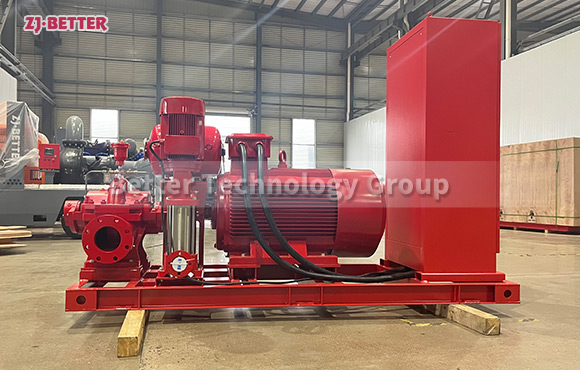
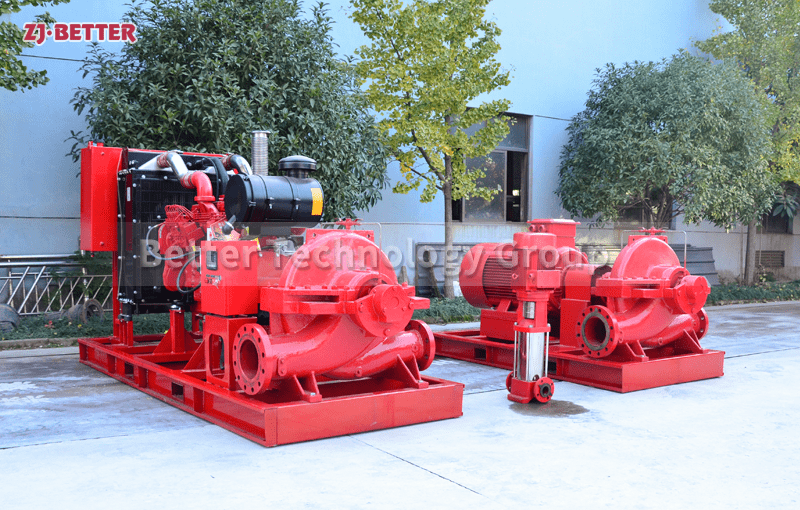
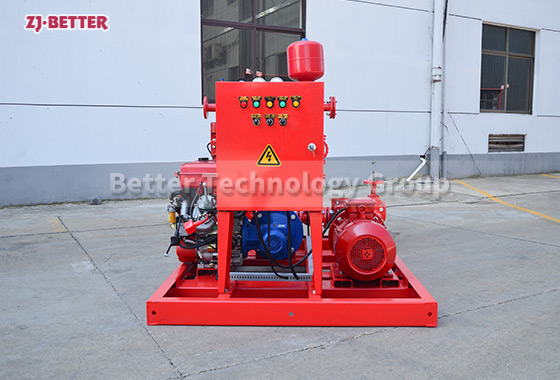
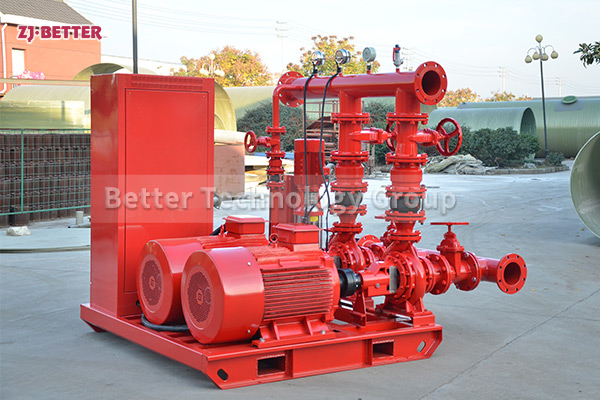
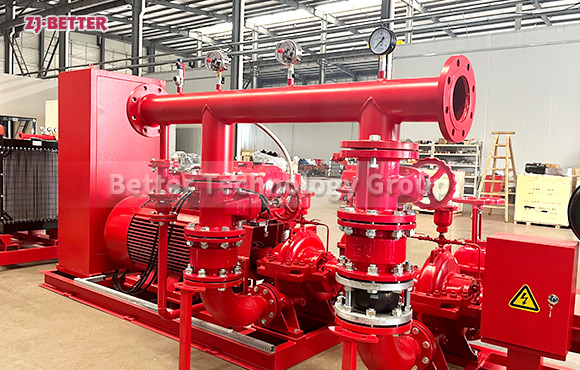
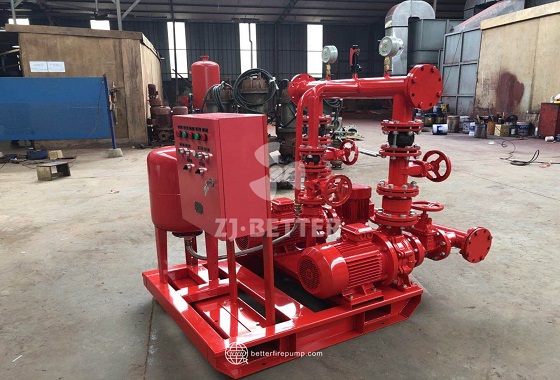
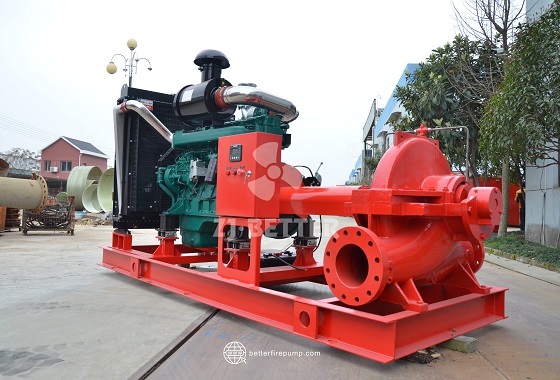
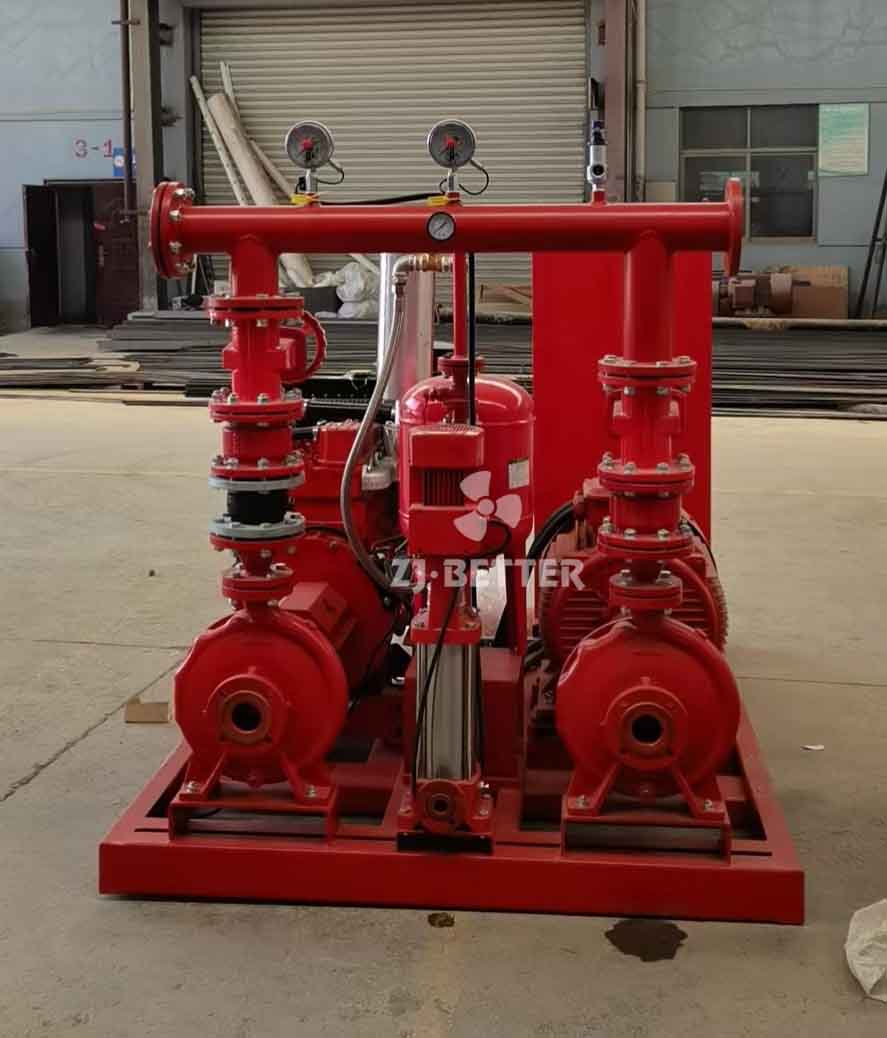
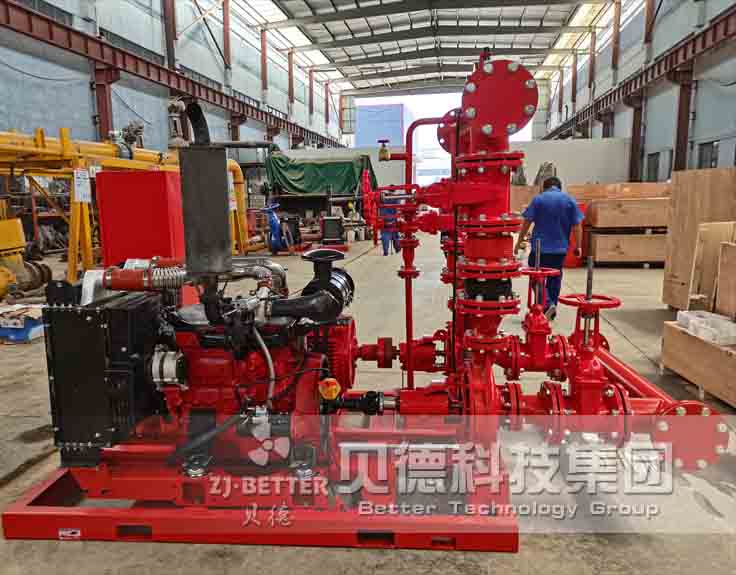
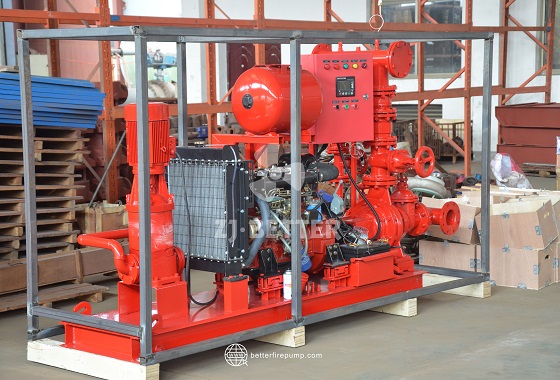
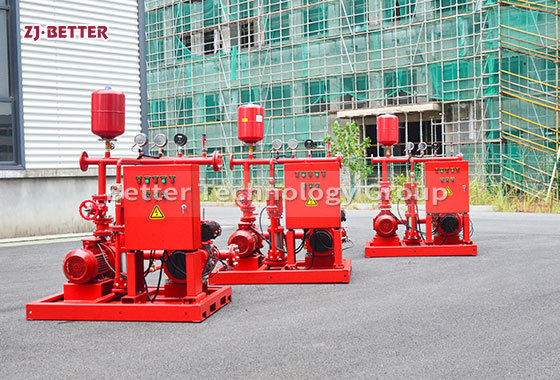
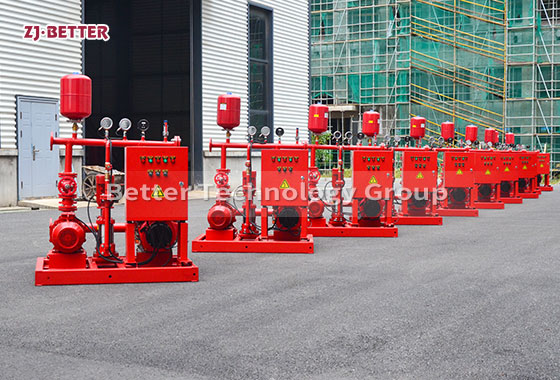
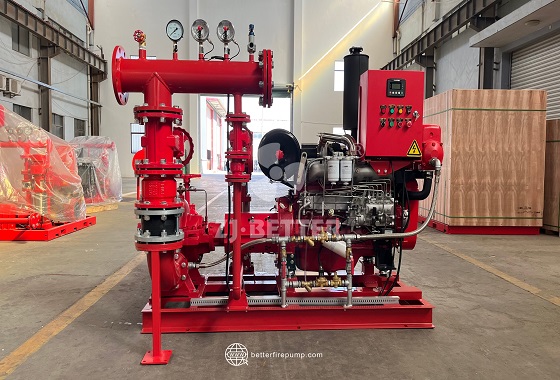
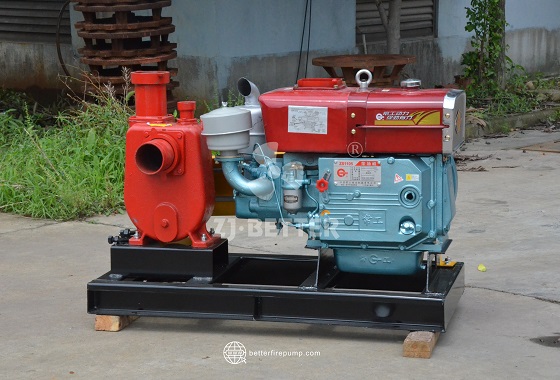
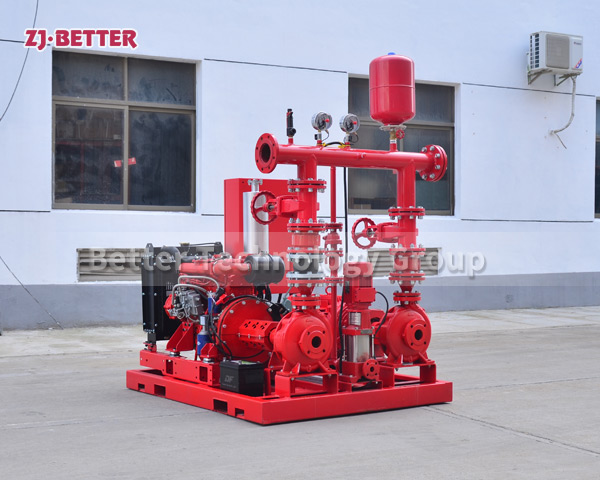
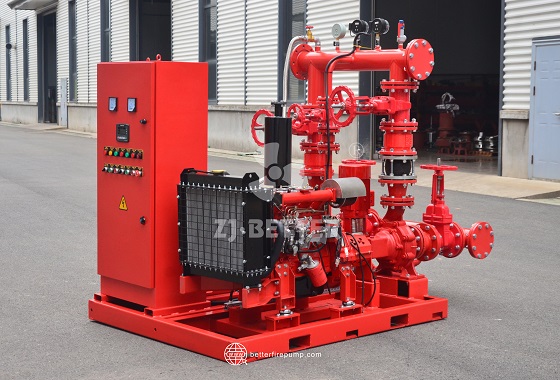
The high-efficiency automatic water pump system for dewatering projects adopts advanced vacuum-assisted water priming technology and has advantages such as automatic water priming, high suction head, large flow rate drainage, continuous operation, intelligent control, and energy saving and environmental protection. It is widely used in building foundation pit dewatering, subway tunnel construction, municipal drainage, mine drainage, water conservancy projects and emergency rescue projects, providing efficient and reliable drainage solutions for complex working conditions.
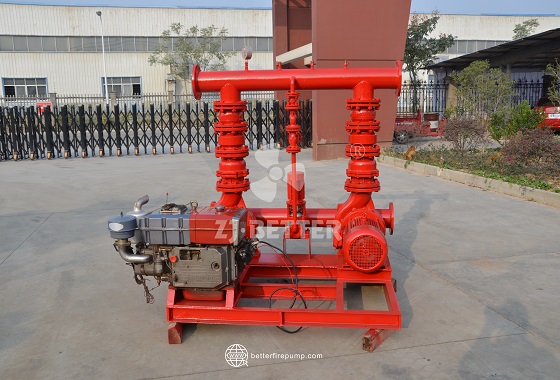
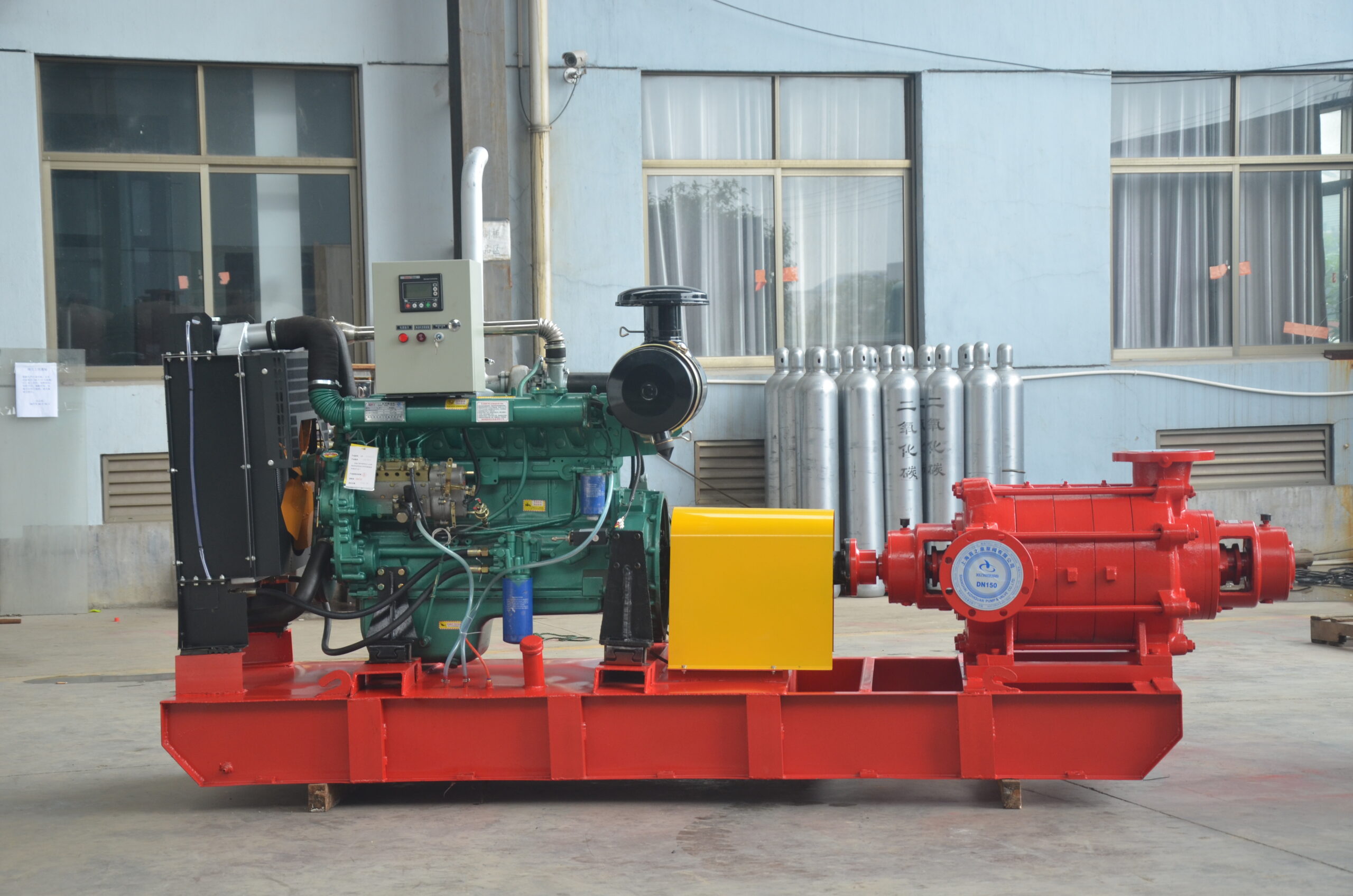
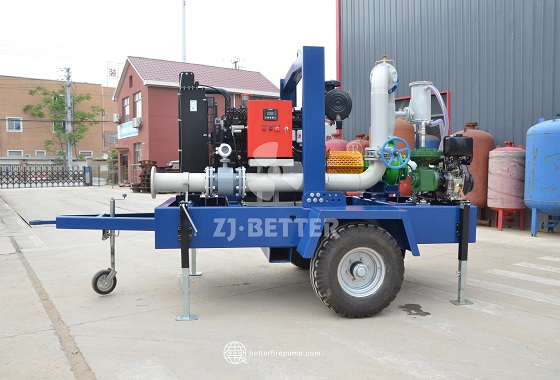
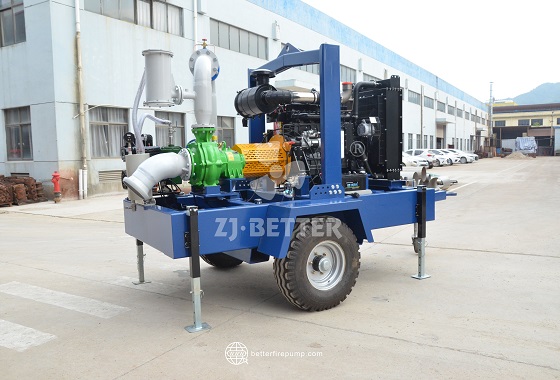
In modern infrastructure construction, municipal engineering development, subway tunnel construction, underground integrated pipe gallery construction, mining, water conservancy projects, and large building foundation pit construction, groundwater control and drainage are always crucial factors affecting project progress, safety, quality, and construction costs. Especially in environments with high groundwater levels, complex geological conditions, or during the rainy season, traditional drainage equipment often faces problems such as slow water intake, low pumping efficiency, insufficient continuous operation capacity, and high maintenance costs. The high-efficiency automatic water intake pump system for dewatering projects was developed against this backdrop. It is a professional dewatering equipment integrating automatic water intake, efficient pumping, intelligent control, mobile operation, and continuous operation. This system adopts advanced vacuum-assisted water intake technology, a high-performance centrifugal pump structure, and an intelligent control platform, enabling it to quickly establish water intake conditions and achieve high-efficiency continuous drainage, providing a reliable and stable dewatering solution for various engineering projects. Automatic water intake technology is one of the system’s core advantages. Traditional drainage equipment usually requires manual pump priming or repeated water intake operations before startup, which is not only time-consuming but also prone to malfunction due to improper operation. The automatic priming pump system uses a vacuum-assisted device to quickly extract air from the pump body and suction pipes, creating a negative pressure environment in a very short time to achieve automatic water intake. Even in long-distance water intake, high-drop water collection, and complex terrain environments, it can quickly complete the priming process, significantly improving equipment startup efficiency. For emergency drainage and disaster relief projects, this rapid startup capability effectively shortens preparation time and improves on-site operational efficiency. The high-efficiency hydraulic system design gives the equipment excellent drainage capacity. The system adopts an optimized impeller structure and efficient flow channel design, which significantly reduces internal hydraulic losses and improves energy conversion efficiency. Under the same power configuration, it can achieve greater flow output and more stable head performance. Facing the engineering needs of foundation pit dewatering, tunnel drainage, river diversion, and urban waterlogging control, the equipment can continuously and stably deliver large amounts of liquid, ensuring rapid removal of accumulated water on site and creating a good working environment for engineering construction. The large flow design not only improves drainage efficiency but also reduces unit drainage costs, bringing higher economic benefits to users. The high suction head performance further enhances the equipment’s adaptability. Many construction sites present challenges such as deep water intake points, frequent water level fluctuations, or long suction distances, making ordinary drainage pumps often insufficient. Automatic priming pump systems, through advanced vacuum-assisted technology and optimized structural design, possess excellent high suction lift capabilities, enabling them to quickly establish suction and maintain stable operation in complex environments. Whether for deep foundation pit projects, mine drainage, or river management projects, their high suction lift advantage can be fully utilized to ensure normal operation under various working conditions. Continuous operation capability is a crucial indicator for professional dewatering equipment. Engineering projects often require uninterrupted drainage for extended periods; equipment shutdown can lead to water accumulation in the construction area and even safety accidents. This system employs an industrial-grade power unit and heavy-duty pump body design, with key components undergoing rigorous testing and reinforcement, capable of withstanding prolonged high-load operation. Optimized cooling and lubrication systems effectively reduce equipment temperature rise and improve operational stability. Even after continuous operation for tens of hours or longer, it maintains stable flow and head output, providing continuous and reliable support for construction projects. The intelligent control system endows the equipment with a higher level of automation. Modern engineering projects place increasingly higher demands on equipment management efficiency. Automatic priming pump systems, equipped with intelligent control platforms, can monitor key parameters such as flow rate, pressure, vacuum level, engine speed, oil temperature, and operating status in real time. In case of abnormalities, the system can automatically alarm and take protective measures to prevent equipment damage. Some configurations also support remote monitoring and data transmission, allowing managers to monitor equipment operation in real time through a control center, achieving digital and intelligent management and significantly improving project operational efficiency. The equipment adopts a modular structure design, offering excellent mobility and ease of installation. The entire system integrates the power unit, vacuum auxiliary system, pump body components, and control unit onto a unified chassis or trailer platform, facilitating transportation and rapid deployment. Upon arrival at the construction site, only the suction and drainage pipelines need to be connected for immediate use. For engineering projects requiring frequent site relocation, mobile automatic priming pump systems can significantly reduce equipment installation time and labor costs, improving construction organization efficiency. Simultaneously, the equipment has a compact structure and small footprint, making it suitable for space-constrained construction environments. The wear-resistant and corrosion-resistant design significantly extends the equipment’s service life. In actual drainage processes, liquids often contain silt, particles, and other impurities, making ordinary pump sets prone to wear and corrosion. The key flow components of the automatic priming pump system are manufactured using high-strength, wear-resistant materials and undergo special anti-corrosion treatment, effectively improving the equipment’s wear and corrosion resistance. Even when treating water with high mud content for extended periods, it maintains stable performance, reducing maintenance frequency and parts replacement costs, thereby lowering overall operating expenses. Energy efficiency is one of the system’s key features. As the engineering industry increasingly demands energy conservation and environmental protection, high-efficiency drainage equipment is attracting more and more attention. The automatic priming pump system optimizes fluid design and power matching schemes, effectively reducing fuel or electricity consumption while ensuring high flow output. Compared to traditional drainage equipment, it consumes less energy per unit of drainage volume, helping users reduce operating costs and improve project economic benefits. The energy-saving advantages are particularly evident for large-scale dewatering projects that operate long-term. A wide range of applications further demonstrates the equipment’s value. This system is not only suitable for building foundation pit dewatering, subway tunnel construction, underground parking garage construction, and integrated utility tunnel projects, but also widely used in mine drainage, municipal flood control and drainage, river management, water conservancy construction, industrial wastewater transfer, and emergency rescue. During torrential rain disasters, the equipment can be quickly deployed for flood control and drainage; in large-scale engineering construction, it can undertake long-term groundwater control tasks; and in the industrial sector, it can be used for process drainage and emergency response. Its diverse application capabilities make it a key equipment choice for many engineering units and municipal departments. From a long-term operational perspective, the high-efficiency automatic water pump system for rainwater engineering not only improves construction efficiency but also effectively reduces overall operating costs. Rapid water diversion reduces waiting time, high-efficiency drainage shortens construction cycles, intelligent control systems reduce manual management costs, wear-resistant and corrosion-resistant structures reduce maintenance expenses, and energy-saving design further reduces energy expenditures. Through the combination of these advantages, the equipment helps users improve project economic benefits and market competitiveness. As the scale of global infrastructure construction continues to expand and the demand for urban flood control and drainage continues to grow, automatic water pump systems will play an increasingly important role in future engineering construction and emergency management. With its outstanding advantages such as automatic water diversion, high suction lift, large flow rate, continuous operation, intelligent control, and energy saving and environmental protection, this product has become an indispensable and important piece of equipment in the field of modern precipitation engineering. It provides efficient, safe and reliable drainage for various engineering projects and continues to promote the development of precipitation engineering equipment towards intelligence, efficiency and specialization.