Continuous Firefighting Without Interruption: Reliable Protection of Parallel Dual Pump Fire Pump Systems
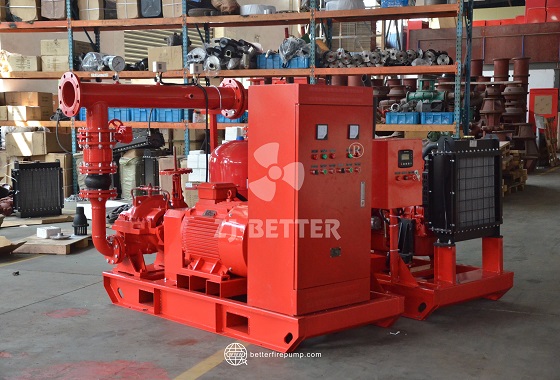
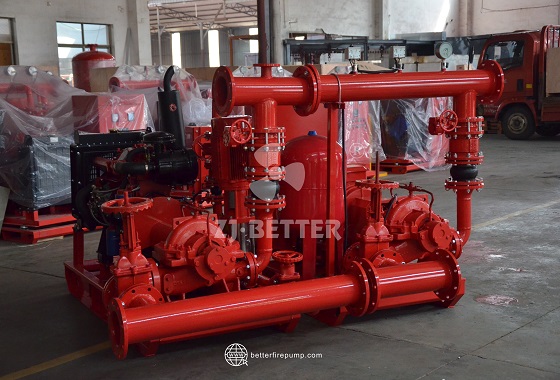
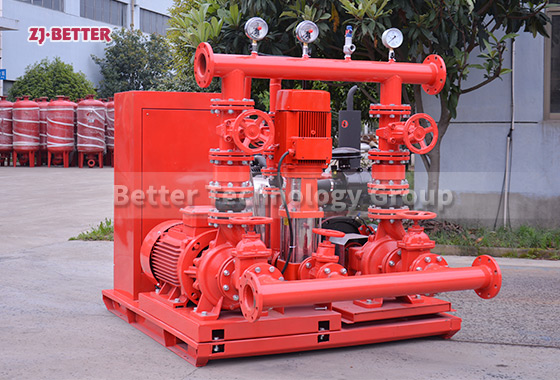
The dual-pump parallel fire pump system has the advantages of continuous fire extinguishing without interruption, high-flow water supply, automatic switching, stable pressure, redundancy backup and intelligent control. It is widely used in fire water supply systems of high-rise buildings, industrial parks, warehousing and logistics and commercial complexes, and is an ideal solution to improve fire safety level.
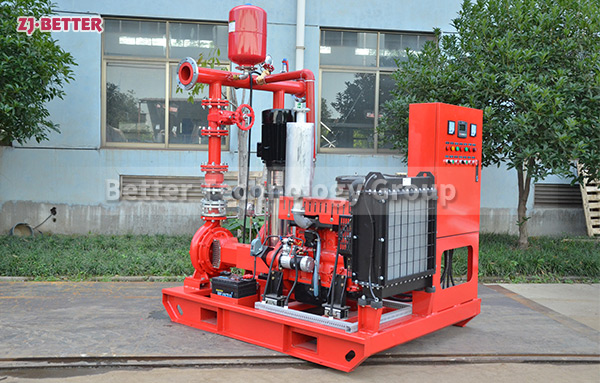
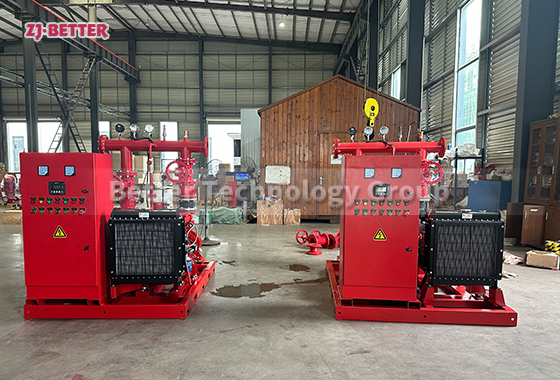
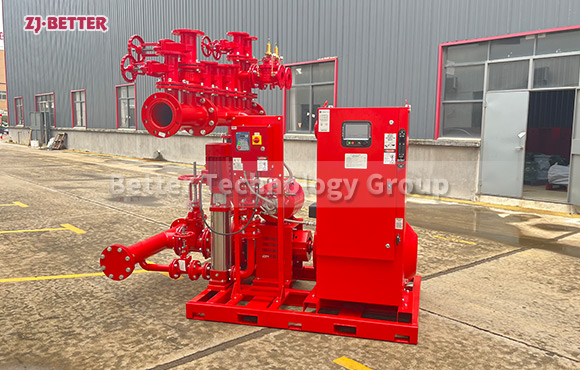
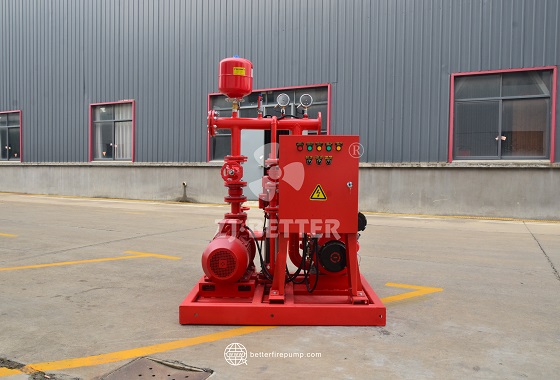
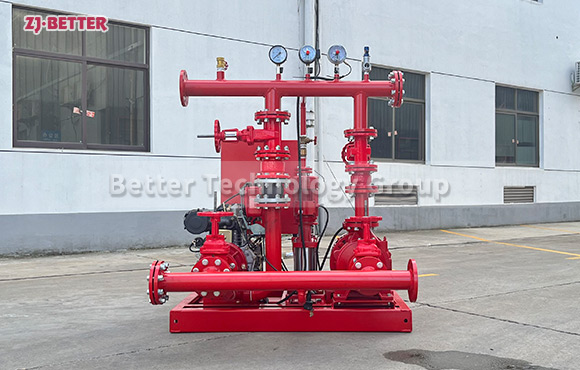
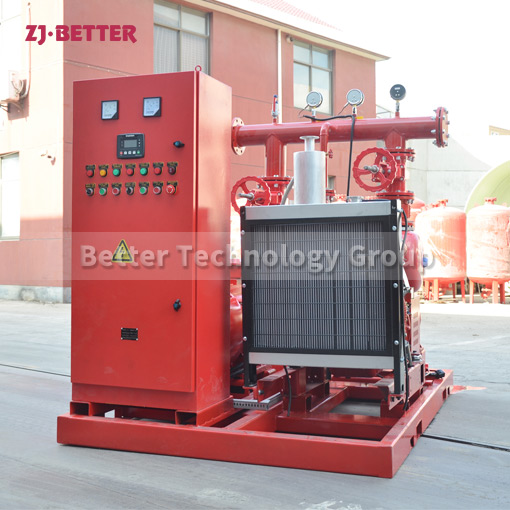
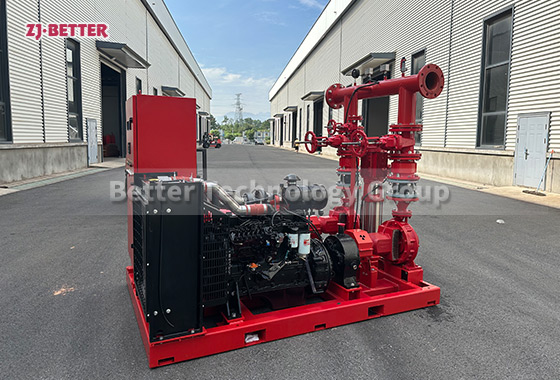
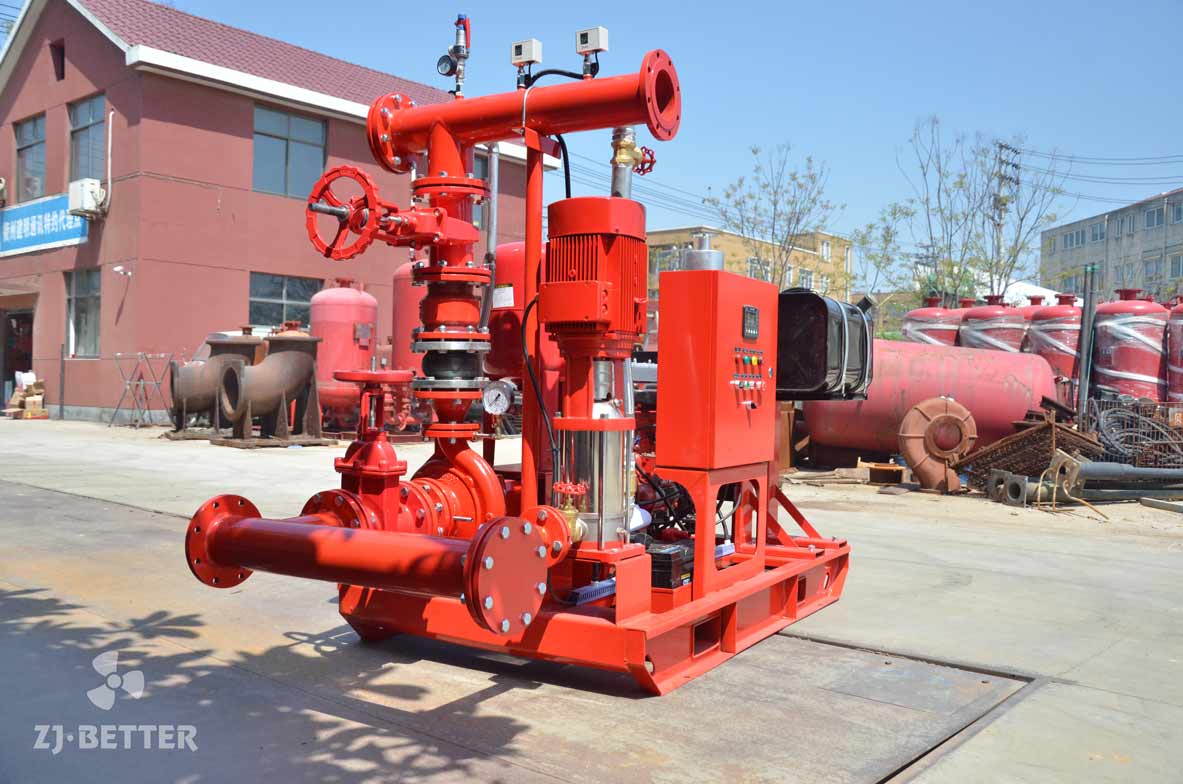
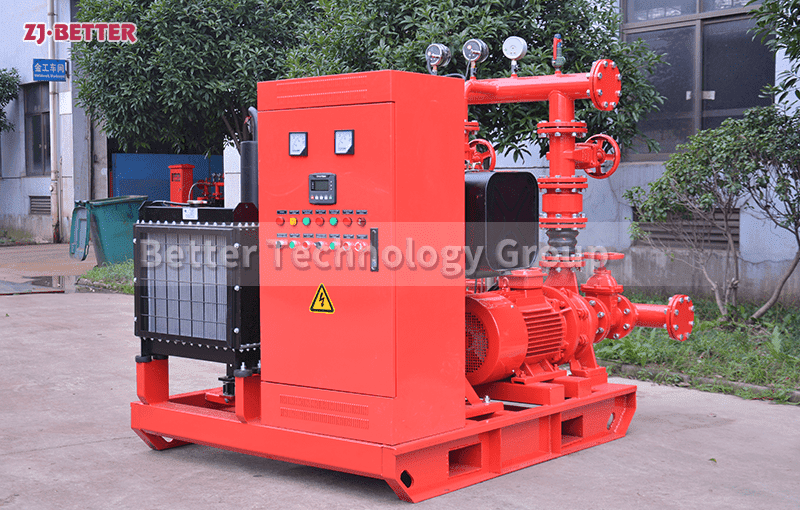
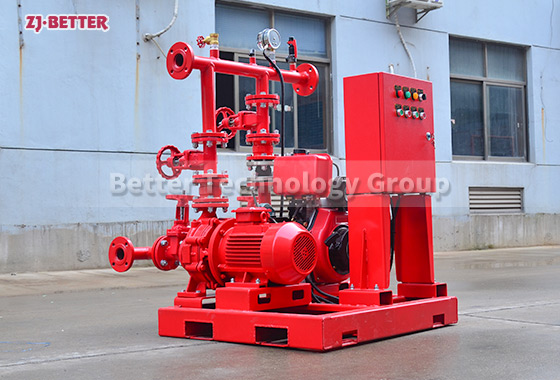
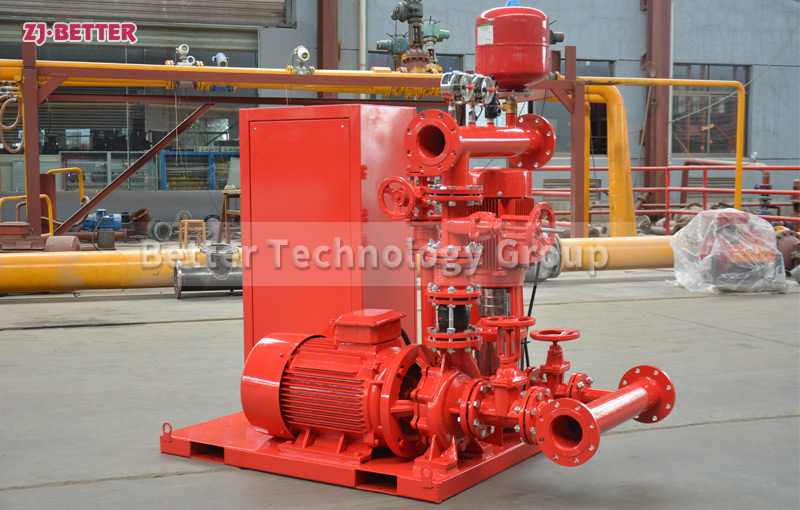
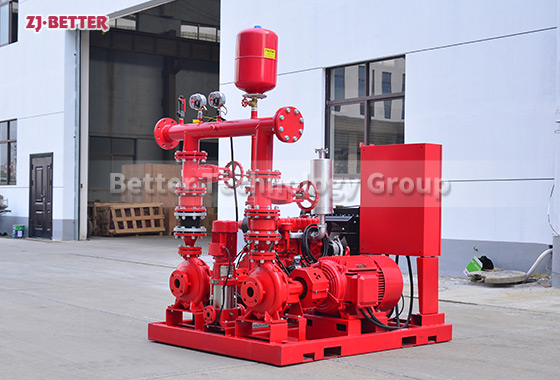
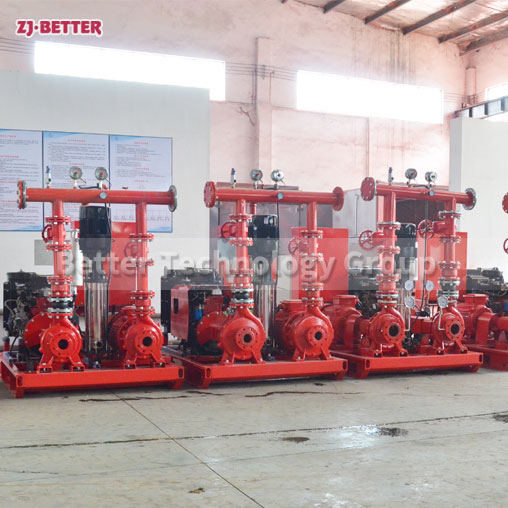
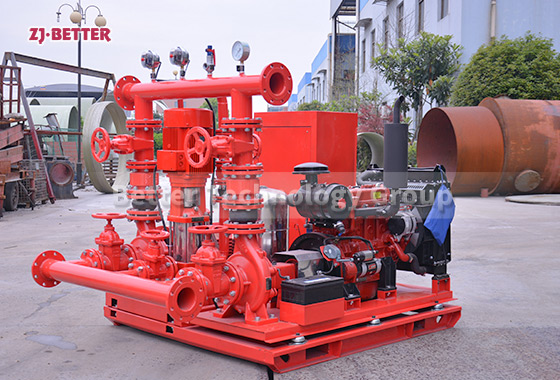
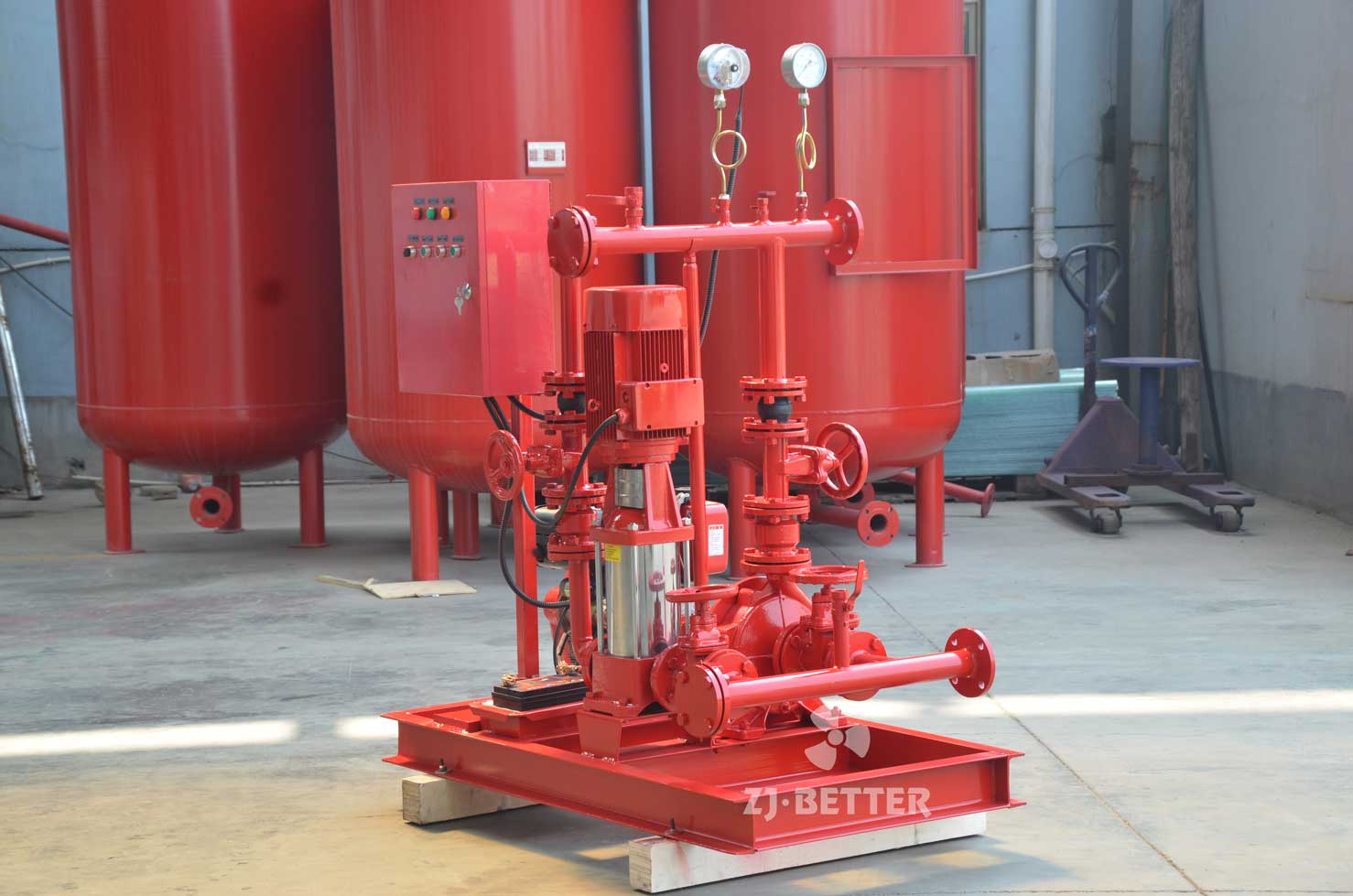
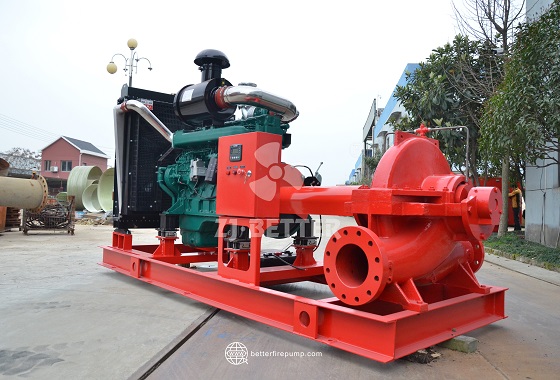
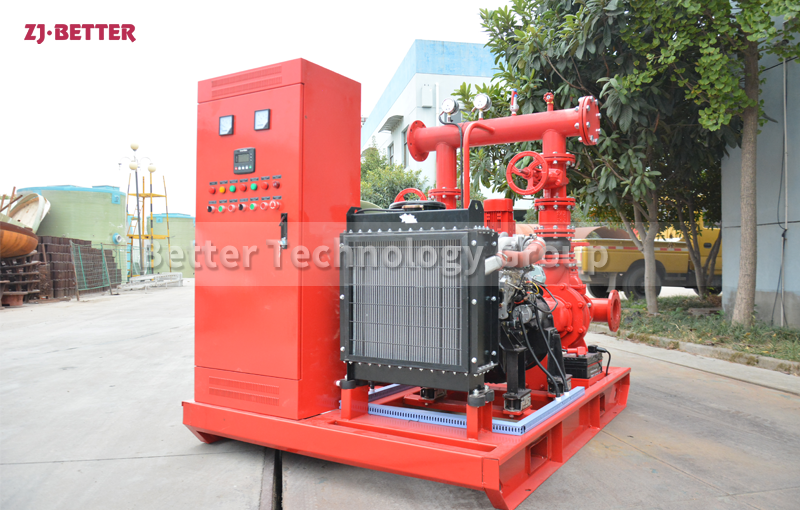
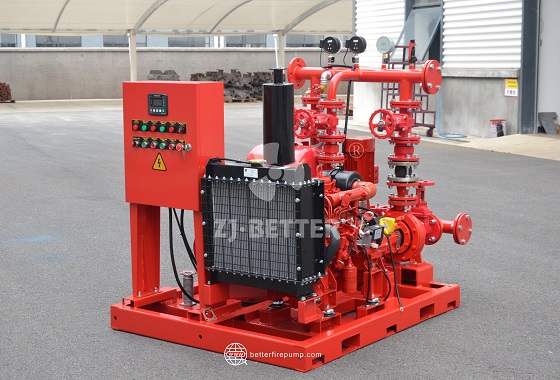
In modern fire safety construction, the stability of the water supply system directly determines the efficiency of fire response. However, when facing large building complexes, industrial parks, warehousing and logistics centers, ports, chemical bases, and high-risk public facilities, the traditional single-pump operation mode often fails to meet higher-level fire protection requirements in terms of continuous water supply capacity, redundancy guarantee capacity, and peak load capacity. Against this backdrop, the dual-pump parallel fire pump system has become a core piece of equipment in many projects. This system operates through the coordinated operation of two fire pump sets, enabling various working modes such as single-unit operation, dual-unit linkage, automatic switching, and standby, depending on actual conditions. It demonstrates significant advantages in continuous fire suppression, stable pressure boosting, rapid response, and fault redundancy, providing a more reliable water supply guarantee solution for modern fire protection engineering. The most prominent value of the dual-pump parallel fire pump system lies in its ability to continuously suppress fires without interruption. When a fire breaks out, the fire pipeline network needs to establish stable pressure in a very short time and maintain a continuous water supply throughout the entire fire suppression process. If a single pump shuts down due to overload, mechanical failure, or sudden abnormality, a typical single-pump system is prone to pressure drops or even water supply interruptions. However, a dual-pump parallel structure allows the backup pump to immediately take over, ensuring a continuous and stable water supply for fire sprinkler systems, indoor and outdoor fire hydrants, fire monitors, and foam extinguishing systems. This uninterrupted water supply capability is particularly crucial for large-scale fire suppression, significantly reducing the risk of fire spread and buying valuable time for firefighters. The system also offers significant advantages in flow output. With dual pumps operating in parallel, a larger total flow output can be achieved according to project needs, meeting the requirements for simultaneous fire suppression in multiple areas, large-area building coverage, and long-distance water delivery. For example, in the event of a fire in a large warehouse, multiple sprinkler zones may need to operate simultaneously, and multiple fire hoses may need to be activated for manual firefighting. In this situation, the water supply capacity of a single pump unit may be close to its limit, while the dual-pump system can share the load, ensuring stable water pressure at each end and preventing insufficient pipeline pressure from affecting firefighting efficiency. This high-flow-rate collaborative water supply capability is of extremely high practical value for high-rise buildings, underground spaces, super-large commercial complexes, and industrial plants. The dual-pump parallel fire pump system also excels in pressure stability. Excessive pressure fluctuations are a major concern for fire protection systems, as unstable pressure can lead to malfunctioning sprinklers, discontinuous hydrant flow, or insufficient water supply at the end points. The dual-pump system, through intelligent control logic, automatically adjusts the number of operating pumps and their output status based on real-time pressure changes. Under low load conditions, a single pump operates energy-efficiently; when pressure drops or demand increases, the second pump automatically engages, achieving a smooth pressurization and avoiding sudden pressure rises and falls. This flexible adjustment method makes the entire fire protection network more stable, reduces impact on valves, fittings, and equipment, and extends the system’s lifespan. Automatic control capability is a key competitive advantage of modern dual-pump systems. The equipment is typically equipped with an intelligent control cabinet that can monitor pressure, water level, flow rate, battery status, engine parameters, motor current, operating frequency, and fault information in real time. Once a fire alarm signal is detected or the network pressure falls below the set value, the system can automatically complete the startup process and automatically engage the second pump unit as needed. If the main pump malfunctions, the standby pump immediately switches operation; the entire process requires no manual intervention, significantly improving emergency response speed. For unattended locations at night, large industrial parks, or areas with dispersed populations, this automated operation capability significantly improves the reliability of fire protection systems. The dual-pump parallel structure also offers substantial redundancy and safety value. Modern engineering design increasingly emphasizes backup mechanisms for critical equipment; as life safety facilities, fire protection systems must avoid single-point-of-failure risks. Dual-pump configurations mean that when one pump requires maintenance, the other can still provide basic water supply, ensuring uninterrupted fire safety operation. For hospitals, data centers, airports, subway stations, large shopping malls, and continuous production plants, equipment downtime for maintenance often faces strict time constraints. Dual-pump systems allow for more flexible maintenance, improving facility management efficiency and reducing operational risks. The equipment offers high flexibility in power configuration, employing a combination of electric and diesel power, or a dual-electric or dual-diesel structure. The electric main pump is suitable for daily standby and high-efficiency operation, while the diesel backup pump can be quickly activated during power outages, providing true dual protection. For areas with unstable power supply, the dual-diesel solution further enhances independent operation capabilities. The diverse power combinations enable dual-pump systems to adapt to different national standards, project budgets, and scenario requirements, making them widely applicable in industrial, commercial, municipal, and infrastructure projects. In terms of hydraulic performance, the system can be equipped with various pump types, including end-suction centrifugal pumps, horizontal split-case double-suction pumps, and multi-stage high-pressure pumps, to achieve different goals such as high flow rate, high head, or long-distance delivery. For projects primarily consisting of large warehouses, a high-flow configuration can be selected; for high-rise buildings, a high-head solution can be adopted; and for complex multi-area water supply in industrial parks, precise matching can be achieved through staged operation of the dual pumps. This flexible customization capability makes the equipment not just a standard product, but a professional fire-fighting water supply solution tailored to engineering needs. In terms of structural design, dual-pump parallel fire pump systems typically adopt an integrated base layout, centrally integrating two pump sets, piping assemblies, check valves, gate valves, control systems, and vibration damping devices, resulting in a compact overall structure and high installation efficiency. A high degree of prefabrication means shorter on-site construction time, clearer interfaces, and easier commissioning, effectively shortening the project delivery cycle. This is particularly important for commercial real estate, industrial construction, and infrastructure projects with tight schedules. The equipment exterior is typically treated with anti-corrosion coating, and the base is of high strength, making it suitable for complex environments such as humidity, high temperature, and dust, and ideal for long-term stable operation. Energy saving and economy are also key advantages of dual-pump systems. Although two units are configured, an intelligent rotation operation mechanism allows the two pump sets to alternate between standby and operation, balancing equipment wear and extending overall lifespan. Under low load, a single pump operates, avoiding unnecessary energy consumption; during peak demand, both pumps work together, balancing efficiency and performance. Compared to the single-pump mode, which operates under high load for extended periods, dual-pump systems are often more advantageous in terms of maintenance costs, failure rates, and lifecycle costs. In the long run, this design not only improves safety levels but also reduces overall operating costs for owners. Ease of equipment maintenance is also noteworthy. Dual-pump systems typically have ample space for maintenance, with valves, couplings, lubrication points, and control components rationally arranged for easy daily inspections and quick maintenance. Even if one unit requires maintenance, the other can remain on standby, without affecting system integrity. For projects requiring year-round operation, this maintainability directly impacts equipment availability and management efficiency. As fire safety regulations continue to improve, more and more projects are requiring higher levels of backup capacity and continuous water supply during the design phase. This makes dual-pump parallel fire pump systems a preferred choice for high-standard projects. They not only meet stricter acceptance standards but also help improve project insurance ratings, asset safety levels, and market competitiveness. For owners, choosing a dual-pump system is not just about purchasing equipment, but also investing in a long-term, stable safety guarantee system. Whether facing sudden fires, complex conditions, long-duration firefighting missions, or equipment maintenance cycles, dual-pump parallel fire pump systems provide continuous support with stable, efficient, intelligent, and reliable performance. Looking at future development trends, fire protection systems will place greater emphasis on automation, redundancy, intelligence, and high reliability, and the dual-pump parallel architecture aligns perfectly with this direction. Through more advanced control technologies, more efficient hydraulic models, and more flexible system integration methods, this type of equipment will play an increasingly important role in global commercial buildings, industrial facilities, municipal engineering, and public safety. Uninterrupted continuous firefighting is not just a product slogan, but the core value of dual-pump parallel fire pump systems in real emergency scenarios and a crucial choice for upgrading modern fire water supply systems.
管道泵(不锈钢304316L).jpg)