Electric Fire Booster Pump with Efficient Hydraulic Design for Pipeline Pressure Compensation
The electric fire-fighting booster pump utilizes a high-efficiency centrifugal hydraulic design and motor drive, integrating pressure sensing and automatic control to compensate for pipeline network pressure. It features stable operation, rapid response, low vibration, and a compact installation footprint, making it suitable for fire-fighting water supply systems in both building and industrial applications.
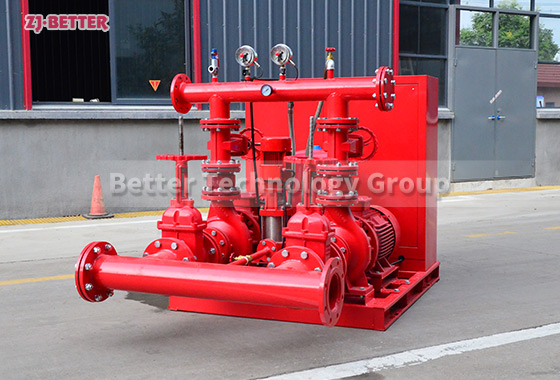
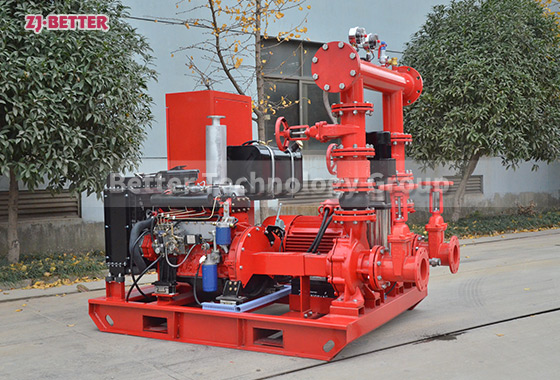
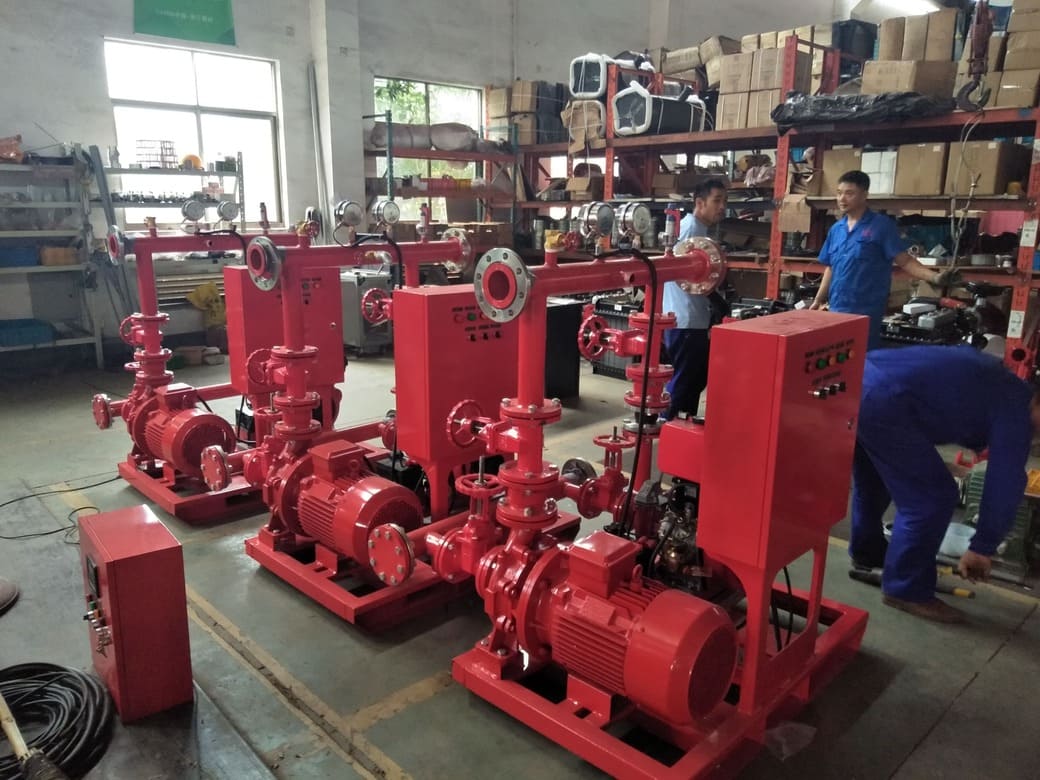
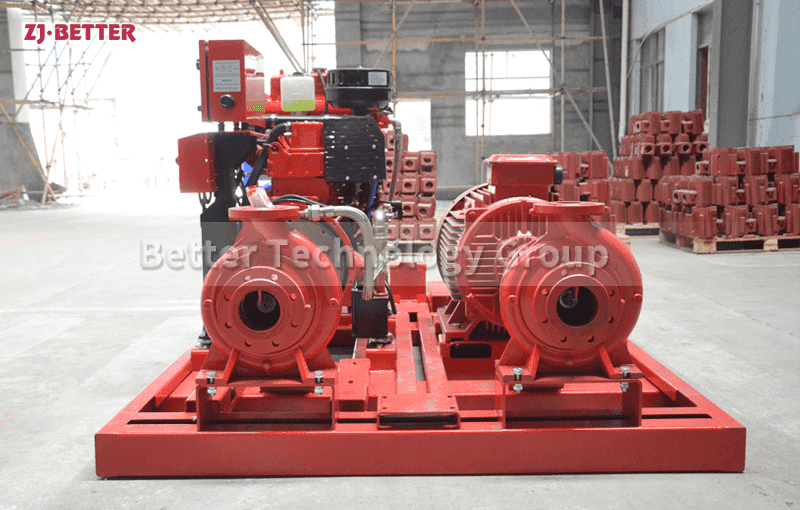
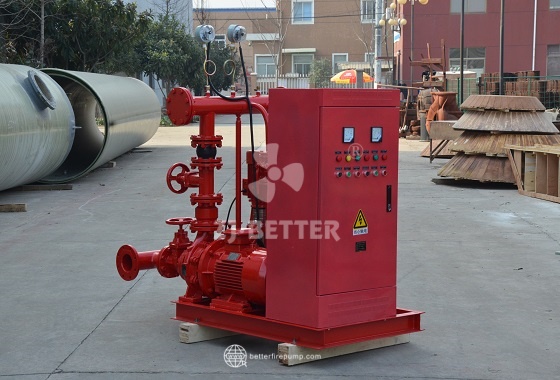
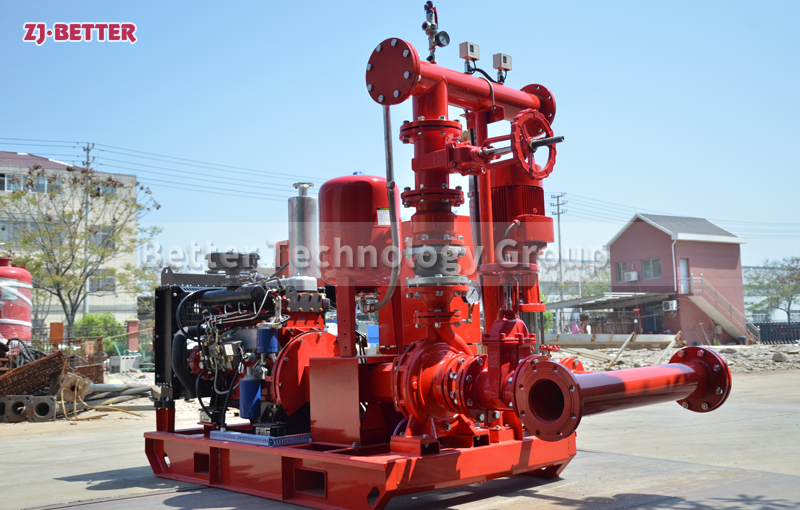
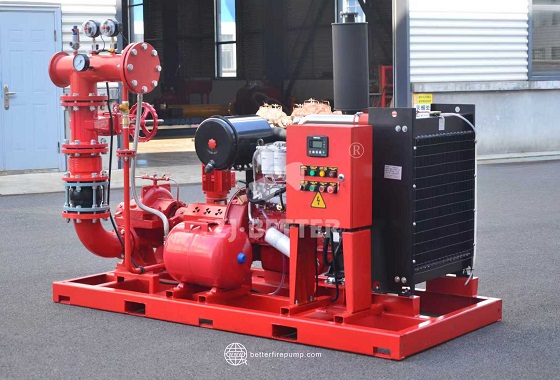
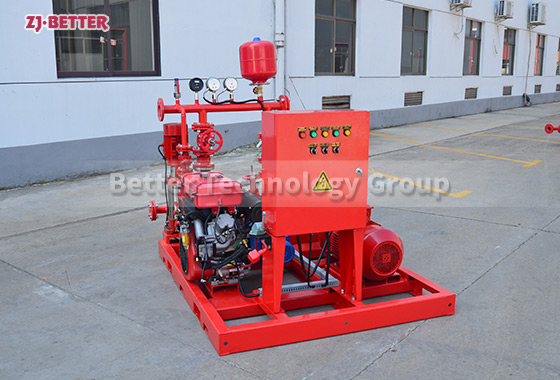
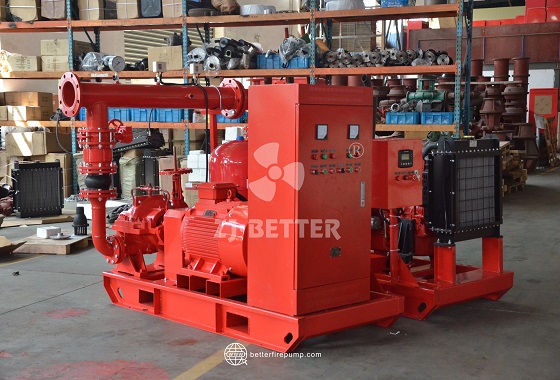
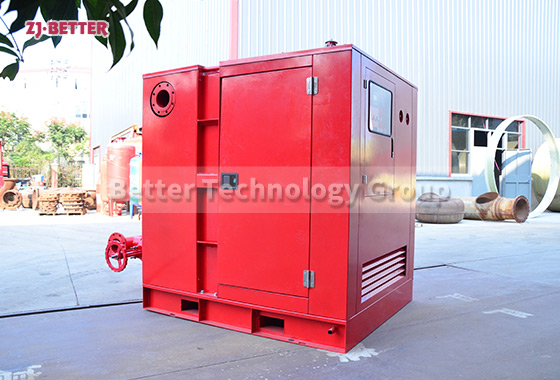
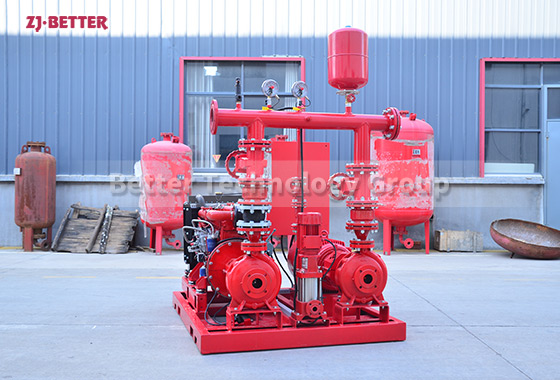
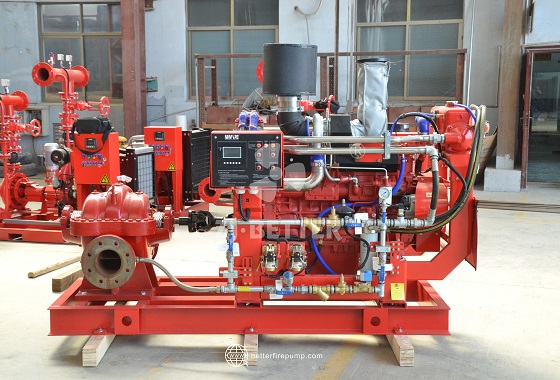
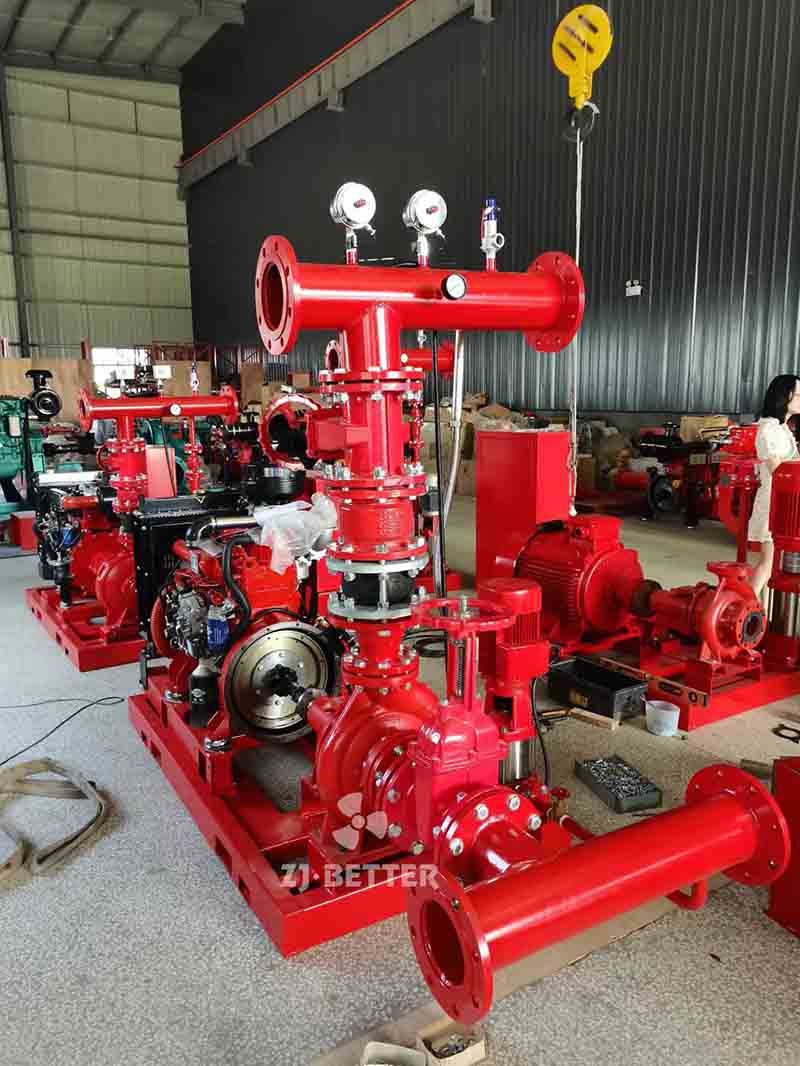
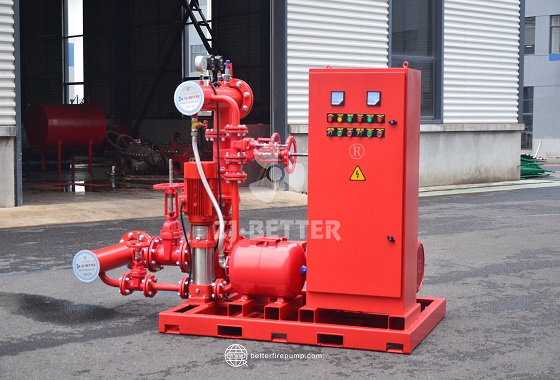
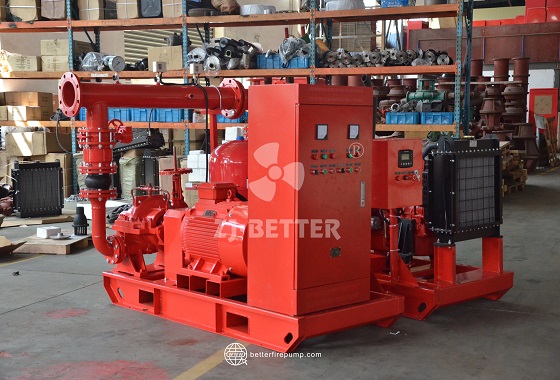
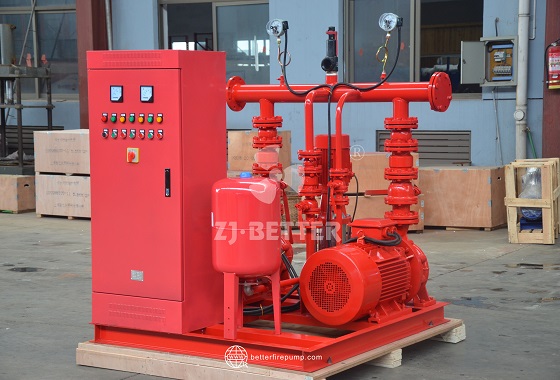
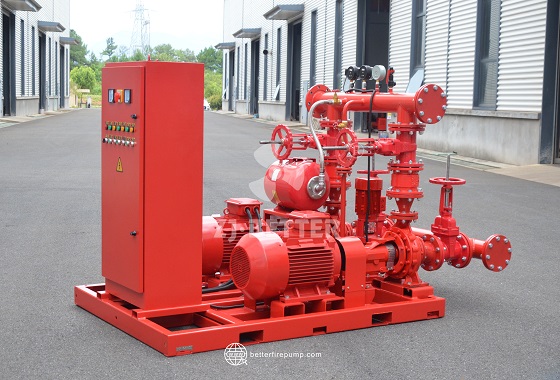
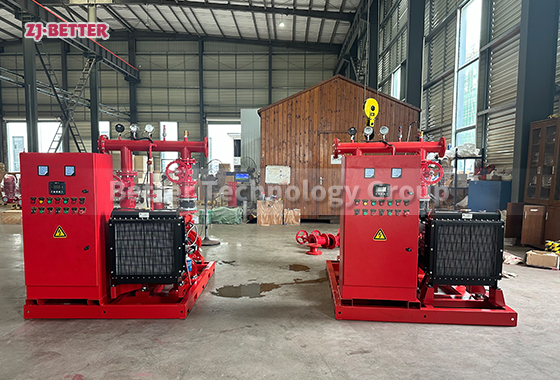
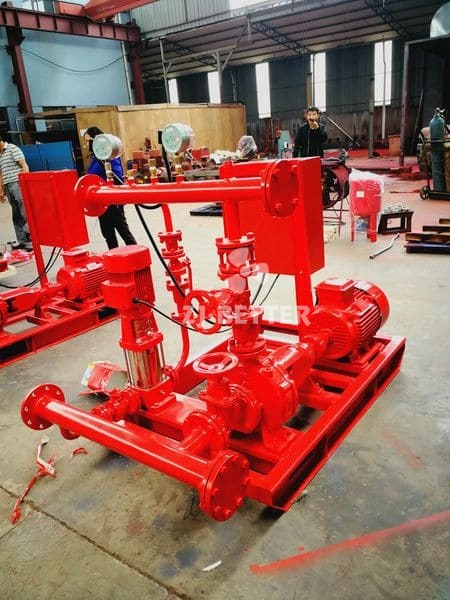
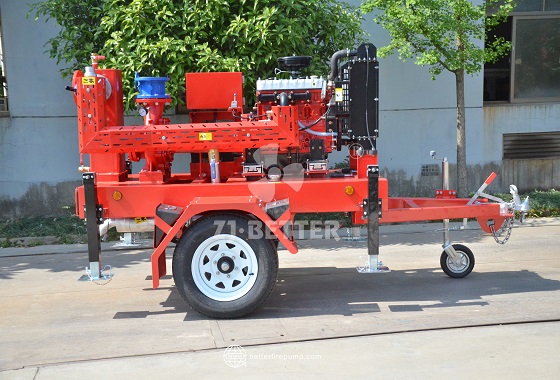
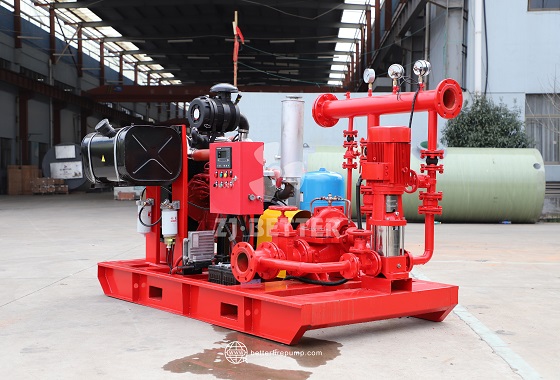
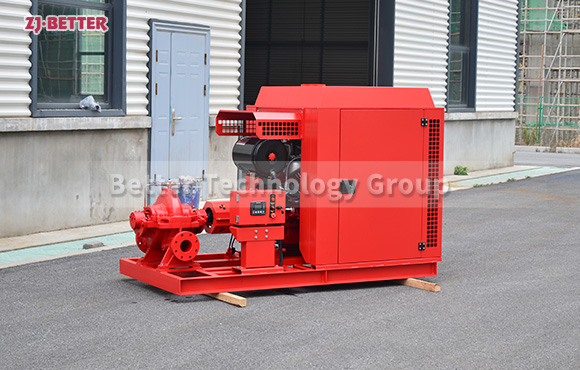
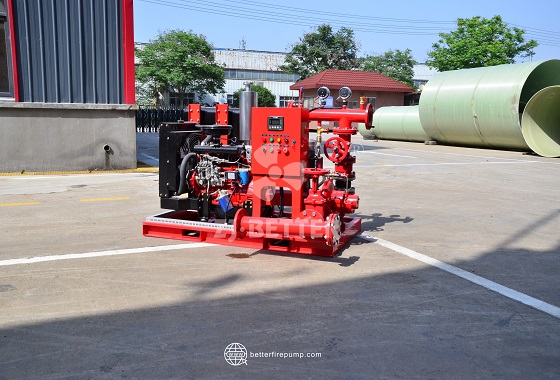
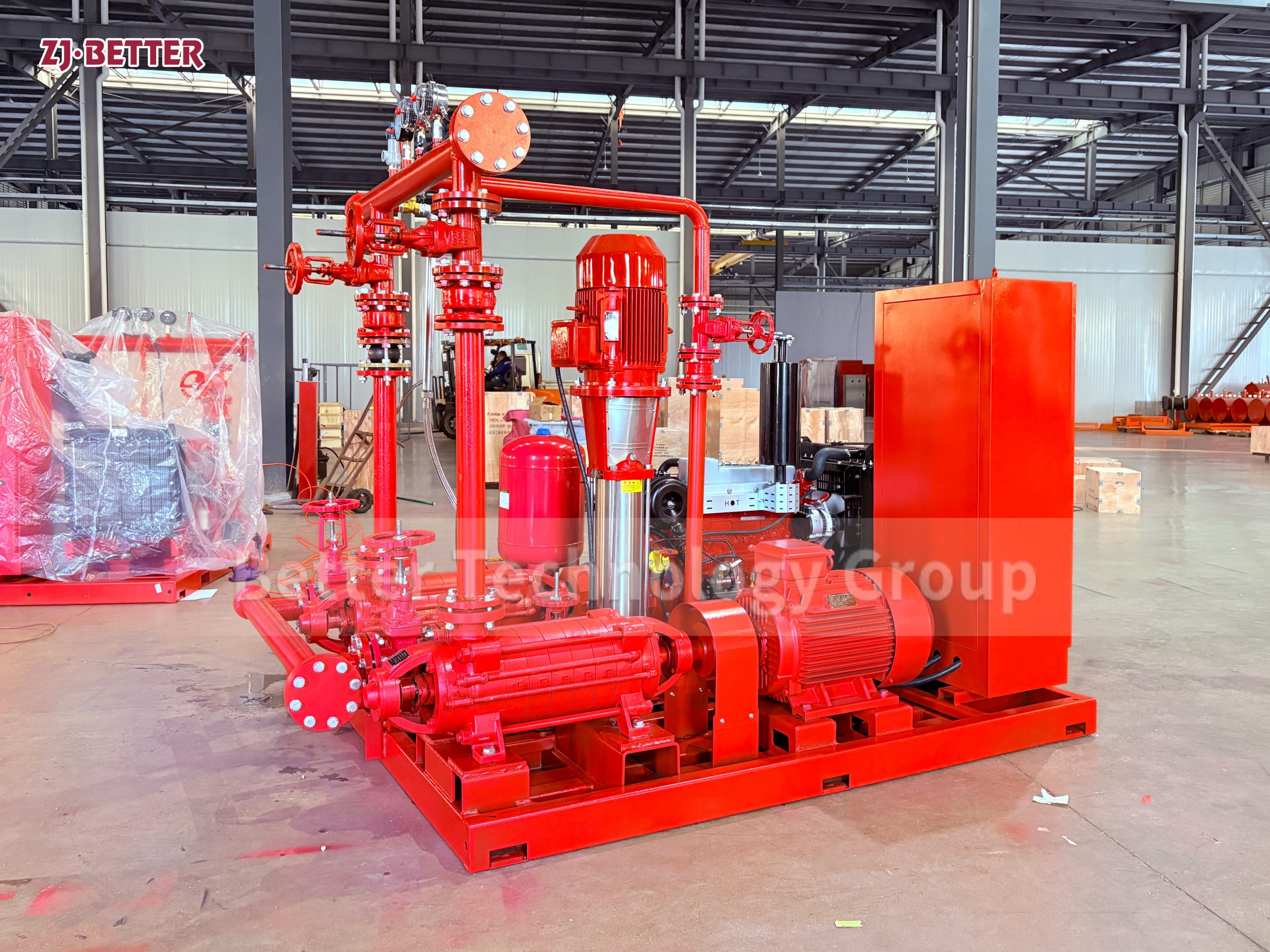
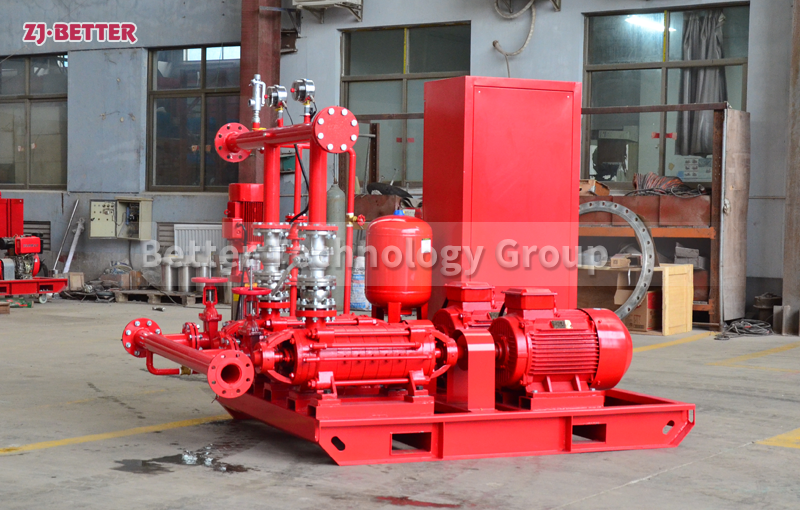
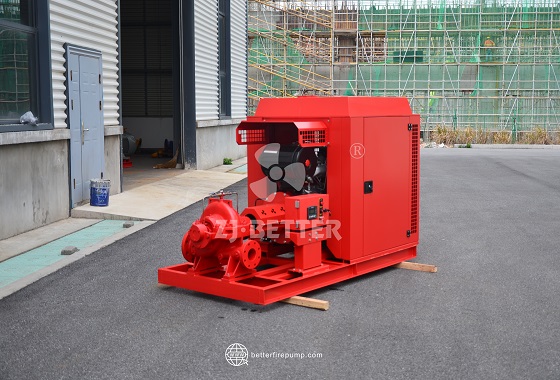
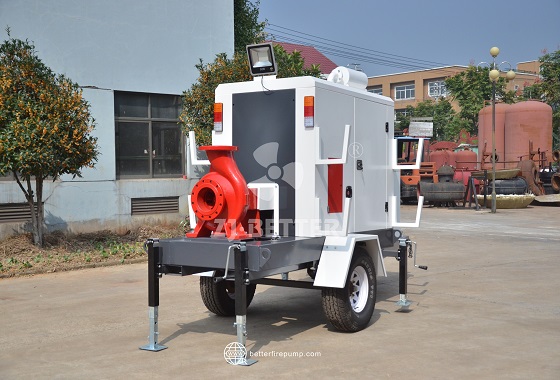
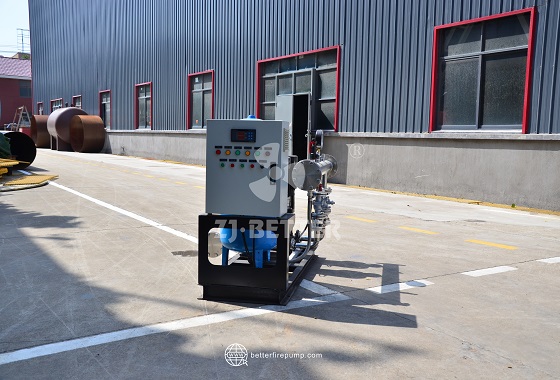
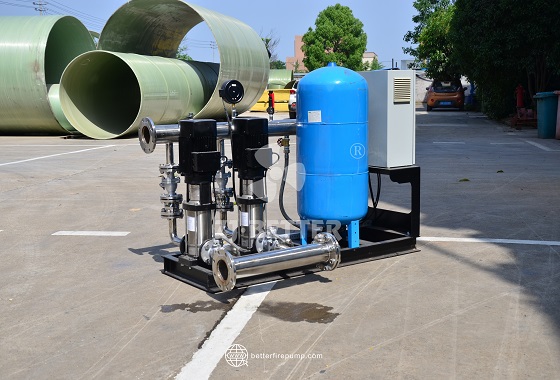
The electric fire-fighting pressure-boosting pump is a packaged system designed to compensate for pressure drops and stabilize the water supply within fire-fighting piping networks. It primarily consists of an electric pump, a control cabinet, pressure-sensing components, valves, and connecting piping, making it suitable for fixed fire-fighting water supply systems in buildings, industrial plants, logistics warehouses, and commercial facilities. The equipment shown features a compact, integrated design that consolidates the pump, control unit, and piping components, thereby facilitating transportation, on-site installation, commissioning, and subsequent inspections. Its core advantage lies in its centrifugal hydraulic design; an electric motor drives the impeller to convert mechanical energy into fluid pressure energy, thereby compensating for pressure in the fire-fighting network. Pump models and motor power ratings can be selected based on specific flow rates, pressure requirements, total head, and network conditions, ensuring stable pressure compensation during actual operation. Data indicates that these boosting systems can be configured with varying flow rates, heads, and power outputs to meet project-specific needs, achieving stable operation through optimized parameter matching. The high-efficiency hydraulic structure ensures smooth fluid transport and pressurization within the pump casing, minimizing hydraulic losses; combined with a high-efficiency motor, this helps reduce energy consumption during operation. Product specifications highlight that the combination of a high-efficiency motor and optimized hydraulic design delivers stable power, low vibration, and low noise, making the system ideal for environments requiring continuous maintenance of fire-fighting network pressure. During the system’s normal standby mode, network pressure may gradually decline due to factors such as minor leaks, valve operations, ambient temperature fluctuations, or incidental water usage. The pressure-sensing device continuously monitors the network pressure; when the pressure drops below a preset threshold, the control system activates the booster pump to restore pressure, stopping operation once the pressure returns to the target range. This process minimizes the need for manual intervention and maintains the fire-fighting system in a stable, ready-for-action state. This pressure compensation method also prevents the main fire pump from starting frequently due to minor pressure drops, establishing a logical operational balance between low-flow pressure maintenance and the high-flow water supply required during a fire. When the system demands a high volume of water, the main fire pump handles the primary flow and pressure supply, while the booster pump focuses on routine pressure maintenance, ensuring effective coordination within the overall fire-fighting water supply system. The accompanying control cabinet enables centralized management of pump start/stop operations, pressure signals, and operating status. Depending on the specific configuration, it supports functions such as automatic operation, manual control, status display, and fault alarms, making equipment management more intuitive. The integrated installation of the control cabinet with the pump unit and piping minimizes on-site connections between scattered components, thereby enhancing installation efficiency. Structurally, the compact, integrated design optimizes space utilization while facilitating centralized inspection and maintenance of components such as pressure gauges, sensors, valves, and piping. The equipment can be selected based on project-specific parameters—including design pressure, flow rate, head, pipe diameter, installation space, and control requirements—to meet the pressure compensation needs of various building and industrial fire-fighting piping networks. In summary, the electric fire-fighting booster pump—utilizing efficient hydraulic design, motor drive, pressure sensing, and automatic control—provides continuous pressure compensation for fire-fighting networks. It maintains stable pressure during standby and works in tandem with the main fire pump to meet diverse water supply demands. Characterized by a compact structure, stable operation, rapid pressure response, high automation, and strong adaptability, it serves as a vital pressure-maintenance component in modern fixed fire-fighting water supply systems.